
How Does the X-Ray Method Work in Decontamination?

As cannabis production scales and testing standards tighten, cultivators face increasing pressure to ensure their products are free from harmful microbes without compromising quality. Decontamination, the process of removing or killing microorganisms, has become a common step in post-harvest processing. Traditional methods come with trade-offs that can alter the plant’s potency, aroma, or appearance.

Until recently, most producers relied on heat-based techniques, such as pasteurization, or surface treatments, including ozone and ultraviolet (UV) light exposure. While effective in food and agriculture, these methods often fail to penetrate dense cannabis flowers, allowing microbes hidden deep inside to survive. Other approaches, such as gamma and electron-beam (E-beam) irradiation, have been used safely in the food industry for decades to sterilize spices, produce, and packaged goods without affecting nutritional quality or taste.

Now, X-ray decontamination is emerging as a promising adaptation of these proven methods for cannabis. The technology penetrates through the entire flower, destroying microbial DNA while leaving cannabinoids and terpenes intact.


Jeff Adams, founder of XRPure, explains the process through a simple visual analogy:

“If you imagine a single mold spore as the size of a golf ball,” Adams says, “the DNA strands inside that spore are about the size of a needle. The X-rays, on that same scale, are the size of those needles—they pass through the ‘golf ball’ and target the DNA directly.”


Because plant cells are vastly larger on this scale, roughly fifteen feet in diameter, the X-rays pass through them virtually untouched.


“They’re targeting only the things that are on their size scale,” he adds, “which makes X-ray particularly effective at killing microbes while leaving the rest of the plant unharmed.”


By contrast, chemical or fog-based decontamination methods rely on molecules that interact with terpene and cannabinoid compounds of similar size, raising the risk of chemical reactions that can degrade flavor and aroma. X-ray avoids this issue entirely by working on a different physical scale.

Finally, Adams and his team note that X-ray systems meet the highest FDA safety standards and are sealed to prevent any radiation leakage. Operators don’t require special protective equipment or restricted rooms. “It’s a very safe, simple, and efficient technology,” says Sales Manager Joseph Bancheri, “that’s already built to comply with federal safety protocols if and when national cannabis legalization arrives.”

The Industry Has A Mold Problem

Despite the technology’s promise, decontamination in general is an ongoing debate within the cannabis industry. Some purists argue that remediation of any kind undermines the plant’s natural integrity, insisting that skilled cultivators should be able to grow clean cannabis without relying on post-harvest interventions.

Jeff Adams, founder of XRPure, acknowledges that sentiment but believes X-ray remediation represents a fundamentally different approach from heat or chemical-based methods. “One interesting thing about X-ray,” Adams explains, “is that the wavelength is almost exactly the same size as the DNA strand in a microbe. As it passes through the flower, those DNA strands absorb energy from the X-ray, which breaks them apart and essentially kills the microbe. It’s not a chemical reaction with the plant; it’s literally targeting the microbial DNA.”

That precise mechanism is what makes X-ray decontamination less likely to alter the plant’s terpenes and cannabinoids. “We completely understand the concern about maintaining quality,” Adams says. “Ideally, everyone would grow perfectly clean cannabis. But the reality is that the same environment that’s good for cultivating a plant is also good for growing microbes. Even the best operations in the country struggle with mold and mildew contamination.”

For producers operating at scale, those challenges can be costly. Adams points out that even small microbial contamination can lead to failed lab tests, lost batches, and reputational damage. “We provide a way to address contamination immediately after harvest—before packaging—so the product stays stable and clean on the shelf,” he explains.

Regardless, there’s a stigma. Cannabis that has been “treated” or “remediated” often sells for less, and many growers choose not to disclose the use of decontamination technology. “That’s just the reality of the market right now,” Adams says. “But we believe that clean cannabis is actually better for consumers. No one wants to inhale mold spores, and medical patients can be especially sensitive.”

Interestingly, consumer perception may be shifting. Adams cites a recent survey the company conducted showing that while 90% of respondents wanted transparency about whether a product had been remediated, 56% said they would be more likely to purchase treated cannabis, particularly in the medical market.

Sales Manager Joseph Bancheri adds that skepticism often comes down to scale and economics. “Some of the smaller or legacy-style growers, what I call the ‘tree-hugger naturalists’, don’t want to use any kind of remediation,” he says. “I get it. But if you’re losing 10% of your crop to microbials, that’s a big hit. Once you’re producing 100 pounds or more per month, it starts making sense to have an in-house system or send it out for treatment.”

Bancheri also points out that testing standards vary dramatically by state. Nevada allows up to 10,000 colony-forming units (CFU) per gram of microbial matter, while Illinois caps it at 1,000, and some states go as high as 100,000. “At 10,000 CFU, you’re in a reasonable middle ground,” Adams notes. “It protects medical patients but still allows growers to operate realistically. At 1,000 CFU, it becomes challenging, even for the cleanest facilities.”

Aspergillus, the common black mold sometimes found in household bathrooms, remains the biggest microbial culprit and is strictly prohibited in most states. “It’s airborne, it’s everywhere,” Adams says. “Even a sealed HVAC system can’t completely prevent it. And when you’re inhaling, your lungs don’t have the same defenses your stomach does when you eat contaminated food. That’s why this matters for public health.”

For now, the patchwork of state regulations keeps the debate alive. “Every state is its own island,” Bancheri adds. “Some base their limits on food safety data, others make up their own thresholds. Until there’s federal legalization, it’s going to stay inconsistent.”

Cost vs. Benefits

But for many growers, cost remains the deciding factor. “The biggest complaint out there,” Adams concedes, “is that people don’t want to add one more expense to their production. X-ray technology is more expensive than other remediation methods. But when you look at the numbers, the payback can happen very fast. Cannabis is a valuable product, and your losses can pile up quickly.”

To help make the technology accessible, XRPure offers leasing programs that spread costs across three- or four-year terms, covering both the machine and its maintenance. “That way, you don’t have to come up with a big chunk of money all at once,” Adams says. “For cultivators producing 300 to 400 pounds per month, the math works out—they’re actually saving money. For smaller growers, there are toll processors that can run the service for them, and we’re about to launch a mobile system that can drive right up to your farm, process your flower, and move on to the next.”

While X-ray delivers what Adams calls “the very best decontamination process,” it remains one piece of a broader post-harvest preservation puzzle—from packaging to retail storage. It’s challenging out there, but investing in technology that protects the plant’s integrity and keeps customers coming back can pay off in the long term.


Adams adds, “We’re just one piece of the puzzle, but hopefully a helpful one. As the industry moves toward medical markets and stricter standards, clean cannabis will equal quality cannabis. And organizations like ASTM are already laying the groundwork for those federal-level best practices once legalization happens nationwide.”

MariMed Is Raising The Bar For Cannabis Quality

MariMed, one of the nation’s leading multi-state cannabis operators, began in the medical cannabis market and expanded into adult-use as states legalized. Through this growth, the company has remained true to its “medical-first” approach, ensuring that product quality, safety, and consistency remain at the core of its operations.

Under the leadership of Chief Commercial Officer Ryan Crandall, MariMed is taking deliberate steps toward pharmaceutical-grade production by beginning the transition to GMP-certified facilities—starting in Maryland. This transformation includes upgraded equipment, rigorous process controls, and staff training designed to elevate standards and align with the next phase of growth for the cannabis industry.

While GMP certification is still in progress and not yet universal across all locations, the initiative highlights MariMed’s commitment to raising the bar for consumer safety and positioning the company as a leader in the industry.


Building Toward a GMP-Certified Future

While many operators are focused on the booming adult-use market, MariMed stays true to its medical foundation that shapes everything from product development to facility standards. As Ryan Crandall explains, the strength of medical programs varies widely by state and is often influenced by tax structures and product regulations. In Illinois, for example, high adult-use taxes motivate consumers to maintain their medical cards, while in Delaware, identical dosing limits across markets have diminished the medical program’s value.

Crandall believes it’s up to both regulators and operators to keep the medical programs viable and meaningful. “Our company wants to see medical thrive,” he says. “We want to see adult use thrive as well, but medical is a core piece of our business.”

Maryland now requires facilities producing high-dose edibles to be CGMP-certified, a benchmark that mirrors FDA standards and opens the door to greater innovation. MariMed invested a year into achieving certification, upgrading its kitchens, training staff, and rewriting standard operating procedures to align with GMP protocols, and paving the way for other facility upgrades. According to Crandall, it’s a stronger, safer production system that benefits both medical and adult-use customers.

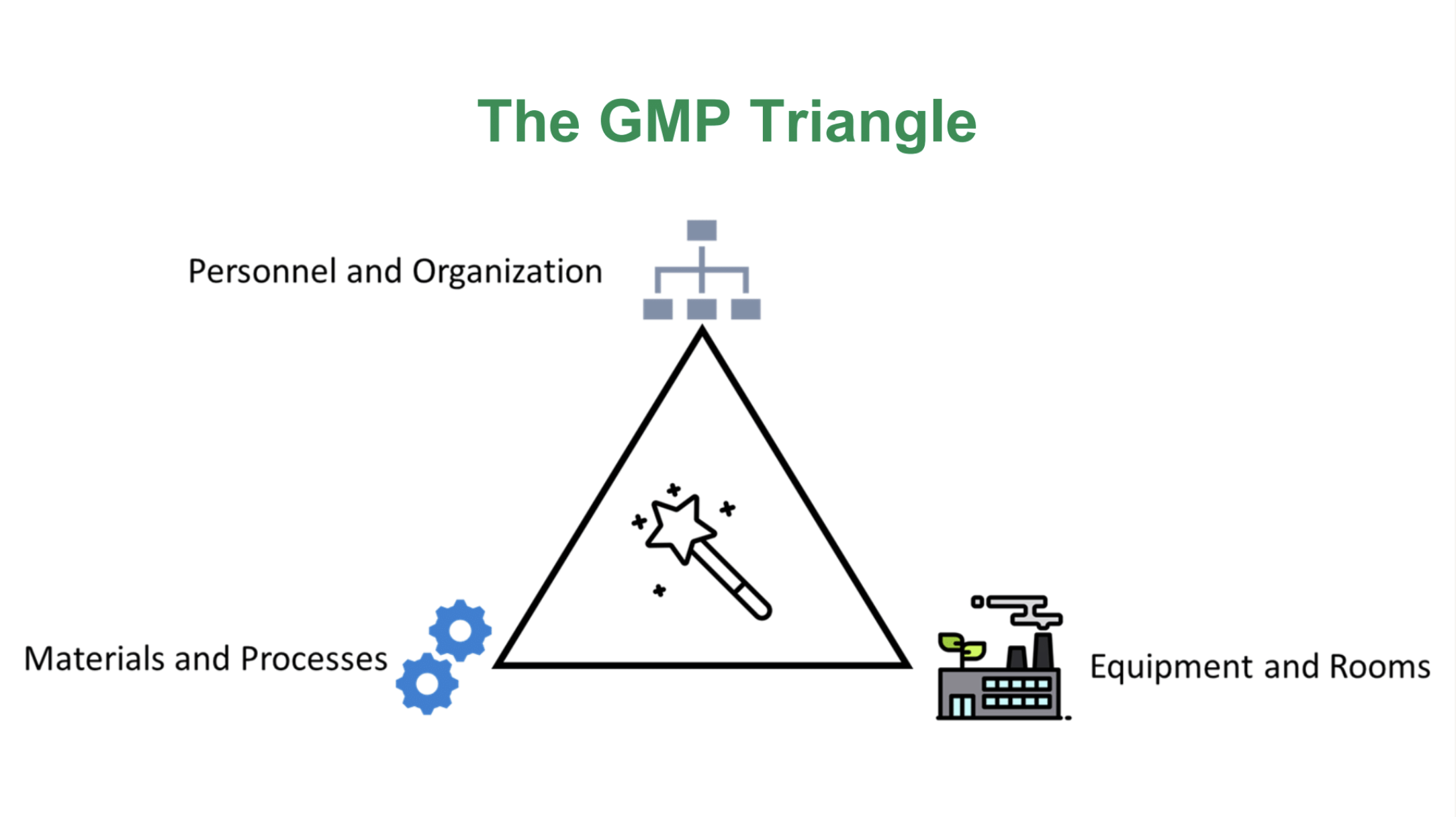
Although Maryland is currently the only state mandating GMP certification, MariMed is proactively implementing those standards across its multi-state footprint. Crandall notes that the challenge isn’t so much financial as organizational, requiring disciplined documentation, process control, and continuous audits. “It’s really about process, people, and equipment,” he explains. “Once you’re set up, it’s about maintaining and improving.”

MariMed’s early commitment to GMP compliance places it among a growing class of forward-thinking MSOs raising the bar on product safety and consistency. Yet, full GMP certification across other U.S. operations isn’t at the top of the priority list as businesses struggle to gain footing in an emerging industry with patchwork regulations.

As the cannabis industry edges closer to mainstream retail, with hemp-derived beverages now appearing on mass-market shelves like Target and Circle K, Crandall says GMP and safety certifications will soon be non-negotiable. MariMed’s early investment in these standards positions the company to meet those expectations and demonstrates forward thinking.


Premium Products are at the Core of R&D

MariMed produces its full-spectrum oil (never distillate) by blending multiple cannabis strains from its Nature’s Heritage cultivation program to curate a diverse range of cannabinoids and terpenes to bolster the entourage effect.

Each formulation starts with this blended-strain foundation and then incorporates minor cannabinoids, such as THCV, CBN, CBD, and CBG, based on the desired outcomes. For example, Go Betty Go gummies feature THCV (trending cannabinoid) for its energizing and appetite-suppressing properties, while Bedtime Betty’s combines THC with CBN and CBD to support relaxation and sleep.

The company recently stepped into the functional mushroom trend, launching a vegan pressed tablet line that pairs cannabinoids with adaptogenic mushrooms, a growing category merging cannabis with nutraceutical ingredients. Crandall emphasizes the importance of in-house food scientists, who oversee formulations to ensure there are no adverse reactions between ingredients and verify accurate dosing before launch —a critical step as cannabis companies experiment with multifunctional product formats.

MariMed is also closely monitoring the hemp beverage space, building on its existing cannabis drink, Vibations, which combines hydration and recovery with low- and high-dose cannabis options. Like many, Crandall sees the huge growth potential in THC drinks. While the hemp beverage and powdered drink markets have faced legal uncertainties, the regulatory landscape has shifted over the past couple of years, making the category increasingly viable. MariMed continues to explore opportunities as this segment evolves and plans to leverage its experience in cannabis beverages to join the club.


Meeting Customers Where They Are

While MariMed’s core growth strategy centers on product development and wholesale expansion, its retail operations offer important insights into consumer needs and behaviors. According to Crandall, nearly half of MariMed’s customers place orders online before arriving at the store, suggesting the company should focus on optimizing digital menus and pre-order functionality for seamless use.

Delivery has also become an increasingly significant component of MariMed’s retail model. The company currently operates delivery services in Massachusetts and Delaware and plans to expand wherever regulations permit. Crandall says the convenience of rapid, discreet delivery — often fulfilled within 90 minutes — has driven steady adoption and even higher average order values than in-store purchases, making it an integral part of the business.

As many MSOs have exited states or scaled back operations, MariMed continues to grow. The company first announced a brand licensing agreement with TILT Holdings in Pennsylvania and recently its second with Farm 2 Hand, LLC, a New York State cannabis license holder, which will bring MariMed’s top-selling products to the New York market.

Listen to Ryan Crandall’s full interview on the Innovating Cannabis Podcast.


The Industry Is Failing At Last Mile Cannabis Preservation

Multiple scientific studies and lab results have provided compelling evidence that terpenes and volatile metabolites in cannabis rapidly degrade when exposed to light, oxygen, heat, and time, and therefore, reduce the entourage effect that depends on a specific balance of cannabinoids and terpenes. Because of this, what the product label promises is not what the consumer is getting.

The clock starts ticking at harvest, where terpenes start degrading at a rapid rate if not handled and stored correctly. Evaporation, oxidation, or structural change can alter both the composition and balance of compounds.


Fragile Aromas, Fading Effects: The Science of Terpene Loss

Terpenes, the aromatic compounds responsible for cannabis’s distinctive scent and effects, are highly sensitive to environmental stress. Studies show that these same conditions also degrade cannabinoids like THC, which converts to the less potent CBN over time. A 2021 study in the Journal of Cannabis Research found that flower stored at higher temperatures lost both THC and terpene content, while a 2024 Scientific Reports study revealed that UV light can degrade THC and CBD within days.

Each terpene reacts differently to stress. The lighter ones, like pinene and myrcene, start to fade at even modestly warm temperatures. Mid-weight terpenes such as limonene (that bright citrus note) and linalool (the floral lavender scent) hold on a bit longer but still break down when air or light gets in. Even the heavier, more stable compounds—like caryophyllene and humulene—eventually oxidize when storage conditions are poor. As those delicate aromas disappear, so does much of what makes each strain unique, subtly changing the flavor, scent, and effects of the flower.


Beverages Under Attack

Cannabis-infused beverages are particularly susceptible to potency loss if not properly stored. One primary cause is oxidation, where THC degrades into cannabinol (CBN), a compound with significantly less psychoactive effect. This transformation can occur rapidly in beverages due to the increased surface area of emulsified droplets and the presence of oxygen in the liquid. For instance, a study by Vertosa demonstrated that exposure to light and oxygen can lead to a potency loss of up to 8 percent over 12 weeks in specific formulations.

Additionally, physical interactions between the beverage’s emulsion and packaging materials can exacerbate potency loss. Hydrophobic emulsion droplets may adhere to hydrophobic surfaces, such as the interior linings of aluminum cans, leading to a reduction in cannabinoid content over time. To mitigate these issues, it’s best to use antioxidant-rich formulations, select appropriate packaging materials, and maintain proper storage conditions to maintain the efficacy of cannabis-infused beverages.

This is why information on a certificate of analysis can differ dramatically from what a consumer ultimately experiences in the end product.

When product degradation occurs, your label no longer accurately represents the contents of the product, and now the consumer is not receiving what they were promised. The danger also here is in dosing; if THC turns into CBN and loses potency because of degradation, but the label says 10mg of THC, the customer will not have an accurate baseline for dosing.

Improper storage without temperature control can lead to microbes growing in your product, so moisture content and water activity will play a big role in sabotaging shelf stability.


Degradation in Concentrates and Formulated Products

Concentrates, vape oils, and infused products are also vulnerable, if not more so, to degradation. No matter the format, cannabinoids and terpenes are delicate molecules that break down under unfriendly environmental conditions. In fact, research shows that these environmental factors can change the very chemistry of the extract, reducing potency and altering the product’s intended effects.

According to SC Labs, which regularly tests and studies terpene stability, even “sealed” vape cartridges and concentrate jars can experience terpene evaporation and oxidation when exposed to warm or brightly lit environments. Over time, this not only dulls the aroma and flavor but can also create new by-products as terpenes and cannabinoids oxidize. Monoterpenes, the lighter, more volatile compounds that give cannabis its bright, complex aroma, are especially quick to disappear, while heavier sesquiterpenes linger longer but still degrade without proper storage.

A review by Broughton and colleagues (2023) on cannabinoid stability found that THC and CBD are highly unstable under poor conditions, and their breakdown accelerates in liquid or semi-liquid formats like vape oils and emulsions. Another study published in Chemical Research in Toxicology found that high temperatures used in dabbing or vaping can produce degradation by-products, including isoprene and benzene derivatives, especially when terpene concentrations are high. Even during extraction, terpene loss can occur; the transition from flower to concentrate often strips away the lighter aromatics, leaving a narrower and chemically altered profile.

All of this means that the degradation “clock” starts much earlier than most realize, beginning at harvest, accelerating through packaging and transport, and continuing on the dispensary shelf. Proper temperature control, opaque airtight containers, and low-oxygen environments are needed to maintain chemical integrity and preserve the original profile that the product label promises.


Packaging and Storage Impact: Terpene and THC Stability
Terpene and cannabinoid degradation in cannabis products is heavily influenced by packaging and storage conditions. The material and closure system of the packaging are critical for preservation. Semi-permeable plastics or non-airtight closures can allow water vapor and oxygen to penetrate, accelerating product degradation. Packaging specifications, such as water vapor and oxygen transmission rates, directly affect shelf life; cheaper options with higher transmission rates can drastically reduce product quality. Improper handling—leaving packages open, exposing them to heat, or subjecting them to light—can further degrade THC and terpenes, making all cannabis formats, from flower to edibles to concentrates, vulnerable to potency loss.

Retailers play an extremely important role in the preservation process. How cannabis is stored, moved, and displayed in the store can either protect or accelerate product degradation. One of the biggest offenders is the widely used deli-style showcase for selling cannabis flower, where buds are exposed to light and frequent handling, dramatically increasing the risk of terpene and THC loss. Even the most carefully cultivated and processed products can lose stability if retailers fail to maintain proper temperature, light protection, and airtight handling during storage, stocking, and transfer.

The bottom line: Protecting and preserving cannabis means keeping the supply chain cool, airtight, and out of the light, from processing all the way to the retail shelf, where it might impact the stability of your product and a consumer’s experience.


Target Just Opened the Door — Is Your Brand Compliance-Ready for Mass Retailers?

By Pam Chmiel
2 Comments

Will Target’s move to sell THC drinks be the catalyst the industry needs to push for higher standards?

Target’s decision to start selling hemp-derived THC beverages marks a major milestone for the cannabis industry and a reality check for brands hoping to follow. Selling into mass retail is not just about scaling production or packaging appeal. It requires proving that your product meets the same safety and manufacturing standards as food, pharma, and cosmetics.

As Darwin Millard, Technical Director at CSQ Certification, explains, “Retailers like Walmart and Target protect their liability by only buying from GMP-certified producers. That certification is their shield.” Without an accredited Good Manufacturing Practices (GMP) certification, cannabis brands may not make it past the first round of vendor qualification.

The cannabis industry has traditionally operated in a silo, selling B2B to other licensed operators that rarely demand third-party certifications. Mass retailers operate differently. They rely on accredited certification programs to verify every layer of the supply chain, from ingredient sourcing to packaging. This mitigates risk and ensures traceability if something goes wrong.

Many hemp brands rely on co-manufacturers already bottling for alcohol and alternative beverage industries, but those manufacturers are often not GMP-certified for cannabis products. Existing food safety schemes, such as SQF or BRC, do not yet recognize cannabinoids as approved ingredients. Target may have overlooked this gap when approving its current selection of hemp beverages, but this is likely to be addressed going forward.

Target’s move could push the entire cannabis supply chain to adopt GMPs to protect consumers and ensure consistent quality. As Millard warns, “It could be the thing that gives our industry its biggest black eye if something goes wrong, or the moment that raises the bar for safety and quality once and for all.”


What It Takes To Get GMP Certified

GMP certification is a rigorous, multi-step process that demonstrates a company’s commitment to verified quality and safety standards. While companies may perform internal audits or have business partners review their processes, the most widely recognized and trusted method is third-party certification.

Third-party certification involves an independent organization auditing every aspect of your operation to ensure compliance with established GMP requirements. This provides a clear, objective verification that processes, documentation, and product handling meet global standards.

Not all third-party certifications carry the same weight. Accredited certifications are independently verified by an external authority and recognized internationally as meeting stringent standards for quality and safety. Unaccredited certifications, in contrast, may offer internal assurance but generally do not hold the same credibility with regulators, retailers, or international partners.

For brands targeting mass retail or global trade, third-party certification serves as proof that safety, traceability, and quality standards are adhered to.


What Compliance Looks Like

Not only does the cannabis industry need to embrace standards for scaling to mass retail, but it also needs to embrace standards for global trade. That includes accredited GMP certification rather than a certificate from an unverified auditor.

Cultivation falls under Current Good Agricultural Practices (GACP), ensuring that every stage of plant growth and harvest meets rigorous safety and quality benchmarks.

Effective cultivation standards cover both indoor and outdoor grow environments and include strict protocols for:

  • Water quality and irrigation management
  • Equipment sanitation and maintenance
  • Crop protection and propagation materials (including clones, seeds, and tissue culture)
  • Temperature and atmospheric control during drying and curing

Once plants are harvested, the process transitions from GACP to GMP standards, marking the shift from cultivation to manufacturing. “Harvest is the hard line,” says Millard. “Once you start to process the plant in a controlled environment by trimming, curing, or packaging, you’re operating under GMP.”

The CSQ Cultivation program also covers flower handling, grinding, and pre-roll production, but stops short of infused or extracted products. When it comes to post-harvest remediation techniques like irradiation, CSQ doesn’t explicitly prohibit them but requires detailed, documented procedures.

“We treat drying and curing like refrigerated or frozen food storage,” Millard explains. “There are specific temperature and environmental conditions that must be maintained to preserve product safety and quality.”

In the extraction process, standards define best practices for processing and handling cannabinoid materials. Standards cover everything from raw extracts, such as live resin or rosin, to refined materials, including distillate or purified cannabinoids. They also include formulation, risk assessment, and allergen implications for products intended for inhalation, ingestion, or topical use.


The Last Mile: Warehousing and Distribution

Once cannabis products leave the manufacturing facility, maintaining safety and quality becomes the responsibility of distributors and warehouse operators. Mass retailers will expect vendors to follow the same high standards throughout storage and transit as they do during production.

Controlled storage environments are a requirement for ensuring product preservation. Temperature, humidity, and atmospheric conditions must be monitored and documented to preserve volatile compounds in concentrates, infused products, and THC beverages, similar to perishable food or beverage items.

Proper warehousing protocols also protect against contamination, degradation, and liability. Companies that can prove systems for handling, tracking, and storing products across the supply chain will have a competitive advantage with mass retailers.


Retail Responsibility: Preserving Quality and Mitigating Liability

Once cannabis products reach the retail shelf, the responsibility for maintaining safety and quality shifts to the retailer. Like perishable foods, cannabis products can degrade if not stored under proper temperature, humidity, or lighting conditions. For high-end concentrates or infused products, even minor lapses in any of these factors can significantly impact potency, consistency, and the overall consumer experience.

If products degrade, retailers could face legal liability or incur costly recalls. In some cases, manufacturers may prove that products left the facility compliant with Certificate of Analysis (COA) standards, but without proper storage at the retail level, those standards cannot be maintained.

Standardized operating procedures (SOPs) for storage, handling, and temperature monitoring remove liability from the retailer and make sure consumers receive the quality product they are promised. Batch records, documented storage conditions, and adherence to best practices allow them to demonstrate that they took all reasonable steps to maintain product integrity.

High-end extractors and other manufacturers often worry that retail infrastructure is not yet equipped to handle sensitive products. Improper storage can result in financial losses and reputational damage. Embracing certifications and best practices will become increasingly essential as the industry matures and customers demand higher quality.

Consumers expect cannabis products to be safe, consistent, and accurately labeled. Maintaining quality throughout the supply chain ensures that products match what is promised. Otherwise, what reaches the shelf may be nothing more than THC content with degraded flavor, aroma, or texture, far from the intended experience.


Raising the Bar For Cannabis Quality

Target’s entry into hemp-infused beverages marks a turning point for the cannabis industry. Success in mass retail requires rigorous quality standards, including GMP and GACP practices, temperature-controlled storage, and documented SOPs, to protect consumers and retailers while preserving product quality. These practices position brands for mass retail and prepare the industry for international trade, where standards are even more stringent.

Dive deeper into standards with Darwin Millard on the Innovating Cannabis Podcast.

How Cannabis Moves Around the World: Inside the Global Supply Chain

By Pam Chmiel
No Comments

Global cannabis trade is well underway as legalized countries move forward to establish a supply chain infrastructure in a newly formed and rapidly evolving industry. At the forefront of transportation logistics is Cannabilog, an Israeli company led by pharmaceutical industry veteran Yoram Eshel. In an interview, he shared his playbook for building a compliant, efficient, and scalable supply chain for global cannabis import and export trade.


The Complex Web of Global Cannabis Trade Regulations

According to Eshel, not surprisingly, the global cannabis trade hinges on regulatory compliance and requires expertise to manage the movement of products across continents. Unlike pharmaceuticals, where harmonized frameworks such as those of the European Union apply across borders, cannabis regulations differ drastically from country to country.

Some nations permit imports, while others ban them entirely. Even within importing countries, the rules vary by product category. “Some will allow flower, others only oil or genetics,” Eshel explains. “It’s never a simple straight line.”

Every aspect of the supply chain requires specific licensing under narcotics laws, from cultivation and storage to import and export. Adding to the challenge is the constant evolution of these laws. For example, Thailand initially embraced its booming local market and export-friendly policies, but the new government abruptly switched course and limited cannabis use to medical purposes only. In addition, Thai producers seeking to export face roadblocks because European authorities do not recognize their local GACP certifications, which are based on “Good Cultivation and Harvesting Practices for Medicinal Plants.”

Eshel emphasizes that failing to keep pace with changing laws can be costly.


“If you export cannabis products to another country and they can’t clear customs, the shipment is destroyed. There’s no way back.”


Medical Cannabis Must Meet Pharmaceutical Standards

The second major pillar of the international cannabis trade is adherence to pharmaceutical-grade standards. “Governments treat medical cannabis as a medicine,” says Eshel. “It’s exactly like Tylenol or any other drug.”

Even though cannabis has not gone through the traditional drug registration process, regulators treat it as a pharmaceutical product, which means it must comply with strict Good Distribution Practice (GDP) requirements. That includes temperature control, data logging, and rigorous quality management throughout the supply chain. Every shipment is audited and must be approved by a Qualified Person (QP) on the receiving end before entering the market. If any quality parameters are unmet, the product is rejected.

Logistics providers like Cannabilog must operate under EU GDP certification and maintain pharmaceutical-grade systems and documentation. “We are audited constantly,” Eshel says.

The difference between the medical and recreational markets often catches producers off guard, especially those in countries like Canada, which has a more recreational mindset, similar to that of the US. “When you move into the medical space,” Eshel notes, “you suddenly need temperature-controlled vehicles, validated packaging, and specialized labeling. It requires training and experience.”

Globally, countries such as Germany, Australia, and Israel classify cannabis exclusively as a medical product. “It’s not even close to recreational,” Eshel stresses. “And in most countries, recreational use is still illegal and requires special licensing.”


Managing Cold Chain Logistics

After navigating complex regulations and meeting pharmaceutical-grade standards, the final piece of the international cannabis trade puzzle, says Eshel, is execution.


“You can have your licenses, your permits, your quality system, but if you don’t execute correctly, everything can fail.”


Execution means maintaining control over every step, including packaging, labeling, documentation, temperature regulation, and secure transportation. Shipments must move through carefully selected routes using temperature-controlled vehicles, warehouses, and flights, with continuous monitoring to ensure product integrity is preserved. In some countries, even armed escorts are required for security.

Eshel explains that cannabis logistics is not one-size-fits-all. Each product type, including genetics, flower, and concentrates, has unique handling and storage protocols. For instance, cannabis clones present one of the most challenging forms of transport. “Most clones are unrooted,” he says. “From the moment you cut them from the mother plant, you have three to four days to keep them alive. That requires special packaging, rapid shipping, and customs clearance to get them back into water in time.”

Temperature management is another major operational challenge. Most global regulators require cannabis products to be stored and transported between 59 °F and 77 °F, known in the pharmaceutical world as Controlled Room Temperature (CRT). In the United States, many recommend that temperatures should not exceed 70 °F for optimal cannabis preservation. Eshel clarifies that maintaining actual CRT conditions demands active temperature monitoring and specialized packaging, not just insulated boxes.

For every shipment, Cannabilog conducts a route risk assessment to evaluate potential environmental extremes along the supply chain. Eshel cites the example of shipments from Canada to Australia, where opposite seasons create complex thermal risks.


“Winter in Canada is summer in Australia, making temperature management a challenge from continent to continent; you have to plan for that,” he says.


To minimize exposure, Cannabilog uses pharma-grade airline partners that store and handle products under strict temperature conditions and prioritize loading and unloading to reduce time on the tarmac. Each shipment includes data loggers that record temperature throughout transit.


“If there’s an excursion outside the allowed range,” Eshel notes, “the products are rejected.”


European regulators, he adds, tend to enforce these standards more rigorously than their U.S. counterparts. While the United States has many GMP-certified cannabis facilities, most are not EU-GMP certified, which limits their ability to export to Europe when the time comes, even though the differences are not that big.

Eshel contrasts this with Canada, where much of the market remains recreational. While medical exporters adhere to strict temperature control and quality management, domestic recreational products are often transported under looser conditions.


“You can’t count on the weather,” he says. “Temperature management is part of the medical cannabis infrastructure.”


The Last Mile in Cannabis Preservation

Most of Cannabilog’s shipments are from a cultivation or production facility to a licensed wholesaler or distribution center, rather than directly to pharmacies.


“We verify that every facility we deliver to is properly licensed and has temperature-controlled storage,” Eshel says.


Cannabilog provides insurance coverage for every shipment, including losses related to temperature excursions or other transport issues. However, ultimate product responsibility remains with the manufacturer, much like in the pharmaceutical industry.


“If something goes wrong, it’s the manufacturer’s duty to investigate, and if needed, issue a recall,” Eshel explains.


Each transfer of custody, whether at the port, airport, or distribution warehouse, marks a shift in responsibility defined by the buyer-seller agreement. Still, Eshel stresses that all parties must adhere to Good Distribution Practices (GDP) and maintain detailed documentation, including lab tests and Certificates of Analysis (COAs), to ensure transparency and traceability.

Without mandatory cold-chain standards, products are often transported in “hot trucks,” leading to product degradation. Eshel agrees: “The last mile is often the weakest link in the supply chain infrastructure as the industry strives to build a cold chain custody from seed to sale.”

Even last-mile deliveries must be temperature-controlled. The difference, Eshel says, comes down to mentality. “In Europe, it’s purely medical. There’s no confusion between recreational and medical use, so cannabis is treated just like any other medicine.”


Can Cannabinoids Help Keep the Aging Body Balanced?

As our bodies age, the mechanisms that keep our systems humming, such as immune regulation, metabolism, and neural repair, gradually erode. That loss of homeostasis is the culprit behind many age-related disorders, from cognitive decline to metabolic dysfunction. Scientists are beginning to explore whether cannabis or its constituent cannabinoids might help support the body’s natural ability to maintain equilibrium as it ages.

The Journal of Cannabis Research is an international, fully open-access, peer-reviewed journal that welcomes submissions on all aspects of cannabis research. Their 2025 systematic review, “The Impact of Cannabis Use on Aging and Longevity: A Systematic Review of Research Insights,” pooled data from preclinical and human studies. The authors concluded that cannabinoids show promise in modulating aging processes, although human evidence remains limited. The review provides a solid foundation, but recent mechanistic and methodological work adds important nuance and depth to the understanding.


Rewiring the Aging Brain

One compelling line of evidence comes from a study showing that continuous administration of low-dose THC (3 mg/kg/day) over 28 days in 18-month-old mice counteracted age-related decline in dendritic spine dynamics in cortical neurons. The treated mice showed reduced spine loss and increased spine survival, essentially re-establishing neural stability similar to that of young mice. The researchers observed that the probability of spine survival in THC-treated old mice reached levels comparable to those in 3-month-old controls (Komorowska-Müller et al., Nature).

This supports the idea that cannabinoids may actively restore structural stability in neural circuits rather than merely slowing decay. Earlier work by Bilkei-Gorzo et al. (2017) demonstrated that chronic low-dose THC reversed age-related cognitive decline in 12- and 18-month-old mice. Their treated mice displayed increased hippocampal spine density, stronger expression of synaptic marker proteins, and gene transcription changes that made them more similar to younger mice.


A Two-Way Switch for Aging Cells

Recent studies highlight the nuanced, tissue-specific effects of cannabinoids. A 2024 study revealed that long-term low-dose THC produces a bidirectional effect. In the brain, THC transiently enhances mTOR signaling and increases the levels of amino acids and energy metabolites, thereby promoting synaptic protein synthesis and neural repair. At the same time, in peripheral tissues such as adipose, THC reduces mTOR activity and suppresses metabolic overactivity, effects similar to those seen with caloric restriction or exercise interventions (Bilkei-Gorzo et al., ACS Pharmacology & Translational Science).

This dual effect suggests that THC may act as a metabolic switch, enhancing repair in the central nervous system while balancing peripheral metabolism. Such tissue-specific modulation offers a promising model for a homeostasis-based therapeutic approach.


How Men and Women Respond Differently

Emerging research is exploring other cannabinoids as well. A 2025 study on cannabinol (CBN) found that it improved spatial memory and learning in aging mice, particularly in females. These findings suggest that the antiaging potential of cannabis is not limited to THC or CBD, and that sex differences may influence response.

It is worth noting that both human and animal studies have observed sex-specific pharmacokinetic differences in cannabis metabolism and sensitivity, even when equivalent doses are administered. This indicates that men and women may experience distinct benefits or side effects from the same cannabis formulations.


Can Too Much Cannabis Age You Faster?

While the potential benefits are compelling, some evidence suggests that chronic cannabis use may accelerate specific aging markers in humans. A longitudinal study titled “Lifetime Marijuana Use and Epigenetic Age Acceleration: A 17-year Study” found that heavier lifetime marijuana users exhibited significantly greater epigenetic aging, measured by DNAmGrimAge clocks, even after adjusting for tobacco use and other confounders (PMC).

Cannabis smoking has also been linked to higher levels of IL-1β, a proinflammatory cytokine, along with elevated methylation clock measures, though some effects appear reversible with cessation (PMC review).

Reviews of epigenetic effects suggest that cannabinoids can alter methylation patterns across genes associated with neurotransmission, immune signaling, and cellular repair (ScienceDirect). A recent molecular epidemiology study also reported dozens of DNA methylation sites in middle-aged adults associated with both cumulative and recent marijuana use, reinforcing cannabis’s potential influence on aging trajectories (Nature).

These findings point to the complexity of cannabis’s effects on homeostasis. Factors such as dose, age of onset, duration of use, cannabinoid type, and mode of consumption likely determine whether cannabis supports or undermines healthy aging.


Hope, Caution, and the Path Forward

Cannabinoids offer intriguing possibilities for mitigating age-related decline, from restoring neural circuit stability to rebalancing metabolic signaling and possibly influencing molecular aging pathways. Yet the evidence remains inconclusive. In preclinical studies, low-dose THC consistently demonstrates beneficial effects, and emerging research on CBN suggests additional promise. However, human data are still limited, and the potential for epigenetic acceleration calls for careful attention.

Currently, cannabinoids may represent one tool among many for supporting homeostasis in aging, provided they are used with close attention to dosing, timing, compound specificity, and tailored to the individual’s needs. As more human trials and longitudinal studies emerge, we may gain a better understanding of how these compounds can help the aging body maintain balance and resilience while minimizing risk.


Wellness Watch

Why America Needs a National Medical Cannabis Program, Now

By Pam Chmiel
No Comments

The cannabis industry’s fragmented foundation is creating a host of problems tied to the lack of federal legalization. Many experts believe that without a national medical cannabis framework, the future of cannabis as a medicine in America could leave patients unprotected, research underfunded, and the industry consumed by unchecked commercial interests.

Few voices have been more vocal about this than Dr. Jordan Tishler, a Harvard-trained physician who spent 15 years working in a VA hospital before dedicating his career to cannabinoid medicine. Today, as the founder of InhaleMD and the president of the non-profit Association of Cannabinoid Specialists, Tishler is a leading advocate for creating a structured, federally recognized medical cannabis system.


“Over 180 million Americans over the age of 50 will develop one or more illnesses that can be treated with cannabis,” Tishler explains. “We cannot leave their care to marketing claims, dispensary staff, or patchwork state laws. Patients deserve proper medical treatment.”


Why Federal Legalization Falls Short

The current push for legalization often centers on ending prohibition, addressing social justice issues, and creating economic opportunities. While those goals matter, Tishler argues that legalization without a medical framework could actually undermine the perception of cannabis as medicine.


“Without a national medical system, we will see an industry driven by sales rather than science,” he warns. “Companies will have no incentive to invest in costly clinical research if they can simply go to market and make unverified claims. That would be the death knell of cannabis as a legitimate medicine.”


The problem is already visible in the hemp market, where unsubstantiated health claims and mislabeled products have flooded store shelves. Without federal oversight, Tishler says, cannabis risks becoming more snake oil than science-backed treatment.

Patients Caught in the Middle

Right now, medical cannabis patients face enormous disparities depending on where they live. In states like California, only a small fraction of cannabis is sold through medical channels, leaving patients to rely on retail budtenders for guidance.

 Florida remains the only state that requires a prescription-style “Order” that dispensaries must follow, but most states treat cannabis more like a consumer good than a medication. That lack of structure leaves vulnerable patients, many of them elderly or living with chronic illness, without consistent, professional guidance.

What a National System Could Look Like

According to Tishler and the Association of Cannabinoid Specialists, a true medical cannabis system would need to accomplish several key goals:

  1. Federal legalization of medical cannabis so patients can access treatment under the care of qualified clinicians.
  2. A standardized prescribing system that ensures patients receive consistent dosages, product types, and usage instructions.
  3. Insurance coverage so treatment is accessible to all patients, not just those who can afford to pay out of pocket.
  4. Ban on unsubstantiated claims to protect patients from predatory marketing.
  5. Interstate operability so patients can travel with their medicine without fear of losing access or facing discrimination.
  6. Ongoing scientific research is driven by a regulatory framework that incentivizes companies to conduct clinical trials.

These policies would not only protect patients but also advance cannabis science, strengthen the healthcare system, and put the U.S. on par with other countries, like Germany and Israel, that have integrated medical cannabis into national health programs.

The Social Justice Connection

For Tishler, the conversation about medical cannabis is inseparable from social justice. Healthcare outcomes in the U.S. are already poor compared to other developed nations, and they are significantly worse for communities of color. Without a national program, cannabis care will continue to follow the same inequitable patterns.

“Medical cannabis treatment must be part of the social justice discussion,” Tishler says.”Ending the war on drugs is not enough. Patients need safe, effective medicine and knowledgeable guidance to achieve the best outcomes.”


A Call to Action

The cannabis industry has an opportunity to rally around this cause, but time is running out. As recreational legalization spreads state by state, the risk grows that medical care will be sidelined, leaving patients to fend for themselves in a marketplace driven by revenue, not medicine.

“Congress is willfully overlooking the importance of proper medical cannabis treatment,” Tishler says. “We need a national system now, before the window closes.”

The Association of Cannabinoid Specialists has published a white paper outlining the essential elements of reform to ensure that patient care remains at the center of cannabis policy. Their message is clear: cannabis medicine is not simply a consumer product; it is a healthcare issue.

If the U.S. hopes to move beyond prohibition while protecting patients and fostering scientific innovation, a national medical cannabis system may be the industry’s most important cause yet.


https://www.cannaspecialists.org/a_federal_framework_of_regulation_for_medical_cannabis_use

Cannabusiness Sustainability

Why Franchises Could Be the Golden Ticket for Social Equity Entrepreneurs

The cannabis industry is a fertile ground for aspiring entrepreneurs, holding the promise of a modern-day gold rush. Yet beneath the surface of opportunity lies a minefield of obstacles. Success requires navigating a steep learning curve, managing high operational costs, and mastering a complex supply chain that spans cultivation, manufacturing, consumer packaged goods (CPG), retail, finance, and strict regulatory compliance.

As of today, 40 states have legalized medical marijuana, and 24 states have legalized adult-use. Many of these states have prioritized giving Black and Brown communities, disproportionately harmed by the war on drugs, the chance to participate as dispensary owners. They’ve introduced social equity licensing programs, grants, and funding opportunities designed to level the playing field. Unfortunately, despite the good intentions, no state has yet launched a truly successful social equity program. New York’s rollout, in particular, has been marred by delays, lawsuits, and a lack of adequate support for license holders.

Despite the focus on prioritizing social equity entrepreneurs, the issues of inexperience, undercapitalization, and limited access to resources still need to be solved. These weaknesses create a high risk of business failure, making venture capital firms hesitant to invest in such ventures. A potential solution lies in franchising—a model that can provide a blueprint for success and the operational support to reduce failure rates, while also making cannabis investments more attractive to institutional and private investors.


The Benefits of a Retail Operational Blueprint

A cannabis franchise offers entrepreneurs an accelerated path to market by providing turnkey support. A franchisor supplies comprehensive resources, including:

  • Retail site selection and lease negotiations
  • Store design and build-out assistance
  • Initial and ongoing training programs for staff and management
  • Standardized operating procedures (SOPs) and compliance frameworks
  • Technology stacks (POS, e-commerce integration, track-and-trace systems)
  • Marketing and branding support rooted in consumer research
  • Vendor and supply chain relationships to ensure consistent, quality product flow

For new operators, this guidance eliminates many common pitfalls and shortens the learning curve. Franchisees step into a proven system, benefiting from brand recognition, operational discipline, and shared best practices.


Why Cannabis Franchises Make Sense

Cannabis retail faces unique challenges compared to traditional industries. Franchising can help overcome them:

1. The Unique Shopping Experience                              For first-time consumers, visiting a dispensary can feel intimidating. From security check-ins to navigating hundreds of unfamiliar products with the guidance of budtenders, the process can be overwhelming for new customers. A franchise ensures a consistent retail experience by training staff to educate and guide consumers, fostering customer loyalty, and building trust in the brand.

2. Adapting to Rapid Product Evolution                                                                          The cannabis product landscape changes faster than most consumer categories. Cultivators constantly rotate new strains into the market, novel cannabinoids (like THCV and CBG) are gaining traction, and new delivery systems, from solventless concentrates to nanoemulsion THC beverages, continue to emerge. A single dispensary may struggle to keep up with these trends, but a franchise leverages data from multiple locations to predict consumer demand and optimize inventory.

3. Navigating the Dispensary Technology Stack                                                  Dispensaries operate within a specialized tech ecosystem, featuring seed-to-sale tracking, compliance reporting, CRM systems, digital menus, and marketing platforms that must comply with advertising restrictions. Choosing the wrong software can be costly and disruptive. Franchises streamline this by standardizing their tech stack across locations, saving franchisees the trial-and-error process.

4. Meeting High-Security Requirements                                                                  Cannabis retailers must operate like high-security facilities. State-mandated vaults for product storage, video surveillance systems, onsite security guards, and cash-only operations (due to limited access to banking) make security both costly and complicated. Franchises reduce risk by providing tried-and-true protocols for safeguarding cash and inventory.

5. Ensuring Compliance in a Highly Regulated Industry                                  Compliance violations are among the fastest ways to lose a license. Cannabis retailers must adhere to strict regulations regarding packaging, labeling, advertising, delivery, consumption lounges, and track-and-trace systems. Non-compliance can result in severe fines or a permanent shutdown. By joining a franchise, operators gain access to dedicated legal and compliance teams who track evolving laws across multiple jurisdictions. This lowers the cost of legal services and dramatically reduces regulatory risk.


Easing the Path to Capital

Access to capital remains one of the biggest hurdles in cannabis. Traditional bank loans are rare, and investors are cautious due to the sector’s volatility. A franchise model eases this barrier by offering:

  • Proven systems and financial performance data that reduce investor risk.
  • Scalable retail expansion opportunities that appeal to venture firms and private equity.
  • Institutional credibility through established brands makes lenders more comfortable underwriting loans.


Challenges for Cannabis Franchisors

While franchising offers clear advantages for operators, it’s not without challenges. Only a handful of cannabis franchisors exist today, and some early attempts have failed due to the complexities of operating across multiple states, each with its own licensing rules, ownership caps, and compliance hurdles.

Two companies leading the charge are Sweet Spot Farms and Curio Wellness’ Far & Dotter, each approaching the franchise model in distinct ways.

  • Sweet Spot Farms has taken a cannabis-first approach, focusing exclusively on dispensary retail. With franchisees already operating in four states and more expansion underway, the company emphasizes a consistent retail experience, standardized operating procedures, and brand trust built directly around cannabis. Their success demonstrates that a disciplined, tightly controlled model can scale even in fragmented markets.
  • Far & Dotter, developed by Maryland-based MSO Curio Wellness, takes a broader health-and-wellness approach. In addition to cannabis retail, the franchise concept incorporates holistic services such as massage therapy, acupuncture, and natural health products. This wellness-forward positioning aims to destigmatize cannabis, attract new customer demographics, and differentiate Far & Dotter from dispensaries that focus strictly on THC sales.
  • Buds Place has yet to open its consumption lounge model, but is eyeing Michigan as its first state because of its more favorable cannabis laws compared to other states. Ron Silberstein, CFO, has been in the franchise industry since 1999 and believes the cannabis industry is the next great frontier for franchising opportunities.

The existence of these two models highlights both the opportunities and the complexities of franchising in the cannabis industry. Sweet Spot Farms shows how a cannabis-focused franchise can scale through disciplined operations, while Far & Dotter demonstrates how expanding the consumer experience beyond cannabis can open doors to new markets and investors. Both face the challenge of adapting their systems to varied state regulations while keeping brand consistency across locations.

Unlocking Potential Through Franchising

The cannabis industry is brimming with opportunity, but breaking in and building a sustainable business remains a daunting task. Franchising provides a proven roadmap that mitigates risk, accelerates growth, and increases access to capital. By offering operational blueprints, established brand trust, compliance expertise, and consumer insights, cannabis franchises create a supportive ecosystem for entrepreneurs.

Just as importantly, franchising can help advance social equity goals. By providing new entrepreneurs, especially those disproportionately affected by prohibition, a structured, proven path to success, franchising can democratize opportunities while attracting the investor capital the industry desperately needs.

If cannabis is the modern-day gold rush, franchising may well be the map that ensures more entrepreneurs strike success.

Positioning Cannabis Companies for Success: Navigating Risks and Staying Competitive

By Jay Virdi, Rick Biros
No Comments

The cannabis sector faces a multifaceted landscape marked by economic challenges, shifting regulations and market volatility. Thriving in this environment requires industry businesses to move beyond reactive measures, embracing forward-looking risk management strategies. By adopting comprehensive mitigation plans and maintaining proactive vigilance, cannabis companies can stay competitive and flourish.

Building resilience against climate risks

The cannabis industry is particularly vulnerable to climate change, with outdoor growers at risk from droughts and wildfires, and supply chains disrupted by hurricanes and floods. Events like the Eaton and Palisades wildfires, two of the most destructive fires in Los Angeles history, underscore the urgency for climate preparedness.

To mitigate these challenges, businesses must adopt comprehensive climate resilience measures. Innovative insurance products, such as parametric coverage, can provide financial protection where traditional insurance falls short. Catastrophe modeling tools offer insights into potential risks, enabling targeted infrastructure investments such as improved irrigation systems and reinforced facilities. Collaborating with brokers can help companies identify vulnerabilities and create plans to sustain long-term stability.

Strategic M&A and addressing profitability challenges

As profitability pressures mount, increased licensing has intensified competition, even as active operations decline. Mergers and acquisitions (M&A) have emerged as a crucial growth strategy, enabling stronger companies to expand and offering struggling businesses a path to exit.

However, these transactions come with inherent risks. Detailed due diligence is vital to uncover hidden liabilities, such as compliance issues or unresolved debts. Protections like Directors & Officers (D&O) coverage and runoff policies can shield stakeholders from unforeseen risks associated with acquisitions.

Beyond M&A, maintaining profitability requires robust risk management practices. Cannabis companies should emphasize organizational resilience by instituting business continuity plans and testing for potential disruptions like supply chain failures, cyber threats and natural disasters. Embedding these strategies into their operations will help stabilize margins, mitigate risks and seize emerging opportunities in 2025.

Elevating workforce benefits in a maturing Industry

As the cannabis industry evolves, workforce satisfaction and retention are critical priorities. High employee turnover and increasing unionization underscore the importance of offering competitive benefits.

Cannabis companies can enhance employee retention by developing data-driven benefits programs that cater to worker needs. Analyzing workforce demographics and preferences enables businesses to design personalized packages that improve employee satisfaction. Consulting with benefits advisors can help implement cost-effective, multi-year strategies to enhance offerings without straining budgets. Captive insurance options may also provide financial flexibility while boosting benefit quality.

Mitigating risks in R&D

Innovative products like cannabigerol (CBG) derivatives and THC-infused beverages offer significant growth potential but come with heightened risks, including regulatory hurdles, liability concerns and product recalls. For instance, hemp-derived THC beverages have leveraged regulatory loopholes to enter the market, yet insurers remain wary of covering these products due to compliance uncertainties.

Managing R&D risks requires a holistic approach. Conducting thorough risk assessments for new products, from development through market launch, is essential. Comprehensive liability insurance can safeguard companies against legal and financial fallout. Partnering with expert brokers allows businesses to evaluate exposures and secure tailored insurance solutions, fostering innovation while minimizing potential risks.

Key strategies for 2025

To succeed in a competitive, risk-filled market, cannabis businesses should focus on these four strategies:

  1. Finance risks strategically: Economic and climate-related challenges make tailored insurance essential. Assess risk exposures and collaborate with brokers to develop financial resilience plans.
  2. Approach expansion cautiously: Entering new product categories presents growth opportunities but also involves risks. Work with seasoned brokers to navigate regulatory and liability considerations.
  3. Optimize employee benefits: Data-driven, customized benefits can attract top talent and improve workforce retention in a competitive labor market.
  4. Maintain broker collaboration: Regular communication with brokers helps identify emerging risks and prepares businesses for policy renewals, ensuring optimal coverage and cost management.

The road ahead

The cannabis industry stands at a pivotal juncture in 2025, where adaptability and resilience will be key to success. By investing in tailored insurance, robust continuity strategies and workforce-focused solutions, cannabis businesses can navigate uncertainties and excel in an ever-evolving market.

From The Lab

An Inside Look at Germany’s Cannabis Supply Chain With The Grünhorn Group

On April 1, 2024, Germany launched Pillar 1 of its adult-use legalization framework, building on its established medical cannabis program that has been in place since 2017. Since then, the number of medical patients has surged, as prescriptions remain the only fully legal access point for cannabis aside from home cultivation or membership in non-commercial private clubs, both still limited by incomplete regulations. Unlike the United States, where dispensaries are the backbone of cannabis sales, Germany maintains a more tightly regulated model: patients must secure a doctor’s prescription and fulfill it through a pharmacy.

The next stage, Pillar 2, is expected to introduce licensed retail outlets for adult-use sales, eliminating the requirement for prescriptions. However, with the Christian Democratic Party now in office and maintaining a strong stance against cannabis legalization, these plans face significant uncertainty. While advocates remain hopeful for progress, the CDU’s opposition could delay, restrict, or even reverse parts of the rollout, leaving the future of Germany’s adult-use market in question.

In the meantime, Germany is laying the groundwork for a national infrastructure rooted in its medical system, a stark contrast to the fragmented, state-by-state patchwork in the U.S. This centralized approach not only offers greater oversight and consistency but also positions Germany as a potential model for other European nations exploring reform.

At the center of this rapidly evolving landscape is the Grünhorn Group, one of the country’s most influential players. With an estimated 20 percent market share serving between 5–7 million patients in a nation of 84 million, Grünhorn has established a vertically integrated supply chain that spans importing biomass from global producers, EU-GMP-certified manufacturing, and robust distribution networks. Beyond production, the company operates Germany’s largest online pharmacy platform, giving patients access to products from multiple manufacturers. According to Matthias Fischer, Managing Director of Canymed, Grünhorn’s distribution partner, the group generated €33 million in revenue in 2024, provided medicine to approximately 60,000 patients, and engaged with nearly 6,000 prescribing physicians.


Prioritizing Data Collection for Medical Research                                                              For Grünhorn, data is at the core of both its medical mission and its business strategy. The company systematically collects patient feedback on the effects of its products—whether for sleep, anxiety, focus, or other conditions—to inform evidence-based product development. This feedback loop allows Grünhorn to collaborate closely with cultivation partners in designing strains that balance cannabinoids and terpenes to address specific therapeutic needs.

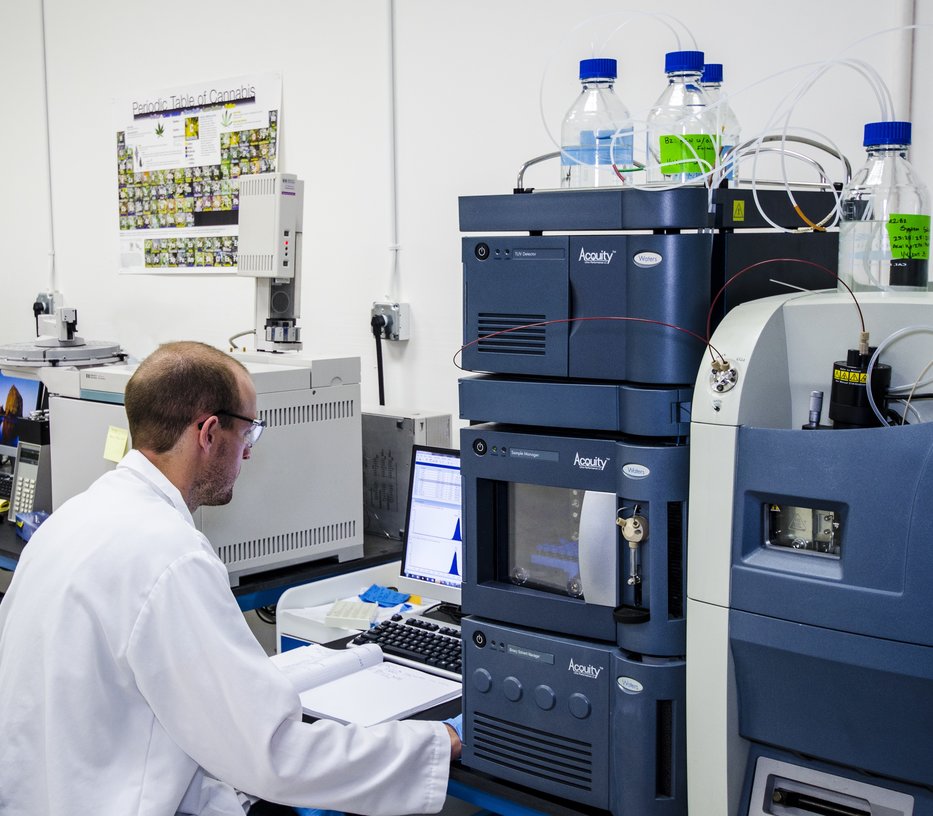
Beyond patient-level insights, Grünhorn is also investing heavily in analytical research. The company operates a gas chromatograph to precisely measure and map the cannabinoid and terpene composition of imported biomass, creating a detailed strain database. To date, Grünhorn has cataloged between 400 and 500 strains of interest, providing one of the most comprehensive genetic and chemical libraries in Germany’s cannabis sector.

“I think the future lies in predicting and knowing which cannabinoids will effectively address specific health indications,” says Fischer, underscoring the company’s long-term vision of turning raw data into targeted, science-driven therapies.


Germany is an Import Market

While Germany has licensed domestic cultivation, led by producers such as Tilray, Demecan, and Aurora, the country remains heavily dependent on imports. According to Fischer, the quality of German-grown cannabis has not yet reached the standards set by established cultivation markets in Canada, Portugal, Denmark, and Colombia. To maintain product consistency and meet patient expectations, Grünhorn partners with a Canadian grower, underscoring the ongoing importance of international supply in Germany’s cannabis ecosystem.

Economic factors also weigh heavily on domestic production. High energy costs make large-scale cultivation within Germany particularly challenging, pushing wholesale prices above those of imported flower. As a result, most of the market is supplied by international partners who can cultivate at scale more efficiently and deliver the product at a lower cost.

This reliance on global supply chains is not unique to Grünhorn.

Cantourage, one of Germany’s largest medical cannabis manufacturers, has built its strategy around imports, maintaining partnerships with 40 cultivators across 17 countries. Together, these dynamics reinforce Germany’s role as one of the world’s largest import-driven cannabis markets, even as it develops its own infrastructure.


Bottlenecks in the Pharmacy System

Germany’s pharmacy network, spanning both retail and online channels, remains the cornerstone of cannabis dispensing in the country. As patient demand surges, many traditional pharmacies have launched digital platforms to streamline order management. Grünhorn has leaned into this shift, expanding its online pharmacy delivery while forging partnerships with local pharmacists who see cannabis as a valuable revenue driver.

Yet the system is under strain. Because only licensed pharmacists can legally fulfill prescriptions, they often face capacity challenges. Compounding, bottling, labeling, and testing must still be performed manually, creating bottlenecks in day-to-day operations. To keep pace, some pharmacists pre-produce standardized products based on everyday patient needs, despite the model being designed for on-demand compounding. Recognizing these inefficiencies, Grünhorn is investing in custom machinery and software solutions to help pharmacists scale production without compromising compliance, while maintaining oversight of quality and safety.

Another hurdle is product consistency. With prescriptions filled at thousands of independent pharmacies, often by third-party providers, slight variations in formulation are inevitable. “It’s like having 6,000 different factories manufacturing your product,” Fischer explains. To address this, Grünhorn is working on standardized fulfillment models to align independent pharmacies with the quality benchmarks already set by its own online platform.

To further streamline the process, Grünhorn has integrated telemedicine into its supply chain. Patients can now connect directly with physicians, obtain prescriptions, and submit them seamlessly for fulfillment. This innovation helps address a recurring frustration: doctors inadvertently prescribing products that are out of stock, despite having access to inventory databases, ultimately reducing delays and ensuring patients remain on consistent treatment plans.


Partnerships and Opportunities                                                                                  Grünhorn’s pharmacy data reveals that 20-30 percent of products generate 80 percent of revenue, indicating a potential for future product consolidation, according to Fischer. For investors, this presents an opportunity to fund medical brands with proven track records that are poised for growth and expansion.

In addition to producing its wholesale product line, Grünhorn is well-positioned and equipped to assist other brands looking to enter the German marketplace and welcomes co-branded product partnerships. They forged a partnership with Somai Pharmaceuticals, based in Portugal, resulting in a two-year, €10 million manufacturing and distribution deal.

Fischer also believes AI will play a significant role in managing the industry in the future, suggesting an opportunity for those looking to enter the German market through technological innovation.

“The biggest challenge we must overcome in the next couple of years is to generate data and medical studies,” Fischer emphasizes. “We have many products with nice ideas, interested patients, and qualifying physicians, but we need more studies and proven evidence to present to new doctors and insurance companies, who are still challenging cannabinoid therapy and requesting data studies.”