
Tag Archives: breeders

From The Lab

How Tissue Culture Is Advancing Cannabis Genetics and Global Expansion

By Pam Chmiel
No Comments

Not every genetic is suited for every growing environment, production model, or end market. For cultivators, the challenge is not finding new genetics but identifying which breeders align with their goals and whether those genetics are clean, stable, and commercially viable. As demand grows for consistency, disease resistance, and scalability, shortcuts in breeding and cloning are becoming more common. Without proper tissue culture protocols, even elite genetics can carry hidden pathogens that can devastate entire operations.

At MJBizCon, Sergio Picazo, co-founder of California-based Powerhouse, moderated and hosted panel discussions examining how breeders and cultivators source, validate, and scale genetics, and why tissue culture is rapidly becoming an essential tool in modern breeding programs, particularly for breeders looking to scale globally.
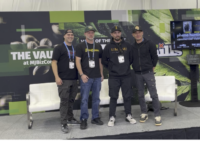
Picazo opened one conversation by emphasizing that tissue culture remains underutilized in cannabis, despite being standard practice in other agricultural industries where it is foundational to professional breeding and propagation. Panelist Martin Chase of UMAMI Seed Co. expanded on this point, noting that his team has relied on tissue culture since 2014, well before pathogens such as hop latent viroid were widely recognized. Initially, their focus was on cataloging their genetics library, protecting individual cultivars, and minimizing the footprint required for mother plants.


Contaminated Clones Unknowingly Flood the Market

As legal cannabis markets expanded around 2016, many new operators sourced clones from established legal or legacy markets, often without comprehensive pathogen testing. Infected plant material circulated unknowingly for years before cultivators realized that viroids, viruses, and other systemic pathogens were the root cause of widespread crop failures. Powdery mildew, viruses, and viroids traveled easily through shared genetics, exposing a major vulnerability in the industry’s early supply chains.

As outbreaks intensified, breeders and cultivators recognized that pest management practices were no longer enough. The need to prevent disease at the genetic level became apparent, prompting commercial operators to adopt tissue culture to establish truly clean mother plants.


Nodal vs. Meristem Culture: Choosing the Right Tool for the Job

According to Chase, not all tissue culture methods serve the same purpose. As pathogens became more prevalent, his team began cleaning up the genetics using increasingly precise tissue-culture techniques, starting with meristem culture. This method involves dissecting a plant down to a tiny cluster of undifferentiated cells roughly one millimeter in size. Because most viruses and viroids do not typically reach this cellular level, meristem culture offers the highest likelihood of producing pathogen-free plants. However, Chase noted that in extreme cases, where infections are deeply embedded, even meristem culture may not fully eliminate disease.

For less intensive needs, nodal tissue culture offers a faster and more cost-effective option. Nodal culture is essentially micropropagation, producing tiny clones from existing vascular tissue. While this approach can help standardize production runs and reduce surface-level contamination, it does not fully reset a plant’s genetic health. Because vascular tissue can still harbor pathogens and endophytic microbes, nodal culture is better suited to maintaining clean cultivars than to rehabilitating compromised ones.

Breeding projects, foundational grandmother stock, or heavily infected plants are best addressed through meristem culture. For stable, repeatedly tested cultivars, nodal culture can support scalable production, provided operators are prepared to restart the process if contamination reappears.


Resetting Declining Genetics

Beyond disease prevention, tissue culture plays a critical role in preserving and reviving older cannabis genetics that remain commercially or culturally valuable.

Cannabis is an annual plant, not a perennial. Under natural conditions, plants complete their life cycle, produce seeds, and die. In commercial cultivation, however, elite genetics are cloned and maintained indefinitely, an unnatural process that can lead to gradual degradation over time. Aging mother plants often weaken, lose vigor, or exhibit subtle performance changes that growers may mistakenly attribute to environmental conditions or nutrient programs.

Chase noted that long-term cloning can result in genetic drift, accumulated mutations, and physiological stress, causing cultivars to behave differently under new lighting systems, feeding schedules, or production models. Tissue culture, and specifically meristem culture, offers a way to reset that decline. By regenerating a plant from a tiny cluster of undifferentiated cells, cultivators can effectively return a cultivar to its original baseline, similar to starting again from seed, but without losing the genetic identity that made the plant valuable in the first place.


Scalability and Cost Effectiveness

According to Chase, tissue culture offers one of the most powerful advantages for exponential growth. One container becomes two, then four, then eight, and so on. This process dramatically reduces the space required for nursery production. Operators can eliminate 75 to 80 percent of traditional mother space, stack thousands of plants within a very small footprint, and use the same environmental controls already in place. For large-scale operations, this efficiency translates directly into cost savings, operational consistency, and faster expansion.


The Path to Global Distribution

As the cannabis industry matures, tissue culture is becoming essential for preventing large-scale pathogen spread. Panelist John Bayes of Green Bodhi emphasized that when genetics is distributed at scale, especially across borders, consistency and cleanliness are non-negotiable. Backing up genetics at the meristem level ensures plant material is uniform, clean, and suitable for international movement, an approach long used across global agriculture.

Chase expanded on how tissue culture enables compliant global distribution. With tissue culture labs operating in Canada, Austria, Germany, and Australia, his team is able to move phytosanitary-certified plant material around the world with relative ease. Because tissue culture plants are shipped in sterile, sealed vessels without growing media, they can bypass many traditional import and export barriers while still meeting quarantine and regulatory requirements.

Unlike seeds, these shipments often include live explants. Once received, facilities with basic lab infrastructure and trained technicians can rapidly scale production. By rooting plants outside the lab environment, operators can quickly transition tissue culture material into plugs that behave like conventional clones, significantly shortening production timelines. While the process requires technical expertise, it allows growers to start with genetically uniform, pathogen-free plants that can be scaled efficiently across diverse environments.

Picazo emphasized that this level of scalability is only possible because of the work done on the front end. By dissecting plants down to meristem tissue and validating cleanliness through multiple stages of testing, breeders can ensure genetic integrity before material ever enters the global supply chain. In an increasingly international cannabis market, tissue culture is emerging as the most reliable pathway for scaling genetics uniformly while reducing the risk of widespread pathogen outbreaks.


Despite this progress, the cannabis industry is still only scratching the surface of what tissue culture can offer when compared to advances made in other agricultural sectors. Not every plant responds the same way in tissue culture, and techniques that work for bananas do not automatically translate to cannabis, hemp, or hops. Even so, tissue culture is emerging as a critical tool in the modern cultivation toolbox, helping breeders and cultivators push genetics, consistency, and scalability to the next level.

Are Triploids The Next Big Thing In Cultivation?

By Pam Chmiel
1 Comment

It all starts with genetics. The possibilities for manipulating the cannabis plant through breeding and cultivation are expanding rapidly, and advancements in methods for achieving optimal plant expression are accelerating as the industry moves into 2026. Breeders and cultivators are increasingly banding together to share knowledge and resources, while high-tech equipment and analytical tools are being deployed to deepen understanding of the plant’s biochemistry.

As cultivation operations scale, operators are looking for ways to achieve higher yields, stronger plant vigor, improved disease resistance, and, most importantly, consistent outcomes from plant to plant. One approach is polyploid breeding, specifically the development of triploid cannabis plants.

John Keating, founder of Tesoro Genetics and leader of the genetics program at Advanced Nutrients, has been at the forefront of this effort. While triploids are widely used in large-scale agriculture, most consumers unknowingly encounter them in seedless fruits like watermelon and bananas. The approach remains relatively new to the cannabis industry and far from simple to execute.

According to Keating, his team spent several years refining the process before achieving reliable results and launching a line of triploid seeds at MJBiz 2025. I sat down with him to better understand how triploid cannabis works, why it matters for commercial cultivation, and what it could mean for the future of genetic innovation in the industry.

To understand why triploids are gaining traction, it helps to start with a basic explanation of ploidy.

Diploids, Triploids, and Tetraploids—Explained

Most plants, including cannabis, are diploid, meaning they carry two sets of chromosomes (2N)—one inherited from each parent, Keating explains. Each chromosome contains genes, and each gene exists in two copies, known as alleles, which influence traits such as plant morphology, cannabinoid production, and secondary metabolite expression.

During normal reproduction, a diploid plant produces gametes—pollen and ovules—that each contain a single set of chromosomes (1N). When pollen and ovule fuse during fertilization, those chromosome sets recombine, restoring the diploid state (2N) in the embryo.

“That’s the standard biological cycle,” Keating says. “You split the genetic material in half to make gametes, then bring it back together to rebuild the diploid organism.”

Polyploid breeding intentionally disrupts that cycle.

According to Keating, breeders can induce chromosome doubling in a diploid plant to create a tetraploid (4N) plant with four sets of chromosomes. Crossing that tetraploid with a standard diploid produces a triploid (3N) offspring.


Why Extra Chromosomes Matter

Changing the number of chromosome sets has immediate effects at the cellular level.

Polyploid plants, particularly tetraploids, have larger cells than diploid plants, Keating explains. Larger cells often correlate with larger leaves, thicker stems, and bigger flowers. More importantly for cannabis, polyploidy increases gene dosage, meaning the number of copies of key biosynthetic genes available for expression.

As Keating points out, the genes responsible for cannabinoid biosynthesis—THCA synthase and CBDA synthase—are located on chromosome 7 and are present in two copies in a diploid plant. In a tetraploid plant, there may be four.

“If all four copies are THCA synthase, you’ve got a strong THC producer,” Keating says. “If they’re all CBDA, you’ve got a CBD-dominant plant. Or you can have a mix, which produces a mixed cannabinoid profile.”

With more copies of these synthase genes available, the plant has a greater capacity to produce cannabinoids and other secondary metabolites, such as terpenes and flavonoids.


Where Triploids Create Commercial Value

While tetraploids offer enhanced metabolic potential, Keating says triploids are often the commercial end goal.

Triploid plants are typically sterile or near-sterile, meaning they produce little to no viable pollen or seeds. For cultivators, this can significantly reduce the risk of accidental pollination, one of the most persistent threats to flower quality in commercial facilities.

“When you remove reproductive pressure,” Keating explains, “the plant can redirect more energy toward resin production and secondary metabolites.”

That combination of enhanced gene dosage from polyploid breeding and the operational benefits of sterility is why Keating and other advanced breeders believe triploid cannabis could represent the next major leap in cultivation.


Where Triploid Breeding Can Go Wrong

While triploid cannabis holds significant promise, John Keating cautions that polyploid breeding is inherently unstable if it’s not executed carefully, which is why many efforts fail.

The first challenge arises at the tetraploid stage. When breeders force a diploid plant (2N) into a tetraploid state (4N), they’re pushing the plant into a condition it does not naturally want to maintain. Cells become larger, chromosome density increases, and unless every cell successfully converts to tetraploidy, the plant can end up as a mixoploid, a mosaic of diploid and tetraploid cells.

“That mixed state is a problem,” Keating explains. “Because diploidy is the plant’s natural condition, any remaining diploid cells can eventually dominate.” Over time, that instability can cause the plant to revert toward diploidy, undermining the entire breeding effort.

Gene dosage compounds the risk. Doubling chromosomes increases the

number of all genes, potentially amplifying undesirable traits. If a plant carries latent issues, such as a tendency toward hermaphroditism, those traits can become more pronounced when additional gene copies are introduced.

According to Keating, breeders who push lines too aggressively to maintain tetraploidy can also encounter low germination rates, inbreeding depression, and inconsistent phenotypes. The physiological stress of maintaining an enlarged cellular state appears to increase the likelihood that these problems will surface.

The key, he says, is stabilization.

Successfully working with polyploid cannabis requires time, repeated selection, and careful environmental management to allow plants to adapt to their new ploidy level.


Early Results—and What Still Needs to Be Proven

Despite the challenges, Keating says the performance gains he’s seen in commercial settings are incredible.

According to Keating, triploid cannabis consistently shows increases in potency and yield. While not confirmed, he plans to work with a research university to investigate whether polyploid plants develop thicker trichome walls that could help retain volatile secondary metabolites after harvest.

“That’s a big deal if true,” Keating says. “Terpenes and other secondary metabolites off-gas hard and fast once the plant is cut. If the trichome structure is physically holding more of that in, that has major implications for post-harvest quality.”

While that hypothesis still needs peer-reviewed validation, Keating says yield improvements are already showing up clearly at scale.

“What we’ve seen with the plants we’ve actually released into the world is dramatic increases in yield,” he explains. In multiple large-scale cultivation environments—not just isolated test lights—operators are reporting production levels approaching six pounds per light, a benchmark Keating says he had previously only heard discussed in theory.

“This isn’t one light or two lights,” he adds. “This is happening across larger facilities.”

The team plans to enter into clone licensing agreements with major players in different regions and work hand in hand with them. We plan to keep it limited, because we don’t want to flood the market like what happened with Blue Dream. As for seeds, they are producing rock-solid batches. We’ve picked our favorite ones that perform across all environments, are high-yielding, and have great appeal.


For the future, Keating says we will see double haploids, genuine F1s, further polyploidy, and rapid modification via gene editing.

Listen to John Keating talk about their work with triploids on the Innovating Cannabis Podcast.


Cannabis Seeds Could Be The Next Frontier For Space AgTech

By Pam Chmiel
No Comments

NASA’s core mission is to explore space and aeronautics, expand scientific knowledge, develop breakthrough technologies, and ultimately bring new knowledge and opportunity back to Earth. What many people do not realize is that some of NASA’s most impactful discoveries have reshaped industries far beyond aerospace, including modern agriculture.

Vertical farming and LED lighting are two widely adopted agtech innovations that trace their roots back to space research. Scientists studying long-duration space missions discovered that specific wavelengths of blue light influence how the human body produces melatonin, helping regulate circadian rhythms in environments without natural daylight. That same research revealed that precisely tuned light spectra could support photosynthesis and plant growth indoors. These findings laid the groundwork for modern LED grow lighting. Around the same time, Columbia University introduced the concept of vertical farming, defined as multi-level crop production within controlled environments. The approach was tested for space-based food production and has since become a cornerstone of urban and indoor agriculture on Earth.

At the World Economic Forum in Davos, Dylan Taylor, Chairman and CEO of Voyager Space, a multinational space exploration company building next-generation space infrastructure for NASA and other global space agencies, suggested that seeds may represent the next frontier for space-based agricultural technology. Taylor emphasized that space presents extraordinary opportunities for agtech research that could meaningfully improve crop performance, resilience, and sustainability back on Earth.

That thesis is already being tested. StarLab Oasis, an Abu Dhabi-based agricultural research firm partnered with Voyager Space, is leveraging the space environment’s unique combination of microgravity, deep-space radiation, and launch vibration to develop crop seeds with novel and beneficial traits. On Earth, plant breeders routinely apply physical stressors such as drought, temperature fluctuations, nutrient limitation, and high-intensity light to identify plants that retain vigor, yield efficiently, and resist disease and pests. Space takes this concept to an entirely new level. According to the China Aerospace Science and Technology Corporation, space breeding has already produced more than 200 plant and fruit varieties, including rice, wheat, maize, soybeans, cotton, and tomatoes. These varieties have generated an estimated $29.9 billion worth of agricultural output, totaling more than 1.3 million tonnes of food.


Cannabis, To the Moon

Martian Grow is now bringing this space-breeding approach to cannabis. Founded by Božidar Radišič, a longtime cannabis researcher at the University of Ljubljana’s Faculty of Health Sciences in Slovenia, the company is focused on formal scientific research into cannabis biology and real-world applications. Martian Grow launched its first space-breeding mission on June 23, 2025, aboard a SpaceX rocket from Vandenberg, California. The research capsule itself was designed and sealed in Germany.

That initial mission did not go as planned. The capsule failed during atmospheric reentry, and the seeds were not recovered, meaning no experimental data could be collected. While disappointing, the outcome was not entirely unexpected in a field where engineering, physics, and biology intersect under extreme conditions.

Since then, Martian Grow has regrouped and significantly strengthened its leadership and technical team by bringing on American executive John Bernard McQueeney as CEO. McQueeney and his partner, Will Jasper, first attempted to send cannabis seeds into space in 2023 after learning about a Chinese space-breeding experiment that produced a drought-resistant wheat variety. That variety has since become the second most widely grown wheat strain in China.

Their initial proposal to conduct cannabis research aboard the International Space Station was rejected by the Center for the Advancement of Science in Space, or CASIS, due to cannabis’s Schedule I status at the time. CASIS serves as the United States’ operational arm of the ISS National Laboratory, which Congress established to expand access to the space environment and unlock research and commercialization opportunities in low Earth orbit.

In an interview, McQueeney explained that space-based seed experiments are well established across agriculture. Seeds are routinely sent into orbit and exposed to cosmic radiation, microgravity, extreme cold, and other stressors. “That combination of stressors induces higher rates of mutation in the genome, particularly in embryonic cells that are not yet fully developed,” McQueeney said. “Seeds are one of the most effective biological sample types for this kind of research.”


June 2026 Lift Off

As Martian Grow prepares for its next launch in June 2026, the company has partnered with some of the most respected names in legacy cannabis genetics. These collaborators are providing original genetics that will be grown out post-mission and closely analyzed for phenotypic variation, genetic mutation, and trait expression.

According to McQueeney, the growing list of partners includes Phylos BioScience, Sensi Seeds in the Netherlands, Canadian breeder Dwight Diotte, Huckleberry Hill Farms, Ridgeline Farms, and Kevin Jodrey of Wonderland Farms and the Cookies R&D Lab. The team has also been joined by Professor Lumír Hanuš, one of the world’s most respected cannabis scientists. Hanuš previously worked in Raphael Mechoulam’s laboratory in Israel and is credited with describing anandamide, the first endocannabinoid identified in the human brain.


The Plan

Martian Grow’s research plan is ambitious and methodical. Cannabis seeds will be sent to low Earth orbit for nine months, where they will be exposed to sustained microgravity and cosmic radiation. After recovery, the seeds will be grown under tightly controlled conditions on Earth to evaluate phenotypic, genetic, and epigenetic changes.

Biology adapts when exposed to pressures outside its normal environment. Spaceflight introduces two pressures that plants never evolved to manage: microgravity and cosmic radiation. When stable parent-line seeds spend extended time in orbit, they are forced to reorganize internal regulatory systems simply to survive. Those changes can result in entirely new expressions of vigor, yield, and resilience.

McQueeney points to studies from China conducted over the past decade showing that space environments induce higher mutation rates than traditional radiation-based breeding methods on Earth.

Martian Grow compares space-exposed seeds to Earth-based controls using whole-genome sequencing, transcriptomics, epigenetic analysis, metabolomics, and AI-driven multi-omic modeling. This approach enables researchers to map the full causal chain linking the environment, biological stress, adaptive responses, and heritable trait development.

Radišič notes that the past year has been spent rigorously preparing for the June 2026 flight. The team has tested its capsules in Germany using plasma wind tunnels designed to simulate reentry conditions, including the extreme heat and aerothermal forces experienced during high-speed atmospheric descent. The company’s thermal protection system is led by Maximilian Maigler, PhD, one of the world’s most prominent German space scientists, who has already delivered two thermal protection designs for Mars landings.

Martian Grow currently has three launches scheduled and is operationally prepared for up to five missions. The company plans to use traditional CubeSat and PocketCube dispensers mounted aboard SpaceX rockets.

Tens of millions of dollars have already been invested globally in similar space-breeding experiments across major crop varieties. While Martian Grow has secured a seed round to support its first launch, the company is actively seeking additional investment to fund future missions and expand its research pipeline.


Those interested in learning more can contact John Bernard McQueeney, CEO, at john@martiangrow.com


Move Over Clones, Seeds Are Making A Comeback

By Pam Chmiel
2 Comments

Cutting cultivation costs was one of the loudest themes at this year’s MJBizCon. Michigan cultivator Kevin Kuethe, Chief Cultivation Officer at Lume, shared his strategy for combating price compression through genetics during a panel discussion titled “Mastering Genetics.” “The easiest way to do that is through more yield,” he told the crowd. “If you have two plants in a room, it’s going to cost you the same amount of land to grow both, but if one yields twice as much, guess what? That flower costs you half as much.”

Seeds used to get a bad rap for being inconsistent, but modern breeding has leveled up in a big way, according to Kuethe, who still runs a clone program but has eased into using seeds more, which now account for 30 to 40 percent of Lume’s production and power almost all of the company’s large outdoor grows. Today’s breeders are using genomics tools borrowed from big agriculture, such as SNPs, QTLs, and AI-generated breeding values that help predict a plant’s outcome.


Breeders can now screen thousands of plants, identify the markers that matter, and use that information to produce seed lines that grow more uniformly, resist pests and mold, and push yields higher. Kuethe says we are still in the early innings, but it’s a game-changer for cultivators.


Speeding The Process Up

Tools that have been standard in agriculture for years, like genomic markers, early-stage screening, and AI-assisted selection, are finally making their way into cannabis. And for growers, this means a much shorter breeding timeline. Native Roots’ Lacey Sears says breeders no longer need to grow huge plants or run massive pheno hunts to find a winner. Thanks to early genetic screening, breeders can identify promising plants at the cotyledon stage when they have just popped. “We don’t have to grow out mothers and huge plants anymore. That is the biggest thing reshaping this,” she says.


This new technology allows breeders to lock in traits like yield, vigor, pest resistance, and structure much faster and with far fewer plants. What once took years and thousands of test plants can now be done in a fraction of the time. As Kuethe puts it, “It is a drastic difference. This technology has been used in big agriculture for decades. We are finally catching up.”


Better still, breeders can now collaborate directly with cultivators to create genetics tailored to specific grow environments or business goals. Want a fast-finishing, short-stature plant that performs well indoors? Or a mold-resistant, high-yielding line for your outdoor farm? Breeders can now design for that.


Busting Seed Myths

One of the biggest hurdles to wider seed adoption in cannabis is the myths around seeds: they aren’t uniform, they are slower, they cannot hit high potency, yields are unpredictable, and “herms” make them too risky. Much of that was once true, but only because cannabis missed out on decades of modern plant science while the rest of agriculture raced ahead.


Damon Hess from Phylos compares it to buying a packet of tomato seeds. You don’t get 20 different tomato shapes and colors. You get the same tomato every time. Uniformity works in every major crop. Cannabis was the outlier because prohibition kept universities and major agricultural companies from doing the genomic work that other crops benefited from. Since the 2018 Farm Bill, that bottleneck has finally broken, and universities like Cornell, Oregon State, Kentucky, Colorado State, and Georgia are now generating data, breeding insights, and collaborating with seed companies.


Myth 1: Seeds grow slower than clones

Clones take roughly two weeks to root and another three to four weeks to veg before the flip, for a total of five to six weeks. With modern seeds, growers can go from sowing to flowering in about four weeks with the same eight-week flowering window. Seed-grown plants finish earlier, and the time they save continues to compound with every cycle.


Myth 2: Seeds are not uniform

This was historically true, but not anymore. Over the past several years, breeders have finally been able to stabilize cannabis lines the way other crops have been doing for decades.


Myth 3: Seeds herm more than clones

Herms are a stress problem, not a seed problem. Feminized seeds and female clones both herm when pushed beyond their stress limits. Phylos explained that their early seeds were sold only for outdoor use because stress-induced herms were too common indoors. That changed once they identified genetic markers tied to stress tolerance. By selecting for plants that do not buckle under stress, they drastically reduced hermaphroditic expression.


Myth 4: Seeds cannot match clone potency

Once a seed line hits a potency benchmark, it stays there. Phylos gave the example of its Cheddar Cheese line, which consistently produces THC levels over 30 percent. Mother plants age, decline, mutate, and accumulate pathogens, which often leads to potency loss. Stabilized seed lines do not have that problem.
Clones can certainly hit high potency, sometimes even higher than a seed line, but that peak is not stable. Once locked in, seeds maintain it.


The Challenge of Switching Your Grow To Seeds

Running a grow entirely from seed eliminates the need for mother rooms and the labor, space, and mechanical systems required to maintain them. That alone can recover weeks in the production cycle and free up valuable square footage for additional flowering rooms.


The real challenge, as Lacey explains, is that facilities have been designed around a clone-to-flower model for years. Seeds introduce new variables, such as lighting adjustments, environmental tweaks, and different early-stage care practices. Staff often need retraining. SOPs must be rewritten, veg rooms reconfigured, and teams taught to manage seedlings rather than clones. The transition takes time and money, but seeds offer advantages once dialed in, including minimal storage needs and faster veg times.


Because of this complexity, Damon recommends a phased approach. Most cultivators start with a small trial room to see how seed-grown plants perform in their facility. If the results are promising, the next step is a pilot production room that is run like any other production cycle to prove that seeds can deliver yield and uniformity.


What Are the Risks of Switching to Seeds?
While stable seeds are becoming easier to use and more reliable, shifting a commercial facility from clones introduces operational challenges. Cultivators have built operations around a clone-based workflow, so teams must learn germination and seedling development and avoid pitfalls such as improper sowing orientation.


Seeds also grow more vigorously than clones, which changes how plants respond to nutrition. If cultivators feed seedlings the same formula they use for clones, they may get excessive vegetative growth. Many growers need to rework nutrient recipes, especially by reducing nitrogen early in the cycle, and recalibrate fertigation equipment.


Another risk is environmental compatibility. Cultivators usually select strains that fit their facility’s existing environment. Dialing in seeds takes testing, and facilities with fixed lighting heights or rigid environmental controls may need incremental upgrades before seeds perform at their best.


Supply reliability is another concern. A winning seed line has to stay in stock. Operators worry about what happens if they build a room around a specific strain and the breeder runs out of that strain. Companies like Phylos are addressing this through guaranteed supply programs, but it remains a concern with growers.


Finally, seeds may introduce operational risk but also provide insurance. If a clone room crashes due to contamination or equipment failure, an entire cycle can be lost. With seeds, growers can pop new plants immediately and recover lost time because the propagation cycle is shorter. Seeds become a fallback that allows cultivators to get a room back on schedule instead of losing revenue.


Overall, the risks are not about seed performance. They are about change management. Facilities that invest the time to retrain staff, rewrite SOPs, run trials, and partner with stable seed suppliers are the ones that will optimize production and trim costs.