

Tag Archives: Curio Wellness

Operating in the Missouri Market with Curio Wellness

By Pam Chmiel
No Comments

Missouri has quietly built one of the country’s more successful adult-use cannabis markets since launching recreational sales in 2023. Since legalization, the state has quickly grown into one of the largest cannabis markets in the Midwest, generating strong sales and supporting an expanding network of cultivators, processors, and dispensaries.

Unlike many states that see medical patient numbers decline after legalization, Missouri has continued to grow its medical program even as adult-use sales expand.

Curio Wellness, a vertically integrated cannabis company founded by the Bronfein family and headquartered in Baltimore, has been steadily expanding its presence in the state. The company first entered the Missouri market through the acquisition of a cultivation facility and broadened its retail footprint last fall with the purchase of four Greenlight Dispensaries locations.

Wendy Bronfein, Chief Brand Officer and co-founder of Curio Wellness, praised the rollout of the Missouri market, noting that while Missouri operates under a limited-license framework, the market still supports a robust number of operators and retail outlets, creating strong statewide distribution. Bronfein also touted the program’s tax structure, noting that taxes collected from the medical cannabis program are directed to a veterans’ fund that has already received tens of millions of dollars.

She added that Missouri has been notable for both clearly reporting revenues and delivering funds to its intended programs—something that does not always happen in other markets. The program’s success is particularly noteworthy, she said, given that Missouri is a traditionally conservative state, challenging assumptions that well-functioning cannabis markets only emerge in more progressive regions.

Like several other states, Missouri allows cannabis businesses to take standard business deductions on their state taxes, partially offsetting the impact of the federal Internal Revenue Code Section 280E, which continues to limit deductions for cannabis companies at the federal level.


Why Missouri?

Curio entered the Missouri market after an opportunity arose to acquire an existing medical cannabis license focused on cultivation and manufacturing. Initially, the team had not pursued Missouri because the state favored locally rooted applicants.

Bronfein noted that the largest operators in Missouri are not the typical national multi-state operators seen in other markets, but rather local businesses with strong community support.

Missouri’s location also offers strategic geographic advantages. With multiple neighboring states lacking their own programs, the state benefits from significant cross-state patient and consumer traffic, particularly in border regions. Similarly, Bronfein observed that even in Maryland, where surrounding states have some form of legal cannabis program, customers often cross state lines in search of better prices and products.

The Curio team also identified an opportunity to fill a white space in the Missouri market with wellness-oriented cannabis products. At the time, many processors were primarily focused on high-THC flower and potency-driven products, leaving relatively little focus on formulations designed around wellness and functional benefits.


Market Bottlenecks

Despite Missouri’s generally strong market performance, operators still face challenges navigating the system. According to Bronfein, one of the most significant bottlenecks is the state’s packaging approval process.

Each product design must undergo a detailed regulatory review before it can be produced, which can take 30 to 60 days. Because companies cannot confidently order packaging materials until designs receive regulatory approval, the process can slow product launches and create additional operational costs.

She also noted that regulatory interpretation can sometimes create confusion for businesses. In addition to formal statutes and regulations, operators may encounter informal guidance that functions like additional rules but does not always go through the same formal regulatory process, making it more complicated to navigate the evolving framework.


Building for the Global Future

Although Good Manufacturing Practice standards are not required in Missouri, Curio Wellness has implemented CGMP-certified processes across its operations in every state where it operates as part of a long-term strategy.

According to Rebecca Bronfein Raphael, Chief Strategy Officer at Curio Wellness, the company adopted these standards early on with the expectation that cannabis would eventually fall under federal oversight similar to other consumer packaged goods regulated by the U.S. Food and Drug Administration.

By building its production systems to meet the same manufacturing standards used in the mainstream food and consumer product industries,

Curio Wellness delivers consistent quality, strong audit-ready accountability, and rigorous safety protocols across its operations. Raphael said the framework also helps standardize employee training and day-to-day operational procedures.

As federal and global cannabis regulations continue to evolve toward stricter guidelines, adopting CGMP standards positions the company ahead of the curve, particularly as many cannabis operators have yet to implement similarly rigorous manufacturing systems.

The company is also preparing for the future through its product development strategy. Curio has been investing in tablet-style cannabis products designed to resemble familiar wellness supplements and pharmaceutical formats.

Raphael explained that the team is building products for where the market is heading, rather than where it currently stands. “Ultimately, our dream is to see sleep tablets on the shelves of Target, since they are more likely to sell a tablet than an eighth,” she said.

Curio is also thinking carefully about the types of production methods that will support long-term scalability. Raphael explained that the company has focused much of its extraction infrastructure on CO₂ extraction, a method already widely used in food and pharmaceutical manufacturing and recognized by the U.S. Food and Drug Administration.

Curio uses this process for its Best Self wellness products because it allows the company to produce consistent formulations at scale.

At the same time, the product innovation team continues to explore emerging technologies, including scalable solventless extraction methods. While solventless products have gained popularity among cannabis connoisseurs, Raphael noted that the technology has not yet reached a level where it can be easily scaled for mass-market production.

Curio is clearly preparing for a future in which cannabis functions as a mainstream consumer packaged good. The company is focused on building systems and product formats that could eventually support large-scale retail distribution and even global markets.


Growing with Tissue Culture

Similar to its operations in Maryland, Curio cultivates its plants using tissue culture, a propagation method used by only a small number of cannabis companies. However, the method is beginning to gain broader adoption.

The technique allows the team to maintain a large and diverse genetic library while using relatively little physical space and ensuring consistent, disease-free starting material.

Curio’s decision to use tissue culture is based on its approach of borrowing proven practices from established industries rather than reinventing processes within the cannabis sector. When launching the company, the team studied how large-scale agricultural producers operate and recognized that tissue culture was already widely used in traditional agriculture.

Bronfein pointed to examples such as commercial berry producers, where companies like Driscoll’s rely on tissue culture to maintain healthy plant genetics and consistent production.

Applying this approach in cannabis has allowed Curio to maintain a secure and expansive genetic portfolio without dedicating large areas of its cultivation facility to mother plants. As a result, the company has been able to convert space that would normally house mother plants into additional production capacity.

According to Raphael, the system also gives Curio the flexibility to introduce a wide range of cultivars to the market, test consumer demand, and gather feedback before determining whether a strain remains in regular production or moves into one of the company’s premium product lines.

Because tissue culture was relatively uncommon in the Missouri market when Curio introduced it, the company worked with state regulators to explain how the system functions and how it should be inspected.

“As a team, we strive to be thought leaders in the space, and this has been a crucial area for that,” said Raphael.


Maintaining Tight Inventory Control

Curio operates on a perpetual harvest schedule, bringing six to eight different strains to market each week in both Maryland and Missouri. By carefully controlling the amount of product released for each strain, the team can better balance supply and demand while helping protect against price compression.

Raphael explained that this strategy also helps preserve product freshness once it leaves the cultivation facility. Rather than flooding the market with large quantities of a single strain, Curio aims to release only the volume the market can reasonably absorb in a given week.

Curio also maintains a strict 21-day inventory rule, meaning stores should not carry more product than they can sell within three weeks. This approach helps ensure customers purchase fresher cannabis rather than products that have been sitting in storage for extended periods.

Just as grocery retailers carefully manage the turnover of perishable items like produce, Curio treats cannabis as a perishable product.

“You wouldn’t buy strawberries sitting on a shelf for eight weeks,” said Bronfein.

You can hear Wendy and Rebecca’s interview on the Innovating Cannabis Podcast (available on all major networks).

or YouTube.


Department Stores for Cannabis: The CEOs of Remedy on Cannabis Retail

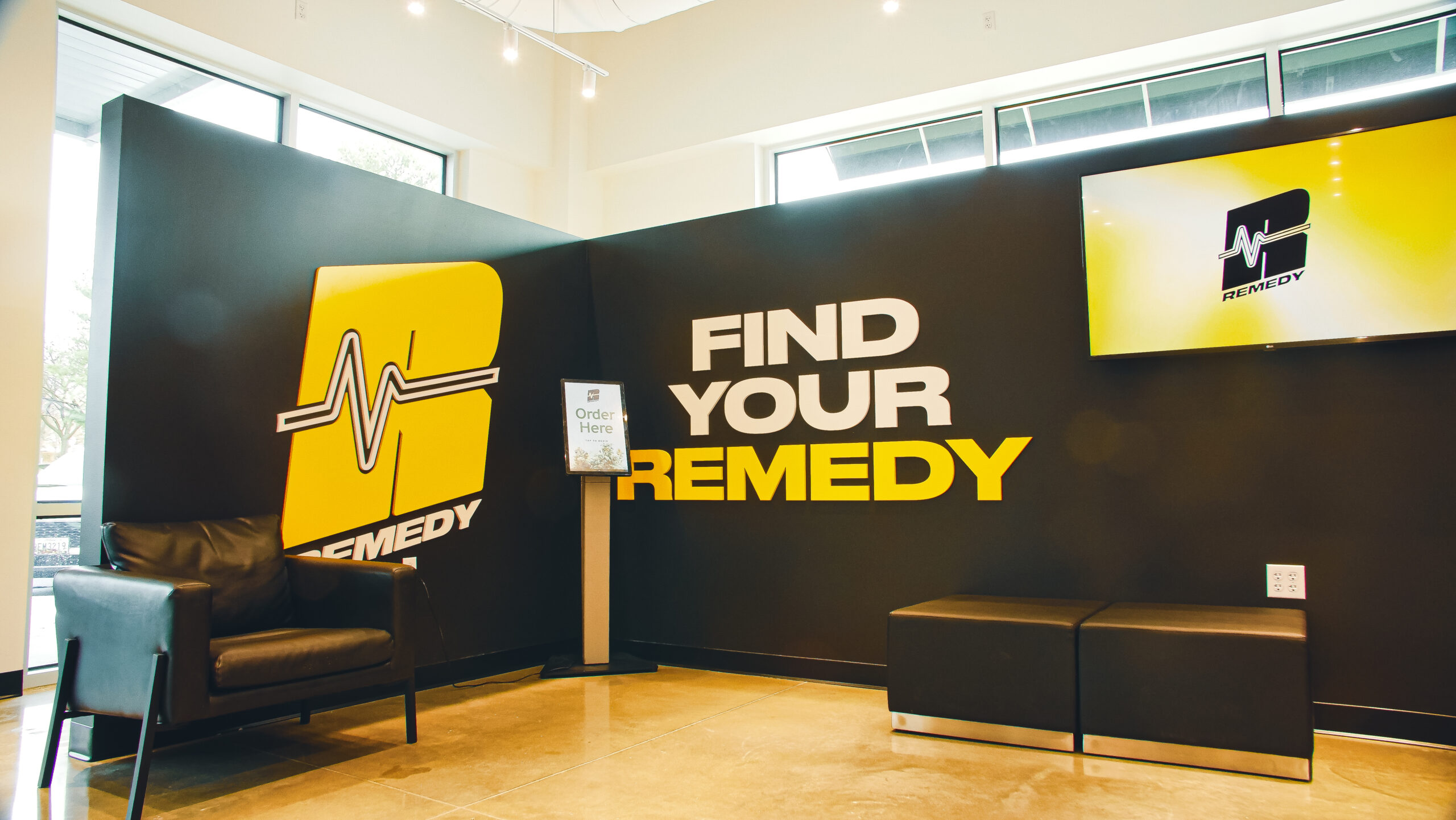
Remedy currently has two locations, one in Baltimore and one in Columbia, Maryland. The first thing you notice at these dispensaries are the large parking areas. When you step inside, you’re greeted by an entrance that is less like a waiting room and more like a lounge.
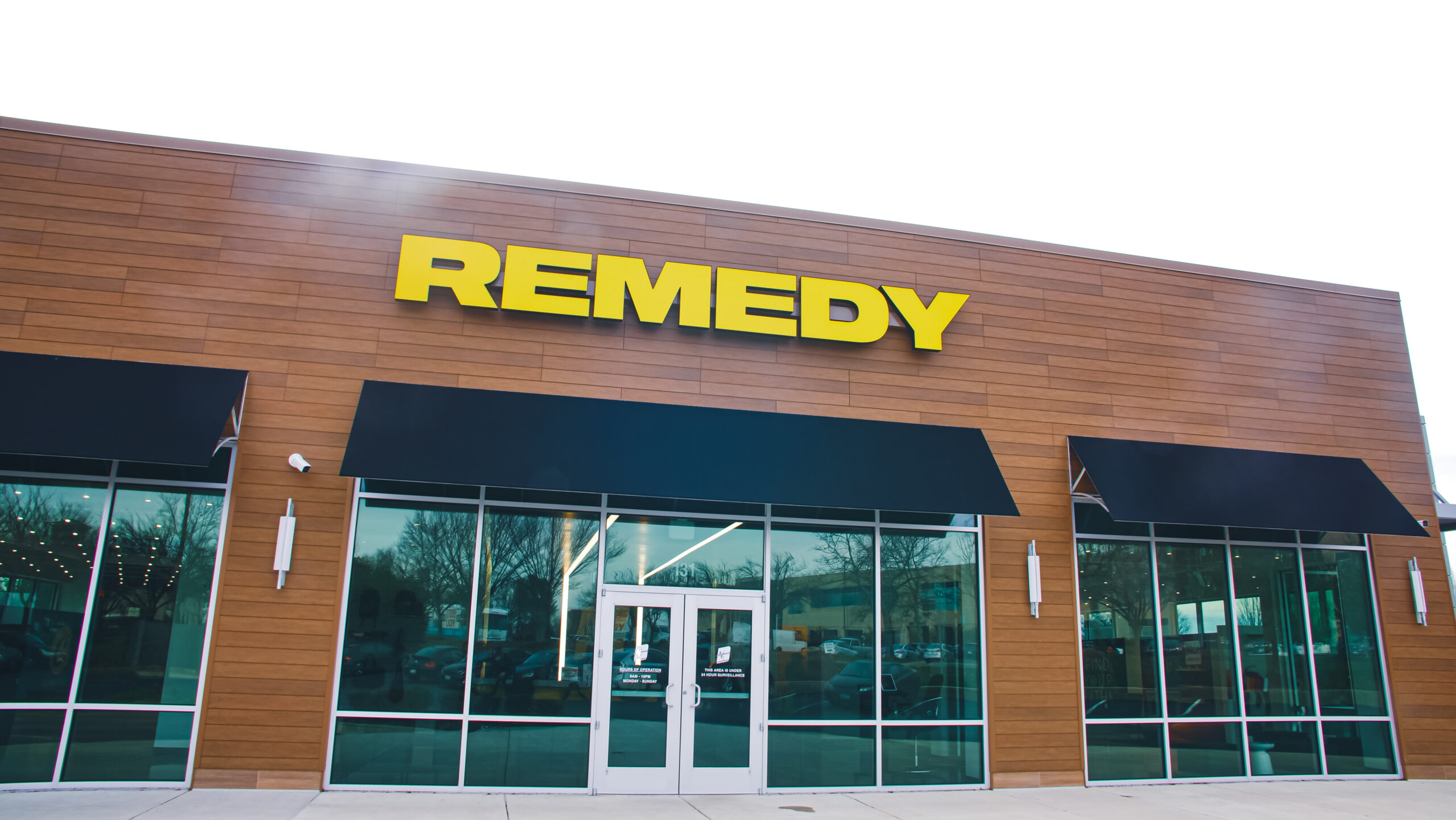
Their massive open floor plans offer space for brands to have their own area, akin to branded counters in traditional department stores. Remedy has partnerships with big cannabis brands like Cookies, Curio Wellness, Holistic, Rhythm, Trulieve, Green Thumb Industries and others for this reason: to create the “store within a store” feel.

We met Mitch Trellis and Brandon Barksdale, co-CEOs of Remedy, in Las Vegas last year. After hearing about their ideas and vision for the future of cannabis retail, we followed up with them for an interview.

Cannabis Industry Journal: Give us some brief background on your company. How did Remedy get to where it is today?

Mitch Trellis, Co-Founder & Co-CEO of Remedy

Mitch Trellis: I have been a patient and consumer since 1994. I have always loved and respected the plant. I spent much of my career on Wall Street, but really I’ve been an entrepreneur most of my life. I started looking at the cannabis space for my next venture. 2014 was a very exciting time for cannabis with a lot of other states were coming online around that time. Colorado had legalized adult use and California had been going for a while. I was looking for an opportunity to jump into the space. Maryland wrote a very progressive law legalizing the plant for medical use, marking the first time on the East Coast where cannabis could be prescribed for pain.

I saw some real business opportunities there so I reach out to my business partner, Blaize Connelly-Duggan, whose family has a long history working with alternative medicine. We were both born and raised in Columbia, Maryland. About a year after coming up with the idea, we submitted an application for a fully vertical license. We did not win the growing or processing license, but we found out we had won a dispensary license.

We decided to move forward in late 2016. We opened in December of 2017 and we just had our five-year anniversary of operating a dispensary in the state of Maryland. We have seen over 30,000 individual patients and we’ve done around 45 million retail sales over that time. We are on a good pace right now with our two stores, each of which we call “superstores” with around 10,000 square feet of space. We have built some pretty interesting retail experiences, what we call our in-store ad network. We are a little different than other dispensaries; we’re not going for the Starbucks or corner store model.

Brandon Barksdale: I came from professional services. I was in a management consulting practice and a leader within our cannabis industry advisory group. We were working with clients on performance management, business improvement and organizational maturity that would help drive operational excellence within complex compliance and legislative landscapes.
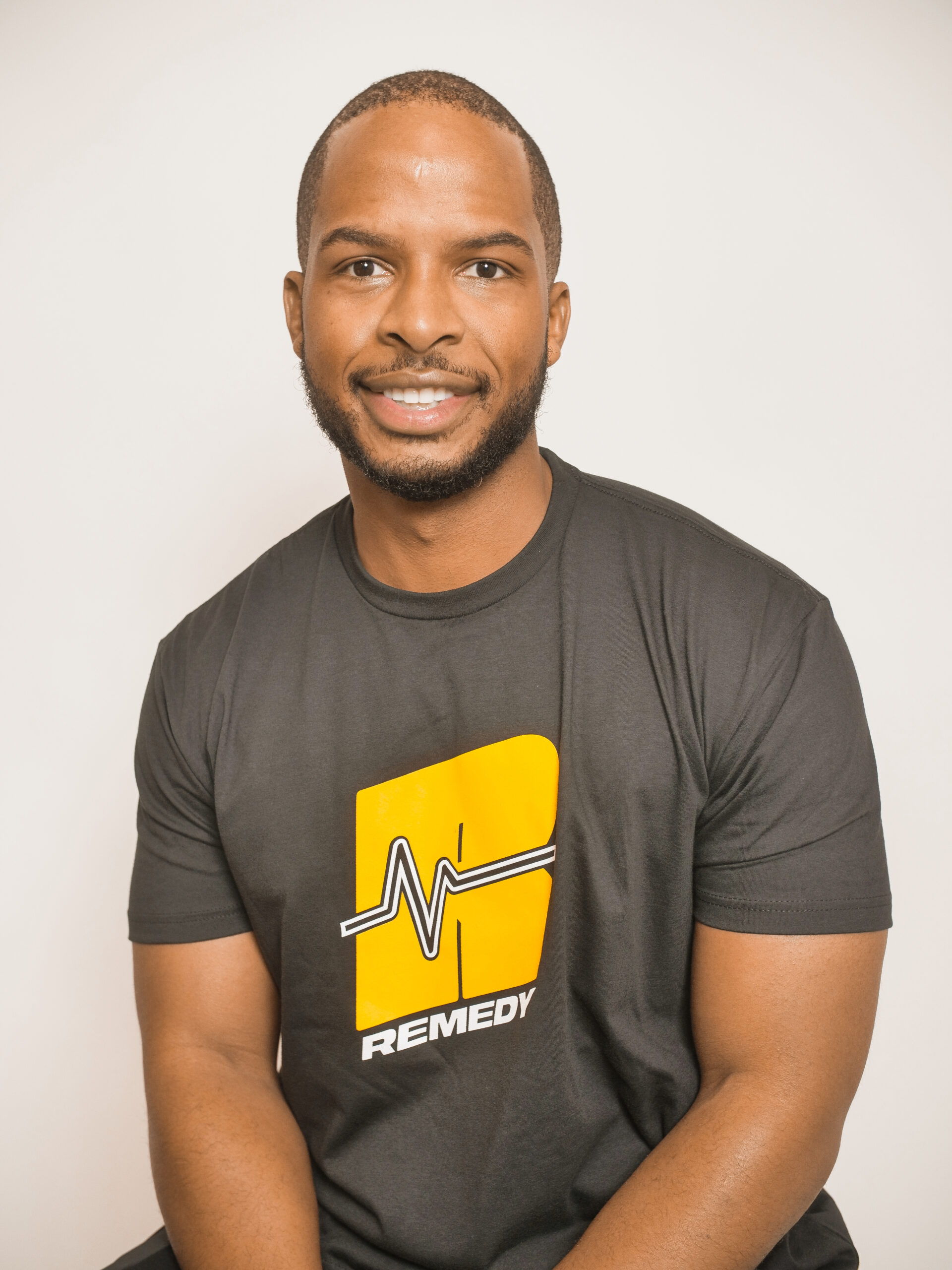
Brandon Barksdale, Co-CEO of Remedy

The clients that I had spanned over a lot of different states, so I think a lot of my initial experience comes from California in 2015 and 2016. Outside of consultancy, I stepped into operations within a vertically-integrated cannabis operation in Colorado. From there I gained the full breadth of experience in understanding the business from cultivation to manufacturing to retail. We were also operating on both sides of the market, medical and adult use. This put me at a little bit of an advantage for new markets coming online, understanding the economics and how things would play out, you know, history repeats itself, just faster and faster.

I met Mitch and Blaze through a mutual acquaintance and we shared a lot of the same vision and thoughts for where the industry was heading locally in Maryland and nationally. Ultimately, I came on board in an advisory capacity and then joined the team full time.

CIJ: Tell us more about this Nordstrom business model. What brand partnerships are you developing and how is your idea different from the traditional dispensary?

Mitch: We have basically built a platform for the brand and vendors to interact with the patients and the customers. There is a big gap between the two and we operate as a conduit between the two. In that plan, we need to have spaces for each individual brand to interact with the consumer, which is why we have such large floor plans. Brands set up semi-permanent stores within our store, almost like pop ups. Right now, on our floor we have Trulieve, Holisitic, GTI, Curio, Cookies, Sunmed and 2 or 3 more coming. That’s the equivalent of the Sephora and Nike in Nordstrom.
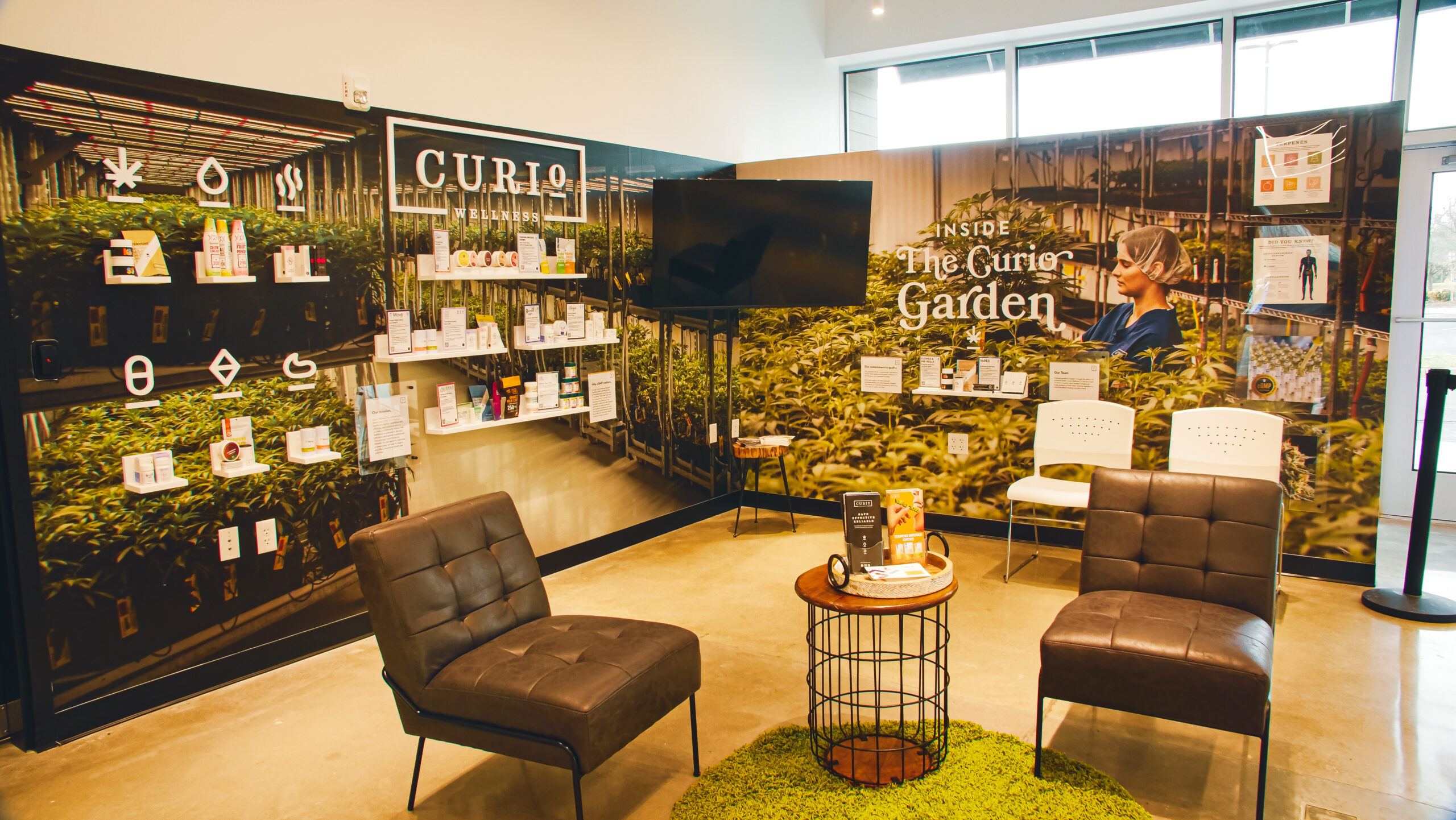
A Curio Wellness pop-up within a Remedy dispensary

We have a handful of our own brands we are working on bringing to the state of Maryland, which is kind of like those generic brands you see, like Nordstrom Rack or a 365 brand in Whole Foods. So, it is a more traditional retail model than what you might think of in the cannabis market.

People ask us, ‘well, what do you do differently?’ And really, we try not to do things differently. We try to do things like regular retail. At the end of the day, it’s about the experience, the price, the convenience, customer service, simple retail stuff.
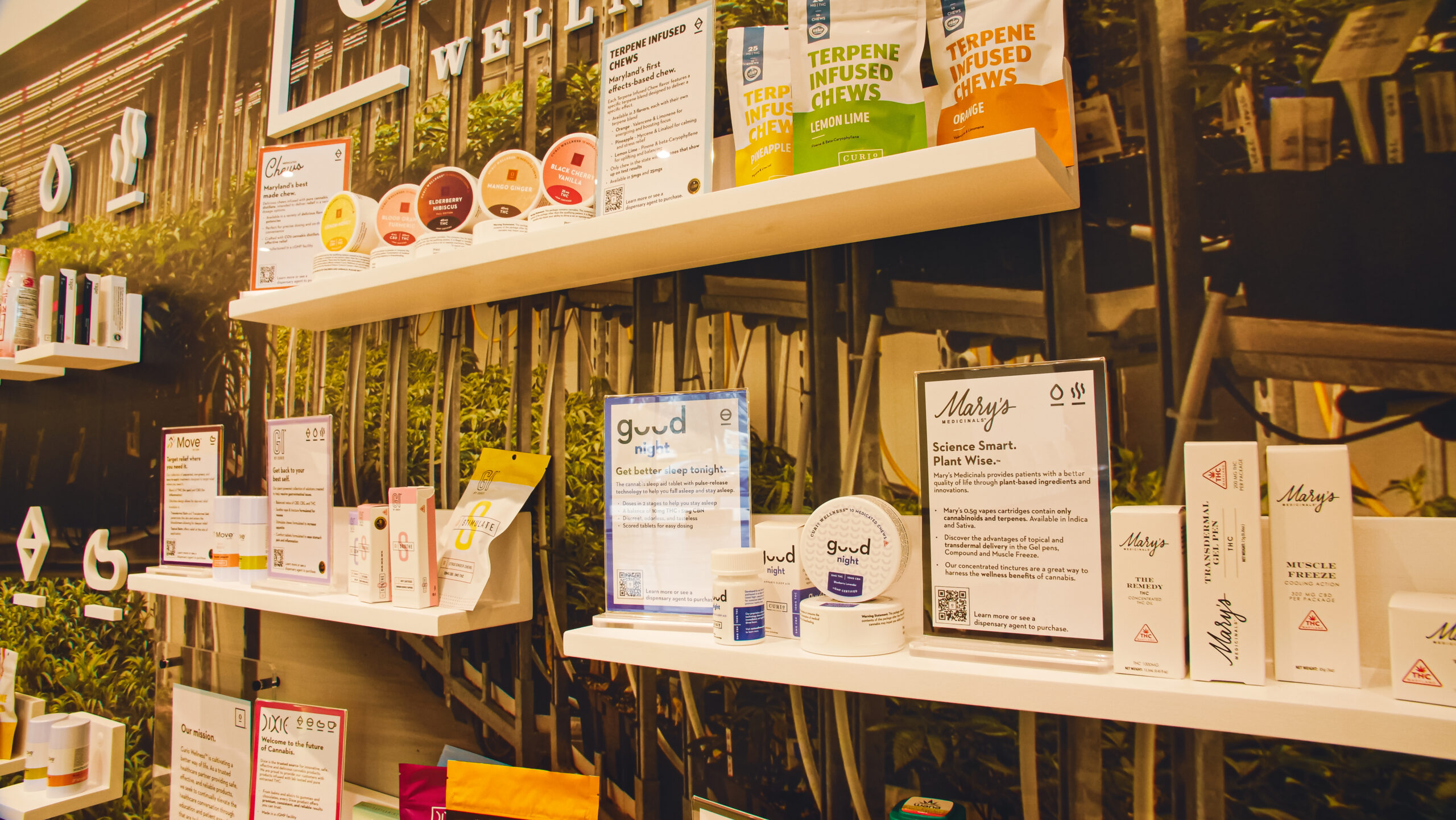
The Curio product offering

Brandon: The differentiator that separates us from other dispensaries is that retail experience. On our floor, we have a massive amount of brand power coming from the strongest Maryland supplies and household brands entering Maryland from other thriving markets. From there, it’s really just about driving the patient and adult consumer experience, helping them come in and learn about brands, what makes them different, what drives their quality, price, etc. Ultimately it allows brands to present themselves the way they intended. That in itself is enough of a unique experience. Then it’s about execution. What we hope as we come into a new adult use market while we continue to support the medical market is that there will be a way for patients and consumers alike to learn about more products, wider brand selection and learn what best aligns with their values, their experience and the overall value proposition.

CIJ: With Maryland legalizing adult-use and the Virginia market expected to open soon, how do you expect your retail business will fare in the new, larger market?

Mitch: We have very large stores in incredible locations that are very well known with tons of parking and the ability to do tremendous volume. I think we are well prepared and our business is built for a larger volume scenario.
Adult use sales in Maryland are set to launch this year

Brandon: I am personally very optimistic. Maryland is leading the way in the mid-Atlantic market. We will continue to steamroll forward. Different states and neighboring states will be coming online at some point in the future. That potentially advanced runway will really pull us apart. Our strategy around retail is about growth and operational excellence. We’ll continue to find opportunities to support that broader market vision as it comes into view. We’re constantly seeking how we can expand our market footprint. When I think about Maryland in general, it is a pretty unique market. I don’t think we have seen a newer market come online that was as unique as this region, wrapped around this gray market and other states operating in this limbo.

I think we’ll see an increase in cannabis comfortability with the adult population in Maryland. I also believe that and other unique factors will drive a huge jump in the number of consumers and patients in Maryland as we mature into adult-use. There are a significant number of government employees in Maryland. There are other unique sensitivities to cannabis that will also become normalized. As Maryland moves forward with the rollout of the adult use program, that’ll be something that starts to pull uncomfortable stigmas away which will be increasingly favorable to the market.

CIJ: What are you excited about for 2023? Any new or exciting plans you can share with our readers? 

Mitch: We’re definitely watching all of our neighboring states and we’re keeping a close eye on our own state to see how everything shakes out. We will start our adult use sales in the state of Maryland very soon and we are moving forward in that direction. What do we look forward to? The beginning of adult use sales in Maryland. This is the start of our next big chapter and a culmination of a lot of work. 8 years later here we are.

Brandon: Maryland is next up. To Mitch’s point, that is where our main focus remains. We are constantly looking at opportunities within the state and nationally as well. I’d like to think of us as a market leader from a retail perspective. Our primary focus right now is how to capture a lot of the excitement in the Maryland market adult-use program, however, our eyes and ears are always open.