By Abraham Finberg, Rachel Wright, Simon Menkes No Comments
Part 1: The Current Status of Legalization
Minnesota has long been known as the “Land of 10,000 Lakes” and boasts over 14,000 bodies of fresh water covering at least 10 acres. The Dakota Sioux word for water, “Minne”, appears in the word Minnesota (clear blue water) and many locations around the state, including Lake Minnetonka (big water), Minnehaha Falls (waterfall) and Minneapolis (water + the Greek word for city).
With all this emphasis on water, it’s no wonder Minnesota’s cannabis-lovers are wondering whether the state’s new adult use legislation will issue in a river of profits for both the state and its future adult-use cannabis businesses.
Overview
In May 2023, House Bill HF100 was passed by the legislature and signed into law by Governor Tim Walz on May 30, 2023, making Minnesota the 23rd state in the union to legalize adult use cannabis. Effective August 1, 2023, it will be legal to possess up to 2 pounds of flower (2 ounces in public), 8 grams of concentrate and 800 milligrams of infused edibles.
HF100 also established the Office of Cannabis Management (OCM), which will be responsible for overseeing the state’s adult-use program. Minnesota’s medical cannabis program, now under the auspices of the state’s Department of Health, will transition over to the OCM on March 1, 2025.
The OCM website makes clear that “the regulatory framework will take time to develop and will require input from communities throughout the state” and that “the legislation proposes that retail sales for adult use cannabis in Minnesota begin in the first quarter of 2025.”
Minnesota Licensing Framework
The legislation establishes sixteen licenses including ten adult use license types: microbusiness, mezzobusiness, cultivator, manufacturer, retailer, wholesaler, transporter, testing facility, event organizer and delivery service. There are also two hemp licenses and four medical cannabis licenses.
Adult use license fees are reasonable compared with other states with application fees from $500 to $10,000, initial license fees from $0 to $20,000 and annual renewal fees from $2,000 to $30,000.
The state also will give preference to social equity applicants and notes that “The legislation prioritizes applications for business licenses from people who live in low-income areas that have experienced a disproportionate impact from cannabis prohibition and for military veterans who lost honorable status due to a cannabis-related offense. Social equity includes people who were convicted of cannabis-related offenses before the effective date of the legislation.”
Taxation of Cannabis Sales
Tax on cannabis products will be limited to 10% in addition to the state sales tax of 6.875% and any local sales taxes which may already be in place. Local governments will not be allowed to collect an additional cannabis-specific tax. Additionally, medical cannabis sales will not be taxed at all. The combined adult-use cannabis excise tax of 16.875% gives Minnesota the fifth-lowest cannabis tax rate in the country, with only four other states—Michigan, Delaware, New Jersey and Maryland—offering marginally lower rates.
Cannabis tax revenue will be split 80% for the state’s general fund and 20% to local governments. These tax receipts will fund a wide range of programs including the Minnesota Department of Health’s prevention and education efforts (including for media campaigns), data collection and grants for local and Tribal public health departments to support education, technical assistance and outreach.
The Social Equity Factor
As with many other adult-use states, there is a strong social equity element in Minnesota’s legislation. The legislation calls for automatic expungement of low-level cannabis convictions and for creating a Cannabis Expungement Board, which will review felonies for expungement or resentencing.
The law also creates a Division of Social Equity within the OCM, which is charged with providing outreach and services to communities disproportionately affected by cannabis prohibition. HF100 states that “Status as a social equity applicant must account for at least 20 percent of the total available points.” This suggests a strong favoring of a social equity application but stops short of requiring a certain amount of social equity licenses be awarded at the beginning of the program, as has been the case in New York.
At this time, HF100 states that an individual qualifies as a social equity applicant if they’re:
a military veteran who lost honorable status due to a cannabis-related offense;
a resident for the last five years of [a] … neighborhood that experienced a disproportionately large amount of cannabis enforcement [as determined by the OCM]
a resident for the last five years of [a neighborhood] … where … the poverty rate was 20 percent or more; or … the median family income did not exceed 80 percent of statewide median family income.
To Recap
Minnesota just legalized adult-use cannabis with the passage of House Bill HF100 and is in the early stages of rolling out its program. The first adult-use sales aren’t expected to take place until the first quarter of 2025.
Just a cursory glance at the state’s adult-use cannabis program shows Minnesota is trying for a friendly, business-positive environment for new cannabis companies, especially considering its low excise tax and moderate licensing fees. As with most other adult-use states, the social equity factor will play an important part in the issuing of licenses and must be taken into consideration.
We at 420CPA encourage cannabis entrepreneurs to examine Minnesota as a potential location for their future cannabis business. To that end, our Part 2 will dive more deeply into Minnesota adult-use with these topics:
Important information for those looking to start a cannabis business in Montana
How license applications will be scored
Other valuable information with which to weigh your decision.
Minnesota adult-use cannabis presents an exciting opportunity for cannabis entrepreneurs. 420CPA will help make that decision as easy as possible!
This is the third in a series of articles designed to introduce an integrated pest management framework for cannabis cultivation facilities. To see Part One, click here. For Part Two, click here. Part Four comes out next week and covers direct control options for pest reduction. More to come!
This is Part 3: Preventive Measures
Preventive measures are a great investment in the profitability of your operations. Our objective is to ensure successful repeat harvests forever. Build your procedures with this in mind. This means maintenance and regular review. We all realize that this work can be monotonous drudgery (we know!), but these procedures will ensure your success.
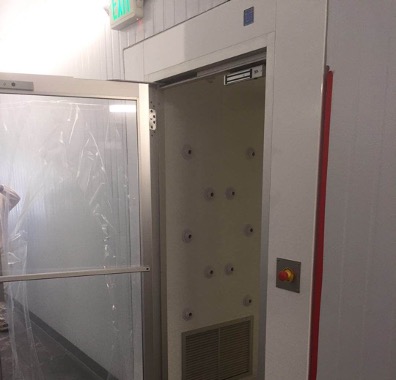
Figure 1: New Air Shower Access Installation
As a summary to begin, pest access must be limited wherever possible. Employees are the first place to start, but we must also return to our site map and review our facility design and workflows. Every operation has to move plants from nursery through harvest and post-harvest. Where should cleaning happen? Of course, you have to clean up post-harvest but when should this occur during the grow cycle? What is the best way to monitor and clean environmental management systems (i.e. air, water) and what are the weaknesses in the physical barriers between operations? Let’s walk through these issues one-by-one.
Employee Access and Sterile Equipment
Follow procedures to screen and protect your employees both to eliminate pests and to avoid exposing your employees to harmful chemicals or storage areas. Look for ways to isolate your workflow from pest access. Be certain that your facility is airtight and sealed with filtration of molds, spores and live organisms in your air intake areas. Air showers at your access points are important to screen your employees on their way into your gowning areas and grow facility. Clothing should be standardized and shoe coverings or crocs should be provided for all employees that access your interior. Look for ways to stop all pests (embedded, crawling, hopping or flying) in all of your room assignments (mothers, clone, veg, flower, trim and drying). This can be improved with shoe baths, sticky mats, frequent hygiene (hand washing and cleaning stations) and procedures for entry.
Always consider requiring hair & beard nets, shoe covers and disposable gloves in plant sensitive areas.
Chemical Access & Protective Equipment
Figure 2: Example Facility Map – Understand Workflow & Barriers to Pest Access
Personal protection equipment (PPE) is very important to protect any employee that will come in contact with materials, liquids or vapors for chemical resources. Establish procedures for chemical use and train employees in the safe handling of these materials. Typical equipment includes high density chemical protective gloves, boots, respirators, Tyvek (or equivalent protective wear) suits and eye protection or goggles.
Chemical access areas and their use should be restricted to employees familiar with their authorized application. Always remember that cannabis is an accumulator plant, and it will absorb and hold onto chemical treatments. Appropriate isolation and safety procedures must be followed for chemical use. Not following these restrictions can expose your employees to dangerous chemicals or get your entire harvests rejected at testing.
Facility Map & Workflow
Because insects would like to be everywhere and they come in many types (root zone, crawling, flying, microscopic, bacterial or biofilm), the facility workflow must understand where they are and how they might migrate if they penetrate your defenses. Note airflows in your rooms and fan locations so migrations can be predicted once an infestation is located. Where are your opportunities for full clean-up and disaster recovery in your building? Where should you stage maintenance filters, test kits, water and cleaning materials. How best to clean up and dispose of sealed garbage containers or cleaning materials?
Operational Cleaning & Post-Harvest Reset
When compiling your preventative measure documents, it is critical to create a repeatable operating procedure for cleaning and sanitizing your rooms, systems, and growing spaces after each harvest. Plant material handling, cleaning surfaces and wipe methods should all be documented in your Standard Operating Procedures (SOPs). Define what “clean” is. Removing plants and plant debris is pretty clear but define how to drain reservoirs, clean pipes, change filters and clean and sterilize your rooms. Operators must be trained in these SOPs and reminded of their content on a regular schedule. This is how you avoid outbreaks that can crush your profits.
Physical Barriers & Maintenance
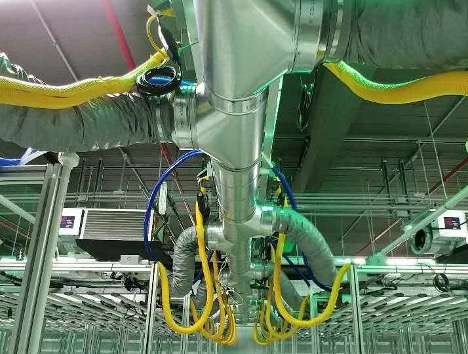
Figure 3: HVAC Air Filtration, Dehumidification, & Air Movement, Onyx Agronomics
Document your sealed spaces and define your normal room and access door barrier interfaces. Review the status of any known cracks or gaps in your perimeter. Are there any known leaks or piping that has been seen as a risk or a problem in the past? Are there any discoloring or resident mold locations (Never happens, right?). Baseline how much time and people resource a harvest operation and cleaning effort should take. Will you do this after every harvest or compromise your risk by delaying to every third or fourth harvest? Create your barrier SOP.
Environmental Control & HVAC
Managing the air quality provided to your plants is critical to your yields. Controlling CO2, air movement rates (the leaf happy dance), humidity, air filtration and sterilization methods must be maintained and cleaned on a regular basis. Do you need to change the HEPA or other particulate filters? Is there any UV light sterilization maintenance? We have all seen the home HVAC air conduit cleaning commercials. Your commercial facility is no different. How will you clean your air and water plumbing systems? How often will you perform this full reset? When will you calibrate and data log your sensors for temperature, humidity, CO2 and water resources? Put everything about your environmental set points into your maintenance document and decide when to validate these. Molds, mildews and biofilm hazards are all waiting for unmonitored systems to open the door for access.
In Conclusion, This Week
If you’re an IPM nerd and this dynamic topic did not put you to sleep, you can read more detail and examples for your integrated pest management procedures in ourcomplete white paper for Integrated Pest Management Recommendations, download the document here.
In our next chapter, Direct Control Options, we will review what you can use to protect or recover control of your facility including both chemical and non-chemical tools and methods. In our final two chapters, we will discuss extermination of the determined pests that breach your defenses. And with great expectations, our final chapter will discuss emergency response and time to go to war!
Part Four comes out next week. See you again soon!
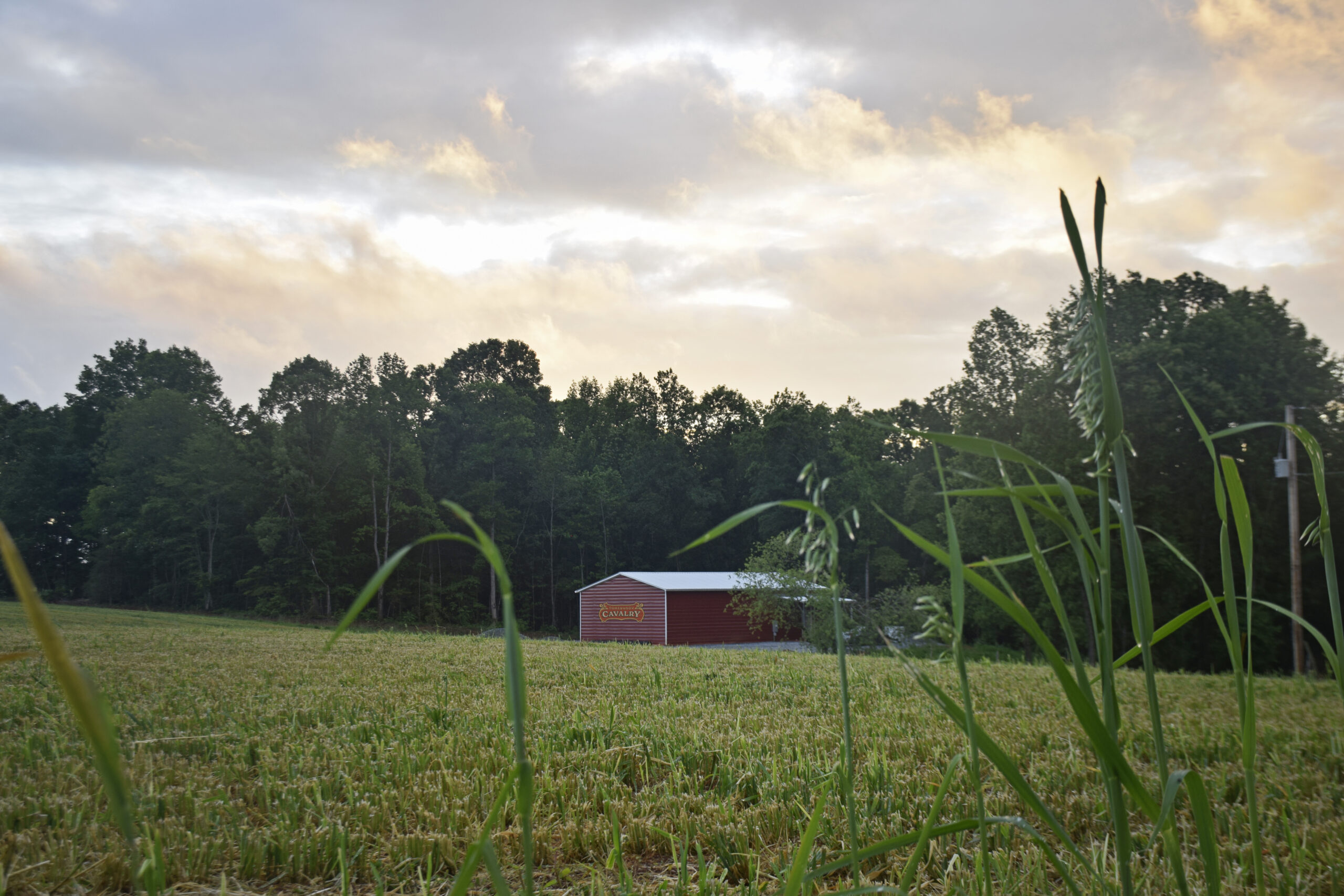
The Tohiyusdv Cavalry is a black-owned small business based in rural Virginia. At its core, they grow and process cannabis for CBD products, but it’s really much more than that. Through its Precision Craft Farmer Program, the company works with existing small minority-owned farms to introduce them to the cannabis market.
Via land leasing, profit-sharing, crop-sharing, facility design, community involvement and incubator-style support, Tohiyusdv Cavalry has built a network of farmers and a community around them that work together to gain access to the larger cannabis market.
Tohiyusdv, pronounced “toe-hee-yoos-da,” means “calm” and comes from a Native American dialect in the region. James Arrington III, founder of the company, is both African American and Native American, so the name is a nod to his roots. While Arrington insists he is just one part of this larger organization, it’s his passion for community, small business, social equity and cannabis that drives the company.
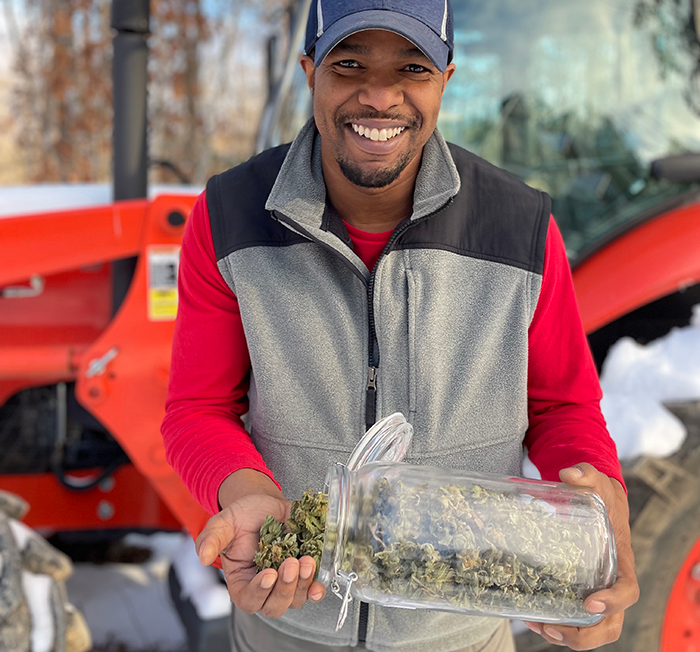
James C. Arrington III, founder of Tohiyusdv Cavalry
We sat down with James to learn more about the Tohiyusdv Cavalry, a bit of his background, how him and his community have found success and what they hope to achieve.
Different Sides of the Tracks
He grew up in Norfolk, Virginia alongside his two brothers and sister with a view of two different lifestyles. “We grew up in the hood of Huntersville, but I was raised in a white church, so it was interesting seeing both sides of the tracks and seeing the side that some of my friends couldn’t see,” says Arrington. The dichotomy of his upbringing gave him a unique perspective that he took to heart, eventually going to Old Dominion University for electrical engineering at the encouragement of a teacher.
Throughout his formative years, he didn’t really get involved with cannabis – that came much later. In his college years though, he met his Delta Chi fraternity brother Ernest Toney, who would go on to become the founder of BIPOCann, a nonprofit that helps social equity entrepreneurs, minority business owners and professionals in the cannabis industry.
Arrington with a recent indoor hemp crop
Working as an electrician to pay for tuition, Arrington graduated and launched what would become a successful career in electrical engineering. He worked as a subcontractor for the government in warzones, designing electrical systems with security and defense in mind, before starting his own company CalArr Consulting. “What really tied me to the industry was when I started using cannabis for my mental health and to understand who I am,” says Arrington. A combination of his upbringing and his career led to his PTSD, which then led him to cannabis as a tool for his wellbeing and mental health.
More recently, he spoke with Ernest Toney, who said, “Look man, I’ve seen what you’ve done with your business over the years and you should consider getting into the cannabis industry.” Arrington took that advice and ran with it. “So, the company I started is a mission-driven company based around healing, cannabis, understanding and helping people,” says Arrington. “Tohiyusdv Cavalry is based around working with small farmers and minorities; We introduce them to the cannabis industry.”
Here Comes the Cavalry
Right now, his company works with hemp and CBD products, but he says they are looking to expand into the THC market once Virginia legalizes and they already have some partners they’re working with in other states to expand the program.
Tohiyusdv Cavalry has been around for about two years now and Arrington says the heartbeat of it is their craft farmer program. “These are existing minority farmers in a community, already growing crops like soybean or corn,” says Arrington. “These are generational farms that have been passed down through family, some of them almost 100 years. They’ve always had to change with the times.” In changing with the times, a lot of these small, rural farms are seeing the hemp market as a possible pivot, but hardly know where to begin. “They are starting to hear about farmers in their community growing hemp, but having trouble finding folks to buy their crop.”
Some of the products from Tohiysudv Cavalry
That’s where the Cavalry comes in. “What you see in minority backgrounds is a lot of opportunities like this that are very scary to step into,” says Arrington. “We’re teaching people how to get into the industry, helping them through processing and getting on the market using new technology, and we do it at their pace.” Some folks in their network just want to rent space on their farm out to a hemp grower, others want to dive right in and create CBD products. They operate a white label program for some and help set up turnkey facilities complete with extraction and processing for others. “We work with them to build a community around their farm,” says Arrington. “We are just the engine behind these small farmers helping them get access to the larger market.”
From the Ground Up
A good example of the work they put in is Everbreeze Acres. Based in Rustburg, Virginia, Everbreeze is a 434-acre farm and bakery that’s been in the same family for generations. They had an interest in the cannabis market, so they approached Tohiyusdv Cavalry. James and his crew came in and built a 2,000-square-foot facility that is hydroponic, fully turnkey and automated. “We are teaching them the process and turning it over to them,” says Arrington. “We are teaching them how to take care of the plants, grow the crop, harvest and process it, all while collecting data.”
Everbreeze Acres
Before brainstorming how they want to market their products and how they want to be represented, the owners of the farm were still a little skeptical. Being in their 70s, they wanted to make a product that has some medicinal properties and could help people take care of themselves. So, James and his team put together a plan to launch a daily supplement, akin to a multivitamin.
Now Everbreeze Acres is using CBD as a megaphone to communicate their story. They were wary at first, but learned about it, grew to like it and now run a fruitful cannabis business. “We have their facility up and running and we’re growing several strains that work best for them right now,” says Arrington. “We’re about a month away from another harvest there.”
Building Community
Everbreeze Acres embodies the concept of the Tohiyusdv Cavalry. Helping small farmers establish themselves in the cannabis industry, building community around them and working to help their following and their mission.
A Tohiyudv Cavalry cultivation facility
Small business is the keystone of many communities, the cannabis industry included. Economic empowerment is sort of a way of staving off big business too. Given the history of big tobacco in the Virginia area, many stakeholders are worried if they’ll still have a seat at the table when Virginia legalizes adult use cannabis. “Looking at it in that sense, we are hoping that creating this group of diverse minds and backgrounds is building a table where everyone can sit at,” says Arrington. “We want to provide that place for them and let them know that, yes, this is the room for you, this is the place for you. We’re lending a helping hand and giving them a voice and a megaphone, sharing what they want to see in this industry.”
When asked what advice James would give himself ten years ago, the mood was somber. “Ten years ago, my mentor, alumni Dave “BamBam” Hoffman died. I would say that was the thing that gave me that kick in the ass, that I wasn’t doing everything I could do.” He has the same advice for minorities and indigenous people getting into the industry now: “Don’t be afraid to do it, the skills that you have you can put into the industry in some way. Your fit is out there. If it’s the right way, it’s never going to be easy. Push through it, keep going,” he says.
Growing in Virginia
Tohiyusdv Cavalry is ready for the day that Virginia legalizes adult use cannabis, but James says he hopes they make room for the small farmers. “Small farmers are what makes Virginia, Virginia.” They are in talks with some larger medical cannabis companies about creating similar programs for sourcing from craft growers. Through their strategic partners, a big part of their work right now is around partner and sponsor outreach, getting more businesses interested in sponsoring facilities and investing with small farmers. “Our hope is that we’ll be able to keep expanding the program and involve more minority farmers in Virginia and that it will only keep growing,” he says. “We’re optimistic that we’ll have three more farms signing on this year. And hopefully when Virginia legalizes adult use cannabis soon, we’ll be ready to expand in that market and keep on growing.”
By Abraham Finberg, Rachel Wright, Simon Menkes 1 Comment
Cannabis companies representing 45% of California’s cannabis sales are pushing a bill that will crack down on non-paying customers. Well known operators, including Kiva, Lowell Farms, Nabis and Sunderstorm, recently formed Financial Stability for California Cannabis (FSCC) and moved to support Assembly Bill 766.”
The bill, nicknamed “The Cannabis Credit Protection Act,” would require a cannabis licensee to pay for goods and services sold or transferred by another licensee no later than 15 days following the final date set forth in the invoice. If full payment is not received by that date, the seller would be required to report this to the Department of Cannabis Control (DCC), which in turn would notify the delinquent buyer and begin disciplinary proceedings. The buyer would be prohibited from purchasing any other cannabis products on credit until the delinquent invoice was paid. In addition, the DCC would be empowered to issue a penalty (unspecified), taking into account “the frequency and gravity of the licensee’s [past] failure to pay outstanding invoices”.
In a letter of support for AB 766, the FSCC stated, “This culture of nonpayment that has emerged in California’s cannabis market leaves businesses across the entire industry and supply chain – as well as ancillary businesses that support legal cannabis operators – with outstanding balances and unpaid invoices sometimes totaling hundreds of thousands of dollars…This ballooning debt bubble in the cannabis industry will only continue to grow without proper oversight, putting the entirety of the state’s supply chain at risk of collapse and impacting state revenue decline even further.”
Opponents of the bill acknowledge the problem of non-payment in the industry, but feel AB 766 is too heavy handed and is “ripe for abuse.” In a blog post for the international legal firm Harris Bricken, cannabis attorney Griffen Thorne writes, “[L]icensees who are reported would be legally prohibited from buying goods or services on credit from other licensees until they pay the invoices for which they were reported in full … The person making the report has to give the DCC almost no information in order to make the report. There is no hearing. There does not even seem to be an opportunity to contest the report. The second a report is made, the other side loses its rights to buy goods on credit – presumably even under preexisting contractual arrangements with third parties. This seems like an obvious due process concern and ripe for abuse.”
The number and amounts of unpaid cannabis product invoices have ballooned over time and have driven California cannabis vendors to take such extreme measures. Collections and outstanding receivables are a symptom of an industry struggling under heavy taxes and competition from illegal operations that pay no taxes whatsoever, and which now account for over 60% of all cannabis sales within the state.
In order to ascertain the current status of AB 766, 420CPA reached out to Assemblymember Phil Ting (D-San Francisco), co-sponsor of the bill along with FSCC, the Cannabis Distribution Association, California Cannabis Industry Association and the California Cannabis Manufacturers Association. We corresponded with Tania Dikho, Ting’s Legislative Director. Ms. Dikho informed us that the bill was heard in the Assembly Appropriations Committee on May 18, but it was not passed.
“It’s a 2-year bill meaning we can’t act on it until this legislative year is over, so the bill will not have another hearing [and we] can’t make any changes to it until next year,” explained Ms. Dikho.
The 2-year status is a tenuous one. The bill must be approved by the Assembly and make its way to the Senate between early January 2024 and January 31, 2024 or it may no longer be acted upon and will die a legislative death.
Businesses that would like to voice their opinion for or against AB 766 should contact their state legislative representatives.
This is the second part of a series of articles designed to introduce an integrated pest management framework for cannabis cultivation facilities. To see Part One, click here. Part Three comes out next week and covers prioritization and preventative measures. Stay tuned for more!
This is Part 2: Pest Monitoring, Record Keeping, & Communications
Begin your pest identification process with a pest scouting document. You have already mapped out your facility with locations and potential access locations. For each of these pest types and room type assignments (mothers, clone, veg, flower), identify your employee scouts, their scouting methods, scouting frequency and the type of likely pest they are to search for and count.
Insect Types and Tracking Methods
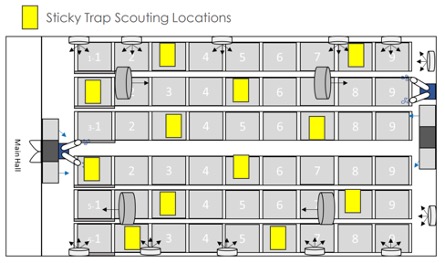
Figure 1: Example Sticky Trap Scouting Map
Insect pest types include, but are not limited to, airborne flying or crawling insects, their various egg, lymph, larvae, pupal shells or immature forms. Look for trace remnants, plant damage or feces that let you know they are present in some form. If they are at the mature jumping or flying stage, this can be harder to count, but sticky traps distributed on an even basis around your rooms can make the counting process more consistent from survey to survey.
Note airflows in your rooms and fan locations so migrations can be predicted once an infestation is located.
Insects Can Be Everywhere – Crawlers & Fliers
Insects would like to be everywhere so they come in many types from the obvious flying and crawling types to root-zone microscopic, aquatic, fungal, bacterial or biofilm based. For those of you using soil or media, root-zone insects can be beneficial by digesting and breaking down organic matter into something useful for your plant’s roots (earthworms) or harmful by feeding directly on your plant roots and sucking the life out of your plants from out-of-sight below (nematodes, maggots).
Common pests in a cannabis environment include:
White flies – Oval shaped eggs on the underside of leaves, nymphs- oval crawlers that suck on the undersides of leaves, larger stage nymphs with pupae shells as they form wings and mature white flies.
Fungus gnats – Clear eggs deposited in overly wet soil or dead plant matter. Clear or white colored larvae in the soil or media, these worm-like critters go through multiple stages of molting as they grow, eventually pupating into brown cocoons and finally small black or dark flies with clear wings that flutter around your plants and suck on your leaves.
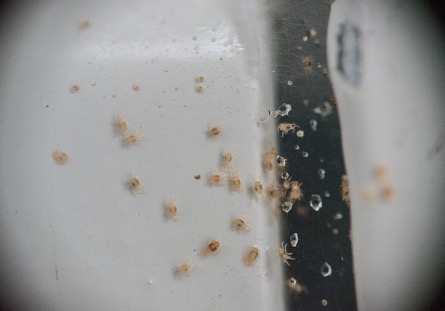
The dreaded spider mite – Clear, hard to see eggs on the underside of your leaves. These six-legged tiny moving bubbles begin the feeding as larva, add 2 legs in the intermediate and mature nymph stages and finally the oval shaped spider mites that every grower despises, adding their webs around the tops of your plants as their nurseries suck the life out of your flowers.
Insect Transfers of Bacterial Infections
Figure 2: The Dreaded Spider Mite
Many crawlers or fliers you may discover in your grow operation do not generate fungus or bacteria on their own. However, they do routinely pick these up along the feeding way and bring them into your shop. Sap-feeding insects like leafhoppers and aphids use their needle mouths to pierce your leaves to suck on the sap that is nourishing your greenery. These insects consume the fluids and transfer bacteria as they feed. Whiteflies fit into this category of leaf sucking bacteria carrying pests. These pests can make your healthy grow rooms look blotchy with color drained out of your canopy.
Obvious symptoms of these flying/hopping pests are sticky leaves, black fungus mold, or yellowing leaves that show up at the bottom of your plants and work their way upward as the infestation progresses. Leaf curling or plant wilting will be visible in the more advanced stages of these pests.
As if crawlers were not bad enough, invisible fungus and bacteria that get into your water supplies can be the worst challenges of any grow.
Water Sourced Bacteria
Baseline testing of your feed water is critical for any facility. This is true whether you are using surface water, well water or municipal water. Please see the water tutorials on the AEssenseGrows website for details on how to test your water sources and what to look for in the mineral content.
Regardless of your water source, bacteria can be present directly in your water supply, or it can be introduced from infected plant materials from one of your suppliers. Pythium, fusarium and the latest plague, hop latent viroid, are some of the most common threats that attack your plants from your water or soil sources. These can come from your wells, feed lines or plant materials.
Reverse osmosis (RO) is a typical method to clear water of most pathogens and bacteria using water that is pressed through filters with very small membrane apertures. These small openings usually stop impurities, salts and microorganisms. Of course, these systems come in many different types and they have to be maintained to keep their performance quality. Don’t take shortcuts on your RO system.
Once your water source is clean, strict hygiene procedures for tools, equipment and plumbing are the best way to minimize these threats to your plants downstream from your water source. These cleaning efforts are not a guarantee. Pests can still get into even the best facilities. Symptoms of these maladies vary, but root rot, stunted growth, wilting, discolored roots or leaves, and in some cases, the quick death of your plants is possible depending on the critter.
Use your scouting regimen and your data mapping to locate infestations before they expand and damage your facility. Isolate outbreaks and take appropriate measures to address the pests. We will give you suggestions on prioritization and preventative measures to take in the next chapter.
Figure 3: Example Pythium Brown Roots
Pythium is one of the most commonly harbored soil or water carried pests. When it is present and gets into your plants through cuts, natural openings, root surfaces or leaves on weakened plants, it can be devastating. In hydroponic systems, dirty looking brown roots evolve into full root rot if not addressed. Pythium is often the cause. In soil operations, pythium often shows up as wilting or yellowing patches on leaves.
Your lab testing partners are your friends when it comes to bacterial or fungal infections. Many diseases can resemble one another. It is not hard to misdiagnose environmental stress such as overheating or overwatering for a bacterial problem. Test results are necessary to accurately diagnose a problem.
Truly Airborne Molds & Mildews
Pythium and fusarium are not just present in water. They can also be airborne. Grey mold (botrytis) and powdery mildew are also common airborne pests. Proper humidity, air movement, air filtration and sterilization using HEPA (High-Efficiency Particulate Air) filters, activated carbon filters (also filter smells) and UV light sterilization can minimize these problems in your grow. Powdery mildew is the primary evil spore in this category. Airflow and regular cleaning to discourage fungal growth is the best way to limit these pests.
In conclusion, this week
Now that we have talked about identification (and clearly, this is not an exhaustive list), we will move into how to build in the cultural methods to prevent these problems from taking hold and ruining your business. In later chapters, we will dive into prioritization, treatment and control options for infestations, finally moving into control actions and emergency response.
Your integrated management response is how you pull all of this together and use your IPM procedures to increase your profitability. For the complete white paper on Integrated Pest Management Recommendations, download the document here.
Part three comes out next week and will delve into the world of Preventative Measures. Stay tuned for more!
Inexpensive in vitro Methods to Evaluate the Impact of Cannabinoid-containing Products on Sentinel Lactobacillus spp.
S. Lewin 1, A. Hilyard2, H. Piscatelli1, A. Hangman1, D. Petrik1, P. Miles2, and C. Orser2
1MatMaCorp Inc, Lincoln NE; 2Apothercare LLC, Boston MA
Abstract
The public has readily embraced cannabidiol (CBD) in countless unregulated products that benefit from commercial promotion without FDA oversight, who recently concluded: “that a new regulatory pathway for CBD is needed that balances individuals’ desire for access to CBD products w/ the regulatory oversight is needed to manage risks.”1 The reported antimicrobial properties of CBD combined with the recent proliferation of cannabinoid-containing products marketed to women for intimate care led us to explore the impact on the sentinel lactobacilli species associated with a healthy reproductive tract. Except for lubricants and tampons, the FDA regulates intimate care products as cosmetics. Even non-cannabis serums, washes, and suppositories are not required to be tested for their effect on the reproductive microbiota. We aimed to investigate the utility of easy-to-use, inexpensive in vitro assays for testing exogenous cannabis products on reproductive microbiota. In vitro assays can provide important evidence-based data to inform both manufacturers choosing both an active cannabinoid ingredient source as well as excipient chemicals and consumers in the absence of safety or quality data. In simple, straightforward exposure studies, we examined the antimicrobial activity of CBD and cannabigerol (CBG) on the most dominant vaginal lactobacilli species, L. crispatus, associated with good health.
Introduction
The testing of readily available products containing cannabinoids, predominately CBD following the widespread legalization of hemp by the 2018 US Farm Bill, is not required beyond ensuring THC content is below 0.3%. Therefore, basic information on safety, quality, antimicrobial activity, bioavailability, and dosing is unavailable and undocumented. The situation is further complicated by the complex chemoprofiles of cannabis extracts based on the cultivar, the extraction methods and subsequent cleanup, and other chemical excipients in the formulation. The FDA has finalized guidance on quality considerations for clinical research for the development of cannabis and cannabis-containing drugs intended for human use.
One approach to backfilling non-existent safety and quality data for cannabinoid active ingredients and those products made from them is to apply or devise assays that can provide relevant toxicity data in an in vitrosystem. Farha et al. (2020) reported that seven cannabinoids are potent antibiotics, including CBD and synthetic CBG. CBG inhibited the growth of gram-positive bacteria, including methicillin-resistant Staphylococcus aureus (MRSA), but not gram-negative bacteria unless their outer membrane was permeabilized (Farha et al. 2020). In addition, several volatile terpenes, the main constituents of essential oils extracted from Cannabis sativa L., also have potent antibiotic activity against gram-positive bacteria (Iseppi et al. 2019). We have previously written about the risks associated with disrupting the healthy microbiome of gram-positive vaginal bacterial species leading to dysbiosis (Orser 2022) and its further health complications.
Several successful approaches to assessing the toxicity of CBD have already been reported including human cell culture work by Torres et al. (2022) who showed that pure CBD has a repeatable impact on cell viability, but that hemp-derived finished CBD products had variable impact. Cultured human cell viability experiments demonstrated similar potencies across three different hemp-derived CBD products in the microgram per milliliter [mg/mL] range with increased viability at lower doses [2-4 mg/mL] and decreasing cell viability above 6 mg/mL (Torres et al. 2022). In the same study, the authors demonstrated that the presence of terpenes, specifically b-caryophyllene, in hemp extraction matrices also impacted cell viability.
Neswell, a cannabis therapeutics company in Israel, demonstrated through the application of their in vitroneutrophil cell line that cannabis extracts have inherent immune response biodiversity, suggesting that the choice of a cannabis source should be based on its function rather than on its chemoprofile (https://www.neswell.net). Inflammatory cytokine levels in inflamed peripheral blood mononuclear cells (PB_MC) showed a 10-fold difference across hemp extract products containing unidentified terpenes in suppressing the inflammatory cytokine, TNFa (Torres et al. 2022). The influence of CBD concentration on inflammatory cytokine production was previously reported by Vuolo et al. (2015) and Jiang et al. (2022).
Materials & Methods
Chemicals and Products Tested
THC-free, 99% pure CBD and CBG isolates were purchased from Open Book extracts in North Carolina (openbookextracts.com). All other chemicals including erythromycin (EM), and growth media were obtained from Sigma-Aldrich (St. Louis MO). Specific reagents in the qPCR kits were assembled in-house at MatMaCorp Inc. (Lincoln NE).
Monitoring Cell Viability: OD600nm and plating
Individual frozen glycerin stocks of L. crispatus HM103 from BEI Resources Repository served as inoculum to streak on a sterile MRS agar plate and incubated anaerobically at 370C for 24-48 h until individual colony growth was observed. Single colonies were used to inoculate MRS broth and incubated for 24-48 h at 370C which served as the inoculum for exposure to test products. Exposed cultures and all control cultures were incubated at 370C for 48 h with OD600 readings taken at time zero, +24 h, and +48 h using disposable cuvettes in a standard spectrophotometer. The products were also plated onto MRS agar plates to evaluate inherent contaminants that could affect turbidity values.
Molecular Analysis by qPCR
DNA isolation from bacterial cultures was done using the MatMaCorp (Lincoln, NE) StickE Tissue DNA Isolation kit modified for bacteria as per manufacturer instructions. Briefly, a lysis buffer is applied to the sample followed by a heating step, and a binding buffer is added, thus allowing DNA from the solution to bind to the matrix of the StickE column. The column was washed prior to eluting the purified DNA. Per manufacturer instructions, 10 µL of isolated DNA was used as a template for genetic analysis in a Lacto-TM assay (MatMaCorp). The assay is a customized TaqMan-based detection assay that is conducted using a four-channel fluorescence detection platform, the Solas 8 (MatMaCorp). The assay was designed to detect the unique 16S-rRNA DNA sequence for L. crispatus. Briefly, the assay is a probe-based method that begins with hybridizing the custom-designed probes with their desired nucleic acid target found in the sample. Once hybridized, detection takes place from the fluorescently labeled primer. The target has been assigned a channelon the Solas 8 and is detected independently.
Calling the Results
The calling algorithm uses first-order kinetics reaction properties (inflection point detection) in combinationwith a measure of the closeness of the signals associated with a specific target. Various indicators are tracked during the reactions to perform an on-the-fly analysis. The analysis is then consolidated by a measure of the similarity between the fluorescence signals at the end of the run. Aggregating values from the similarity measure, the end gain and the inflection point detection allow the Solas 8 software to make the call at the end of the run without having to compare a results library of known sample targets.
Figure 1: qPCR Findings
Results
Exposure of L. crispatus
Anaerobically grown cultures of L. crispatus were exposed to either CBD isolate or CBG isolate at each of two concentrations [5 mg/mL] and [10 mg/mL] with all appropriate controls. All treatment groups were evaluated by qPCR, turbidity at OD600, and plate counts.
Molecular Analysis via qPCR
These data show the specificity of the Solas8 testing for evaluating these products, as a molecular-level screening is not influenced by test product solubility, opacity, or non-specific contamination present in some of the tested products that can interfere with optical density measurements.
Growth Monitoring
Figure 2: Turbidity
Turbidity monitoring, albeit non-specific, confirmed the species-specific qPCR findings, that is no inhibition for the two cannabinoid isolates evaluated (Fig. 2).
Conclusions
In this limited in vitro study using a sentinel lactobacilli response, we have shown that 99% pure CBD and CBG isolates were not inhibitory at the two doses evaluated by complementary observations following turbidity, plating, and by qPCR. Limitations in this study prevent definitive conclusions regarding what individual or combination of cannabinoids or other cannabis secondary metabolites are inhibitory in vivo to dominant lactobacilli species in the reproductive tract. These limitations include commercial product testing without knowledge of excipients or impact on the bioavailability of any active cannabinoid ingredients. In addition, dose-response curves were not generated and exposure under micro-aerobic conditions was not carried out.
Cannabidiol’s potential as an antimicrobial agent may be limited by its extremely low solubility in water and a propensity to stick to spurious proteins limiting systemic distribution in the body as a therapeutic. Interpreting microbiome study findings to human health outcomes will require multi-disciplinary corresponding clinical data findings of disease diagnosis, processes, and treatment within populations. Nonetheless, this nascent translational research opportunity is vast with the promise of benefiting patient outcomes (Wensel et al. 2022).
Health Canada released a scientific review report on products containing cannabis, specifically containing 98% or greater CBD and less than 1% of THC (Health Canada 2022) while the FDA just concluded that there are no existing guidelines applicable for recommending safety and quality guidelines to manage risk for CBD products (U.S. FDA 2023). The Health Canada committee unanimously agreed that short-term use of CBD is safe at 20 mg per day up to a maximum dose of 200 mg per day and that packaging should include both dosing instructions and potential side effects. The Committee did not address the antimicrobial potential of CBD or CBG formulations or specifically vulvar or vaginally administered cannabinoids. There is clearly more basic physiological research needed on the impact of self-administration of CBD preparations based on the route of exposure.
Hopkins AL (2008) Network pharmacology: the next paradigm in drug discovery. Nat Chem Biol 4(11):682-90.
Iseppi R, Brighenti V, Licata M, Lambertini A, Sabia C, Messi P, Pellati F, Benvenuti S (2019) Chemical characterization and evaluation of the antibacterial activity of essential oils from fibre-type Cannabis sativa L. (Hemp) Molecules 24:2302; doi:10.3390/molecules24122302.
Jiang Z, Jin S, Fan X, Cao K, Liu Y, Want X, Ma Y, Xiang L (2022) Cannabidiol inhibits inflammation induced by Cutibacterium acnes-derived extracellular vesicles via activation of CB2 receptor in keratinocytes. J Inflammation Res 15:4573-4583.
Torres AR, Caldwell VD, Morris S, Lyon R (2022) Human cells can be used to study cannabinoid dosage and inflammatory cytokine responses. Cannabis Sci & Tech 5(2) 38-45).
U.S. FDA (2023) https://www.fda.gov/news-events/press-announcements/fda-concludes-existing-regulatory-frameworks-foods-and-supplements-are-not-appropriate-cannabidiol
Vuolo F, Petronilho F, Sonai B, Ritter C, Hallak JE, Zuardi AW, Crippa JA, Dal-Pizzol F (2015) Mediators Inflamm 538670
Wensel CR, Salzberg SL, Sears CL (2022) Next-generation sequencing insights to advance clinical investigations of the microbiome. J Clin Invest 132(7):e154944. https://doi.org/10.1172/JCI154944.
In the regulated cannabis sector, retail shrinkage is a concern as business owners must navigate tight regulations in an often cash-only environment combined with the usual causes of retail shrinkage, including theft and inefficient operations.
Retail shrinkage occurs when a company loses inventory from causes other than sales—and it’s a problem that costs companies $100 billion annually, according to the National Retail Federation’s (NRF) 2022 National Retail Security Survey (NRSS). The cannabis industry is not immune.
Utilizing Technology to Combat Retail Shrinkage
The 2022 survey estimates that 65% of inventory loss is due to theft, a trend that is expected to continue with the rising cost of goods. Other factors may include administrative and human error. Nearly half of the retail respondents reported an increase in technology spending to combat these threats.
In Q1 of 2023, Proteus 420, an online enterprise resource planning (ERP) system for highly regulated industries, including alcohol and cannabis, saw a substantial uptick in POS software requests, in part attributed to the need for additional automation and auditing tools in order to more easily and accurately monitor and control inventory.
Physical security measures can aid in loss prevention
In the cannabis industry, along with a challenging regulatory environment, retail businesses are facing declining sales. Loss prevention is where dispensaries can protect their bottom line with a targeted approach and the right system in place.
How can cannabis businesses do this? By avoiding antiquated spreadsheets and by having the ability to quickly analyze vast amounts of data. Business owners should be proactive and utilize technology, such as a quality ERP system, to mitigate risk and safeguard inventory.
When choosing a software provider, cannabis retailers should focus on systems that offer day-to-day support and emergency assistance, and systems that can seamlessly monitor employees, cash and inventory. Software, and employees who work with it, should also be able to track and trace compliance, identify suspicious transactions and look at data from multiple locations. Detailed reporting is crucial from a compliance perspective.
Loss Prevention Practices
Because cannabis is a heavy cash-only industry, having the right tools to monitor the physical cash as it moves through your business is necessary to prevent loss. This is done with cash drawer-specific transaction tracking, employee module access, and the ability to open and close drawers at the employee level.
Here are some of our top loss-prevention tips:
There should always be multiple eyes on cash and products. Managers and assistant managers should always verify counts of cash and products as a check and balance measure.
Make sure employee access to your POS or operational system is granulated. This means that different positions have varying levels of access and capabilities.
Have a solid inventory auditing process. To stay on top of this, make sure that your staff and system can do spot inventory audits and can track the audits long-term.
Have physical security measures in place. This can include security cameras and alarm systems and a dispensary designed to keep inventory strategically placed.
Build a workplace culture that empowers employees to feel ownership in their work and feel accountable for loss prevention in their This includes emphasizing the policies and procedures needed for loss prevention, including consequences for theft. This culture is not an overnight process but develops over time.
The Right Employees Make a Difference
The first line of defense against product or cash loss is your employees
In addition to the right technology and prevention practices, the first line of defense against product or cash loss is your employees. From your budtender to your general manager, you need to make sure the right people are in place in the correct positions for fair compensation.
Some questions you can ask yourself during the hiring process include:
Do they have the right experience for the position?
Are they motivated, flexible, detail-oriented, team players?
Are they passionate about cannabis and want a future in the industry?
Have you checked their references?
Things move fast in the cannabis sector – are they willing to learn new skills?
Once you have the right people, do they have the standard operating procedures (SOPs) needed to do their jobs? If not, it’s time to create them.
When it comes to loss-prevention, you must trust that your cannabis point-of-sale and operations ERP system will monitor and provide the needed reports. You can also make sure there are additional measures in place to prevent retail shrinkages, such as empowered employees and solid loss prevention practices so that your inventory and cash stay right where they belong until sold.
There are a lot of risks throughout the entire supply chain in the cannabis and hemp markets. Legal and regulatory issues, quality control reliability, security problems, product safety, potency, and constantly changing supply and demand are just a few major risks cannabis operators must stay on top of. A lot of companies mitigate these risks by implementing programs to find the source and figure out what actions could alleviate it. Those actions can look like reviewing testing or certification reports, auditing supplier facilities, and much more.
Jennifer Lott, AMAS Service Delivery Director for the standards certification body, BSI, has over 25 years of experience in quality, safety, lab management, consulting, packaging, and systems development. She’s an expert in GMP, ISO 22716, 21 CFR 117, 21 CFR 111, 21 CFR 210-111, ICH Q7, WHO GDP, RSPO, food safety, GMP/HACCP and much more.
She is a panelist for an upcoming webinar, Supply Chain Risks in Hemp and Cannabis June 27, 2023. During that webinar, she’ll join other experts where they’ll discuss some of the supply chain risks cannabis companies face and what they can do to mitigate those risks.
Ahead of her webinar, where she’ll take a deep dive into supply chain risks, we sat down with Lott to get a preview for what she’ll talk about.
Q: What are the major supply chain issues faced by the cannabis and hemp markets currently?
Jennifer Lott: The U.S. market remains highly complicated for cannabis companies and investors. Fewer than half of U.S. states and territories have legalized recreational cannabis use as of Nov. 2022.
To this day, cannabis is still a Schedule one substance under the Controlled Substances Act, alongside drugs like heroin, LSD and ecstasy – an issue that has led to several regulatory and fiduciary challenges for growers, processors, and distributors of cannabis/hemp.
Legal concerns aside, cannabis companies operate much like other businesses and face almost the same exposures that most enterprises do. Here are the top risks cannabis businesses encounter, according to experts.
Distribution – Current regulations prevent products from one state to be transported to another state.
Natural disasters – including wildfires, storms, and flooding, can easily damage crops
Cybersecurity – Because of the type of information that cannabis companies handle, they can also become a prime target for hackers.
Despite the supply chain challenges mentioned above, the cannabis industry is growing, and its use is becoming more accepted in society, but still faces major challenges. These trends also will create a volatile and fast-changing environment cannabis companies in 2023. The big challenge will be deciding which of the scores of startups, IPOs and established cannabis companies can surmount the upheaval and succeed long term.
Q: How are companies mitigating risks and what tools are at its disposal?
Lott: Anyone involved in the cannabis/hemp business knows they need to manage their risk with a solid risk management plan.
The three biggest risks facing cannabis/hemp businesses aside from the supply chain issues mentioned above, include:
Employee theft – employees have easy access to the product, run cash registers at dispensaries, and generally know a lot about the inner workings of the company. Protecting against insider theft is critical for the business.
Product tampering – this can happen at any stage in the supply chain. Businesses whose products cause harm could be liable for injury and damages.
Compliance regulations – compliance varies from state to state and laws are frequently changing.
Thanks to regulatory uncertainty and limited access to tools other industries have access to, the cannabis industry likely will have an increased risk profile for the foreseeable future. This heightens the need for a structured, risk management approach. However, even with so many external factors out of its control, cannabis companies still can dramatically decrease risks by addressing internal strategies and processes.
Cannabis companies with effective, relevant, and well-documented risk management practices can better positioned to create and preserve capital, attract investment, and achieve long-term sustainable growth.
Jennifer Lott is speaking at the Supply Chain Risks in Hemp and Cannabis Webinar, taking place June 27 at 11:00 am EST. Click here to register.
About Jennifer Lott
Jennifer Lott is the AMAS Service Delivery Director for the internationally recognized standards certification body, BSI. Jennifer currently supports the quality and integrity of food and fast-moving consumer products. She is an accredited Lead Auditor and Trainer with over 25 years of experience in quality and safety, management system development, consulting, packaging, and laboratory management. Jennifer’s expertise includes GMP, ISO 22716, 21 CFR 117, 21 CFR 111, 21 CFR 210-111, ICH Q7, BRC GS Consumer Products, WHO GDP, EudraLex, BRC GS Storage & Distribution, BRC GS Packaging, BRC GS Agents & Brokers, RSPO, Food Safety, and GMP/HACCP.
The cannabis industry in the United States is booming. In just a few years, it has gone from a small, underground market to a multi-billion-dollar industry. This growth is due in part to the legalization of cannabis in many states, as well as the growing public acceptance of its use for both medical and recreational purposes.
The industry is still in its early stages, but it has the potential to be a major economic driver for the United States. However, the industry’s success has brought with it challenges, such as THC inflation. This is when growers inflate the THC levels of their products in order to sell them for a higher price. This practice has led to widespread lab shopping, as growers send their products to labs that promise to give them the highest THC readings.
THC Inflation and Lab Shopping: A Look Under the Hood
Among cannabis enthusiasts, a prevailing belief circulates, asserting that cannabis products with elevated THC levels inherently possess greater potency and induce more pronounced effects. Nevertheless, this belief rests upon a fallacy, for it erroneously assumes that THC levels alone dictate the overall potency of a cannabis product. Genuinely comprehending the potency and effects of cannabis products requires the consideration of an array of factors. These factors include the presence of other cannabinoids and terpenes, the method by which the substance is consumed, as well as an individual’s metabolic and tolerance peculiarities. For instance, a particular strain of cannabis with low THC content, but elevated levels of other cannabinoids and terpenes, may engender a more intense impact in contrast to a variety exhibiting higher THC levels but diminished quantities of other compounds.
This misguided notion that heightened THC levels correspond to augmented potency has contributed to a surge in the demand for high-THC products. Consequently, producers have resorted to offering incentives to labs that provide inflated THC numbers for their products. Thus, certain labs have engaged in a practice coined as “lab shopping,” whereby they furnish reports that align with the producers’ desired THC levels, rather than accurately reflecting the genuine levels present within the product.
The manipulation of THC levels and the deceitful practice of lab shopping inflict profound damage upon the cannabis industry, eroding the foundation of trust. The fact that growers selectively collaborate solely with labs that yield desired outcomes, generates a mirage of superiority surrounding their products, thus deceiving consumers. Consequently, unsuspecting customers find themselves in possession of goods that fall far short of the promised standards of potency or quality. Moreover, this predicament places labs that remain steadfast in their commitment to integrity and the provision of accurate test results at an unfair disadvantage.
Fighting Back to Eradicate THC Inflation and Lab Shopping in the Cannabis Industry
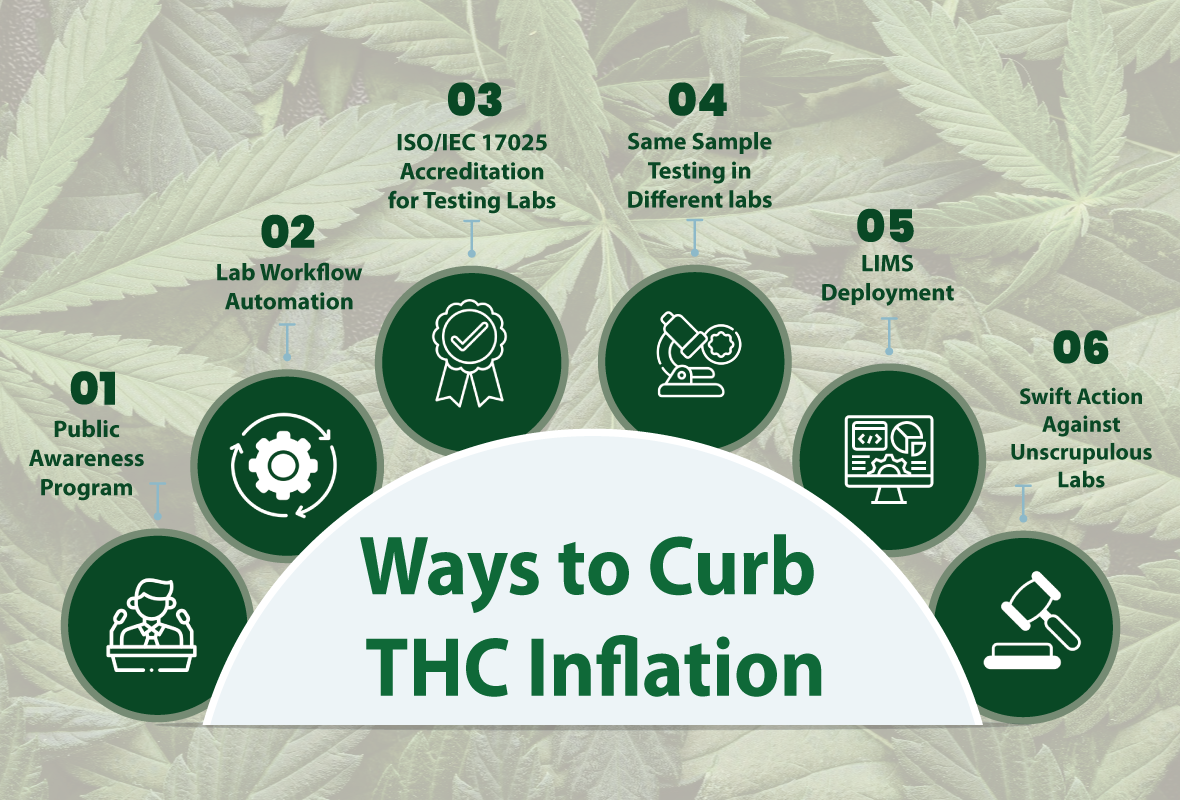
The relentless surge of THC inflation finds its origins in the glaring absence of standardized testing protocols within the cannabis industry. As each lab embraces diverse methodologies and tools, testing produces disparate outcomes. This dissonance becomes a fertile ground for unscrupulous labs, who seize the opportunity presented by this lack of uniformity to peddle false THC numbers. To compound matters, the scope for manual interference looms large. The solution to this problem is to create a set of standards that everyone in the cannabis industry must follow. It’s important for the industry to come together and establish a common set of rules for testing. This will ensure that all labs consistently follow the same procedures and produce accurate results. In addition, it is important to have different labs take part in proficiency testing to find outlier labs. States should also take quick action to punish labs that provide incorrect or exaggerated THC values in their reports.
A representation of various ways to arrest the budding trend of THC inflation and lab shopping (Figure courtesy CloudLIMS)
It is extremely important to prioritize transparency among labs in order to address the growing concerns regarding the inflation of THC potency. State regulatory bodies can achieve this by conducting frequent audits to detect and correct any inconsistencies or inaccuracies in the data. To make this possible, state agencies need to hire skilled data scientists who can thoroughly analyze the data produced by labs. If the industry collectively works towards addressing these issues, it will enhance consumer trust in the regulated market. By eliminating the incentives that drive THC potency inflation, a more trustworthy cannabis industry can take shape and flourish.
Next, it is crucial to educate customers about the false notion that higher THC levels always result in stronger effects. Through effective communication and raising awareness, the industry can address the issue of THC potency and discourage the practice of selectively choosing labs with desired results.
The Importance of Deploying a Cannabis Lab Testing Software
Having a Laboratory Information Management System (LIMS) is essential to meet the challenging ISO/IEC 17025 requirements. This system plays a critical role in providing an extra level of assurance and trust in the accuracy of lab results. By automating processes, integrating analytical instruments, and adhering to rigorous quality standards, a cannabis lab testing software minimizes the possibility of manual manipulation of test results.
Furthermore, a cannabis lab testing software maintains a sample chain-of-custody (CoC) through the sample life cycle and tracks samples using barcodes. Furthermore, it generates custom reports that include scannable QR codes, which can be instantly shared with customers. By configuring the QR code, it becomes possible to include a link to the original Certificate of Analysis (CoA) produced by a lab. This allows buyers to verify the reported composition on the product label by referring to the authentic test results on the CoA. This approach promotes transparency, trust, and accountability within the cannabis industry.
Cannabis lab testing software to manage and track samples through their lifecycle and maintain a CoC (Figure courtesy CloudLIMS)
A cannabis lab testing software carefully monitors and records all activities, such as staff logins, document modifications, sample records, and test results, with a date and time stamp along with the name of the person who performed those activities. This thorough record-keeping process eliminates any chance of manual tampering with lab data, thereby enhancing the reliability and defensibility of test results. Moreover, the system effectively manages the outcomes of various Quality Control (QC) samples to guarantee accurate test results. By comparing the test results of QC samples with the samples being tested, the system can identify any analytical errors and enable lab managers to fix them, enabling labs to uphold quality standards.
The cannabis industry has experienced swift expansion as a result of cannabis legalization in multiple states across the United States. This has brought about various advantages, such as increased demand for cannabis products and the creation of new employment opportunities and tax revenue. However, the industry has faced challenges such as the issues of THC inflation and lab shopping. Dishonest producers and labs take advantage of the lack of standardized industry practices to deceive regulators and consumers. To address this issue, it is crucial to establish industry-wide testing standards that ensure consistency and accuracy across all labs. State agencies must also take prompt action to penalize labs that provide false THC values. Additionally, educating consumers about the misconceptions surrounding high THC levels and potency is important to combat this detrimental trend in the industry. Implementing cannabis lab testing software can help reduce the potential for human error and guarantee the authenticity and reliability of lab data.
This nascent but fast-growing industry holds remarkable promise for medicine and the economy, which can only be realized if proper safeguards are put in place and malpractices are stopped in their tracks.
This is the first part of a series of articles designed to introduce an integrated pest management framework for cannabis cultivation facilities. Part one details an overview of the plan as well as pest identification. Part two comes out next week and will delve into the world of pest monitoring and record keeping. Stay tuned for more!
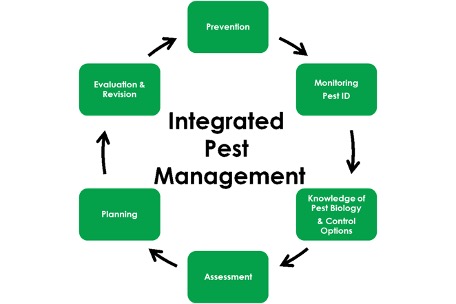
Figure 1: Integrated Pest Management Cycle
Background
Integrated Pest Management (IPM) is a philosophy of pest prevention and control that integrates cultural, mechanical, physical and chemical practices to control pest populations within an acceptable degree of economic tolerance.
IPM encourages growers to take a step-wise approach to determine the most appropriate means necessary for avoiding pest-related economic injury through careful consideration of all available pest control practices.
When practicing IPM, less invasive non-chemical practices are given priority, until escalation necessitates otherwise.
This is Part 1: Pest Identification & Monitoring/Communications
Personal experience in a facility is a great place to start. Review your history and identify a list of pests that you have experienced in this or previous grows. Point out which pests currently exist where they were or are currently and possible sources of the contamination/infestation.
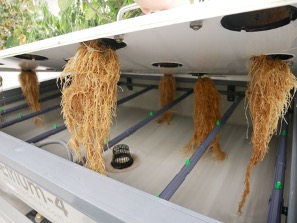
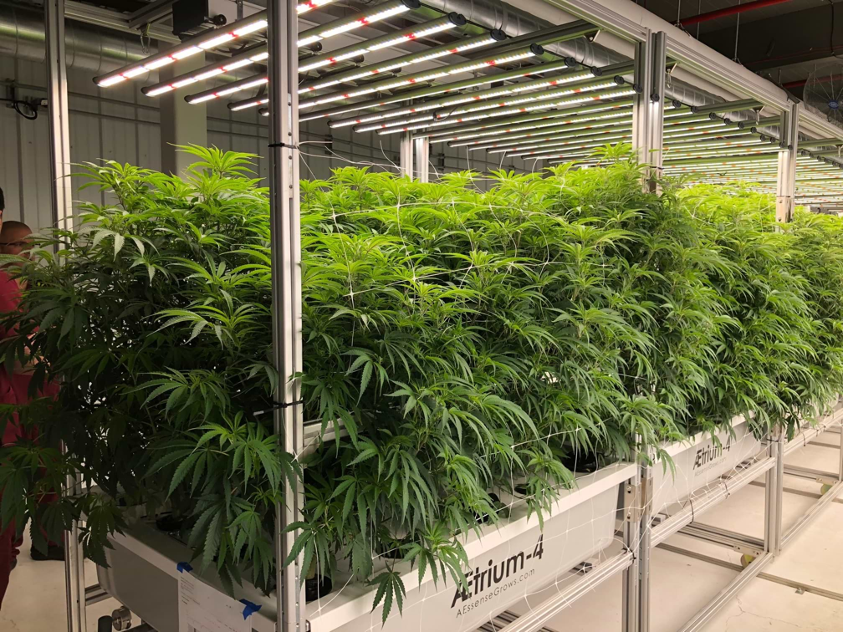
Figure 2: Healthy Aeroponic Mother Stock
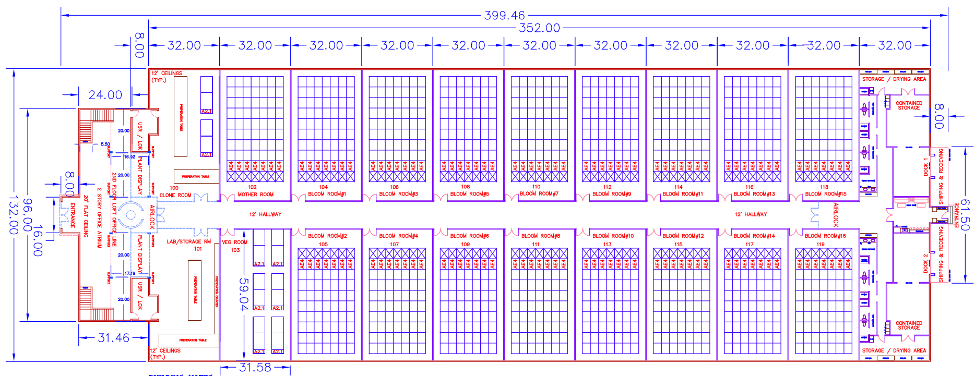
Map out your facility with clear entry/exits, plumbing & drainage and air flow access to visually see and understand potential access points for crawling, flying or airborne pests.
From your nursery mother room to cloning and vegetation areas, what are the transfer methods as you move from one area to another. Are pests present in these areas? Where could they have come from? Oftentimes, a cultivator may not have the space for their own mother and cuttings/cloning space. In these cases, where did the outsourced clones come from? What are the IPM controls in place for these genetic sources? Are they carriers of the challenges transferred to your own facility? It is important to identify the possible source of pest potentials
Does your flower room have white flies or fungus gnats? Locating these and identifying the likely source is a good place to start if you have an ongoing infestation.
Figure 3: Example Aeroponic Facility Layout For IPM Planning
Powdery mildew is a routine challenge if air into your facility is not filtered and sterilized to eliminate these spores.
What is the Source of Your Irrigation/Fertigation Water?
Water is a crucial element for high-value indoor farms such as those that grow cannabis. However, water can also be a source of disease-causing microorganisms that can negatively impact the growth and yield of crops. Monitoring, filtering and sterilizing the biological contents of water is therefore crucial in ensuring the health and quality of high-value crops.
Unfiltered water can contain a range of pathogens such as bacteria, viruses, fungi and parasites that can cause root, stem and bud rot. These diseases can cause significant losses in crop yield and quality, which can be devastating for indoor farmers growing high-value crops.
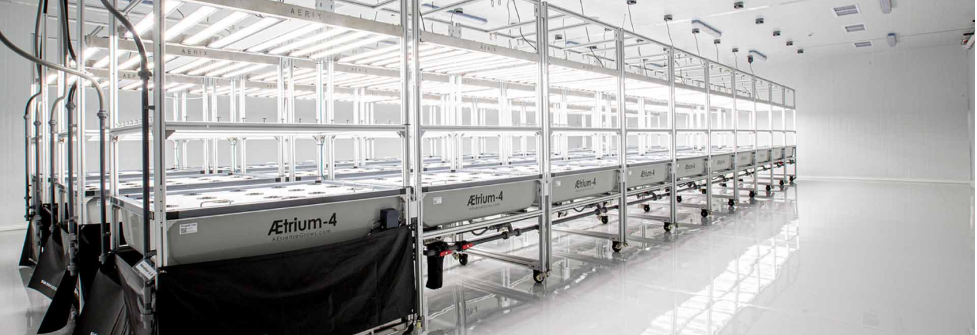
Figure 4: Precision Aeroponics at FarmaGrowers GMP Facility, South Africa
Monitoring the quality of water that is brought into the indoor farm is the first step in ensuring that the water is free from harmful pathogens. This involves regular testing of the incoming water for parameters such as pH, dissolved oxygen, TDS, nutrient content and microbial load. This allows cultivators to identify aspects of the incoming water they need to address before the water is provided to their crops to prevent potential problems.
Is your plumbing building biofilm that is feeding into your irrigation lines? Obviously, there are many potential sources when you go through an inventory of the risks for your facility. From that initial step, you will build your management team and label who should be contacted when a pest is found. Do you have an IPM specialist or is this a resource that needs to be contracted to address an infection?
Building this communications tree is your first step to fewer pest issues and higher yields and potency.
For the complete white paper on Integrated Pest Management Recommendations, download the document here. Part two comes out next week and will delve into the world of pest monitoring and record keeping. Stay tuned for more!
This website uses cookies so that we can provide you with the best user experience possible. Cookie information is stored in your browser and performs functions such as recognising you when you return to our website and helping our team to understand which sections of the website you find most interesting and useful.
Strictly Necessary Cookies
Strictly Necessary Cookie should be enabled at all times so that we can save your preferences for cookie settings.
We use tracking pixels that set your arrival time at our website, this is used as part of our anti-spam and security measures. Disabling this tracking pixel would disable some of our security measures, and is therefore considered necessary for the safe operation of the website. This tracking pixel is cleared from your system when you delete files in your history.
We also use cookies to store your preferences regarding the setting of 3rd Party Cookies.
If you disable this cookie, we will not be able to save your preferences. This means that every time you visit this website you will need to enable or disable cookies again.


 HF100 also established the Office of Cannabis Management (OCM), which will be responsible for overseeing the state’s adult-use program. Minnesota’s medical cannabis program, now under the auspices of the state’s Department of Health, will transition over to the OCM on March 1, 2025.
 Adult use license fees are reasonable compared with other states with application fees from $500 to $10,000, initial license fees from $0 to $20,000 and annual renewal fees from $2,000 to $30,000.