

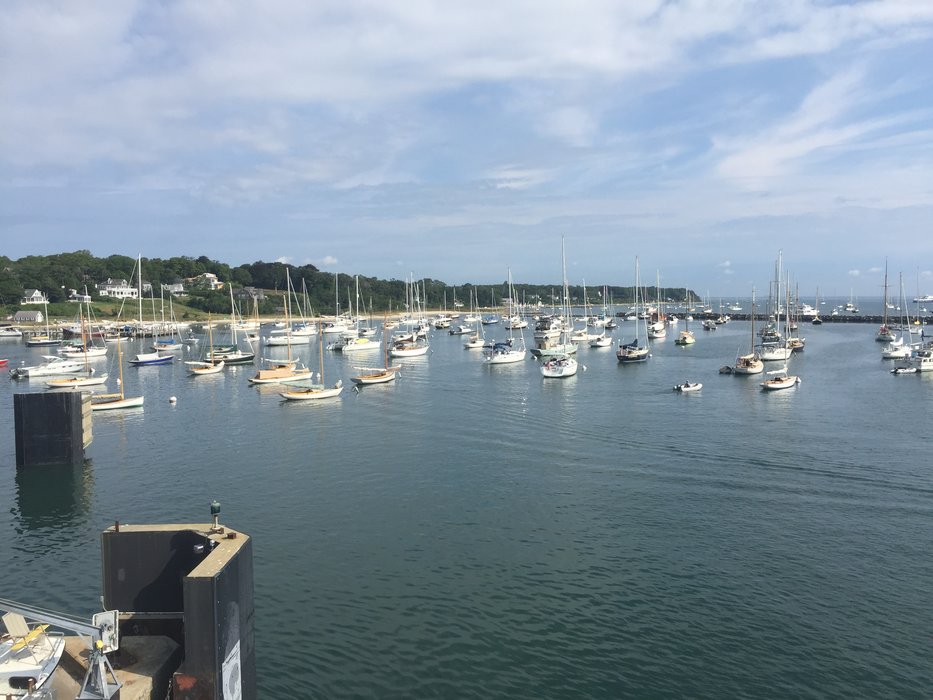
Martha’s Vineyard is renowned for its beautiful beaches, quaint whaling towns and picturesque rolling countryside. The island is well known as a popular vacation spot for the rich and famous, including the Obamas, the Clintons and Larry David. The movie Jaws was filmed there and the infamous Ted Kennedy-Chappaquiddick incident took place there in 1969. Its summer population of 115,000 drops to about 17,000 as the island slows down for the winter. It is also home to roughly 120 registered medical cannabis patients and a dispensary that will have to deal with the complexities of operating on an island.
 In 2012, Massachusetts became the eighteenth state to legalize medical cannabis and in 2016, the state legalized adult use of cannabis. Geoff Rose, co-founder of Our Island Club, a local organization that offers discounts to full-time residents, saw a great need for a medical cannabis dispensary. Rose was granted a provisional license to both cultivate and dispense, as required by the state, on the island. Rose’s nonprofit that received the licenses, Patient Centric of Martha’s Vineyard, plans to operate in West Tisbury, a small town located in the center of the island.
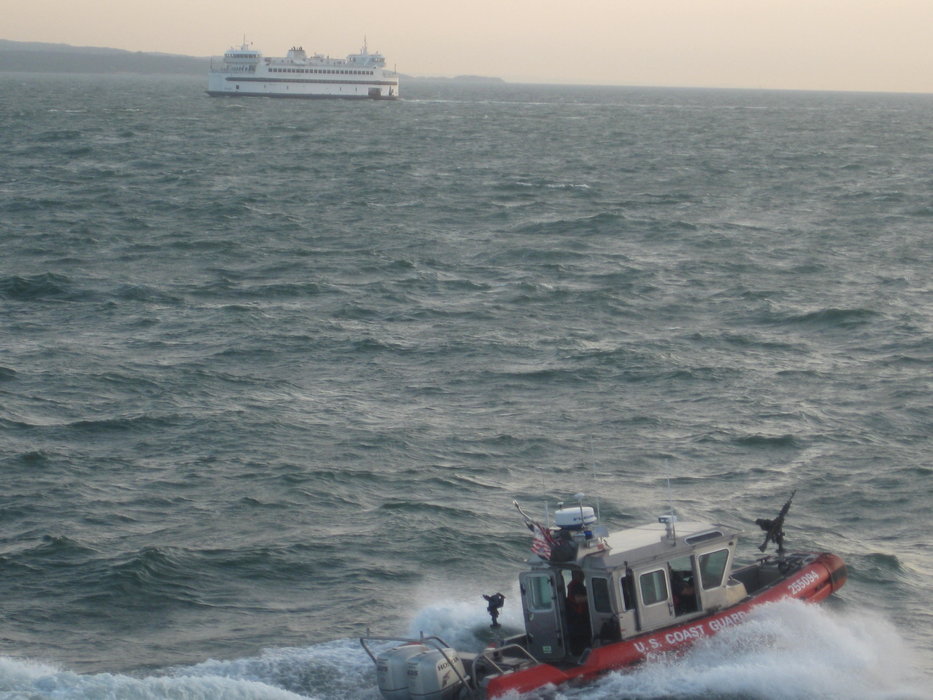
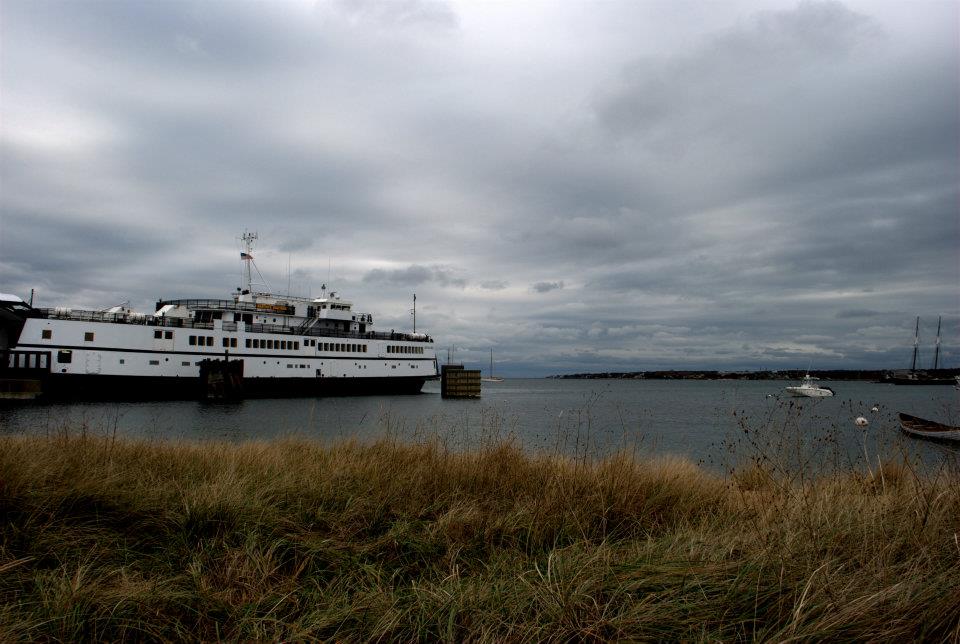
Travel to and from the island is restricted to either boat or plane with the vast majority of traffic occurring on ferries operated by the Steamship Authority. But Rose cannot transport any cannabis on the ferries or even a smaller, non-commercial vessel because the waters are under the jurisdiction of the Coast Guard, a federal agency tasked with enforcing The Controlled Substances Act. The same goes for aircraft under FAA jurisdiction. Transporting cannabis products on the ferries, or any vessel for that matter, would be a felony.
Martha’s Vineyard is not just a physical island, but also a jurisdictional island where all cannabis growing, lab testing and dispensing must occur on the island. Currently, those 120 medical cannabis patients living on the island have no legal method of obtaining medical cannabis, unless they grow it themselves. Rose and his nonprofit, Patient Centric, hope to change that. We sat down with Geoff Rose to learn more about his mission to bring medical cannabis to the Vineyard and some of the legal implications associated with running a cannabis business on an island.
Cannabis Industry Journal: How did you get started with the idea to open a dispensary on the island?
Geoff Rose: Well I moved here almost sixteen years ago and as I have often said, when you move here you have three options: you can contribute to the community, you can hide and stay reclusive or you can leave. It is a very unique community and I chose to contribute. We started Our Island Club, which is a service program for year-round residents that helps them save on essential products and services as a means to cope with the high cost of living here. Clearly there is a need as there are 7,000 year round residents participating in that program. We have donated over a half-million dollars to 175 or more charitable organizations on the island. In addition to that, because of the membership fee, anyone who can’t afford it can still receive the membership.
I have come to launch the dispensary in the same manner. There is a need. [Legal medical cannabis] has now been law since November of 2012. Over four years later and still no dispensary on the island- I have continued to persevere because I know that there is a need.
CIJ: It is a pretty tight-knit community; did you meet any local opposition?
Geoff: Dukes County (the Vineyard) voted in favor of medical marijuana by a wide margin and 82% of West Tisbury voted in favor of medical marijuana, one of the highest in the state. Well I am currently waiting on my special permit application that I am required to apply for in West Tisbury. It has been sent to the Martha’s Vineyard Commission (MVC) for review.
There have been concerns, including from the local school. But state law requires that a dispensary be located beyond 500 feet from a school. The current location that I am asking for approval is over seven times that distance. There is a perceived concern about that. The first round of applications in 2013 included a score-based application process and while there were four competitors, none of us met the minimum score. In the second round, it moved to a compliance-based application process, and I was the only one who kept the effort alive and was awarded the license.
CIJ: There is a bit of an opioid problem on the vineyard, and multiple scientific studies have suggested a causal relationship between cannabis legalization and a reduction in opioid overdose-related deaths; do you see this as part of the solution?
Geoff: I have seen studies, particularly one by Johns Hopkins that does show a correlation between medical cannabis and the reduction of the use of opioids. I think it is a byproduct of opening the dispensary, so yes. I shared these findings with the Superintendent of Schools. I think education is the key to really develop awareness. The state has mandated that schools are required to develop a drug education program, it’s part of the school curriculum, and I see that as a critical component in our outreach effort to the community. We have a responsibility to the community in many ways, whether it’s law enforcement or education.
I recently announced that we would allocate a percentage of our net profits for grant money to programs involved in drug education. Community outreach and education are very important. There also needs to be some positive education. There is a clear understanding that children need to be educated about the misuse of cannabis, which is true. But they also need to be educated about the medical value of cannabis. For example, many in the medical community will acknowledge the benefits of cannabis as it relates to cancer patients, whether it is helping nausea, appetite, pain management or being used as a sleep aid. This is an important message that needs to be disseminated to children. How does it help your family member, friend or neighbor who is suffering from the effects of cancer? That is one of the messages that would be helpful for children to receive. We can address the impact of all drugs including cannabis on the developing brain; I understand and agree, and publicly support that in an educational context. I want to be part of the solution.
CIJ: What problems do you run into trying to open a cannabis business on the island?
Geoff: I received my provisional cultivation license in September of last year. Part of the issue is the fact that cultivation has to occur on the island. The Coast Guard regulates everything surrounding the island including all the ferries, or any watercraft.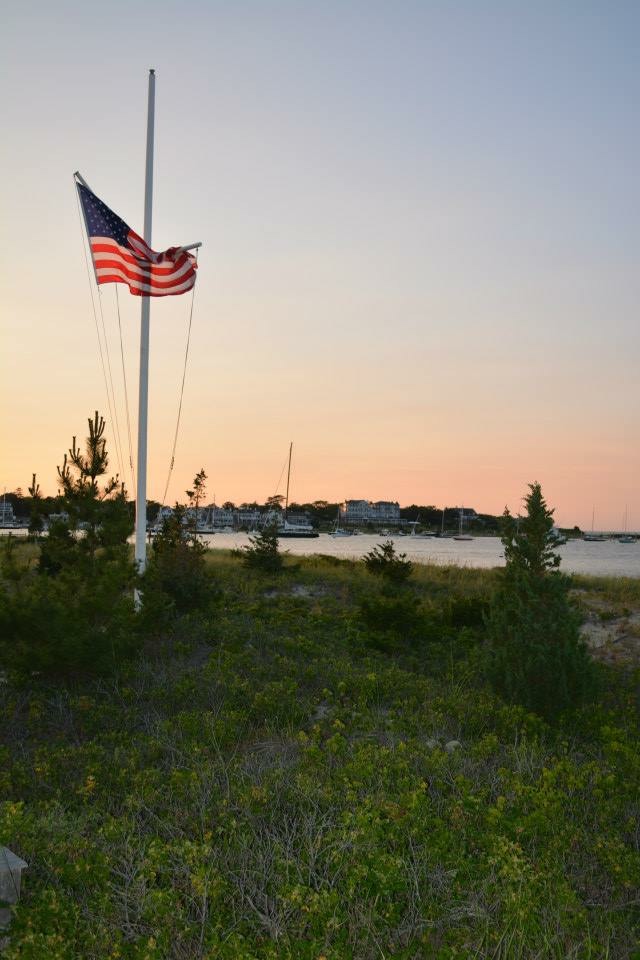
As part of my provisional license, I am required to have an independent cannabis-testing laboratory on the island that will perform the requisite testing mandated by the state. I am currently in conversations with Ph.D. chemists consulting for the laboratory. I have had numerous conversations with lab directors in other parts of the state, including Proverde Labs and MCR Labs. The Coast Guard has stated that cannabis is a Schedule One substance and therefore any transport is illegal. Unfortunately the law is very specific and not exactly written with Martha’s Vineyard in mind.
Editor’s Note: If you have further questions relating to Patient Centric of Martha’s Vineyard, you can reach Geoff Rose at geoff@patientcentricmv.org

