
Tag Archives: cbd

From MedTech to Cannabis: A Q&A with Jennifer Raeder-Devens

By Aaron G. Biros
No Comments

Project Yosemite, a cannabis product innovation and brand development company, announced earlier this month the appointment of Jennifer Raeder-Devens as their new Chief Scientific Officer. Raeder-Devens is a veteran of the MedTech industry, working for companies like Becton Dickinson, Cardinal Health, Medtronic and 3M.

Prior to joining Yosemite, she was the Vice President of Research & Development at Becton, Dickinson, where she oversaw product development and technology strategies to launch infection prevention products including the ChloraPrep first-in-the-US sterile solution patient preoperative topical antiseptic. She was previously the Vice President of R&D, Strategy and Innovation at Cardinal Health. She’s also held roles at Medtronic, 3M Drug Delivery Systems and 3M Skin Health Division and she has a number of patents in drug delivery and medical devices.

Jennifer Raeder-Devens, Chief Scientific Officer at Project Yosemite

In November of 2018, Project Yosemite launched their first product, OLO, which is an infused, controlled-release sublingual strip. Part of Raeder-Devens’ new role at the company is the continued development and expansion of the OLO sublingual strip technology platform. Andrew Mack, CEO and founder of Project Yosemite, says he’s thrilled to have Raeder-Devens on the team. “Jennifer is an extremely accomplished scientist and engineer with extensive experience driving innovation and R&D in the pharmaceutical and medical device industries,” says Mack.

We caught up with Jennifer over the phone to talk about her background in the MedTech space, why she decided to jump ship to join the cannabis industry and what she’s excited to work on now.

Cannabis Industry Journal: Can you tell us about your background, including your work with 3M and Medtronic? 

Jennifer Raeder-Devens: I’m coming directly from Becton Dickinson, a global med tech company, where I supervised the development of drug-device combination products for topical antiseptics. I spent about 10 years there, mostly in topical drug and combination product development. Prior to that, I was at 3M and Medtronic working in drug-device combination products. At 3M, I was supervising a team of technology developers for the 3M Drug Delivery Systems business. I had experience working with designing and manufacturing transdermal, nasal, buccal and inhalation drug delivery mechanisms for pharmaceutical partners.

I worked on implantable drug delivery systems at Medtronic, which included working on the biocompatibility of things like pacemakers and drug infusion pumps and optimizing them to reduce infection and enhance healing after the implantation procedure.

CIJ: What made you consider joining the cannabis industry? 

Jennifer: With my work in topicals, transdermal and inhalation drug delivery, I had an easy understanding of the different routes of administration we see today in the cannabis industry. And so, from the technology standpoint, I thought this was a place I could contribute to immediately. And then what got me really excited about it was thinking about cannabis, and just like any other drug, with oral drug delivery, you’ve got first class metabolism and side effects from the 11-Hydroxy-THC that are undesirable and you’d rather not have delivered through the gut.

OLO sublingual strips have a 10-minute onset time

I got excited when I saw the development of things like sublingual strips that were focusing on alternatives to smoking that would preserve that relatively fast onset and mitigate some of the side effects of edibles.

The other thing I really like about the cannabis industry: Previously I have been very focused on known drugs that are already approved and repurposing them into a new delivery system. What really interests me about the cannabis industry is the active cannabinoids and terpenes are somewhat known and somewhat unknown, so there is this really interesting challenge there of trying to separate the wheat from the chaff in terms of producing therapeutic effects.

It is a really interesting space where the indications of certain molecules are evolving along with the delivery technology. So, it is a really exciting and eye-opening way to take the next step in my career and have this wide-open space in front of me, both in terms of the different cannabinoids, their effects and the delivery systems we can use.

CIJ: How might you be prepared, given your background, for some of the challenges in the cannabis space?

Jennifer: I think the challenges in cannabis delivery are not different from the challenges in pharmaceutical drug delivery. It’s just that we have this additional complexity of the entourage effect. We can be engineering not just the main ingredient of THC, but also all the other cannabinoids and terpenes. So, for example, with my background in infection prevention, we build a product that we know reduces the risk of infection, but we are really challenged to actually prove it reduces the risk of infection. We have a similar situation in the cannabis industry, where we can get the THC, or CBG or CBN where we want it to go, but then we are really challenged to figure out how we can find, what we call in the pharmaceutical industry, a surrogate end point for efficacy, so that we can test that product and really believe that when we put the product on the market, even though we haven’t tested thousands of users or conducted large randomized clinical trials, that the effect will be shown. We are networking and partnering with a good scientific community to build the right product and do some testing at a small scale that really demonstrates the product achieves the effect that we are really looking for.

CIJ: Can you tell us a little about your new role with Project Yosemite?

Jennifer: My job description falls into three buckets: The first part is that we are forming a scientific advisory board and we are working with some of the leading cannabinoid researchers around the country and around the world. These are the people identifying whether or not certain cannabinoids could reduce cancer cell metabolism or whether cannabinoids contribute to weight loss or diabetes control and other things of that nature. We are trying to reach as far upstream as we can to grasp the emerging understanding of the performance of cannabinoids and terpenes in the endocannabinoid system. So, part of my job is to chair that scientific advisory board, get the thought leaders together in the room and have them bring their knowledge and explore with our own knowledge what cannabis can really do.

The OLO sublingual strips

I have worked in topical, transdermal, buccal, nasal, inhalation drug delivery. In the second bucket of my job, we are trying to understand a given indication or experience that our users want to have, what would be the right route for them. We are challenging our sublingual delivery mechanism to see how fast of an onset we can really get. Right now, we are at 10 minutes for drug delivery in sublingual and we are still trying to get an even faster onset time for the sublingual strip.

For other indications, like chronic pain, we may want to think about a sustained release, so sort of aligning the different indications with which different cannabinoids and terpenes will work for it and see which delivery platform will work for what we are trying to accomplish in each indication.  So, we do not plan to remain solely a sublingual strip company, but will build out additional delivery platforms as we develop new indications.

Right now, we are working upstream with the growers and the processors to get cannabis oil and extracts. Some of the growers are working on different genetics in their cultivars to grow plants that have different ratios of different cannabinoids that we know from the emerging research will have an impact on people’s experience. Now we are working with growers to really get ahead of the curve on how to formulate products with various cannabinoids.

We have an R&D team in house that I supervise. We are always working with our production team to make small improvements such as the faster onset and the dissolution rate and things like flavors, which covers a downstream focus as well.


Aphria, Inc. Implements Quality Management Systems

By Cannabis Industry Journal Staff
1 Comment

According to a press release published today, Aphria Inc. has implemented Rootstock Software’s cloud Enterprise Resource Planning (ERP) solutions and ComplianceQuest’s Enterprise Quality Management System (EQMS). Aphria, one of the largest cannabis companies in the world, trades on both the Toronto Stock Exchange and the New York Stock Exchange.

Rootstock’s cloud ERP software includes things like order processing, production management, supply chain management, lot and serial number trackability and traceability, compliance reporting, costing and financial management. ComplianceQuest’s EQMS software provides support for GMP compliance and can help improve efficiencies in operations. The EQMS focuses on quality and risk management across Aphria’s business platforms, from sourcing to manufacturing to supply chain management.

Aphria is using the entire EQMS platform, which includes software to handle documents, training, changes, inspections, nonconformance, corrective actions (CAPA) and customer complaints which integrates to Rootstock’s ERP. According to the press release, the company is currently working to roll-out audit, equipment, incident and supplier management functions and will be fully live with the entire quality system in the next few months.

According to Tim Purdie, chief information officer & chief information security officer of Aphria Inc., both platforms delivered on their implementation. “Grounded in the scalability of the force.com platform, CQ transformed our quality management operating capabilities overnight and we are delighted at the fully integrated partnership result,” says Purdie. “We now have fully digital real-time informatics and ability to implement change in a highly transparent manner to meet the demands of our high growth business.”

Adding that Rootstock ERP will help facilitate their company’s production, inventory and supply chain management, Purdie says both platforms will enable Aphria to be increasingly responsive to market needs. “Aphria is setting the standard as a worldwide leader in the cannabis industry through a diversified approach to innovation, corporate citizenship, strategic partnerships and global expansion,” Purdie says. “With these system implementations, we’re now technologically equipped to take our competitive advantage to new levels of market leadership.”

A Year In Review: Canadian Recreational Reform Year 1

By Marguerite Arnold
No Comments

There is certainly, in retrospect, much to be proud about in Canada – home of one of the most disruptive international cannabis industries in the world. And certainly an early mover.

That starts with having the national mojo to begin this journey in the first place, not to mention pivot and even admit faults along the way. For all the complaints and whinges, however on the ground, most Canadians are proud that they tackled the canna question at a federal level.

As the industry now does a bit of an annual review and revisit, what are some of the largest accomplishments, takeaways (and let’s be honest, major f*ckups) so far? And where is this all headed as the industry at least tries to gear up for another year, if not quite Cannabis 2.0?

The Big Bravos

Launching in the first place. Yes Full Monty Recreational was scary, and delayed a few months last year. And even though there have been many problems (retail outlets, online sales, privacy, supply chain issues in every direction, ex im, foreign markets and etc.), it is up and running.

In comparison, the Brits have been haranguing over Brexit for the last three years and are still not really there.

Further, it is also apparent that the agencies in charge of the new industry are themselves giving a bit of a shake after CannaTitanic (CannTrust). That was embarrassing for them too, although of course, while a bit of a negative compliment, the recall system seems to work.

Even if it needs a few jump starts via whistleblowing.

That in and of itself is a fact that is still in the room, although perhaps the pancaking of the stock price of most of the public industry of late was also another much needed wakeup call.

The Devil In The Details

Domestic Requirements. Health Canada is getting hip to the fact that the industry needs a bit more of a heavy hand. See the book thrown at CannTrust. No matter what, Canadians are demanding to know where their cannabis comes from, and further are also demanding that it be at least free of pesticides that can harm them.

Licensing. Many cannapreneuers are complaining, still, about the delays in licensing, particularly for retail outlets in the provinces who are taking the cannabull by the horns.  That said, there are still lots of enterprises who are perfectly happy to dodge the requirements all together and sell to the black or gray market. No licensing fees, and no taxes is a wonderful dream, but that is not exactly how regulated democratic capitalism works – at least at this level.

Supply Chain Logistics and Related Technologies. Canadians are struggling to implement a regulated industry in a country where patient home grow is constitutionally protected, and in an environment where who can sell what, and to whom including online, is still evolving. Predictably, no matter how groovy the solution works at home, (or the U.S.), no it will not fly in Europe. See GDPR regs, for starters.

Seed Culture (Aka Strain Protection). No matter how much the lawyers in the colonies are gearing up to sue each other over Huey’s Half Baked, in Europe, there are tomato and pepper farmers who are laughing, literally, all the way to the bank on this one. While hip to be a “strain defender,” the reality in a medical market looking for cheap cannabinoids is rather different. Effective, clean product, which can be reproduced reliably and cheaply, is the name of the game. Girl Scout Cookies, and such ilks will be a long time in coming as anything but highly expensive, niche products you can find in a Dutch Coffee Shop.

GMPDomestic Requirements Vs International Export. Canadian standards, so far, have been widely divergent in an environment where exports to Europe in particular are part of the story for the biggest companies. That said, GMP, and in particular EU GMP, has become at least a buzzword if not a standard to live up to.

Privacy. California might be considering its own form of GDPR (European privacy legislation) but so far, the industry has largely failed to protect consumers (from themselves). Ideas about owning huge data troves on cannabis users for someone else’s profit are still very much in the room. After all, data is the new oil, whether people know their data is being harvested or not. And just like big oil has done for most of its existence, those in the driver’s seat so far show little compunction about harvesting personal information, to become in the words of the now departed CEO of Canopy Growth Bruce Linton, “the Google of Cannabis.” Won’t happen. Starting with the fact that in not just Europe but now even California, people, far beyond pot users are tired of a world where privacy is a second class right.

While the issue first hit in Canada on the recreational side, the reality is that companies know who their clients and patients are in a way that is not only disturbing but increasingly being challenged.

Soapbox

Cannabis Growers and Distributors: Your Cyber Risk is Growing Like Weeds

By Emily Selck
No Comments

Cannabis growers and distributors are “green” when it comes to cyber security. Unaware of the real risks, cannabis businesses consistently fall short of instituting some of the most basic cybersecurity protections, leaving them increasingly vulnerable to a cyber-attack.

Cannabis businesses are especially attractive to hackers because of the vast amount of personally identifiable and protected health information they’re required to collect as well as the crop trade secrets they store. With businesses growing by leaps and bounds, and more and more Americans and Canadians purchasing cannabis, cybercriminals are likely to increase their attacks on the North American market in the coming year. Arm your cannabis business with the following best practices for growers and distributors.

Distributor Risk = A Customer’s PII

Cyber risk is the greatest for cannabis distributors, required to collect personal identifiable information (PII), including driver’s licenses, credit cards, medical history and insurance information from patients. State regulatory oversight further compounds the distributor’s risk of cyber-attack. If you’re a cannabis distributor, you’ll want to make sure to:

  • Know where you retain buyer information, and understand how it can potentially be breached. Are you scanning driver’s licenses into a database, or retaining paper files? Are you keeping them in a secure area off site, or on a protected network? Make sure a member of your management team is maintaining compliance with HIPAA and state statutes and requirements for cannabis distribution.
  • Institute strong employee oversight rules. Every employee does not have to have access to every sale, or your entire database of proprietary customer information. Delegate jobs behind the sales desk. Give each employee the access they need to do their job – and that’s it.
  • Distributors have to protect grower’s R&D information too. Most cannabis distributors have access to their grower’s proprietary R&D information so they can help customers understand which products are best for different medical symptoms/needs. Make sure your employees don’t reveal too much to put your suppliers in potential risk of cyberattack.

Grower Risk = Crop Trade Secrets

For cannabis growers, the risk is specific to crop trade secrets, research and development (R&D). If you’re a cannabis grower, you’ll want to:

  • Secure your R&D process. If you’ve created a cannabis formula that reduces anxiety or pain or boosts energy, these “recipes” are your competitive advantage – your intellectual property. Consider the way you store information behind the R&D of your cannabis crops. Do you store it on electronic file, or a computer desktop? What type of credentials do people need to access it? Other industries will use a third party cloud service to store their R&D information, but with cannabis businesses that’s typically not the case. Instead, many growers maintain their own servers because they feel this risk is so great, and because their business is growing so fast, there are not yet on the cloud.
  • Limit the number of people with access to your “secret sauce.” When workers are harvesting crop, or you’re renting land from farmers and planting on it, make sure to keep proprietary information in the hands of just the few who need it – and no one else. This is especially important when sharing details with third party vendors.

Cyber coverage is now ripe for picking

Although cannabis businesses are hard to insure – for just about every type of risk – cyber insurance options for cannabis companies have recently expanded, and come down in price. If you’ve looked for cyber coverage in the past and were previously unable to secure it, now is the time to revisit the market.

Know that cyber policy underwriters will do additional due diligence, going beyond the typical policy application, and ask about the types of proprietary information you collect from customers, as well as how you store and access it at a later date. Have this knowledge at your fingertips, and be ready to talk to underwriters about it when you’re bidding for a new policy – and at renewal time.

The Best Way to Remediate Moldy Cannabis is No Remediation at All

By Ingo Mueller
3 Comments

Consumers are largely unaware that most commercial cannabis grown today undergoes some form of decontamination to treat the industry’s growing problem of mold, yeast and other microbial pathogens. As more cannabis brands fail regulatory testing for contaminants, businesses are increasingly turning to radiation, ozone gas, hydrogen peroxide or other damaging remediation methods to ensure compliance and avoid product recalls. It has made cannabis cultivation and extraction more challenging and more expensive than ever, not to mention inflaming the industry’s ongoing supply problem.

The problem is only going to get worse as states like Nevada and California are beginning to implement more regulations including even tougher microbial contamination limits. The technological and economic burdens are becoming too much for some cultivators, driving some of them out of business. It’s also putting an even greater strain on them to meet product demand.

It’s critical that the industry establishes new product standards to reassure consumers that the cannabis products they buy are safe. But it is even more critical that the industry look beyond traditional agricultural remediation methods to solve the microbial problems.

Compounding Risks

Mold and other microbial pathogens are found everywhere in the environment, including the air, food and water that people consume. While there is no consensus yet on the health consequences of consuming these contaminants through cannabis, risks are certainly emerging. According to a 2015 study by the Cannabis Safety Institutei, molds are generally harmless in the environment, but some may present a health threat when inhaled, particularly to immunocompromised individuals. Mycotoxins resulting from molds such as Aspergillus can cause illnesses such as allergic bronchopulmonary aspergillosis. Even when killed with treatment, the dead pathogens could trigger allergies or asthma.

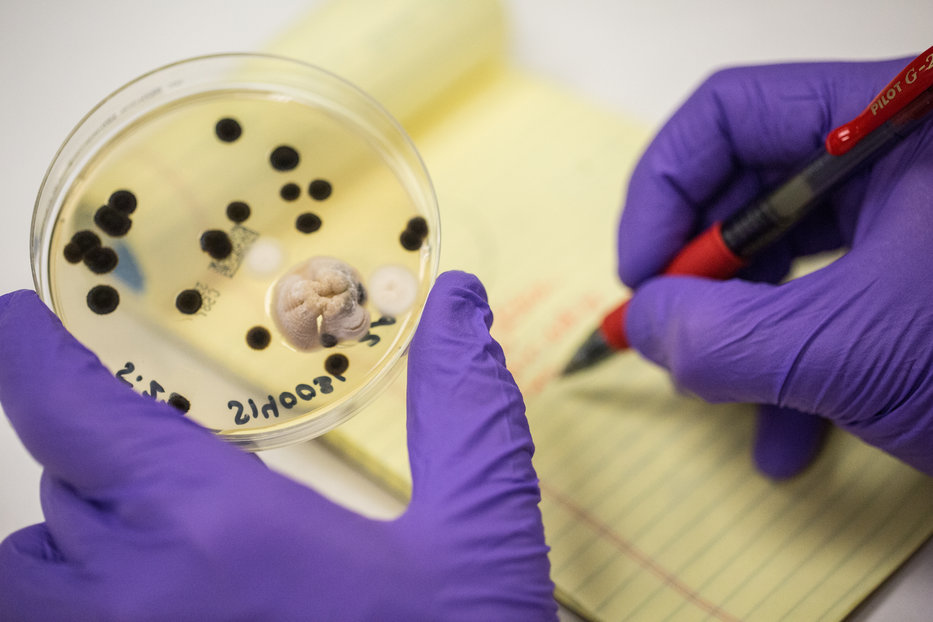
Photo credit: Steep Hill- a petri dish of mold growth from tested cannabis

There is an abundance of pathogens that can affect cannabis cultivation, but the most common types are Botrytis (bud rot, sometimes called gray mold) and Powdery Mildew. They are also among the most devastating blights to cannabis crops. Numerous chemical controls are available to help prevent or stem an outbreak, ranging from fungicides and horticultural oils to bicarbonates and biological controls. While these controls may save an otherwise doomed crop, they introduce their own potential health risks through the overexposure and consumption of chemical residues.

The issue is further compounded by the fact that the states in which cannabis is legal can’t agree on which microbial pathogens to test for, nor how to test. Colorado, for instance, requires only three pathogen tests (for salmonella, E. coli, and mycotoxins from mold), while Massachusetts has exceedingly strict testing regulations for clean products. Massachusetts-based testing lab, ProVerde Laboratories, reports that approximately 30% of the cannabis flowers it tests have some kind of mold or yeast contamination.

If a cannabis product fails required microbial testing and can’t be remedied in a compliant way, the grower will inevitably experience a severe – and potentially crippling – financial hit to a lost crop. Willow Industries, a microbial remediation company, says that cannabis microbial contamination is projected to be a $3 billion problem by 2020ii.

Remediation Falls Short
With the financial stakes so high, the cannabis industry has taken cues from the food industry and adopted a variety of ways to remediate cannabis harvests contaminated with pathogens. Ketch DeGabrielle of Qloris Consulting spent two years studying cannabis microbial remediation methods and summarized their pros and consiii.

He found that some common sterilization approaches like autoclaves, steam and dry heat are impractical for cannabis due the decarboxylation and harsh damage they inflict on the product. Some growers spray or immerse cannabis flowers in hydrogen peroxide, but the resulting moisture can actually cause more spores to germinate, while the chemical reduces the terpene content in the flowers.

Powdery mildew starts with white/grey spots seen on the upper leaves surface

The more favored, technologically advanced remediation approaches include ozone or similar gas treatment, which is relatively inexpensive and treats the entire plant. However, it’s difficult to gas products on a large scale, and gas results in terpene loss. Microwaves can kill pathogens effectively through cellular rupture, but can burn the product. Ionizing radiation kills microbial life by destroying their DNA, but the process can create carcinogenic chemical compounds and harmful free radicals. Radio frequency (which DeGabrielle considers the best method) effectively kills yeast and mold by oscillating the water in them, but it can result in moisture and terpene loss.

The bottom line: no remediation method is perfect. Prevention of microbial contamination is a better approach. But all three conventional approaches to cannabis cultivation – outdoors, greenhouses and indoor grow operations – make it extremely difficult to control contamination. Mold spores can easily gain a foothold both indoors and out through air, water, food and human contact, quickly spreading into an epidemic.

The industry needs to establish new quality standards for product purity and employ new growing practices to meet them. Advanced technologies can help create near perfect growing ecosystems and microclimates for growing cannabis free of mold contamination. Internet of Things sensors combined with AI-driven robotics and automation can dramatically reduce human intervention in the growing process, along with human-induced contamination. Natural sunlight supplemented with new lighting technologies that provide near full-light and UV spectrum can stimulate robust growth more resistant to disease. Computational fluid dynamic models can help growers achieve optimal temperature, humidity, velocity, filtration and sanitation of air flow. And tissue culture micropropagation of plant stock can eliminate virus and pathogen threats, to name just a few of the latest innovations.

Growing legal cannabis today is a risky business that can cost growers millions of dollars if pathogens contaminate a crop. Remediation methods to remove microbial contamination may work to varying degrees, but they introduce another set of problems that can impact consumer health and comprise product quality.


References

i. Holmes M, Vyas JM, Steinbach W, McPartland J. 2015. Microbiological Safety Testing of Cannabis. Cannabis Safety Institute. http://cannabissafetyinstitute.org/wp-content/uploads/2015/06/Microbiological-Safety-Testing-of-Cannabis.pdf

ii. Jill Ellsworth, June 2019, Eliminating Microbials in Marijuana, Willow Industries, https://willowindustries.com/eliminating-microbials-in-marijuana/#

iii. Ketch DeGabrielle, April 2018, Largest U.S. Cannabis Farm Shares Two Years of Mold Remediation Research, Analytical Cannabis, https://www.analyticalcannabis.com/articles/largest-us-cannabis-farm-shares-two-years-of-mold-remediation-research-299842


Steven Burton

A Regulatory Tsunami is Washing Over the Canadian Cannabis Industry

By Steven Burton
No Comments
Steven Burton

On August 29, 2019, Health Canada finally published a guidance document on the official interpretation of Part 5 of the Cannabis Regulations concerning “Good Production Practices” that comes into force just seven weeks later on October 17, 2019. For those watching with the experience of the food industry, it is safe to say that few license holders fully appreciate the magnitude of the new requirements and fewer yet are prepared for what will be required in less than two weeks.

An Uncertain Road to Cannabis Compliance

Since Canada legalized recreational cannabis in October 2018, there has been considerable uncertainty about the road to compliance in this totally new legal market. Health Canada faced the daunting challenge of defining the requirements for a whole new industry, and so they were understandably silent on the issue of Part 5 until this guide was published in August.

GMPMany larger companies eager to get their foot in the door of the multi-billion dollar industry tried to be proactive in anticipating impending government regulations by seeking Good Manufacturing Practices (GMP) certifications. This would likely have been fine under the previous regulations, which were myopically focused on ensuring that product wasn’t diverted from or to the black market. With the legalization of edibles only one year away, however, it was obvious to those in the food industry that GMP was just not going to be enough. Gentle prodding at various speaking engagements on our part wasn’t enough to convince these companies to seek higher levels of certification or at least to proactively develop the organizational culture required to support a higher-level program.

The Inevitable Necessity of Food Safety

It was clear to us that since edibles are essentially a food product, safety necessarily had to become a primary focus. This reality has, in fact, materialized in section 5 of the new guide, which outlines prescriptive requirements that are very well developed and require that companies develop a complete set of Standard Operating Procedures (SOPs) for sanitation, employee hygiene, testing, inventory, pest control and more. Furthermore, cannabis companies must be able to produce documentation that proves they are actually following these procedures.

There are many, many other requirements that also apply, but the really interesting ones are those related to hazard analysis (5.2.13) and preventive control plans (5.2.14): manufacturers who produce extracts or edibles must undertake hazard analyses on each input, processing step and traffic flow. The language will be familiar to those who have been exposed to Hazard Analysis and Critical Control Point (HACCP) methodology. HACCP is the standard in the food industry and goes far beyond simple GMP.

Very much like HACCP, license holders will be required to analyze each biological, chemical and physical hazard, determine controls, identify critical control point, along will all the validation, reassessment, verification and deviation protocols required. Interestingly, the fraud and bioterrorism hazard types that have recently been introduced for the food industry have been omitted, presumably an oversight that will be rectified in future versions.

How to Catch Up Fast with Tech

Satisfying these regulations using traditional manual methods takes months or even years in some cases. Today in Canada, license holders have only weeks to get their facilities to compliance, and the government is quick to crack down on any mistakes. The only way to possibly meet this deadline is to start yesterday and use the best tools you can find to expedite the process.

HACCPThose who have been busy implementing GMP programs are going to have to look far beyond their current objectives. Those just starting out should build with these requirements front of mind, both to satisfy inspectors and auditors and also to avoid the pain of the organizational change required to move to a higher level of quality and safety.

Ultimately, these changes will be of benefit to society and provide a competitive advantage to those who can move the fastest, especially when major retail chains become the dominant wholesale market. My advice is to start working on your HACCP-based compliance program immediately and, if you’re in Canada, seek a high-level certification like SQF as soon as possible.

It’s fair to say that the food industry’s recent experiences with more stringent regulations clearly foreshadow what will be required for the cannabis industry. Right now – when the margin of error is razor thin – is the time for companies to make the decisive move and focus on their success – and survival.

Navigating Cannabis Staffing and Hiring Challenges

By Michael Coleman
No Comments

With more cannabis staffing and recruiting challenges than ever before, building a healthy pipeline of top candidates can be an uphill battle. From a lack of qualified candidates and working capital to the haze of lingering stigma and industry volatility, cannabis hiring and retention challenges are more apparent than ever.

Understanding the pain points of cannabis staffing and how to flip them in your favor is critical for attracting the talent you need to grow your business.

Emerging Candidate Concerns

Low unemployment coupled with high demand for qualified talent has led to fierce competition among cannabis hiring managers and HR professionals. This means finding candidates with the right skills and industry experience can be exceptionally difficult.

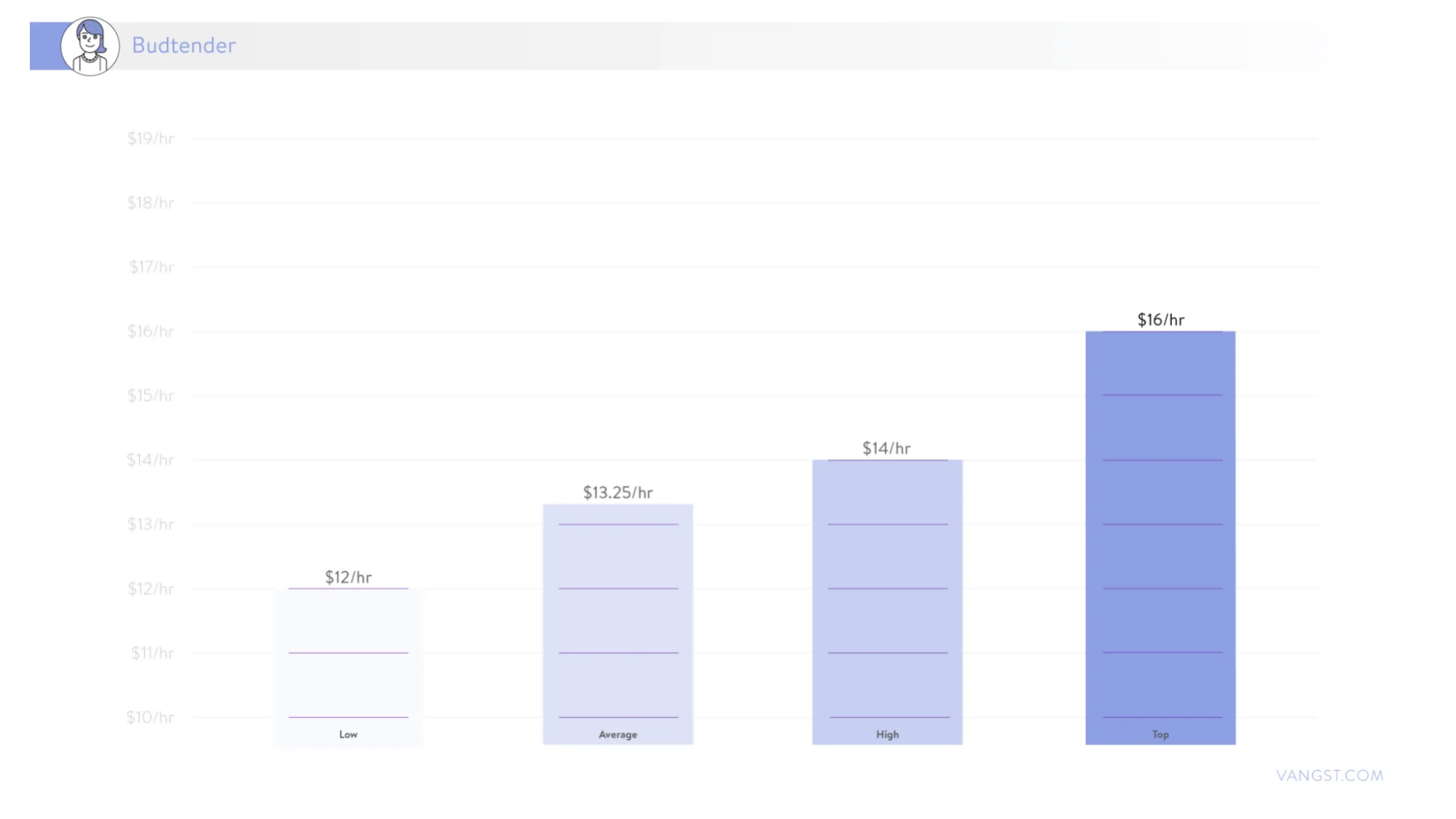
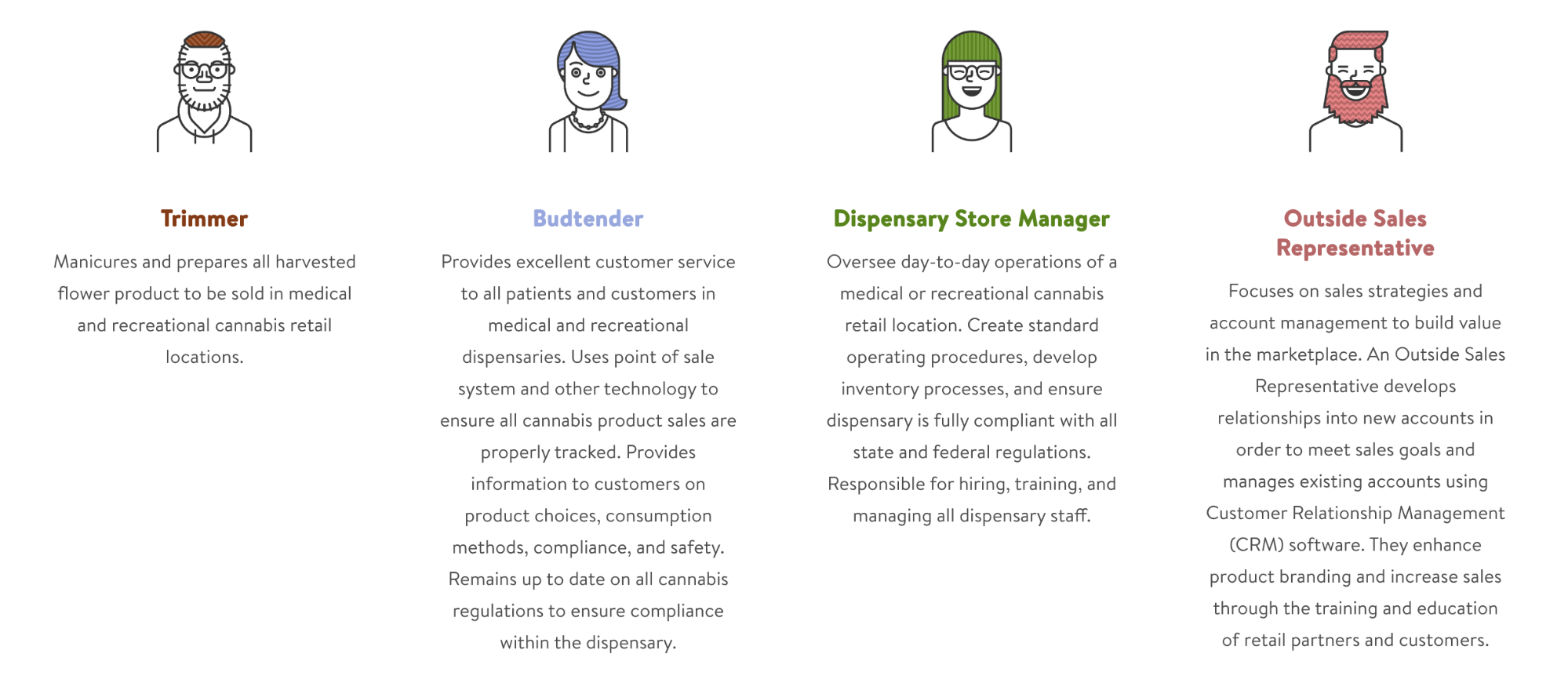
Dispensary and budtender jobs are some of the most popular entry-level cannabis employment opportunities. But since these are customer-facing roles, the requirements to work in a dispensary span a range of skillsets.

Not only do candidates need excellent interpersonal skills, they should also have a deep understanding of the differences and synergies in strains, terpene profiles and cannabinoid contents. The starting hourly pay for these retail dispensary jobs is only about $12-16 per hour. Finding candidates with relevant dispensary experience at such a low rate is not an easy feat.

Source: Vangst

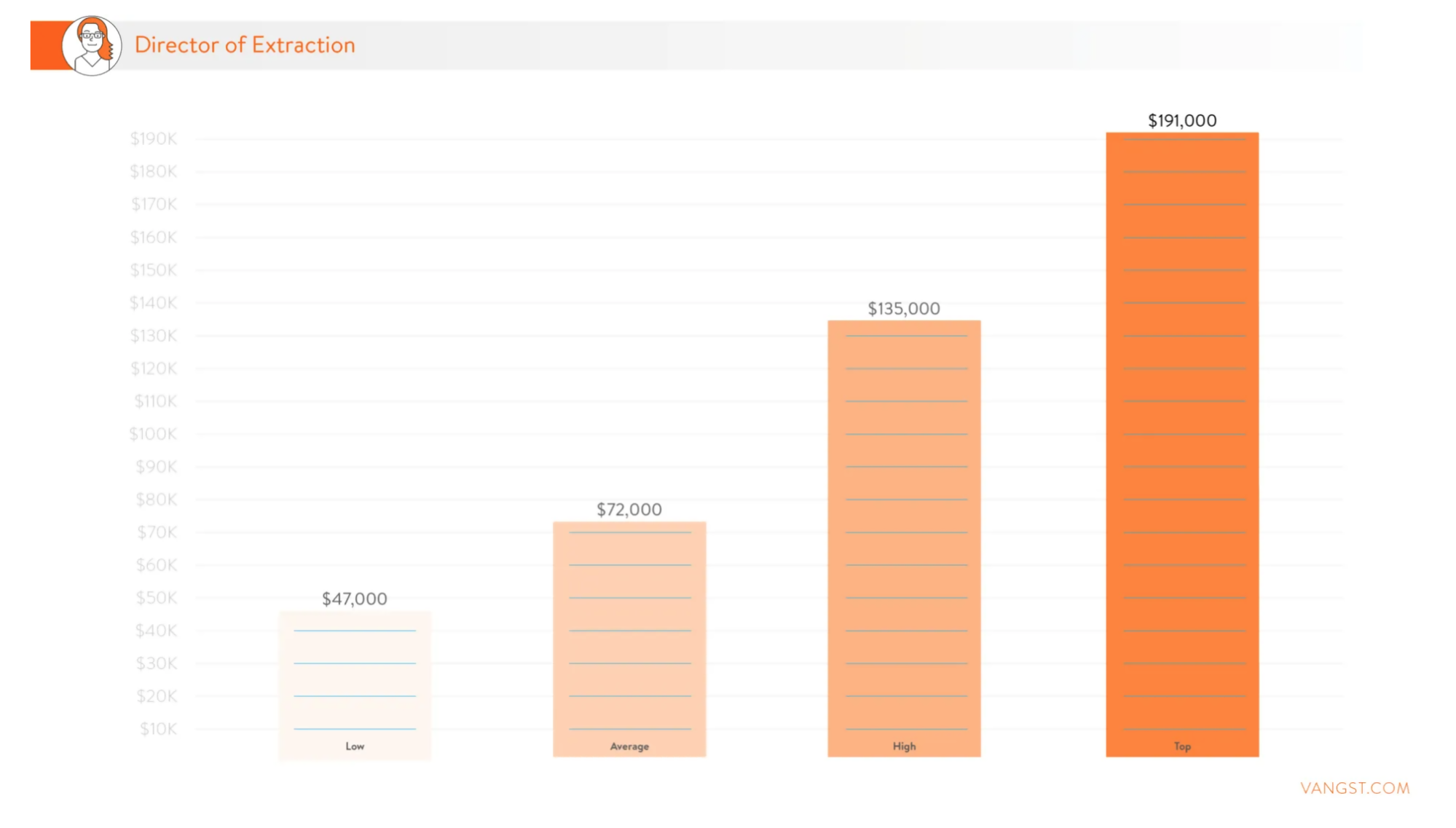
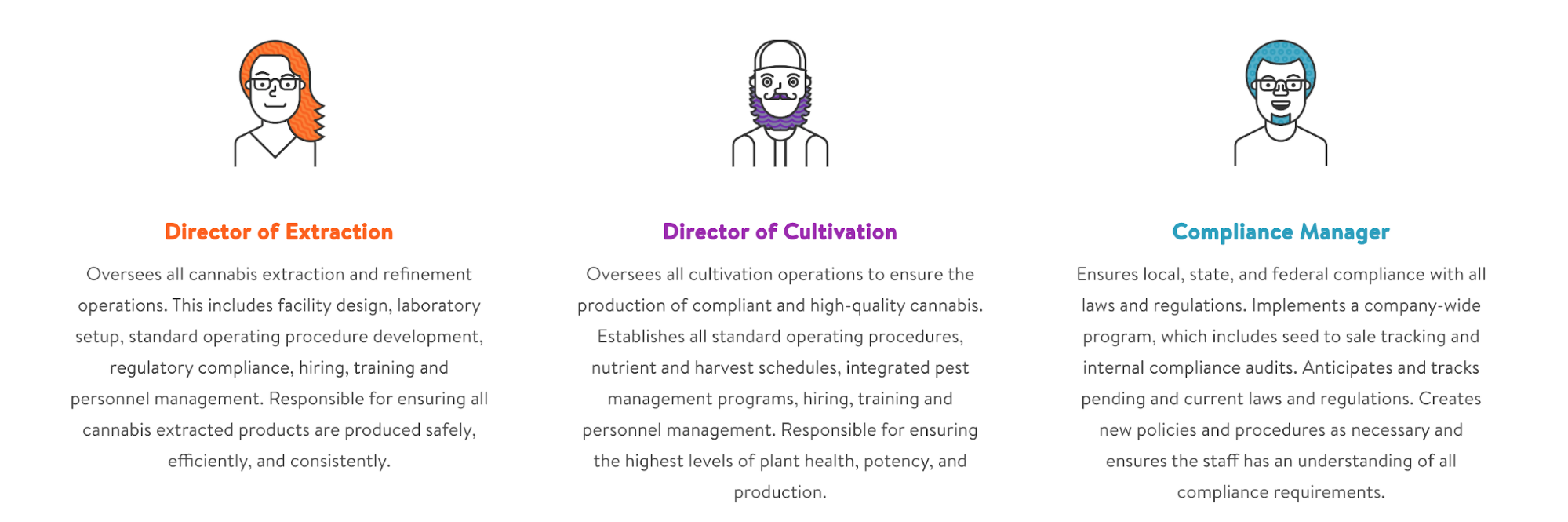
Then there are the extractors and directors of extraction. While these positions are higher-paying than dispensary jobs, they are more dangerous and require a more specific skillset. Engaging qualified candidates for this high-risk position can take a lot of time and effort. In addition, employers also have to assume liabilities and higher compensation demands.

Source: Vangst

Other cannabis employment types that staffing departments and agencies have to hire are highly specialized.

Source: Vangst
Source: Vangst

Not only do you need talented and knowledgeable salespeople, marketers and accountants, there are also laboratory workers, trimmers, cultivation laborers and supervisors, master growers, dispensary managers and delivery drivers to account for.

Lack of Working Capital

With market demand continuing to rise, having the manpower in place is vital to remain competitive. But hiring costs money. Recruiting, advertising and interviewing requires adequate cannabis funding and/or working capital. Unfortunately, obtaining and securing capital to grow and hire is difficult in the industry today.

Making the wrong hiring decision can be costly. If you break any laws during the recruiting process, you can get hit with a hefty lawsuit. The majority of industry players today are startups with limited financial resources. A lawsuit can mean shutting down shop and going out of business.

The Volatile Nature of the Industry

The advancement and adoption of cannabis legislation are rapidly underway for medical use, recreational use and everything in between.

With shifting public sentiments, state-specific cannabis laws and licensing requirements, the industry is in a constant state of change. Even the requirements to work in the cannabis industry vary from state to state.

The ever-rising tide of volatility makes it difficult for companies to find enough stability to make responsible hiring decisions. One regulatory revision can require a company to pivot its branding, product line and entire marketing strategy from top to bottom. A shift in strategy can mean a shift in employee requirements and skillsets. This instability tends to be unappealing to candidates who are accustomed to a well-established workplace structure and culture.

With so much volatility and uncertainty, prioritizing employee relationship management seems like a wise decision. But in-house cannabis human resources is just not in the cards in many cases. Instead, cannabis staffing, recruiting and HR tend to be outsourced along with accounting and compliance.

Lack of Suitable Cannabis Recruiting Platforms

While perceptions are changing, misconceptions about the industry are still pervasive.

Lingering market stigma presents a grave challenge for cannabis staffing and hiring. In fact, many mainstream recruiting platforms are unwilling to partner with cannabis companies. Fortunately, there are some relatively new cannabis HR agencies and platforms to help solve some of the challenges of hiring in cannabis. Vangst GIGS, for example, is the first and only fully-compliant cannabis staffing platform. The CBD staffing agency has been up and running for just a few years now.

Future of Cannabis Staffing and Hiring Demands

While hemp-derived CBD has been legal since the signing of the 2018 U.S. Farm Bill, marijuana-derived CBD is still illegal. But this may change sooner rather than later.

There is growing bipartisan support for the legalization and regulation of cannabis. Beyond improving quality assurance and resolving the disconnect between state and federal laws, federal cannabis legalization will have a profound impact on the U.S. economy.

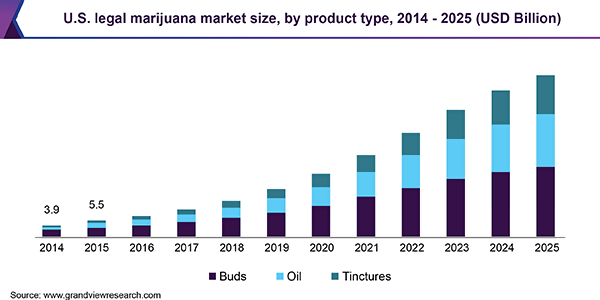
In fact, New Frontier Data projects federal legalization will create $128.8 billion in additional tax revenue and 1.63 million legal cannabis jobs in the U.S. by 2025.

Cannabis payroll deductions could also increase to $9.5 billion by 2025 because more legal entities, customers and employees would be participating in the market.

With federal legislation likely coming in the near future, knowing how to navigate and scale cannabis human resources, including hemp staffing, are more important than ever. You need the right people and processes to take advantage of the market opportunities legalization would create.

Companies that adapt to industry changes will be better at recruiting top talent and mitigating future staffing shortages. Forward-looking companies and fund managers are already obtaining cannabis business loans and ramping up HR preparations and organizational structuring to get a jumpstart on the pace of change.

Soapbox

Searching for the Good Stuff

By Cindy Rice
1 Comment

Someone approached me the other day, wanting to know what was the real story about hemp and CBD.

He said he had “a guy” who gave him a CBD salve as part of a study, supposedly “the good stuff,” to help his knee. He couldn’t understand why he was the only one out of 20 people in the group that felt no relief. He happened to have this CBD salve with him, along with a second brand that he hadn’t yet tried. The “good stuff” had slick, colorful packaging, a beautiful logo and powerful marketing messages about the phytocannabinoids and essential oils in the jar. The other CBD product was in a dull grey tin, an ugly duckling, and not nearly so impressive on the outside- I’ll call it “Homer’s Brew.” My friend dismissed Homer’s Brew outright, as not even worth trying. I told him that not all CBD products are created equal, that you can’t always believe the claims on the package, including the cannabinoid potency displayed on the label.

The structure of cannabidiol (CBD), one of 400 active compounds found in cannabis.

I told him to search for the Certificate of Analysis (COA) for each of the two products, specifically, lab test results validating the CBD dosage per serving, and also the breakdown of pesticides, heavy metals and microbials. He had to do a little digging and emailing, as it wasn’t readily available for either company, but the next day, results were in. The “good stuff” with the slick packaging and bold claims had mere trace amounts of CBD, with some hemp and essential oils- no tests for pesticides or contaminants of any kind. Hmmm, no wonder he was disappointed. Homer’s Brew’s COA came in with flying colors – a reputable lab had confirmed safe levels of pesticides, pathogens and heavy metals, and the CBD level was substantial, with a detailed cannabinoid breakdown in the lab report.

In spite of the varying legality of hemp-derived CBD products from one state to the next, consumers are gobbling up costly CBD salves, tinctures and edibles in markets, gyms and online. Like moths to a flame, they are pulled in by the CBD name and lofty promises, not always understanding what they are getting for their money. They trust that these products are safe, licensed, inspected and regulated by some agency, otherwise, “they wouldn’t be on the shelves, would they?”

FDAlogoIn spite of the 2018 Farm Bill, FDA still has not recognized the legality of products containing hemp-derived CBD, but some states have gone ahead and given them a green light anyway- check with your own jurisdiction to be sure. In the meantime, hemp-derived CBD products are slipping through the regulatory cracks, depending on the state. It is confusing, for sure, and buyer beware.

Separate yourself from the pack of snake-oil salesmen. Test your products for safety and accurate cannabinoid potency, and make a Certificate of Analysis readily available to your customers. Boldly portray your transparency and belief in the quality of your products through this COA.

Providing this information to consumers is the best path to success- safe, satisfied customers who will refer to their friends and family, and most likely come back for more of your “good stuff.”

Massachusetts Implements Responsible Vendor Training Program

By Aaron G. Biros
No Comments

According to a press release published earlier this week, the Massachusetts Cannabis Control Commission approved Cannabis Trainers as one of the state’s first vendor training providers. The training program, Sell-SMaRT™ is the world’s first state-approved cannabis vendor training.

Regulations in Massachusetts require all licensed growers, managers and employees that handle cannabis to take a responsible vendor training class through a certified provider by January 1, 2020.

The Sell-SMaRT™ program was originally developed for licensees handling cannabis in Colorado. In 2015, Colorado regulators granted the program the first ever certification for its Responsible Vendor Program in cannabis. Since then, almost 4,000 people have taken the Cannabis Trainers class, which has been customized for six states, including Massachusetts.

Maureen McNamara, founder of Cannabis Trainers

Maureen McNamara, founder of Cannabis Trainers, built on two decades of experience in alcohol vendor training before she started the training program for cannabis. “Massachusetts is really setting a new standard with its training requirements,” says McNamara. “We’ve worked hard to customize the Sell-SMaRT™ program for the state’s needs, and we appreciate the Cannabis Control Commission’s recognition of that. We’re excited to help inspire a cannabis workforce in the state that is responsible, compliant and committed to excellence.”

Meg Sanders, CEO of Canna Provisions, a Massachusetts cannabis company, says the program helps her employees learn the rules thoroughly. “Cannabis Trainers trained all of my Colorado employees, and my entire team in Massachusetts as well,” says Sanders. “I know every time Cannabis Trainers meets with my staff, we walk away smarter and better prepared to help our customers.”

UKflag

CBD In The UK: An Unregulated Marketplace

By Marguerite Arnold
3 Comments
UKflag

You have to give it to this industry. Everyone wants in. And well, Prohibition is so over.

The problem is, particularly here in Europe, for the most part, this is either the tedious process of educating doctors, creating medical grade product that insurers will pay for, or of course, trials to look forward to in the immediate future.

In other words, decidedly less colorful (or at least in the North American sense) if not at lower volume than other places.

In the meantime, particularly filtered via American and Canadian coverage and industry success stories, the British are succumbing to the green magic any way they can.

The structure of cannabidiol (CBD), one of 400 active compounds found in cannabis.

Low-THC, CBD products as a result, are flourishing in a way that seems a bit like the “Colorado of Europe.” The early days. When all sorts of strange stories about processing leaked out of the first legalizing state market in the U.S. It is shocking to European eyes, in particular, of late.

“CBD” is, literally, everywhere.

For those with other kinds of experience in the world of cannabis, however, it is both slightly sad and slightly exhilarating. The Brits have the cannabis bug. But they seem a bit lost on where to go next.

What Is The Deal In The UK?

Regulations are weird here. You cannot use the flower of any cannabis flower (including those with under the requisite amount of THC) – also known as hemp. The novel food discussion is lost.

Regardless, there are clearly plans afoot, particularly on the corporate farming level, to begin a transformation of crops to include cannabis sometime soon. And far beyond the farmers, the boys in the city are getting hot under the collar for this kind of green.

London is also turning into (rather predictably) a center of all things cannabis equity.

There are already more specialty funds planning to list on London exchanges than anywhere else in Europe.

Image credit: Flickr

But is this all that surprising?

In the midst of Brexit, a failing NHS, and a society at odds with itself like no time since the 1970’s, the British are facing the cannabis revolution with anything but a stiff upper lip.

When it comes to all things cannabinoids, at least on the CBD side, no matter the odd police raid on a health food store or crunchy vegan experiment on land not protected by the rights of an inherited “country pile”, the cannabis horse, certainly of the broadly stroked CBD variety, is out of the barn.

But What Does this Really Mean?

For the moment? As globally financed companies set up in the UK for all kinds of cannabis trials, the CBD market here is taking on an oddly Bulldog twist.

There is more of a cottage industry of all kinds of CBD products unseen elsewhere in Europe (including from the U.S.). Labeling, testing and sourcing are largely a matter of hit or miss. And just like everywhere else, desperate, sick, depressed people (or those who fear becoming that way) are turning to the CBD miracle to fix a range of conditions.

The problem is that a lot of this is pure snake oil.

Yes, high quality, medical grade CBD does work as a stabilizer (just like THC). But not every oil containing some measure of highly diluted (or worse, contaminated) cannabinoid extract, is the panacea that cannabis offers.

Bottom line? The CBD market in the UK is sort of like Swiss Lite. There are medical trials in the offing, but the country is also in the middle of a constitutional crisis. There are many regulations, and of a bit more fundamentally intrinsic kind, on the line right now. Cannabis is in the room. But so is the Irish Border (the largest if not most existential sticking point in the never-ending Brexit negotiations).

Investing In The UK CBD Market

There are investors who are clearly examining the market, and a few big deals so far, but the vast majority of money flowing into the UK is going into its more flexible (if not frothy) equity market. The British, in other words, may be flailing a bit on domestic implementation, but equity funds in London are in touch with global investors on this issue – even if that money then flows back into Europe.

How very British.