Brought to you by Cannabis Industry Journal, the 2026 Cannabis Quality Conference (CQC) is a business-to-business conference and expo where cannabis industry leaders and stakeholders meet to build the future of the cannabis marketplace. In a location surrounded by new market opportunities, the CQC will deliver hands-on education, networking and business discussions. The Agenda focuses on Quality Management, Shifting from Reactive to Proactive Decision-Making through Quality Management, Regulations and Standards, Testing & Analysis, Technology and Data Solutions., and Audits and Supplier Management. The venue setting, coupled with our highly focused content, creates a business meeting environment unlike anything else. The 2026 Cannabis Quality Conference (CQC) co-located with the Food Safety Consortium Conference, October 21-23, 2026 in Washington DC, at the Crystal Gateway Marriott, Arlington VA directly across the Potomac River from Washington, DC. The Program includes workshops and training as part of the 2.5 days of high-level panel discussions and educational presentations.
Tahir Johnson is the founder and CEO of Simply Pure Trenton, the first black-owned social equity dispensary to receive a license in New Jersey. He’s a well-known cannabis advocate who’s held leadership roles at the Marijuana Policy Project, the National Cannabis Industry Association (NCIA) and the United States Cannabis Council. Tahir was born and raised in Trenton, New Jersey, so coming full circle and starting a dispensary in his hometown is something truly special.
From growing up in New Jersey to graduating from Howard University, working in finance and wealth management at companies like Morgan Stanley, to finally launching a business back in his hometown, he embodies the Trenton success story.
Tahir is speaking at the upcoming Cannabis Quality Conference in Parsippany, New Jersey on October 18. Ahead of his presentation there, we caught up with Tahir to learn a little more about his background, his thoughts on social equity and some advice he could offer to other minority cannabis entrepreneurs.
Cannabis Industry Journal: Tell us a little about yourself – what’s your story?
Tahir Johnson, Founder & CEO of Simply Pure Trenton
Tahir Johnson: My name’s Tahir Johnson and I am the founder and CEO of simply pure Trenton. I was born and raised here in Trenton. I am a Howard University alumnus. I’ve spent most of the past few years of my life in the DC Maryland area. I came home to apply for the licenses and thankfully won them. I am one of the first 11 dispensary licenses to be issued last year. I licensed the brand from my good friend, Wanda James, who is the founder of the original Simply Pure back in Denver, Colorado. She started the very first black-owned dispensary in the country. I am excited to be carrying this legacy.
Before cannabis, I spent most of my career working in finance. I came into the industry in 2019 and started out as a budtender after quitting my job in finance, starting to work at a dispensary. I began working in advocacy, joining the NCIA in 2019 then went on to the Marijuana Policy Project and the US Cannabis council in 2021, where I was up until I started this dispensary. It’s been amazing being back home and close to the family after being away for 22 years. I am just really excited that I am on track to open the first black-owned social equity dispensary in the state of New Jersey.
CIJ: Tell us about Simply Pure. How did you start this dispensary and how did you meet Wanda?
Tahir: So, I met Wanda back in 2019, back when I was with NCIA. Initially, it was never about opening a dispensary or anything back then. I was just building a network and finding like-minded minority folks in the business for possible future collaboration. You know, Wanda, I think of her as an OG. She’s been a friend and mentor from Day 1. So, when I initially wanted to apply for a license in New Jersey, I knew that Wanda wanted to grow and take her business outside of Denver. I went to her and asked possibly about partnering, seeing if she wanted to do this with me. She thankfully agreed to it and the rest is history.
Tahir Johnson (left), Wanda James (center) and John Dockery (right)
CIJ: Could you give us a timeline of how Simply Pure Trenton got started? Where are y’all at right now and what sort of roadblocks have you had to overcome?
Tahir: Sure, So I got the conditional license in May of last year, then I got the annual license in April of this year. Early on, hurdles were definitely access to capital. Thankfully, me being one of the first licensees and I think my background and network helped me get access to the money. The biggest barrier, when you look at getting a license, there are so many moving parts. Getting the license is just one small piece of it. Then getting local approval is another obstacle. But man, getting the building permits has been one of the biggest roadblocks I’ve ever faced. If somebody asks me what my biggest roadblock was, it’s building permits. Because in New Jersey, you have to get approval from multiple different outside agencies that really have nothing to do with building or cannabis ore anything. The latest approval we’re waiting on is from the Raritan and Delaware Canal Commission and I’m wondering what the hell does that have to do with building out the interior of my space? You know what I mean, it’s just a lot of red tape and diplomacy that I have to go through. A lot of it is very unexpected!
CIJ: Alright switching gears a little bit here. How would you define social equity in the cannabis industry’s current climate and where we’re at today? What does economic empowerment mean to you?
Tahir: I would say first that social equity in cannabis specifically is the idea that people who have been the most impacted by the war on drugs should have the opportunity be a part of the industry. And that’s super important because we’re building a completely new industry and one that’s doing billions of dollars in sales. In my opinion, when we say people who have been most impacted by the war on drugs, those are by and large the black, indigenous and Latino populations. So, it’s been black and brown folks that have been largely affected by the war on drugs. If we’re going to have a new legal system, those same people who were 4x more likely to be arrested for cannabis should at least get the opportunity in ownership of this new industry.
A rendering of the Simply Pure dispensary storefront
Economic empowerment is one of the biggest parts of social equity. It’s actually what drew me to cannabis in the first place. When you look at the opportunities in cannabis, it’s a business that’s hard to get into, but It’s a lot harder to do if you have a lack of access to capital. Drawing from my career in finance, when you look at black communities, we have 1/10 of the wealth of our white counterparts. Looking at such a cash-oriented business where you can’t just get a normal business loan from a bank, you have to have personal wealth and access to venture capital or private equity. Well, our communities have less access to that because of our background, our networks and upbringings. So social equity is the idea that there should be some support systems in place, some help in bringing opportunities of the cannabis industry to us.
One part of that is licensing and giving us access to the licensing process. Another part of this issue that is being administered more recently is actually making sure that wealth is distributed through programs and policies. Not everyone may want to start a dispensary like me, but they were still severely impacted by the war on drugs. Seeing money from the tax dollars generated by the cannabis industry now going back to the communities to fund rebuilding and revitalizing projects is great. It really comes down to leveling the playing field to create those opportunities for people that should have them.Tahir Johnson will be presenting at the upcoming Cannabis Quality Conference in Parsippany, New Jersey, October 16-18. Click here to learn more.
CIJ: What does community mean to you? How does your business fit into and support the Trenton and larger NJ cannabis community?
Tahir: For me, one of the biggest things I’m proud of growing up in Trenton is that sign on the bridge, “Trenton Makes, The World Takes.” Growing up, this area was an industrial town. Both of my grandparents had good factory jobs and were able to support a family, but a lot of that has left the city over the years, leaving it economically depressed. I’ve been pulled over, arrested, we’ve had family members locked up all just because of cannabis. So the idea that now, through cannabis, to be able to have an opportunity to build something positive in our community, to create jobs and wealth in our community, giving back in this same place is wonderful. I think of this as the economy and opportunity of the future. In New Jersey specifically, the state has one of the biggest racial disparities on arrests. A lot of that is due to cannabis. I remember growing up, every time we get pulled over, you know we’re getting searched. There’s been real life situations, where there was a seed or a roach in the car and we’d have to decide who’s going to jail today just because of a roach. You know, how many people’s lives have been impacted and changed just because of a cannabis arrest? Now, looking at New Jersey and this ability to right those wrongs, it’s really a beautiful opportunity.
When I talk about my community, the way that I’ve been able to inspire people and make our community proud has been the biggest thing for me. For us, we haven’t seen a lot of people make it and get to achieve success. So, to be able to have this opportunity and to be from here actually doing this is one of my biggest motivators, showing people from my community and from across the state that we can be successful in business. We often hear how difficult it can be and how making it in business seems like mission impossible to so many, being able to achieve that mission and give some hope and inspiration to people where I come from is truly special.
CIJ: If you could give yourself advice ten years ago, what would it be? What advice would you offer to other BIPOC entrepreneurs trying to make it in the cannabis industry?
Tahir: Let’s see where I was ten years ago. I would say just always continue to keep the hope and keep the faith. Stuff gets tough, but as long as you keep the vision and the path, it’s going to be okay. What I would say to other cannabis entrepreneurs is largely the same thing. This is hard as fuck. It is very hard. No matter how many times you get knocked down, you have to get back up. Don’t believe the hype. Don’t let anybody make you believe that you can’t do it because you can. It takes believing in yourself, even if people don’t believe.
This would be something that if you are a minority entrepreneur, this is really true. You really do have to be better and stronger. Educate yourself. Take the time to network with people that look like you and don’t. First you want to build a team and a support system. You also want to be able to build. Some of your allies that can help support you, they might not come from your same community or background. I wouldn’t be here if it wasn’t for a lot of very diverse people that believed in me. Work hard, network, believe in yourself because nobody else is going to believe in you. Put in the work and that’ll bring success to anything you want to do.
Tahir Johnson (left) with John Dockery (right)
CIJ: Any final thoughts you want to share with our readers?
Tahir: Yea, so in addition to me winning my licenses, my close childhood friend, John Dockery, will be opening another Simply Pure location in downtown Trenton too, which is really exciting. I am really looking forward to getting to the finish line with all of this and being able to open. I think one of the biggest things I’d like to add is that there are so many people depending on us for this, so many jobs on the line, the community I am waiting to serve, all of these things and we’re encountering delays that are typical of this industry with the long road from getting licensed to opening and operating. A lot of people are expecting us to be open and we’ve encountered some slight delays, but we’re excited to be opening soon and expect that to happen no later than October.
As the legal landscape surrounding cannabis continues to evolve, the creation of robust, sensible and consistent safety regulations remains stalled. A patchwork of broadly inconsistent state rules and regulations, along with years of federal inaction and policy stagnation have the potential to create significant risks for consumers. Given the industry’s explosive, multi-billion-dollar growth, consumers have access to an ever-increasing number of products produced by an increasing number of actors, pursuant to widely divergent standards and rules. Given this, the industry would be well-served to take on the responsibility of promulgating a coherent regulatory framework with robust (but sensible) safety regulations. The importance of collaboration among cannabis industry stakeholders cannot be overstated if we are to develop and adopt consistent standards that guarantee product safety at every step of the supply chain.
To mitigate these risks, it is vitally important for the cannabis industry to collaborate in the ongoing development of safety standards. This means understanding and implementing safety measures starting with the cultivation process. Careful consideration should be given to factors such as the use of pesticides and herbicides, soil quality and irrigation methods. Standardized safety testing to ensure uniformity between products for potency, contaminants, heavy metals and microbial organisms is crucial to consumer safety. Accurate and comprehensive labeling is likewise necessary for consumers to be adequately informed.
For as long as consistent state and federal guidelines governing cannabis safety remain elusive, the need for industry self-regulation will be paramount. Cannabis companies must work together to share best practices, establish standard operating procedures and adopt stringent safety measures. By promoting transparency and collaboration, stakeholders can build credibility and consumer trust while fostering a safer and more reputable industry.
As the industry continues to grow, it is incumbent upon all stakeholders to continue prioritizing consumer safety through, among other things, a focus on education and inter-industry collaboration, if we are to continue cultivating a trustworthy and sustainable cannabis market for the future. The path forward will require stakeholders to pursue continuous education, improvement, and collaboration in the development of a holistic safety framework capable of ensuring consumer safety.
Cannabis Packaging Solutions: Navigating Regulations, Quality & Environmental Impact
Jack Grover, Founder & CEO, Grove Bags
In the cannabis industry, packaging regulations and quality standards play a pivotal role in ensuring consumer safety, product integrity, and environmental sustainability. Join Jack Grover, CEO of Grove Bags, as he delves into the multifaceted landscape of cannabis packaging. The presentation will explore the diverse aspects of packaging regulations, highlighting childproofing requirements and the varying standards across different states. With a focus on transparency, Jack will discuss the merits of a variety of packaging options and their impact on product quality, shelf life, and health. Additionally, he will provide valuable insights into maintaining regulatory compliance, and how all of the above impacts a cultivator’s and end-user’s experience throughout the supply chain. Through this thought-provoking presentation, attendees will gain a comprehensive understanding of the intricate relationship between packaging, regulations, product quality, and environmental impact throughout the global cannabis supply chain.
TechTalk Sponsored by BIPOCann Ernest Toney, Founder, BIPOCann
Automation Unleashed: Revolutionizing the Cannabis Industry Value Chain Nohtal Partansky, CEO, Sorting Robotics
Join Nohtal Partansky, CEO of Sorting Robotics, as he explores the transformative potential of automation throughout the cannabis industry value chain. In this thought-provoking session, Nohtal will delve into various use cases of automation, highlighting its significant impact on efficiency, productivity, quality, and safety. This presentation makes a compelling argument for embracing automation as a strategic advantage. Nohtal will unveil the financial benefits, demonstrating how automation reduces overhead costs and drives higher profitability for businesses. He will also address the remote argument, emphasizing how automation minimizes the risk of human error and enhances operational safety. Nohtal will go on to debunk common misconceptions surrounding automation, assuring attendees that it can augment human capabilities rather than replace jobs. The performance argument will shine a light on how automation guarantees consistent product quality, providing consumers with reliable experiences every time. In addition, Nohtal will delve into the contamination argument, showcasing how automation significantly reduces the risk of human error and contamination, thereby improving product safety. Attendees will gain insights into how automation eliminates tedious and overhead-heavy tasks, freeing up resources for more strategic initiatives.
Optimizing Your Cash Handling through Automation, Analytics & Reporting Shawn Kruger, SVP, Product & Strategy, Avivatech
Shawn Kruger will share how developing a cash automation strategy saves time and costs, ensuring the security and visibility of cash inventory in/across dispensaries, delivery operations and/or cultivation centers. As an industry with limited access to traditional banking accounts, a cash automation strategy supports the business’ goals in ensuring all cash is secure and accounted for, provides the insights needed for all back-office operations to reduce risk and losses due to human error or theft, and verifies procedural compliance at every location. Kruger will explain how you can acquire banking relationships, prepare for taxes and audits with data exports, and maintain compliance with state regulations through automation.
The agenda will feature breakout sessions, keynotes and panel discussions that will help attendees better understand the cannabis markets in the region and provide insights on best practices and business strategies. The conference will begin with a number of pre-conference workshops on Monday, October 16:
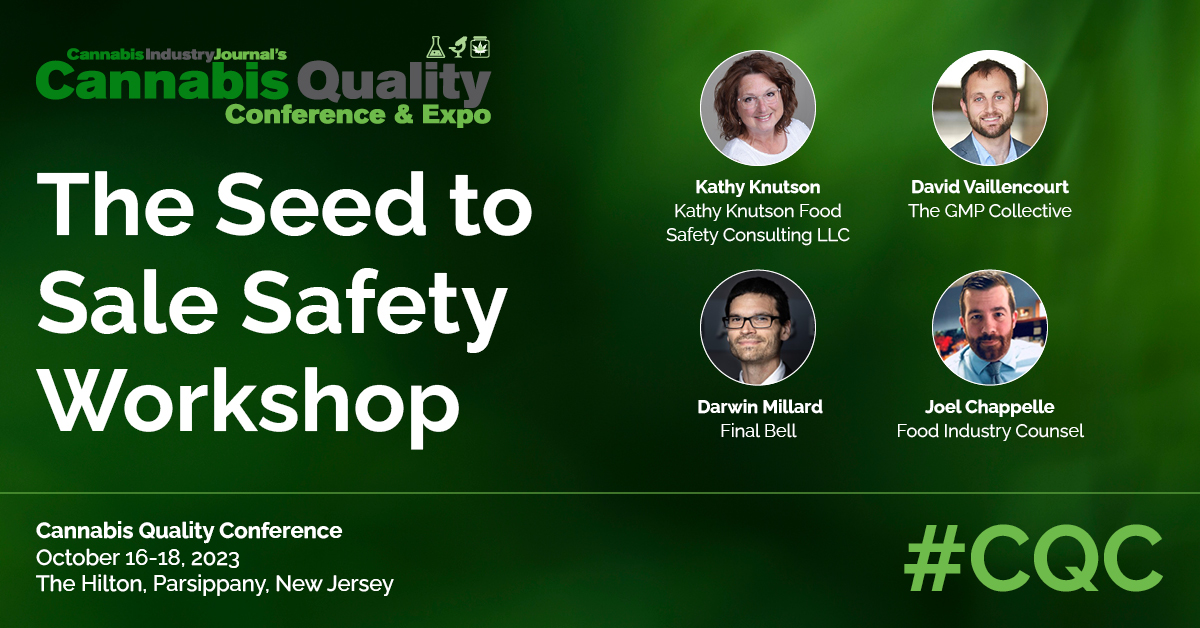
The Seed to Sale Safety Workshop
Food Safety Auditor Training
CP-FS Credential Review Course
The Food Safety Culture Design Workshop
The conferences will run all day Tuesday, October 17 and throughout Wednesday, October 18. The full agenda is expected to be announced in the coming weeks. Notable speakers include:
Tahir Johnson, Founder, Simply Pure
Steven M. Schain, Esquire, Attorney at Smart-Counsel, LLC
Jay Czarkowski, Founding Partner, Canna Advisors
Michael Kramer, Quality Assurance Director, Wana Brands
Casey Leaver, Director of Regulatory Compliance, Vicente LLP
Sumer Thomas, Director of Regulatory Affairs
Rachel Wright, Managing Partner, ABFinWright
Ernest Toney, Founder, BIPOCann
Victor Guadagnio Jr., Co-Founder, Canna Remedies NJ
The Cannabis Quality Conference and the Food Safety Consortium are co-located this year, taking place in the same venue and at the same time. Registered attendees get full access to both conferences.
Registration options are available for full conference passes for both the Cannabis Quality Conference and the Food Safety Consortium as well as all pre-conference workshops.
Event Hours
Monday, October 16: Pre-conference workshops, 8 am – 6:30 pm (ET)
Cannabis Industry Journal is a digital media community for cannabis industry professionals. We inform, educate and connect cannabis growers, extractors, processors, infused products manufacturers, dispensaries, laboratories, suppliers, vendors and regulators with original, in-depth features and reports, curated industry news and user-contributed content, and live and virtual events that offer knowledge, perspectives, strategies and resources to facilitate an informed, legalized and safe cannabis marketplace.
About the Cannabis Quality Conference & Expo
The Cannabis Quality Conference & Expo is an educational and networking event for the cannabis industry that has cannabis safety, quality and regulatory compliance as the foundation of the educational content of the program. With a unique focus on science, technology, safety and compliance, the “CQC” enables attendees to engage in conversations that are critical for advancing careers and organizations alike. Delegates visit with exhibitors to learn about cutting-edge solutions, explore three high-level educational tracks for learning valuable industry trends, and network with industry executives to find solutions to improve quality, efficiency and cost effectiveness in the evolving cannabis industry.
Dr. Kathy Knutson, Principal, Kathy Knutson Food Safety Consulting LLC
Have you implemented GMPS? Do you have a quality management system headed by a dedicated Quality Manager? Yes! Great! Then you know that quality management is never done, and you desire continuous improvement. The cannabis industry will always have Good Manufacturing Practices (GMPs) along with Good Agricultural Practices, Good Laboratory Practices, and Good Distribution Practices from seed to sale. Beyond GMPs is the writing and implementing of a hazard analysis, preventive controls, and a recall plan for the manufacture of edibles. It’s what the food industry does in writing a food safety plan, and the cannabis-infused edibles industry is expected to do the same with an edible safety plan. As the cannabis industry continues to lead ahead of federal regulation, assessing hazards at your facility is the next step. This presentation will introduce you to the importance of a hazard analysis and prepare you to perform a hazard analysis of processing steps.
How to Create a Bulletproof Food Safety Plan: Supplier Controls & Other Preventative Strategies
Matt Regusci, Technical Director, CSQ
Food safety is the bare minimum in a quality and safety program for plant touching businesses in cannabis, and yet it is constantly being overlooked. One important element of a food safety plan in this industry is implementing proper supplier controls, considering whether your suppliers and/or Contract Manufacturers are including a 2nd or 3rd party auditing program in their standardization of processes. This is a crucial step for MSOs, because although brands aim to do everything they can to ensure the product remains consistent across borders, there’s no guarantee that each manufacturing facility will adhere to the same Good Manufacturing Practices (GMPs) as in your own facility. Why does this matter? At the end of the day, if your company has to undergo a recall due to a mishap in one of the partner facilities, this reflects badly on the entire brand, not the individual facility. According to long-time food safety expert Matt Regusci, when it comes to navigating safety & quality- quality is a mere strategy, but food safety is a requirement. During this discussion, Regusci will share insights to help brands craft a food safety plan, while keeping the entire supply chain in mind.
Mitigating Potency Loss in Cannabis Infused Beverages
Dr. Harold Han, Chief Science Officer & Co-Founder, Vertosa
THC and CBD are prone to losing potency when infused into beverages, leading to unknown cannabinoid concentrations and thus unpredictable effects for the end user — in other words, a brands’ worst nightmare. In this session, Harold will discuss the drivers behind scalping through packaging and oxidation reactions in the manufacturing process for cannabis-infused beverages. He will reference Vertosa’s studies on how antioxidants and the materials used to fabricate can liners affect cannabinoid potency over time, outlining the materials and additives most effective at mitigating cannabinoid potency loss holistically for longer shelf-life. Harold will end the session by explaining why consistent, stable products are vital in ensuring consumer safety and building a responsible cannabis industry.
Innovative Publishing Company, Inc., the publisher of Cannabis Industry Journal has announced the return of the Cannabis Quality Conference (CQC), taking place October 16-18, 2023 at the Hilton in Parsippany, New Jersey. Presented by Cannabis Industry Journal, the CQC is a business-to-business conference and expo where cannabis industry leaders and stakeholders meet to build the future of the cannabis marketplace.
“New Jersey and the surrounding cannabis markets welcomed the CQC with open arms in 2022 and we’re excited to come back to North Jersey and expand on what we have built,” says Aaron Biros, editor of Cannabis Industry Journal and director of the Cannabis Quality Conference. “In addition to the sessions on cannabis quality, lab testing and infused products manufacturing, we will host sessions on the quality of business, strategic operational considerations and more.” The CQC is seeking abstracts for presentations and posters to be considered for the event. Click here to see the call for abstracts.
In addition to the two full days of cannabis education and programming, pre-conference workshops designed to address safety and compliance in cannabis edibles will take place on October 16. Also new to this year’s event is a strategic co-location with the Food Safety Consortium (FSC) running at the same time and in the same space as the CQC, allowing for food safety and cannabis professionals to meet and share best practices.
“We are bringing two great conferences together under one roof,” says Rick Biros, president of Innovative Publishing and director of the Food Safety Consortium. “The Food Safety Consortium will continue its strategic meeting of the minds format, but we are complementing that with the practical, boots-on-the-ground Food Safety Hazards track. Co-location with the CQC allows attendees to take advantage of additional education on product testing and quality assurance in the burgeoning cannabis market, as well as preconference workshops delving into infused product safety and compliance that will appeal to both food safety and cannabis professionals.”
Click here to stay up to date on lodging, early bird pricing, keynote announcements and more. All of these events will take place October 16-18, 2023 at the Hilton in Parsippany, New Jersey. For sponsorship and exhibit inquiries, contact RJ Palermo, Director of Sales, and Chelsea Patterson, Account Executive. Stay tuned for more information and when registration opens.
About Cannabis Industry Journal
Cannabis Industry Journal is a digital media community for cannabis industry professionals. We inform, educate and connect cannabis growers, extractors, processors, infused products manufacturers, dispensaries, laboratories, suppliers, vendors and regulators with original, in-depth features and reports, curated industry news and user-contributed content, and live and virtual events that offer knowledge, perspectives, strategies and resources to facilitate an informed, legalized and safe cannabis marketplace.
About the Cannabis Quality Conference
The Cannabis Quality Conference is an educational and networking event for the cannabis industry that has cannabis safety, quality and regulatory compliance as the foundation of the educational content of the program. With a unique focus on science, technology, safety and compliance, the “CQC” enables attendees to engage in conversations that are critical for advancing careers and organizations alike. Delegates visit with exhibitors to learn about cutting-edge solutions, explore three high-level educational tracks for learning valuable industry trends, and network with industry executives to find solutions to improve quality, efficiency and cost effectiveness in the evolving cannabis industry.
Potency Inflation: The Problem, the Causes and the Solutions
Sarah Otis, Quality, R&D Manager, Anresco Laboratories
Erik Paulson, Ph.D., Lab Manager, InfiniteCAL
THC potency inflation by third-party testing labs has been an escalating feature of the cannabis industry since its legalization. In California, market forces and lack of regulation have allowed potency inflation to intensify in both its flagrancy and its pervasiveness, particularly within the last year. Two third-party testing labs in California, InfiniteCAL and Anresco, discuss how the industry got to this point, the different methods that labs use to inflate potency, and steps that can be taken to combat it.
TechTalk: Avivatech
Shawn Kruger, Senior Vice President of Product & Strategy, Avivatech
The Laboratory Information Landscape in Cannabis Testing
James Brennan, Sales & Marketing Specialist, LabWare
Eugene Olkhov, Data Scientist, LabWare
This presentation will guide attendees through the data continuum in modern cannabis testing laboratories supported by various software solutions. The presenters will describe the business and regulatory benefits of laboratory informatics and system deployment options, challenges, and financial considerations.
The current flow of cannabis testing data
An overview of informatics solutions for cannabis testing labs
Laboratory informatics and regulatory compliance
The impact of digital transformation on cannabis testing data
TechTalk: MilliporeSigma
Cannabis Testing Regulations & Implications for Environmental Monitoring
Sarah Powell Price, Regulatory Expert for Food Safety & Cannabis for North America, MilliporeSigma
Anne Connors Weeks, Senior Field Marketing Manager, MilliporeSigma
Cannabis testing requirements are continuously evolving, as are analyte detection capabilities. This presentation provides a high level overview of the latest US cannabis testing regulatory landscape and how environmental monitoring is an essential component of safety and compliance planning.
Jason Vegotsky, Chief Executive Officer, Petalfast
Current cannabis distribution models make it hard for emerging cannabis beverage brands to launch and scale their businesses successfully. Instead, the wine & beverage sector could provide a model that would allow these brands to build relationships with retailers, foster competition, and improve brand diversity for consumers. In this presentation, Jason Vegotsky will delve into the cannabis sales and distribution model, examine how current models hurt emerging brands and products, and analyze how other CPG models, specifically in food & beverage industries, can be applied to cannabis to build relationships and improve sales.
Track-and-Trace Technology: Building Resilience in the Cannabis Supply Chain
Michael Johnson, CEO, Metrc
Building resilience in supply chains is a goal for all parties involved in a given market. Governments have an interest in protecting the health of consumers while safeguarding the flow of goods; businesses want to stay compliant while efficiently moving products; and consumers want and should expect that the products they buy are safe and effective. With heightened awareness around transparency and consumer safety in the cannabis industry, track-and-trace technologies have been central to building broad trust by ensuring more secure supply chains. In this presentation, Michael Johnson will discuss how these tools will continue to be deeply transformational in the sector.
Improve Your Operations through Cannabis Industry Analytics – CannaSpyGlass Sponsored Tech Talk
Adam Hutchinson, Co-Founder, CannaSupplyGlass
As new markets legalize and additional business licenses are distributed, competition between cannabis operators is intensifying in every stage of the supply chain from seed-to-sale. It is now tougher than ever to carve out a piece of this increasingly saturated market and cannabis operators aiming to succeed must incorporate industry analytics into their decision-making process. With data analytics, cannabis is no longer an industry of trial and error, and in this session, cannabis operators will learn how to obtain and utilize data analytics to improve their businesses and sustain long-term growth.
Quality and Safety and the Edibles Supply Chain
Steven Gendel, Ph.D., Principal, Gendel Food Safety
As the number and variety of cannabis and hemp-containing edibles continues to increase, the supply chains for these products have become complex and diverse. This means that manufacturers must understand how to develop and apply supply chain controls that protect consumers and ensure product quality and safety. For example, a simple cannabis-infused baked product might contain more than 20 non-cannabis ingredients sourced from multiple suppliers. The manufacturer of this product must ensure that each of these ingredients meets specifications every time a new batch or lot is received and used. Unfortunately, there is little guidance available to the cannabis industry (especially those who are not familiar with food manufacturing) on how to identify and evaluate supply chain risks or on what controls will be most effective in mitigating these risks. This talk will look at the steps that cannabis manufacturers can take to evaluate their supply chain, monitor and control identified risks, and respond to changes in the industry landscape.
The cannabis supply chain has pitfalls and landmines that can severely hurt a business if navigated improperly. The balance between branding, packaging, growing, distribution, testing, and quality is difficult to achieve. If one of aforementioned topics fails to deliver, it can mean huge financial losses or the death of a brand. In this presentation, we will cover how managing cash flow throughout the supply chain is critical to running a successful operation. There will be several case studies in improperly managed supply chains and their consequences on the balance sheet. There will also be an exploration of what the ideal supply chain would look like in the California market, how that correlates to other adjacent industries, and how it manifests into liquidity.
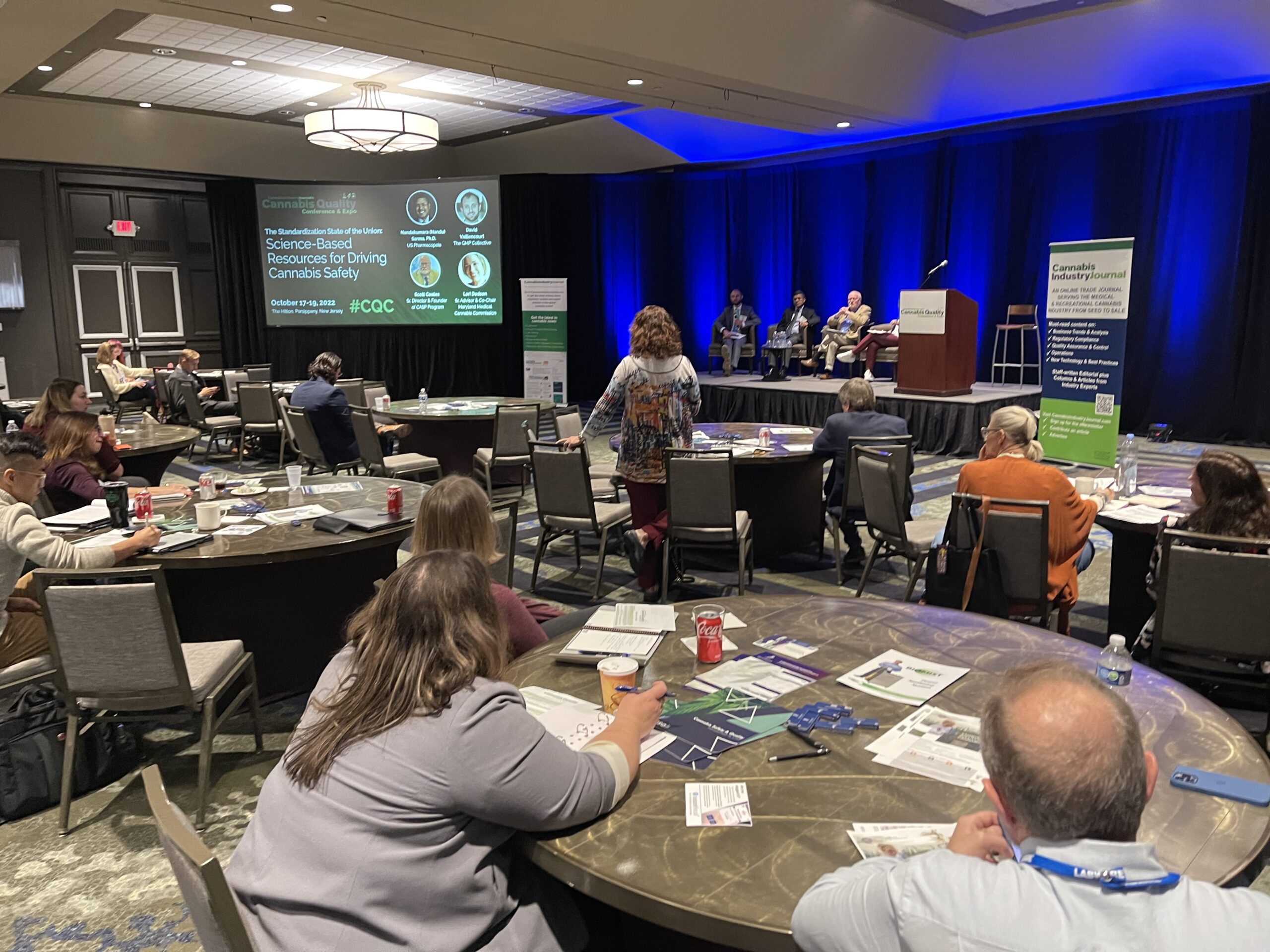
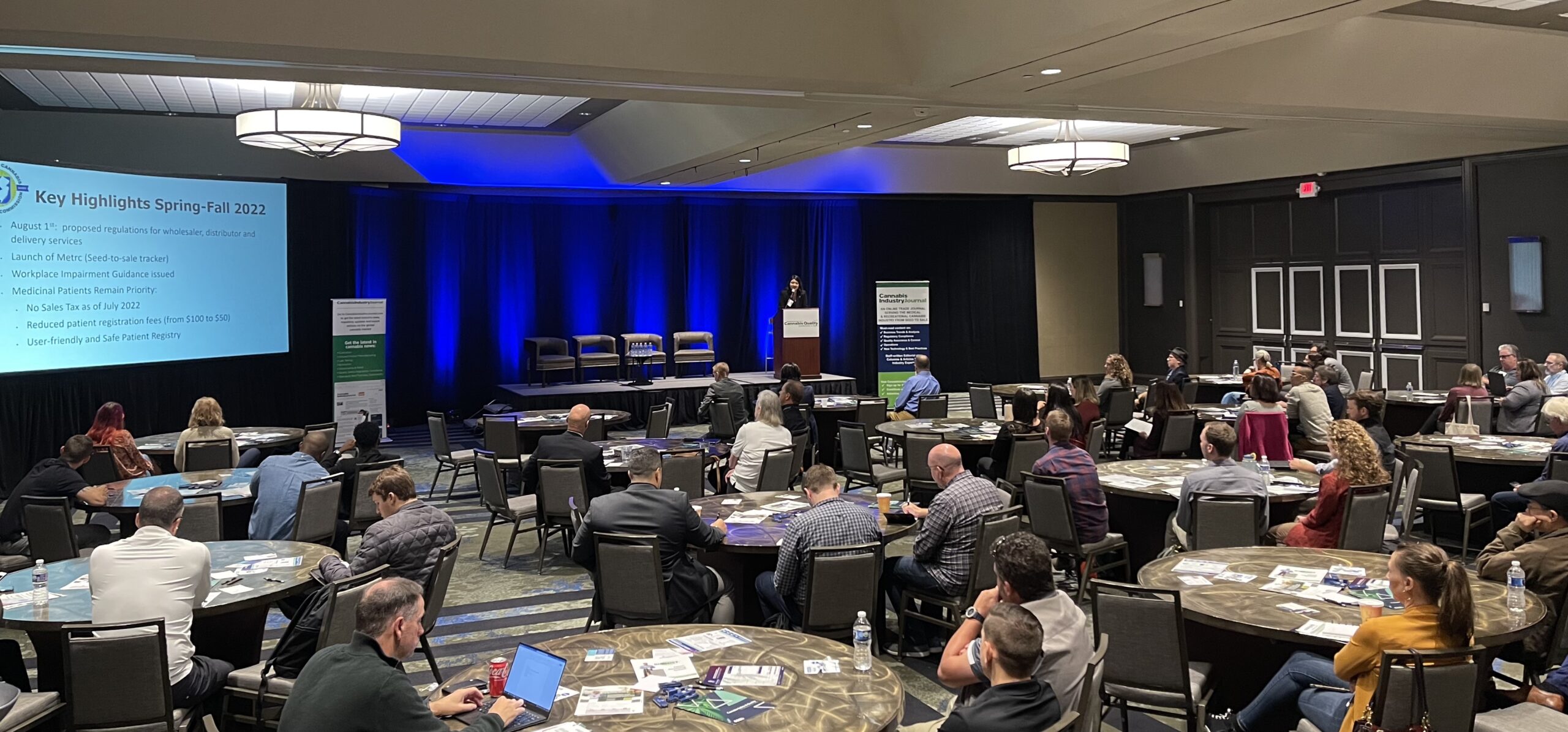
PARSIPPANY, NJ, October 17-19, 2022 – The Cannabis Quality Conference & Expo (CQC) took place in New Jersey last week. The agenda featured three tracks of educational talks, panel discussions, keynotes and breakout sessions.
Highlights from the 2022 CQC
At this year’s event, the conference featured three different keynote presentations, each on different days as well as Lunch & Learn sessions, led by Matthew Anderson, CEO of Vanguard Scientific. He sat down with two experts in cannabis law for interviews during the lunch hour on Tuesday, October 18.
Investigations & Enforcement: A Former Federal Prosecutor’s Perspective
Matthew Anderson spoke with Barak Cohen, Chair of the Cannabis Industry Group at Perkins Coie, to discuss federal investigations, Justice Department prosecutions and white-collar offenses.
Compliance is Key: Best Practices for Your New Jersey Cannabis Business
Anderson interviewed Casey Leaver, Director of Regulatory Compliance at Vicente Sederberg, to discuss compliance culture, quality controls, New Jersey regulations and more.
Commissioner Maria Del-Cid Kosso takes the stage on Monday
The conference began on October 17 with a keynote presentation led by Commissioner Maria Del Cid-Kosso of the New Jersey Cannabis Regulatory Commission. Commissioner Del Cid-Kosso highlighted the progress the state has made so far with respect to cannabis legalization as well as their goals for the future of the state’s new market.
On the second day of the CQC, Toi Hutchinson, President & CEO of The Marijuana Policy Project, kicked things off with an inspiring keynote discussion where she discussed racial disparities in the industry, social equity, progress and reform efforts.
What People Are Saying About The 2022 CQC
Below are some testimonials we found from this year’s event:
Toi Hutchinson delivers her keynote presentation on Tuesday
“What set the Cannabis Quality Conference apart from many others was the intentionality and focus on high value substance from the presentations.”
“Once again, excellent panels today at the CQC here in Jersey! Have I mentioned how much I love to learn? This industry is forever evolving and being able to observe and watch it roll out from infancy in New Jersey has been tremendous.”
“What an informative and motivating event!”
“I feel fortunate to have been in attendance for such inspiring, informative and REAL discussions being had by industry experts from all across the country.”
“It was so great to listen, meet and speak with so many industry influencers!”
Coming Soon For 2023
After a successful event in New Jersey, the conference begins its planning for next year. The Cannabis Quality Conference & Expo will be returning to New Jersey in 2023. Stay tuned for important announcements, like the dates and location, coming soon.
Scenes From The 2022 CQC
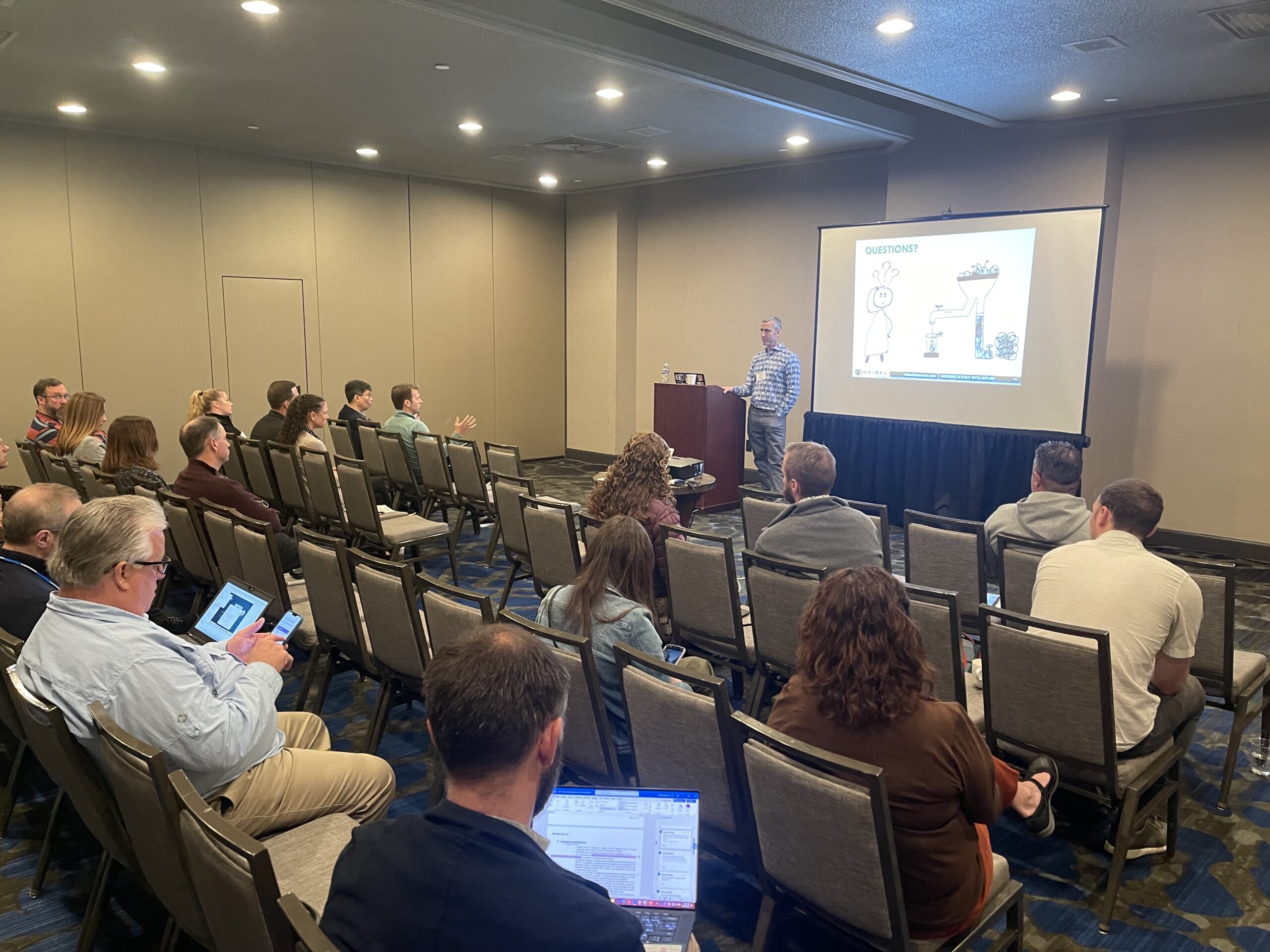
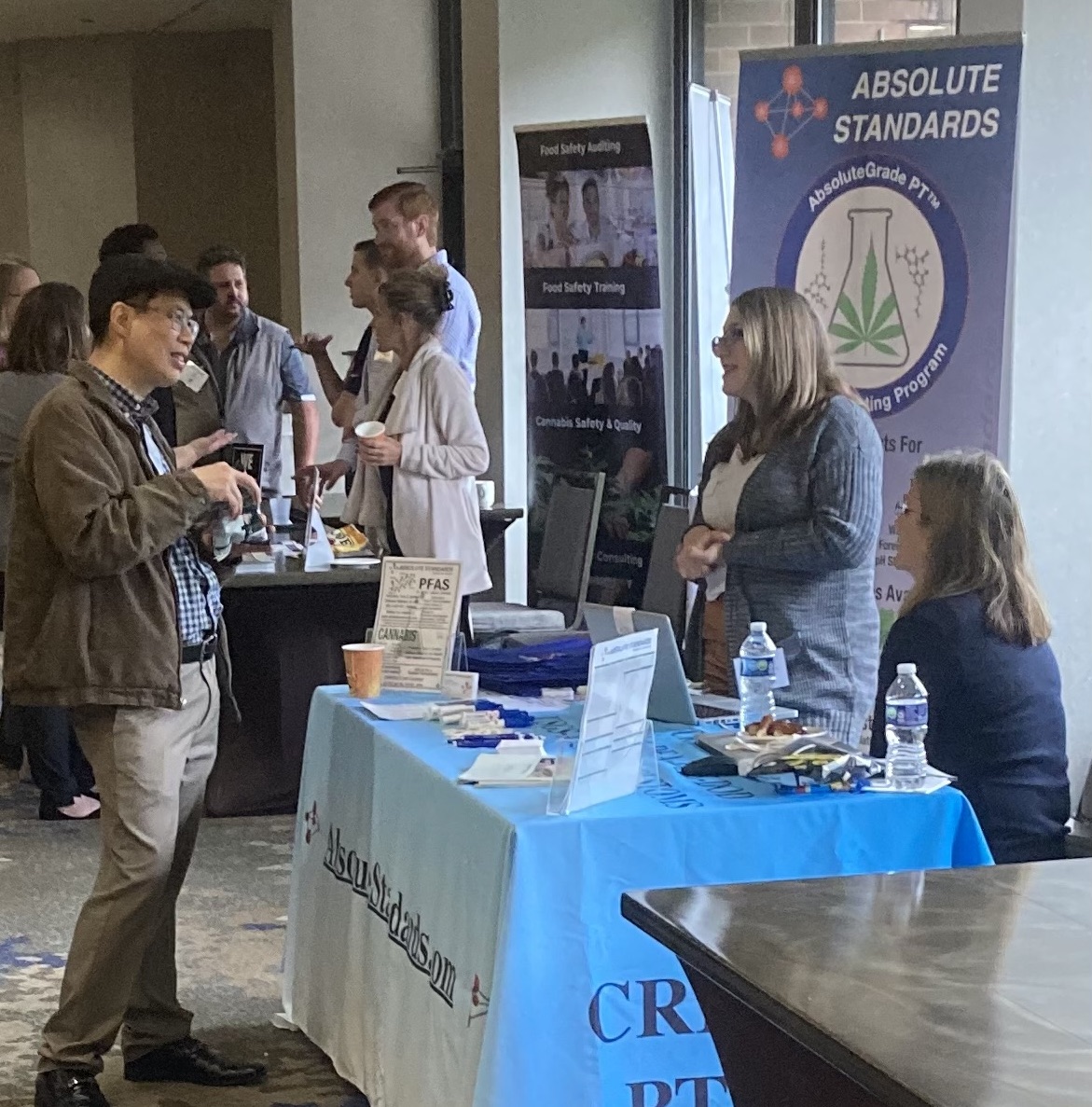
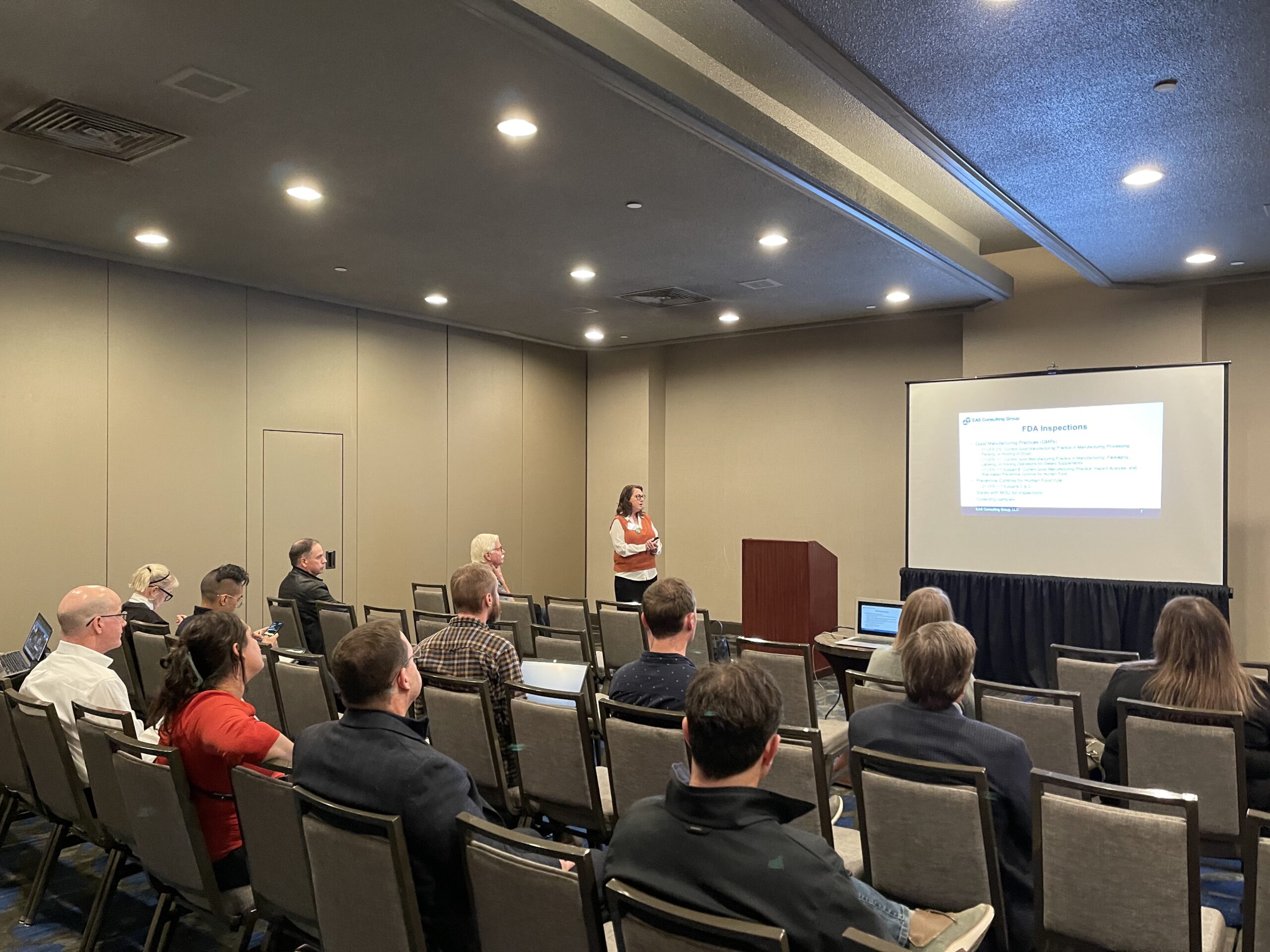
Below are some snapshots of what this year’s CQC had to offer.
About Cannabis Industry Journal
Cannabis Industry Journal is a digital media community for cannabis industry professionals. We inform, educate and connect cannabis growers, extractors, processors, infused products manufacturers, dispensaries, laboratories, suppliers, vendors and regulators with original, in-depth features and reports, curated industry news and user-contributed content, and live and virtual events that offer knowledge, perspectives, strategies and resources to facilitate an informed, legalized and safe cannabis marketplace.
About the Cannabis Quality Conference & Expo
The Cannabis Quality Conference & Expo is an educational and networking event for the cannabis industry that has cannabis safety, quality and regulatory compliance as the foundation of the educational content of the program. With a unique focus on science, technology, safety and compliance, the “CQC” enables attendees to engage in conversations that are critical for advancing careers and organizations alike. Delegates visit with exhibitors to learn about cutting-edge solutions, explore three high-level educational tracks for learning valuable industry trends, and network with industry executives to find solutions to improve quality, efficiency and cost effectiveness in the evolving cannabis industry.
This website uses cookies so that we can provide you with the best user experience possible. Cookie information is stored in your browser and performs functions such as recognising you when you return to our website and helping our team to understand which sections of the website you find most interesting and useful.
Strictly Necessary Cookies
Strictly Necessary Cookie should be enabled at all times so that we can save your preferences for cookie settings.
We use tracking pixels that set your arrival time at our website, this is used as part of our anti-spam and security measures. Disabling this tracking pixel would disable some of our security measures, and is therefore considered necessary for the safe operation of the website. This tracking pixel is cleared from your system when you delete files in your history.
We also use cookies to store your preferences regarding the setting of 3rd Party Cookies.
If you disable this cookie, we will not be able to save your preferences. This means that every time you visit this website you will need to enable or disable cookies again.