Tag Archives: Focus Article

How ESOPs Can Save Cannabis Businesses A Ton of Money While Doing Good

By Darren Gleeman
No Comments

What most people don’t realize is that there is an entirely legal, proven way to increase a company’s profit margins. It’s called an Employee Stock Ownership Plan, or ESOP.

In cannabis, it sometimes feels like every financial conversation ends the same way: “If not for 280E, we’d be thriving.” That line gets repeated in boardrooms and investor decks across the country, and for good reason. Section 280E has choked margins, slowed growth, and kept great operators from building real wealth.

What most people don’t realize is that there is an entirely legal, proven way to increase a company’s bottom line. It’s called an Employee Stock Ownership Plan, or ESOP.

The problem is that when people in cannabis hear “ESOP,” they often imagine a maze of red tape, confusing tax rules, and loss of control. Some think it sounds too good to be true. Others assume it’s only for Fortune 500 companies.

None of that is accurate. ESOPs have been part of U.S. tax law for fifty years. They’ve been tested, audited, and refined by Congress and the IRS many times over. What’s new is how we’re applying them to cannabis.

Let’s separate fact from fiction.


Myth #1: ESOPs Are Too Complex for Cannabis Businesses

Fact: ESOPs aren’t complicated; they’re structured.

Complex doesn’t mean chaotic. The ESOP process is built on structure—specific steps, professional oversight, and a framework that’s been refined for decades. Cannabis operators already deal with licensing, banking, and compliance frameworks that make ESOP implementation look simple by comparison.

With the right team of advisors, setting up an ESOP is no more difficult than selling to a private equity group. The difference is that an ESOP retains the value within your company, rather than transferring it to outside investors.


Myth #2: You’ll Lose Control of Your Company

Fact: ESOPs are designed to be flexible. You decide how and when ownership changes hands.

An ESOP doesn’t take your company away overnight. It lets you sell shares over time, at your pace, while continuing to lead. You remain the CEO, set the strategic direction, and determine when, or if, you step back. Employees become shareholders, but they don’t manage the business day-to-day.


Think of it as succession planning with stability built in. You can gradually transfer ownership without losing control of what you built.


Myth #3: ESOPs Don’t Deliver Fair Market Value

Fact: The law requires ESOPs to pay fair market value, which independent valuation firms verify.

When you sell to an ESOP, the price is based on the same valuation principles used in mergers and acquisitions. There’s no “friends and family” discount. And because ESOPs qualify for capital gains deferral under Section 1042, sellers often end up with more after-tax value than they would in a traditional sale.

You’re selling to your employees, not giving the business away. The transaction adheres to the same financial standards as any other corporate transaction.


Myth #4: ESOPs Create Too Much Debt

Fact: ESOP debt is paid with pre-tax dollars, and it pays for itself, and if the company is 100% owned by an ESOP, the company pays zero income taxes

Unlike conventional debt, ESOP loans are self-liquidating. The company makes contributions to the ESOP trust, deducts them from taxable income, and those contributions repay the loan.

In cannabis, that’s a game changer. Under 280E, many companies lose 60 percent of their profits to taxes. With an ESOP, those profits stay in the business. The Gleeman Model eliminates the 280E burden entirely. With tax pressure lifted, operators can shift their focus from survival to strategy. The money that once went to the IRS can now be used to fund expansion, new equipment, or well-deserved bonuses for their teams.


Myth #5: ESOPs Only Work for Big Companies

Fact: Most ESOPs are small to mid-sized, founder-led businesses.

Across the U.S., the average ESOP company has between 50 and 200 employees. These are construction firms, food producers, and professional services businesses, not global corporations. They succeed because ESOPs align ownership with culture, giving employees a vested interest in the company’s success.

Cannabis companies with EBITDA exceeding $ 2.5 million are ideal candidates. These firms are entrepreneurial, closely held, and value legacy and employee retention. Those are the companies that benefit most from employee ownership.


Myth #6: Employees Can’t Handle Ownership

Fact: Ownership doesn’t mean management. It means alignment.

ESOP participants don’t vote on business strategy or day-to-day operations. They hold shares in a trust and earn value as the company’s value increases. That structure provides employees with a tangible reason to care about the company’s performance. When people have a genuine stake in the outcome, they pay closer attention to quality, take ownership of their work, and seek ways to improve efficiency.


Myth #7: ESOPs Don’t Work in Highly Regulated Industries

Fact: ESOPs were created to function in regulated environments.

They fall under the oversight of the Department of Labor and the IRS, and every plan undergoes an annual valuation and compliance review. In contrast to the constantly changing rules in cannabis, ESOPs offer a level of structure and predictability that’s rare in this industry.

They’ve worked for defense contractors, banks, and utilities—sectors with far tighter oversight than cannabis. The framework is clear, tested, and fully compliant with federal standards.


Myth #8: Selling to Private Equity Is Easier

Fact: Private equity is not necessarily faster, and it often comes at the cost of your culture.

Selling to private equity usually means an aggressive timeline, leveraged buyouts, and a complete change in leadership. ESOPs, on the other hand, let founders exit gradually, keep jobs local, and preserve the company’s mission.

Private equity is designed for short-term return. ESOPs aren’t built for quick wins. They’re built to last. The best structure for you comes down to what kind of business you want to leave behind and who you want it to serve when you’re gone.


Myth #9: ESOPs Don’t Offer Real Tax Benefits

Fact: No other ownership model comes close.

A 100 percent ESOP-owned S-Corporation pays no federal or state income tax. Ever. Sellers can defer capital gains indefinitely. Combined, these two features make ESOPs the most tax-efficient structure available.

For cannabis operators paying crushing 280E rates, that’s not a minor advantage; it’s a survival strategy. Freeing up that much cash flow can double profitability and open the door to expansion or acquisitions that once felt impossible.


Myth #10: ESOPs Are “Too Good to Be True”

Fact: They’re underused and misunderstood.

Thousands of American companies are owned by an ESOP, which, together, employs more than 14 million people. Think Publix, W.L. Gore, or New Belgium Brewing. All are proof that when employees share in ownership, companies tend to last longer and grow stronger.

The only reason ESOPs sound extraordinary is that most cannabis owners have never seen one in practice. However, the model has already been proven in more than 10 cannabis companies.


The Bottom Line

ESOPs aren’t a tax trick or an accounting loophole. They’re the product of decades of bipartisan legislation designed to reward broad ownership and long-term growth.

Skepticism is understandable, especially in cannabis, where operators are constantly warned to avoid anything that sounds unconventional. But in this case, the “too good to be true” option is actually the one most deeply rooted in U.S. law.

For business owners still battling the 280E tax, ESOPs are no longer a fringe idea. They’re a lifeline. They transform a broken tax environment into an advantage, align teams through shared ownership, and enable founders to exit with both wealth and integrity intact.

Ignoring ESOPs isn’t cautious; it’s costly. The facts are there. The framework is legal. The opportunity is real.

The question now isn’t whether ESOPs work. It’s whether the cannabis industry is ready to use them.

You can hear Darren Gleemans’ full interview on the Innovating Cannabis Podcast to dive deeper into ESOPS.

Cannabusiness Sustainability

Why Franchises Could Be the Golden Ticket for Social Equity Entrepreneurs

The cannabis industry is a fertile ground for aspiring entrepreneurs, holding the promise of a modern-day gold rush. Yet beneath the surface of opportunity lies a minefield of obstacles. Success requires navigating a steep learning curve, managing high operational costs, and mastering a complex supply chain that spans cultivation, manufacturing, consumer packaged goods (CPG), retail, finance, and strict regulatory compliance.

As of today, 40 states have legalized medical marijuana, and 24 states have legalized adult-use. Many of these states have prioritized giving Black and Brown communities, disproportionately harmed by the war on drugs, the chance to participate as dispensary owners. They’ve introduced social equity licensing programs, grants, and funding opportunities designed to level the playing field. Unfortunately, despite the good intentions, no state has yet launched a truly successful social equity program. New York’s rollout, in particular, has been marred by delays, lawsuits, and a lack of adequate support for license holders.

Despite the focus on prioritizing social equity entrepreneurs, the issues of inexperience, undercapitalization, and limited access to resources still need to be solved. These weaknesses create a high risk of business failure, making venture capital firms hesitant to invest in such ventures. A potential solution lies in franchising—a model that can provide a blueprint for success and the operational support to reduce failure rates, while also making cannabis investments more attractive to institutional and private investors.


The Benefits of a Retail Operational Blueprint

A cannabis franchise offers entrepreneurs an accelerated path to market by providing turnkey support. A franchisor supplies comprehensive resources, including:

  • Retail site selection and lease negotiations
  • Store design and build-out assistance
  • Initial and ongoing training programs for staff and management
  • Standardized operating procedures (SOPs) and compliance frameworks
  • Technology stacks (POS, e-commerce integration, track-and-trace systems)
  • Marketing and branding support rooted in consumer research
  • Vendor and supply chain relationships to ensure consistent, quality product flow

For new operators, this guidance eliminates many common pitfalls and shortens the learning curve. Franchisees step into a proven system, benefiting from brand recognition, operational discipline, and shared best practices.


Why Cannabis Franchises Make Sense

Cannabis retail faces unique challenges compared to traditional industries. Franchising can help overcome them:

1. The Unique Shopping Experience                              For first-time consumers, visiting a dispensary can feel intimidating. From security check-ins to navigating hundreds of unfamiliar products with the guidance of budtenders, the process can be overwhelming for new customers. A franchise ensures a consistent retail experience by training staff to educate and guide consumers, fostering customer loyalty, and building trust in the brand.

2. Adapting to Rapid Product Evolution                                                                          The cannabis product landscape changes faster than most consumer categories. Cultivators constantly rotate new strains into the market, novel cannabinoids (like THCV and CBG) are gaining traction, and new delivery systems, from solventless concentrates to nanoemulsion THC beverages, continue to emerge. A single dispensary may struggle to keep up with these trends, but a franchise leverages data from multiple locations to predict consumer demand and optimize inventory.

3. Navigating the Dispensary Technology Stack                                                  Dispensaries operate within a specialized tech ecosystem, featuring seed-to-sale tracking, compliance reporting, CRM systems, digital menus, and marketing platforms that must comply with advertising restrictions. Choosing the wrong software can be costly and disruptive. Franchises streamline this by standardizing their tech stack across locations, saving franchisees the trial-and-error process.

4. Meeting High-Security Requirements                                                                  Cannabis retailers must operate like high-security facilities. State-mandated vaults for product storage, video surveillance systems, onsite security guards, and cash-only operations (due to limited access to banking) make security both costly and complicated. Franchises reduce risk by providing tried-and-true protocols for safeguarding cash and inventory.

5. Ensuring Compliance in a Highly Regulated Industry                                  Compliance violations are among the fastest ways to lose a license. Cannabis retailers must adhere to strict regulations regarding packaging, labeling, advertising, delivery, consumption lounges, and track-and-trace systems. Non-compliance can result in severe fines or a permanent shutdown. By joining a franchise, operators gain access to dedicated legal and compliance teams who track evolving laws across multiple jurisdictions. This lowers the cost of legal services and dramatically reduces regulatory risk.


Easing the Path to Capital

Access to capital remains one of the biggest hurdles in cannabis. Traditional bank loans are rare, and investors are cautious due to the sector’s volatility. A franchise model eases this barrier by offering:

  • Proven systems and financial performance data that reduce investor risk.
  • Scalable retail expansion opportunities that appeal to venture firms and private equity.
  • Institutional credibility through established brands makes lenders more comfortable underwriting loans.


Challenges for Cannabis Franchisors

While franchising offers clear advantages for operators, it’s not without challenges. Only a handful of cannabis franchisors exist today, and some early attempts have failed due to the complexities of operating across multiple states, each with its own licensing rules, ownership caps, and compliance hurdles.

Two companies leading the charge are Sweet Spot Farms and Curio Wellness’ Far & Dotter, each approaching the franchise model in distinct ways.

  • Sweet Spot Farms has taken a cannabis-first approach, focusing exclusively on dispensary retail. With franchisees already operating in four states and more expansion underway, the company emphasizes a consistent retail experience, standardized operating procedures, and brand trust built directly around cannabis. Their success demonstrates that a disciplined, tightly controlled model can scale even in fragmented markets.
  • Far & Dotter, developed by Maryland-based MSO Curio Wellness, takes a broader health-and-wellness approach. In addition to cannabis retail, the franchise concept incorporates holistic services such as massage therapy, acupuncture, and natural health products. This wellness-forward positioning aims to destigmatize cannabis, attract new customer demographics, and differentiate Far & Dotter from dispensaries that focus strictly on THC sales.
  • Buds Place has yet to open its consumption lounge model, but is eyeing Michigan as its first state because of its more favorable cannabis laws compared to other states. Ron Silberstein, CFO, has been in the franchise industry since 1999 and believes the cannabis industry is the next great frontier for franchising opportunities.

The existence of these two models highlights both the opportunities and the complexities of franchising in the cannabis industry. Sweet Spot Farms shows how a cannabis-focused franchise can scale through disciplined operations, while Far & Dotter demonstrates how expanding the consumer experience beyond cannabis can open doors to new markets and investors. Both face the challenge of adapting their systems to varied state regulations while keeping brand consistency across locations.

Unlocking Potential Through Franchising

The cannabis industry is brimming with opportunity, but breaking in and building a sustainable business remains a daunting task. Franchising provides a proven roadmap that mitigates risk, accelerates growth, and increases access to capital. By offering operational blueprints, established brand trust, compliance expertise, and consumer insights, cannabis franchises create a supportive ecosystem for entrepreneurs.

Just as importantly, franchising can help advance social equity goals. By providing new entrepreneurs, especially those disproportionately affected by prohibition, a structured, proven path to success, franchising can democratize opportunities while attracting the investor capital the industry desperately needs.

If cannabis is the modern-day gold rush, franchising may well be the map that ensures more entrepreneurs strike success.

How Cannabis Moves Around the World: Inside the Global Supply Chain

By Pam Chmiel
No Comments

Global cannabis trade is well underway as legalized countries move forward to establish a supply chain infrastructure in a newly formed and rapidly evolving industry. At the forefront of transportation logistics is Cannabilog, an Israeli company led by pharmaceutical industry veteran Yoram Eshel. In an interview, he shared his playbook for building a compliant, efficient, and scalable supply chain for global cannabis import and export trade.


The Complex Web of Global Cannabis Trade Regulations

According to Eshel, not surprisingly, the global cannabis trade hinges on regulatory compliance and requires expertise to manage the movement of products across continents. Unlike pharmaceuticals, where harmonized frameworks such as those of the European Union apply across borders, cannabis regulations differ drastically from country to country.

Some nations permit imports, while others ban them entirely. Even within importing countries, the rules vary by product category. “Some will allow flower, others only oil or genetics,” Eshel explains. “It’s never a simple straight line.”

Every aspect of the supply chain requires specific licensing under narcotics laws, from cultivation and storage to import and export. Adding to the challenge is the constant evolution of these laws. For example, Thailand initially embraced its booming local market and export-friendly policies, but the new government abruptly switched course and limited cannabis use to medical purposes only. In addition, Thai producers seeking to export face roadblocks because European authorities do not recognize their local GACP certifications, which are based on “Good Cultivation and Harvesting Practices for Medicinal Plants.”

Eshel emphasizes that failing to keep pace with changing laws can be costly.


“If you export cannabis products to another country and they can’t clear customs, the shipment is destroyed. There’s no way back.”


Medical Cannabis Must Meet Pharmaceutical Standards

The second major pillar of the international cannabis trade is adherence to pharmaceutical-grade standards. “Governments treat medical cannabis as a medicine,” says Eshel. “It’s exactly like Tylenol or any other drug.”

Even though cannabis has not gone through the traditional drug registration process, regulators treat it as a pharmaceutical product, which means it must comply with strict Good Distribution Practice (GDP) requirements. That includes temperature control, data logging, and rigorous quality management throughout the supply chain. Every shipment is audited and must be approved by a Qualified Person (QP) on the receiving end before entering the market. If any quality parameters are unmet, the product is rejected.

Logistics providers like Cannabilog must operate under EU GDP certification and maintain pharmaceutical-grade systems and documentation. “We are audited constantly,” Eshel says.

The difference between the medical and recreational markets often catches producers off guard, especially those in countries like Canada, which has a more recreational mindset, similar to that of the US. “When you move into the medical space,” Eshel notes, “you suddenly need temperature-controlled vehicles, validated packaging, and specialized labeling. It requires training and experience.”

Globally, countries such as Germany, Australia, and Israel classify cannabis exclusively as a medical product. “It’s not even close to recreational,” Eshel stresses. “And in most countries, recreational use is still illegal and requires special licensing.”


Managing Cold Chain Logistics

After navigating complex regulations and meeting pharmaceutical-grade standards, the final piece of the international cannabis trade puzzle, says Eshel, is execution.


“You can have your licenses, your permits, your quality system, but if you don’t execute correctly, everything can fail.”


Execution means maintaining control over every step, including packaging, labeling, documentation, temperature regulation, and secure transportation. Shipments must move through carefully selected routes using temperature-controlled vehicles, warehouses, and flights, with continuous monitoring to ensure product integrity is preserved. In some countries, even armed escorts are required for security.

Eshel explains that cannabis logistics is not one-size-fits-all. Each product type, including genetics, flower, and concentrates, has unique handling and storage protocols. For instance, cannabis clones present one of the most challenging forms of transport. “Most clones are unrooted,” he says. “From the moment you cut them from the mother plant, you have three to four days to keep them alive. That requires special packaging, rapid shipping, and customs clearance to get them back into water in time.”

Temperature management is another major operational challenge. Most global regulators require cannabis products to be stored and transported between 59 °F and 77 °F, known in the pharmaceutical world as Controlled Room Temperature (CRT). In the United States, many recommend that temperatures should not exceed 70 °F for optimal cannabis preservation. Eshel clarifies that maintaining actual CRT conditions demands active temperature monitoring and specialized packaging, not just insulated boxes.

For every shipment, Cannabilog conducts a route risk assessment to evaluate potential environmental extremes along the supply chain. Eshel cites the example of shipments from Canada to Australia, where opposite seasons create complex thermal risks.


“Winter in Canada is summer in Australia, making temperature management a challenge from continent to continent; you have to plan for that,” he says.


To minimize exposure, Cannabilog uses pharma-grade airline partners that store and handle products under strict temperature conditions and prioritize loading and unloading to reduce time on the tarmac. Each shipment includes data loggers that record temperature throughout transit.


“If there’s an excursion outside the allowed range,” Eshel notes, “the products are rejected.”


European regulators, he adds, tend to enforce these standards more rigorously than their U.S. counterparts. While the United States has many GMP-certified cannabis facilities, most are not EU-GMP certified, which limits their ability to export to Europe when the time comes, even though the differences are not that big.

Eshel contrasts this with Canada, where much of the market remains recreational. While medical exporters adhere to strict temperature control and quality management, domestic recreational products are often transported under looser conditions.


“You can’t count on the weather,” he says. “Temperature management is part of the medical cannabis infrastructure.”


The Last Mile in Cannabis Preservation

Most of Cannabilog’s shipments are from a cultivation or production facility to a licensed wholesaler or distribution center, rather than directly to pharmacies.


“We verify that every facility we deliver to is properly licensed and has temperature-controlled storage,” Eshel says.


Cannabilog provides insurance coverage for every shipment, including losses related to temperature excursions or other transport issues. However, ultimate product responsibility remains with the manufacturer, much like in the pharmaceutical industry.


“If something goes wrong, it’s the manufacturer’s duty to investigate, and if needed, issue a recall,” Eshel explains.


Each transfer of custody, whether at the port, airport, or distribution warehouse, marks a shift in responsibility defined by the buyer-seller agreement. Still, Eshel stresses that all parties must adhere to Good Distribution Practices (GDP) and maintain detailed documentation, including lab tests and Certificates of Analysis (COAs), to ensure transparency and traceability.

Without mandatory cold-chain standards, products are often transported in “hot trucks,” leading to product degradation. Eshel agrees: “The last mile is often the weakest link in the supply chain infrastructure as the industry strives to build a cold chain custody from seed to sale.”

Even last-mile deliveries must be temperature-controlled. The difference, Eshel says, comes down to mentality. “In Europe, it’s purely medical. There’s no confusion between recreational and medical use, so cannabis is treated just like any other medicine.”


IICPS universal symbol

Don’t Reinvent the Wheel: A Tour of ASTM Standards for Cannabis – Part 1

By Bethany Moore, David Vaillencourt
No Comments
IICPS universal symbol

In the realm of consumer safety, minimum standards form a critical safety net that allows businesses and regulators alike with necessary guidelines. From our food and medicines, railroad tracks to bicycle helmets, crayons to cribs, standards are everywhere. Knowing where the lanes are and how to move inside of them provides the structure needed to guide manufacturers forward. And the cannabis and hemp industry is no exception. Why would it be?

In this series of articles, we will explore specific ASTM International standards that have already been developed and published by its Committee on Cannabis (commonly referred to by its Committee designation number – D37). With a frustrating lack of federal clarity, states are increasingly adopting these standards directly into their rules — and for good reason! These standards have gone through an extensive and rigorous process of achieving consensus, adhering to the principles set out by the World Trade Organization to reduce technical barriers to trade. These principles cover openness, balance, and transparency, and are one of many reasons why ASTM standards are confidently adopted into regulations by the US Federal Government. It is no wonder state regulators are increasingly leaning into those standards with confidence when creating rules and regulations for operators in the cannabis industry.

There are numerous benefits to standards adoption, including taking the guesswork out of the “how,” and streamlining operations, particularly when companies wish to scale up and expand. To provide color and context to the fuzzy world of standards, we will include insights from ASTM committee members who were involved in the hands-on process of standards development, including Kim Stuck of Allay Consulting, Dr. David Nathan of D4DPR (Doctors For Drug Policy Reform), and Dr. John DeVries.

“ASTM has been around for over a century, and it is common practice for governments to adopt the standards that have been written by their committees. It takes so much time and effort to put together standards to create safe and consistent products that it just makes sense for governments to adopt already written standards from a trusted source such as ASTM rather than spending the time and money writing a set of their own that will most likely mirror the ASTM standards. The cannabis standards that we have been developing since 2017 have also been written by experts in the industry so that no corner of the industry will be left unregulated,” said Kim Stuck of Allay Consulting, a strategic partner of The GMP Collective, and a participating member of the ASTM D37 Cannabis Committee.

“The process that ASTM uses has been proven to create the most well-rounded and consistent standards, and I am proud to be a part of the process,” Stuck continued. “ASTM International plays a pivotal role in the cannabis industry by providing comprehensive, science-based standards that guide the production, testing, and distribution of cannabis products. The development and implementation of these standards ensure consistent quality, safety, and efficacy across the industry, fostering trust among consumers, regulators, and industry stakeholders.”

HACCP Systems

The same program that was developed by the US Army, NASA, and Pillsbury to keep astronauts from getting sick in outer space is arguably one of the best standards for any cannabis operator to implement in their own operation. The Subcommittee on Quality Management Systems (D37.02) realized and did just that, developing the HACCP System standard, which provides general guidance for implementation in order to prevent, control, or minimize hazards (biological, chemical, or physical) to an acceptable level. The standard can be accessed by anyone with an active ASTM membership, or purchased individually for just $63. As of publication, this standard has been adopted in 3 states, including Oklahoma where it is recommended, New Mexico where it is required for medical applications, and Colorado, which is required as of July 2024 for growers who want a microbial-reduced testing allowance.

“Regarding the specific HACCP (Hazard Analysis and Critical Control Points) standard I was involved in developing, its application in the cannabis industry establishes a proactive approach to identifying, evaluating, and controlling potential hazards throughout the production and distribution process. This standardization is vital for ensuring product safety, quality assurance, and compliance with regulatory requirements.

“HACCP helps the industry minimize risks and prevent contamination, leading to safer products for consumers. By implementing these standards, businesses can provide greater transparency and build consumer confidence in their products. This, in turn, supports the industry’s growth and fosters a safer marketplace while also mitigating risk and preventing costly recalls and fines.

“Regulators and lawmakers rely on such standards because they offer a structured and consistent framework for assessing safety and quality in the industry. Having robust, science-based standards like HACCP helps establish clear benchmarks for producers to meet, ensuring consumer safety and facilitating effective regulation and enforcement. By adhering to these standards, the cannabis industry can gain legitimacy and support from both regulators and consumers,” added Stuck.

Universal Symbol

The most symbolic standard published by the D37 Cannabis Committee is just that: a valuable consumer-facing symbol recommended for use on the packaging of any consumer product that may contain a level of intoxicating cannabinoids. The symbol can be stamped onto edibles like gummies and chocolate, and/or included on packaging. The standard solves an issue that came out of the patchwork regulatory systems from state to state, where each state, upon rolling out rules and regulations, essentially made it up as they went along, developing their own symbols due to not being able to point to a universal standard. This symbol now exists, paving the way for a streamlined process as new states legalize cannabis for medical or adult use.

Dr. David Nathan, Founder and Past President of D4DPR, was a key leader in the development of this standard which is already in adoption across multiple states. “The International Intoxicating Cannabinoid Product Symbol (IICPS) is a harmonized, universal cannabis product symbol that was developed and approved as consensus standard ASTM D8441 by ASTM International through a unanimous vote of over 200 professionals and experts from the public and private sectors. The National Technology Transfer and Advancement Act (NTTAA) mandates federal use of consensus standards, so the IICPS is poised to become the national cannabis product symbol when cannabis is legalized at the federal level,” Dr. Nathan said. The standard can be accessed through ASTM membership or purchased for a fee of $55.

Since its introduction in 2022, the IICPS has already been incorporated into the universal symbol of four U.S. states: Montana, South Dakota, New Jersey, and Vermont, and has been proposed in recent rulemaking in the State of Arkansas. Several other states are currently considering its adoption,” Dr. Nathan explained.

IICPS universal symbol
Above: International Intoxicating Cannabinoid Product Symbol (IICPS)

In 2023, 22 organizations representing public health, social justice, patient, consumer, and industry advocacy groups signed an open letter to regulators in the United States and around the world supporting universal adoption of the IICPS. If all states where cannabis is legal were to adopt this new standard moving forward, the result would be a significant time and cost savings in the long-run for companies who wish to expand across state lines. The symbol is clear, recognizable, and adheres to international interpretations based on color, shape, and other symbology factors. These factors were evaluated by a robust consumer research study to verify the effectiveness and intent of the symbol which was discussed in a webinar available on demand here.

To understand the impacts of many of the current symbols used in different states, written testimony submitted to the New York Office of Cannabis Management titled “A Symbolic Failure of Cannabis Regulation,” provides a colorful example. In it, Dr. Nathan states the following:

“The OCM symbol requires four-color printing, which is expensive. In a regulatory space intended to right the wrongs of the failed War on Drugs, the OCM symbol creates a barrier to entrepreneurs from historically oppressed communities who lack the capital to invest in costly packaging.

“The OCM symbol also violates numerous consensus standards, which are technical specifications issued by standards organizations like NIST, ASTM, and ISO. They are developed in an open environment to ensure public safety and promote best practices through collaboration by expert volunteers in the public and private sectors. Standards organizations have flourished since the 19th century, and their standards apply to everything from airplanes to zippers.”

Water Activity Controls

Dr. Jonathan DeVries, who provides food science services in regulatory and litigation matters, was the technical contact involved in developing the first two ASTM cannabis standards — developed to control water activity in cannabis flower that directly impacts both safety and quality of the product.

Dr. DeVries explained: “The first two methods adopted by ASTM committee D37 on Cannabis were ASTM D8196 Standard Practice for Determination of Water Activity (aw) in Cannabis Flower and ASTM D8197 Standard Specification for Maintaining Acceptable Water Activity (aw) Range (0.55 to 0.65) for Dry Cannabis Flower Intended for Human/Animal Use. During the early life stages of ASTM D37, cannabis growers, processors, and users stressed the importance of controlling the water activity of cannabis flower for safety and quality. All involved were generally aware that if the water activity was too high, microorganism growth, particularly mold, would damage the flowers rendering them unsafe (to say nothing of unpalatable). Similarly, cannabis flower that had a water activity that was too low (i.e the cannabis was too dry) could lead to dissatisfaction by the ultimate consumer because of handling losses due to fragility, loss of terpenes due to volatiles losses due to high burn temperatures during smoking, and unduly harsh characteristics of the smoke.” Both of those standards can be accessed through ASTM membership or purchased for a fee.

“Controlling the water activity to this range also is very logical during analysis, regulation, and commerce. Cannabis, properly dried and cured, then controlled to water activity 0.55 to 0.65 will exhibit very little variation in weight due to moisture change (controlling to a water activity range is typically more effective than controlling moisture directly) or loss or key volatiles that are part of the cannabis experience.

“As the technical contact for ASTM D8196 and D8197, I was always impressed with the ASTM processes, and of course, I was also impressed by the eagerness and willingness of those involved in providing safe, high-quality cannabis to be engaged in the process and share their extensive knowledge and experience to produce the optimum standard to meet the need.”

A Collaborative Effort

With more than 50 standards produced and published by the D37 Committee on Cannabis at ASTM, and another 50 more currently in development, there’s great opportunity to take the guesswork out of everything from Quality Management Systems, to Devices & Appliances, to Personnel Training, Assessment & Credentialing, and everything in between.

Stay tuned for the evolution of this article series, where we will explore more of these standards in order to understand their impact on ensuring consumer safety and streamlining what has been a chaotic patchwork of imperfect regulations and practices across the industry. By embracing standardized protocols and best practices, stakeholders can enhance transparency, build trust with consumers, and foster a more robust and sustainable cannabis market. Through collaboration and adherence to these evolving standards, we can pave the way towards a safer and more accountable cannabis and cannabinoid industry for all.

Cannabis Quality Conference & Expo logo

Registration Opens for 2023 Cannabis Quality Conference

By Cannabis Industry Journal Staff
No Comments
Cannabis Quality Conference & Expo logo

May 4, 2022 – Registration for the Cannabis Quality Conference & Expo (CQC), taking place October 16-18 at the Hilton Parsippany in New Jersey, is now open.

The agenda will feature breakout sessions, keynotes and panel discussions that will help attendees better understand the cannabis markets in the region and provide insights on best practices and business strategies. The conference will begin with a number of pre-conference workshops on Monday, October 16:

  • The Seed to Sale Safety Workshop
  • Food Safety Auditor Training
  • CP-FS Credential Review Course
  • The Food Safety Culture Design Workshop

The conferences will run all day Tuesday, October 17 and throughout Wednesday, October 18. The full agenda is expected to be announced in the coming weeks. Notable speakers include:

  • Tahir Johnson, Founder, Simply Pure
  • Steven M. Schain, Esquire, Attorney at Smart-Counsel, LLC
  • Jay Czarkowski, Founding Partner, Canna Advisors
  • Michael Kramer, Quality Assurance Director, Wana Brands
  • Casey Leaver, Director of Regulatory Compliance, Vicente LLP
  • Sumer Thomas, Director of Regulatory Affairs
  • Rachel Wright, Managing Partner, ABFinWright
  • Ernest Toney, Founder, BIPOCann
  • Victor Guadagnio Jr., Co-Founder, Canna Remedies NJ

The Cannabis Quality Conference and the Food Safety Consortium are co-located this year, taking place in the same venue and at the same time. Registered attendees get full access to both conferences.

Registration options are available for full conference passes for both the Cannabis Quality Conference and the Food Safety Consortium as well as all pre-conference workshops.

Event Hours

  • Monday, October 16: Pre-conference workshops, 8 am – 6:30 pm (ET)
  • Tuesday, October 17: 8 am – 6:30 pm (ET)
  • Wednesday, October 18: 8 am – 3 pm (ET)

Tabletop exhibits and custom sponsorship packages are available. For sponsorship and exhibit inquiries, contact RJ Palermo, Director of Sales, and Chelsea Patterson, Account Executive.

About Cannabis Industry Journal 

Cannabis Industry Journal is a digital media community for cannabis industry professionals. We inform, educate and connect cannabis growers, extractors, processors, infused products manufacturers, dispensaries, laboratories, suppliers, vendors and regulators with original, in-depth features and reports, curated industry news and user-contributed content, and live and virtual events that offer knowledge, perspectives, strategies and resources to facilitate an informed, legalized and safe cannabis marketplace.

About the Cannabis Quality Conference & Expo

The Cannabis Quality Conference & Expo is an educational and networking event for the cannabis industry that has cannabis safety, quality and regulatory compliance as the foundation of the educational content of the program. With a unique focus on science, technology, safety and compliance, the “CQC” enables attendees to engage in conversations that are critical for advancing careers and organizations alike. Delegates visit with exhibitors to learn about cutting-edge solutions, explore three high-level educational tracks for learning valuable industry trends, and network with industry executives to find solutions to improve quality, efficiency and cost effectiveness in the evolving cannabis industry.

Cannabis Quality Conference Dates, Location Announced

By Cannabis Industry Journal Staff
No Comments

Innovative Publishing Company, Inc., the publisher of Cannabis Industry Journal has announced the return of the Cannabis Quality Conference (CQC), taking place October 16-18, 2023 at the Hilton in Parsippany, New Jersey. Presented by Cannabis Industry Journal, the CQC is a business-to-business conference and expo where cannabis industry leaders and stakeholders meet to build the future of the cannabis marketplace.

“New Jersey and the surrounding cannabis markets welcomed the CQC with open arms in 2022 and we’re excited to come back to North Jersey and expand on what we have built,” says Aaron Biros, editor of Cannabis Industry Journal and director of the Cannabis Quality Conference. “In addition to the sessions on cannabis quality, lab testing and infused products manufacturing, we will host sessions on the quality of business, strategic operational considerations and more.” The CQC is seeking abstracts for presentations and posters to be considered for the event. Click here to see the call for abstracts.

In addition to the two full days of cannabis education and programming, pre-conference workshops designed to address safety and compliance in cannabis edibles will take place on October 16. Also new to this year’s event is a strategic co-location with the Food Safety Consortium (FSC) running at the same time and in the same space as the CQC, allowing for food safety and cannabis professionals to meet and share best practices.

“We are bringing two great conferences together under one roof,” says Rick Biros, president of Innovative Publishing and director of the Food Safety Consortium. “The Food Safety Consortium will continue its strategic meeting of the minds format, but we are complementing that with the practical, boots-on-the-ground Food Safety Hazards track. Co-location with the CQC allows attendees to take advantage of additional education on product testing and quality assurance in the burgeoning cannabis market, as well as preconference workshops delving into infused product safety and compliance that will appeal to both food safety and cannabis professionals.”

Click here to stay up to date on lodging, early bird pricing, keynote announcements and more. All of these events will take place October 16-18, 2023 at the Hilton in Parsippany, New Jersey. For sponsorship and exhibit inquiries, contact RJ Palermo, Director of Sales, and Chelsea Patterson, Account Executive. Stay tuned for more information and when registration opens.

About Cannabis Industry Journal 

Cannabis Industry Journal is a digital media community for cannabis industry professionals. We inform, educate and connect cannabis growers, extractors, processors, infused products manufacturers, dispensaries, laboratories, suppliers, vendors and regulators with original, in-depth features and reports, curated industry news and user-contributed content, and live and virtual events that offer knowledge, perspectives, strategies and resources to facilitate an informed, legalized and safe cannabis marketplace.

About the Cannabis Quality Conference

The Cannabis Quality Conference is an educational and networking event for the cannabis industry that has cannabis safety, quality and regulatory compliance as the foundation of the educational content of the program. With a unique focus on science, technology, safety and compliance, the “CQC” enables attendees to engage in conversations that are critical for advancing careers and organizations alike. Delegates visit with exhibitors to learn about cutting-edge solutions, explore three high-level educational tracks for learning valuable industry trends, and network with industry executives to find solutions to improve quality, efficiency and cost effectiveness in the evolving cannabis industry.

Department Stores for Cannabis: The CEOs of Remedy on Cannabis Retail

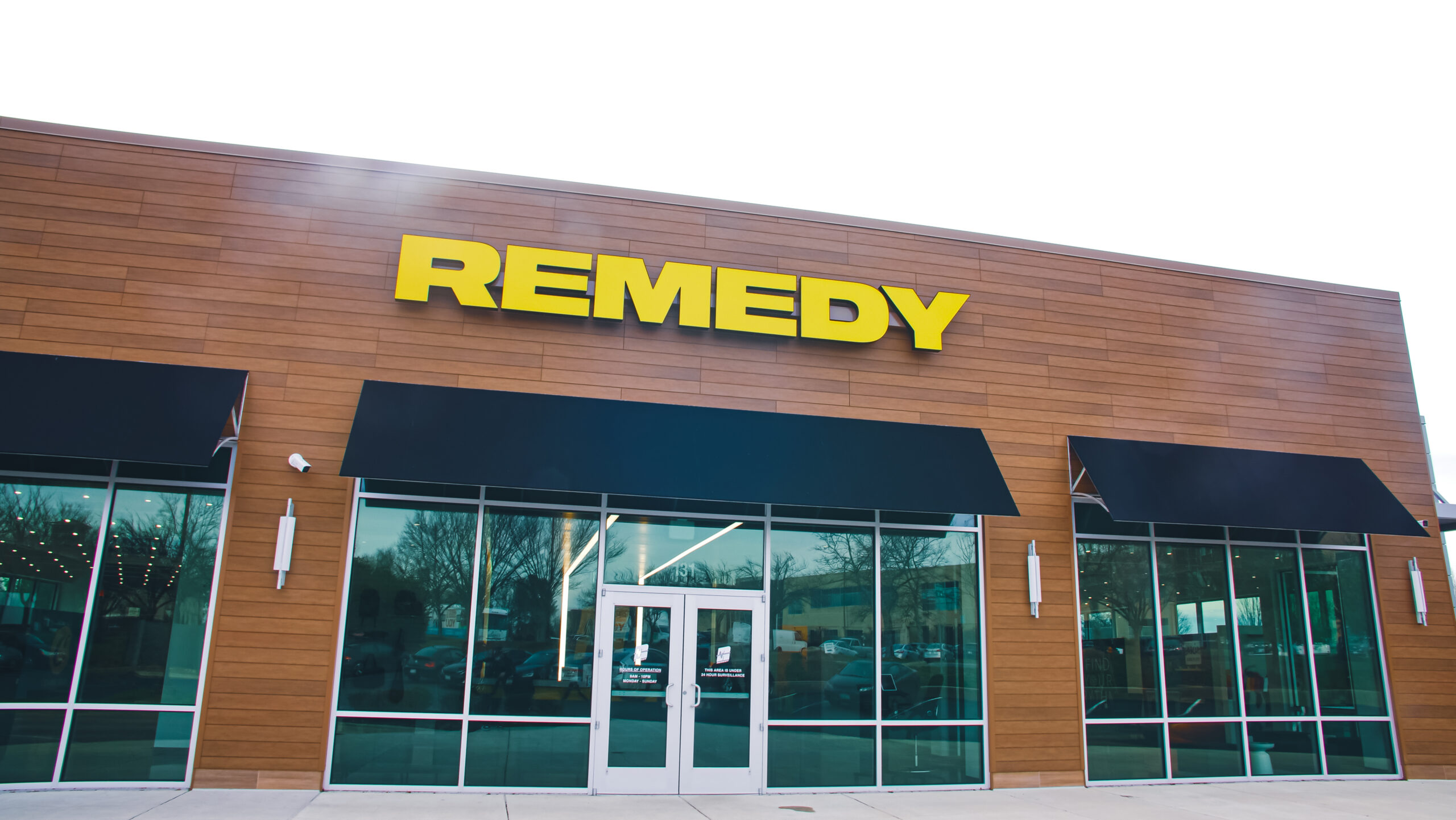
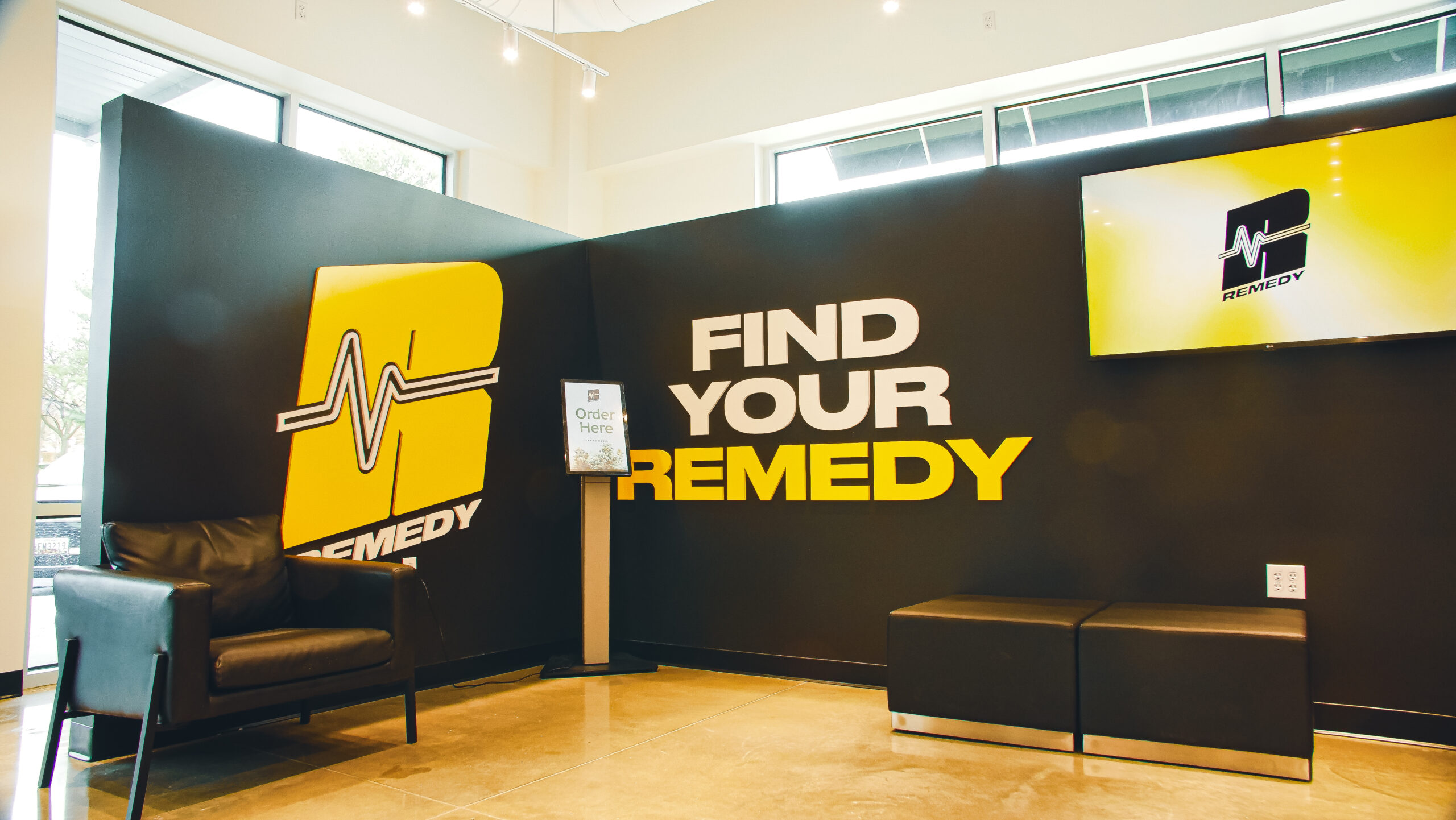
Remedy currently has two locations, one in Baltimore and one in Columbia, Maryland. The first thing you notice at these dispensaries are the large parking areas. When you step inside, you’re greeted by an entrance that is less like a waiting room and more like a lounge.

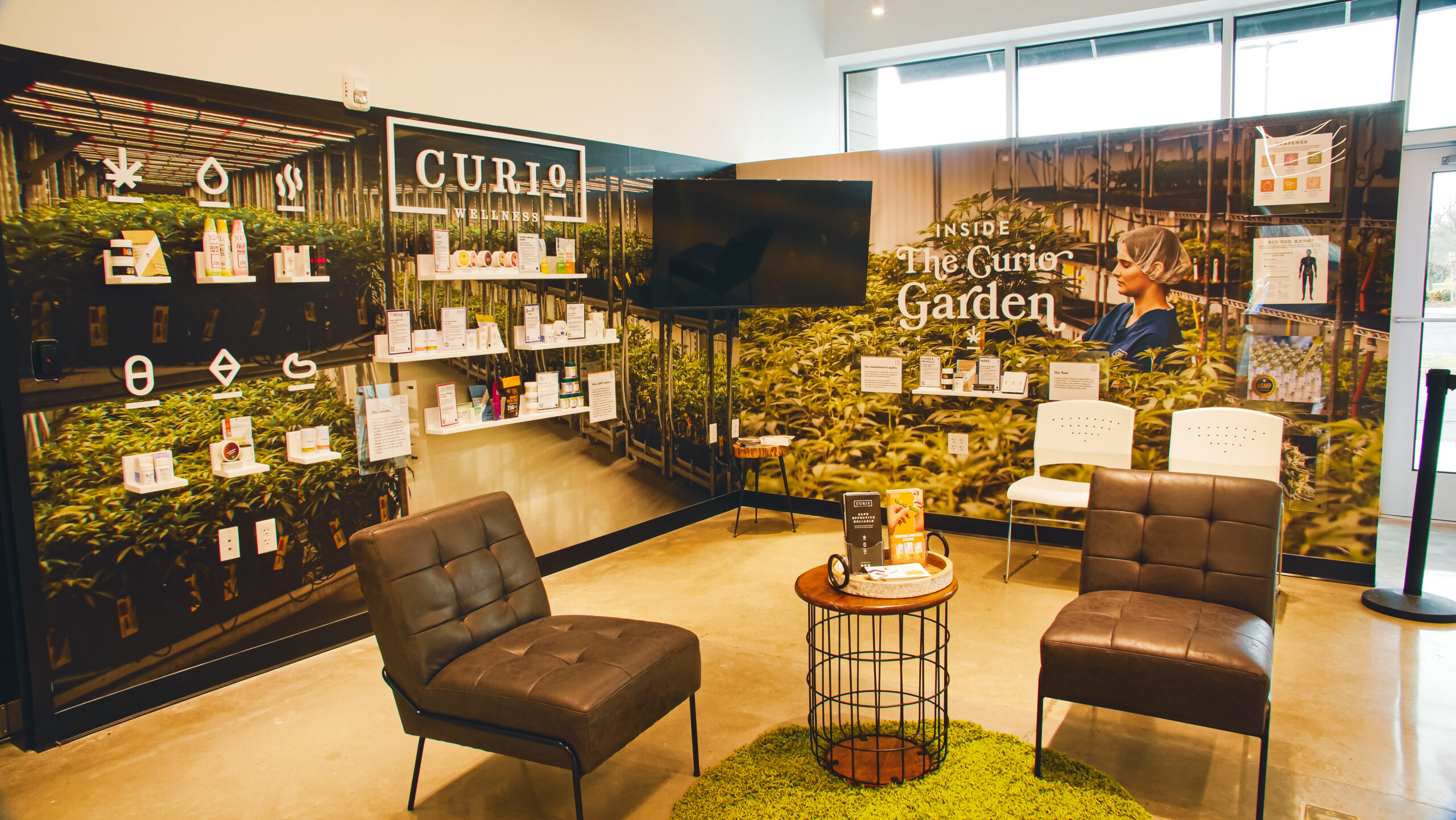
Their massive open floor plans offer space for brands to have their own area, akin to branded counters in traditional department stores. Remedy has partnerships with big cannabis brands like Cookies, Curio Wellness, Holistic, Rhythm, Trulieve, Green Thumb Industries and others for this reason: to create the “store within a store” feel.

We met Mitch Trellis and Brandon Barksdale, co-CEOs of Remedy, in Las Vegas last year. After hearing about their ideas and vision for the future of cannabis retail, we followed up with them for an interview.

Cannabis Industry Journal: Give us some brief background on your company. How did Remedy get to where it is today?

Mitch Trellis, Co-Founder & Co-CEO of Remedy

Mitch Trellis: I have been a patient and consumer since 1994. I have always loved and respected the plant. I spent much of my career on Wall Street, but really I’ve been an entrepreneur most of my life. I started looking at the cannabis space for my next venture. 2014 was a very exciting time for cannabis with a lot of other states were coming online around that time. Colorado had legalized adult use and California had been going for a while. I was looking for an opportunity to jump into the space. Maryland wrote a very progressive law legalizing the plant for medical use, marking the first time on the East Coast where cannabis could be prescribed for pain.

I saw some real business opportunities there so I reach out to my business partner, Blaize Connelly-Duggan, whose family has a long history working with alternative medicine. We were both born and raised in Columbia, Maryland. About a year after coming up with the idea, we submitted an application for a fully vertical license. We did not win the growing or processing license, but we found out we had won a dispensary license.

We decided to move forward in late 2016. We opened in December of 2017 and we just had our five-year anniversary of operating a dispensary in the state of Maryland. We have seen over 30,000 individual patients and we’ve done around 45 million retail sales over that time. We are on a good pace right now with our two stores, each of which we call “superstores” with around 10,000 square feet of space. We have built some pretty interesting retail experiences, what we call our in-store ad network. We are a little different than other dispensaries; we’re not going for the Starbucks or corner store model.

Brandon Barksdale: I came from professional services. I was in a management consulting practice and a leader within our cannabis industry advisory group. We were working with clients on performance management, business improvement and organizational maturity that would help drive operational excellence within complex compliance and legislative landscapes.

Brandon Barksdale, Co-CEO of Remedy

The clients that I had spanned over a lot of different states, so I think a lot of my initial experience comes from California in 2015 and 2016. Outside of consultancy, I stepped into operations within a vertically-integrated cannabis operation in Colorado. From there I gained the full breadth of experience in understanding the business from cultivation to manufacturing to retail. We were also operating on both sides of the market, medical and adult use. This put me at a little bit of an advantage for new markets coming online, understanding the economics and how things would play out, you know, history repeats itself, just faster and faster.

I met Mitch and Blaze through a mutual acquaintance and we shared a lot of the same vision and thoughts for where the industry was heading locally in Maryland and nationally. Ultimately, I came on board in an advisory capacity and then joined the team full time.

CIJ: Tell us more about this Nordstrom business model. What brand partnerships are you developing and how is your idea different from the traditional dispensary?

Mitch: We have basically built a platform for the brand and vendors to interact with the patients and the customers. There is a big gap between the two and we operate as a conduit between the two. In that plan, we need to have spaces for each individual brand to interact with the consumer, which is why we have such large floor plans. Brands set up semi-permanent stores within our store, almost like pop ups. Right now, on our floor we have Trulieve, Holisitic, GTI, Curio, Cookies, Sunmed and 2 or 3 more coming. That’s the equivalent of the Sephora and Nike in Nordstrom.

A Curio Wellness pop-up within a Remedy dispensary

We have a handful of our own brands we are working on bringing to the state of Maryland, which is kind of like those generic brands you see, like Nordstrom Rack or a 365 brand in Whole Foods. So, it is a more traditional retail model than what you might think of in the cannabis market.

People ask us, ‘well, what do you do differently?’ And really, we try not to do things differently. We try to do things like regular retail. At the end of the day, it’s about the experience, the price, the convenience, customer service, simple retail stuff.

The Curio product offering

Brandon: The differentiator that separates us from other dispensaries is that retail experience. On our floor, we have a massive amount of brand power coming from the strongest Maryland supplies and household brands entering Maryland from other thriving markets. From there, it’s really just about driving the patient and adult consumer experience, helping them come in and learn about brands, what makes them different, what drives their quality, price, etc. Ultimately it allows brands to present themselves the way they intended. That in itself is enough of a unique experience. Then it’s about execution. What we hope as we come into a new adult use market while we continue to support the medical market is that there will be a way for patients and consumers alike to learn about more products, wider brand selection and learn what best aligns with their values, their experience and the overall value proposition.

CIJ: With Maryland legalizing adult-use and the Virginia market expected to open soon, how do you expect your retail business will fare in the new, larger market?

Mitch: We have very large stores in incredible locations that are very well known with tons of parking and the ability to do tremendous volume. I think we are well prepared and our business is built for a larger volume scenario.

Adult use sales in Maryland are set to launch this year

Brandon: I am personally very optimistic. Maryland is leading the way in the mid-Atlantic market. We will continue to steamroll forward. Different states and neighboring states will be coming online at some point in the future. That potentially advanced runway will really pull us apart. Our strategy around retail is about growth and operational excellence. We’ll continue to find opportunities to support that broader market vision as it comes into view. We’re constantly seeking how we can expand our market footprint. When I think about Maryland in general, it is a pretty unique market. I don’t think we have seen a newer market come online that was as unique as this region, wrapped around this gray market and other states operating in this limbo.

I think we’ll see an increase in cannabis comfortability with the adult population in Maryland. I also believe that and other unique factors will drive a huge jump in the number of consumers and patients in Maryland as we mature into adult-use. There are a significant number of government employees in Maryland. There are other unique sensitivities to cannabis that will also become normalized. As Maryland moves forward with the rollout of the adult use program, that’ll be something that starts to pull uncomfortable stigmas away which will be increasingly favorable to the market.

CIJ: What are you excited about for 2023? Any new or exciting plans you can share with our readers? 

Mitch: We’re definitely watching all of our neighboring states and we’re keeping a close eye on our own state to see how everything shakes out. We will start our adult use sales in the state of Maryland very soon and we are moving forward in that direction. What do we look forward to? The beginning of adult use sales in Maryland. This is the start of our next big chapter and a culmination of a lot of work. 8 years later here we are.

Brandon: Maryland is next up. To Mitch’s point, that is where our main focus remains. We are constantly looking at opportunities within the state and nationally as well. I’d like to think of us as a market leader from a retail perspective. Our primary focus right now is how to capture a lot of the excitement in the Maryland market adult-use program, however, our eyes and ears are always open.

Biden Issues Pardons, Launches Federal Cannabis Review

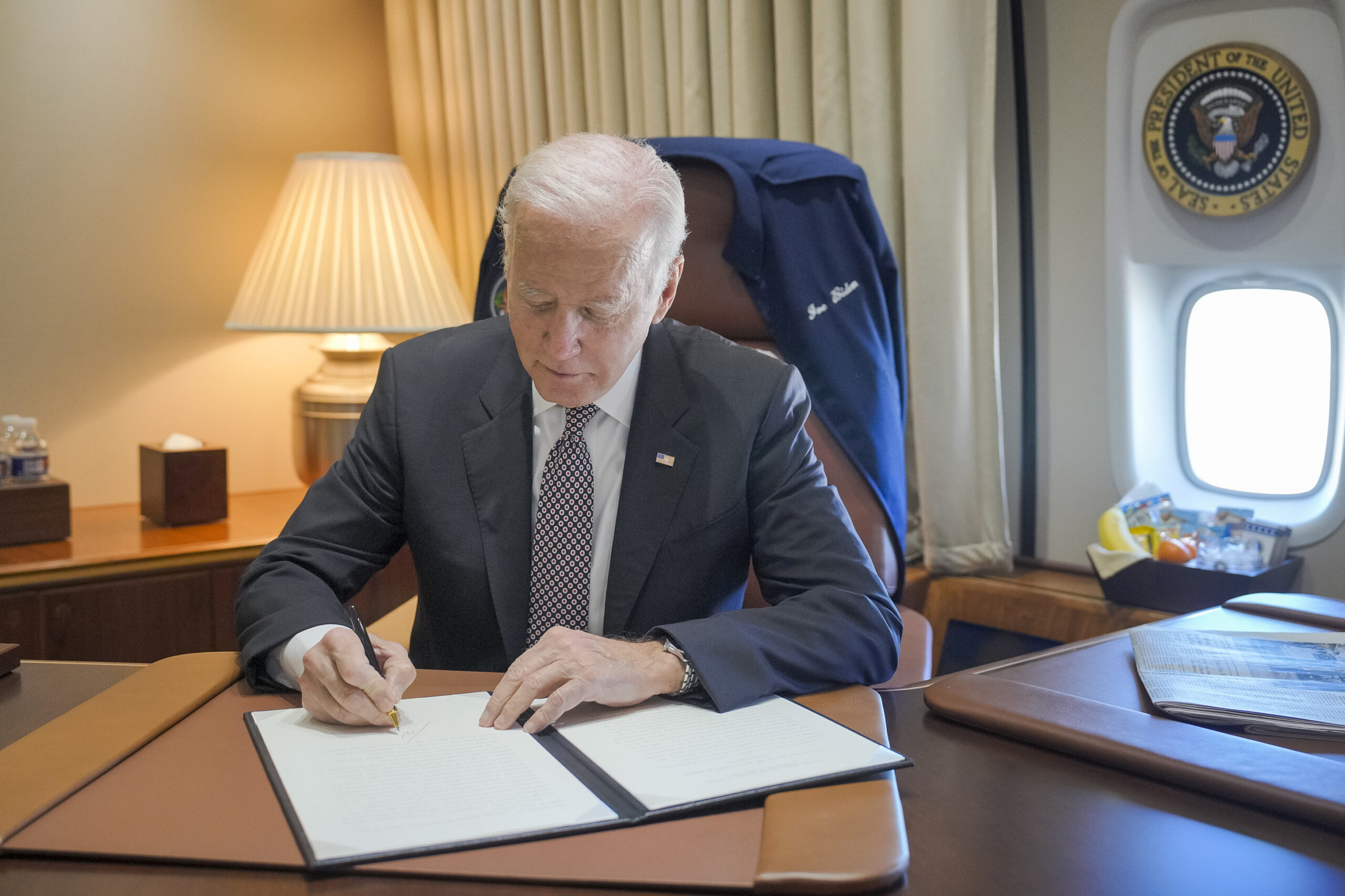
On the afternoon of October 6, President Biden issued a statement that many would call an October Surprise. Biden announced a three-part plan addressing cannabis reform, taking the first steps since he has taken office to address his campaign promise of tackling cannabis prohibition.

In his speech, Biden laid out the three steps he will take: First, he is pardoning all prior federal offenses for simple cannabis possession. Second, he is calling on all governors to do the same for state-level offenses. Thirdly, he announced that he is initiating a federal review of the current Schedule 1 status of cannabis.

The full text of his announcement is below:

As I often said during my campaign for President, no one should be in jail just for using or possessing marijuana.  Sending people to prison for possessing marijuana has upended too many lives and incarcerated people for conduct that many states no longer prohibit. Criminal records for marijuana possession have also imposed needless barriers to employment, housing, and educational opportunities.  And while white and Black and brown people use marijuana at similar rates, Black and brown people have been arrested, prosecuted, and convicted at disproportionate rates.

Today, I am announcing three steps that I am taking to end this failed approach.

First, I am announcing a pardon of all prior Federal offenses of simple possession of marijuana.  I have directed the Attorney General to develop an administrative process for the issuance of certificates of pardon to eligible individuals.  There are thousands of people who have prior Federal convictions for marijuana possession, who may be denied employment, housing, or educational opportunities as a result.  My action will help relieve the collateral consequences arising from these convictions.

Second, I am urging all Governors to do the same with regard to state offenses.  Just as no one should be in a Federal prison solely due to the possession of marijuana, no one should be in a local jail or state prison for that reason, either.

Third, I am asking the Secretary of Health and Human Services and the Attorney General to initiate the administrative process to review expeditiously how marijuana is scheduled under federal law.  Federal law currently classifies marijuana in Schedule I of the Controlled Substances Act, the classification meant for the most dangerous substances.  This is the same schedule as for heroin and LSD, and even higher than the classification of fentanyl and methamphetamine – the drugs that are driving our overdose epidemic.

Finally, even as federal and state regulation of marijuana changes, important limitations on trafficking, marketing, and under-age sales should stay in place.

Too many lives have been upended because of our failed approach to marijuana.  It’s time that we right these wrongs. – President Joe Biden


Commissioner Maria Del Cid-Kosso to Keynote CQC

By Cannabis Industry Journal Staff
No Comments

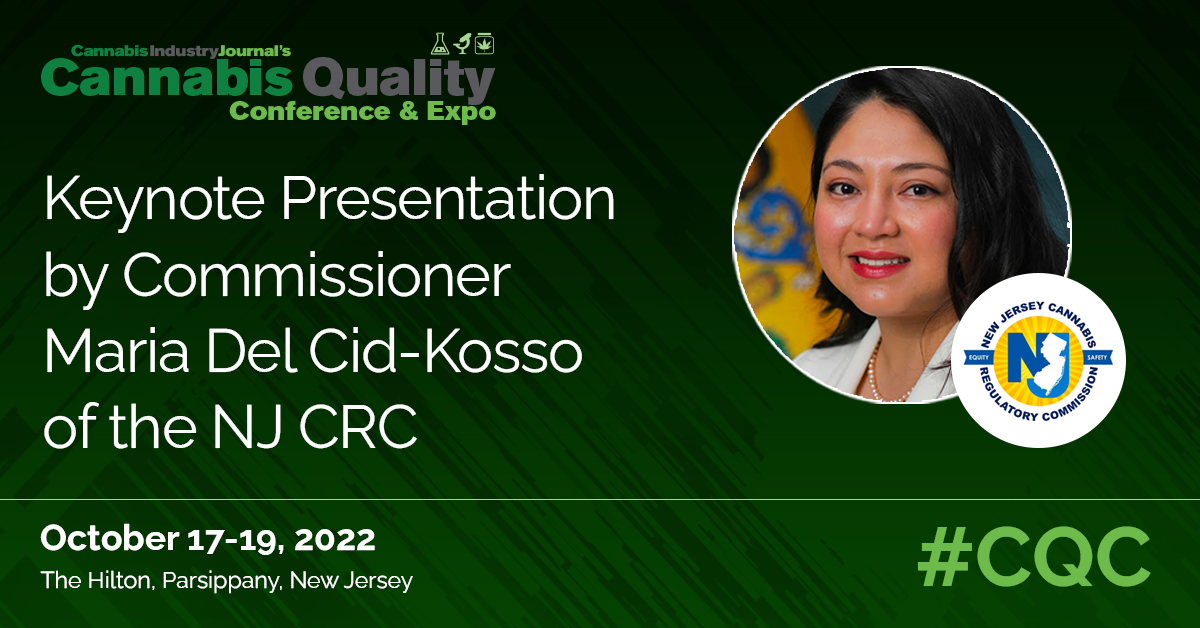
PARSIPPANY, NJ, October 17, 2022 – The Cannabis Quality Conference & Expo (CQC) just announced the newest addition to the event’s agenda. Commissioner Maria Del Cid-Kosso of the New Jersey Cannabis Regulatory Commission will deliver a keynote presentation at 1:00 PM EST on Monday, October 17.

Commissioner Maria Del Cid-Kosso of the New Jersey Cannabis Regulatory Commission

Commissioner Del Cid is an inaugural commissioner of the NJ Cannabis Regulatory Commission, the government body overseeing regulating the state’s new cannabis industry. Prior to being appointed by Governor Phil Murphy in February of 2021, she was the Director of Policy and Legislative Services at the New Jersey Department of Health. She was awarded the Union County Women of Excellence Award in Government, the Hazel Frank Gluck Award from the Eagleton Institute of Politics, Urban League of Union County Young Professionals Award in Government, and has been recognized as Insider NJ’s 2021 Top 6 Millennial; Insider’s 100 Cannabis Leaders; Insider’s 50 under 30; and Insider’s Top 100 Millennials (2018, 2019, and 2020).

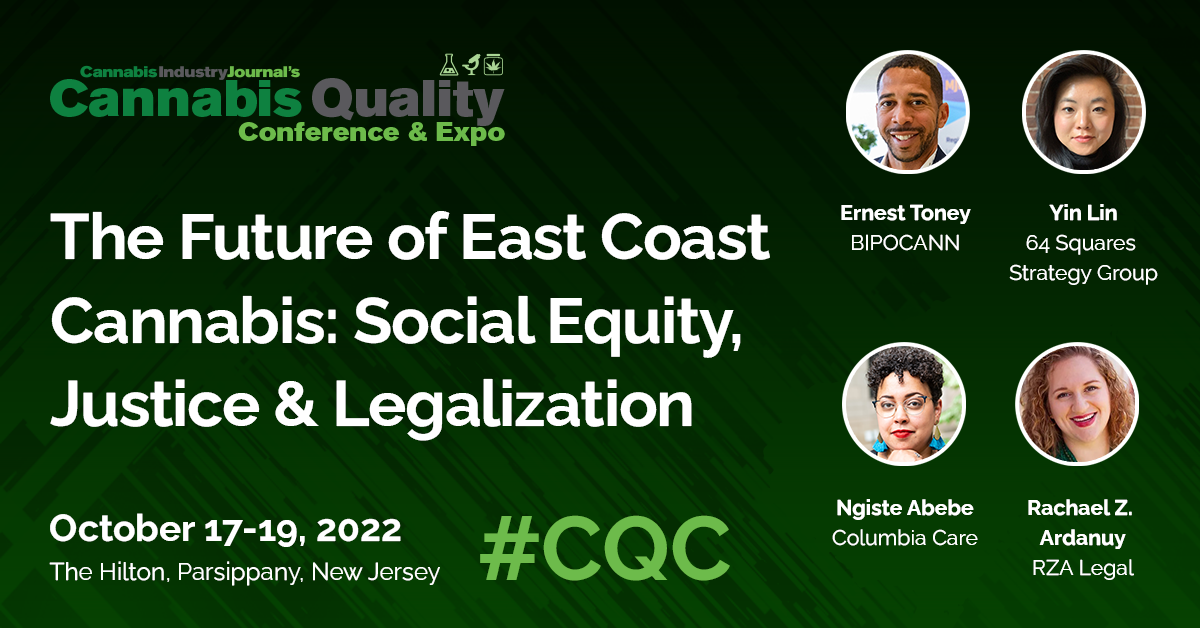
Following Commissioner Del Cid’s keynote presentation, a panel discussion on The Future of East Coast Cannabis: Social Equity, Justice & Legalization will take place in the afternoon. Following that will be a panel on The Standardization State of the Union: Science-Based Resources for Driving Cannabis Safety with an overview of the New Jersey cannabis marketplace to end the first day.

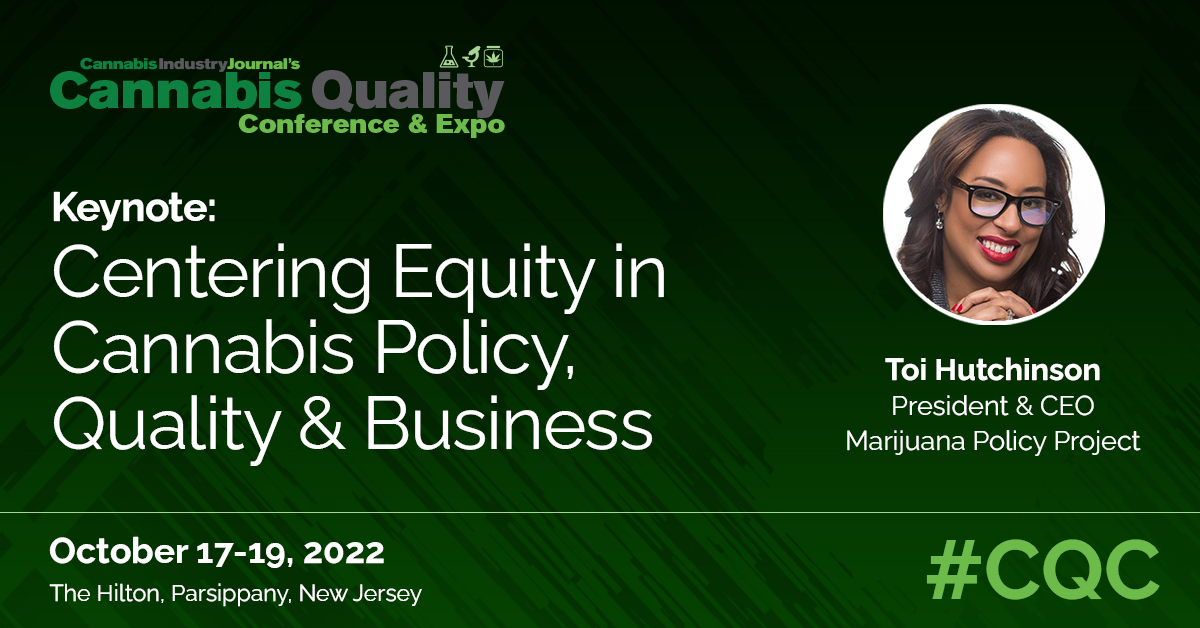
The second day will kick off with a Keynote titled Centering Equity in Cannabis Policy, Quality & Business with Toi Hutchinson, President & CEO at Marijuana Policy Project. Other agenda highlights include:

  • The State of the State: An Update on New Jersey Legalization by Steven M. Schain, Esquire, Attorney at Smart-Counsel, LLC
  • Tri-State Cannabis: Pro Tips for Winning Applications by Sumer Thomas, Director of Regulatory Affairs and Russ Hudson, Project Manager at Canna Advisors
  • Navigating Cannabis Testing Regulations for Multi-State Operations by Michael Kahn, President & Founder of MCR Labs
  • Keynote by Edmund DeVeaux, President of the New Jersey Cannabusiness Association
  • A Guide to Infusion Technology | Design Experiences that Inspire and Innovate with Cannabis Ingredients by Austin Stevenson, Chief Innovation Officer at Vertosa
  • Valuable Analysis Ahead of Asset Acquisition by Matthew Anderson, CEO of Vanguard Scientific

Registration options are available for in-person, virtual and hybrid attendance.

Event Hours

  • Monday, October 17: 12 pm – 6:30 pm (ET)
  • Tuesday, October 18: 8 am – 5:45 pm (ET)
  • Wednesday, October 19: 8 am – 12 pm (ET)

Cannabis industry professionals also interested in the food industry can attend the Food Safety Consortium, which begins on Wednesday, October 19 – Friday, October 21.

About Cannabis Industry Journal

Cannabis Industry Journal is a digital media community for cannabis industry professionals. We inform, educate and connect cannabis growers, extractors, processors, infused products manufacturers, dispensaries, laboratories, suppliers, vendors and regulators with original, in-depth features and reports, curated industry news and user-contributed content, and live and virtual events that offer knowledge, perspectives, strategies and resources to facilitate an informed, legalized and safe cannabis marketplace.

About the Cannabis Quality Conference & Expo

The Cannabis Quality Conference & Expo is an educational and networking event for the cannabis industry that has cannabis safety, quality and regulatory compliance as the foundation of the educational content of the program. With a unique focus on science, technology, safety and compliance, the “CQC” enables attendees to engage in conversations that are critical for advancing careers and organizations alike. Delegates visit with exhibitors to learn about cutting-edge solutions, explore three high-level educational tracks for learning valuable industry trends, and network with industry executives to find solutions to improve quality, efficiency and cost effectiveness in the evolving cannabis industry.

The Cannabis Quality Conference & Expo Brings Education, Networking to New Jersey

By Cannabis Industry Journal Staff
No Comments

PARSIPPANY, NJ, October 17-19, 2022 – The Cannabis Quality Conference & Expo (CQC) heads to New Jersey October 17-19 this year. The agenda features three tracks of educational talks, panel discussions, keynotes and breakout sessions.

At this year’s event, the conference will debut two new features of the program: Lunch & Learn sessions and Happy Hour Roundtables. Matthew Anderson, CEO of Vanguard Scientific, will sit down with two experts in cannabis law for interviews during the lunch hour:

Investigations & Enforcement: A Former Federal Prosecutor’s Perspective

  • Matthew Anderson will interview Barak Cohen, Chair of the Cannabis Industry Group at Perkins Coie, to discuss federal investigations, Justice Department prosecutions and white-collar offenses. This Lunch & Learn will take place 12:00 to 12:25 PM on Tuesday, October 18.

Compliance is Key: Best Practices for Your New Jersey Cannabis Business

  • Matthew Anderson will interview Casey Leaver, Director of Regulatory Compliance at Vicente Sederberg, to discuss compliance culture, quality controls, New Jersey regulations and more. This Lunch & Learn will take place 12:35 to 1:00 PM on Tuesday, October 18.

Following the conference agenda on Monday, October 17 and Tuesday October 18, attendees are invited to join the cocktail reception for Happy Hour Roundtables. From 4:45 to 5:45 PM, subject matter experts will be available to chat, answer questions & offer guidance on the following topics:

  • Regulatory Compliance: Jason Thomas, Precision Quality & Compliance
  • Banking, Finance & Real Estate: Steve Schain, Esq., Smart-Counsel LLC
  • Licensing: Russ Hudson & Sumer Thomas, Canna Advisors
  • Certifications & Controls: Tyler Williams, CSQ
  • Compliance Solutions: Doug Plunkett & Zach Cicconi, ProCanna
  • Standards in Cannabis: David Vaillencourt, The GMP Collective
  • Social Equity & Justice: Ernest Toney, BIPOCANN

The conference will begin with a panel discussion on The Future of East Coast Cannabis: Social Equity, Justice & Legalization. Following that will be a panel on The Standardization State of the Union: Science-Based Resources for Driving Cannabis Safety with an overview of the New Jersey cannabis marketplace to end the first day.

The second day will kick off with a Keynote titled Centering Equity in Cannabis Policy, Quality & Business with Toi Hutchinson, President & CEO at Marijuana Policy Project. Other agenda highlights include:

  • The State of the State: An Update on New Jersey Legalization by Steven M. Schain, Esquire, Attorney at Smart-Counsel, LLC
  • Tri-State Cannabis: Pro Tips for Winning Applications by Sumer Thomas, Director of Regulatory Affairs and Russ Hudson, Project Manager at Canna Advisors
  • Navigating Cannabis Testing Regulations for Multi-State Operations by Michael Kahn, President & Founder of MCR Labs
  • Keynote by Edmund DeVeaux, President of the New Jersey Cannabusiness Association
  • A Guide to Infusion Technology | Design Experiences that Inspire and Innovate with Cannabis Ingredients by Austin Stevenson, Chief Innovation Officer at Vertosa
  • Valuable Analysis Ahead of Asset Acquisition by Matthew Anderson, CEO of Vanguard Scientific

Registration options are available for in-person, virtual and hybrid attendance.

Event Hours

  • Monday, October 17: 12 pm – 6:30 pm (ET)
  • Tuesday, October 18: 8 am – 5:45 pm (ET)
  • Wednesday, October 19: 8 am – 12 pm (ET)

Cannabis industry professionals also interested in the food industry can attend the Food Safety Consortium, which begins on Wednesday, October 19 – Friday, October 21.

About Cannabis Industry Journal

Cannabis Industry Journal is a digital media community for cannabis industry professionals. We inform, educate and connect cannabis growers, extractors, processors, infused products manufacturers, dispensaries, laboratories, suppliers, vendors and regulators with original, in-depth features and reports, curated industry news and user-contributed content, and live and virtual events that offer knowledge, perspectives, strategies and resources to facilitate an informed, legalized and safe cannabis marketplace.

About the Cannabis Quality Conference & ExpoCannabis Quality Conference & Expo logo

The Cannabis Quality Conference & Expo is an educational and networking event for the cannabis industry that has cannabis safety, quality and regulatory compliance as the foundation of the educational content of the program. With a unique focus on science, technology, safety and compliance, the “CQC” enables attendees to engage in conversations that are critical for advancing careers and organizations alike. Delegates visit with exhibitors to learn about cutting-edge solutions, explore three high-level educational tracks for learning valuable industry trends, and network with industry executives to find solutions to improve quality, efficiency and cost effectiveness in the evolving cannabis industry.