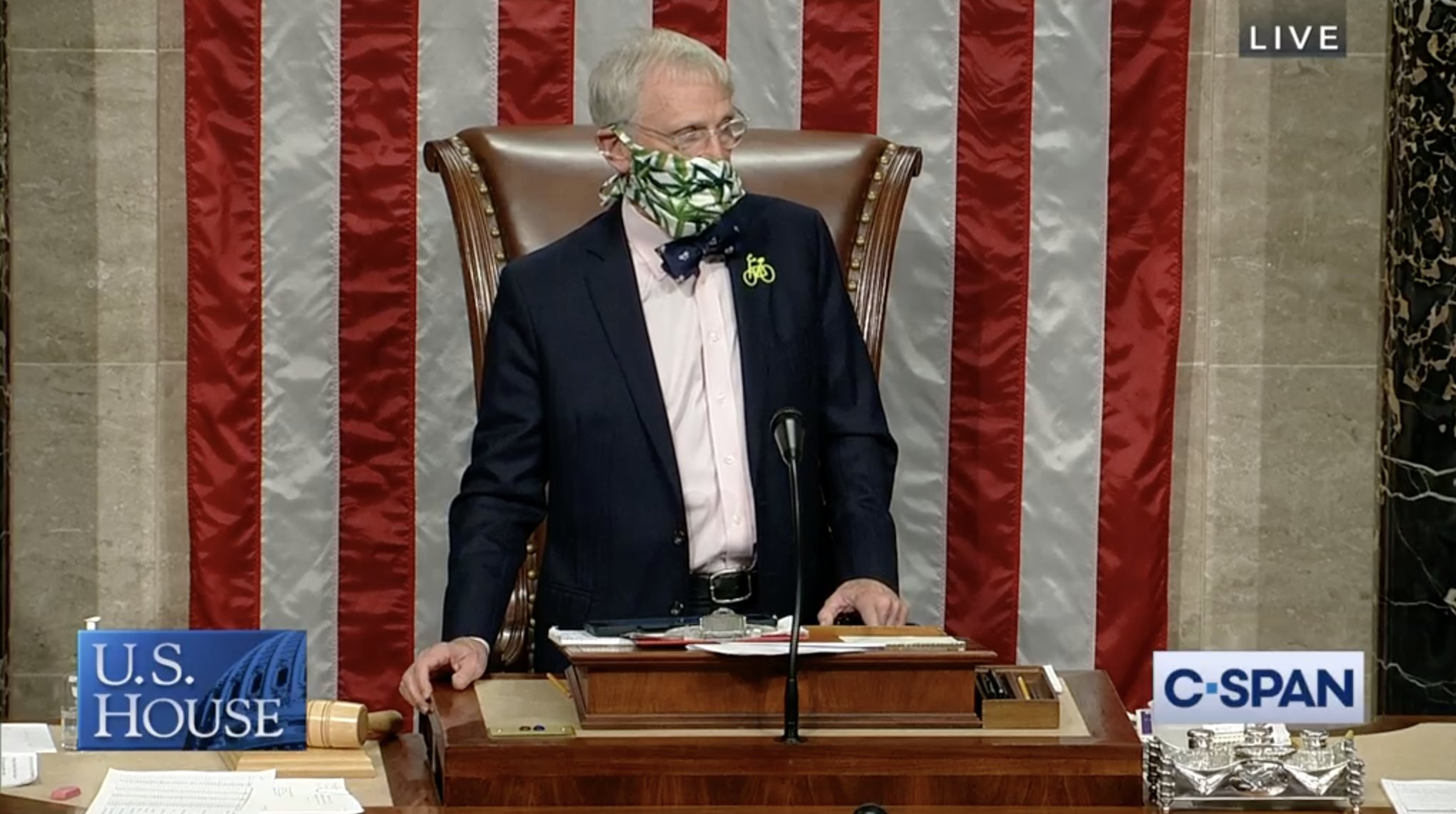
Rep. Earl Blumenauer (D-OR) donning his cannabis mask as he presides over the Congress
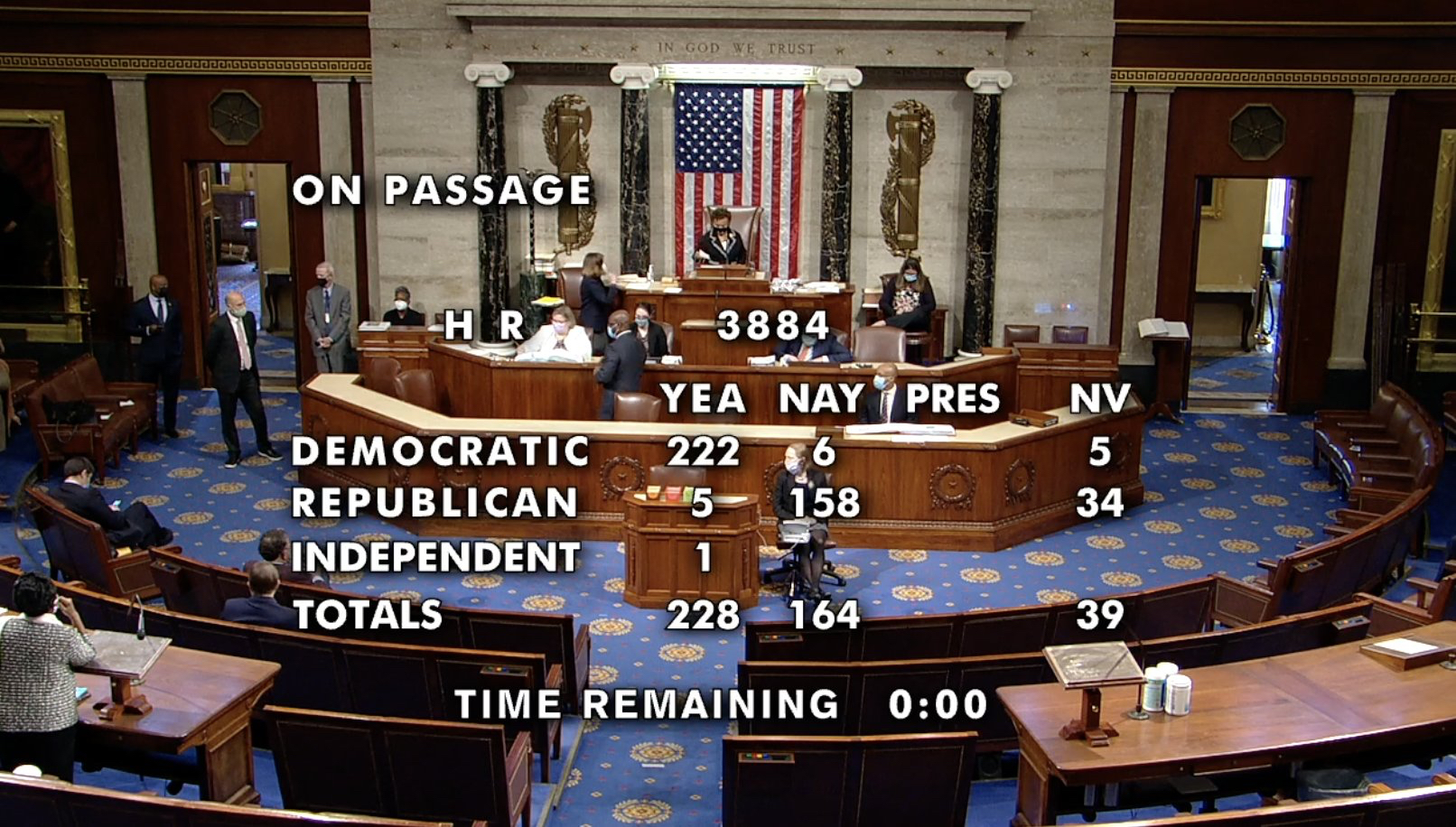
Rep. Earl Blumenauer (D-OR), a co-sponsor for the bill and co-chair of the Congressional Cannabis Caucus, donned a cannabis leaf mask as he presided over the floor debate in the House of Representatives on the morning of December 4. After the debate on the floor, the House of Representatives voted 228 to 164 to pass the MORE Act.
While this vote is historic and should certainly be celebrated, it is unfortunately a mostly symbolic win. During the Post-Election Analysis episode of the Cannabis Quality Virtual Conference, Andrew Kline, director of public policy at the National Cannabis Industry Association (NCIA), told attendees that this bill always had strong support in the House, but not enough support in the Senate. “You know I think there is pretty much a 100% chance of it passing the House,” Kline said back in early November. “I don’t think they would’ve scheduled the vote if they didn’t have the votes.”
The House voted 228 to 164 to pass the MORE Act.
Kline told attendees that Republican priorities are most likely to blame when the MORE Act fails to get enough support in the Senate. “The bigger question is what happens when it reaches the Senate and I think it is all but dead when it gets there,” says Kline. “Mitch McConnell has been reluctant to move any legislation over the past four years. He’s really ignored most legislation and particularly any legislation he doesn’t like. He doesn’t like cannabis and it appears to me he barely even likes hemp. He’s really not even fighting for the hemp industry.”
While the MORE Act likely doesn’t have a chance in the Senate, it passing the House is still a monumental moment in cannabis legalization history. This marks the first time in 50 years that Congress has revisited cannabis prohibition, according to Justin Strekal, political director of NORML. “This is a historic day for marijuana policy in the United States,” says Strekal. “By establishing this new trajectory for federal policy, we expect that more states will revisit and amend the archaic criminalization of cannabis, establish regulated consumer marketplaces, and direct law enforcement to cease the practice of arresting over half a million Americans annually for marijuana-related violations – arrests which disproportionately fall upon those on people of color and those on the lower end of the economic spectrum.”
Along with all of the success that cannabis had on Election Day, including five states legalizing it, the House passing this legislation is a symbol of shifting attitudes toward cannabis and serious progress on the federal legalization front.
The real question that should be asked is what will the 117th Congress do? If Democrats gain control in the Senate following the runoff elections in Georgia, it could reinvigorate the momentum behind this bill and offer a renewed breath of life.
Five states had cannabis reform on the ballot yesterday for the 2020 election: Arizona, Mississippi, Montana, New Jersey and South Dakota. All five ballot initiatives won by a clear margin, with some races ending in landslides. Stay tuned for coverage on congressional and presidential elections and the impact on the future of the cannabis industry.
For now, here are which states legalized cannabis last night, as well as some details on the five (well, technically eight) state ballot initiatives:
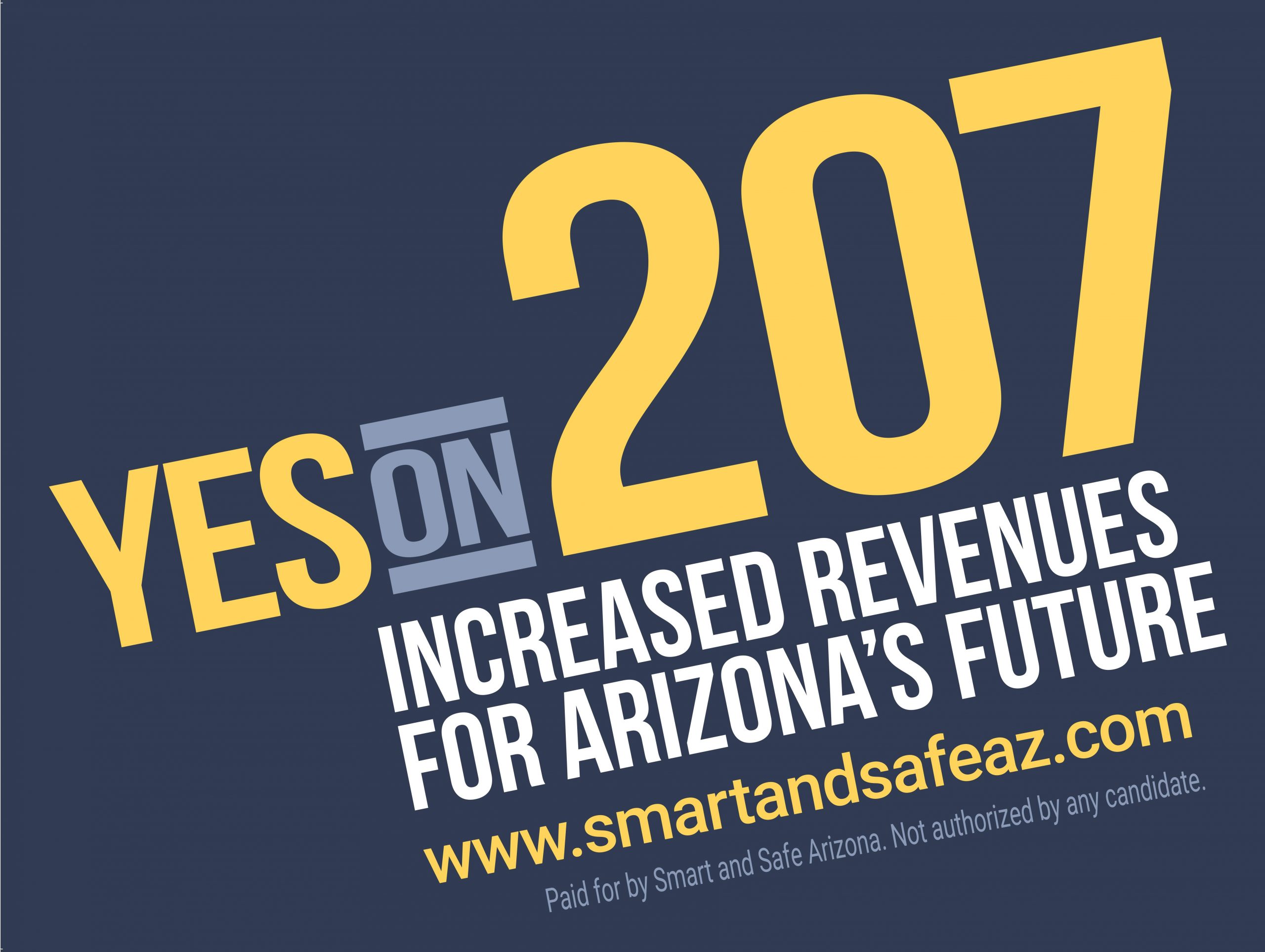
Arizona – Prop. 207 (Adult Use)
Results: 59.8% Yes, 40.2% No
Details:
Legalizes cannabis for adults over 21
Puts a 16% tax on retail sales of cannabis and cannabis products
Develops a process for expunging records of cannabis-related drug offenses
Arizona already has an established medical cannabis program
Mississippi – Initiative Measure 65 & Alternative Measure 65A (Medical)
Results: 67.9% Yes for either, 32.1% No against both
Details:
Both initiatives theoretically legalize medical cannabis in the state.
There is a legislature-proposed alternative on the ballot, which makes things a bit confusing and gives voters the option of voting for both, neither or one of the two.
Initiative 65 would give the state’s department of health a mandate and authority to establish regulations for a medical cannabis program by August 2021. This initiative lists 22 qualifying conditions.
Initiative 65A gives the legislature the power to come up with their own program as they see fit and does not include any sort of deadline.
Legalizes, taxes and regulates cannabis for adults over 21
Requires the state’s department of revenue to license and regulate cannabis businesses
Puts a 20% tax on retail sales of cannabis and cannabis products
Develops a process for expunging records of cannabis-related drug offenses
Montana already has an established medical cannabis program
Initiative 118:
This just allows the language of the initiative to call an adult over 21, instead of 18 as it is stated in the Montana constitution.
New Jersey – Question 1 (Adult Use)
Results: 66.9% Yes, 33.1% No
Details:
Legalizes, taxes and regulates cannabis for adults over 21
New Jersey already has an established medical cannabis program – this ballot measure gives authority to the regulatory body currently overseeing the medical program, the five-member Cannabis Regulatory Commission.
Only applies the 6.625% state sales tax and prohibits additional sales taxes.
South Dakota – Constitutional Amendment A & Initiated Measure 26 (Adult Use & Medical)
Details:
Constitutional Amendment A Results: 53.4% Yes, 46.6% No
Legalizes, taxes and regulates cannabis for adults over 21
This also requires the state legislature to set up a medical program as well as a hemp program by April 2022.
Puts a 15% tax on retail sales of cannabis and cannabis products
Gives local governments authority to allow or ban cannabis businesses
Initiated Measure 26 Results: 69.2% Yes, 30.8% No
Establishes a medical cannabis program in South Dakota
It does list a few qualifying conditions like severe nausea, chronic pain, seizures and more, but it gives the state’s department of health the power to add more conditions to that list.
SD Department of health would have 120 days to set up regulatory framework.
The agenda for the 2020 Cannabis Quality Virtual Conference Series has been released. The announcement about the annual Cannabis Quality Conference being converted to a virtual series due to the COVID-19 pandemic was made last month. Due to a demand to provide attendees with even more content, the event has been extended a full month and is running through December. Cannabis Industry Journal is the media sponsor.
The event will begin every Tuesday at 12 pm ET, beginning on September 8 and continue through December 22. Each week will feature three educational presentations, two Tech Talks, and a panel discussion. Weekly episodes include cannabinoid research & discovery, cannabis labs, licensing applications, post-election analysis, the Canadian market, hemp quality, HACCP & GMPs, facility design, cultivation technology, safety & compliance, COVID-19’s impact and supply chain quality.
Roy Bingham, Co-Founder & CEO of BDSA, and Nic Easley, Founder and CEO of 3C Consulting , will serve as the keynote speakers on Tuesday, September 8, discussing cannabis market trends and COVID-19’s impact on the cannabis industry.
“Human connection is so important for events, and we know we’re not the only game in town. That’s why we’ve invested in a Conference Virtual Platform that can facilitate discussions, discovery, and connection that can continue whether our event is offline or online—and not end with the live streaming,” says Rick Biros, president of Innovative Publishing. “Simply, the experience other conferences are offering is not conducive to learning, staying engaged or take into consideration that you have a job to do during that week. This is why we have designed the Conference’s program with short, manageable episodes that are highly educational.”
Companies that are interested in sponsoring a 10-minute technical presentation during the series can also submit their abstract through the portal. For pricing information, contact IPC Sales Director RJ Palermo.
Innovative Publishing has also converted the Food Safety Consortium to a virtual event. More information is available at Food Safety Tech.
About Cannabis Industry Journal
Cannabis Industry Journal publishes news, technology, trends, regulations, and expert opinions on cannabis safety, quality, business and cannabis sustainability. We also offer educational, career advancement and networking opportunities to the global cannabis industry. This information exchange is facilitated through ePublishing, digital and live events.
Events across the globe have been postponed or canceled due to the coronavirus. COVID-19 is taking down many industries and leaving hundreds of thousands of people without jobs. At Innovative Publishing Company, our top priority is safety. In light of the recent travel restrictions and our concern over attendees’ safety, we have made the decision to convert our Cannabis Labs/Food Labs Conference to a virtual event. The event will no longer take place June 3–4. Instead, we are in the process of reorganizing the agenda to give our attendees the full benefit of sessions over a period of June 1–5. Recognizing the strain on the industry, this event will be free to attendees and underwritten by our sponsors. Check back soon here as we update the website and announce the new agenda for the virtual program. We look forward to seeing everyone virtually there.
Additionally, the Cannabis Quality Conference & Expo remains scheduled for October 21–23, 2020, however the Food Safety Consortium will now be postponed to December 2–4, 2020. More information on that can be found on Food Safety Tech. Innovative Publishing has developed a contingency plan in the event that COVID-19 continues to be a serious health concern throughout the fall season. This is very possible and we take these health concerns very seriously. That plan includes converting the conference to a virtual event, similar to our Cannabis Labs/Food Labs Conference.
A Message To Our Readers
If you have any questions or concerns, feel free to get in touch with us via the Contact Us page. Our editorial content in the newsletters and on the website will continue as usual, so check back regularly for news articles, features and columns as we continue to work remotely and provide you with educational content. We look forward to the upcoming virtual event and hope you’ll join us. We feel this is the smartest decision to make in the midst of the global pandemic. We hope our readers and their families remain safe and healthy. We’ll all get through this together.
EDGARTOWN, MA, March 11, 2020 – Innovative Publishing Co., the publisher of Cannabis Industry Journal and organizer of the Cannabis Quality Conference & Expo is announcing the agenda release for the Cannabis Labs Conference. The event will address science, technology, regulatory compliance and quality management as they relate to the cannabis testing market. It will take place on June 3–4 at U.S. Pharmacopeia in Rockville, MD.
Two keynotes for the Cannabis Labs Conference are listed in the agenda: Rowing in the Same Direction:The Biggest Safety Issues Facing the Cannabis Industry & How We Intend to Tackle Them – this talk will be delivered by Andrew Kline, Director of Public Policy at the National Cannabis Industry Association (NCIA). The second keynote is titled Cannabis Testing in Maryland: Protecting Patient Safety – this talk will be delivered by Lori Dodson, Deputy Director of the Maryland Medical Cannabis Control Commission.
The event will begin on June 3 with an opening general session with Charles Deibel speaking to both the cannabis and food lab testing industries: The Evolution of the Lab Testing Market: A History of Food and Cannabis Testing & How Far We’ve Come
Other notable presentations include: Building a Comprehensive Analytical Testing Program for Hemp by Grace Bandong, Global Scientific Strategy Leader at Eurofins; FDA Compliance for Cannabis- Stories from a Cannabis Public Health Investigator by Kim Stuck, Founder of Allay Consulting; Evaluation of Cannabinoids Reference Standards by Shiow-Jyi Wey, Reference Standard Scientist at the US Pharmacopeia; and more.
The event is co-located with the Food Labs Conference, which will focus on regulatory, compliance and risk management issues that companies face in the area of testing and food laboratory management. More information about this event is available on Food Safety Tech. Some of the critical topics include a discussion of FDA’s proposed FSMA rule, Laboratory Accreditation Program for Food Testing; considerations in laboratory design; pathogen testing and detection; food fraud; advances in testing and lab technology; allergen testing, control and management; validation and proficiency testing; and much more.
“By presenting two industry conferences under one roof, we can provide attendees with technology, regulatory compliance and best practices that cannabis and food might share but also focused topics that are unique to cannabis or food laboratory industry needs,” said Rick Biros, president of Innovative Publishing Co., Inc. and director of the Cannabis Labs Conference.
To learn more about the agenda, speakers and registration pricing, click here. The early bird discount of $395 expires on March 31.
Innovative Publishing Company, Inc., the organizer of the conference, is fully taking into considerations the travel concerns related to the coronavirus. Should any disruption occur that may prevent the production of this live event at its physical location in Rockville, MD due to COVID-19, all sessions will be converted to a virtual conference on the already planned dates. More information is available on the event website.
EDGARTOWN, MA, Jan. 23, 2020 – Innovative Publishing Co., the publisher of Cannabis Industry Journal and organizer of the Cannabis Quality Conference & Expo is announcing the launch of the Cannabis Labs Conference. The event will address science, technology, regulatory compliance and quality management as they relate to the cannabis testing market. It will take place on June 2–3 at U.S. Pharmacopeia in Rockville, MD.
A few of the noteworthy topics that will be discussed at the conference include hemp testing under new federal guidelines, ISO 17025:2017 accreditation, potency and cannabinoid quantification, regulatory compliance and state regulations, microbiology and sample preparation best practices, among other topic areas.
The event is co-located with the Food Labs Conference, which will focus on regulatory, compliance and risk management issues that companies face in the area of testing and food laboratory management. More information about this event is available on Food Safety Tech. Some of the critical topics include a discussion of FDA’s proposed FSMA rule, Laboratory Accreditation Program for Food Testing; considerations in laboratory design; pathogen testing and detection; food fraud; advances in testing and lab technology; allergen testing, control and management; validation and proficiency testing; and much more.
“By presenting two industry conferences under one roof, we can provide attendees with technology, regulatory compliance and best practices that cannabis and food might share but also focused topics that are unique to cannabis or food laboratory industry needs,” said Rick Biros, president of Innovative Publishing Co., Inc. and director of the Food Labs Conference.
The cannabis industry is growing exponentially, and the use of cannabis for medical purposes is being adopted across the nation. With this boom in cannabis consumers, there has been an increasing need for knowledge about the product.
The role of testing labs has become crucial to the process, which makes owning and operating a lab more lucrative. Scientists testing for potency, heavy metals, pesticides, residual solvents, moisture, terpene profile, microbial and fungal growth, and mycotoxins/aflatoxins are able to make meaningful contributions to the medical industry by making sure products are safe, while simultaneously generating profits and a return on investment.
Here are the key testing instruments you need to conduct these critical analyses. Note that cannabis analytical testing requirements may vary by state, so be sure to check the regulations applicable to the location of your laboratory.
Potency Testing
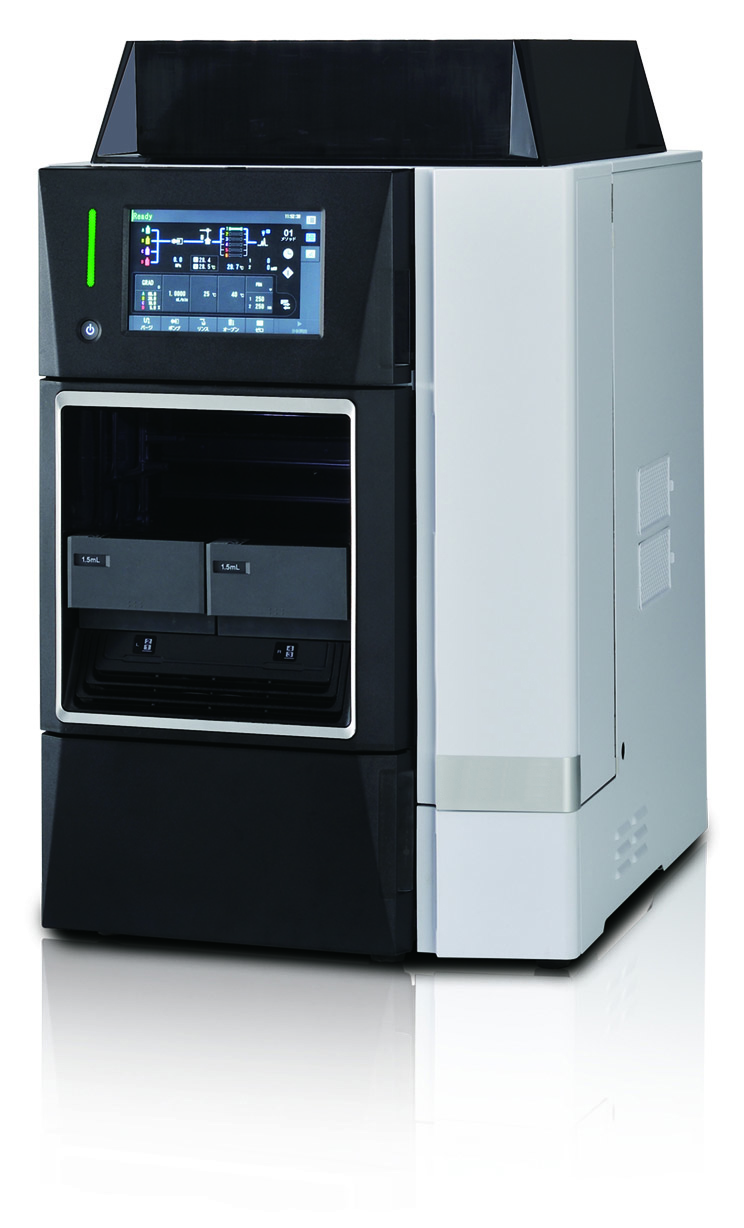
High-performance liquid chromatograph (HPLC) designed for quantitative determination of cannabinoid content.
The most important component of cannabis testing is the analysis of cannabinoid profiles, also known as potency. Cannabis plants naturally produce cannabinoids that determine the overall effect and strength of the cultivar, which is also referred to as the strain. There are many different cannabinoids that all have distinct medicinal effects. However, most states only require testing and reporting for the dry weight percentages of delta-9-tetrahydrocannabinol (Δ9-THC) and cannabidiol (CBD). It should be noted that delta-9-tetrahydrocannabinolic acid (Δ9-THCA) can be converted to THC through oxidation with heat or light.
For potency testing, traditional high-performance liquid chromatography (HPLC) is recommended and has become the gold standard for analyzing cannabinoid profiles. Look for a turnkey HPLC analyzer that delivers a comprehensive package that integrates instrument hardware, software, consumables and proven HPLC methods.
Heavy Metal Testing
ICP-MS instrument for detecting heavy metals in cannabis.
Different types of metals can be found in soils and fertilizers, and as cannabis plants grow, they tend to draw in these metals from the soil. Heavy metals are a group of metals considered to be toxic, and the most common include lead, cadmium, arsenic and mercury. Most labs are required to test and confirm that samples are under the allowable toxic concentration limits for these four hazardous metals.
Heavy metal testing is performed by inductively coupled plasma mass spectrometry (ICP-MS). ICP-MS uses the different masses of each element to determine which elements are present within a sample and at what concentrations. Make sure to include accompanying software that provides assistant functions to simplify analysis by developing analytical methods and automatically diagnosing spectral interference. This will provide easy operation and analytical results with exceptionally high reliability.
To reduce running costs, look for a supporting hardware system that reduces the consumption of argon gas and electricity. For example, use a plasma ignition sequence that is optimized for lower-purity argon gas (i.e., 99.9% argon as opposed to more expensive 99.9999%).
Pesticide Testing
The detection of pesticides in cannabis can be a challenge. There are many pesticides that are used in commercial cannabis grow operations to kill the pests that thrive on the plants and in greenhouses. These chemicals are toxic to humans, so confirming their absence from cannabis products is crucial. The number of pesticides that must be tested for varies from state to state, with Colorado requiring only 13 pesticides, whereas Oregon and California require 59 and 66 respectively. Canada has taken it a step further and must test for 96 pesticides, while AOAC International is developing methods for testing for 104 pesticides. The list of pesticides will continue to evolve as the industry evolves.
Testing for pesticides is one of the more problematic analyses, possibly resulting in the need for two different instruments depending on the state’s requirements. For a majority of pesticides, liquid chromatography mass spectrometry (LCMS) is acceptable and operates much like HPLC but utilizes a different detector and sample preparation.
With excellent sensitivity and ultra-low detection limits, LC-MS/MS is an ideal technique for the analysis of pesticides.
Pesticides that do not ionize well in an LCMS source require the use of a gas chromatography mass spectrometry (GCMS) instrument. The principles of HPLC still apply – you inject a sample, separate it on a column and detect with a detector. However, in this case, a gas (typically helium) is used to carry the sample.
Look for a LC-MS/MS system or HPLC system with a triple quadrupole mass spectrometer that provides ultra-low detection limits, high sensitivity and efficient throughput. Advanced systems can analyze more than 200 pesticides in 12 minutes.
For GCMS analysis, consider an instrument that utilizes a triple quadrupole mass spectrometer to help maximize the capabilities of your laboratory. Select an instrument that is designed with enhanced functionality, analysis software, databases and a sample introduction system. Also include a headspace autosampler, which can also be used for terpene profiles and residual solvent testing.
Residual Solvent Testing
Residual solvents are chemicals left over from the process of extracting cannabinoids and terpenes from the cannabis plant. Common solvents for such extractions include ethanol, butane, propane and hexane. These solvents are evaporated to prepare high-concentration oils and waxes. However, it is sometimes necessary to use large quantities of solvent in order to increase extraction efficiency and to achieve higher levels of purity. Since these solvents are not safe for human consumption, most states require labs to verify that all traces of the substances have been removed.
Testing for residual solvents requires gas chromatography (GC). For this process, a small amount of extract is put into a vial and heated to mimic the natural evaporation process. The amount of solvent that is evaporated from the sample and into the air is referred to as the “headspace.” The headspace is then extracted with a syringe and placed in the injection port of the GC. This technique is called full-evaporated technique (FET) and utilizes the headspace autosampler for the GC.
Look for a GCMS instrument with a headspace autosampler, which can also be used for pesticide and terpene analysis.
Terpene Profile Testing
Terpenes are produced in the trichomes of the cannabis leaves, where THC is created, and are common constituents of the plant’s distinctive flavor and aroma. Terpenes also act as essential medicinal hydrocarbon building blocks, influencing the overall homeopathic and therapeutic effect of the product. The characterization of terpenes and their synergistic effect with cannabinoids are key for identifying the correct cannabis treatment plan for patients with pain, anxiety, epilepsy, depression, cancer and other illnesses. This test is not required by most states, but it is recommended.
The instrumentation that is used for analyzing terpene profiles is a GCMS with headspace autosampler with an appropriate spectral library. Since residual solvent testing is an analysis required by most states, all of the instrumentation required for terpene profiling will already be in your lab.
As with residual solvent testing, look for a GCMS instrument with a headspace autosampler (see above).
Microbe, Fungus and Mycotoxin Testing
Most states mandate that cannabis testing labs analyze samples for any fungal or microbial growth resulting from production or handling, as well as for mycotoxins, which are toxins produced by fungi. With the potential to become lethal, continuous exposure to mycotoxins can lead to a buildup of progressively worse allergic reactions.
LCMS should be used to qualify and identify strains of mycotoxins. However, determining the amount of microorganisms present is another challenge. That testing can be done using enzyme linked immunosorbent assay (ELISA), quantitative polymerase chain reaction (qPCR) or matrix-assisted laser desorption/ionization time-of-flight mass spectrometry (MALDI-TOF MS), with each having their advantages and disadvantages.
For mycotoxin analysis, select a high-sensitivity LC-MS/MS instrument. In addition to standard LC, using an MS/MS selective detector enables labs to obtain limits of detection up to 1000 times greater than conventional LC-UV instruments.
For qPCR and its associated needs, look for a real-time PCR amplification system that combines thermal cyclers with optical reaction modules for singleplex and multiplex detection of fluorophores. These real-time PCR detection systems range from economical two-target detection to sophisticated five-target or more detection systems. The real-time detection platform should offer reliable gradient-enabled thermal cyclers for rapid assay optimization. Accompanying software built to work with the system simplifies plate setup, data collection, data analysis and data visualization of real-time PCR results.
Moisture Content and Water Activity Testing
Moisture content testing is required in some states. Moisture can be extremely detrimental to the quality of stored cannabis products. Dried cannabis typically has a moisture content of 5% to 12%. A moisture content above 12% in dried cannabis is prone to fungal growth (mold). As medical users may be immune deficient and vulnerable to the effects of mold, constant monitoring of moisture is needed. Below a 5% moisture content, the cannabis will turn to a dust-like texture.
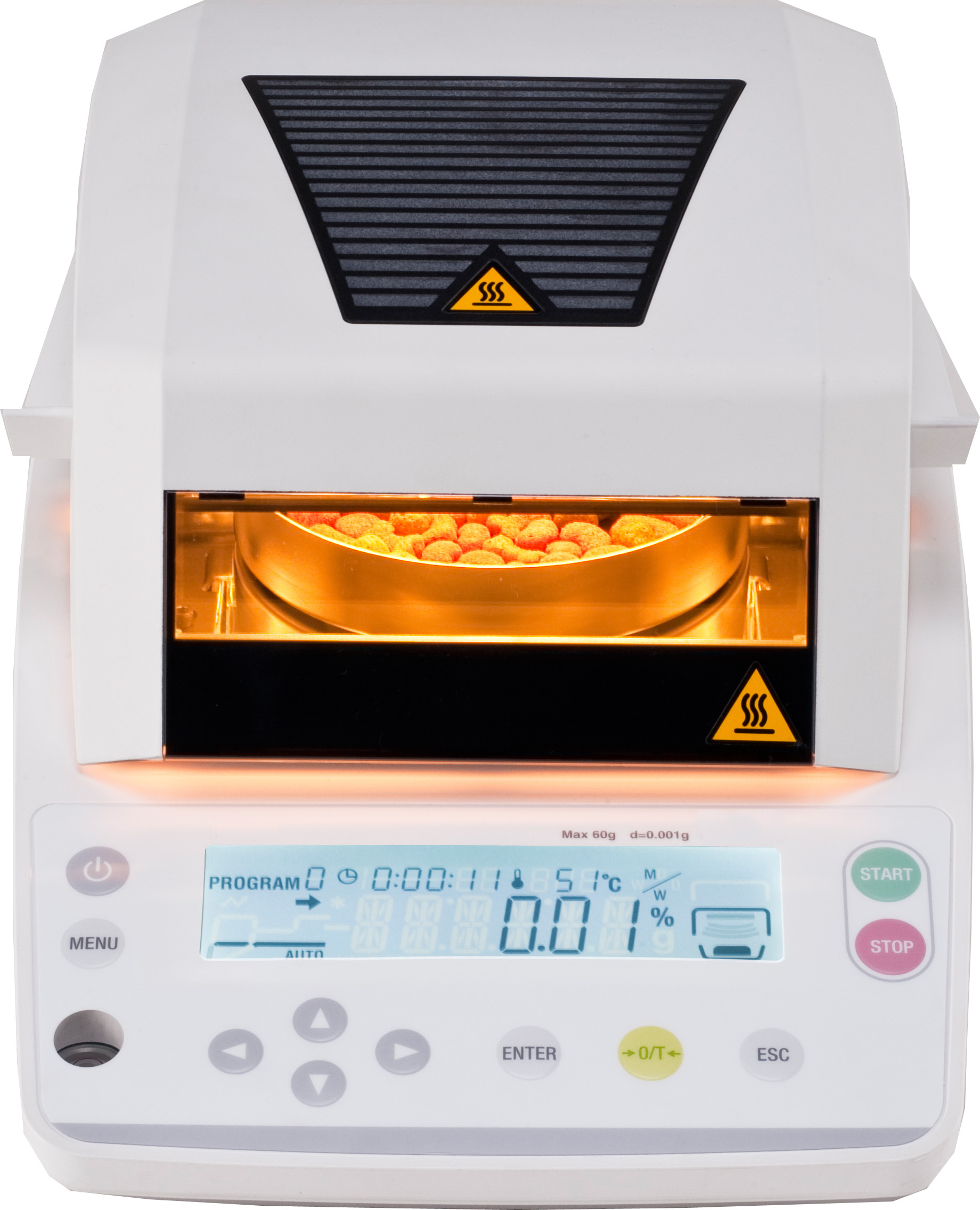
The best way to analyze the moisture content of any product is using the thermogravimetric method with a moisture balance instrument. This process involves placing the sample of cannabis into the sample chamber and taking an initial reading. Then the moisture balance instrument heats up until all the moisture has been evaporated out of the sample. A final reading is then taken to determine the percent weight of moisture that was contained in the original sample.
A moisture balance can provide accurate determination of moisture content in cannabis.
Look for a moisture balance that offers intuitive operation and quick, accurate determination of moisture content. The pan should be spacious enough to allow large samples to be spread thinly. The halogen heater and reflector plate should combine to enable precise, uniform heating. Advanced features can include preset, modifiable measurement modes like automated ending, timed ending, rapid drying, slow drying and step drying.
Another method for preventing mold is monitoring water activity (aW). Very simply, moisture content is the total amount of water available, while water activity is the “free water” that could produce mold. Water activityranges from 0 to 1. Pure water would have an aW of 1.0. ASTM methods D8196-18 and D8297-18 are methods for monitoring water activity in dry cannabis flower. The aW range recommended for storage is 0.55 to 0.65. Some states recommend moisture content to be monitored, other states monitor water activity, and some states such as California recommend monitoring both.
Final Thoughts
As you can see, cannabis growers benefit tremendously from cannabis testing. Whether meeting state requirements or certifying a product, laboratory testing reduces growers’ risk and ensures delivery of a quality product. As medicinal and recreational cannabis markets continue to grow, analytical testing will ensure that consumers are receiving accurately
labeled products that are free from contamination. That’s why it is important to invest in the future of your cannabis testing lab by selecting the right analytical equipment at the start of your venture.
EDGARTOWN, MA, Aug. 6, 2019 – Innovative Publishing Co., publisher of Cannabis Industry Journal, has announced that Andrew Kline, Director of Public Policy at the National Cannabis Industry Association (NCIA), will serve as the keynote speaker at the 2019 Cannabis Quality Conference & Expo on October 2. The Cannabis Quality Conference & Expo (CQC) takes place October 1-3 in Schaumburg, IL (just outside Chicago). The CQC is an educational and networking event for cannabis safety and quality solutions. Serving the Midwest market with a unique focus on science, technology and compliance, the CQC enables attendees to engage in conversations that are critical for advancing careers and organizations alike.
Andrew Kline, Director of Public Policy at NCIA
To see the agenda for the CQC and registration pricing, click here.Kline’s keynote talk is titled “The Business of Cannabis: Why Public Policy Matters.” It will feature two discussions: First, a general update on public policy and government relations with respect to the cannabis industry. Second, Kline will discuss how cannabis should be regulated at the federal level once legalization happens.
Kline joined NCIA’s leadership team in April of this year and began his work with the organization swiftly. He led a coalition of CBD and hemp businesses to prepare public comments and testimony for the purpose of educating and influencing FDA rule-making. Prior to working with NCIA, he served as President of the National Association of Cannabis Businesses (NACB), the first self-regulatory organization for the cannabis industry.
Before joining the NACB, Kline was Special Counsel for the Federal Communications Commission’s (FCC) Enforcement Bureau where he was responsible for high-profile investigations and public policy negotiations affecting the telecommunications, internet, cable and satellite industries. He also served as Chief of Staff and Senior Advisor for Intellectual Property Enforcement in the Obama Administration.
AOAC INTERNATIONAL is an independent, third party, not-for-profit association and voluntary consensus standards developing organization. Founded in 1884, AOAC INTERNATIONAL was originally coined the Association of Official Agricultural Chemists. Later on, they changed their name to the Association of Official Analytical Chemists. Now that their members include microbiologists, food scientists as well as chemists, the organization officially changed its name to just AOAC INTERNATIONAL.
Much of AOAC’s work surrounds promoting food safety, food security and public health. Their work generally encompasses setting scientific standards for testing methodology, evaluating and adopting test methods and evaluating laboratory proficiency of test methods. The organization provides a forum for scientists to develop microbiological and chemical standards.
In December of 2018, they appointed Dr. Palmer Orlandi as deputy executive director and chief science officer. Dr. Orlandi has an extensive background at the U.S. Food and Drug Administration (FDA), serving the regulatory agency for more than 20 years. Most recently, he was the CSO and research director in the Office of Food and Veterinary Medicine at the FDA. He earned the rank of Rear Admiral and Assistant Surgeon General in 2017.
Dr. Palmer Orlandi is the new Deputy Executive Director and Chief Science Officer at AOAC.
Where It All Began With Cannabis
As recently as three years ago, AOAC began getting involved in the cannabis laboratory testing community, with a working group dedicated to developing standard method performance requirements for AOAC Official MethodsSM for cannabis testing. We sat down with Dr. Palmer Orlandi and a number of AOAC’s leaders to get an update on their progress working with cannabis testing as well as food security and food fraud.
According to Scott Coates, senior director of the AOAC Research Institute, they were approached three years ago to set up a working group for cannabis testing. “We created standards that we call the standard method performance requirements (SMPR®), which are detailed descriptions of what analytical methods should be able to do,” says Coates. “Using SMPRs, we issued a series of calls for methods and looked for methods that meet our standards. So far, we’ve completed four SMPRs- cannabinoids in plant material, cannabinoids in plant extracts, cannabinoids in chocolate (edibles), and one for pesticides in cannabis plant material.” AOAC doesn’t develop methods themselves, but they perform a comprehensive review of the methods and if they deem them acceptable, then the methods can be adopted and published in the AOAC compendium of methods, the Official Methods of Analysis of AOAC INTERNATIONAL.
Deborah McKenzie, senior director of Standards and Official Methods at AOAC
Deborah McKenzie, senior director of Standards and Official MethodsSM at AOAC, says the initial working group set the stage for really sinking their teeth into cannabis testing. “It started with methods for testing cannabinoids in plant dried material and plant extract,” says McKenzie. “That’s where our previous work has started to mold into the current effort we are launching.” McKenzie says they are looking forward to getting more involved with methods regarding chemical contaminants in cannabis, cannabinoids in various foods and consumables, as well as microbial organisms in cannabis. “We are pretty focused on testing labs having reliable and validated analytical solutions as our broad goal right now.”
Moving Forward, Expanding Their Programs
Coates says the work they’ve done over the past few years was more of a singular project, developed strictly for creating standards and to review methods. Now they are currently developing their Cannabis Analytical Science Program (CASP), which is expected to be an ongoing program. “We are looking to fully support the cannabis analytical community as best we can, which will potentially include working on reference materials, proficiency testing, education, training and ISO 17025 accreditation, all particularly as it applies to lab testing in the cannabis industry,” says Coates. “So, this CASP work is a much bigger and broader effort to cover more and to provide more support for labs doing the analysis of cannabis and its constituents, as well as hemp.”
According to Dr. Orlandi, they want this program to have a broad reach in the cannabis testing community. “As Scott pointed out, it’s not just strictly developing standards and methods,” says Dr. Orlandi. “It is going to be as all-encompassing as possible and will lead to training programs, a proficiency testing program and other areas.” Arlene Fox, senior director of AOAC’s Laboratory Proficiency Testing Program, says they are actively engaging in proficiency testing. “We are in the process of evaluating what is out there, what is possible and what’s needed as far as expanding proficiency testing for cannabis labs,” says Fox.
Regulatory Challenges & Obstacles
The obvious roadblock to much of AOAC’s work is that cannabis is still considered a controlled substance. “That creates some challenges for the work that we do in certain areas,” says Dr. Orlandi. “That is why this isn’t just a one-year project. We will work with these challenges and our stakeholders to address them.” AOAC had to put some limits on participation- for example, they had to decide that they cannot look for contributions or collaborations with producers and distributors, so long as cannabis is still a Schedule I controlled substance in the US.
Arlene Fox, senior director of AOAC’s Laboratory Proficiency Testing Program
Muddying the waters even further, the recent signing of the Farm Bill puts a clear distinction between most types of cannabis and industrial hemp. David Schmidt, executive director of AOAC realizes they need to be realistic with their stakeholders and in the eye of federal law.
While scientifically speaking, it’s pretty much the same plant just with slightly different chemical constituents, AOAC INTERNATIONAL has to draw a line in the sand somewhere. “As Palmer suggests, because of the Farm Bill being implemented and hemp being defined now as a legal substance from a controlled substance standpoint, industrial hemp has been given this exclusion,” says Schmidt. “So, we are trying to be realistic now, working with our stakeholders that work with hemp, trying to understand the reality of the federal law. We want to make clear that we can meet stakeholder needs and we want to distinguish hemp from cannabis to remain confident in the legality of it.” Schmidt says this is one of a number of topics they plan on addressing in detail at their upcoming 9thannual 2019 Midyear Meeting, held March 11-14 in Gaithersburg, Maryland.
Uniformity in Methodology: The Future of Cannabis Testing
Dr. Orlandi says his experience at the FDA has prepared him well for the work being done at AOAC. “The role that I served at the FDA prior to joining my colleagues here at AOAC was very similar: And that is to bring together stakeholders to accomplish or to solve a common problem.” Some of their stakeholders in the CASP program include BC Testing, Inc., the Association of Food and Drug Officials (AFDO), Bia Diagnostics, Bio-Rad, Industrial Laboratories, Materia Medica Labs, PerkinElmer, R-Biopharm AG, Supra R & D, TEQ Analytical Laboratories, Titan Analytical and Trilogy Analytical, among others.
David Schmidt, executive director of AOAC
“The underlying reason behind this effort is to create some level of harmonization for standards and methods,” says Dr. Orlandi. “They can be used in the near future to stay ahead of the curve for when regulatory agencies become involved. The idea is that these standards for analytical methods will already be established and as uniform as possible.”
When comparing cannabis to other industries in the US, Scott Coates mentions that most standards are signed off by the federal government. “When we started looking at pesticides in cannabis, it became really clear that we have a number of states doing things differently with different limits of quantification,” says Coates. “Each state, generally speaking, is setting their own standards. As Palmer was saying, one thing we are trying to do with this CASP program eventually will be to have some harmonization, instead of 30 different states having 30 different standards and methods.” So, on a much broader level, their goal for the CASP program is to develop a common set of standard methods, including hemp testing and even the Canadian market. “Hopefully this will be an international collaboration for standards for the methodology,” says Coates. They want to create a common set of standards, setting limits of quantification that will be accepted internationally, that will be accurate and repeatable and for the entire cannabis industry, not just state by state.
Food Authenticity & Fraud
One of the other activities that AOAC just launched recently is the food authenticity and fraud program. As the name implies, the goal is to start developing standards and methods and materials to look at economically adulterated foods, says Dr. Orlandi. That includes non-targeted analyses looking at matrices of food products that may be adulterated with an unknown target, as well as targeted analytes, identifying common adulterants in a variety of food products. “One example in the food industry is fraudulent olive oil,” says Dr. Orlandi. “Honey is another commodity that has experienced adulteration.” He says that in most cases these are economically motivated instances of fraud.
On February 13 at the upcoming Seed To Sale Show in Boston, MA, Steven Hoffman, Chairman of the Cannabis Control Commission of Massachusetts, will deliver a keynote discussion. Hoffman will sit down with National Cannabis Industry Association (NCIA) Executive Director Aaron Smith to discuss the first few months of recreational legalization, challenges and the path forward for the state. We caught up with Hoffman to hear about some of the biggest obstacles and successes when it came to standing up a regulated adult-use cannabis market.
Steven Hoffman, Chairman of the Massachusetts Cannabis Control Commission
The Commission was tasked with creating something brand new, without a roadmap in place and developing rules around some very contentious issues. “I think the biggest obstacle was that we were doing something unprecedented,” says Hoffman. “Every state is different demographically and the laws differ state to state, and we got a lot of help from other states sharing their experiences with us, but we were still going down an uncharted path for Massachusetts.”
Hoffman told us the very first thing they needed to do in 2017 was conduct listening sessions in which the commissioners listened to citizens for recommendations and heard people’s thoughts on cannabis legalization. “We did that immediately. We needed to conduct a process that was transparent, thoughtful and inclusive,” says Hoffman. “We then, in public, debated policies around adult-use marijuana regarding licensing processes, criteria and enforcement.”
They debated policies in a public forum for four days and came back the following week to embed their decisions in draft regulations that were submitted to the Secretary of State in December 2017. Then, they had 10 more public hearings, made some modifications to the rules, and promulgated a final version of the adult-use regulations in March 2018, keeping everything as transparent and inclusive as possible. “I don’t think anyone has been critical of that process behind it,” says Hoffman.
Certain pieces of the regulations stand out as particularly inclusive and progressive for Massachusetts’ cannabis program. For example, certain mandates encourage diversity and support communities affected by the drug war. Hoffman says the Commission couldn’t take credit for those completely because their objectives are explicit in the legislation, however, the agency still made sure the state followed through. “The mandate said the industry should look like the state of Massachusetts in terms of our diversity,” says Hoffman. That includes creating a diverse industry with respect to ethnicity, gender, LGBTQ, veteran and disabled participation. Additionally, he added, “it was a very explicit set of requirements that those communities who were disproportionally harmed by the drug war are full participants in the new industry we set up. Those were both legislative mandates, so we take them very seriously and I wouldn’t have taken this appointment if I didn’t think it was absolutely essential.”
You can expect to hear more from Hoffman on this and other matters related to implementing cannabis regulations at the upcoming Seed To Sale Show in Boston, MA, February 12-13, 2019. On November 20, 2018, the first adult-use dispensaries in the state opened their doors for business and began selling cannabis. Hoffman says he is most proud of their rollout of the program as well as the transparency and inclusiveness through which they conducted the process. “I think this is a very controversial issue; the voters approved this issue by 53-47%,” says Hoffman. “No matter what we do, we won’t make everyone happy, but we’ve done everything possible to allow people to participate and feel like they’ve been listened to. We made our decisions publicly and transparently.”
Beyond that, the Commission wanted to take their time to make sure things were done the right way the first time. “From day one, we decided we were going to do this right rather than meet an arbitrary timeline,” says Hoffman. “It’s gradual, it’s maybe slower than some people would like, but our rollout has been well-received and relatively smooth. I think a gradual and thoughtful process, not focused on a deadline, went very well. Hopefully we have given other states a model when they plan their own rollout.”
Hoffman wouldn’t comment on whether or not he would encourage other states down a similar path, but he did say they could probably learn a thing or two from them. “I expect other states will do what we did,” says Hoffman. “They will talk to other states ahead of them like us and hopefully will benefit from learning from our experiences. I don’t know what the laws will look like but I expect other states need to make it work for them specifically.”
You can expect to hear more from Hoffman on this and other matters related to implementing cannabis regulations at the upcoming Seed To Sale Show in Boston, MA, February 12-13, 2019. Make sure to check out his keynote discussion with Aaron Smith on Wednesday, February 13 at 10:30am.
This website uses cookies so that we can provide you with the best user experience possible. Cookie information is stored in your browser and performs functions such as recognising you when you return to our website and helping our team to understand which sections of the website you find most interesting and useful.
Strictly Necessary Cookies
Strictly Necessary Cookie should be enabled at all times so that we can save your preferences for cookie settings.
We use tracking pixels that set your arrival time at our website, this is used as part of our anti-spam and security measures. Disabling this tracking pixel would disable some of our security measures, and is therefore considered necessary for the safe operation of the website. This tracking pixel is cleared from your system when you delete files in your history.
We also use cookies to store your preferences regarding the setting of 3rd Party Cookies.
If you disable this cookie, we will not be able to save your preferences. This means that every time you visit this website you will need to enable or disable cookies again.