

The cannabinoid industry has historically focused heavily on manufacturing compliance: GMPs, certificates of analysis, potency testing, contaminant testing, traceability, and state licensing. Those systems are important, and Floraworks has invested significantly in them. But when you begin evaluating an ingredient through established food and dietary supplement frameworks, you realize that manufacturing compliance is really just the starting point.
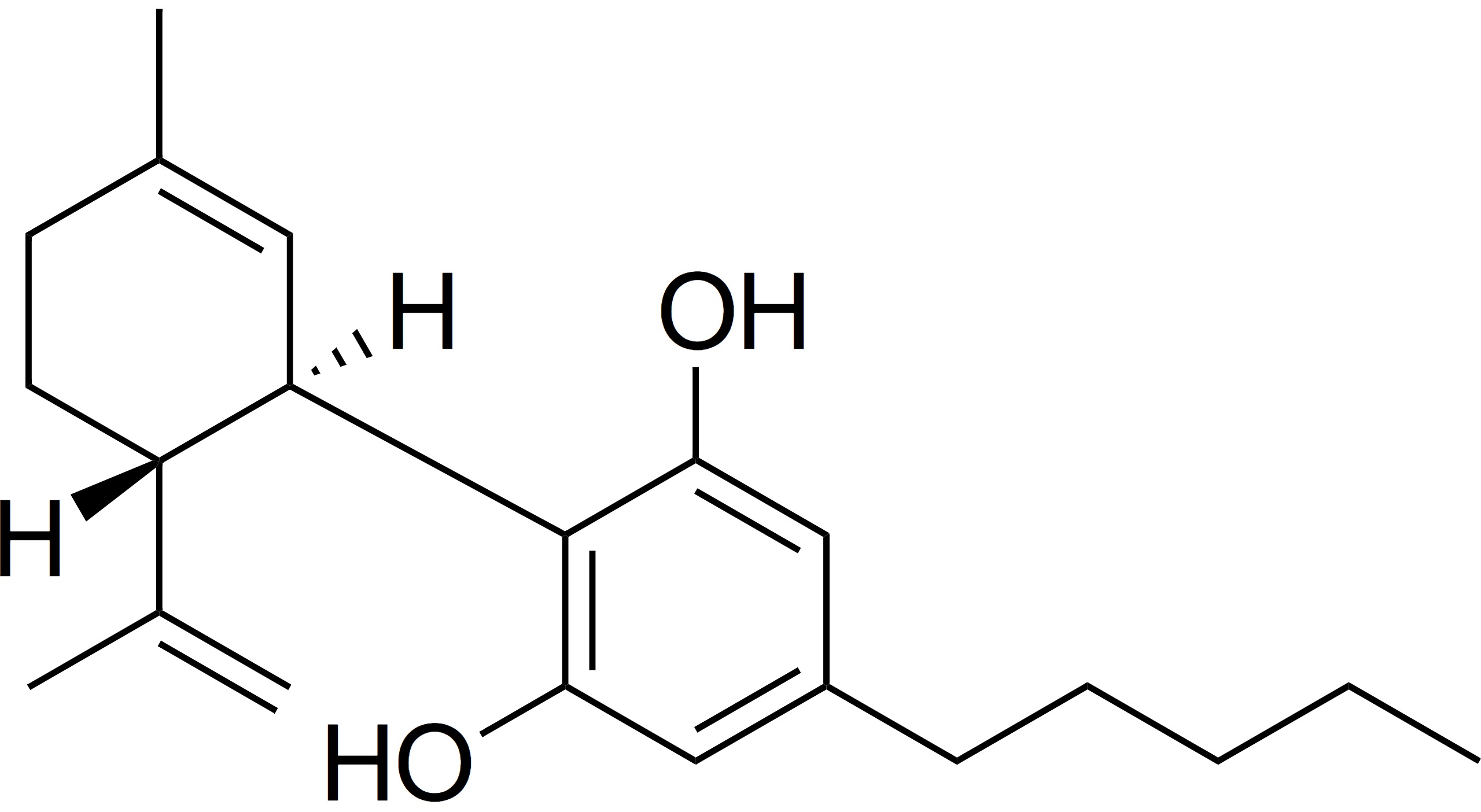
Floraworks has spent the last several years evaluating cannabinol (CBN) as a mainstream food and dietary ingredient. The biggest lesson was that being a compliant cannabinoid supplier and having a qualified ingredient are two very different standards. The first answers, “Did this batch pass its COA?” The second answers a much larger question: “What evidence supports the safety and identity of this ingredient for its intended use?”
Start With a Better Question
“Is CBN safe?” is the start of a larger scientific discussion. Specifically, safe at what exposure, under what conditions of use, for what population, and supported by what evidence?
Established frameworks such as GRAS and the New Dietary Ingredient (NDI) pathway are built to answer that kind of question. We have spent significant time evaluating CBN for both. Working through these frameworks requires a much more complete picture of an ingredient than the cannabinoid industry has historically had to develop.
Here is how I would evaluate a cannabinoid supplier from a quality perspective.
1. Verify the Quality Foundation
Start by separating basic supplier qualification from ingredient qualification. Absolutely verify the quality-management system, GMP status, traceability, analytical testing, specifications, and manufacturing controls. Those remain essential. Then go further.
2. Ask the Supplier to Define the Ingredient
CBN is a defined molecule. A commercial ingredient is more than the name of its principal constituent. How it is manufactured, its purity, its specifications, its impurity profile, and its consistency all matter when you are connecting scientific evidence to the material consumers will actually receive.
Ask the supplier to define the ingredient precisely. Ask how it is manufactured, what controls exist around potential impurities and degradation products, and whether stability data supports the specification.
There are multiple ways to produce and purify cannabinoids. From a scientific perspective, you need to understand what the resulting ingredient is, what else may be present, and whether the evidence represents that ingredient.
3. Connect the Evidence to the Commercial Material
The value of the evidence depends on the ability to connect it to the commercial ingredient. If toxicology is conducted on one material, clinical research on another, and the commercial ingredient has materially different specifications, it becomes much harder to understand what the evidence actually supports.
Ask whether toxicology research was performed on the commercial ingredient or a representative test article and if the findings are available for review.
Serious ingredient development has to start with chemistry and manufacturing: defined specifications, analytical methods, control over the manufacturing process, an understanding of impurities and contaminants, and enough consistency to know that the material sold today remains representative of the material. For Floraworks, standardization is crucial to our ingredient supply.
4. Understand Intended Use and Exposure
Dose, intended use, and consumer exposure are fundamental. What is the proposed serving amount? How frequently will it be consumed, in what types of products, and by what population? What is the resulting anticipated daily intake? What daily exposure does the supplier believe the evidence supports, and how did it reach that conclusion?
The same ingredient could be used at very different concentrations and frequencies across product categories. A safety conclusion developed around one set of conditions shouldn’t automatically be extrapolated to every other possible use. More is not necessarily better. Our current GRAS evaluation is built around specifically defined intended uses and exposure conditions for that reason.
5. Evaluate the Safety Package as a Whole
Ask what toxicology research has actually been conducted, and what peer-reviewed evidence exists.
Floraworks own safety program includes GLP toxicology work and genotoxicity evaluation. Our 90-day repeated-dose oral toxicology study established a no-observed-adverse-effect level (NOAEL) of 400 mg/kg body weight per day in an oral exposure model. One of our biggest lessons has been to avoid viewing a single number as the safety story. A NOAEL has to be interpreted in the context of the study design, the test material, intended human exposure, the broader peer-reviewed scientific literature, and other available safety information.
Working through a formal safety assessment demonstrates what the evidence supports, where it is limited, and where additional testing may be warranted. The customer-focused question that shapes our research program is: “What additional research needs to be performed to better inform the consumer?”
6. Keep Safety and Efficacy Distinct
Pre-clinical research and ingredient safety are distinct but complementary topics. Pre-clinical research determines the end use, dosing, tolerability, and potential benefit. Safety studies address topics such as suggested dosage, repeated use, and tolerability. Chemistry and manufacturing establish identity and consistency. Where benefits are claimed, they should be supported by appropriate evidence.
7. Ask Which Regulatory Framework Supports the Use
Finally, ask what regulatory framework the supplier believes supports the intended use and what work has actually been done to evaluate that position.
GRAS relates to the safety of a substance under its intended conditions of use in food. The NDI framework addresses new dietary ingredients intended for use in dietary supplements. The evidence can overlap substantially. The regulatory context and the questions each framework addresses are distinct. Floraworks has evaluated both pathways in parallel, and we are still working through those processes.
What the Answers Tell You
Are you buying an ingredient with unknown origin that comes with a generic COA from a broker, or working with a supplier that is developing qualified market-ready ingredients?
Non-intoxicating cannabinoids should ultimately be evaluated using established safety frameworks wherever those frameworks can appropriately apply. That gives regulators, manufacturers, brands, and consumers a common scientific language for evaluating these ingredients.
Where the Industry Needs to Go
Cannabinoids need to stop being treated as siloed products from other food and dietary ingredients. There exists a wide diversity of molecules in cannabis sativa, and we are only beginning to understand their specific therapeutic value. That scientific interest increases our responsibility to characterize and develop these molecules properly.
Our current industry should have clearly defined ingredients, controlled manufacturing processes, reproducible specifications, appropriate toxicology research, scientifically justified exposure levels, and regulatory strategies appropriate to the intended use.
FloraWorks began as a cannabinoid specialist. Increasingly, the FloraWorks team and I have had to think like a traditional ingredient company, a food-safety organization, and a scientific development company at the same time. I believe that is where the broader cannabinoid industry ultimately needs to go.