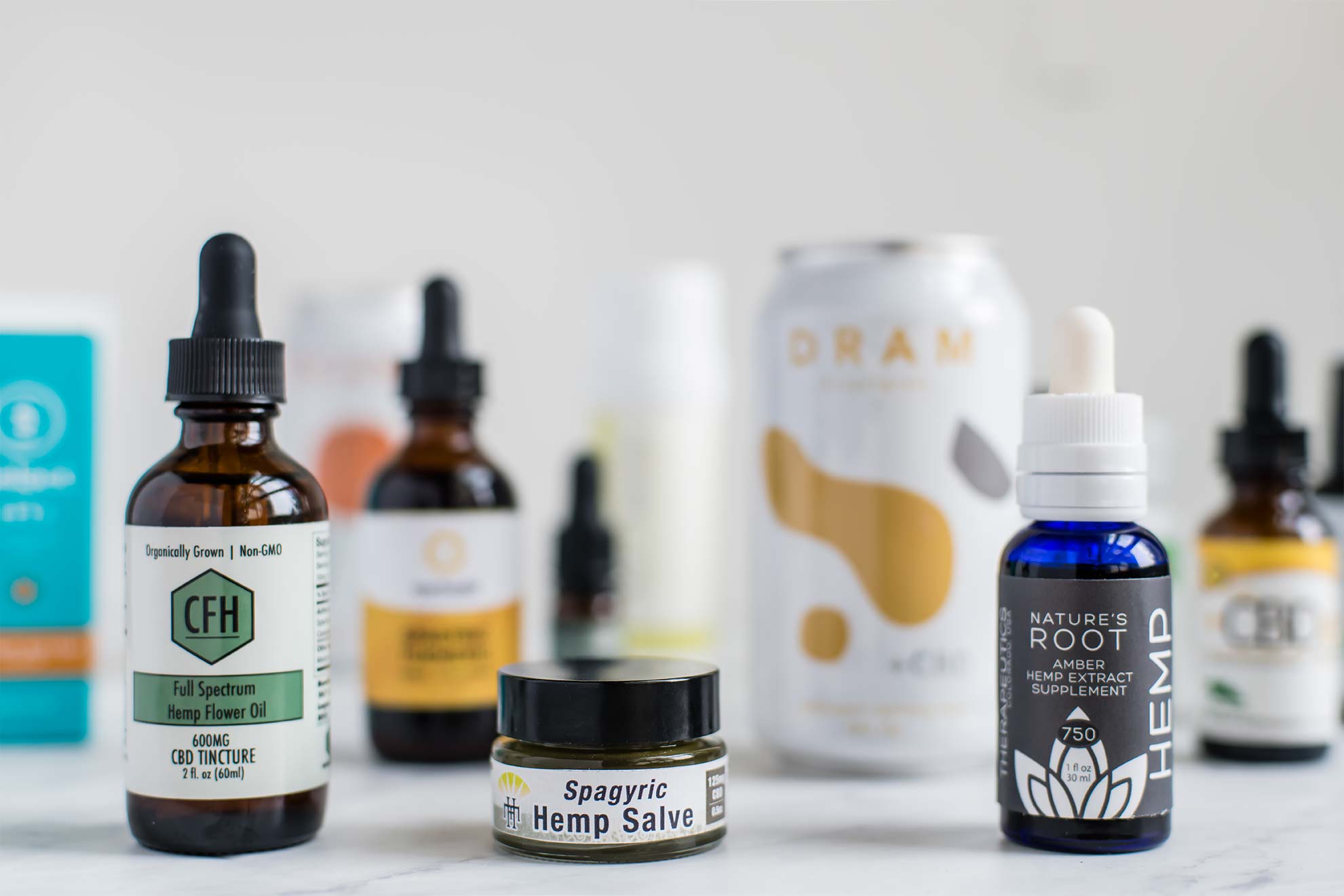
One of the biggest challenges that cultivators, processors and distributors face in doing business is the requirement to track the product at every step in the production process, from seed to sale. When you add the wide range of label sizes and requirements across the supply chain, labeling can feel overwhelming. While business systems such as METRC, BioTrack, MJFreeway and others are key, integrating accurate and secure barcode labeling with those systems will streamline the end-to-end process while meeting traceability requirements. Here are some things to consider, no matter what role in the cannabis supply chain you play.
Cultivation: Where Tracking and Labeling Starts
Cultivation is where the tracking process begins – integrating barcode labeling METRC, BioTrack, MJ Freeway from the start will streamline the end-to-end process
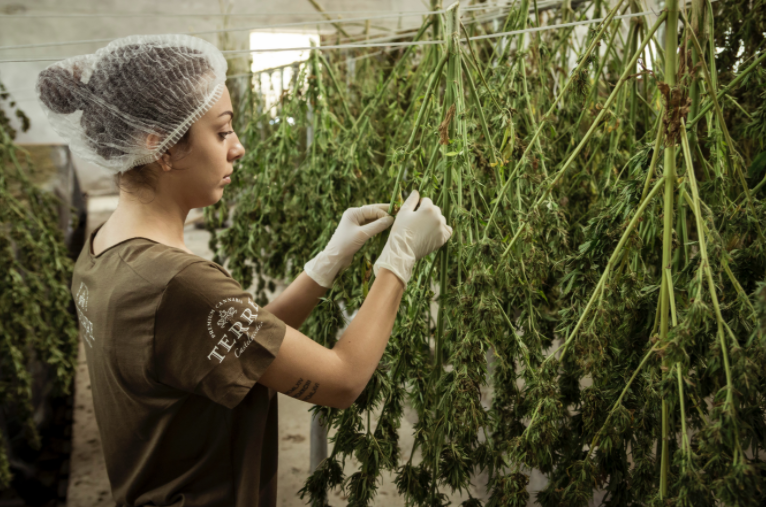
It’s crucial to implement accurate labeling processes from the beginning, whether growing for a customer or your own vertically integrated operation. The cannabis industry is faced with strict labeling regulations for a variety of cannabis products. Start with a labeling system that can integrate with METRC, BioTrack, MJ Freeway or other seed to sale software solutions. Your barcode labeling solution should also include label approval requirements, so you have role-based access and transparency with label changes and print history in case of issues or recalls. Whatever cannabis labeling regulations your business faces, label design software helps you create compliant cannabis labels throughout the supply chain, from grower to consumer.
Radio Frequency Identification (RFID) Labeling
Select regulations require growers to leverage RFID technology to track the location of the plants in their grow houses. RFID technology also enables accurate real-time inventory analysis and helps reduce manual labor costs, as well as errors that can occur with manual counting. To accurately encode RFID tags with variable plant data, be sure you are using a barcode labeling system that can enable easy RFID tag encoding that integrates data from all your business systems. Fastening RFID tags to plants across your grow house floor enables quick and easy location tracking, and RFID reading removes the need for a manual line of sight and allows hundreds of tags to be read at the same time, speeding up shipping and receiving.
Lab Testing
After a plant is cultivated, a certain percentage is sent to a lab to be tested to ensure its proper strain, weight and compound makeup. After your product has been lab tested, leverage the data from your certificate of analysis to accurately display on your cannabis product labels, including:
Pass/fail chemical testing
Final date of testing & packaging
Identification of testing lab
Cannabinoid profile & potency levels
Efficiently display lab testing results on product labels with the use of a QR code for the consumer to review the independent lab’s certificate of analysis
Processing and Production: Tracking and Labeling After the Plant Has Been Harvested
A lot of information needs to go on a cannabis label. Whether you’re producing pre-rolls, packaged flower, edibles, beverages, topicals or cartridges, your labeling software must have the capability to create a wide variety of label sizes with barcodes that encode a large volume of data, while also being fully compliant and showing consumer appeal.
Your cannabis labeling software should do the following for you:
Support database integration to populate variable data from METRC, BioTrack, and other systems
Import high-resolution artwork and leverage with dynamic barcodes and variable data
Contain barcode creation wizards for 1D & 2D barcodes
Automate weigh & print
RGB/CMYK color matching
Feature secure label approval processes, label change tracking and print history
Offer WYSIWYG (What You See is What You Get) printing
Automatically trigger printing directly from scales and scanners when cannabis is weighed
Automatically integrating data with your barcode labeling software improves regulatory compliance, security and reduces manual processes that can lead to labeling errors
Integrate labeling with your seed to sale software solution to automatically trigger label printing by an action in your seed to sale system or by monitoring a database. By integrating your label printing system with your seed to sale traceability system, you can expect to minimize errors, increase print speeds and maximize your ROI. Your business system already holds the variable data such as product names, license number, batch or lot codes, allergens, net quantity, cannabis facts, warning statements and more. By systematically sending this data to the right label template at the right time, labeling becomes an efficient and cost-effective process.
Distribution: labeling for consumer and industry demands
The ability to manage and distribute inventory efficiently is critical in the cannabis market. Warehouses and distributors need to ensure proper storage, handling and traceability of product, from the warehouse to the truck.
Leverage your labeling software to easily create:
Packaging labels
Shipping labels
Case & pallet labels
Inventory labels
If you use the same data for your documents and labels, consider moving document printing into your label design software for greater efficiency. An advanced label creation and integration software enables label and document printing standardization by allowing multiple database records to be on one file. That means when new documents or labels come into your database, your software can seamlessly integrate.
Dispensaries can benefit from integrated seed to sale labeling for traceability, speed to market
Whether you’re a small outlet or a large dispensary, you benefit from integrated barcode labeling that starts from the beginning of the process. How? When barcode labeling software is integrated with seed to sale software, product is fully traced throughout the entire process, from tagging each plant at cultivation to identifying the consumer at point of sale, and accurately communicating that data back to METRC, BioTrack and other critical systems. Some dispensaries do package raw flower onsite, which many times means manually weighing, recording and entering the weight on the label, which is a time consuming and error-prone process. Integrating weigh and print functionality with barcode software enables dispensaries to use the action of weighing raw flower to automatically trigger the label print job. The variable weight is then accurately and automatically populated on cannabis flower package labels, creating an accurate and efficient on-demand labeling process for dispensaries. With efficient labeling processes, time spent creating, correcting, approving and printing labels will be reduced, getting product on the shelves faster.
The consumer-facing CBD industry operates in a regulatory gray zone even as it grows in prominence. Illegal to market as an unapproved drug, dietary supplement or food additive under the Food, Drug & Cosmetic Act, nevertheless, the CBD industry has flourished with ingestible products widely available. With the increased consumer interest in CBD, headwinds in the form of mislabeled or contaminated products and unsubstantiated therapeutic claims, combined with regulatory uncertainty, continue to be a drag on legitimate market participants and consumer perception of CBD products. The regulation of hemp-derived CBD falls under the purview of the Food and Drug Administration (FDA) and its charge to protect the public health. Despite having jurisdiction to regulate CBD products, the FDA has done little to bring regulatory certainty to the CBD marketplace. However, the FDA, with the assistance of the National Institute of Standards and Technology (NIST), recently took important steps that can be described as “getting their ducks in a row” for the eventual regulation of hemp-derived CBD in consumer products. Always looming is the threat of criminal enforcement of the Controlled Substances Act (CSA) by the Department of Justice’s Drug Enforcement Administration (DEA) for plants and products not meeting the definition of hemp.
Prior to July 2020, the FDA’s regulation of the CBD industry was limited to a public hearing, data collection, an update report to Congress on evaluating the use of CBD in consumer products, and issuing warning letters to those marketing products for treatment of serious diseases and conditions. The FDA recognizes that regulatory uncertainty does not benefit the Agency, the industry or consumers and, therefore, is evaluating a potential lawful pathway for the marketing of CBD products. In furtherance of this effort, the FDA took several recent actions, including:
Producing a CBD Testing Report to Congress1
Providing draft guidance on Quality Considerations for Clinical Research2
Sending a CBD Enforcement Policy to the Office of Management and Budget for pre-release review and guidance3
Not to be overlooked, the NIST announced a program to help testing laboratories accurately measure compounds, including delta-9 tetrahydrocannabinol (THC) and CBD, in marijuana, hemp and cannabis products, the goal being to increase accuracy in product labeling and to assist labs in identifying THC concentrations in order to differentiate between legal hemp and federally illegal marijuana. These actions appear to be important and necessary steps towards a still be to determined federal regulatory framework for CBD products. Unfortunately, a seemingly innocent interim final rule issued by the DEA on August 21, 2020 (Interim Final Rule), may prove to be devastating to hemp processors and the CBD industry as a whole.4 While the DEA describes its actions as merely conforming DEA regulations with changes to the CSA resulting from the 2018 Farm Bill, those actions may make it exceedingly difficult for hemp to be processed for cannabinoid extraction without violating the CSA in the process.
FDA Report to Congress “Sampling Study of the Current Cannabidiol Marketplace to Determine the Extent That Products are Mislabeled or Adulterated”
On July 8, 2020, the FDA produced a report to the House and Senate Committees on Appropriations detailing the results of a sampling study to determine the extent to which CBD products in the marketplace are mislabeled or adulterated. The study confirmed what the FDA, Congress and the marketplace already knew – that in this regulatory vacuum, there are legitimate concerns about the characteristics of consumer CBD products. These concerns include whether products contain the CBD content as described in the label, whether products contain other cannabinoids (including THC) and whether products were contaminated with heavy metals or pesticides. With these concerns in mind, the FDA tested 147 CBD and hemp products purchased online for the presence of eleven cannabinoids, including determinations of total CBD and total THC, and certain heavy metals. The key tests results included the following:
94% contained CBD
2 products that listed CBD on the label did not contain CBD
18% contained less than 80% of the amount of CBD indicated
45% contained within 20% of the amount listed
37% contained more than 20% of the amount of CBD indicated
49% contained THC or THCA at levels above the lowest concentration that can be detected
Heavy metals were virtually nonexistent in the samples
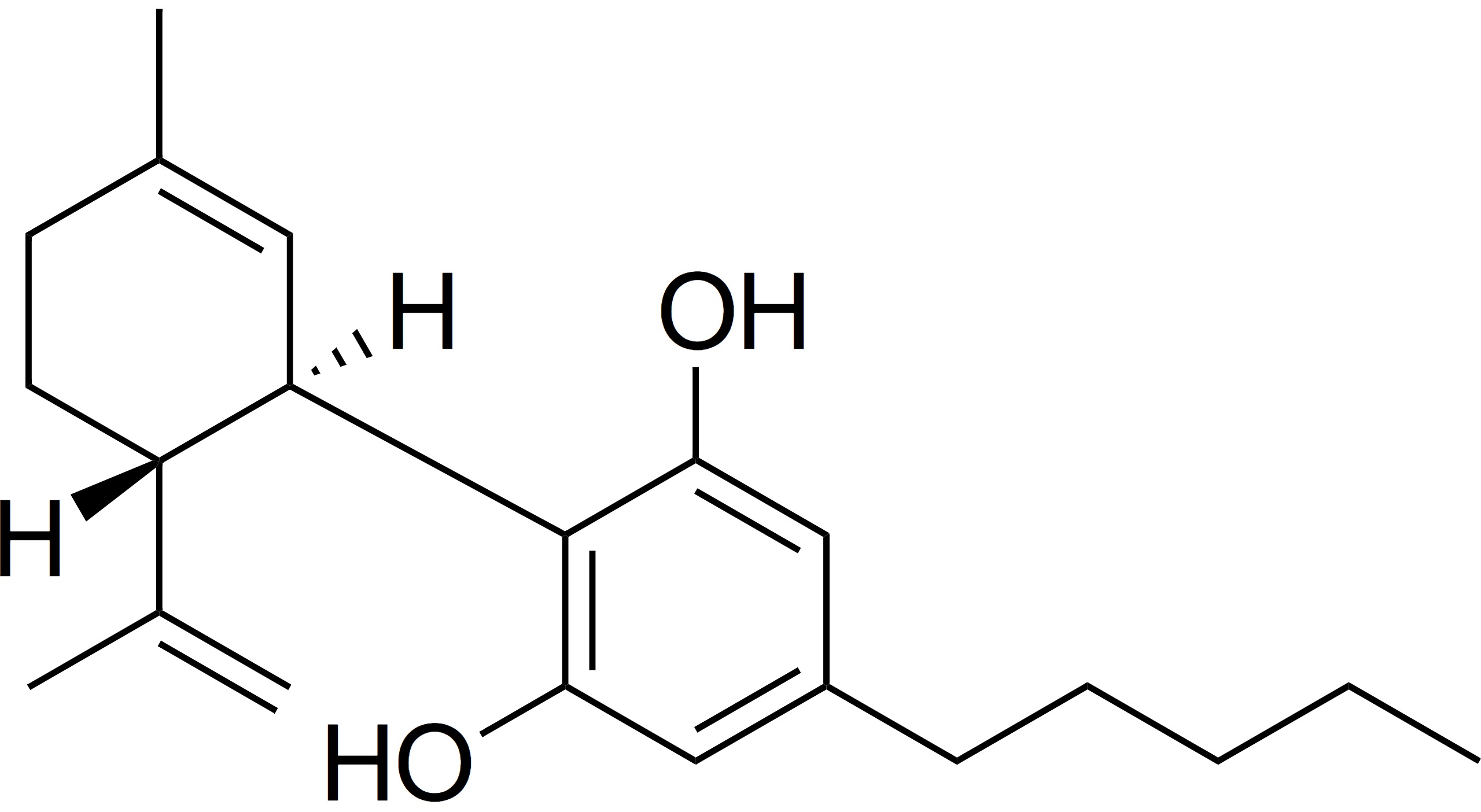
The structure of cannabidiol (CBD), one of 400 active compounds found in cannabis.
Due to the limited sample size, the FDA indicated its intention to conduct a long-term study of randomly selected products across brands, product categories and distribution channels with an emphasis on more commercially popular products. In furtherance of this effort, on August 13, 2020, the FDA published a notice soliciting submissions for a contract to help study CBD by “collecting samples and assessing the quantities of CBD and related cannabinoids, as well as potential associated contaminants such as toxic elements, pesticides, industrial chemicals, processing solvents and microbial contaminants, in foods and cosmetics through surveys of these commodities.”5
Even though this report was not voluntarily produced by the FDA, rather it was required by Congress’ Consolidated Appropriations Act of 2020, it importantly solidified a basis for the need for regulation. With less than half of the products tested falling within the 20% labeling margin of error, this suggests rampant and intentionally inaccurate labeling and/or significant variability in the laboratory testing for cannabinoids.
NIST Program to Help Laboratories Accurately Measure Compounds in Hemp, Marijuana and Cannabis Products
Proper labeling of cannabinoid content requires reliable and accurate measurement of the compounds found in hemp, marijuana and cannabis products. As part of NIST’s Cannabis Quality Assurance Program, NIST intends to help labs produce consistent measurement results for product testing and to allow forensic labs to distinguish between hemp and marijuana.6 As succinctly stated by a NIST research chemist, “When you walk into a store or dispensary and see a label that says 10% CBD, you want to know that you can trust that number.” Recognizing the lack of standards due to cannabis being a Schedule I drug for decades, NIST intends to produce standardized methods and reference materials the help labs achieve high-quality measurements.
NIST’s efforts to provide labs with the tools needed to accurately measure cannabis compounds will serve as an important building block for future regulation of CBD by the FDA. Achieving nationwide consistency in measurements will make future FDA regulations addressing CBD content in products achievable and meaningful.
FDA Industry Guidance on Quality Considerations for Clinical Research on Cannabis and Cannabis-Derived Compounds
On July 21, the FDA released draft guidance to the industry addressing quality considerations for clinical research of cannabis and cannabis-derived compounds related to the development of drugs. These recommendations are limited to the development of human drugs and do not apply to other FDA-regulated products, including food additives and dietary supplements. However, by indicating that cannabis with .3% or less of THC can be used for clinical research and discussing testing methodologies for cannabis botanical raw material, intermediaries and finished drug products, the FDA is potentially signaling to the consumer-facing CBD industry how the industry should be calculating percentage THC throughout the product formulation process.
While testing of botanical raw material is guided by the USDA Interim Final Rule on Hemp Production,7 the FDA warns that manufacturing processes may generate intermediaries or accumulated by-products that exceed the .3% THC threshold and may be considered by the DEA to be Schedule I controlled substances. This could be the case even if the raw material and finished product do not exceed .3% THC. The FDA’s guidance may eventually become the standard applied to regulated CBD products in a form other than as a drug. However, through its guidance, the FDA is warning the CBD industry that the DEA may also have a significant and potentially destructive role to play in the manufacturing process for CBD products.
FDA Submits CBD Enforcement Policy Guidance to the White House
On July 22, 2020, the FDA submitted to the White House Office of Management and Budget a “Cannabidiol Enforcement Policy – Draft Guidance for Industry” for its review. The contents of the document are not known outside of the Executive Branch and there is no guarantee as to when, or even if, it will be released. Nevertheless, given the FDA’s interest in a legal pathway forward for CBD products, the submission is looked upon as a positive step forward. With this guidance, it is important to remember that the FDA’s primary concern is the safety of the consuming public and it continues to collect data on the effects of ingestible CBD on the human body.
It is doubtful that this guidance will place CBD products in the dietary supplement category given the legal constraints on the FDA and the lack of safety data available to the FDA. The guidance likely does not draw distinctions among products using CBD isolate (as found in Epidiolex), full or broad spectrum hemp extract, despite the FDA’s expressed interest in the differences between these compositions.8 Instead, the FDA is more likely to establish guardrails for CBD ingestible products without authorizing their marketing. These could include encouragement of Good Manufacturing Practices, accuracy in labeling, elimination of heavy metal and pesticide contamination, and more vigorous enforcement against marketing involving the making of disease claims. The FDA is not expected to prescribe dosage standards, but may suggest a maximum daily intake of CBD for individuals along the lines of the U.K.’s Food Standards Agency guideline of a maximum of 70 mg of CBD per day.9
Identifying concerns in the current marketplace; promoting accuracy in testing; highlighting the line between FDA regulation and DEA enforcement; and proposing guidance to the industry all appear to be signs of substantial progress on forging a regulatory path for ingestible CBD products.
The DEA’s Interim Final Rule Addressing Derivatives and Extracts Could Have a Devastating Impact on the Cannabinoid Industry
The seemingly benign Interim Final Rule published by the DEA in August with the stated intent of aligning DEA regulations with the changes to the CSA caused by the 2018 Farm Bill’s definition of hemp could cut the legs out from under the hemp-derived CBD industry.10 Claiming it has “no discretion with respect to these amendments,” the DEA rule states that “a cannabis derivative, extract, or product that exceeds the 0.3% delta-9 THC limit is a schedule I controlled substance, even if the plant from which it was derived contained 0.3% or less delta-9 THC on a dry weight basis.”11 Under this interpretation of the 2018 Farm Bill language and the CSA, it is unclear whether processors of hemp for cannabinoid extraction would be in possession of a controlled substance if, at any time, a derivative or extract contains more than 0.3% delta-9 THC even though the derivative or extract may be in that state temporarily and/or eventually falls below the 0.3% threshold when included in the final product. It would not be unusual for extracts created in the extraction process to exceed 0.3% delta-9 THC in the course of processing cannabinoids from hemp.
The implications of the rule may have a chilling effect on those involved in, or providing services to, hemp processors. It is known, as revealed by the Secretary of the USDA to Congress, that the DEA does not look favorably on the legalization of hemp and development of the hemp industry. The DEA’s position is that the rule merely incorporates amendments to the CSA caused by the 2018 Farm Bill’s definition of hemp into DEA’s regulations. In doing so, the DEA made explicit its interpretation of the Farm Bill’s hemp provisions that it presumably has held since the language became operative. What is not known is whether this changes the DEA’s appetite for enforcing the law under its stated interpretation, which to date it has refrained from doing. Nevertheless, the industry is likely to respond in two ways. First, by submitting comments to the Interim Final Rule, which will be accepted for a 60-day period, beginning on August 21, 2020. Anyone concerned about the implications of this rule should submit comments by the deadline. Second, by the filing of a legal challenge to the rulemaking on grounds that the rule does not correctly reflect Congressional intent in legalizing hemp and, consequently, the rulemaking process violated the Administrative Procedure Act. If both fail to mitigate harm caused to the CBD industry, the industry will have to look to Congress for relief. In the meantime, if the hemp processing industry is disrupted by this rule, cannabis processors holding licenses in legal states may be looked upon to meet the supply needs of the CBD product manufacturers.
The Interim Final Rule also addresses synthetically derived tetrahydrocannabinols, finding them to be Schedule I controlled substances regardless of the delta-9 THC content. This part of the rule could impact the growing market for products containing delta-8 THC. While naturally occurring in hemp in small quantities, delta-8 THC is typically produced by chemically converting CBD, thereby likely making the resulting delta-8 THC to be considered synthetically derived.
The hemp-derived cannabinoid industry continues to suffer from a “one step forward, two steps back” syndrome. The USDA’s highly anticipated Interim Final Rule on hemp production (released Oct. 31, 2019) immediately caused consternation in the CBD industry, and continues to, due to certain restrictive provisions in the rule. Disapproval in the rule is evident by the number of states deciding to operate under their pilot programs for the 2020 growing season, rather than under the conditions of the Interim Final Rule.12 With signs of real progress by the FDA on regulating the CBD products industry, yet another interim final rule could undercut the all-important processing portion of the cannabinoid supply chain by injecting the threat of criminality where there is no intent by processors to violate the law. It is not a stretch to suggest that both the USDA and FDA are being significantly influenced by the DEA. The DEA’s Interim Final Rule is just another troubling example of the legal-illegal dichotomy of cannabis that continues to plague the CBD industry.
References
U.S. Food & Drug Admin., Report to the U.S. House Committee on Appropriations and the U.S. Senate Committee on Appropriations, Sampling Study of the Current Cannabidiol Marketplace to Determine the Extent That Products are Mislabeled or Adulterated (July 2020).
U.S. Food & Drug Admin., Cannabis and Cannabis-Derived Compounds Quality Considerations for Clinical Research: Guidance for Industry(July 2020).
U.S. Food & Drug Admin., Cannabidiol Enforcement Policy: Draft Guidance for Industry (July 2020).
Implementation of the Agriculture Improvement Act of 2018, 85 FR 51639 (Aug. 21, 2020) (to be codified at 21 C.F.R. §§ 1308, 1312).
U.S. Food & Drug Admin., Collection and Analysis of Products Containing CBD and Cannabinoids, Notice ID RFQ_75F40120R00020 (Aug. 13, 2020).
Agricultural Improvement Act of 2018, Pub. L. 115-334, title X, 10113 (codified at 7 U.S.C. §§ 1639o-1639s).
U.S. Food & Drug Admin., Report to the U.S. House Committee on Appropriations and the U.S. Senate Committee on Appropriations, Cannabidiol (CBD), p. 14 (March 2020).
U.K. Food Standards Agency, Food Standards Agency Sets Deadline for the CBD Industry and Provides Safety Advice to Consumers (Feb. 2020) at https://www.food.gov.uk/news-alerts/news/food-standards-agency-sets-deadline-for-the-cbd-industry-and-provides-safety-advice-to-consumers.
See supra n. 4.
Id.
U.S. Dept. of Agriculture, Status of State and Tribal Hemp Production Plans for USDA Approval (as of Aug. 26, 2020).
In a press release published this week, the American Association for Laboratory Accreditation (A2LA) announced they have successfully accredited Viridis Laboratories to ISO/IEC 17025:2017. Viridis Labs, based in Lansing, Michigan, gained their license to operate as a cannabis testing facility back in April 2020.
“Our company is incredibly proud of achieving this milestone of ISO/IEC 17025 accreditation through A2LA’s rigorous assessment program,” says Greg Michaud, CEO of Viridis Labs. “The choice to partner with A2LA was a simple one due to their international reputation as a global leader in accreditation programs. Additionally, their partnership and certification program through the American’s for Safe Access strengthens our accreditation further and helps solidify Viridis as Michigan’s premier cannabis testing laboratory.”
According to a press release published in late August, CBD watchdog Leafreport found a large number of inaccuracies when testing CBD-infused beverages on the market today. Leafreport conducted independent lab testing on 22 different CBD-infused beverages and found more than half of the products had less CBD than the label claimed. To be specific, 12 out of the 22 products tested contained less CBD than advertised.
Canalysis Laboratories, the lab contracted to conduct the testing, found two of the products didn’t even contain any CBD. 18 of the beverages had CBD levels with a label claim variance greater than 10%. 14 of the beverages had CBD levels with a label claim variance greater than 40%. Only 4 of the beverages achieved an ‘A’ letter grade for coming within 10% of their advertised CBD levels.
According to Lital Shafir, head of product at Leafreport, the CBD beverage market is a bit tricky, largely due to product formulation issues. “This is in line with our expectations because CBD beverages are difficult to formulate and contain relatively small amounts of CBD, which means that variations of even a few milligrams can have a big effect,” says Shafir. “The CBD industry is completely unregulated and there have been many cases of companies selling products that contain little to no CBD. That’s why third-party testing is important for brands in this industry.”
Interestingly, this report did not find a positive correlation between a company’s reputation and their product’s test results. The full study can be found here. Leafreport is an independent, peer-reviewed website dedicated to increasing transparency in the CBD marketplace.
As a medical cannabis professional, I, like most industry leaders, have been left out of the conversation around the Governor’s call to legalize recreational cannabis. Much like flying a plane without the advice of the pilot, those of us who are rooted in this space should be given a seat in the cockpit if we’re headed in this direction.
While Governor Wolf has called for legalization, which is absolutely necessary, those who understand where legislation has gone wrong and what works well – including business owners and most importantly, patients – have been largely left out of the conversation.
I meet regularly with legislators and unlike many, I speak and listen to both sides. I applaud the call for legalization by Governor Wolf, however, I question his true intentions. Is this political posturing to make Republicans look out of touch? Any political strategist would say that if you actually want something done, you must work with the opposition. Like many issues today, change can only be created once we come together. This is no different.
Few people understand that cannabis was used as medicine for thousands of years and legal in the U.S. until 1969. In 1971, Nixon told us that cannabis was “bad” and drug abuse was public enemy number one, so Americans listened. Nixon then goes on to break American law, be impeached, resigns, and yet, Americans continue to follow his lead, vilifying cannabis users, 46 years later. As a society, we are taught to conform to what we are told by elected officials and community leaders as truth.
PA Governor Tom Wolf Image: Flickr
Act 16 legalized cannabis – a term illegal to use by someone like me, who has been mandated by The Commonwealth of Pennsylvania, to use ONLY the racist term “marijuana” – but in a way that shames users. The system fails our patients at every turn leaving business owners hostage to an unmanageable “seed to sale” platform, leaving many patients without access to their medicine. Low income patients have been left out of our program by high prices and have not received any of the subsidies they were promised, even though the program has produced hundreds of millions of dollars.
Pennsylvania law strictly prohibits anyone charged with the use of cannabis to work in the industry. You cannot own a cannabis business or work for a cannabis company if you have been arrested for possessing a $10 joint. Yet, my customers skip to their cars with hundreds of dollars of weed in their bags and go about their day. Meanwhile, a 19-year-old black kid’s life just ended after he was pulled over, driving while black and the officer finds a joint. He can never receive financial aid for college or get a job because he has “a record.” The reality is, the black teen’s life will most definitely come to an end because of a joint while others can smoke walking down Broad Street and no one blinks.
Pennsylvanians want legal cannabis. It has a consistent history of reducing opioid deaths, state by state, by 25%. How many lives would be saved if we allowed those who cannot afford legal cannabis but fear prosecution for illegal use, to grow their own?
I have no judgement against those who have been conditioned to believe cannabis is an “illicit drug” because this is how we’ve been programmed. Cannabis has healed but has killed no one. We must educate our legislators before we vilify them. There are more Republicans quietly for legalization than against, but they need information, not shaming.
Legalization of cannabis is necessary to preserve our health and welfare, because we’ve become a society addicted to chemically derived pharmaceutical drugs designed to cause dependence. Cannabis is not physically addicting. It can prevent and eliminate seizures, shrink and even kill cancer tumors, settle the nervous system from diseases like Parkinson’s and MS and help those with anxiety, depression and PTSD. Legalize cannabis and clean up our homelessness, allow people of color to profit from an industry which has capitalized on them, allow low income people and all people to grow their own medicine, and reduce the violence in our streets caused by prohibition.
Pennsylvania needs a legalization law that includes real, hard-working Americans. I am one of the few, born and bred small business cannabis owners in Pennsylvania and I want opportunity for my neighbors and fellow Pennsylvanians in this space. We need legalization to save our communities, but we need two separate application processes – one that is directed toward those disproportionately impacted by the war on drugs which should be crafted to protect applicants who cannot afford thousands of dollars of application fees and the uncertainty of losing hundreds of thousands of dollars via legislative delays. The system is broken. There must be two points of entry.
Pennsylvania Republicans will legalize cannabis. Pennsylvania Democrats will not. Democrats hold no power or authority in our Republican controlled state, and they have shown no attempt to educate. Cannabis legalization is necessary to save the state, but money should not be the reason. Pennsylvanians deserve the education to understand what they do not understand.
Instead, lets legalize and allow 50% of the licenses to be awarded to social equity applicants (those disproportionately affected by the war on drugs) with a bill that is written in the best interest of the social equity applicant and the consumer. The other 50% of the applications should be open to current license holders (who should be grandfathered in with a high price license acceptance fee) and small business owners from Pennsylvania. (It is federally illegal to require residency requirements).
We must not eliminate the Multi State Operators (MSOs) because a free market depends on expertise and stability – and whether anyone wants to hear it or not, being disadvantaged is not enough to be a successful businessperson. We need a balance, but more importantly, as with our nation in crisis, we need to come together.
We CAN…
Provide affordable, non-addictive medicine to patients.
Allow people to grow their own cannabis.
Create BILLIONS in tax revenue nationally by taxing adult use cannabis.
Demand social equity reform where anyone can profit from the plant.
Free Americans from prisons and parole and expunge records.
All of this is a cry for peace. As a wise person once said, “Drunk men in a bar start a fight, high men start a band.” Spread peace not hate. Thousands die from excessive alcohol consumption every year, but legalization of cannabis does not increase usage. No one has ever died from cannabis. Tell me again why we shouldn’t legalize? Those who believe we should not might as well push for alcohol prohibition again – it has no medicinal properties and kills.
Hopes and dreams will not help our humanitarian crisis – but action and education just might…
Cannabis extraction and manufacturing is big business in California with companies expanding brands into additional states as they grow. This is the fourth article in a series where we interview leaders in the California extraction and manufacturing industry from some of the biggest and most well-known brands.
In this week’s article we talk with Michael Schimelpfenig, head of R&D and BHO extraction manager at Bear Extraction House. Michael worked in the cannabis space for about five years prior to landing his role at Bear, having spent several years in the hills of Humboldt County. The interview with Michael was conducted on August 3, 2020.
In next week’s piece, we sit down with Kristen Suchanec, vice president of Production at Island. Stay tuned for more!
Aaron Green: Good morning Michael and thank you for taking the time to chat with me today!
Michael Schimelpfenig: Thanks, excited to be here!
Aaron: I like to start off the conversation with a question that helps our readers get to know you a little better. So, Michael can you tell me how you got involved at Bear Extraction House?
Michael Schimelpfenig, head of R&D and BHO extraction manager at Bear Extraction House.
Michael: You know, I actually landed my role at Bear through a job search on LinkedIn. I had been working in the traditional market for five years and was getting tired of the irregular paychecks and general uncertainty of working in that market. You know, too many helicopter buzzes and all that. I felt like the risk vs reward just wasn’t there. I like Northern California and knew I wanted to find something up in Humboldt County where I had been fortunate to get experience out in the hills. After I applied on LinkedIn, I was contacted in twenty-four hours. I had an interview twenty-four hours after that and the next day I had a job! It’s been a big change going to a legal company. The possibilities are lightyears beyond what you can do in the traditional market. Lots of resources and equipment available that just aren’t there in the traditional market.
Aaron: Fascinating! I spent a week up on Humboldt last year and it is beautiful up there. The next questions will be focused on product development and manufacturing. What is your decision process for starting a new product?
Michael: We get feedback from a lot of different places. Sometimes a new product idea is coming from our CEO, Per. He comes to me with new ideas and asks if we can do something. Often it will start with a general question. Is it possible with the given capabilities? Is it scalable? Some of our new product ideas are based on market input and then others are based on employee input. Sometimes we have pre-existing ideas and just need to sit down to formalize them. Here at Bear we have the capability of making a lot from a little input.
We’re always playing with ideas. We have lively R&D meetings each week where we throw ideas around. Take byproducts from a product development run for example. Maybe it’s not a byproduct, but maybe a separate new product altogether! Sometimes we’ll start off wanting to make something and, in the process, create something unexpected that we are then able to turn into a product. Creating new products is just as important as improving optimizations. Ideas come from all over the place.
We focus these ideas through the R&D committee. Common questions include: How do we develop the product? What are the costs? Is it marketable? We have to view things from an economic standpoint and we won’t proceed until we can figure out what the product can be and what we can make money from. Our R&D committee is made up of our COO, Jeff, our lead extractor, our oven room manager and our post-production manager who focuses on product separation. When we kick a new project off It all takes lots of scheduling and coordination.
Aaron: Are you developing new products internally?
Michael: We do 100% in-house product development and manufacturing. We are formalizing and creating a more focused approach to R&D and are bringing in some academics now. They are young minds with backgrounds in organic chemistry and thermodynamics. This is important because it’s the science behind the process that helps to generate the products. We believe the added talent should help to provide some grounding to the R&D. Before we made a lot of products by accident. The ultimate goal is uniform manufacturing and that requires an understanding of molecular processes.
Aaron: Answer the next question however you like. What does being stuck look like for you?“If a product isn’t behaving the way we expect, we will do testing to determine cannabinoid and terpene levels to gain better understanding.”
Michael: Well, there are a couple ways to get stuck. Sometimes you can get stuck with a limited product portfolio. A year and a half ago all we made was live resin. Now we have different levels of live resin and six different vape carts. If you are not changing and developing new products, you are stuck.
When the web of production stops going that is definitely what I consider getting stuck. You can get stuck if sourcing material is difficult to find or cost prohibitive. We will pivot and adjust manufacturing material if that happens. We are also exploring best avenues for sourcing high quality trim and working with farmers to specifically grow strains and exotic genetics. But overall, getting stuck happens. Being stuck, on the other hand, is a lack of creativity.
Aaron: If you get stuck is it usually the same place? Or is it different each time?
Michael: We have redundancies for equipment and components. If we are getting stuck in the same place it is usually due to a lack of source material. Sometimes we get material that degrades prior to extraction. It’s a matter of contacting supplier to coordinate with them on the best approach forward. If a product isn’t behaving the way we expect, we will do testing to determine cannabinoid and terpene levels to gain better understanding. In the end, sometimes we just have to pivot to other products with things we have.
Aaron: Thanks for that. Now, imagine you have a magic wand that can take care of your issues. What does your magic helper look like?
Michael: My magic helper would be someone to help with reporting. Someone that can take care of METRC indexing and preparing final R&D reports. Like a magic data processor. Someone to handle the minutiae.
Aaron: What’s most frustrating thing you are going through with the business?
Michael: There’s never enough time! We continue to manufacture at full capacity all the time. With that demanding of a schedule it can be difficult to manage time between day-to-day processes and being able to look at bigger picture.
Aaron: Now for our final question: What are you following in the market and what do you want to learn about?
Michael: I’m following the guys out there that are heavy into crystallization. There are some huge THCA diamonds coming from East Coast Gold. I would like to know what their solution is. What is their magic liquid and process? I am a big fan of diamond growth. You can grow extremely pure isolates that way. We grow our own diamonds and have had them tested greater than 99.99% THCA. I think high level purity THCA from diamonds is preferred versus distillate. There is a difference in the smoke between them too. Having a process for making large quantities of diamonds would open us up to sticking our foot in edibles and topicals too. There is control that comes with having a purity level like that. Dosage is difficult without it. I am also interested in improving extract purity and isolating terpenes. I like solvent-less products. It means it came from a high-quality source. I would be just as happy smoking good flower as concentrate derived from the same flower.
Aaron: Alright that concludes our interview! Thank you again for the time today, Michael!
With the death of Facebook arbitrage, direct-to-consumer (DTC) marketers are forced to look for new ways to drive sales more quickly than ever before. Enter TV. Once seen primarily as a branding medium, DTC brands are now using television to drive online and in-store sales. The continued growth and sophistication of attribution modeling in television has allowed marketers and their agency partners to more directly measure television’s impact on KPIs.
But what if you are a brand that can’t be on Facebook or Google due to ad restrictions? Or your potential customer base is spread across multiple demographics? TV is a great, if not the only, way to reach CBD customers on a mass scale. CBD brands face the same challenges that all DTC brands face with the added bonus of additional restrictions due to product perception, and can also vary drastically state-by-state around the country. These restrictions however, also create a huge opportunity for the savvy marketer to dive in and own share of voice in the CBD market. With Facebook off the table, CBD brands are spared the expense of learning that Facebook arbitrage no longer exists. The opportunity to scale an emerging CBD brand on TV has never been more accessible.
The acceptance of CBD brands on television still faces restrictions as each network group has their own standards and practices. However, the number of networks accepting CBD products grows by the day. As education and understanding around the efficacy of CBD increase, so are the networks’ willingness to accept advertising. Remember, there once was a time when liquor brands couldn’t advertise on TV!
Looking at other media platforms for reaching potential CBD customers through advertising, terrestrial radio also provides very strict guidelines, if allowed at all; the same can be said for digital options and satellite radio. Whereas podcasts are a popular option due to regulations mostly being decided upon by the podcast’s producers, it’s hard to compare the reach to consumers of podcasts vs. television.
The nuances of navigating the media landscape for CBD brands remains complex. The opportunity to capture market share through TV is wide open. The CBD brand who recognizes this and acts most quickly has the chance to become the undisputed brand leader in a market that projects to exceed $45 billion by the year 2024.
By Seth A. Goldberg, Justin M. L. Stern No Comments
Over the past year, more and more consumer class actions have been filed against manufacturers and distributors of CBD-infused products. These actions typically assert claims based on how the product is marketed, such as whether it (i) contained the advertised amount of CBD, (ii) contained more THC than it should have or (iii) has the ability to provide the therapeutic benefits touted. The marketing of these products is subject to regulation by FDA, which has yet to issue pertinent regulations that have been expected since passage of the 2018 Farm Bill legalizing hemp and CBD products derived therefrom. Thus, in recent months, a number of federal courts have stopped these class actions in their tracks pending further guidance from FDA as to how CBD-infused products should be regulated. This growing body of precedent should be welcome news for the CBD supply chain, as it may provide a disincentive to the plaintiffs’ bar to expend their resources on similar actions until the regulatory framework is clear.
Just some of the many CBD products on the market today.
The first case that was put on hold until the “FDA completes its rulemaking regarding the marketing, including labeling, of hemp-derived ingestible products” was Snyder v. Green Roads of Florida, a case about the content of CBD in Green Roads’ products pendingin the U.S. District Court for the Southern District of Florida. Then, in May, a judge in the U.S. District Court for the Central District of California took the same approach, deciding to stay the case of Colette v. CV Sciences, Inc., also on account of the lack of FDA regulations. Less than one month later, a judge in the U.S. District Court for the Eastern District of California, relying on the rulings in Snyder and Colette, stayed Glass v. Global Widget, LLC, also under the primary jurisdiction—a doctrine implicated where the claims involve a federal agency’s expertise concerning a regulated product.
On August 11, 2020, two federal judges became the most recent to stay putative class actions involving the sale of CBD products under the primary jurisdiction doctrine: Pfister v. Charlotte’s Web Holdings, Inc., in the U.S. District Court for the Northern District of Illinois, and Ahumada v. Global Widget LLC, in the U.S. District Court for the District of Massachusetts. Both were stayed on account of a lack of regulatory direction from FDA.
A trend appears to be developing, but not all courts faced with the option to stay the proceedings pursuant to the primary jurisdiction doctrine have chosen to put their respective cases on hold. In March, the judge overseeing Potter v. Diamond CBD (pending in the U.S. District Court for the Southern District of Florida) declined to stay the proceedings despite the absence of FDA regulations concerning ingestible CBD products. Despite the defendant’s objection, the court declined to stay the proceedings, finding that to the extent FDA regulations were forthcoming, they would be unlikely to change the food labeling requirements which were at issue in that case.
The stays of federal court cases involving CBD products highlight the need for FDA to issue regulations that cover the marketing of them. They also may provide the CBD product supply chain with a break in the number of consumer class actions filed until such regulations are issued.
Cannabis extraction and manufacturing is big business in California with companies expanding brands into additional states as they grow. This is the third article in a series where we interview leaders in the California extraction and manufacturing industry from some of the biggest and most well-known brands.
In this week’s article we talk with Joaquin Rodriguez, chief operations officer at GenX Biotech. Joaquin was introduced into the cannabis industry through a close personal relationship and has spent seven years researching and navigating the cannabis market before jumping into his career with GenX Biotech. The interview with Joaquin was conducted on August 4, 2020.
Next week, we’ll interview Michael Schimelpfenig, head of R&D and BHO extraction manager at Bear Extraction House. Stay tuned for more!
Aaron Green: Hi Joaquin! I appreciate you taking the time to chat today. I’m glad we were able to connect!
Joaquin Rodriguez: Absolutely! I’m looking forward to it.
Aaron: Me too! So, I like to start off the interview with a background question so people get a chance to know about you better. How did you get involved with GenX Biotech?
Joaquin Rodriguez, chief operations officer at GenX Biotech
Joaquin: I went to school at Cal Poly for mechanical engineering and spent some time in the oil industry. In 2011 I was introduced to who would be the future founder of GenX Biotech, Shea Alderete. I spent 7 years diving into cannabis industry to better understand the landscape and Prop 215 (California’s Compassionate Use Act of 1996) and then Prop 64. In late 2017, I joined GenX Biotech to spearhead the acquisition of licensing and scale up distillate manufacturing.
Aaron: Awesome. My next questions are focused on product development. What is your decision process for starting a new product at GenX Biotech?
Joaquin: Our founder, Shea Alderete, is an innovator in product development. He specializes in formulations and new formulas for vape products. We are big on gathering empirical data. In any new product we will run a small batch and test first with heavy cannabis users to gauge their reaction to the product. We will then test with light cannabis users and finally new cannabis users so we get the full spectrum of user experiences. Throughout the process, we are gathering empirical data on things like taste and perceived therapeutic effects.
Aaron: Are you personally involved in manufacturing? Tell me about your process.
Joaquin: I am, yes. We specialize in large scale distillate manufacturing to make THC oil and we formulate batches using cannabis-derived terpenes. This what we call Sauce, a full spectrum high-terpene extract obtained from a butane hash oil (BHO) process. This is a separate extraction method from our alcohol extraction process.
Aaron: Very insightful! What is your process for developing new products?
Joaquin:GenX Biotech’s core mission is to bridge the gap between cannabis culture and the science behind cannabis. We focus more on therapeutic effects as well as recreational. We keep a pulse on the industry as a whole to see what people are doing and saying as well as new extraction methods. When we capture that data we evolve and adapt and create new formulations based on that preference and test it out. It’s a constant game of “does this look good? taste good? make you feel good? how is the potency?” It’s really a big collaboration with our end users.
We will also collaborate with other brands and manufacturers to stay ahead of the curve, share information that can make us a better company, more power in numbers is what we say. As an example, Wonderbrett is known for their high-quality flower. They have a high-end product and high-end brand recognition. We would, for example, strategize and collaborate together to utilize a unique cannabinoid and terpene profile and test that with our vape products in the market. It’s more of a collaboration than a white label relationship. In this way, Wonderbrett can expand into the extracts space via their brand. We do this with other brands as well where we’ll use their raw material and joint market the brands on the final product.
Aaron: Fantastic. Are you developing new products internally?
Joaquin: We develop all our products 100% internally.
Aaron: Do you ever bring in external product development consultants?
Joaquin: Not for products, however there are certain situations, like hardware development, where we will work with outside groups that specialize in equipment manufacturing to create something specific and one off for us. We are currently working on bringing to the market an FDA-approved inhaler technology device that is a non-combustible metered delivery device that we are really excited about. In addition, we have an incubator program with our LA partners to introduce new brands to the market which is a great asset for consulting brands looking for a home and multistate resources.
Aaron: Very cool, that’s the first I have head of inhalers in the market. For my next question feel free to answer however you like. What does being stuck look like for you?
Joaquin: Getting stuck can happen in a few different areas. With respect to manufacturing, the main bottleneck issues are consistent quality of the raw biomass materials. Mother nature does not duplicate the same results exactly every time and fluctuations can affect the cost and quality of raw goods. Other things like wear and tear on manufacturing equipment are not normally an issue as everything is stainless steel and pretty stable. But things like valves, gaskets and grommets tend to wear down with consistent use. When those fail, a whole operation can be shut down. We keep a stockpile of those on hand to make sure we stay in production.
“I support the leaders that help increase the overall knowledge for consumer and patents to know the difference between a quality product and a boof product.”Aaron: If you get stuck is it usually the same place? Or is it different each time?
Joaquin: Like I said, if we get stuck its usually in the sourcing of raw materials. Cultivators can have a bad crop or weather might affect their crop. It almost always comes down to the relationship with your cultivators. They fuel the industry and are the back bone of the whole supply chain. If they have any issues it affects everyone down line.
Aaron: Do you ever hire outside consultants when you get stuck?
Joaquin: Not really. We rely on our experience and years of operating and going through our own failures to navigate any issues with manufacturing. Collectively we work together to pivot and adapt to the ever-changing legal cannabis landscape. We do on occasion outsource to a 3rd party to help acquire raw goods. On the other hand, we separately consult for other people and groups looking to build out labs!
Aaron: That’s an excellent position to be in! For the next question imagine there’s a magic wand. What does your magic helper look like?
Joaquin: Someone that can come in and help with taxation. Triple taxation is tough. There’s the cultivation tax, manufacturing tax, state tax and local taxes. Long Beach recently lowered their local tax from six to one percent, so that is encouraging, but there needs to be a fair taxation for this industry to really thrive.
Aaron: What’s the most frustrating thing you are going through with the business?“I’m really excited for the continued education and deregulation of cannabis and its medical applications.”
Joaquin: I think that would be sales downline. With Prop 215 and the transition to prop 64, legal outlets have been heavily truncated. There are now approximately 600 legal retail outlets down from a high of about 4500 prior to prop 64. The competition landscape is really high and it’s hard to get product on the shelves without proper capital to keep the brand going. It is advantageous to partner with an established distro in order to get involved with their downline and run lean and mean.
Aaron: Now for our final question. What are you following in the market and what do you want to learn about?
Joaquin: I’m really excited for the continued education and deregulation of cannabis and its medical applications. It never should have been illegal to begin with, but with government corruption and greed it was targeted and use for multiple agendas. I support the leaders that help increase the overall knowledge for consumer and patents to know the difference between a quality product and a boof product. You have seen the results of the vape scare and there’s a good reason for it. Most people don’t want to pay the high ticket for legally compliant product so they turn to the illegal side where no regulation or testing is conducted to ensure they are getting safe, quality products.
In addition, the demand is so strong that illegal producers are able to put whatever they want in their products and sell them as if they are legit, provided they have the knock-off packaging, and those operators further harm those people because the state they are selling in hasn’t adapted to the times and has prohibited the availability of legal cannabis. Their inaction and support of the continued “war on cannabis” makes them just as guilty in the results of those people who have fallen ill or been hospitalized.
There have been lots of new studies published that are slowly making their way into social media and reaching consumers so that is encouraging. Another important element is the education of bud tenders because they are the face of the brand when the customer or patient is at a legal dispensary so they need to be educated on what makes for a quality product and how it can help or achieve a desired result for a customer or patient.
Aaron: Well, that concludes the interview Joaquin. Thanks for taking the time today to talk. This is all awesome feedback for the industry. Thanks so much for these helpful insights into product development in the cannabis industry.
In June 2020, John W. Elias, a prosecutor in the United States Department of Justice’s Antitrust Division, testified to the U.S. House Committee Judiciary that investigations of cannabis mergers were pursued based on Attorney General William Barr’s personal dislike for the cannabis industry rather than legitimate antitrust issues. Specifically, Elias testified, among other things, that since March 2019, the Antitrust Division has conducted ten investigations of mergers in the cannabis industry. Further, Elias testified that, “While these were nominally antitrust investigations, and used antitrust investigative authorities, they were not bona fide antitrust investigations.” Elias went on to state that, with respect to a proposed $682 million merger between two cannabis companies, MedMen and PharmaCann, career staff in the Antitrust Division initially examined the transaction to determine whether there should be no investigation, a brief investigation or a full investigation. Upon conclusion of its review, career staff determined that “the cannabis industry appeared to be fragmented with many market participants in the states that had legalized the product.” Accordingly, staff concluded that the proposed combination between MedMen and PharmaCann was “unlikely to raise any significant competitive concerns.”
John W. Elias, DOJ whistleblower and acting Chief of Staff to the Assistant Attorney General
Notwithstanding the career staff’s determination, Attorney General Barr ordered the Antitrust Division to issue “Second Request” subpoenas. According to Elias’s testimony, a “Second Request” subpoena is a full investigation of a proposed merger. Moreover, Elias stated, “Across the entire American economy, the Antitrust Division performs the full Second Request investigation on around 1-2% of the thousands of mergers filed each year – ordinarily, only the most concerning deals.” Based on the foregoing, Elias testified that Attorney General Barr’s decision to pursue the MedMen/PharmaCann combination was based on his dislike for the cannabis industry rather than any legitimate antitrust concerns.
There are some immediate impacts to Attorney General Barr’s decision – not limited to the MedMen/PharmaCann merger but potentially reaching any cannabis companies considering a merger or similar transaction. For example, a politically motivated probe would more than likely result in a drop of stock prices for publicly trade cannabis companies. Moreover, non-bona fide antitrust investigations of cannabis businesses could result in proposed merger transactions eventually not coming to fruition.
However, Attorney General Barr’s decision could arguably have longer term and more widespread effects on the cannabis space, and could affect situations not involving mergers or other proposed business combinations. In particular, the fact that legitimate cannabis businesses that comply with all applicable laws are still subject to unwanted and unnecessary scrutiny conceivably could lead to something that regulators had hoped would be curbed through the legalization of cannabis for adult use: cannabis operators gravitating towards the omnipresent black market. Despite cannabis being legal in 33 jurisdictions for medicinal use and 11 jurisdictions for adult use, the black market continues to thrive for several reasons, one of them being that the cost of regulatory compliance is so significant. Attorney General Barr’s decision may have created another reason for cannabis operators to abandon their plans to continue operating as or become legitimate businesses and instead revert back to operating in the black market.
Indeed, Attorney General Barr’s decision is a concern for cannabis operators because it shows that, notwithstanding that any particular operator may be compliant with state and/or local regulations, it does not mean that such cannabis operator is going to be permitted to conduct “normal” business that a non-cannabis business would be able to conduct, simply because of the underlying nature of the business. Stated differently, following the rules does not mean that a cannabis business will be left alone by people in charge who simply do not like the cannabis space.
Attorney General William Barr
Cannabis operators are very mindful of being targeted because of the nature of their business, and having regulations in place with which they could and would comply provided them with some level of certainty that they would not be targeted, or so they thought. Particularly in states like California where the regulations are complex, current and aspiring cannabis operators tend to be very concerned about being compliant with cannabis regulations from the inception of their business operations, believing that being compliant will assist them in flying under the proverbial radar and not become targeted unnecessarily simply because they are in the cannabis space. Attorney General Barr’s decision may have taken away or, at the very least, significantly decreased, that level of certainty. His decision to investigate a proposed merger of two legitimate cannabis businesses sends the message that it does not matter if a cannabis business is being compliant, and that there are other, completely subjective reasons why its operations could be investigated. This makes it extremely difficult for current and aspiring cannabis operators to determine what actions they can take to avoid unwelcome investigations or other scrutiny. If a cannabis operator is unable to mitigate scrutiny by complying with rules, this raises the concern that cannabis businesses will go back to black market activity, not only because the cost of compliance is high, but because being compliant does not necessarily protect them.
Attorney General Barr’s decision is likely not the only instance of a decision regarding cannabis businesses that was made notwithstanding existing statutes or regulations that do not support such a decision. In fact, since adult use became legal in certain jurisdictions it is not uncommon to see news discussing applicants for cannabis licenses who were denied licenses, notwithstanding that those applicants complied with all applicable laws and regulations. When applicants were denied even after complying with all rules and regulations, and when no other legitimate reason was cited for the denial, there is an indication that the denial was based on political or other personal feelings concerning the cannabis space. This not only potentially calls into question the integrity of the cannabis space, but again could lead cannabis operators back to the black market.
There are many costs of regulatory compliance for a cannabis operator, including, without limitation, high application and license fees, development and mitigation fees and exorbitant taxes. Other than the fees and taxes assessed on cannabis businesses, there are other expenses, such as the cost to construct a facility, security costs and the general operational costs that all businesses must pay, such as rent or payroll. What incentive does a cannabis operator have to expend significant resources – time, money and otherwise – to become a legitimate, licensed cannabis business if doing so does not provide any type of protection against investigations that are politically motivated or otherwise based on negative personal feelings toward the cannabis space? It may be that Attorney General Barr’s decision has given cannabis operators one more reason to reconsider going back to black market activity.
This website uses cookies so that we can provide you with the best user experience possible. Cookie information is stored in your browser and performs functions such as recognising you when you return to our website and helping our team to understand which sections of the website you find most interesting and useful.
Strictly Necessary Cookies
Strictly Necessary Cookie should be enabled at all times so that we can save your preferences for cookie settings.
We use tracking pixels that set your arrival time at our website, this is used as part of our anti-spam and security measures. Disabling this tracking pixel would disable some of our security measures, and is therefore considered necessary for the safe operation of the website. This tracking pixel is cleared from your system when you delete files in your history.
We also use cookies to store your preferences regarding the setting of 3rd Party Cookies.
If you disable this cookie, we will not be able to save your preferences. This means that every time you visit this website you will need to enable or disable cookies again.