Tag Archives: remediation

Why Cannabis Cultivation Needs a “Soil to Shelf” Standard

By Steve Garner
No Comments

In cannabis cultivation today, many decisions are made in response to market pressures such as speed, yield, and potency. But after two decades in both cannabis cultivation and commercial horticulture, I’ve come to believe that the most valuable outcomes, both for consumers and cultivators, are the result of a plant and product-forward process, not shortcuts. Too often, the industry arrives at the conclusion that craft quality and scaling operations are at odds with each other but, more often, this is due to a lack of knowledge, skill, or both.

A truly sustainable, trustworthy cultivation model demands a broader view – one that considers everything from crop health to post-harvest transparency. What my company, Ethos Cannabis, calls a “Soil to Shelf” mindset isn’t about one system or method. It’s about re-centering the values of integrity, transparency, and plant expression in an industry that too often prioritizes efficiency over quality.


Remediation Isn’t a Strategy, It’s a Red Flag

Remediation, whether through irradiation, ozone treatment, or other post-harvest processes, has become common practice in large-scale cannabis operations. For many cultivators, it’s a backstop when microbial contamination arises due to any number of factors.

But here’s the uncomfortable truth: if cannabis requires remediation to pass testing, something went wrong upstream.

The growing reliance on post-harvest correction raises concerns not only about product integrity but also about transparency. Patients and consumers often have no way of knowing if what they’re purchasing has undergone remediation despite meaningful differences in chemical profile, freshness, and potential therapeutic impact.

There’s a place for risk mitigation, of course. But the industry must ask: Are we normalizing band-aids for systemic cultivation issues rather than solving for the root causes?


Fundamentals and Crop-First Decisions

Similar to the trap of remediation, making decisions from a fundamental and crop-first perspective is one of the biggest differentiators between those who focus on quality and those who focus on shortcuts. While these fundamental decisions are often costly and not as ‘easy’ as doing things the standard, mass production model, we believe the end quality and consistency stand on their own.

A few examples from our cultivation facilities include:

  • Utilizing tissue culture labs to maintain disease and viroid-free mother stock
  • A design process for all cultivation facilities that is led by the same team that operates the facilities
  • Taking no shortcuts during the design process to ensure food-safe quality construction, redundancy with all equipment and systems that impact product quality, and remote monitoring capability to limit the risk of crop loss
  • No foliar IPM applications after day 21 of flower, to prevent any reduction in flower quality
  • Strict water, air, and surface sanitation protocols to create the most sterile environment possible
  • Irrigation and fertility programs that are strain-specific instead of a ‘one size fits all’ model
  • High-end HVAC, humidification, and dehumidification systems in all propagation, grow, dry, cure and vault spaces to ensure ideal growth or storage conditions at all stages of the process to limit

We at Ethos have a firm belief that if we build the right way the first time, evaluate and cultivate strong genetics, and intervene in the crop as little as possible, we will get the best expression of the plant that we possibly can. Quality is not about how much you do, it’s about how little you can do to get in the way of what nature does best.


The THC Trap: Potency as Proxy

The current market rewards high THC numbers, despite growing evidence that potency alone is a poor predictor of consumer experience or therapeutic value. That dynamic creates a loop where growers chase THC-dominant phenotypes, often at the expense of chemovar diversity or minor cannabinoid development. It’s a narrow definition of quality.

In practice, some of the most complex, effective, and enjoyable cultivars are those with moderate THC but robust terpene profiles and balanced cannabinoid ratios. These profiles don’t always win lab label wars, but they tend to resonate more deeply with patients and seasoned consumers alike.

A recent example of Ethos’s efforts to reverse this trend is the introduction of our Landrace Sativa line in Pennsylvania. We worked with landrace genetics (think heirloom varieties that have been cultivated regionally for hundreds of years) from Colombia, Mexico, Pakistan, Burma, and beyond to deliver a diverse range of THC and CBD, along with unique terpene profiles. These genetics, while not as commercially desirable as 30%+ THC, have delivered medical benefits to our patients that are simply not available from 99%+ of modern genetics.

Reframing “quality” to include a broader set of metrics—total active cannabinoid content, terpene expression, cultivation transparency—is critical if the industry wants to evolve beyond novelty and hype.


Cultivation Ethics and Consumer Trust

When we talk about cultivation standards, we’re really talking about consumer trust. Especially in medical markets, patients rely on consistent, clean, and fully disclosed products. That trust is built, or eroded, in the cultivation facility long before the product reaches retail.

Decisions are made in that facility, including whether to select for certain genetics, how to manage pests, when to harvest, how to cure, and how to accumulate into the final product. Every shortcut carries a consequence. Every tradeoff eventually meets the end user.

In an industry still working to shed its legacy of prohibition and stigma, building that trust through transparency and consistency may be one of the most important outcomes cultivation teams can deliver.


The Case for Systems Thinking in Cultivation

“Soil to Shelf” isn’t a program. It’s a framework, one that encourages cultivators to treat each stage of the process as interconnected and consequential. That includes:

  • Environmental inputs: Are systems designed for plant health, or simply speed and yield?
  • Genetic decisions: Are phenotypes selected based on their marketability or their full-spectrum potential?
  • Post-harvest practices: Is the flower able to stand on its own, or is it being “rescued” in processing?
  • Labeling and education: Are consumers equipped to understand what they’re using and why it matters?

There’s no single formula. But systems built with intention tend to produce products with integrity.


Where the Industry Can Go From Here

Cannabis cultivation is at a crossroads. The drive toward scale, automation, and standardization has brought many benefits but also introduced blind spots. As new states legalize and new operators enter the space, there’s an opportunity to pause and ask what kind of industry we are building.

One possible answer: an industry that values how something is grown as much as what is grown. An industry that realizes quality and profit are not at odds with each other, one is dependent on the other. One that educates consumers on more than THC content. And one that views post-harvest remediation not as a default, but as a signal that bigger changes may be needed upstream.

We have a chance to raise the bar for cultivation ethics and product quality. That won’t come from chasing the next trend, but from recommitting to the fundamentals: science, transparency, and respect for the plant.

How Does the X-Ray Method Work in Decontamination?

As cannabis production scales and testing standards tighten, cultivators face increasing pressure to ensure their products are free from harmful microbes without compromising quality. Decontamination, the process of removing or killing microorganisms, has become a common step in post-harvest processing. Traditional methods come with trade-offs that can alter the plant’s potency, aroma, or appearance.

Until recently, most producers relied on heat-based techniques, such as pasteurization, or surface treatments, including ozone and ultraviolet (UV) light exposure. While effective in food and agriculture, these methods often fail to penetrate dense cannabis flowers, allowing microbes hidden deep inside to survive. Other approaches, such as gamma and electron-beam (E-beam) irradiation, have been used safely in the food industry for decades to sterilize spices, produce, and packaged goods without affecting nutritional quality or taste.

Now, X-ray decontamination is emerging as a promising adaptation of these proven methods for cannabis. The technology penetrates through the entire flower, destroying microbial DNA while leaving cannabinoids and terpenes intact.


Jeff Adams, founder of XRPure, explains the process through a simple visual analogy:

“If you imagine a single mold spore as the size of a golf ball,” Adams says, “the DNA strands inside that spore are about the size of a needle. The X-rays, on that same scale, are the size of those needles—they pass through the ‘golf ball’ and target the DNA directly.”


Because plant cells are vastly larger on this scale, roughly fifteen feet in diameter, the X-rays pass through them virtually untouched.


“They’re targeting only the things that are on their size scale,” he adds, “which makes X-ray particularly effective at killing microbes while leaving the rest of the plant unharmed.”


By contrast, chemical or fog-based decontamination methods rely on molecules that interact with terpene and cannabinoid compounds of similar size, raising the risk of chemical reactions that can degrade flavor and aroma. X-ray avoids this issue entirely by working on a different physical scale.

Finally, Adams and his team note that X-ray systems meet the highest FDA safety standards and are sealed to prevent any radiation leakage. Operators don’t require special protective equipment or restricted rooms. “It’s a very safe, simple, and efficient technology,” says Sales Manager Joseph Bancheri, “that’s already built to comply with federal safety protocols if and when national cannabis legalization arrives.”

The Industry Has A Mold Problem

Despite the technology’s promise, decontamination in general is an ongoing debate within the cannabis industry. Some purists argue that remediation of any kind undermines the plant’s natural integrity, insisting that skilled cultivators should be able to grow clean cannabis without relying on post-harvest interventions.

Jeff Adams, founder of XRPure, acknowledges that sentiment but believes X-ray remediation represents a fundamentally different approach from heat or chemical-based methods. “One interesting thing about X-ray,” Adams explains, “is that the wavelength is almost exactly the same size as the DNA strand in a microbe. As it passes through the flower, those DNA strands absorb energy from the X-ray, which breaks them apart and essentially kills the microbe. It’s not a chemical reaction with the plant; it’s literally targeting the microbial DNA.”

That precise mechanism is what makes X-ray decontamination less likely to alter the plant’s terpenes and cannabinoids. “We completely understand the concern about maintaining quality,” Adams says. “Ideally, everyone would grow perfectly clean cannabis. But the reality is that the same environment that’s good for cultivating a plant is also good for growing microbes. Even the best operations in the country struggle with mold and mildew contamination.”

For producers operating at scale, those challenges can be costly. Adams points out that even small microbial contamination can lead to failed lab tests, lost batches, and reputational damage. “We provide a way to address contamination immediately after harvest—before packaging—so the product stays stable and clean on the shelf,” he explains.

Regardless, there’s a stigma. Cannabis that has been “treated” or “remediated” often sells for less, and many growers choose not to disclose the use of decontamination technology. “That’s just the reality of the market right now,” Adams says. “But we believe that clean cannabis is actually better for consumers. No one wants to inhale mold spores, and medical patients can be especially sensitive.”

Interestingly, consumer perception may be shifting. Adams cites a recent survey the company conducted showing that while 90% of respondents wanted transparency about whether a product had been remediated, 56% said they would be more likely to purchase treated cannabis, particularly in the medical market.

Sales Manager Joseph Bancheri adds that skepticism often comes down to scale and economics. “Some of the smaller or legacy-style growers, what I call the ‘tree-hugger naturalists’, don’t want to use any kind of remediation,” he says. “I get it. But if you’re losing 10% of your crop to microbials, that’s a big hit. Once you’re producing 100 pounds or more per month, it starts making sense to have an in-house system or send it out for treatment.”

Bancheri also points out that testing standards vary dramatically by state. Nevada allows up to 10,000 colony-forming units (CFU) per gram of microbial matter, while Illinois caps it at 1,000, and some states go as high as 100,000. “At 10,000 CFU, you’re in a reasonable middle ground,” Adams notes. “It protects medical patients but still allows growers to operate realistically. At 1,000 CFU, it becomes challenging, even for the cleanest facilities.”

Aspergillus, the common black mold sometimes found in household bathrooms, remains the biggest microbial culprit and is strictly prohibited in most states. “It’s airborne, it’s everywhere,” Adams says. “Even a sealed HVAC system can’t completely prevent it. And when you’re inhaling, your lungs don’t have the same defenses your stomach does when you eat contaminated food. That’s why this matters for public health.”

For now, the patchwork of state regulations keeps the debate alive. “Every state is its own island,” Bancheri adds. “Some base their limits on food safety data, others make up their own thresholds. Until there’s federal legalization, it’s going to stay inconsistent.”

Cost vs. Benefits

But for many growers, cost remains the deciding factor. “The biggest complaint out there,” Adams concedes, “is that people don’t want to add one more expense to their production. X-ray technology is more expensive than other remediation methods. But when you look at the numbers, the payback can happen very fast. Cannabis is a valuable product, and your losses can pile up quickly.”

To help make the technology accessible, XRPure offers leasing programs that spread costs across three- or four-year terms, covering both the machine and its maintenance. “That way, you don’t have to come up with a big chunk of money all at once,” Adams says. “For cultivators producing 300 to 400 pounds per month, the math works out—they’re actually saving money. For smaller growers, there are toll processors that can run the service for them, and we’re about to launch a mobile system that can drive right up to your farm, process your flower, and move on to the next.”

While X-ray delivers what Adams calls “the very best decontamination process,” it remains one piece of a broader post-harvest preservation puzzle—from packaging to retail storage. It’s challenging out there, but investing in technology that protects the plant’s integrity and keeps customers coming back can pay off in the long term.


Adams adds, “We’re just one piece of the puzzle, but hopefully a helpful one. As the industry moves toward medical markets and stricter standards, clean cannabis will equal quality cannabis. And organizations like ASTM are already laying the groundwork for those federal-level best practices once legalization happens nationwide.”

You can hear Jeff and Joe’s full interview on the Innovating Cannabis Podcast. 

Pesticide Remediation by CPC

By Arpad Konczol, PhD
2 Comments

Like any other natural product, the biomass of legal cannabis can be contaminated by several toxic agents such as heavy metals, organic solvents, microbes and pesticides, which significantly influence the safety of the end products.

Let’s just consider the toxicological effects. Since cannabis products are not only administered in edible forms but also smoked and inhaled, unlike most agricultural products, pesticide residue poses an unpredictable risk to consumers. One example is the potential role of myclobutanil in the vape crisis.

Unfortunately, federal and state laws are still conflicted on cannabis-related pesticides. Currently, only ten pesticide products have been registered specifically for hemp by the U.S. Environmental Protection Agency. So, the question arises what has to be done with all pf the high-value, but also contaminated cannabis, keeping in mind that during the extraction processes, not only the phytocannabinoids get concentrated but the pesticides as well, reaching concentrations up to tens or hundreds of parts per million!

Currently, there are three different sets of rules in place in the regulatory areas of Oregon, California and Canada. These regulations detail which pesticides need to be monitored and remediated if a certain limit for each is reached. Because the most extensive and strict regulations are found in Canada, RotaChrom used its regulations as reference in their case study.
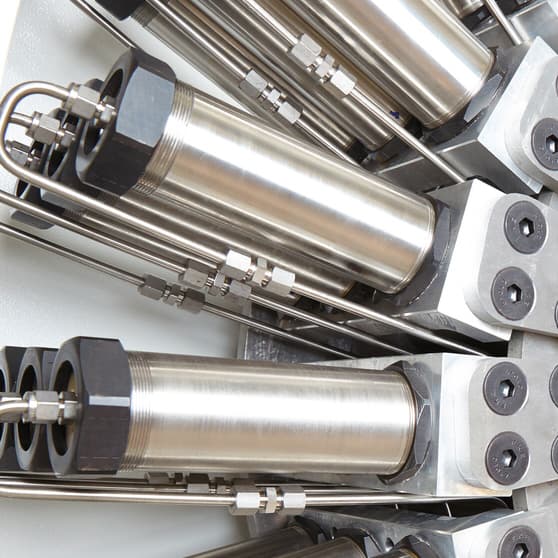
Centrifugal Partition Chromatographic (CPC) system

To illustrate that reality sometimes goes beyond our imagination, we evaluated the testing results of a THC distillate sample of one of our clients. This sample contained 9 (!) pesticides, of which six levels exceeded the corresponding action limits. The most frightening, however, regarding this sample, is that it contained a huge amount of carbofuran, a category I substance. It is better not to think of the potential toxicological hazard of this material…

The CPC-based purification of CBD is a well-known and straightforward methodology. As the elution profile on the CPC chromatogram of a distillate shows, major and minor cannabinoids can be easily separated from CBD. At RotaChrom, this method has been implemented at industrial-scale in a cost effective and high throughput fashion. In any case, the question arises: where are the pesticides on this chromatogram? To answer this, we set ourselves the goal to fully characterize the pesticide removing capability of our methodologies.

Our results on this topic received an award at the prestigious PREP Conference in 2019. The ease of pesticides removal depends on the desired Compound of Interest.

Here is a quick recap on key functionalities of the partition chromatography.

  • Separation occurs between two immiscible liquid phases.
  • The stationary phase is immobilized inside the rotor by a strong centrifugal force.
  • The mobile phase containing the sample to be purified is fed under pressure into the rotor and pumped through the stationary phase in the form of tiny droplets (percolation).
  • The chromatographic column in CPC is the rotor: cells interconnected in a series of ducts attached to a large rotor
  • Simple mechanism: difference in partition

Let’s get into the chemistry a bit:

The partition coefficient is the ratio of concentrations of a compound in a mixture of two immiscible solvents at equilibrium. This ratio is therefore a comparison of the solubilities of the solute in these two liquid phases.

The CPC chromatogram demonstrates the separation of Compounds of Interest based on their unique partition coefficients achieved through a centrifugal partition chromatography system.

CPC can be effectively used for pesticide removal. About 78% of the pesticides around CBD are very easy to remove, which you can see here:
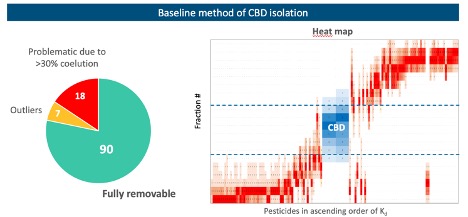
In this illustration, pesticides are in ascending order of Kd from left to right. CBD, marked with blue, elutes in the middle of the chromatogram. The chart illustrates that most polar and most apolar pesticides were easily removed beside CBD. However, some compounds were in coelution with CBD (denoted as “problematic”), and some compounds showed irregular Kd-retention behavior (denoted as “outliers”).

If pesticides need to be removed as part of THC purification, then the pesticides that were problematic around CBD would be easier to remove and some of the easy ones would become problematic.

To simulate real-world production scenarios, an overloading study with CBD was performed, which you can see in the graph:

It is easy to see on the chromatogram that due to the increased concentration injected onto the rotor, the peak of CBD became fronting and the apparent retention shifted to the right. This means that pesticides with higher retention than CBD are more prone to coelution if extreme loading is applied.

To be able to eliminate problematic pesticides without changing the components of the solvent system, which is a typical industrial scenario, the so-called “sweet spot approach” was tested. The general rule of thumb for this approach is that the highest resolution of a given CPC system can be exploited if the Kd value of the target compounds fall in the range of 0.5-2.0. In our case, to get appropriate Kd values for problematic pesticides, the volume ratio of methanol and water was fine-tuned. Ascending mode was used instead of descending mode. For the polar subset of problematic pesticides, this simple modification resulted in an elution profile with significantly improved resolution, however, some coelution still remained.
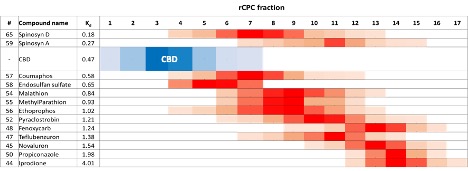
In the case of apolar pesticides, the less polar solvent system with decreased water content in ascending mode provided satisfactory separation.

Moreover, if we focus on this subset in the three relevant regulatory areas, the outcome is even more favorable. For example, myclobutanil and bifenazate, dominant in all of the three regulatory regions, are fully removable in only one run of the CPC platform.

Based on these results, a generic strategy was created. The workflow starts with a reliable and precise pesticide contamination profile of the cannabis sample, then, if it does not appear to indicate problematic impurity, the material can be purified by the baseline method. However, if coeluting pesticides are present in the input sample, there are two options. First, adjusting the fraction collection of the critical pesticide can be eliminated, however the yield will be compromised in this case. Alternatively, by fine-tuning the solvent system, a second or even a third run of the CPC can solve the problem ultimately. Let me add here, that a third approach, i.e., switching to another solvent system to gain selectivity for problematic pesticides is also feasible in some cases.

In review, RotaChrom has conducted extensive research to analyze the list of pesticides according to the most stringent Canadian requirements. We have found that pesticides can be separated from CBD by utilizing our CPC platform. Most of these pesticides are relatively easy to remove, but RotaChrom has an efficient solution for the problematic pesticides. The methods used at RotaChrom can be easily extended to other input materials and target compounds (e.g., THC, CBG).
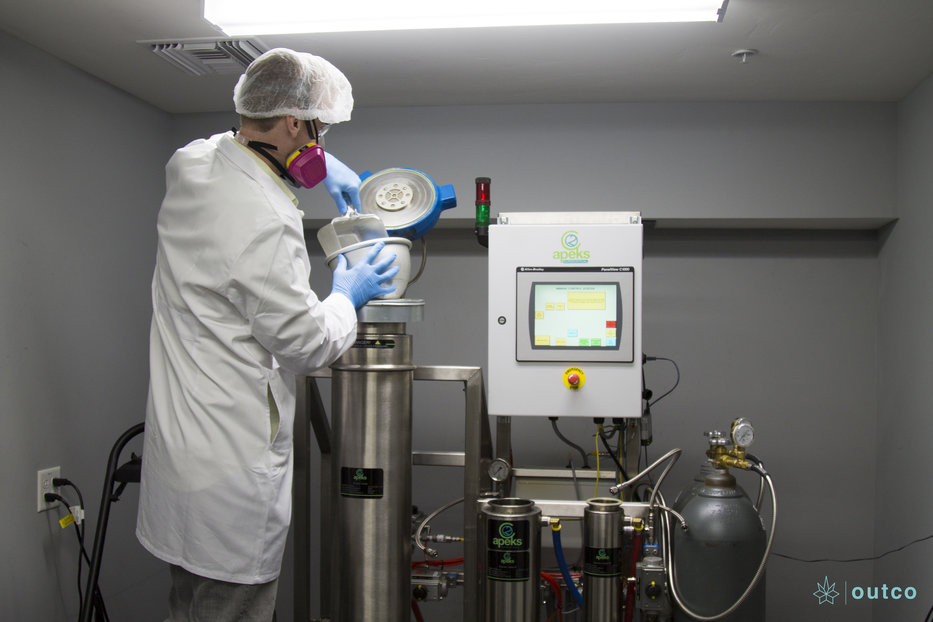
extraction equipment

THC Remediation of Hemp Extracts

By Darwin Millard
1 Comment
extraction equipment

Remediation of delta-9 tetrahydrocannabinol (d9-THC) has become a hot button issue in the United States ever since the Drug Enforcement Agency (DEA) released their changes to the definitions of marijuana, marijuana extract, and tetrahydrocannabinols exempting extracts and tetrahydrocannabinols of a cannabis plant containing 0.3% or less d9-THC on a dry weight basis from the Controlled Substances Act. That is because, as a direct consequence, all extracts and tetrahydrocannabinols of a cannabis plant containing more than 0.3% d9-THC became explicitly under the purview of the DEA, including work-in-progress “hemp extracts” that because of the extraction process are above the 0.3% d9-THC limit immediately upon creation.

The legal ramifications of these changes to the definitions on the “hemp extracts” marketplace will not be addressed. Instead, this article focuses on the amount of d9-THC that is available in the plant material prior to extraction and tracks a “hemp extract” from the point it falls out of compliance to the point it becomes compliant again and stresses the importance of accurate track-n-trace protocols at the processing facility. The model developed to support this article was intended to be academic and was designed to follow the d9-THC portion of a “hemp extract” through the lifecycle of a typical CO2-based extract from initial extraction to THC remediation. A loss to the equipment of 2% was used for each step.

Initial Extraction

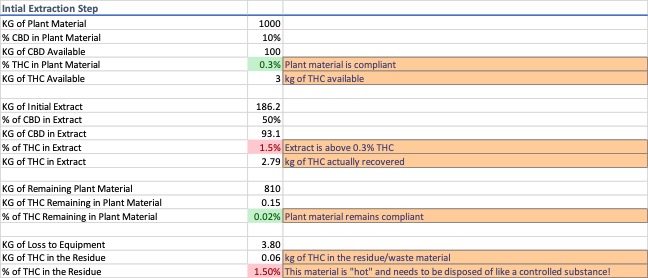
For this exercise, a common processing scenario of 1000 kg of plant material at 10% cannabidiol (CBD) and 0.3% d9-THC by weight was modeled. This amount, depending on scale of operations, can be a facility’s total capacity for the day or the capacity for a single run. 1000 kg of plant material at 0.3% d9-THC has 3 kg of d9-THC that could be extracted, purified, and diverted into the marketplace. CO2 has a nominal extraction efficiency of 95%, meaning some cannabinoids are left behind in the plant material. The same can be said about the recovery of the extract from the equipment. Traces of extract will remain in the equipment and this little bit of material, if unaccounted for, can potentially open an operator up to legal consequences. Data for the initial extraction is shown in Image 1.

Image 1: Summary Data Table for Typical CO2-based Extraction of Phytocannabinoids

As soon as the initial extract is produced it is out of compliance with the 0.3% d9-THC limit to be classified as a “hemp extract”, and of the 3 kg of d9-THC available, the extract contains approx. 2.8 kg, because some of the d9-THC remains in the plant material and some is lost to the equipment.

Dewaxing via Winterization and Solvent Removal

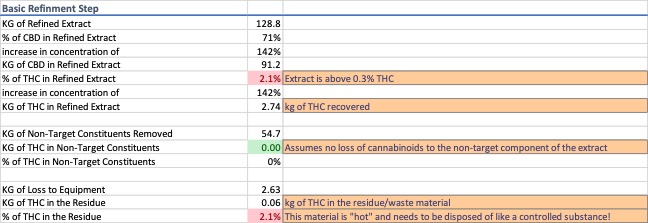
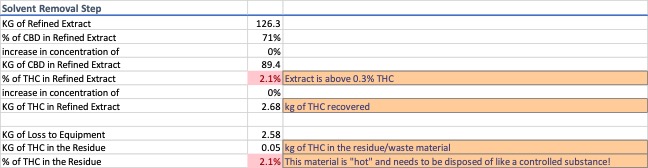
Dewaxing a typical CO2 extract via winterization is a common process step. For this exercise, a wax content of 30% by weight was used. A process efficiency of 98% was attributed to the wax removal process and it was assumed that 100% of the loss can be accounted for in the residue recovered from the equipment rather than in the removed waxes. Data for the winterization and solvent recovery are shown in Image 2 and 3.

Image 2: Summary Data Table for Typical Winterization of a CO2 Extract
Image 3: Summary Data Table for Solvent Removal from a CO2 Extract

Two things occur during winterization and solvent removal, non-target constituents are removed from the extract and there is compounded loss from multiple pieces of process equipment. These steps increase the concentration of the d9-THC portion of the extract and produce two streams of noncompliant waste.

Decarboxylation & Devolatilization

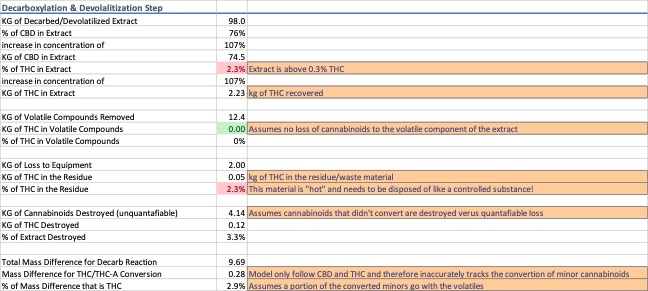
Most cannabinoids in the plant material are in their acid form. For this exercise, 90% of the cannabinoids were considered to be acid forms. Decarboxylation is known to produce a mass difference of 87.7%, i.e. the neutral forms are 12.3% lighter than the acid forms. Heat was modeled as the primary driver and a process efficiency of 95% was used for the conversion rate during decarboxylation. To simplify the model, the remaining 5% acidic cannabinoids are presumed destroyed rather than degraded into other compounds because the portion of the cannabinoids which get destroyed versus degrade into other compounds varies from process to process.

Devolatilization is the process of removing low-molecular weight constituents from an extract to stabilize it prior to distillation. Since the molecular constituents of cannabis resin extracts vary from variety to variety and process to process, the extracts were assumed to consist of 10% volatile compounds. The model combines the decarboxylation and devolatilization steps to account for complete decarboxylation of the available acidic cannabinoids and ignores their weight contribution to the volatiles collected during devolatilization. Destroyed cannabinoids result in an amount of loss that can only be accounted for through a complete mass balance analysis. Data for decarboxylation and devolatilization are shown in Image 4.

Image 4: Summary Data Table for Decarboxylation and Devolatilization of a CO2 Extract

As the extract moves along the process train, the d9-THC concentration continues to increase. Decarboxylation further complicates traceability because there is both a known mass difference associated with the process and an unknown mass difference that must be calculated and justified.

Distillation

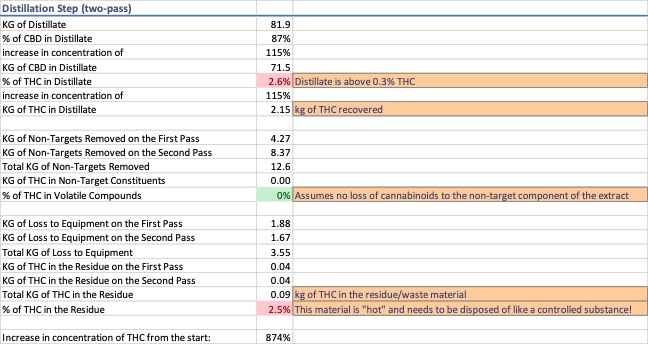
A two-pass distillation was modeled. On each pass a portion of the extract was removed to increase the cannabinoid concentration in the recovered material. Average data for distilled “hemp extracts” was used to ensure the model did not over- or underestimate the concentration of the cannabinoids in the distillate. The variables used to meet these data constraints were derived experimentally to match the model to the scenario described and are not indicative of an actual distillation. Data for distillation is shown in Image 5.

Image 5: Summary Data Table for Distillation of a Decarboxylated and Devolatilized Extract

After distillation, the d9-THC concentration is shown to have increased by 874% from the original concentration in the plant material. Roughly 2.2 kg of the available 3 kg of d9-THC remains in the extract, but 0.8 kg of d9-THC has either ended up in a waste stream or walking out the door.

Chromatography – THC Remediation Step 1

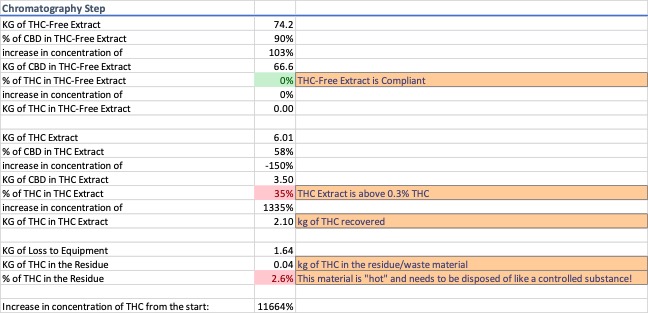
Chromatography was modeled to remove the d9-THC from the extract. Because there are several systems with variable efficiency rates at being able to selectively isolate the d9-THC peak from the eluent stream, the model used a 5% cut-off on the front-end and tail-end of the peak, i.e. 5% of the material before the d9-THC peak and 5% of the material after the d9-THC peak is assumed to be collected along with the d9-THC. Data for chromatography is shown in Image 6.

Image 6: Summary Data Table for d9-THC Removal using Chromatography

After chromatography, a minimum of three products are produced, compliant “hemp extract”, d9-THC extract, and noncompliant residue remaining in the equipment. The d9-THC extract modeled contains 2.1 kg of the available 3 kg in the plant material, and is 35% d9-THC by weight, an increase of 1335% from the distillation step and 11664% from the plant material.

CBN Creation – THC Remediation Step 2

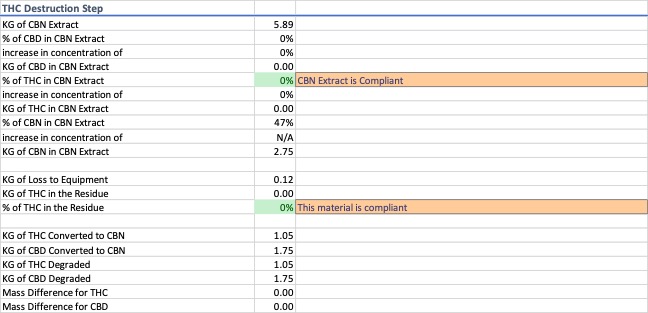
For this exercise, the d9-THC extract was converted into cannabinol (CBN) using heat rather than cyclized into d8-THC, but a similar model could be used to account for this scenario. The conversion rate of the cannabinoids into CBN through heat degradation alone is low. Therefore, the model assumes half of the available cannabinoids in the d9-THC extract are converted to CBN. The entirety of the remaining portion of the cannabinoids are assumed to convert to some form of degradant rather than a portion getting destroyed. Data for THC destruction is shown in Image 7.

Image 7: Summary Data Table for THC Destruction through Degradation into CBN

Only after the CBN cyclization step has completed does the product that was the d9-THC extract become compliant and classifiable as a “hemp extract.”

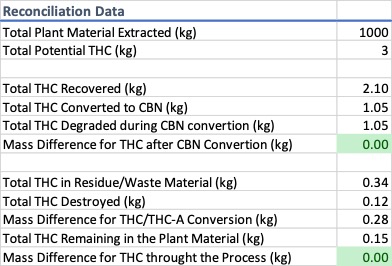
Image 8: Summary Data Table for Reconciliation of the d9-THC Portion of the Hemp Extract

Throughout the process, from initial extraction to the final d9-THC remediation step, loss occurs. Of the 3 kg of d9-THC available in the plant material only 2.1 kg was recovered and converted to CBN. 0.9 kg was either lost to the equipment, destroyed in the process, attributable to the mass difference associated with decarboxylation, or was never extracted from the plant material in the first place. All of these potential areas of product loss should be identified, and their diversion risk fully assessed. Not every waste stream poses a risk of diversion, but some do; having a plan in place to handle waste the DEA considers a controlled substance is essential. Without a track-n-trace program following the d9-THC and identifying the potential risk of diversion would be impossible. The point of this is not to instill fear, instead the intention is to shed light on a very real issue “hemp extract” producers and state regulators need to understand to protect themselves and their marketplace from the DEA.

New Guidance on Waste Disposal for Hemp Producers

By Stephanie McGraw, Emily Sellers
No Comments

On January 15, 2021, the USDA published its final rule on US hemp production. The rule, which becomes effective on March 22, 2021, expands and formalizes previous guidance related to waste disposal of noncompliant or “hot” crops (crops with a THC concentration above .3 percent). Importantly for the industry, the new disposal rules remove unduly burdensome DEA oversight and provides for remediation options.

Producers will not be required to use a DEA reverse distributor or law enforcement to dispose of noncompliant plants. Instead, producers will be able to use common on-farm practices for disposal. Some of these disposal options include, but are not limited to, plowing under non-compliant plants, composting into “green manure” for use on the same land, tilling, disking, burial or burning. By eliminating DEA involvement from this process, the USDA rules serve to streamline disposal options for producers of this agricultural commodity.

Alternatively, the final rule permits “remediation” of noncompliant plants. Allowing producers to remove and destroy noncompliant flower material – while retaining stalk, stems, leaf material and seeds – is an important crop and cost-saving measure for producers, especially smaller producers. Remediation can also occur by shredding the entire plant to create “biomass” and then re-testing the biomass for compliance. Biomass that fails the retesting is noncompliant hemp and must be destroyed. The USDA has issued an additional guidance document on remediation. Importantly, this guidance advises that lots should be kept separate during the biomass creation process, remediated biomass must be stored and labeled apart from each other and from other compliant hemp lots and seeds removed from non-compliant hemp should not be used for propagative purposes.

The final rules have strict record keeping requirements, such rules ultimately protect producers and should be embraced. For example, producers must document the disposal of all noncompliant plants by completing the “USDA Hemp Plan Producer Disposal Form.” Producers must also maintain records on all remediated plants, including an original copy of the resample test results. Records must be kept for a minimum of three years. While USDA has not yet conducted any random audits, the department may conduct random audits of licensees.

Although this federal guidance brings some clarity to hemp producers, there still remains litigation risks associated with waste disposal. There are unknown environmental impacts from the industry and there is potential tort liability or compliance issues with federal and state regulations. For example, as mentioned above, although burning and composting disposal options for noncompliant plants, the final rule does not address the potential risk for nuisance complaints from smoke or odor associated with these methods.

At the federal level, there could be compliance issues with the Resource Conservation and Recovery Act (RCRA), Comprehensive Environmental Response Compensation and Liability Act (CERCLA) and ancillary regulations like Occupation Safety and Health Administration (OSHA). In addition to government enforcement under RCRA and CERCLA, these hazardous waste laws also permit private party suits. Although plant material from cultivation is not considered hazardous, process liquids from extraction or distillation (ethanol, acetone, etc.) are hazardous. Under RCRA, an individual can bring an “imminent and substantial endangerment” citizen suit against anyone generating or storing hazardous waste in a way the presents imminent and substantial endangerment to health or the environment. Under CERCLA, private parties who incur costs for removal or remediation may sue to recover costs from other responsible parties.

At the state level, there could be issues with state agency guidance and state laws. For example, California has multiple state agencies that oversee cannabis and hemp production and disposal. CA Prop 65 mandates warnings for products with certain chemicals, including pesticides, heavy metals and THC. The California Environmental Quality Act (CEQA) requires the evaluation of the environmental impact of runoff or pesticides prior to issuing a cultivation permit. Both environmental impact laws permit a form of private action.

Given the varied and evolving rules and regulation on hemp cultivation, it remains essential for hemp producers to seek guidance and the help of professionals when entering this highly regulated industry.

The Best Way to Remediate Moldy Cannabis is No Remediation at All

By Ingo Mueller
3 Comments

Consumers are largely unaware that most commercial cannabis grown today undergoes some form of decontamination to treat the industry’s growing problem of mold, yeast and other microbial pathogens. As more cannabis brands fail regulatory testing for contaminants, businesses are increasingly turning to radiation, ozone gas, hydrogen peroxide or other damaging remediation methods to ensure compliance and avoid product recalls. It has made cannabis cultivation and extraction more challenging and more expensive than ever, not to mention inflaming the industry’s ongoing supply problem.

The problem is only going to get worse as states like Nevada and California are beginning to implement more regulations including even tougher microbial contamination limits. The technological and economic burdens are becoming too much for some cultivators, driving some of them out of business. It’s also putting an even greater strain on them to meet product demand.

It’s critical that the industry establishes new product standards to reassure consumers that the cannabis products they buy are safe. But it is even more critical that the industry look beyond traditional agricultural remediation methods to solve the microbial problems.

Compounding Risks

Mold and other microbial pathogens are found everywhere in the environment, including the air, food and water that people consume. While there is no consensus yet on the health consequences of consuming these contaminants through cannabis, risks are certainly emerging. According to a 2015 study by the Cannabis Safety Institutei, molds are generally harmless in the environment, but some may present a health threat when inhaled, particularly to immunocompromised individuals. Mycotoxins resulting from molds such as Aspergillus can cause illnesses such as allergic bronchopulmonary aspergillosis. Even when killed with treatment, the dead pathogens could trigger allergies or asthma.

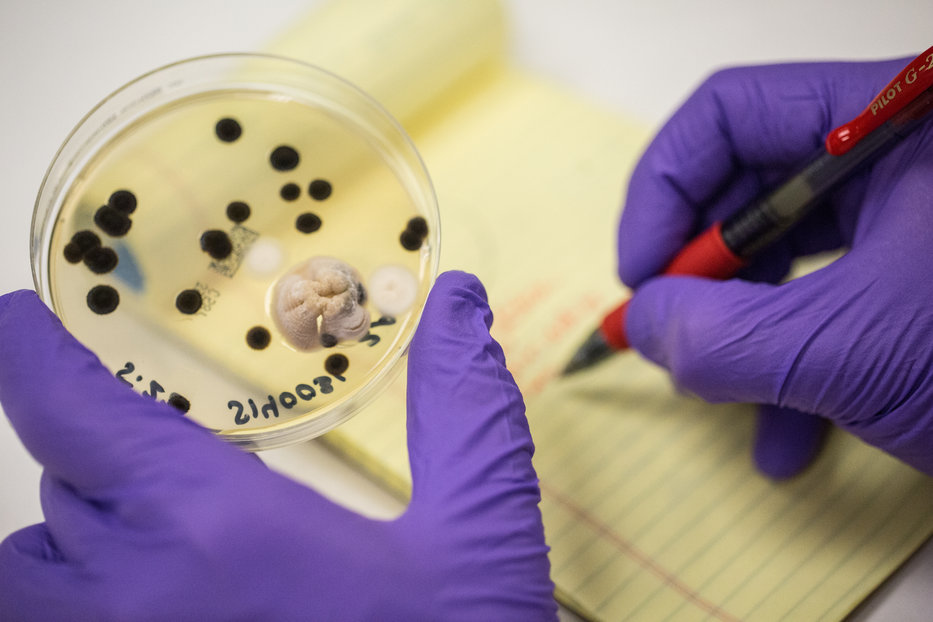
Photo credit: Steep Hill- a petri dish of mold growth from tested cannabis

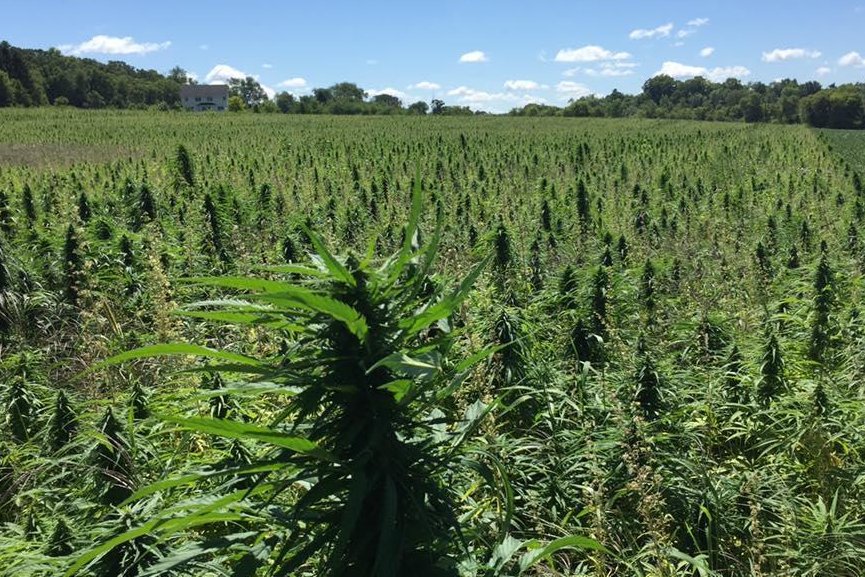
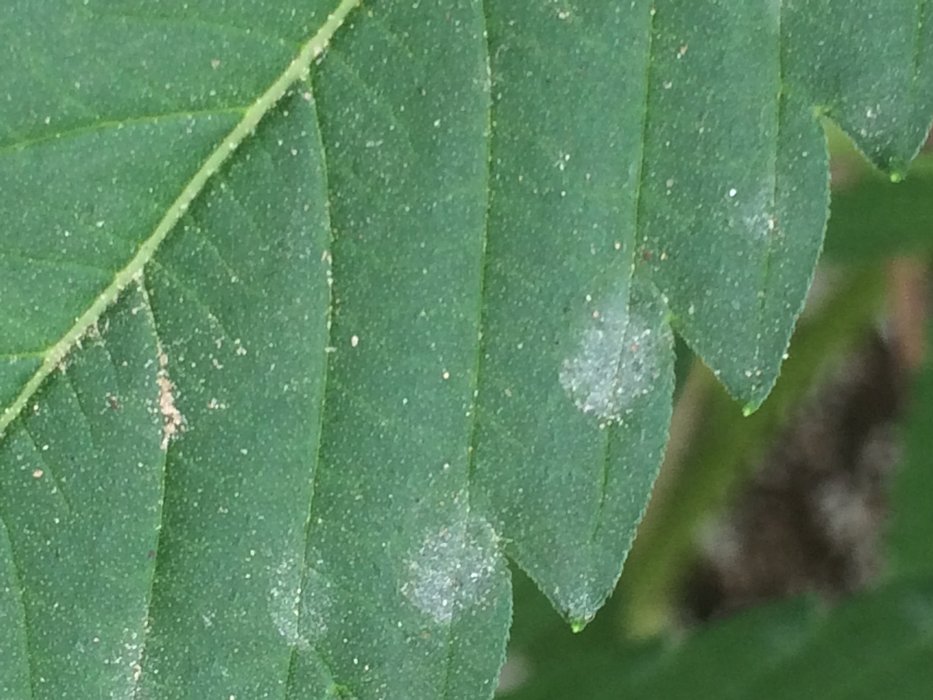
There is an abundance of pathogens that can affect cannabis cultivation, but the most common types are Botrytis (bud rot, sometimes called gray mold) and Powdery Mildew. They are also among the most devastating blights to cannabis crops. Numerous chemical controls are available to help prevent or stem an outbreak, ranging from fungicides and horticultural oils to bicarbonates and biological controls. While these controls may save an otherwise doomed crop, they introduce their own potential health risks through the overexposure and consumption of chemical residues.

The issue is further compounded by the fact that the states in which cannabis is legal can’t agree on which microbial pathogens to test for, nor how to test. Colorado, for instance, requires only three pathogen tests (for salmonella, E. coli, and mycotoxins from mold), while Massachusetts has exceedingly strict testing regulations for clean products. Massachusetts-based testing lab, ProVerde Laboratories, reports that approximately 30% of the cannabis flowers it tests have some kind of mold or yeast contamination.

If a cannabis product fails required microbial testing and can’t be remedied in a compliant way, the grower will inevitably experience a severe – and potentially crippling – financial hit to a lost crop. Willow Industries, a microbial remediation company, says that cannabis microbial contamination is projected to be a $3 billion problem by 2020ii.

Remediation Falls Short
With the financial stakes so high, the cannabis industry has taken cues from the food industry and adopted a variety of ways to remediate cannabis harvests contaminated with pathogens. Ketch DeGabrielle of Qloris Consulting spent two years studying cannabis microbial remediation methods and summarized their pros and consiii.

He found that some common sterilization approaches like autoclaves, steam and dry heat are impractical for cannabis due the decarboxylation and harsh damage they inflict on the product. Some growers spray or immerse cannabis flowers in hydrogen peroxide, but the resulting moisture can actually cause more spores to germinate, while the chemical reduces the terpene content in the flowers.

Powdery mildew starts with white/grey spots seen on the upper leaves surface

The more favored, technologically advanced remediation approaches include ozone or similar gas treatment, which is relatively inexpensive and treats the entire plant. However, it’s difficult to gas products on a large scale, and gas results in terpene loss. Microwaves can kill pathogens effectively through cellular rupture, but can burn the product. Ionizing radiation kills microbial life by destroying their DNA, but the process can create carcinogenic chemical compounds and harmful free radicals. Radio frequency (which DeGabrielle considers the best method) effectively kills yeast and mold by oscillating the water in them, but it can result in moisture and terpene loss.

The bottom line: no remediation method is perfect. Prevention of microbial contamination is a better approach. But all three conventional approaches to cannabis cultivation – outdoors, greenhouses and indoor grow operations – make it extremely difficult to control contamination. Mold spores can easily gain a foothold both indoors and out through air, water, food and human contact, quickly spreading into an epidemic.

The industry needs to establish new quality standards for product purity and employ new growing practices to meet them. Advanced technologies can help create near perfect growing ecosystems and microclimates for growing cannabis free of mold contamination. Internet of Things sensors combined with AI-driven robotics and automation can dramatically reduce human intervention in the growing process, along with human-induced contamination. Natural sunlight supplemented with new lighting technologies that provide near full-light and UV spectrum can stimulate robust growth more resistant to disease. Computational fluid dynamic models can help growers achieve optimal temperature, humidity, velocity, filtration and sanitation of air flow. And tissue culture micropropagation of plant stock can eliminate virus and pathogen threats, to name just a few of the latest innovations.

Growing legal cannabis today is a risky business that can cost growers millions of dollars if pathogens contaminate a crop. Remediation methods to remove microbial contamination may work to varying degrees, but they introduce another set of problems that can impact consumer health and comprise product quality.


References

i. Holmes M, Vyas JM, Steinbach W, McPartland J. 2015. Microbiological Safety Testing of Cannabis. Cannabis Safety Institute. http://cannabissafetyinstitute.org/wp-content/uploads/2015/06/Microbiological-Safety-Testing-of-Cannabis.pdf

ii. Jill Ellsworth, June 2019, Eliminating Microbials in Marijuana, Willow Industries, https://willowindustries.com/eliminating-microbials-in-marijuana/#

iii. Ketch DeGabrielle, April 2018, Largest U.S. Cannabis Farm Shares Two Years of Mold Remediation Research, Analytical Cannabis, https://www.analyticalcannabis.com/articles/largest-us-cannabis-farm-shares-two-years-of-mold-remediation-research-299842


autoclave

10 Treatment Methods to Reduce Mold in Cannabis

By Ketch DeGabrielle
9 Comments
autoclave

As the operations manager at Los Sueños Farms, the largest outdoor cannabis farm in the country, I was tasked with the challenge of finding a yeast and mold remediation treatment method that would ensure safe and healthy cannabis for all of our customers while complying with stringent regulations.

While outdoor cannabis is not inherently moldy, outdoor farms are vulnerable to changing weather conditions. Wind transports spores, which can cause mold. Each spore is a colony forming unit if plated at a lab, even if not germinated in the final product. In other words, perfectly good cannabis can easily fail microbial testing with the presence of benign spores.

Fun Fact: one square centimeter of mold can produce over 2,065,000,000 spores.

If all of those landed on cannabis it would be enough to cause over 450 pounds of cannabis to fail testing, even if those spores remained ungerminated.

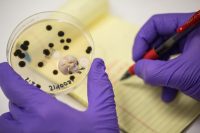
Photo credit: Steep Hill- a petri dish of mold growth from tested cannabis

It should also be known that almost every food item purchased in a store goes through some type of remediation method to be considered safe for sale. Cannabis is finally becoming a legitimized industry and we will see regulations that make cannabis production look more like food production each year.

Regulations in Colorado (as well as Nevada and Canada) require cannabis to have a total yeast and mold count (TYMC) of ≤ 10,000 colony forming units per gram. We needed a TYMC treatment method that was safe, reliable, efficient and suitable for a large-scale operation. Our main problem was the presence of fungal spores, not living, growing mold.

Below is a short list of the pros and cons of each treatment method I compiled after two years of research:

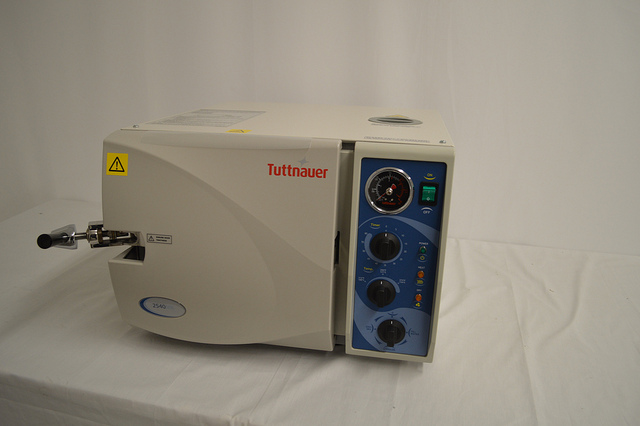
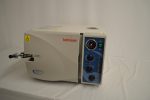
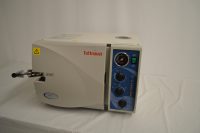
Autoclave: This is the same technology used to sterilize tattoo needles and medical equipment. Autoclave uses heat and pressure to kill living things. While extremely effective, readily available and fiscally reasonable, this method is time-consuming and cannot treat large batches. It also utilizes moisture, which increases mold risk. The final product may experience decarboxylation and a change in color, taste and smell.

Dry Heat: Placing cannabis in dry heat is a very inexpensive method that is effective at reducing mold and yeast. However, it totally ruins product unless you plan to extract it.

autoclave
An autoclave
Image: Tom Beatty, Flickr

Gamma Ray Radiation: By applying gamma ray radiation, microbial growth is reduced in plants without affecting potency. This is a very effective, fast and scalable method that doesn’t cause terpene loss or decarboxylation. However, it uses ionizing radiation that can create new chemical compounds not present before, some of which can be cancer-causing. The Department of Homeland Security will never allow U.S. cannabis farmers to use this method, as it relies on a radioactive isotope to create the gamma rays.

Gas Treatment: (Ozone, Propylene Oxide, Ethylene Oxide, Sulfur Dioxide) Treatment with gas is inexpensive, readily available and treats the entire product. Gas treatment is time consuming and must be handled carefully, as all of these gases are toxic to humans. Ozone is challenging to scale while PPO, EO and SO2 are very scalable. Gases require special facilities to apply and it’s important to note that gases such as PPO and EO are carcinogenic. These methods introduce chemicals to cannabis and can affect the end product by reducing terpenes, aroma and flavor.

Hydrogen Peroxide: Spraying cannabis plants with a hydrogen peroxide mixture can reduce yeast and mold. However, moisture is increased, which can cause otherwise benign spores to germinate. This method only treats the surface level of the plant and is not an effective remediation treatment. It also causes extreme oxidation, burning the cannabis and removing terpenes.

Microwave: This method is readily available for small-scale use and is non-chemical based and non-ionizing. However, it causes uneven heating, burning product, which is damaging to terpenes and greatly reduces quality. This method can also result in a loss of moisture. Microwave treatment is difficult to scale and is not optimal for large cultivators.

Radio Frequency: This method is organic, non-toxic, non-ionizing and non-chemical based. It is also scalable and effective; treatment time is very fast and it treats the entire product at once. There is no decarboxylation or potency loss with radio frequency treatment. Minimal moisture loss and terpene loss may result. This method has been proven by a decade of use in the food industry and will probably become the standard in large-scale treatment facilities.

Steam Treatment: Water vapor treatment is effective in other industries, scalable, organic and readily available. This method wets cannabis, introducing further mold risk, and only treats the product surface. It also uses heat, which can cause decarboxylation, and takes a long time to implement. This is not an effective method to reduce TYMC in cannabis, even though it works very well for other agricultural products

extraction equipment
Extraction can be an effective form of remediating contaminated cannabis

Extraction: Using supercritical gas such as butane, heptane, carbon dioxide or hexane in the cannabis extraction process is the only method of remediation approved by the Colorado Marijuana Enforcement Division and is guaranteed to kill almost everything. It’s also readily available and easy to access. However, this time-consuming method will change your final product into a concentrate instead of flower and usually constitutes a high profit loss.

UV Light: This is an inexpensive and readily available method that is limited in efficacy. UV light is only effective on certain organisms and does not work well for killing mold spores. It also only kills what the light is touching, unless ozone is captured from photolysis of oxygen near the UV lamp. It is time consuming and very difficult to scale.

After exhaustively testing and researching all treatment methods, we settled on radio frequency treatment as the best option. APEX, a radio frequency treatment machine created by Ziel, allowed us to treat 100 pounds of cannabis in an hour – a critical factor when harvesting 36,000 plants during the October harvest.