
Tag Archives: retail

Here’s How to Run Compliant Digital Cannabis Ads

By Brett Konen
No Comments

Advertising your cannabis brand isn’t as easy as it should be—but then again, neither are most things about working in the modern cannabis industry. Here’s the good news: Today there are more avenues available for compliantly advertising your cannabis brand than ever before, particularly online.

So why don’t more cannabis brands run compliant digital ads? Generally speaking, it’s an issue of awareness. Since cannabis brands are currently disallowed from running their advertising campaigns through the modern digital advertising mainstays of Facebook, Instagram, and Google, most business owners believe that digital advertising as a whole is not allowed, and thus most cannabis companies are either underutilizing or completely overlooking their digital ad options.

In fact, the rules barring cannabis brands from advertising with Google and Facebook are specific to those platforms. While Facebook and Google—together known as “the Duopoly”—currently account for approximately half of digital advertising dollars spent in the U.S., the other half of the digital advertising pool—including sites like ESPN, HuffPost, Newsweek, Politico, Barstool Sports, and USA Today—is increasingly open to accepting ad buys from compliant digital cannabis and CBD advertisers. More publishers are opening their doors to cannabis ads every day, and many advertising professionals speculate that the COVID-19 pandemic may speed up the process, as publishers begin to look for new streams of ad revenue in order to weather the economic storm.

Where Can Cannabis Be Advertised?

Today, cannabis industry advertisers can easily run ads across hundreds of mainstream websites using programmatic advertising technology. This is true for both cannabis brands and CBD brands, though they use different programmatic platforms to do so: CBD brands (which we’ll address in more detail later) can use mainstream “demand-side platforms” (such as The Trade Desk) to run their ad campaigns, while cannabis brands can use new cannabis-specific platforms (such as Safe-Reach) created to address the unique compliance needs of the legal cannabis industry.

For those unfamiliar with the term, programmatic advertising refers to the automated buying and selling of online ad space using programmatic technology. In a nutshell, advertisers and their ad agencies use demand-side platforms (DSPs) to set the parameters of “bids” for certain ad impressions based on relevant attributes of the ad space and the viewer who will see it. Publishers put their ad space up for auction via supply-side platforms (SSPs), and ad exchanges play matchmaker to sell the ad impression to highest bidder in the time it takes the web page in question to load.

This CBD product ad can be found on Thesaurus.com

Cannabis-specific DSPs work with other cannabis industry leaders to develop sets of data relevant to cannabis advertisers; they then open these data sets within their platforms to help cannabis advertisers reach known cannabis consumers. These known consumers may be, for example, people who’ve downloaded apps like Leafly on their phones.

A key thing to note is that the cannabis ads themselves no longer need to be shown exclusively on these endemic cannabis sites and apps. In the past, digital cannabis advertisers were generally restricted to buying space on industry-specific sites like Leafly, High Times, and Weedmaps, which pushed prices up due to inventory limits and ran through ad budgets quickly. Ad networks like Mantis attempted to compile this inventory to make the buying process more scalable, but because cannabis has been (and remains) the fastest-growing industry in the United States since 2015, it’s no surprise that endemic cannabis ad inventory has been insufficient to meet demand.

Now, the data sets available through programmatic advertising technology allow ads to be shown to the same cannabis enthusiasts across any website, endemic or not. This makes digital advertising far more affordable for cannabis marketers, and allows for more advanced advertising techniques like building look-alike audiences, cross-device advertising, first-party data onboarding, and ad retargeting. These techniques can be used across all modern digital ad formats, including display, mobile, native, video and digital audio.

Still, even those marketers who are already aware that they can advertise digitally outside of Facebook, Google and endemic cannabis sites may struggle with knowing what they can say and show in their digital ads, particularly if they intend to run those ads in multiple locations or across multiple channels. The broadly applicable rules for running compliant digital cannabis ads are what we’ll discuss now.

Rules for Cannabis Ad Compliance

Thanks to cannabis’s continued federal classification as a Schedule I drug, current digital advertising regulations are governed by state cannabis laws, so they vary depending on where your business operates. This can become particularly confusing if you want to run digital advertisements visible to customers across multiple states (which some states allow—for those who don’t, cannabis ad tech will let you keep your ads within state or local borders too).

Both Ivyside and Weedmaps are featured on this page

Luckily, most cannabis bills are crafted to resemble those that have been passed successfully before them, which means that state laws can be boiled down to a handful of broadly applicable guidelines no matter where you intend to show your ads. The current best practices for advertising cannabis are as follow:

  • No claims of health or medical benefits
  • No elements that could appeal to children (cartoon characters, etc.)
  • No false or misleading statements, including those made about competitors’ products
  • No testimonials or endorsements (e.g. recommendations from doctors)
  • No depiction of product consumption
  • No pricing information, potency statements, or promotional offers
  • Ads for infused products must state “For Adult Use Only”

Using these guidelines, cannabis marketers can more easily create ads to be approved for use in a variety of settings. A few states have their own additional rules: In Florida, a state approval process for ad creative also applies. In Alaska, Arkansas, California, Maryland, Massachusetts, Nevada, Ohio, Oregon and Washington, additional state-specific copy is required in the ad creative.

Note that it’s always important to double-check your state’s most recent requirements, as local rules may change over time. If you’re working with an advertising agency that specializes in the cannabis industry, they can help you with this process; cannabis-specific programmatic platforms like Safe-Reach will also check your ad creative against local requirements as part of their approval process.

Why Advertise Cannabis Digitally?

Prior to the advent of modern, cannabis-specific digital advertising technology, cannabis marketers were light years behind their mainstream industry counterparts in terms of the advertising channels they leveraged to get their message out. Traditional advertising tactics like billboards and print ad buys were popular among cannabis businesses early on due to the lack of digital ad publishers willing to work with them.

The problem with these traditional tactics is one of targeting, measurement, and reporting: It’s impossible to know who has seen your ads, how many of those viewers went to your website or dispensary after seeing them, and what your return on ad spend (ROAS) was. The fact that you can neither know nor control who will see your ad in a print newspaper or on a billboard is why most states have treaded cautiously with their advertising restrictions to avoid ads being seen by minors. In Washington state, for instance, no advertisement is allowed “within one thousand feet of the perimeter of a school grounds, playground, recreation center or facility, child care center, public park, library, or a game arcade admission to which it is not restricted to persons aged twenty-one years or older; on or in a public transit vehicle or public transit shelter; or on or in a publicly owned or operated property.”

This dispensary ad appeared on Variety.com

With programmatic advertising, digital identity data allows advertisers to show their ads exclusively to an appropriate audience—for instance, adults ages 21 and over who live within state borders. Digital advertising also addresses the issues of measurement and reporting, which is why mainstream brands have already shifted en masse to choosing digital over physical ads: You can learn, down to the cent, the return on your digital ad investment, which makes the choice of continuing to advertise an easy one as long as ROAS remains positive. As of 2019, digital ad spending surpassed traditional (TV, radio, print, etc.) for the first time in history, and in 2020, eMarketer estimates that $151 billion will be spent on digital marketing versus $107 billion on traditional. By 2021, 70 percent of all digital ads—and 88 percent of display ads—will be bought and sold using programmatic technology.

As the fastest-growing industry in the United States, cannabis should also be one of the fastest-growing segments in digital advertising, but so far cannabis advertising efforts have been far off pace with the industry’s progress as a whole. However, that is beginning to change as savvy cannabis brands begin to understand and leverage their digital marketing options.

What About CBD Advertising?

The 2018 Farm Bill legalized hemp-derived CBD products in the United States, but did not offer guidance on selling, marketing or advertising them. Most CBD products are thus sold and marketed in a legal gray area, which is only made more confusing by Facebook’s and Google’s policies of rejecting these as “illegal drug” ads (a policy both platforms enforce irregularly). Although CBD brands should still try for approval, and some ads (especially those for hemp-derived CBD topicals) may be approved, CBD advertisers cannot rely on Facebook and Google for ongoing traffic, and ads may be taken down after initial approval regardless of legality.

That said, CBD business owners already have an even more extensive range of digital advertising options available outside of search and social than cannabis brands do. Some websites that do not yet accept cannabis ads will accept CBD ads, and mainstream ad tech platforms like The Trade Desk allow CBD ad buys as long as ad creative meets their internal guidelines for approval. Thus, the de-facto rules and regulations governing CBD advertising today are made by the platforms and publishers running their advertisements. To ensure ad approval on programmatic platforms like The Trade Desk, CBD brands should follow the same guidelines listed for cannabis brands above.

To sum up the current state of digital advertising compliance in the cannabis industry, cannabis and CBD brands should know that there are far more digital advertising options out there than most people realize, and that creating compliant ads is relatively straightforward as detailed above. That said, brands considering an investment in digital advertising should also keep in mind that the current window of opportunity for getting a head start on the competition is already closing day by day as brands begin to realize all the ways they can run compliant cannabis digital ads.


 Suggested Readings 

Programmatic Advertising: A Close Look at Cannabis (IAB)

White Paper: Digital Ads for Cannabis & CBD (PrograMetrix) 

Cannabis Quality Conference & Expo Goes Virtual

By Cannabis Industry Journal Staff
No Comments

The prospect of large events with 50 or more people in Illinois taking place in 2020 seems highly unlikely. Illinois released a plan called Restore Illinois that consists of five phases for reopening the economy. Illinois entered into Phase 2 in early May;  it is not until Phase 5 that gatherings of 50 or more people are allowed, and only if there is a vaccine, or a highly effective treatment that is widely is available, or the elimination of new cases over a sustained period of time.

Regardless of federal and state guidance, we feel it would be irresponsible and premature to host a large gathering of people in a confined meeting space this year. That is why, instead of a three-day, in-person event, we will host a series of webcasts over the course of eight weeks in the Fall.

Every Tuesday, starting on September 8 and through Election Day, we will host two presentations and two Tech Talks, followed by a panel discussion. The Cannabis Quality Virtual Conference Series will culminate with a post-election analysis to take place November 10.

This will still be an interactive virtual conference, where attendees can ask questions and get in touch with speakers. We look forward to seeing everyone virtually there.

We are now accepting abstract submissions for the Cannabis Quality Virtual Conference Series. Below you’ll find a list of topic areas we are looking for abstract submissions on:

  • Government Policy, Reform & Legalization Efforts

    This will still be an interactive virtual conference, where attendees can ask questions and get in touch with speakers.
  • State Regulations, Licensing & Requirements
  • USDA Hemp Programs
  • Laboratory Testing
  • Quality & Safety in Manufacturing
  • Cultivation Best Practices
  • Marketing, Branding & Communications
  • Legal, Insurance & Data Analysis
  • Extraction & Infused Products Best Practices
  • Standards, Certifications & Accreditations
  • International Market Analysis

If you’d like to submit an abstract, click here. If you’re interested in sponsorship opportunities, please contact RJ Palermo at Rj@innovativepublishing.net. If you’re planning on attending, stay tuned for announcements to come when registration opens.

We will continue to monitor the situation, but in 2021 we are planning on bringing this event back to Illinois for a face-to-face conference. Until then, we look forward to joining everyone virtually.

israel flag

Israel Begins Granting Export Permits

By Marguerite Arnold
No Comments
israel flag

On May 13, months after the Israeli government originally signed off on cannabis exports, a free export order was finally approved by outgoing Minister of the Economy Eli Cohen. This is also sixteen months after the government approved exports of locally grown cannabis (at least in theory) and after the country began importing earlier this year as domestic patients were given priority for existing medical supplies.

However, all the internal barriers have now been officially removed. Exporters who wish to sell medical cannabis abroad are now able to obtain a license, as the order enters into full force by mid-June. The new regulation specifically requires that such products have obtained GMP certification (the pharmaceutical-grade cert required for all medical cannabis in Europe’s medical markets).

Licensing Already Underway

At least two Israeli companies have already obtained such licensing approvals. Cannabics, a company located in both Israel and Bethesda, Maryland, has obtained final approval of its drugs for export to both Canada and Europe, as well as Australia. The company is licensed by the Israeli Ministry of Health to conduct research and development on cannabinoid-based medications and cancer and operates a facility in Rehovot.

Cannabics describes itself as an American pharmaceutical company with R&D operations in Israel.

However, there is another interesting twist to all of this. Cantourage, a German company founded by entrepreneurs behind Pedianos, one of the two earliest importers of medical cannabis into the country (created in 2015 and subsequently purchased by Aurora), announced its import of the synthetic dronabinol to Germany from BOL Pharma, based in Israel, in late April. In doing so, they also became the first company to challenge Canopy Growth in its domination of the synthetic cannabinoid market which remains about one third of reimbursed prescriptions by volume (at least ffor publically insured patients) of cannabinoid medications.

Why Is This Development So Significant?
The European and Canadian markets are clearly leading the world in at least the consumption of cannabinoid-based medications – which by definition are based on extractions of the plant, beyond floß (or flower). Israeli producers have been banned from entering these markets for the last several years due to internal political struggles domestically, and an apparent deal between Israel and American presidents Benjamin Netanyahu and Donald Trump to delay market entry.

This delay also impacted Israeli firms hoping to enter the first German cultivation bid, which was finally decided last spring. It is expected that the first domestically cultivated product will be distributed to local apothekes as of this fall, although this may be slightly delayed as a result of fallout from the COVID-19 pandemic.

This delay is not expected to impact the import market in the country, which is the source of all flower-based medicine here, and will continue to be a strong market segment. The bid itself only called for a limited production of cannabis in Germany, and was already too little to meet the needs of domestic patients.

However, what the potential lag in German product also does is open a door for Israeli products to now enter the market before German-produced cannabis becomes available.

A Steep Uphill Climb
What the COVID-19 pandemic has clearly affected, more than drug entry, however, is something almost as important – namely doctor education. For a producer or distributor to get sales via German pharmacies, they also have to ensure that doctors are prescribing the drug. This is a lot easier if the product is a generic, like dronabinol, because doctors can write prescriptions for a drug which can now be sourced from several sources. It becomes a little harder to do that with any formulated substance, and further one with a “brand” name. Especially because German doctors are right now are on the forefront of an uneasy “flattening the curve” scenario as the economy continues to cautiously resume somewhat normal operations.

The challenge that remains, indeed not just for Israeli entrants, but everyone with new product formulations, is educating doctors about prescribing such medications, and further, obtaining insurance approvals for those who have been prescribed such drugs.

Cost, which is beginning to be addressed by the regulated pricing established here for domestically produced cannabis, is still in the room too.

The Market Continues To Open
Regardless of the struggle, and the costs involved, it is clear that the German market is obviously now finally opening to Israeli firms and on the processed medical front (as opposed to “just” flower).

Further it is also a sign that the market here is maturing, and even specializing.

No matter the obstacles, in other words, and despite the pandemic, the global market for cannabinoid drugs continues to expand.

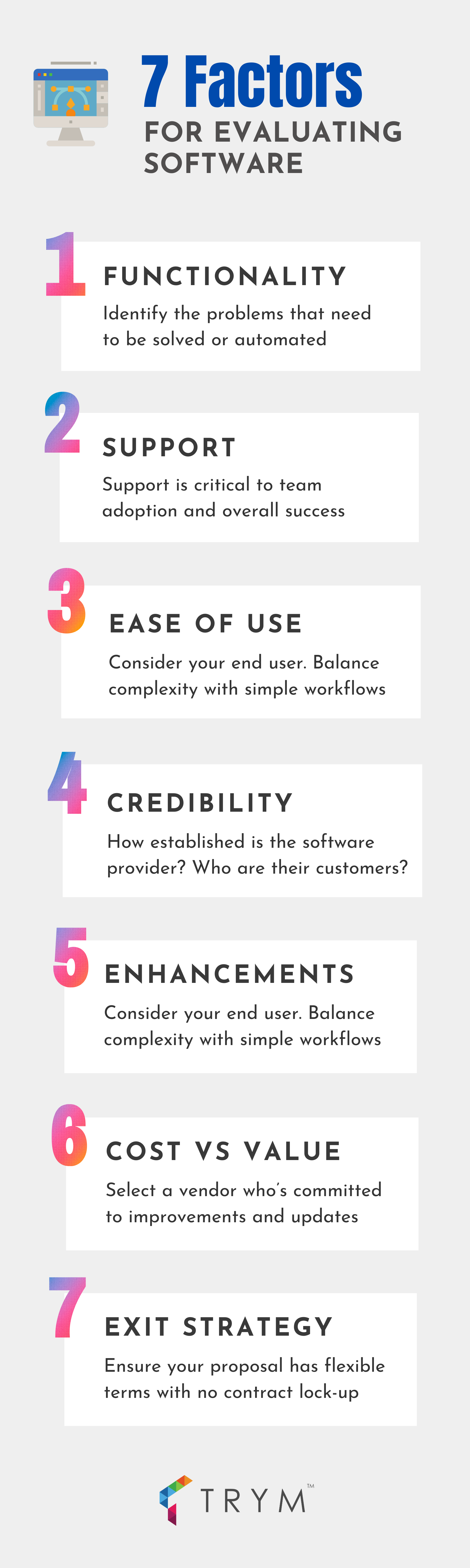
7 Factors to Consider When Choosing Cannabis Software

By Ella Alpina
1 Comment

These days, there are countless choices for cannabis operators when it comes to software. There are general tools like Trello, Airtable, Hubspot and Mailchimp. And then there is industry-specific software built just for cannabis operators.

The cannabis industry is fast-paced and highly regulated. So, there are certainly additional factors to consider in the search for software.

Because no two systems are exactly alike, it’s important to set up a decision-making framework in order to do a clean side by side comparison. Consider the following factors when evaluating software. Specifically, think about each one’s importance to the team and its ultimate goals.

1. Functionality

Functionality is the most important factor in the evaluation process. But, before the demos begin, take the time to identify the problems this new software should solve for the company.

Will it help you automate or optimize your processes or just offer basic features that won’t make a meaningful impact on the bottom line? (The whole point!)

2. Customer Support

For some, the level of customer support is an afterthought. The team that will use the software needs prompt, attentive support both during onboarding and after.

How does one evaluate the level of customer service a software company offers?

Questions like these will gather the info needed to make a decision:

  • How many support specialists are there vs how many total customers?
  • What’s the turnaround time for a support ticket?
  • Can I schedule one-on-one calls after the onboarding period?
  • Describe your onboarding process – how many sessions or hours do we get with your team?

Ideally, the software company takes support very seriously. Because if they don’t, here’s what happens: the team won’t use it or worse, costly mistakes will be made.

Another aspect seldom considered is the company’s industry expertise. Software vendors that stay up to date on changing regulations can provide much more value than those who don’t. Test their knowledge and see whether they would make a solid resource for you.

Software built for the cannabis industry is likely to provide this kind of support. Some industry-specific vendors, that provide cannabis cultivation software for instance, are able to answer their customers’ ongoing Metrc questions. They can become your right hand in solving compliance and, oftentimes, operational challenges.

3. Ease of Use

Always keep in mind who the end user will be. Is it someone who’s tech-driven or not at all?

The trick is to balance complexity with ease of use. If complexity is feared, there’s a risk for selecting software too simple. In this case, the value of automation and cost savings isn’t gained.

At the same time, it’s important to stay mindful of how complicated or difficult it will be for the team to adopt and use.

What does a typical day look like for employees and will the software be an approachable, useful tool for them?

4. Credibility

In a new, growing industry, there are many software vendors. How long have they been in business? Some have been around for years while others only months.

The last thing you want is for the software company to disappear off the face of the earth just when your team is on-boarded and trained. Also, beware of huge corporations that have turned their attention to the Green Rush and created a separate business unit just for cannabis. A lack of industry knowledge can be felt in the software application. If it’s being repurposed for our industry, chances are it won’t seamlessly work for our workflows.

Finally, ask what companies are currently using the software. Bonus points for recognizing any of them! It shows that established companies trust this vendor. In making the decision for which software to go with, this validation holds weight for many.  Before signing a contract and implementing the new software, make sure to read the fine print!

5. Cost vs Value

At the top of everyone’s mind is price. In these tumultuous times, we’re all worried about the bottom line.

That said, review a software company for the value it can bring to your cannabis business. How much labor time will the software save due to its automation and streamlining? Is it quantifiable?

Budgeting for a more expensive software might actually make sense if the value is there. Crunch the ROI, to the best of your abilities, to see the impact its set of features can make.

6. Enhancements

How quickly and how often does the software provider innovate its product? Ask the company for examples of how they’ve listened and addressed requests for changes or additions to their software.

Also ask what their road map looks like for the year. What new features and changes will they be making?

Without updates, software can quickly become outdated and irrelevant. A perfect solution today is not a perfect solution two years from now. Select a vendor who’s committed to regular improvements.

7. Exit Strategy

Before signing a contract and implementing the new software, make sure to read the fine print!

Some companies will try to lock in a multi-year contract. Beware of contracts that will charge for early termination if you change your mind down the road.

Get the fine print and ask for clear terms of the commitment. In a fast-paced industry like ours, priorities and needs change often. Contract lock-up is not optimal.

How to Grow a New Cannabis Business Amid a Pandemic

By Hannah Deacon
No Comments

The COVID-19 crisis is plunging the global economy into recession, changing consumer behavior and the world of business. Cannabis businesses are no stranger to operating in a challenging landscape. The constantly evolving legal status, regulatory hurdles and social stigma has forced founders in this space to be nimble and more financially wise with their capital.

While the market has experienced a seismic shift that has already attracted investors to inject capital into the cannabis industry and seen neighboring industries, including tobacco, alcohol and pharma, come into the fray, COVID-19 will change key industry structures and operations. To succeed and cultivate value, cannabis companies must adapt to the new realities of the marketplace to be well positioned for continued growth after the pandemic subsides.

With social distancing guidelines suddenly forcing brick-and-mortar retailers to move their businesses and customer experiences online and disruptions to the supply chain due to international travel and business directions, some businesses will struggle to stay afloat.

As consumer behaviour and online shopping patterns adjust to a new way of living (affecting B2B sales, online ordering, deliveries and manufacturing), leadership and strategic thinking will be paramount.

By understanding where the challenges and opportunities lie, cannabis businesses can thrive. Here are some focus areas and tactics to consider:

  1. Targeted consumer segmentation through social media

When starting a cannabis business, it is key to understand who your core consumers are and what they want from their products. This has become even more acute because of the pandemic with consumers flocking to all sorts of health-focused products including CBD.

With everybody spending more time online, social media use is on the rise. Executing a social media plan to include influencer outreach can increase brand visibility, build a solid consumer base and create brand advocates.

Instagram is essential to a cannabis business building an online presence but it’s important that it doesn’t become a “hard sell, please buy me” channel. Plan and make Insta-worthy content that educates and entertains followers to increase engagement, click-through rates and leads. Brands may want to pair with an influencer on either a gifting or paid-for basis which will mean the brand appears in a potential customer’s feed as they interact with their favourite accounts.

PlugPlay, a California cannabis brand, stays relevant with creative posts like these.

The art is finding key influencers whose audience is one that you would like to interact with. This type of positioning will allow cannabis businesses to reach a new audience or group of people.

  1. Marketing and PR

In times like these, many companies choose to pull back on communication activities and expenditures for fear of spending too much for what they perceive as little return, however, marketing and PR, when executed well, can be the lifeline of any business.

With so much noise in the market about the “next best thing in cannabis”, effective marketing and PR can distinguish brands that are credible and offer a strong value proposition to those that are all smoke and mirrors.

The current needs of businesses and consumers are much different than they were just a few short months ago, so it’s important to understand these needs and spending habits while combatting negative perceptions of cannabis.

As cannabis companies are not able to advertise like mainstream companies, a strong public relations and marketing strategy will enable firms to communicate their identity, build trust, shift perceptions through media coverage, enhance reputations and reach customers, partners and investors.

  1. Cost cutting

Businesses in every sector are cutting costs to keep their businesses afloat. This needs to be done strategically and requires senior leadership teams to explore cost reduction strategies and streamline non-essential costs.

This may mean further consolidation of cannabis companies and supply chains to manage cash flow and maximise resources. Companies may even look to create strategic partnerships with complementary businesses in the industry or push some firms towards mergers and acquisitions.

Business models will evolve as cannabis companies identify inefficiencies and reconfigure their operations and messaging. This could range from assessing their R&D capabilities, agricultural assets, manufacturing chains or route to market.

  1. E-commerce capabilities
Pivoting to e-commerce is nothing new, but getting creative with product offerings and marketing initiatives will set you apart from the typical CBD retailer

The postponement of countless CBD Expos, trade shows and cannabis conferences are creating new demand and opportunities for businesses. To reach prospective wholesale clients, investors and connect to their customer base, firms are entering the digital marketplace. Digital events, Zoom investor pitch panels and email marketing and sampling is on the rise and expected to grow over the coming months.

CBD brands should work in parallel with their retail partners to influence product samples in digital offers and create a touchless transaction. Buying products online is going to become a permanently entrenched habit, even when restrictions are fully lifted so it’s worth looking at how technology can support and enhance sales while offering a smooth customer experience.

  1. Industry Relationships

Everyone in the cannabis industry will be affected by COVID-19 so maintaining positive relationships is vital in these tough times. Calling investors or partners to tell them what is going on with your business or checking in on others in your ecosystem means information can be shared to iron out any issues and help generate ideas to future proof the business. “A problem shared is a problem halved!”

COVID-19 is creating incredible business challenges. As we navigate the new normal, it’s important to adapt and grow. As more products come to market and brands/services develop distinguished offerings, expectations will change so cannabis businesses need to be ready for greener pastures.

Business Development Impact: Chalice Farms

By Cannabis Industry Journal Staff
No Comments

The Brand Marketing Byte showcases highlights from Pioneer Intelligence’s Cannabis Brand Marketing Snapshots, featuring data-led case studies covering marketing and business development activities of U.S. licensed cannabis companies.

Here is a data-led, shallow dive on Chalice Farms:

Chalice Farms – Business Development Impact

Based in Oregon, this company is a retail and edibles brand in the Golden Leaf Holdings portfolio. Chalice Farms has a number of locations in the Portland area, capitalizing on an effective regional strategy.

However, 2019 was a tough year for Oregon cannabis companies. Increased competition and heavy market saturation led to plummeting prices, forcing Chalice Farms to implement layoffs last Spring. 2020 appears to show Chalice Farms doing much better than the previous year.

In addition to tightening operations, the company engaged in several new business development initiatives recently. They’ve expanded distribution of their signature fruit chews into California and Nevada. They also implemented a sales initiative called “an extended 420 celebration,” covering the month of April. All six of the company’s branded retail locations have pivoted to curbside pickup and home delivery during the coronavirus pandemic.

All of those initiatives led to a boom in earned media for Chalice Farms. They were mentioned on CNN and in Forbes, among other national news outlets. The company also improved their web activities considerably, adding keywords, backlinks and a notable increase in web traffic.

Chalice Farms ended the month of April on a high note, moving to the 11th hottest web property, according to data from Pioneer Intelligence. This continued into May; Chalice Farms claimed the #26 position on the Pioneer Index, the highest it has been to date.

Managing Supply Chain Challenges During a Crisis

By Daniel Erickson
No Comments

Discussion of supply chain disruption has permeated media reports almost daily since the advent of the current COVID-19 crisis – from shortages of toilet paper to cleaning products and meat. Cannabis businesses have not been immune to impacts on their supplies, and for an industry that faces unique challenges during normal times, a disrupted supply chain has emerged as one of the biggest issues to business due to the coronavirus. Deemed essential in many states, cannabis has weathered the storm relating to government-imposed restrictions only to face logistics problems or a scarcity of supplies necessary for manufacturing and/or distributing products to consumers. For many companies, cannabis ERP software has provided a necessary and supportive structure to efficiently manage and mitigate supply chain challenges during this unprecedented time – facilitating continuity and trust in the supply chain for their customers.

What is COVID-19’s impact on the cannabis supply chain?

During this pandemic, the global supply chain has been disrupted due to factory closures, worker illness, slowed production, closed ports and altered transportation routes – leading to shipping delays and fewer supplies available, from cultivating essentials and vaping accessories, to baking ingredients for edible manufacturers and packaging materials. A quarantined workforce, as well as a shortage of healthy crop care and production workers necessary to grow and harvest crops, has also had an effect. Similar to other current supply issues, there has been significant inventory depletion as consumers prepared to stock up on cannabis products for “stay at home” orders in anticipation of spending extended periods of time at their residence. Uniquely pertinent to the cannabis industry, due to the lack of federal legalization, regulation occurs at the state level and therefore each state governs its cannabis inventory available for sale. These factors have all led to the two biggest problems facing today’s cannabis industry – companies lacking visibility into their inventory and the fact that many do not have alternate vendors for their supplies to meet current consumer demands.

How a cannabis ERP software solution can help

During a disruption to the supply chain such as the COVID-19 outbreak, natural disasters, or other unexpected events, here are three ways an industry-specific ERP system supports effective supply chain management for the cannabis industry:

1) Continuous management and monitoring of inventory and effective material planning – With a real-time tracking system that monitors the movement and storage of inventory by managing and automating transactions and providing lot tracking and traceability, cannabis companies have up-to-the-minute access to crucial inventory data. Accurate analysis of future requirements, as well as procurement guidelines that include minimum order quantities and safety stock levels, ensure the proper planning and reordering of materials – avoiding lags in production due to inventory shortages. Using the information recorded in an ERP solution’s centralized database, such as vendor lead times, shelf life and production timelines, buyers and planners are able to effectively utilize materials requirements planning (MRP) functionality to factor supply, demand and forecasted requirements to plan production and purchasing. Customer purchasing fluctuations throughout the year for holidays and seasonal consumer trends are also tracked in the system, and its analytics software provides growers, cultivators and manufacturers with the visibility to mitigate supply shock and analyze previous periods of hardship to provide actionable insight.

An integral part of inventory control includes testing protocols and quality processes that are automated in an ERP solution. These workflows and approval processes ensure that specific quality standards are met and non-compliant raw materials are quarantined, removed from production and issues are rectified – keeping undeclared substances, harmful chemicals and impure ingredients from infiltrating the supply chain or ending up in finished goods. During these critical and trying times, assurances that materials and ingredients are safely managed and monitored is imperative.

2) Maintenance of supplier information and rankings – A cannabis ERP solution provides features for managing supplier and item specific details to monitor and control which materials can and should be purchased from each vendor. A strong relationship with each supplier is critical in gathering this information, as this helps assign and manage a risk level with each supplier. Current and accurate information (either provided by the vendor or acquired from on-site visits) regarding sanitation programs in place, security measures, physical distancing policies and other details ensures that a cannabis company starts with a foundation of quality raw materials for their products. An ERP solution maintains a list of these approved suppliers to provide already vetted and documented alternatives should a primary supplier’s materials be unavailable. Once vendors are recorded they can be ranked in order of preference and/or risk level so that if a supplier becomes unavailable, another can be quickly identified and used in its place. An ERP’s maintenance of approved supplier lists is an industry best practice that provides supply chain visibility to enhance the assurance of safety.

3) Establishment of supplier transparency through audit rights and communication – An ERP’s ability to manage and monitor all supplier transactions and communications helps facilitate audit rights to evaluate the financial viability of vendor partners. Data is collected regarding vendor price points, historical transactions, average lead times and quality control results in order to identify vendor trends and build a risk assessment with a scorecard rating system for each supplier. Potential supply chain issues can be identified in real-time – such as price increases or delivery delays – prompting communication with suppliers to address problems or triggering the change to an alternate source for materials. Transparency and open communication are key to vendor analysis by researching all suppliers. An ERP solution’s maintenance of current, accurate information is essential to keeping a consistent inventory.

A centralized ERP system facilitates the maintenance and management of the supply chain when a crisis of the magnitude of COVID-19 hinders supplies from arriving or the safety of vendor materials comes into question. Inventory management best practices within the solution help to avoid production lags due to inventory shortages, materials planning provides insight into scheduling and production, and quality assurance procedures prevent harmful products from being sold to consumers. By utilizing features such as the approved supplier and alternative supplier processes within the system should a primary suppliers’ materials be unavailable, there is no need to scramble to find replacement vendors, as they are already vetted and documented within the solution. The system also provides transparency of supplier information to make key decisions regarding vendor rankings and risk level. While the cannabis supply chain is relatively new and untested, proactive companies have the technological tools available in an ERP solution at their disposal to weather the current crisis and face future industry challenges head-on.

Solutions & Alternatives to Bankruptcy for Cannabis Businesses

By Richard Ormond
1 Comment

A Cannabis Related Business (or CRB), whether a plant-touching operation or a provider of goods and services to plant-touching operations cannot seek protection from the bankruptcy court as it is a federal court and cannabis remains illegal at the federal level. As such, a CRB does not have the benefit of a court approved restructuring as provided by Chapter 11 of the Bankruptcy Code and does not receive the benefit of an orderly liquidation as provided by Chapter 7 of the Bankruptcy Code. However, alternatives to bankruptcy do exist and are available to a CRB.

Historical Considerations

Before the emergence of the Bankruptcy Code, businesses and their creditors had very few options available to undertake a court-supervised restructuring or liquidation other than seeking the appointment of a court neutral, typically called a receiver or special master. That “neutral” would take the business or its assets into “legal custody” or custodia legis and begin the process of dissolving the entities, selling the assets or otherwise sell the business as a going-concern. In the 1880s and 1890s with the Gilded Age coming to an abrupt halt, this process was successfully used to restructure and recapitalize the failing network of over-extended railways and rail lines, leading to the consolidation in the market that remains to this day.

Cannabis businesses can be legal and now an “essential” business but, still cannot receive the benefits of bankruptcy court.During the Great Depression, the federal judiciary established “reference” courts to deal specifically with bankrupt businesses and individuals laying the foundations for the modern bankruptcy code which is still in effect today. Many of those first precedents used to establish the bankruptcy code and rules were drawn directly from the receivership case law and receivership statutes ever-present in the historical record of common law cases and common law countries, reaching all the way back to the Courts of Chancery in Britain established soon after the Norman invasion of the British Isles in 1066.

In the United States, the equitable power of courts to initiate receiverships or other insolvency proceedings and crafting orders and decrees based on equity, as opposed as based on law or statute, is codified clearly in Article III of the United States Constitution. Today, receiverships and special masters are still utilized by state and federal courts to remedy unique circumstances where a simple bankruptcy cannot address the inequities presented in that case.

State Court Powers & Financing of Receivership Estates

State courts in particular, and California especially, have a wide body of case law supporting the equitable powers of the court, the quasi-judicial immunity of the receiver and the many equitable tools available to receivers. These powers include the negotiation and transfer of liens, with liens attaching to proceeds of sales of assets, the dissolution of a business and the establishment of a claims process akin to a bankruptcy or assignment for benefit of creditors.

One of the many overlooked powers of a receiver is their ability to bring in outside financing or capital to fund the receivership estate to maintain a business as an ongoing concern or to provide short term leverage so that assets can be properly maintained, “dusted off” and sold.

This process of bringing in new capital is typically done by the issuance of receivership certificates. These certificates are approved, ahead of time, by the court and courts can authorize that such certificates prime all other claims (including sometimes administrative claims) and that these certificates can be reduced to a security interest recorded against real or personal property.

The Mechanics of a Receivership

However, because cannabis is approved at the state level, state courts retain their equitable powers and the power to appoint a receiver over a business in need of restructuring or liquidation. There are many avenues to get to court for this benefit, but the primary path to a receivership is either through a creditor (or group of creditors) filing a lawsuit and seeking the appointment of a receiver. This scenario can be done through cooperation and stipulation but can be hostile as well. The receiver option is available and open to address the needs of insolvency for this rapidly expanding industry.Or, a legal entity, can seek dissolution protection from the state court and seek a neutral dissolution officer (a receiver) to manage that process which may include the infusion of new capital through receivership certificates, the sale of assets to third parties, the negotiation and payment of liens and claims through a claims process and the final restructure of dissolution of the legal entity in a manner similar to a bankruptcy or assignment for benefit of creditors. This voluntary petition is permitted by statute and case law and is a mechanism available to a business that is unable to file for bankruptcy protection but is in dire need of court supervision and authority to work through its insolvency problems. Further, by court order, a receiver is able to establish banking relations where a CRB may be unable.

Typically, it is recommended that any receivership filing whether by creditors, claimants or the business itself, be guided by a well-written, explicit order that outlines the parameters of the receivership, the funding requirements and limits, the rights of claimants and some sort of stay of claims against the receivership estate to give the receiver the time needed to work through all of the issues in that receivership estate. Further, outside funding can be pre-approved by the court and the priority of that funding can be established through the open process that the court provides, much akin to a debtor in possession (DIP) financing motion in bankruptcy court.

Because of the unique circumstance that CRBs find themselves in here in California, where they are a legal and now an “essential” business but still cannot receive the benefits of bankruptcy court, the receiver option is available and open to address the needs of insolvency for this rapidly expanding industry.

The British Isles Sees Cannabis as an Economic Development Pathway

By Marguerite Arnold
No Comments

Cannabis as a tool of local or even regional economic development has rapidly gained traction in many jurisdictions within the United States and Canada. It has also caught on particularly in the poorer states of the EU (see Greece) and those countries hoping to enter the Union (North Macedonia).

These days, the concept is also spreading even to the UK, where reform has lagged significantly behind other countries both in North America and Europe. Indeed, two island communities are now investing heavily in the idea that cannabis is not only here to stay, but may invigorate communities and the economic health of islands looking for a new path, post-Brexit.

Cannabis so far, certainly in the United States and Canada, has proved to be a job creator just about everywhere for the past five years. Indeed, despite a few large corporate restructurings (see Aurora and Canopy Growth) of late, the industry itself has not slowed down, even with bumps in the road in terms of full and final legalization and the new challenges of a global pandemic.

House Of Green, Guernsey
This project is moving along, with its first harvest set for later in the year. The ₤2 million facility plans to be able to process up to 800 pounds every eight-hour day. Raw product is being grown at vineyards on the island itself by independent farmers and partners from other islands. Indeed, it is a unique facility on the European side of the Atlantic.

The company plans to process cannabis into tinctures, balms and salves as well as alkaline waters.

The idea is to create the base ingredients from which other products – bound both for the medical and recreational market – can be made.

Vecticanna, Isle of Wight
Just off the southern coast of the UK, Vecticanna is also embarking on an ambitious project – a fully solar-powered facility which plans to eventually employ 60 people. Their mission? To “unlock the therapeutic potential of cannabis” for the treatment of Fibromyalgia and related conditions.

Vecticanna has partnered with several large institutions, including the University of Southampton, and CAR Laboratories in Cambridge, and plans to produce its products in an R&D and research setting with the ambitious hope of furthering the potential of cannabinoid-based healthcare.

Where Goes UK and European Reform?

Reform across Europe has indeed been frustratingly slow. This includes the many hiccups in the German cultivation bid, which was first launched in 2017, and will only see the first nationally produced cannabis in the country sometime this fall. That amount is far too little for the patients who have already obtained prescriptions, and certainly will not be enough to serve the expected million plus patients in market here in just a few short years. Indeed, medical cannabis distributors in Germany are scouring the planet right now for properly certified product that comes from other European countries as well as South Africa, Australia, and even Latin America.

In the meantime, a new generic producer of dronabinol (synthetic THC) has just gained access to the German market.

In the UK, reform so far has also been torturously tortoise-like, with the National Health Service (NHS) favouring local producer GW Pharmaceuticals and forcing all other patients and their families to import pricey product from the Netherlands or Canada. While, it should also be added, excluding chronic pain patients.

Why Are The UK’s Island Cannabis Projects So Intriguing?

With a few exceptions (see Greece and Malta), European cannabis development remains mired in complications that include everything from a lack of reform and high prices to fights over basic regulations, including whether cannabis is a “novel” substance or not. This has slowed down the ability of growers to obtain the right certifications, find financing and actually go into business.

With two new producers on islands close to Europe and the UK however, there appear to be projects on the horizon which have jumped the regulatory queue, and are lining up for an intriguing future, supported from the ground up, by local policies that are looking at two simple things: the efficacy of the plant itself, and the economic well-being of their neighbors.