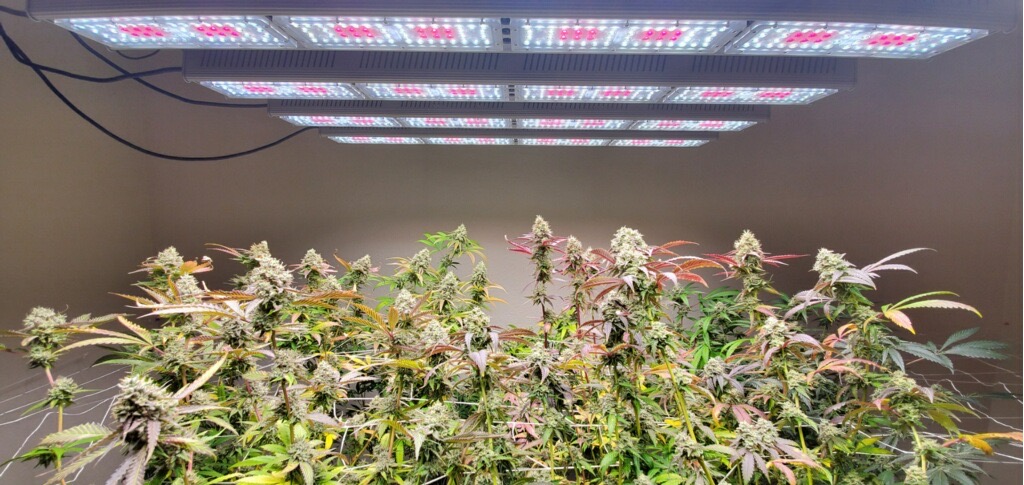
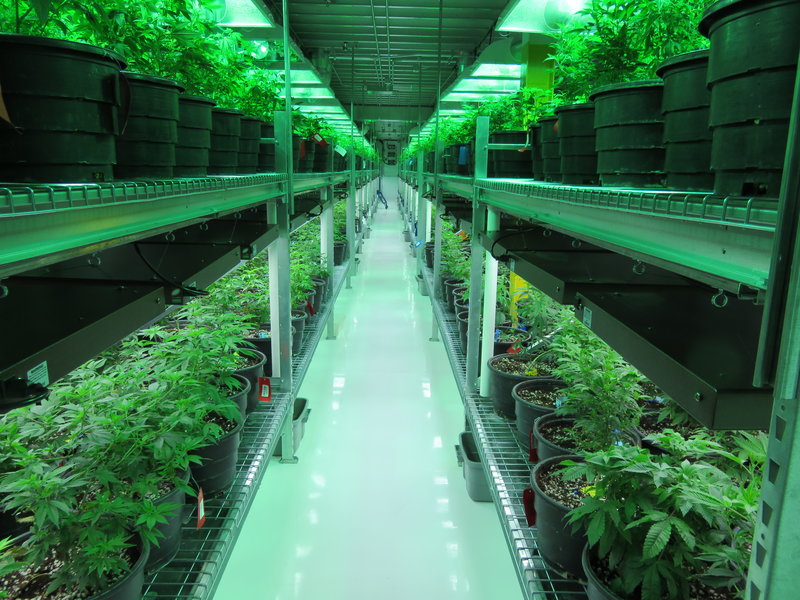
Update: On April 21, 2021, Virginia Governor Ralph Northam signed the legislation into law, making Virginia the first state int he American South to legalize adult use cannabis.
On April 7, 2021, legislators in Virginia finally came to an agreement for their adult use cannabis legalization plan. Back in February of this year, lawmakers passed a bill to legalize adult use cannabis with a launch date of 2024, but Governor Ralph Northam wanted to move quicker than that.
Virginia Governor Ralph Northam Image: Craig, Flickr
Last week, Gov. Northam issued a number of amendments to the legalization bills (Senate Bill 1406 and House Bill 2312) that essentially tapers the time frame of legalization to July of this year. With the legislature approving those amendments yesterday, the state of Virginia has now finalized their legalization plans, setting in motion the launch of the very first legal adult use cannabis market in the American South.
Beginning July 1, 2021, Virginia will allow adults to possess up to an ounce of cannabis and up to four plants per household. The commercial cannabis market, and the regulatory framework accompanying it, will be set to legalize sales July 1, 2024.
The bill establishes the Virginia Cannabis Control Authority as the regulatory body overseeing the legal cannabis market. A five-member Board of Directors in that agency will develop and issue regulations and licenses. According to the bill, the Board can set the number of licenses, with a maximum of 400 retailers, 25 wholesalers, 450 cultivators and 60 manufacturers, aside from any medical cannabis and hemp processing license already issued. The Board is also in charge of licensing testing labs.
Vertical integration is not permitted under Virginia’s new legalization plan, but all of the medical cannabis licensees in the state are already vertically integrated. According to the bill, they can keep their vertical integration for a small fee of $1 million and after they submit a diversity, equity and inclusion plan.
In addition to Virginia’s normal 6% sales tax, a state tax of 21% is added to retail sales of adult use cannabis, excluding medical dispensaries. Local municipalities are allowed to issue up to 3% in additional taxes.
Based on the recent string of cannabis thefts in Portland, Oregon, the spotlight is shining even brighter on the need for enhanced security measures at cannabis dispensaries throughout the country. According to the Oregon Liquor Control Commission, the Portland metro area alone has experienced more than 120 cannabis shop burglaries since March 2020, resulting in a reported total loss of more than $500,000 in cash and products.
Robbing a cannabis dispensary is as lucrative as robbing a bank. Cash is king in the shops until the Secure and Fair Enforcement (SAFE) Banking Act is passed to prohibit federal banking regulators from penalizing depository institutions that provide banking services to legitimate cannabis businesses. Until the Act is passed, it is widely known that all transactions must be done in cash—which makes cannabis dispensaries a prime target for thieves.
Dispensaries are prime targets for burglary. Defending your storefront requires a comprehensive security plan.
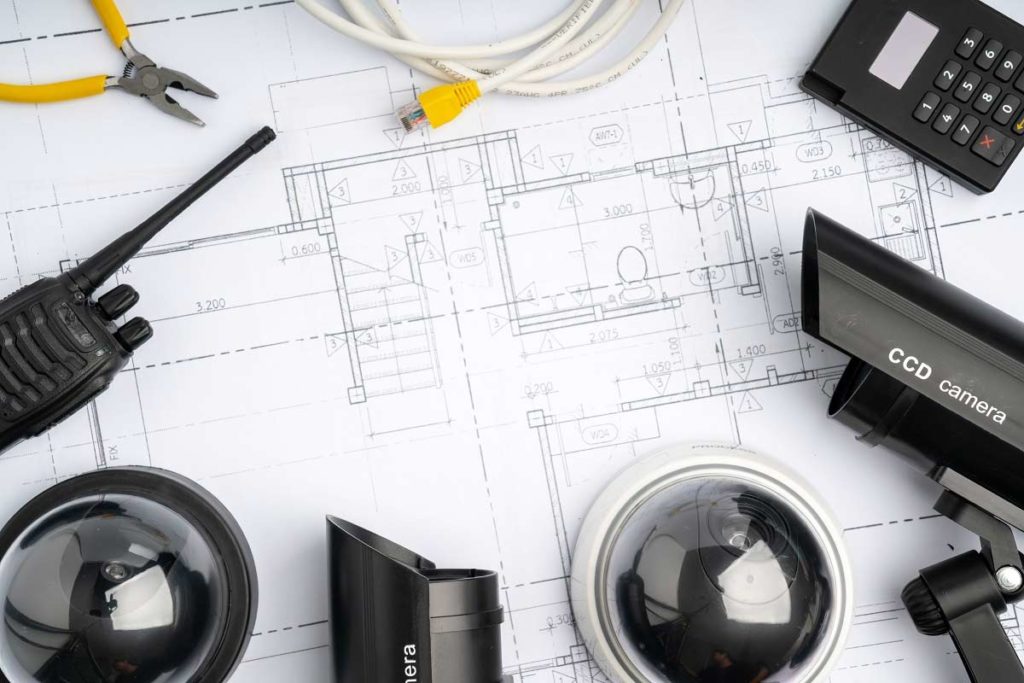
While many security protocols—such as product traceability systems and security cameras—are mandated by each individual state, dispensary owners should take measures to actively secure their product, protect their employees and preserve their businesses as theft increases.
One of the quickest and most cost-effective ways to fortify shop security is by implementing rolling security doors. After determining what level of security is needed, consider these four tips to help deter criminal activity and ensure the safety of both employees and products.
Tip 1 – Defend The Storefront
Designed to prevent against looting events and burglaries, heavy-duty rolling steel doors offer cannabis business owners robust security. They can be retrofitted into existing buildings, are exterior mounted and are ideal for storefront defense—including protecting glass windows, which can be expensive to replace. Unlike more common rolling grilles, thieves can’t see merchandise when the rolling door is lowered. In addition to the door giving the building a secure look, blocking sight access is key to deterring criminals.
Heavy-duty steel doors must also be lift- and pry-resistant. Manufacturers put the doors through rigorous testing, and some security doors even meet Department of Defense forced entry standards, which can provide up to an hour of protection against violent attacks against the door to gain entry. Look for rolling security doors that can withstand heavy impact and resist pry attempts with common tools, as well as doors that are lift resistant. Some manufacturers offer doors with robust slide locks and rigid heavy-duty bottom bars, enabling the doors to withstand up to 4,500 lbs of lifting effort.
Tip 2 – Protect While Allowing Visibility and Airflow
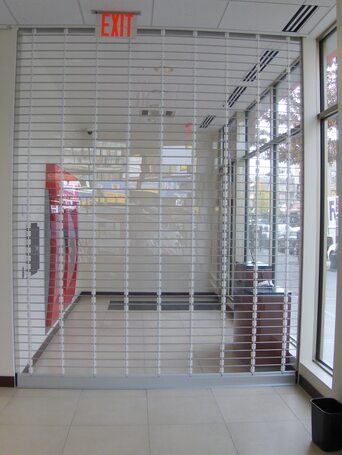
If product visibility is desired, but more robust security is needed at the storefront—beyond a security measure such as impact glass—a heavy-duty security grille is an excellent choice. Security grilles are easy to custom order and don’t require structural modifications to fit individual spaces. They are easily installed behind storefront glass, are compact enough to remain out of sight when not in use and require little maintenance.
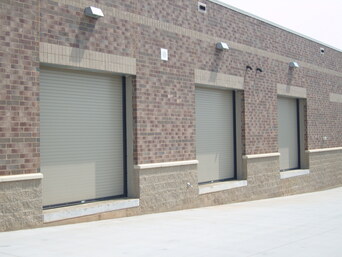
Strong rolling service doors can protect delivery entrances well
It’s important to work with a manufacturer to select a rolling grille that provides dependable, increased security. Choose grille curtains with rods that are spaced closer together and have heavier links. Security grilles with these features are harder to lift and pry than standard rolling grilles.
Rolling security grilles are also an ideal solution to protect counters inside the dispensary. They can be easily concealed in small headspaces where there is limited ceiling room.
Tip 3 – Fortify A Store Within A Store
For cannabis dispensaries located within high-end retail shops, it is important to consider additional security measures to separate the dispensary from the rest of the store.
A metal grille can be a good barrier for a store within store
A store within a store may be subject to different hours of operation as states often dictate specific operating hours for cannabis dispensaries. Altered operating hours necessitate an easy way to secure only a small section of a larger store.
If aesthetics are of concern inside retail shops, a woven metal mesh grille will provide both beauty and security without imposing looks while securing cannabis products as customers browse throughout the store. Manufacturers offer a variety of patterns and even logo designs as a way to bring more creativity to a grille’s aesthetics—making them rolling pieces of art.
Tip 4 – Secure Deliverables
Dispensary owners sometimes overlook the fact that thieves target deliveries. Deliveries that are made at the back of the store or in receiving areas may be the most at risk. It is of utmost importance to be aware of how deliveries are timed, who is present during them, and how the product is handed off.
Robust rolling service doors provide the best security for delivery entrances and are more secure than traditional rolling sectional doors. Made from slats of formed galvanized steel, aluminum or stainless steel, these rolling doors are completely customizable to meet existing building designs and are ideal for areas with limited overhead room.
Robust Protection
By closely evaluating the levels of security needed, the layout of the building and where deliveries take place, security updates and enhancements are easily implemented with the right rolling doors. Every door is made for a specific opening, so each one is custom-made for its application. Choose a knowledgeable manufacturer that will help determine which rolling closure suits the dispensary’s needs.
The cannabis industry saw close to $15.5B in deals across VC, private equity, M&A and IPOs in 2020 according to PitchBook data. Early and growth stage capital has been a key enabler in deal activity as companies seek to innovate and scale, taking advantage of trends towards national legalization and consolidation. Entourage Effect Capital is one of the largest VC firms in cannabis with over $150MM deployed since its inception in 2014. Some of their notable investments include GTI, CANN, Harborside (CNQ: HBOR), Acreage Holdings, Ebbu, TerrAscend and Sunderstorm.
We spoke with Matt Hawkins, co-founder and managing partner at Entourage Effect Capital. Matt started Entourage in 2014 after exiting his previous company. He has 20+ years of private equity experience and serves on the Boards of numerous cannabis companies. Matt’s thought leadership has been on Fox Business in the past and he has also recently featured on CNBC, Bloomberg, Yahoo! Finance, Cheddar and more.
Aaron Green: How did you get involved in the cannabis industry?
Matt Hawkins: We’ve been making investments in the cannabis industry since 2014. We’ve made 65 investments to date. We have a full team of investment professionals, and we invest up and down the value chain of the industry.
I had been in private equity for 25 years and I kind of just fell into the industry after I’d had an exit. I started lending to warehouse owners in Denver that were looking to refinance their mortgages out of commercial debt into private debt, which would then give them the ability to lease their facilities to growers. I realized there would be a significant opportunity to place capital in the private equity side of the cannabis business. So, I just started raising money for that project and I haven’t looked back. It’s been a great run and we’ve built a fantastic portfolio. We look forward to continuing to deploy capital up to and through legalization.
Green: Do you consider Entourage Effect Capital a VC fund or private equity firm? How do you talk about yourself?
Hawkins: In the early stages of the industry, we were more purely venture capital because there was hardly any revenue. We’re probably still considered a venture capital firm, by definition, just because of the risk factors. As the industry has matured, the investments we make are going to be larger. The reality is that the checks we write now will go to companies that have a track record of not only 12 months of revenue, but EBITDA as well. We can calculate a multiple on those, and that makes it more like lower/middle-market private equity investing.
Green: What’s your investment mandate?
Matt Hawkins, Co-Founder and Managing Partner at Entourage Effect Capital
Hawkins: From here forward our mandate is to build scale in as many verticals as we can ahead of legalization. In the early days, we were focused on giving high net worth individuals and family offices access to the industry using a very diversified approach, meaning we invested up and down the value chain. We’ll continue to do that, but now we’re going to be really laser focused on combining companies and building scale within companies to where they’re going to be more attractive for exit partners upon legalization.
Green: Are there any particular segments of the industry that you focus on whether it’s cultivation, extraction or MSOs?
Hawkins: We tend to focus on everything above cultivation. We feel like cultivation by itself is a commodity, but when vertically integrated, for example with a single-state operator or multi-state operator, that makes it intrinsically more valuable. When you look at the value chain, right after cultivation is where we start to get involved.
Green: Are you also doing investments in tech and e-commerce?
Hawkins: We’ve made some investments in supply chain, management software, ERP solutions, things like that. We’re not really focused on e-commerce with the exception of the only CBD company we are invested in.
Green: How does Entourage’s investment philosophy differ from other VC and private equity firms in cannabis?
Hawkins: We really don’t pay attention to other people’s philosophies. We have co-invested with others in the past and will continue to do so. There’s not a lot of us in the industry, so it’s good that we all work together. Until legalization occurs, or institutional capital comes into play, we’re really the only game in town. So, it behooves us all to have good working relationships.
Green: Across the states, there’s a variety of markets in various stages of development. Do you tend to prefer investing in more sophisticated markets? Say California or Colorado where they’ve been legalized for longer, or are you looking more at new growth opportunities like New York and New Jersey?
Hawkins: Historically, we’ve focused on the most populous states. California is obviously where we’ve placed a lot of bets going forward. We’ll continue to build out our portfolio in California, but we will also exploit the other large population states like New Jersey, New York, Arizona, Massachusetts, Michigan, Ohio and Illinois. All of those are big targets for us.
Green: Do you think legalization will happen this Congress?
Hawkins: My personal opinion is that it will not happen this year. It could be the latter part of next year or the year after. I think there’s just too much wood to chop. I was encouraged to see the SAFE Banking Act reappear. I think that will hopefully encourage institutional capital to take another look at the game, especially with the NASDAQ and the New York Stock Exchange open up. So that’s a positive.
I think with the election of President Biden and with the Senate runoffs in Georgia going Democrat, the timeline to legalization has sped up, but I don’t think it’s an overnight situation. I certainly don’t think it’ll be easy to start crossing state lines immediately, either.
Green: Can you explain more about your thoughts on interstate commerce?
Hawkins: I think it’s pretty simple. The states don’t want to give up all the tax revenue that they get from their cultivation companies that are in the state. For example, if you allow Mexico and Colombia to start importing product, we can’t compete with that cost structure. States that are neighbors to California, but need to grow indoors which is more expensive, are not going to want to lose their tax revenues either. So, I just think there’s going to be a lot of butting heads at the state level.
The federal government is going to have to outline what the tax implications will be, because at the end of the day the industry is currently taxed as high as it ever will be or should be. Anything North of current tax levels will prohibit businesses from thriving further, effectively meaning not being able to tamp down the illicit market. One of the biggest goals of legalization in my opinion should be reducing the tax burden on the companies and thereby allowing them to be able to compete more directly with the illicit market, which obviously has all the benefits of reduced crime, etc.
Green: Do you foresee 280E changes coming in the future?
Hawkins: For sure. If the federal illegality veil is removed – which means there’ll be some type of rescheduling – cannabis would be removed from the 280E category. I think 280E by definition is about just illegal drugs and manufacturing and selling of that. As long as cannabis isn’t part of that, then it won’t be subject to it.
Green: What have been some of the winners in your portfolio in terms of successful exits?
Hawkins: When the CSC started allowing companies in Canada to own U.S. assets, the whole landscape changed. We were fortunate to be early investors in Acreage and companies that sold to Curaleaf and GTI before they were public. We are big investors in TerrAscend. We were early investors in Ebbu which sold to Canopy Growth. Those were huge wins for us in Fund I. We also have some interesting plays in Fund II that are on the precipice of having similar-type exits.
You read about the big ones, but at the end of the day, the ones that kind of fall under the radar – the private deals – actually have even greater multiples than what we see on some of the public M&A activity.
Green: Governor Cuomo has been hinting recently at being “very close” on a deal for opening up the cannabis market in New York. What do you think are the biggest opportunities in New York right now?
Hawkins: If it can get done, that’s great. I’m just concerned that distractions in the state house right now in New York may get in the way of progress there. But if it doesn’t, and it is able to come to fruition, then there isn’t a sector that doesn’t have a chance to thrive and thrive extremely well in the state of New York.
Green: Looking at other markets, Curaleaf recently announced a big investment in Europe. How do you look at Europe in general as an investment opportunity?
Hawkins: We have a pretty interesting play in Europe right now through a company called Relief Europe. It’s poised to be one of the first entrants to Germany. We think it could be a big win for us. But let’s face it, Europe is still a little behind, in fact, a lot behind the United States in terms of where they are as an industry. Most of the capital that we’re going to be deploying is going to be done domestically in advance of legalization.
Green: What industry trends are you seeing in the year ahead?“We’re constantly learning from other industries that are steps ahead of us to figure out how to use those lessons as we continue to invest in cannabis.”
Hawkins: Well, I think you’ll see a lot of consolidation and a lot of ramping up in advance of legalization. I think that’s going to apply in all sectors. I just don’t see a scenario wherein mom and pops or smaller players are going to be successful exit partners with some of the new capital that’s coming in. They’re going to have to get to a point where they’re either selling to somebody bigger than them right now or joining forces with companies around the same size as them and creating mass. That’s the only way you’re going to compete with companies coming in with billions of dollars to deploy.
Green: How do you see this shaking out?
Hawkins: That’s where you start to look into the crystal ball. It’s really difficult to say because I think until we get to where we truly have a national footprint of brands, which would require crossing state lines, it’s going be really difficult to tell where things go. I do know that liquor, tobacco, beer, the distribution companies, they all are standing in line. Big Pharma, big CPG, nutraceuticals, they all want access to this, too.
In some form or fashion, these bigger players will dictate how they want to go about attacking the market on their own. So, that part remains to be seen. We’ll just have to wait and see where this goes and how quickly it goes there.
Green: Are you looking at other geographies to deploy capital such as APAC or Latin America regions?
Hawkins: Not at this point. It’s not a focus at all. What recently transpired here in the elections just really makes us want to focus here and generate positive returns for investors.
Green: As cannabis goes more and more mainstream, federal legalization is maybe more likely. How do you think the institutional investor scene is evolving around that? And is it a good thing to bring in new capital to the cannabis market?
Hawkins: I don’t see a downside to it. Some people are saying that it could damage the collegial and cottage-like nature of the industry. At the end of the day, if you’ve got tens of billions of dollars that are waiting to pour into companies listed on the CSC and up-listing to the NASDAQ or New York Stock Exchange, that’s only going to increase their market caps and give them more cash to acquire other companies. The trickle-down effect of that will be so great to the industry that I just don’t know how you can look the other way and say we don’t want it.
Green: Last question: What’s got your attention these days? What’s the thing you’re most interested in learning about?
Hawkins: We’re constantly learning about just where this industry is headed. We’re constantly learning from other industries that are steps ahead of us to figure out how to use those lessons as we continue to invest in cannabis. We all saw the correlation between cannabis and alcohol prohibition. The reality is that the industry is mature enough now where you can see similarities to industries that have gone from infancy to their adolescent years. That’s kind of where we are now and so we spend a lot of time studying industries that have been down this path before and see what lessons we can apply here.
Green: Okay, great. So that concludes the interview!
By Seth Mailhot, Steve Levine, Emily Lyons, Leah Kaiser, Marshall Custer No Comments
The U.S. Food and Drug Administration (FDA) issued warning letters this month to two companies concerning the marketing and sale of over-the-counter (OTC) drug products containing cannabidiol (CBD) as an inactive ingredient. The letters allege violations of the Federal Food, Drug, and Cosmetic (FD&C) Act related to current good manufacturing practice requirements and marketing of new drugs without FDA approval.
At issue: labeling, NDAs and active ingredients
The companies subject to the warning letters market OTC drug products that contain CBD as an inactive ingredient. In the warning letters, the FDA states that it has not approved any OTC drugs containing CBD. According to the FDA, an approved new drug application (NDA) is required to legally market nonprescription or OTC drug products containing CBD, regardless of whether the CBD is an active or inactive ingredient. The FDA notes that CBD has known pharmacological effects and demonstrated risks, and that CBD has not been shown to be safe and suitable for use, even as an inactive ingredient. As a result, the FDA states that CBD cannot be marketed in OTC drug products.
Further, the warning letters noted the marketing of several CBD products that highlighted the benefits of CBD for a range of conditions in such a manner that, according to the FDA, “misleadingly suggests that [their] . . . products are approved or endorsed by FDA in some way when this is not true.” The FDA also took issue with the way products were labeled, which included callouts on the front label regarding the CBD content of the product (a requirement under most state laws that permit CBD as an ingredient). Similarly, the FDA also noted that some of the products advertised CBD as an active ingredient in a topical pain reliever product. According to the FDA, no company may legally market such a product, since there are no OTC monographs or NDAs that allow the use of CBD in an OTC drug.
What this means for you
These warning letters highlight the FDA’s vigilance regarding OTC CBD products. Regardless of whether the CBD is labeled as an active or inactive ingredient, the FDA has taken the position that nonprescription CBD drugs are in violation of the FD&C Act. Companies marketing CBD products should be careful to ensure their marketing practices, as well as their product formulations, do not present a heightened risk of FDA enforcement.
Freya Farm, a pesticide-free cannabis producer and processor located in Conway, Wash., was recently forced to issue a recall after the chemical o-Phenylphenol, listed under CA Prop 65, was found on its products. Testing traced the antimicrobial compound, known to cause cancer, back to the FDA-compliant food grade gloves used by Freya during packaging.
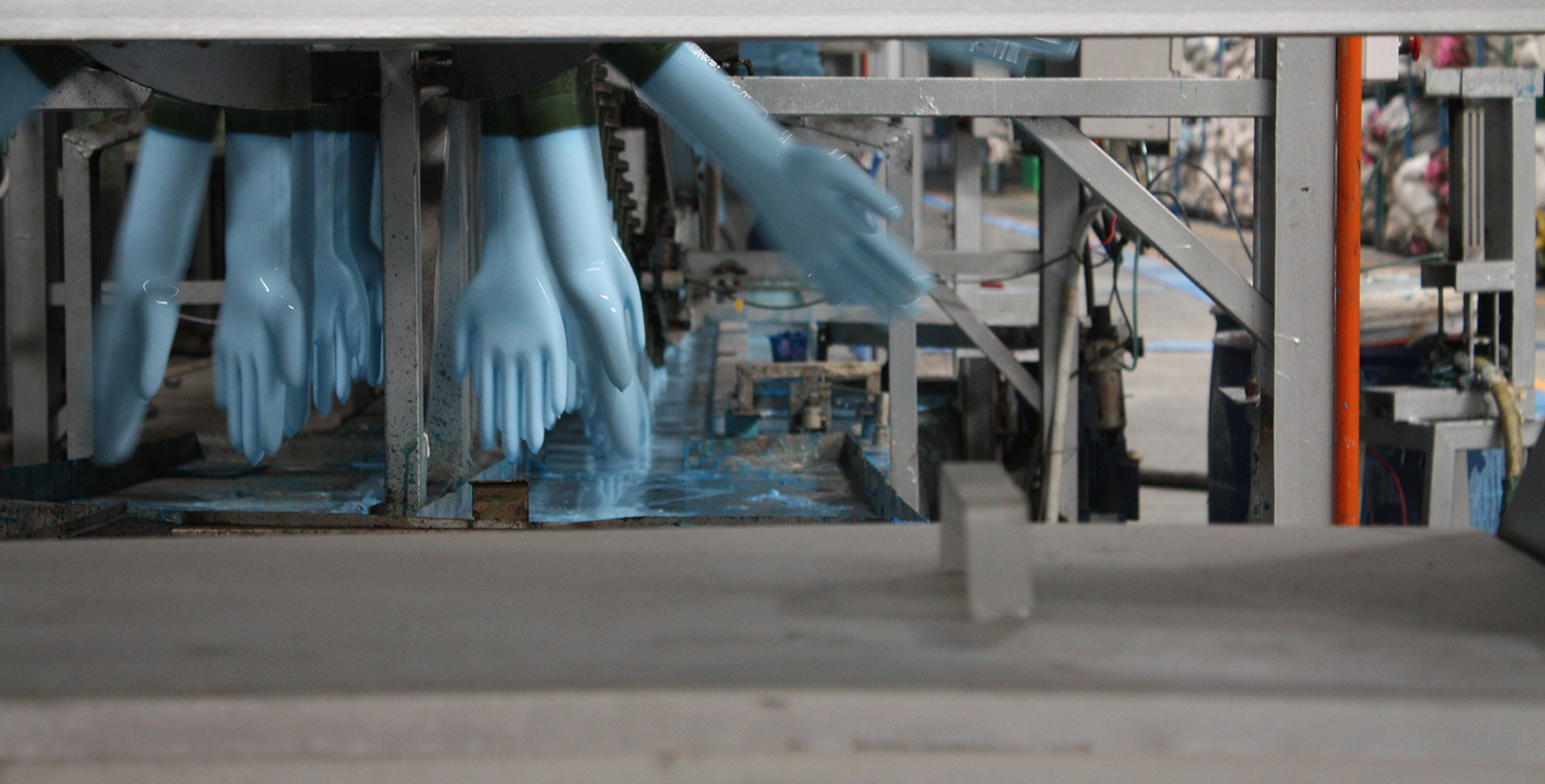
The reason this could happen with FDA-compliant, food grade gloves needs urgent attention. The production and manufacturing of food contact gloves is largely unsupervised, with limited and infrequent checks on gloves imported into the US. After initial approvals, non-sterile, FDA-compliant food grade gloves are not subject to ongoing controls. This may lead to lower grade and cheap raw materials being used in sub-standard production facilities and processes.
Why “Food Safe” Gloves Aren’t Always Safe
The quality and safety of disposable gloves are limited to Letters of Compliance and Guarantee on the general make and model of the glove, not necessarily the glove you are holding in your hand. There are few controls on the consistency of raw materials, manufacturing processes and factory compliance for both food contact and medical examination grade gloves. Therefore, the opportunity exists for deliberate or accidental contamination within the process of which the Preventive Controls Qualified Individual (PCQI) may not be aware.
In the words of Freya Farm, “Nothing ruins your day like testing your product, confident it will be clean, only to find it contaminated with some crazy, toxic chemical.” In tracing the issue, the gloves were the last thing Freya Farm tested, as they never suspected something sold as food safe could be the culprit.
A recall of this type can be expensive, as fines range up to $200,000. Since this incident, Freya Farm has implemented a responsible sourcing policy for gloves using supplier Eagle Protect to protect its products, people and brand reputation.
Glove inspection includes five factors of quality controls
Eagle Protect, a global supplier of PPE to the food and medical sectors, is currently implementing a unique proprietary third-party glove analysis to ensure a range of their gloves are regularly checked for harmful contaminants, toxins and pathogens. This Fingerprint Glove Analysis mitigates the risk of intentional or accidental physical, chemical or microbiological glove contamination by inspecting five factors: the use of safe ingredients, cross-contamination potential, cleanliness, structural integrity and dermal compatibility.
Harmful toxins and contaminants in gloves have been identified in many peer reviewed scientific studies. This is now a real issue for companies producing consumer products, especially in industries such as organics and cannabis whose products must be handled by gloves and test clean.
Three key areas that can be tested for in a glove analysis to ensure safe product handling include:
Dermal compatibility tests for toxins and chemicals will flag any toxic chemical, such as o-Phenylphenol
GCMS testing for consistent quality and safety of glove raw materials
Cleanliness tests for pathogens inside and outside the surfaces of gloves – particularly pathogens also required in cannabis testing, such as E. coli and Salmonella, mold and fungus and pesticides.
For cannabis producers responsible glove sourcing is vital, especially as the COVID-related demand for single-use gloves exceeds supply, with poor quality, counterfeit and even reused gloves flooding the market. For producers with a product that rests very much on its quality, it’s important to focus on quality and not just cost when procuring gloves.
This presentation delves into why consumers want organic products, why going organic is good for the CBD industry and what would it take to become a certified organic brand.
Rapid Potency Screening by Fourier Transform near/mid Infrared Spectroscopy – TechTalk sponsored by PerkinElmer
A Guidance on an Integrated Lifecycle of Designing a Cultivation Operation
Gretchen Schimelpfenig, PE, Technical Director of Resource Innovation
Brandy Keen, Co-Founder & Sr. Technical Advisor, Surna, Inc.
Adam Chalasinski, Applications Engineer, Rough Brothers/Nexus Greenhouse Systems/Tetra
David Vaillencourt, Founder & CEO, The GMP Collective
Kyle Lisabeth, Vice President of Horticulture, Silver Bullet Water
Back by popular demand, this panel discussion is returning with the same cast of subject matter experts to foster a longer, more comprehensive dialogue on cultivation facility design. Designing a cannabis cultivation facility that can produce consistent quality cannabis, meets the demands of the business objectives (profit, time to market, scalability) and consumers and stays within budget and timelines has been a major pain point for new and seasoned business owners and growers. What appears on the surface as a simple proposition – build a structure, install HVAC and fertigation systems, hire a master grower, plant some seeds and watch the sea of green roll in — is anything but.
The Beginner’s Guide to Integrated Pest Management
David Perkins, Founder, Floresco Consulting
This presentation goes into detail on everything you need to know to get started with integrated pest management. Learn about planning and designing your cultivation facility to minimize pest pressure, how to apply pesticides safely and lawfully and pest identification, as well as choosing the correct pesticides.
Starting from Scratch: Launching a Hemp Farm in Georgia
Reginald “Reggie” Reese, Founder & CEO, The Green Toad Hemp Farm
Dwayne Hirsch, President & Chief of Business Development, The Green Toad Hemp Farm
This presentation discusses how The Green Toad Hemp Farm started with an empty lot with no water, power or structures and turned the space into a productive vertically integrated hemp cultivation operation. Learn how to work with local and state regulations from this case study in Southeast Georgia and learn how to operate with friends, not enemies: How building partnerships with your community can ensure business success.
In this “Flower-Side Chats” series of articles, Green interviews integrated cannabis companies and flower brands that are bringing unique business models to the industry. Particular attention is focused on how these businesses integrate innovative practices in order to navigate a rapidly changing landscape of regulatory, supply chain and consumer demand.
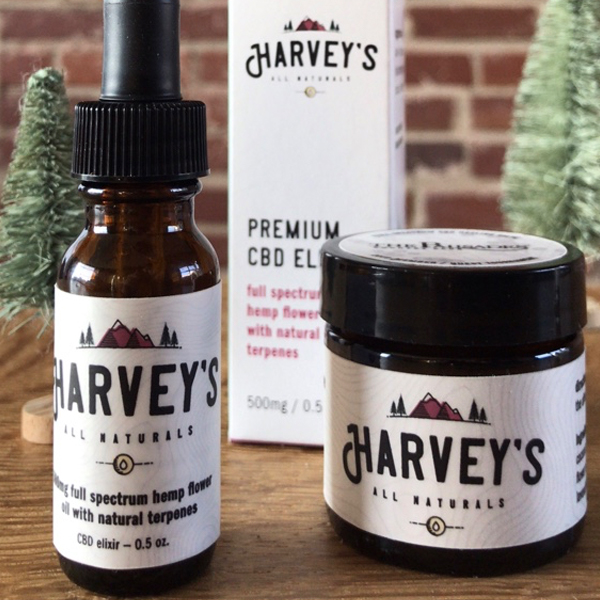
Large-scale agricultural practices can take a toll on soil health leading to inefficiencies over the long term. Harvey’s All Naturals is a Colorado-based company specializing in premium farm-to-table full spectrum CBD products. Harvey’s gets all of its hemp from Boot Ranch Farms, an off-grid sustainable hemp farm in Southern Colorado supplied by an artesian well.
We spoke with Harvey Craig, CEO Harvey’s All Naturals and co-founder of Boot Ranch Farms, to learn more about the benefits of regenerative agriculture, how he thinks about soil health, and how they produce their CBD products. Harvey started Boot Ranch Farms in 2014 after the passing of the Farm Bill and Harvey’s All Naturals followed shortly thereafter.
Aaron Green: How did you get involved in the cannabis and hemp industry?
Harvey Craig: I got involved at a very young age, as the youngest of eight kids, seven of which are boys, I was introduced to cannabis on the marijuana side first. As an engineer through the years, I’ve always been involved in creating very efficient growing systems for cannabis.
Harvey Craig, CEO Harvey’s All Naturals and co-founder of Boot Ranch Farms
In the early 2000s, I learned about CBD a little bit through experimenting with marijuana strains to help a friend who had Parkinson’s and also through the research performed by Raphael Mechoulem, an organic chemist and professor at the Hebrew University of Jerusalem in Israel. In 2014, when the Farm Bill made hemp legal, I dropped everything and went into it because I felt “this is what I need to be doing.”
Green: What is sustainable farming mean to you?
Craig: Sustainable farming to me means putting soil health and responsible natural growing practices at the forefront of all agriculture – regenerative processes for soil, in a nutshell. To me, soil health is one of the biggest problems in the United States right now. By regenerating and making our soils living, healthy and with a rich nutrient base we create an ecosystem that is good for human health and health all around.
Green: What do you mean specifically when you say, “soil health?”
Craig: Soil is living. A good natural soil has a living microbiotic structure inside it. There’s a living habitat that forms inside our soil over the years. Large scale agriculture in many cases has depleted or killed this living structure through readily accessible fertilizers and tilling practices.
Farmers understand the soil. There are practices we can undertake that are helping our living soils and helping the microbiotic habitat to thrive. Practices such as no-till technologies, rotating crops, using cover crops, not being a monocrop, responsible water use, healthy fertilizer and pesticide technologies, minimal processing, the list goes on and on…
When we talk about this thing called sustainability, I think it’s very important that we understand there are two sides of cannabis. There’s the marijuana and then there’s the hemp. We can’t put those two together – they’re governed very differently. Hemp became legal through the Farm Bill and is governed by the Department of Agriculture. Hemp is just like any other crop out there really. That means we can mix hemp in with other crops. It’s very much like corn and other crops in how it’s grown on a large scale, industrial basis.
Marijuana on the other hand is governed by each state’s regulatory commission. Those regulations make it very hard to mix in with general agriculture. So, when it comes to the marijuana side, unfortunately, it must be a monocrop. Most marijuana is grown in pots and pots are fine. However, if you are just growing in a pot and then throwing your soil away, that is not very sustainable. As it sits right now, in the marijuana industry there is really no sustainability, unfortunately. The energy use for the lights in indoor grows, for example, creates a huge carbon footprint and load on the electrical grid. I’m not trying to put indoor growing down, but that’s the way it is. The only way I foresee sustainability in the marijuana side of cannabis is to let loose a little bit on regulation and allow it to become a part of normal agricultural processes.
Green: What is it about tilling that degrades the soil quality?
Craig: When we till our soil, we’re turning the organisms in the soil up and we’re allowing the sun to dry them out. If it’s not done properly, you kill that soil structure.
Now, these little microorganisms in our soil create a healthy soil, but it doesn’t happen instantly, this takes years to create. Nobody has the time anymore, everybody’s “go go go” and “make it happen instantly”. So that gets destroyed. Now we have all these dead soils that everybody’s growing in and growers turn to factory-produced fertilizers with readily available nutrients.
When we are talking about cannabis, we can’t just look at monocropping. If you grow one crop in the same soil over and over, the soil is going to get depleted. One of the main things that we deplete is nitrogen and growing other crops, such as clover, can replenish that nitrogen. Growing cover crops protects the soil from the sun, creates nitrogen for the soil, and holds the water within the soil.
Instead of tilling, you can rotate with crops like root vegetables, radishes and other things that have deep root structures. Instead of tearing them up, just let them degrade organically and go back into the soil. Those deep root structures will also help aerate the soil.
Green: What is a farmer’s first approach?
Craig: Farmers want their land to be healthy. True farmers have a oneness with the earth and understand the earth. The farmer’s first approach keeps the farmer involved in creating new technologies for agriculture.
Green: Let’s say you’re a farmer that has land or recently acquired land that’s been industrially grown upon. How would you take that land and start fresh with a regenerative process?
Craig: The first thing you have to do is take soil samples and send them to a lab. That’ll tell you what you’re working with. Also, knowing a little history about the land helps as well. Was it used for grazing? Was it used for growing corn? What was it used for? Were organic practices used?
Then, there are many things you can do to start to regenerate your soil, but it takes time. In many situations, people don’t want to take that time. But what we’re learning is, the people and the farmers that do take that time often take a hit monetarily for the first two or three years. After that, once that structure is maintained, the natural health of the soil can be replenished. Crops will grow better, and they won’t spend as much money on fertilizers and pesticides in the long run because the microbiotic structure in the soil is creating a healthy ecosystem. When we destroy that ecosystem, it doesn’t come back easily or quickly. If there’s a little bit there, it can be regenerated with the right practices.
Green: I understand that the Boot Ranch is an off-the-grid farm. What was your motivation for either going off-grid or remaining off-grid?
Craig: I have a background in alternative energies and engineering, and when creating Boot Ranch Farms there was a lot that went into the sustainability side of it. The farm is extremely far away from the power grid for starters. So, an investment in solar for electricity was money well spent. My thought process was, why would I invest in bringing the wires in when I could actually save money and resources by creating a very efficient solar system and not be tied to the grid? Our farm is self-sustaining without being connected to any grid, which is one of the main reasons for remaining off-grid.
Green: I understand the farm is supplied by an artesian well. How do you monitor your water quality?
Craig: Well, we’re very fortunate. Existing natural water quality is one of the main reasons we decided to grow in the San Luis Valley. When you’re starting something new, you have to look at your financial side of things. Investing in a hemp farm is very different than the marijuana side because you won’t make as much money per pound of product sold. So, you have to watch your budget and not spend too much, or you’re never going to make a profit.
The self-sustaining artisanal well and water rights were existing on the property. There’s no pumping required for it and the water goes into a 10,000-gallon holding tank, where we can monitor and test for water quality. In order to water our plants, we use a pump/drip water system that supplies water to each individual plant. It’s very efficient compared to most watering systems out there, such as flood irrigation or pivots, and really doesn’t use a heck of a lot of water.
Green: Are you growing in open air or greenhouses?
Craig: We grow in two 3,000 square feet industrial-grade greenhouses at Boot Ranch Farms. Greenhouse One has all the bells and whistles including heating, cooling, light deprivation, supplemental lighting, automated controls and more. That greenhouse allows us to mimic Mother Nature a little bit. We can get up to six harvests throughout the course of the year in that greenhouse. However, in reality, we get about four.
In addition, we have a second greenhouse that is set about 100 feet away and set up to keep plants growing on mother nature’s cycle. We can move groups of mature plants to Greenhouse One after each harvest for multiple flowering cycles. Lastly, between greenhouses, we have a 10,000 square foot courtyard that’s protected with shade cloth and other things to help protect those plants from the elements. In late October, all remaining plants in both greenhouses and the courtyard become mature and ready to harvest due to shorter days created by mother nature.
Green: Do you insure your crops?
Craig: We have not. Hemp is a new industry and we have not found good crop insurance.
Green: Do you cultivate your own genetics?
Craig: We work with some other companies here in Colorado to provide genetics. Consistent genetics are extremely important on the hemp side because we need to trust that they are going to keep the THC levels down. On the marijuana side, that part doesn’t matter so much
There are different strains that have been created that I absolutely love, and I’ve tried to stick with them and stay with that seed stock. One of them is called The Wife and the other Cherry Wine. Most of the best hemp I have found is based upon the Cherry strain. People are always looking for high CBD. I’d rather have a lower CBD level in the 8% to 12% range. Something higher in the 14% to 20% range has a higher chance of producing a product with more than the legal amount of THC.
Green: Is Harvey’s All Naturals fully supplied by Boot Ranch Farms?
Craig: Yes, it is. There are a lot of things that go into a quality product and we focus on that at Boot Ranch. We’re small, not trying to compete with the large-scale market. Unfortunately, a high percentage of the products out on the market come from large-scale industrial hemp grows. We focus on long-term medicinal value and grow very high-quality hemp and we try not to degrade it in any way, shape or form throughout processing.
Green: How many square feet or acres is the Boot Ranch Farm?
Craig: Boot Ranch farm is about 260 acres. We only grow on less than three of it.
Green: What’s your extraction process?
Craig: We use cold alcohol extraction. We do not distill to separate our alcohol from the hemp oil. We use what’s called a roto vape. That cold processing preserves our terpenes, it preserves our full-spectrum cannabis oil profile and doesn’t fully decarboxylate our CBDa. We want a large CBDa percentage because there are many things that CBDa is good for when it comes to long term medicinal reasons.
Green: Are you processing your own hemp?
Craig: No, we sub that part of it out. What I’ve learned in this industry is three main parts: 1- the farming; 2- the extraction, and; 3- the product line. Those are three very separate processes and require specialized expertise within themselves. Each is a large investment and it’s very hard to do it all. I decided to work with other people on the extraction part of it. They have the expertise, and we pay them well to do what they do.
Green: Okay, great. And then any final words for Ag Day?
Craig: Support your small farmer in nutrient-rich agricultural products.
Green: Great. That concludes the interview, Harvey!
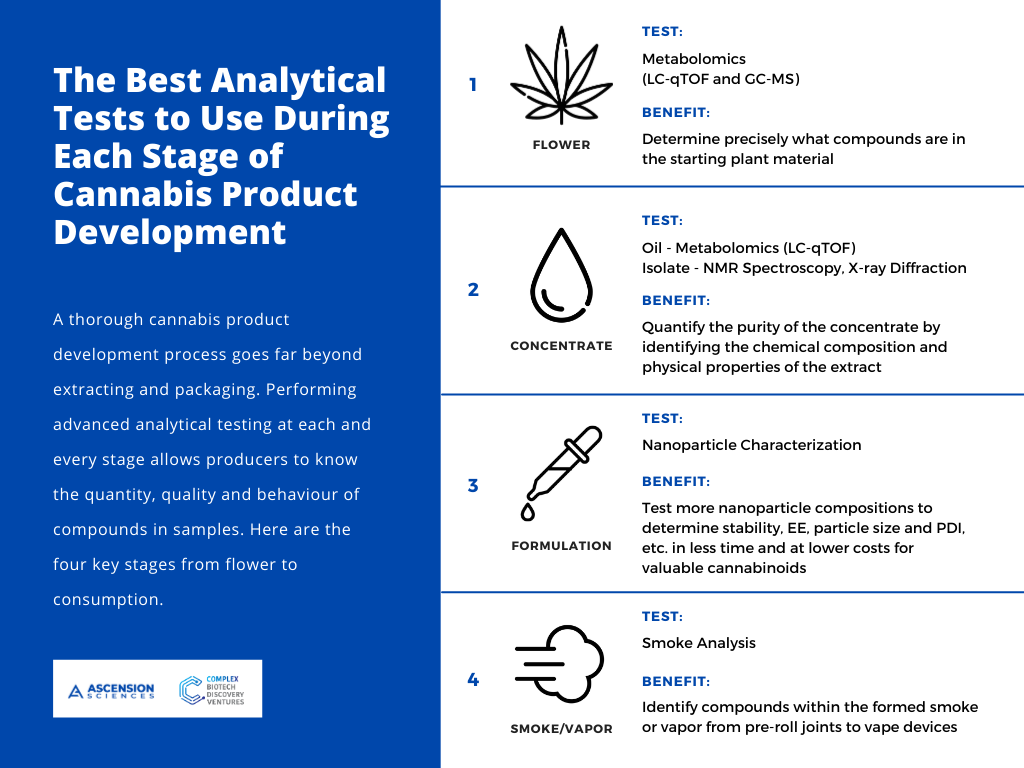
A thorough cannabis product development process goes far beyond extracting and packaging. Performing advanced analytical testing at each and every stage allows producers to know the quantity, quality and behaviour of compounds in samples. Here are the four key stages from flower to consumption.
Stage 1: Flower
Developing a quality cannabis product begins with knowing the composition of compounds in your starting material. The best analytical tests utilize a metabolomics approach. Metabolomics is a suite of techniques that include a variety of instruments to run samples through in order to receive compositional data. In this stage, LC-qTOF and GC-MS are the best instruments to track all the compounds in the starting plant material. Essentially, metabolomics establishes a fingerprint of the compounds in a plant sample. This is beneficial because producers have to understand how their chosen cannabis plant differs from other cultivars and how it would potentially behave in their desired end product formulations.
Stage 2: Concentrate
After the plant material has gone through an extraction process, producers want to know precisely what is in the extract. Are there compounds that should not be there and are all the desired compounds present? The best way to test the quality of cannabis oils is again to use metabolomics (e.g. via LC-qTOF). This test reveals all the compounds in the sample in order to help the producer determine the purity and consistency of molecules beyond just THC and CBD.
When testing cannabis isolates, it is best to use NMR spectroscopy and X-ray diffraction. NMR characterizes and assesses the purity of single compounds or mixtures in solution or solid state. X-ray diffraction provides information about the crystal structure, chemical composition and the physical properties of the cannabis sample to help the producer prove the identification of desired compounds. Establishing that the concentrates are pure and aligned with what the producer intended to extract is key in this stage of product development.
Stage 3: Formulation
Designing an appropriate drug delivery formula is a universal challenge producers face at this stage of product development. Where nanoemulsion or other carrier approaches are being used, formulation characterization allows producers to understand how their active compounds behave in simulated physiological environments as well as how stable their products are over time. Specifically, nanoparticle sizing and assessing size changes over time can help a formulation scientist ensure the highest quality product is being mixed, and that the desired effect will be imparted on the consumer/patient.
Stage 4: Smoke/Vapor
Many producers might not consider this final stage, but it is critical for all inhalable cannabis products and devices. Using a smoke analyzer and metabolomics testing can identify and quantify compounds present within the formed smoke or vapor from pre-roll joints to vape devices. This is not only important for preventing the production of toxic by-products, but it can help producers create an optimal smoking experience for consumers.
One area that is often an afterthought is quality compliance testing. Despite a number of groups using the required tests well during development, many forget to continue the same robust testing on end products. In the current cannabis product development landscape, there is little guidance on how compliance testing should be conducted on every product “batch.” With these advanced analytical tests, producers can confidently develop compliant, stable and quality cannabis products.
As cannabis legalization becomes more prolific across the United States, entrepreneurs are entering the cultivation business in droves. With so many new companies entering the market and growing cannabis, there are a lot of common errors made when getting started. Here are ten of the biggest mistakes you can make when building a cannabis grow facility:
Failure to consult with experts in the cannabis business – poor planning in floorplan and layout could create deficient workflow causing extra time and costing profits. Bad gardening procedures may result in crop failure and noncompliance could mean a loss of license. Way too often, people will draft a design and begin construction without taking the time to talk to an expert first. Some important questions to ask yourself and your consultant are: What materials should be used in the building of the grow? Is my bed-to-flower ratio correct? How long will it take before I can see my first harvest?
Contractor selection – DO NOT build your own facility; leave it to the experts. Sure, you have experience building things and you have a friend who has worked in construction. Do not make this mistake – Our experience can save you from the mistake’s others have made. To stay lucrative in this competitive industry and to maximize your products’ quality and yields, have the facility built right the first time. Paying an experienced, qualified cannabis professional to build you a facility will produce better yields and will save you time, stress and money in getting you from start of construction to your first crop.
Not maximizing your square footage potential – With today’s fast changing environment, multi-tiered stationary racks, rolling benches and archive style rolling racks help maximize square footage. Without the proper garden layout, you will find yourself pounds short of your potential each harvest.
Inadequate power – Not planning or finding out if there is sufficient power available at the site for your current and future needs. This will stop you from building the overall square footage you want. When finding a building make sure you first know how much power you will need for the size grow you want. With proper engineering you will find out what load requirements will be so you can plan accordingly.
Material selection – The construction material that goes into a cultivation and extraction facility should consist of nonabsorbent anti-microbial finishes. The days of wood grow benches are long gone. Epoxy flooring, metal studs and other materials are mandatory for a quality-built, long-lasting facility.
Hand watering – Once your facility is up and running, many people feel they have spent enough money and they can save by hiring people to water by hand, rather than going with an automated system to handle the watering and nutrients. The problem with this is your employees are not on your plants timetable. What if an employee calls off and can’t come into water at the right time or they mix the wrong amount of nutrients from the formula you have selected? These are issues we see a lot. It is critical to perform precise, scheduled watering and nutrient delivery to increase your yields.
Failure to monitor and automate – Automating your grow is important for controlling the light and fertigation schedules as well as data collection and is crucial to maximizing yields. Being able to do this remotely gives you peace of mind in that you can monitor your grow room temperature and humidity at all times and be notified when something is not right.
Poor climate – This can cause stunted growth, smaller harvests and test failures. Our experience has taken us to facilities that have had mold and mildew issue due to poor climate. Proper air balancing, additional dehumidification along with a proper cleaning procedure can get a facility back in working order. Installing proper climate control systems could save millions of dollars.
Choosing the wrong site or building – Not knowing the history of the building you are choosing to rent or buy can create logistical and monetary nightmares. The wrong site can be a distribution and marketing disaster. In the wrong building, exponentially more money is spent to bring that building up to the standards needed for successful production and yields. For example, bringing in the ceiling and the cleaning of an existing facility can be a great expense. If you do not know what you are looking at when you purchase, you may be in for months of unaccounted expenses and inaccurate timelines. This can be detrimental for companies and individuals that are on restricted timelines and have to start producing successful and continuous yields from a space that has to be converted into a prime grow facility.
Failure to maintain your facility – A dirty site creates an invitation for pests, workplace injuries, unhealthy working environment and equipment failure. Keeping the facility and equipment properly maintained with routine service will ensure efficiency, longevity of equipment life span and reduce mold and bacteria risk. Clean facilities = clean plants and better flower.
Natural product analysis using Carbon-14 is a valuable scientific tool that can be used to confirm the naturality of cannabidiol-based (CBD) ingredients by verifying the percentage of a product that is obtained from naturally-sourced ingredients. Determining the percentage of biobased content in a product allows companies to ensure their CBD ingredients are truly natural-derived, identify the presence of synthetic adulterants, and authenticate marketing and “natural” labeling claims.
Why consider natural product analysis using Carbon-14 to validate your natural CBD products?
Carbon-14 is an isotope present in naturally-sourced materials. Natural product analysis measures the percentage of Carbon-14 present in an ingredient or product. Higher percentages indicate that a product is primarily or completely made with natural-sourced ingredients as opposed to synthetic, petroleum-derived alternatives. These cheaper, synthetic alternatives created from petroleum-based sources cannot be measured using Carbon-14. A product that is all-natural and completely plant-sourced will show a result of 100% biobased content whereas a low or zero percentage will reveal a product that is partially or completely formulated with synthetic adulterants.
The structure of cannabidiol (CBD), one of 400 active compounds found in cannabis.
Why should you be concerned with verifying the naturality of your CBD products? In recent years, the popularization of CBD extract has increased its demand as an ingredient in personal care and cosmetic products. Higher costs associated with the use of natural CBD extract instead of artificial extracts leads to the use of adulterated ingredients by some manufacturers or false label claims that a product is natural when it is not.
How can you prove your products are the real deal and ensure your customers are sure they’re getting the natural ingredients they expect? Artificial ingredients derived from petrochemical sources do not contain any carbon-14 content. The results of natural product analysis reveal the percentage of a sample that is procured from natural sources, allowing manufacturers and quality assurance teams to confirm their CBD ingredients and products are not synthetic or adulterated and to strengthen claims that their product is truly natural-derived.
Natural product analysis can authenticate the natural content of your CBD products. Validating naturality with Carbon-14 testing strengthens label and marketing claims and confirms your products and ingredients are completely natural and do not contain cheap synthetic adulterants. By verifying the percentage of our product that comes from natural sources as opposed to artificial, petrochemical sources, you can guarantee your product is genuinely made with natural CBD extract.
This website uses cookies so that we can provide you with the best user experience possible. Cookie information is stored in your browser and performs functions such as recognising you when you return to our website and helping our team to understand which sections of the website you find most interesting and useful.
Strictly Necessary Cookies
Strictly Necessary Cookie should be enabled at all times so that we can save your preferences for cookie settings.
We use tracking pixels that set your arrival time at our website, this is used as part of our anti-spam and security measures. Disabling this tracking pixel would disable some of our security measures, and is therefore considered necessary for the safe operation of the website. This tracking pixel is cleared from your system when you delete files in your history.
We also use cookies to store your preferences regarding the setting of 3rd Party Cookies.
If you disable this cookie, we will not be able to save your preferences. This means that every time you visit this website you will need to enable or disable cookies again.



 The bill establishes the Virginia Cannabis Control Authority as the regulatory body overseeing the legal cannabis market. A five-member Board of Directors in that agency will develop and issue regulations and licenses. According to the bill, the Board can set the number of licenses, with a maximum of 400 retailers, 25 wholesalers, 450 cultivators and 60 manufacturers, aside from any medical cannabis and hemp processing license already issued. The Board is also in charge of licensing testing labs.