

The cannabis edibles industry is still immature and it will take time to bring all the necessary risk mitigation processes into place, but one excellent place to start is to seriously consider standardizing concentrates to a THC marker.

The cannabis edibles industry is still immature and it will take time to bring all the necessary risk mitigation processes into place, but one excellent place to start is to seriously consider standardizing concentrates to a THC marker.

Take a look at these major hazards that occur in edibles production and learn how to keep your products safe and avoid putting your manufacturing operation at risk.
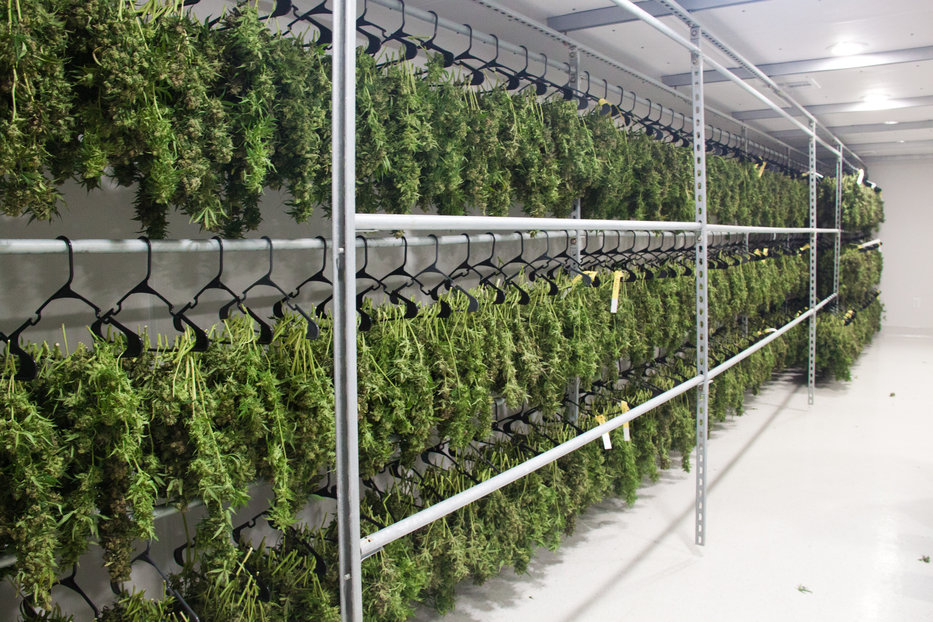
Historically, cultivators, processors and packagers have emphasized keeping flower below a particular humidity “ceiling” for a reason: Flower that’s too moist is prone to hazardous mold and microbial growth, so it’s understandable that many operators err on the side of being overly dry.
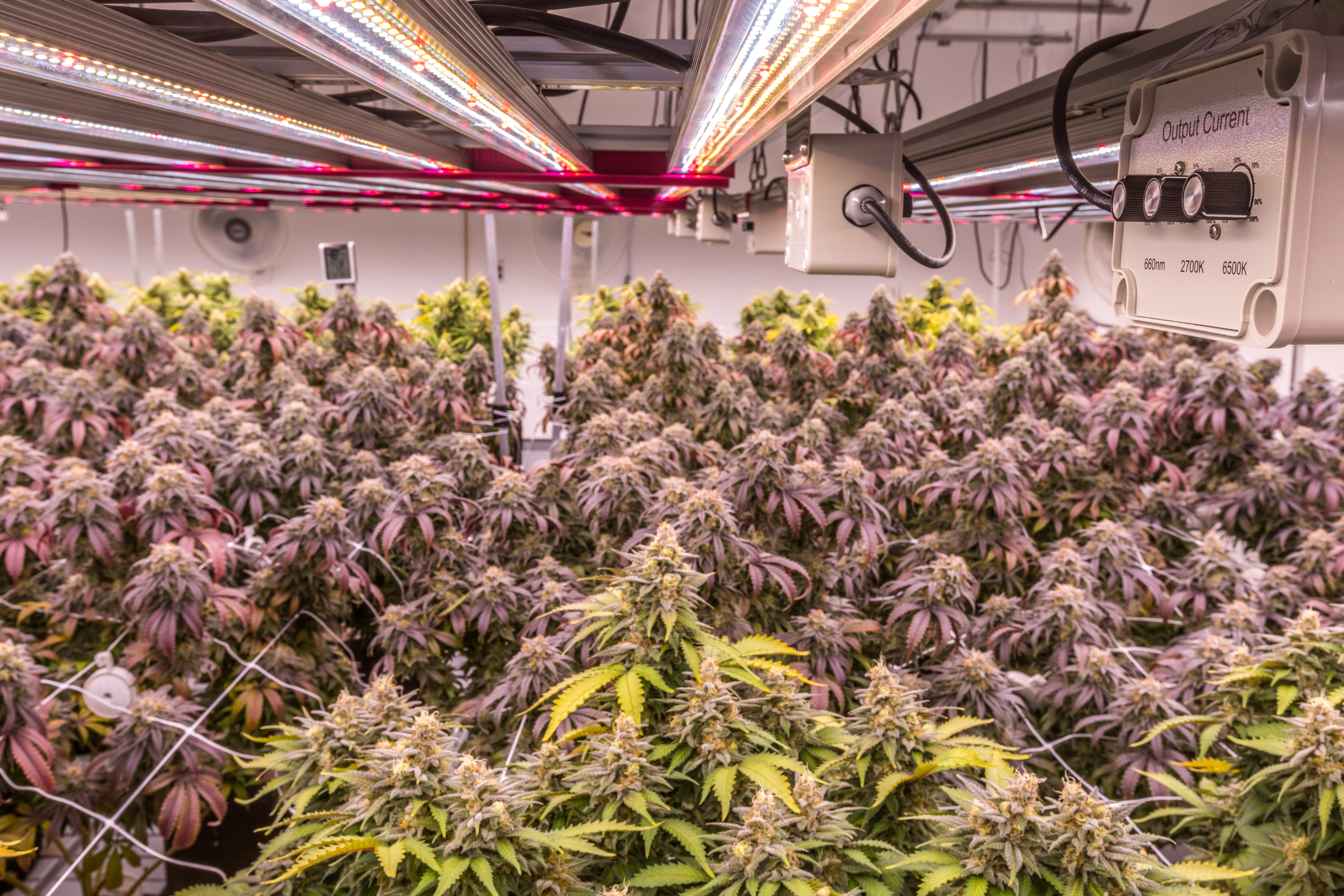
As the cannabis industry evolves, there is a growing interest in the synergistic benefits of cannabinoids and terpenes, known as The Entourage Effect. Indoor cultivators using full-spectrum LED lights can encourage cannabinoid and terpene production, resulting in richer products with amplified benefits.
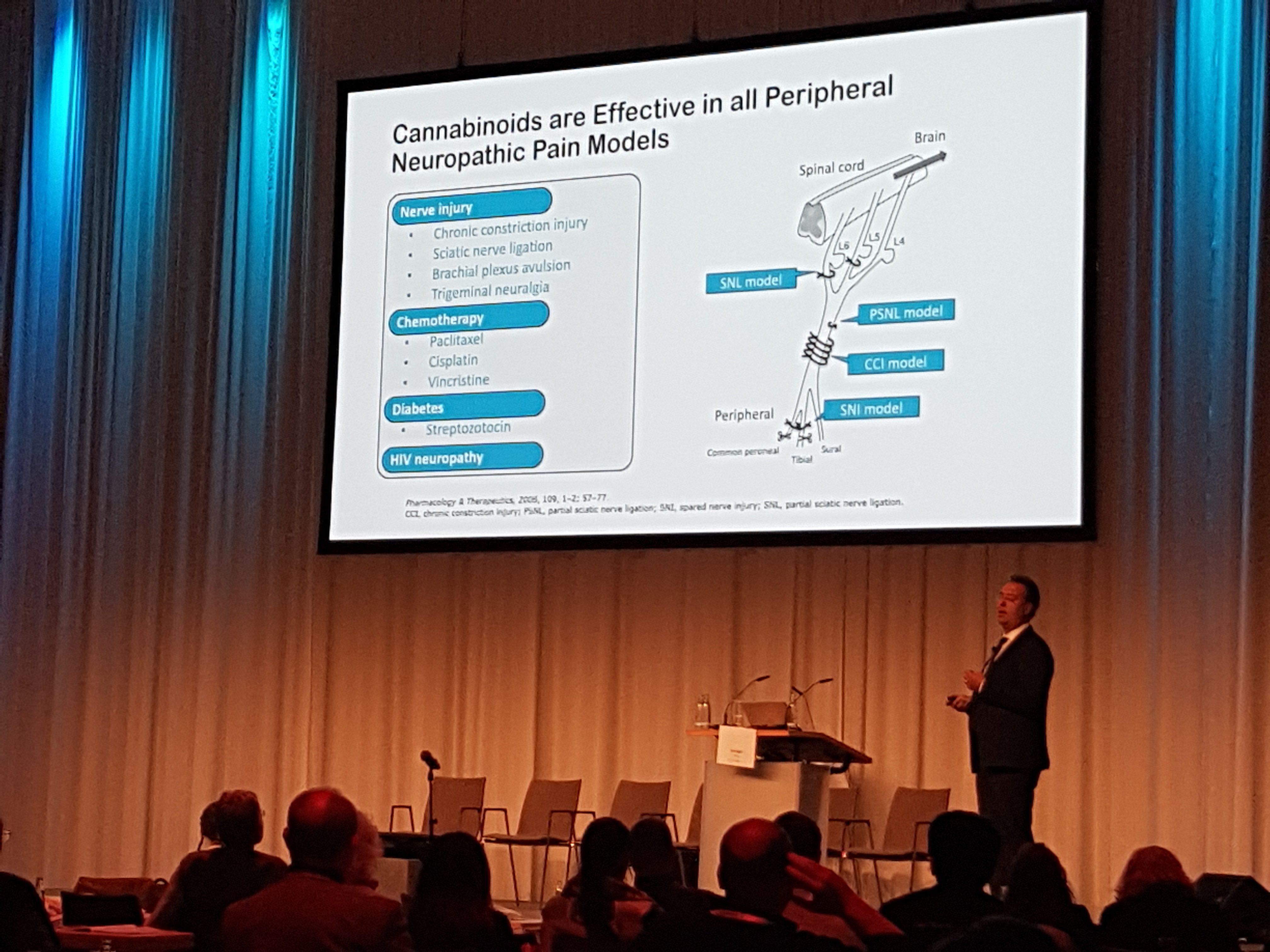
The International Association of Cannabinoid Medicines held a three-day conference on the efficacy of the drug with calls for more activism, formal trials and patient access.
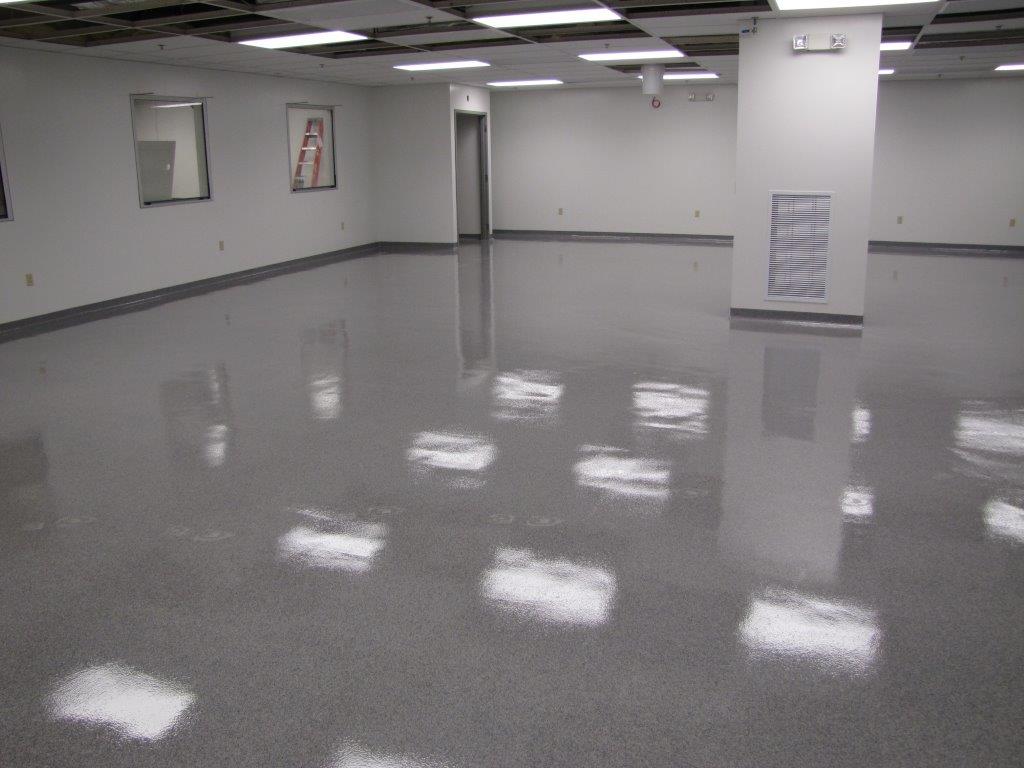
Proper flooring can play a critical role in helping maintain optimal safety and sanitation standards.

In this new application note, the Agilent 7800 ICP-MS is found to be suitable for heavy metals testing in hemp and cannabis.
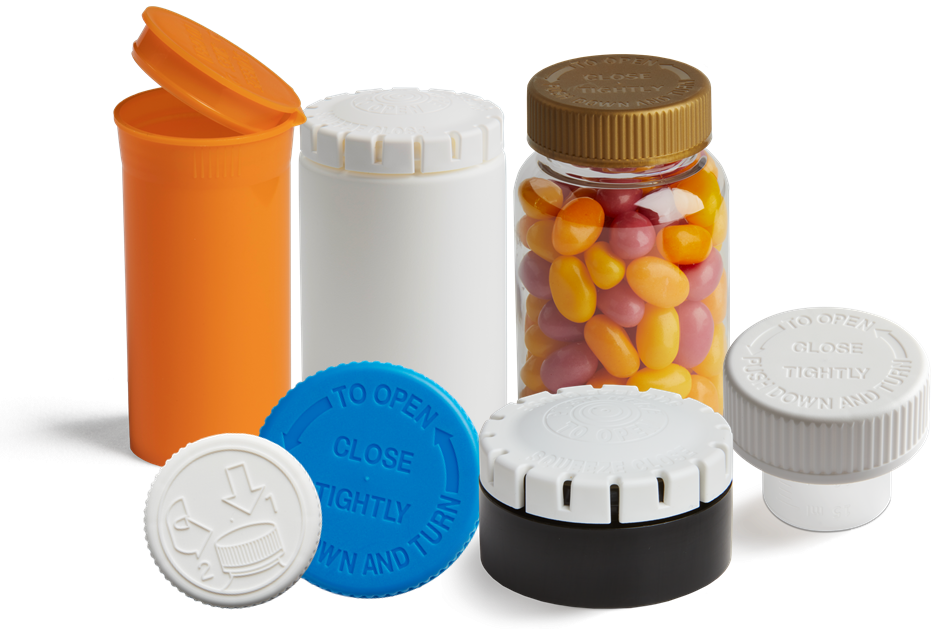
Using the right bottles and closures can help improve the safety of cannabis products.

Secretary of Agriculture Sonny Perdue announced today the establishment of the U.S. Domestic Hemp Production Program, which includes a preview of the final interim rule, a comment period, guidelines for testing and more.

A2LA announced in October that they accredited the Ohio labs to ISO 17025:2017.


