
Tag Archives: legislation

An Update on Missouri Legalization & Taxes

By Abraham Finberg, Simon Menkes, Rachel Wright
No Comments

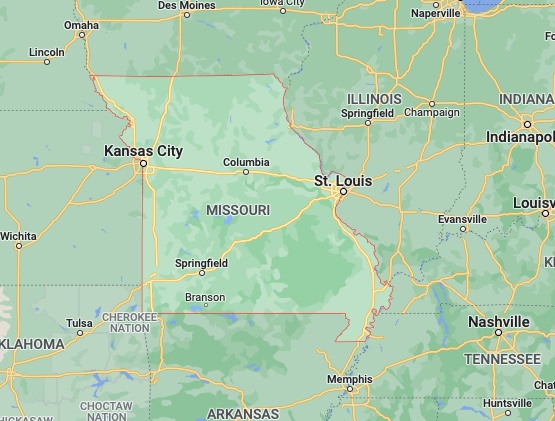
Some states, like California, Colorado and Washington, have welcomed cannabis with open arms while others have taken a while to come to the party (or haven’t gotten there yet). Missouri, whose licensed sales only began in October 2020, is one of the late arrivals.

Perhaps it’s in the nature of the people of the Show Me State to wait for proof that something is a good thing rather than being early adopters. Even Missouri’s nickname came into being as a statement of skepticism when Missouri Congressman Willard Duncan Vandiver, in an 1899 speech in Philadelphia, said, “Your frothy eloquence neither convinces nor satisfies me. I am from Missouri. You have got to show me.” (Not surprisingly, perhaps, Missouri’s state animal is the Missouri Mule).

Missouri legalized the use of medical cannabis on December 6, 2018. Compared to many other states, Missouri’s definition of what constitutes medicinal use is more tightly defined. For example, most medical cannabis states allow “anxiety” as an acceptable condition for a prescription; Missouri does not.1

Current Status of Adult Use Cannabis

St. Louis, Missouri

Missouri is now locked in a battle to legalize adult use cannabis, with the group Legal Missouri 2022, among others, working hard to put the measure on the ballot this year. At the same time, Representative Ron Hicks (R) is pushing to legalize recreational purchases with his Cannabis Freedom Act. “I want the legislature to be able to handle it so that when there are problems and things need to be changed, it can be changed,” Hicks said.2 Missouri Governor Mike Parson (R), who has been against recreational usage, has stated he would “much rather have the legislators have that discussion out here and see if there is a solution other than doing the ballot initiative.” Parson added, “If it got on the ballot, it’s probably going to pass.”3

Cannabis Business in Missouri: Only Cost of Goods Sold Deduction

Missouri has maintained its state tax code to be in conformity with Section 280E of the Internal Revenue Code, which disallows deductions and credits for expenditures connected with the illegal sale of drugs, stating:

No deduction or credit shall be allowed for any amount paid or incurred during the taxable year in carrying on any trade or business if such trade or business … consists of trafficking in controlled substances (within the meaning of schedule I and II of the Controlled Substances Act) which is prohibited by Federal law.4

This is true for both corporation5 and individuals6 in Missouri.

Governor Mike Parson recently vetoed a bill to eliminate conformity with I.R.C. Section 280E. Eliminating conformity would have lowered the tax burden on medical cannabis businesses, and increased Missouri’s competitiveness.7

State Sales and Cannabis Taxes

Missouri taxes retail sales at 4% of the purchase price.8 In addition, Missouri taxes retail sales of medical cannabis another 4% of the retail price.9,10 The medical cannabis tax is collected by dispensary facilities who then remit it to the Department of Revenue using Form 5808.11

Tax compliance is burdensome in Missouri, with dispensaries having to file returns monthly, even when they have no tax to report.12 Missouri also doesn’t allow cannabis businesses to pay their taxes in cash.13

No Tax on Tax

It’s important to note that Missouri doesn’t charges sales tax on cannabis tax nor cannabis tax on cannabis tax (unlike high-tax states like California). Under Missouri’s law, the tax is “separate from, and in addition to, any general state and local sales and use taxes that apply to retail sales.”14 Under Missouri’s sales tax law, “ Tax collected as a part of a sale should not be included in gross receipts.”15 Missouri has not specified whether the medical tax constitutes tax collected as a part of a sale; however, its regulations state that gross receipts from the sale of cigarettes do not include the amount of the sale price that represents the state cigarette tax.16 If the medical tax is analogous to the cigarette tax, gross receipts from the sale of medical cannabis likely excludes the amount paid as medical cannabis tax.

If the Legislature-Sponsored Cannabis Freedom Act Passes

If the Cannabis Freedom Act passes, Missouri will have a number of additional interesting changes. The bill would only allow for double the number of current medical cannabis licensees to serve the adult use market. It would also allow for people with non-violent convictions to petition the courts to have their record expunged (cleared).

Adult Use Taxes

The Act would allow the Department of Revenue to set an adult-use tax of up to 12%. There would be no such tax on medical cannabis sales.17

Normal Tax Deductions Allowed for Businesses

Licensed businesses would also be able to make tax deductions with the state up to the amount that they’d otherwise be eligible for under federal law if they were operating in a federally legal industry.18

Amendment Added to Act

In a move seen by many as a bid to derail the Cannabis Freedom Act, Representative Nick Schroer (R) amended the Act to bar transgender women from accessing no-interest loans for women- and minority-owned cannabis businesses, adding that only women who are “biologically” female would be eligible for the benefit. In the end, this addition may have the effect of scuttling the bill.19

Multiple Efforts to Place Cannabis on the Ballot

Even if the Act doesn’t pass, there are multiple efforts to place cannabis before the voters, including one by Representative Shamed Dogan (R), the group Legal Missouri 2022, which got medical cannabis passed by voters in 2018, and Fair Access Missouri.20

 Comparison to Neighboring Oklahoma

Oklahoma, like Missouri, has not legalized the use of recreational cannabis, only medical cannabis. Also, Oklahoma taxes sales of tangible personal property (except newspapers and periodicals) at 4.5%, which is close to Missouri’s 4%.21 Tax is imposed on gross receipts or gross proceeds.22 Gross receipts (or gross proceeds) = Total amount of consideration, whether received in cash or otherwise. Credit is allowed for returns of merchandise.23

Oklahoma taxes retail medical cannabis sales at 7% of the gross amount received by the seller.24 Like Missouri, it has not specified any exemptions from the medical cannabis tax. Oklahoma’s medical cannabis tax base is the same as Missouri’s. Oklahoma’s medical tax rate is higher than Missouri’s. Therefore, Missouri’s tax treatment of medical cannabis is even better than Oklahoma’s.

Note, however, that Oklahoma has made it explicit that there is no tax-on-tax. “The 7% gross receipts tax is not part of the gross receipts for purposes of calculating the sales tax due, if the tax is shown separately from the price of the medical marijuana.”25

Oklahomans appear to be far more favorably disposed towards cannabis than Missouri, however. 2021 cannabis sales per person in Missouri was approximately $34, while Oklahoma boasted an impressive $210 per person, besting even California, which had $111/per person in cannabis sales.26

The Hidden Opportunity

Although Missouri only began licensed sales in October 2020, the state’s monthly sales has shown a strong upward curve. By the end of June 2021, monthly sales were just above $16 million. That number had shot up to $29 million per month for December 2021, and almost $37 million for April 2022.27 Patient enrollment is also increasing significantly.28
The best move, many experts believe, is to get into the medical market now, before the inevitable happens and adult use is approved. Competition is low at the moment, due to the lack of medical licensed dispensaries in the state. Although obtaining a license can be difficult, the current lack of competition, as well as the opportunity to gain a foothold in the cannabis industry before recreational purchases are approved, could provide a 10 times revenue increase from current medicinal sales levels.

Tyler Williams, founder of St. Louis-based Cannabis Safety and Quality and one of the St. Louis Business Journal’s 2021 40 Under 40, is optimistic about the future of Missouri cannabis. The state, he says, has been left “with only a few cannabis growers and manufacturers with a head start over the impending recreational market that is likely to come within the next couple of years.”29

The Bottom Line

The State of Missouri’s treatment of legal cannabis has been mixed, but the demand for the product by many residents of the state is unquestioned. If an entrepreneur has the foresight to get involved before all the wrinkles of legalization have been resolved, there is a possibility for very strong return on investment.


References

  1. https://health.mo.gov/safety/medical-marijuana/how-to-apply.php
  2. https://www.marijuanamoment.net/missouri-lawmakers-approve-gop-led-marijuana-legalization-bill-in-committee/
  3. https://www.stltoday.com/news/local/marijuana/parson-not-taking-sides-as-fight-over-marijuana-legalization-heats-up-in-missouri/article_2fbe3b03-14b0-54c6-940c-130b672a949e.html
  4. In the Comprehensive Drug Abuse Prevention and Control Act of 1970, 21 U.S.C. §801–971 (1970)
  5. Mo. Rev. Stat. § 143.431.
  6. Mo. Rev. Stat. § 143.091.
  7. https://blog.tenthamendmentcenter.com/2021/07/missouri-governor-vetoes-bill-to-eliminate-state-conformity-with-irs-section-280e-for-marijuana-businesses/
  8. Mo. Rev. Stat. § 144.020.1(1).
  9. Missouri Amendment 2, approved by voter ballot Nov. 6, 2018, effective Dec. 6., 2018, § 1(4)(1).
  10. Missouri Amendment 2, § 1(4)(4).
  11. Missouri Amendment 2, § 1(4)(1).
  12. Ibid.
  13. Ibid.
  14. Missouri Amendment 2, § 1(4)(4) (emphasis added).
  15. Mo. Code Regs. Ann. tit. 12 § 10.103-555(3)(A).
  16. Mo. Code Regs. Ann. tit. 12 § 10.103-555(3)(M).
  17. https://www.marijuanamoment.net/missouri-lawmakers-approve-gop-led-marijuana-legalization-bill-in-committee/
  18. Ibid.
  19. Ibid.
  20. Ibid.
  21. Okla. Stat. Ann. tit. 68, § 1354.
  22. Okla. Stat. Ann. tit. 68, § 1352(12)(a).
  23. Okla. Admin. Code § 710:65-19-89(a).
  24. Okla. Stat. Ann. tit. 63, § 426.
  25. Okla. Admin. Code § 710:65-19-216(d).
  26. https://mogreenway.com/2022/03/07/medical-marijuana-sales-in-missouri-continue-strong-trend/
  27. https://health.mo.gov/safety/medical-marijuana/pdf/dispensary-cumulative-sales.pdf
  28. https://www.benzinga.com/markets/cannabis/21/06/21594575/missouris-cannabis-market-what-investors-and-entrepreneurs-need-to-know
  29. Ibid.
Soapbox

How Do You Know You’re Right? qPCR vs. Plating

By Dr. Sherman Hom
2 Comments

Cannabis testing to detect microbial contamination is complicated. It may not be rocket science, but it is life science, which means it’s a moving target, or at least, it should be, as we acquire more and more information about how the world we live in works. We are lucky to be able to carry out that examination in ever increasing detail. For instance, the science of genomics1 was born over 80 years ago, and just twenty years ago, genetics was still a black box. We’ve made tremendous progress since those early days, but we still have a long way to go, to be sure.

Much of that progress is due to our ability to build more accurate tools, a technological ladder, if you will, that raises our awareness, expertise, and knowledge to new levels. When a new process or technology appears, we compare it against accepted practice to create a new paradigm and make the necessary adjustments. But people have to be willing to change. In the cannabis industry, rapid change is a constant, first because that is the nature of a nascent industry, and second because in the absence of some universal and unimpeachable standard, it’s difficult to know who’s right. Especially when the old, reliable reference method (i.e. plating, which is basically growing microorganisms on the surface of a nutritional medium) is deeply flawed in its application to cannabis testing vs. molecular methods (i.e., quantitative polymerase chain reaction, or qPCR for short).

Dr. Sherman Hom, Director of Regulatory Affairs at Medicinal Genomics

Plating systems have been used faithfully for close to 130 years in the food industry, and has performed reasonably well.2 But cannabis isn’t food and can’t be tested as if it were. In fact, plating methods have a host of major disadvantages that only show up when they’re used to detect cannabis pathogens. They are, in no particular order:

  1. A single plating system can’t enumerate a group of microorganisms and/or detect specific bacterial and fungal pathogens. This is further complicated by the fact that better than 98% of the microbes in the world do not form colonies.3 And there is no ONE UNIVERSAL bacterial or fungal SELECTIVE agar plate that will allow the growth of all bacteria or all fungal strains. For example, the 5 genus species of fungal strains implicated in powderly mildew DO NOT plate at all.
  2. Cannabinoids, which can represent 10-30% of a cannabis flower’s weight, have been shown to have antibacterial activity.4 Antibiotics inhibit the growth of bacteria and in some cases kill it altogether. Salmonella species & shiga toxin producing coli (STEC) bacteria, in particular, are very sensitive to antibiotics, which leads to either a false negative result or lower total counts on plates vs. qPCR methods.
  3. Plating methods cannot detect bacterial and fungal endophytes that live a part or all of their life cycle inside a cannabis plant.5,6 Examples of endophytes are the Aspergillus pathogens (A. flavus, A. fumigatus, A. niger, and A. terreus). Methods to break open the plant cells to access these endophytes to prepare them for plating methods also lyse these microbial cells, thereby killing endophytic cells in the process. That’s why these endophytes will never form colonies, which leads to either false negative results or lower total counts on plates vs. qPCR methods.
  4. Selective plating media for molds, such as Dichloran Rose-Bengal Chloramphenicol (DRBC) actually reduces mold growth—especially Aspergillus—by as much as 5-fold.This delivers false negative results for this dangerous human pathogen. In other words, although the DRBC medium is typically used to reduce bacteria; it comes at the cost of missing 5-fold more yeast and molds than Potato Dextrose Agar (PDA) + Chloramphenicol or molecular methods. These observations were derived from study results of the AOAC emergency response validation.7
  5. Finally, we’ve recently identified four bacterial species, which are human pathogens associated with cannabis that do not grow at the plating system incubation temperature typically used.8 They are Aeromonas hydrophila, Pantoea agglomerans, Yersinia enterocolitica, and Rahnella aquatilis. This lowers total counts on plates qPCR methods.

So why is plating still so popular? Better yet, why is it still the recommended method for many state regulators? Beats me. But I can hazard a couple of guesses.

A yeast and mold plate test

First, research on cannabis has been restricted for the better part of the last 70 years, and it’s impossible to construct a body of scientific knowledge by keeping everyone in the dark. Ten years ago, as one of the first government-employed scientists to study cannabis, I was tapped to start the first cannabis testing lab at the New Jersey Dept. of Health and we had to build it from ground zero. Nobody knew anything about cannabis then.

Second, because of a shortage of cannabis-trained experts, members of many regulatory bodies come from the food industry—where they’ve used plating almost exclusively. So, when it comes time to draft cannabis microbial testing regulations, plating is the default method. After all, it worked for them before and they’re comfortable with recommending it for their state’s cannabis regulations.

Finally, there’s a certain amount of discomfort in not being right. Going into this completely new area—remember, the legal cannabis industry didn’t even exist 10 years ago—we human beings like to have a little certainty to fall back on. The trouble is, falling back on what we did before stifles badly needed progress. This is a case where, if you’re comfortable with your old methods and you’re sure of your results, you’re probably wrong.

So let’s accept the fact that we’re all in this uncharted territory together. We don’t yet know everything about cannabis we need to know, but we do know some things, and we already have some pretty good tools, based on real science, that happen to work really well. Let’s use them to help light our way.


References

  1. J. Weissenbach. The rise of genomics. Comptes Rendu Biologies, 339 (7-8), 231-239 (2016).
  2. R. Koch. 1882. Die Aetiologie der Tuberculose.  Berliner Klinische Wochenschrift, 19, 221-230 (1882). 
  3. W. Wade. Unculturable bacteria—the uncharacterized organisms that cause oral infections. Journal of the Royal Society of Medicine, 95(2), 91-93 (2002).
  4. J.A. Karas, L.J.M. Wong, O.K.A. Paulin, A. C. Mazeh, M.H. Hussein, J. Li, and T. Vekov. Antibiotics, 9(7), 406 (2020).
  5. M. Taghinasab and S. Jabaji, Cannabis microbiome and the role of endophytes in modulating the production of secondary metabolites: an overview. Microorganisms 2020, 8, 355, 1-16 (2020).
  6. P. Kusari, S. Kusari, M. Spiteller and O. Kayser, Endophytic fungi harbored in Cannabis sativa L.: diversity and potential as biocontrol agents against host plant-specific phytopathogens. Fungal Diversity 60, 137–151 (2013).
  7. K. McKernan, Y. Helbert, L. Kane, N. Houde, L. Zhang, S. McLaughlin, Whole genome sequencing of colonies derived from cannabis flowers & the impact of media selection on benchmarking total yeast & mold detection tools,  https://f1000research.com/articles/10-624 (2021).
  8. K. McKernan, Y. Helbert, L. Kane, L. Zhang, N. Houde, A. Bennett, J. Silva, H. Ebling, and S. McLaughlin, Pathogenic Enterobacteriaceae require multiple culture temperatures for detection in Cannabis sativa L. OSF Preprints, https://osf.io/j3msk/, (2022)

One Month In: New Jersey Market Starts Growing

By Cannabis Industry Journal Staff
No Comments

Just over a month ago, a handful of dispensaries in New Jersey began selling cannabis to adults over the age of 21. The state issued licenses for adult use sales to seven alternative treatment centers (ATCs), otherwise known as medical cannabis businesses already established in the state. In total, thirteen dispensaries in the state started selling cannabis to adults over 21.

The seven companies awarded adult use licenses were Ascend, Curaleaf, GTI, Acreage, Verano, Columbia Care and TerrAscend. The state’s roll out created a lot of controversy over allowing already established, larger medical cannabis businesses and multi state operators to begin adult use sales before smaller businesses and social equity applicants get licensed.

Sales totals in the first month of New Jersey’s adult use market

Earlier this week, the New Jersey Cannabis Regulatory Commission (CRC) held a public meeting where regulators discussed progress, sales totals so far, conditional license applications and more. According to the meeting notes, between April 21 and May 21, retailers in New Jersey did $24,201,875 in cannabis sales with 212,433 transactions. During the meeting, regulators considered 46 conditional license applications and four testing lab license applications.

According to NJ.com, six new dispensaries were awarded licenses to begin adult use sales. Of the six new retail locations, Curaleaf opened their Edgewater location to adult use customers and Ayr Wellness received approval to begin adult use sales at all three of their medical locations in Eatontown, Union and Woodbridge. Ascend and TerrAscend also received approval to begin adult use sales act their locations in Montclair and Lodi, respectively.

About two weeks ago, the CRC testified before the state’s Senate Judiciary Meeting to share progress on the legal cannabis market, just over a year after the CRC was established. Jeff Brown, executive director of the CRC, discussed the agency’s goals and some challenges ahead of them. Brown says the CRC will be focusing on additional rules for adult use, modernizing the medical rules, enforcing regulatory compliance and information sharing in the near future. He also mentioned a couple challenges the industry is currently facing that they wish to address, including: expanding access to capital for entrepreneurs , removing impediments to finding real estate, educating municipalities to open up opportunities for applicants and ensuring medicinal cannabis access is unimpeded by recreational sales.

“We have made great strides in all of these efforts, and when we look at how New Jersey compares against other states, we fair pretty well,” Brown told lawmakers. “Beginning recreational sales on 4/21/22 was an important milestone. But it doesn’t mark the end of the process, it marks an important step in a multi-year effort to establish New Jersey as the premier cannabis market on the East Coast.”

Rhode Island Legalizes Adult Use Cannabis

By Cannabis Industry Journal Staff
1 Comment

Update: Governor McKee has signed the Rhode Island Cannabis Act into law, making it the 19th state to legalize adult use cannabis.


In Rhode Island this week, lawmakers voted to approve a bill that would legalize and regulate adult use cannabis. The state’s legislature passed the bill with overwhelming majorities in both the House of Representatives and the Senate.

The House voted 55-16 and the Senate voted 32-6 to approve the Rhode Island Cannabis Act, a bill that allows adults over 21 to possess, purchase and grow cannabis. The legislation contains a provision for automatic review and expungement of past cannabis convictions. Similar to other neighboring states, the bill also allows for allocating tax revenue from cannabis sales to communities most harmed by cannabis prohibition, such as low income neighborhoods.

Rhode Island Gov. McKee

Governor Daniel McKee has expressed support for the bill previously and is expected to sign it into law. According to Jared Moffat, state campaigns manager for the Marijuana Policy Project, Rep. Scott Slater, Sen. Josh Miller and Rep. Leonela Felix are to thank for their leadership in bringing the bill to a vote. “We are grateful to Rep. Scott Slater and Sen.Josh Miller for their years of leadership on this issue. Rhode Islanders should be proud of their lawmakers for passing a legalization bill that features strong provisions to promote equity and social justice,” says Moffat. “We’re also thankful to Rep. Leonela Felix who advocated tirelessly for the inclusion of an automatic expungement provision that will clear tens of thousands of past cannabis possession convictions.”

Among other provisions, the bill establishes a 10% sales tax in addition to the state’s normal 7% sales tax and 3% local sales tax. A quarter of all retail licenses will go to social equity applicants and another quarter of all licenses will be reserved for worker-owned cooperatives. The legislation also includes a “social equity assistance fund” that will offer grant money, job training and social services to communities most impacted by cannabis prohibition.

Cannabis M&A: Take Care of the Due Diligence Essentials

By Michael G. Lux
No Comments

As the regulated cannabis industry matures, M&A activity is expected to continue accelerating. Whether they are existing licensed businesses looking for acquisition opportunities or new investor groups seeking to enter or expand their positions in the industry, investors should recognize the special due diligence challenges associated with cannabis industry transactions.

Above all, investors should avoid the temptation to omit or short-circuit long-established due diligence practices, mistakenly believing that some of these steps might not be relevant to cannabis and hemp operations. Despite the unique nature of the industry, thorough and professional financial, tax and legal due diligence are essential to a successful acquisition.

Surging M&A activity

Over the past few years, as the cannabis industry matured and the regulatory environment evolved, M&A activity involving cannabis and hemp companies has undergone several cycles of expansion and contraction. Today, the expansion trend clearly has resumed. Although the exact numbers vary from one source to another, virtually all industry observers agree that 2021 saw a strong resurgence in cannabis-related M&A activity, with total transactions numbering in the hundreds and total deal values reaching into billions of dollars. Moreover, most analysts seem to agree that so far, the pace for 2022 is accelerating even more.

Today, many existing cannabis and hemp multistate operating companies are in an acquisitive mood as they look for opportunities to scale up their operations, enter new markets, and vertically integrate. At the same time, the projections for continued industry growth over the next decade have attracted a number of investment funds and private equity groups, which were formed specifically for the purpose of investing in cannabis and hemp businesses.

These two classes of investors often pursue distinctly different approaches to their transactions. Unlike the largely entrepreneurial cannabis industry pioneers now looking to expand, the more institutional investors are accustomed to working with professional advisers to perform financial, tax and legal due diligence as they would for a transaction in any other industry.

Among both groups, however, there is sometimes a tendency to misunderstand some of the transactional risk elements associated with cannabis M&A deals. In many instances, buyers who are generally sensitive to potential legal and regulatory risks will underestimate or overlook other risks they also should examine as part of a more conventional financial and tax due diligence effort.

For example, since much of the value of a licensed cannabis operation is the license itself, investors often rely largely on their own industry understanding and expertise to assess the merits of a proposed acquisition, based primarily on their estimation of the license’s value. This practice provides acquirers with a narrow and incomplete view of the deal’s overall value. More importantly, it also overlooks significant areas of risk.

Because cannabis acquisition targets typically are still quite new and have no consistent earning records, acquirers also sometimes eschew quality of earnings studies and other elements of conventional due diligence that are designed to assess the accuracy of historical earnings and the feasibility of future projections.

Such assumptions and oversights often can derail an otherwise promising transaction prior to closing, causing both the target and the acquirer to incur unnecessary costs and lost opportunities. What’s more, even if the deal is eventually consummated, short-circuiting the normal due diligence processes can expose buyers to significant unanticipated risk down the road.

Recurring issues in cannabis acquisitions

The most widely recognized risks in the industry stem from the conflict between federal law and the laws of various states that have legalized cannabis for medical or adult recreational use. The most prominent of these concerns relates to Section 280E of the Internal Revenue Code (IRC 280E).

Although its use is now legal in many states, cannabis is still classified as a Schedule I substance under the federal Controlled Substances Act. IRC 280E states that any trade or business trafficking in a controlled substance must pay income tax based on its gross income, rather than net income after deductions. As a result, cannabis businesses are not entitled to any of the common expense deductions or tax credits other businesses can claim.

The practical effect of this situation is that cannabis-related businesses – including growers, processors, shippers and retailers – often owe significant federal income tax even if they are not yet profitable. Everyone active in the industry is aware of the issue, of course, and any existing operating company or investment group will undoubtedly factor this risk into its assessment of a proposed acquisition target.

The challenge can be exacerbated, however, by other, less widely discussed factors that also affect many cannabis businesses. These issues further cloud the financial, tax and regulatory risk picture, making thorough and professional due diligence even more critical to a successful acquisition.

Several of these issues merit special attention:

  • Nonstandard accounting and financial reporting practices. As is often the case in relatively young, still-maturing businesses, acquisition targets in the cannabis industry might not have yet developed highly sophisticated accounting operations. It is not uncommon to encounter inadequate accounting department staffing along with financial reporting procedures that do not align with either generally accepted accounting principles or other standard practices. In many instances, company management is still preparing its own financial statements with minimal outside guidance or involvement by objective, third-party professionals. Significant turnover in the management team – and particularly in the chief financial officer position –is also common, as is a general view that accounting is a cost center rather than a value-enhancing part of the management structure.

Such conditions are not unusual in young businesses that are still largely entrepreneurial in spirit and practice. In the cannabis industry, however, this situation is also a reflection of many professional and business services firms’ longstanding reluctance to engage with cannabis operators – a hesitancy that still affects some organizations.

When customary business practices are not applied or are applied inconsistently, acquiring companies or investors should be prepared to devote more time and attention – not less – to conventional financial due diligence. The expertise of professional advisers with direct experience in the industry can be of immense benefit to all parties in this effort.

  • Restructuring events or nonrecurring items in financial statements. Restructuring events and nonrecurring items are relatively common in many new or fast-growing businesses, and they are especially prevalent among cannabis operations. In many instances, such companies have engaged in multiple restructuring events over a short period of time, often consolidating operations, taking on new debt, and incurring various one-time costs that are not directly related to the ongoing operations of the business.

The inclusion of various nonrecurring items within the historical financial statements can make it much more difficult for a buyer or investor to accurately identify and assess proforma operating results, especially in businesses that have not yet generated consistent profits. Here again, applying previous experience in clearing up the noise in the financial statements can help improve both the accuracy and timeliness of the due diligence effort.

  • Run-rate results inconsistent with historical earnings or losses. A company’s run rate – an extraction of current financial information as a predictor of future performance – is a widely used tool for creating performance estimates for companies that have been operating for short periods of time or that have only recently become profitable. In cannabis businesses, however, run-rate estimates sometimes can be unreliable or misleading.

Because it is based only on the most current data, the run rate often does not reflect significant past events that could skew projections or recent changes in the company’s fundamental business operations. Because such occurrences are relatively common in the industry, the results of run-rate calculations can be inconsistent with the target company’s historical record of earnings or losses.

  • Historical tax and structuring risks new owners must assume. Like many other new businesses, cannabis operations often face cash flow and financing challenges, which owners can address through alternative strategies such as debt financing, stock warrants, or preferred equity conversions. Such approaches can give rise to complex tax and financial reporting issues as tax authorities exercise their judgment in interpreting whether these items should be reported as liabilities or equity derivatives. The situation is often complicated further by various nonstandard business practices and the absence of sophisticated accounting capabilities, as noted earlier.

As a consequence, financial statements for many cannabis companies – including a number of publicly listed companies – often contain complex capital structures with numerous types of debt warrants, conversion factors and share ownership options. Although an acquisition would, in theory, clean up these complications, buyers nevertheless must factor in the risk of previous noncompliance that might still be hidden within the organization – a risk that can be identified and quantified only through competent and thorough due diligence.

Not as simple as it seems

On the surface, the fundamentals of the cannabis industry are relatively straightforward, which is one reason it appeals to both operators and investors. For example, participants at every stage of the cannabis business cycle – growing and harvesting, processing and packaging, shipping and distribution, and ultimately marketing and retailing – can readily apply well-established practices from their counterparts in more conventional product lines.

The major exception to this rule, of course, is the area of regulatory compliance, which is still shifting and likely will continue to do so for the foreseeable future. Outside of this obvious and significant exception, however, most other aspects of the industry are relatively predictable and manageable.

When viewed in this light and in light of the continued growth of the industry, it is easy to see why cannabis-related acquisitions are so appealing to existing business operators and outside investors alike. It is also easy to understand why buyers might feel pressure to move quickly to take advantage of promising opportunities in a fast-changing industry.

As attractive as such opportunities might be, however, buyers should take care to avoid shortcuts and resist the urge to sidestep established due diligence procedures that can reveal potential accounting and financial statement complications and the related compliance risks they create. The unique nature of the cannabis industry does not make these practices irrelevant or unnecessary. If anything, it makes professional financial, tax, and legal due diligence more important than ever.


Crowe Disclaimer: Qualified organizations only. Independence and regulatory restrictions may apply. Some firm services may not be available to all clients. Given the continued evolution and inconsistency of various state and federal cannabis-related laws, any company should seek competent legal advice relating to its involvement in the cannabis industry, including when considering a potential public offering as a cannabis-related company.

New York Adds More Conditional Cultivation Licenses

By Cannabis Industry Journal Staff
No Comments

Regulators in New York are continuing their push forward in launching the adult use cannabis market. They have approved 58 conditional licenses for hemp growers to begin cultivating cannabis for the adult use market. In just the past few months, the state has already awarded 146 conditional licenses for cultivation.

The Office of Cannabis Management (OCM) in New York also announced their “Get Ready, Get Set” virtual workshop series, designed to help social equity applicants prepare for license applications and better understand the conditional licensing program.

Earlier this year, following an amendment to state law, the OCM launched the conditional licensing program to ensure that hemp farmers in the state with a desire to grow adult use cannabis could get started in the 2022 season.

Applications can be filed with the OCM for conditional licenses through June 30, 2022, with a $2,000 non-refundable application and licensing fee. The licenses are only for farms that have already grown hemp in New York State.

“New York is building the most inclusive cannabis industry in the country and including small farmers with an expertise is an essential component in accomplishing that goal,” says Chris Alexander, executive director at the OCM. “The growing season isn’t waiting for anyone and I’m grateful for the hard work of the CCB and my colleagues at OCM to ensure these licenses are being reviewed as quickly as possible so New York’s farmers can take full advantage of the growing season and cultivate the products that our equity entrepreneurs will be the first to sell when they open their dispensaries this year.”

Boston Beer Company Launches Cannabis Beverage Line

By Cannabis Industry Journal Staff
No Comments

The Boston Beer Company, Inc., known for brands like Sam Adams, Truly, Twisted Tea and Dogfish Head, has announced their entry into the cannabis market. According to the press release, the craft beer company is launching TeaPot, a new brand of cannabis infused-iced teas. Your cousin from Boston is getting into the cannabis game.

The line of canned, THC-infused beverages will hit stores in Canada this July. The cannabis beverages will be produced at Peak Processing Solutions in Windsor, Ontario and distributed by Entourage Health based in Toronto, Ontario.

The Good Day Iced Tea beverage

The first product of the brand is called Good Day Iced Tea and is strain-specific. It will be formulated with lemon black tea and infused with “Pedro’s Sweet Sativa,” a strain grown by Entourage Health in Ontario. More products will be announced in the next few months, the company says.

The press release emphasizes the size and growth of the cannabis beverage market, citing Headset retail data showing the Canadian beverage market is about double the size of its American counterpart and growing at an astounding 850% in the past two years. It’s no secret that the cannabis beverage sector is a rapidly growing market for cannabis brands. Canopy Growth has been targeting this portion of the market for years and Molson Coors launched a joint venture last year. A lot of other companies have been slowly getting more and more involved as of late.

The U.S. cannabis beverage market is certainly lagging behind our neighbors to the North, mostly stymied by slow state-by-state legalization, patchwork regulations and restrictive federal policies. Of the beverage giants and companies that have entered the space, most are doing so cautiously.

Dave Burwick, CEO of the Boston Beer Company, hinted at their desire to enter the U.S. market, but says they’ll focus on Canada in the meantime. “As we await further progress on U.S. regulations, we’ll continue to develop an exciting product pipeline in the federally regulated market of Canada,” says Burwick. “While beer is our middle name, we’ve also introduced successful hard teas, hard ciders, hard seltzers, and canned cocktails. We’re encouraged by the continued growth of the cannabis beverage category and we believe it’s one of the next innovation frontiers.”

FDA Issues Warning Over Copycat Cannabis Consumables

By Cannabis Industry Journal Staff
1 Comment

Last week, the U.S. Food & Drug Administration (FDA) published a consumer warning regarding food products containing THC and the risk of children accidentally eating them. Between January of last year through April 24, 2022, the FDA says they have received more than 100 adverse event reports involving people (both adults and children) accidentally consuming THC-containing products.

FDAlogoAccording to the published advisory, the main concern seems to be copycat products that are packaged and labeled to resemble popular junk foods. The copycat, THC-containing products are mimicking Cap’n Crunch, Cocoa Pebbles, Cocoa Puffs, Froot Loops, Fruity Pebbles, Nerds Ropes, Starbursts, Sour Patch Kids, Trix and others.

Examples of the THC products the FDA included in its warning.

In years past, usually around Halloween, local police, municipalities and state officials would often issue similar warnings over the same issue. Folks in the cannabis industry are usually quick to dismiss those warnings as dramatized and misleading, citing extremely low numbers of actual instances where edibles were given to children during Halloween. However, these warnings might be more warranted now, given the number of copycat products on the market today and the increased number of adverse events the FDA has reported.

Historically, most of the companies producing these copycat products that contain THC, like Sour Patch Kids or Nerds Rope candies, come from the illicit market. Most licensed edibles producers know not to steal branding and packaging from a large food company. Still though, it is worth taking a good, hard look at cannabis edibles packaging and making sure they wouldn’t be mistaken for a food product that doesn’t contain THC.

Why the Cannabis Industry Must Combat Degree Inflation

By Tori Gates
3 Comments

The hiring process is evolving: major U.S. employers are reconsidering the significance of higher learning. An employer’s undue emphasis on university education while hiring is called “degree inflation.” As the hiring manager for NisonCo, a cannabis public relations, marketing and SEO agency, I have learned a college degree is not the best predictor of employee success.

NisonCo was established during the dawning of the modern cannabis legalization movement. At the time, our small staff included individuals with and without college degrees. I evaluated both groups of employees and learned they gave equal contributions to the team. Limiting our pool of potential candidates to university graduates would have hindered the growth of our company.

Accordingly, at NisonCo a college degree is not required to work. We believe degree inflation impedes hiring, increases payroll, encourages turnover and perpetuates social injustice. For these reasons, NisonCo encourages your cannabis company to emphasize a candidate’s skills and drive during the hiring process rather than their education. 

Degree Inflation Increased in the Aftermath of The Great Recession 

The Great Recession in 2008 caused a massive downturn in the U.S. economy. By 2010, the workforce had lost nearly 9 million jobs. The unemployed entered a tight labor market, and employers had the luxury of limiting potential candidates to college graduates. After the economic downturn, the number of employers requiring a college degree increased by 10%. 

Employers added degree requirements to positions previously staffed by high school graduates. In 2015, 67% of job postings for production supervisors required a degree, while only 16% of current production supervisors possessed degrees. The Great Recession pushed Americans without a college degree out of the labor market. 

Technological Advancements and Social Movements Confront Degree Inflation

The importance of technical skills began declining when automation entered the workforce in the 1980s. Employers suddenly required soft skills like relationship management to serve customers and resolve conflicts with partners successfully. A technologically advanced economy requires problem-solving and people skills. These skills are not usually acquired while attaining a college degree.

Most employers confirmed degree inflation prevents them from hiring equipped employees.

During the Covid-19 pandemic, companies laid off millions of employees. Many unemployed people reconsidered their relationship with work and decided to leave unfulfilling jobs. Employers are now in dire need of staff, and they no longer have the privilege of requiring a college degree during the hiring process. This degree inflation prevents recovery from the economic downturn caused by the pandemic. 

The Black Lives Matter movement highlighted the need to deliver social justice to historically marginalized communities. Americans are learning these communities need economic opportunities to achieve social justice. For this reason, employers are reexamining hiring practices and identifying barriers to equity. Employers like NisonCo have recognized since company inception that degree requirements impede social justice.

Degree Inflation is Bad for your Cannabis Business

The Harvard Business School polled business leaders on their perception of the performance of employees with and without degrees. The polling revealed the hidden costs of degree inflation: pending positions, payroll premiums, poor productivity and high turnover. Undoubtedly, degree inflation is not suitable for your cannabis business.

Most employers confirmed degree inflation prevents them from hiring equipped employees. They admit that candidates without degrees may possess the skills needed to thrive in most positions. Often, degree inflation prevents the discovery of competent candidates without degrees.

Most respondents revealed that degree inflation places a premium on wages for college graduates. Many respondents also confirmed those with and without degrees provide equal contributions to their teams. Degree inflation adds unnecessary payroll and training costs to a company’s budget.

Many employers believe staff members with university degrees demand higher salaries and benefits than staff without degrees. Additionally, most respondents admitted employees with degrees demonstrate low productivity and experience high job dissatisfaction. As a result, employers witness increased turnover among college graduates. In my experience, degree inflation can prevent employers from finding productive, satisfied, and loyal employees.

5 Ways Your Cannabis Company Can Oppose Degree Inflation

  1. Review Your Company’s Job Descriptions and Assess Contributions to Degree Inflation 

I recommend reviewing your company’s positions and determining if they are prone to degree inflation. Evaluate job descriptions written by leaders in the cannabis industry to understand if your degree requirements contribute to degree inflation and consider dropping degree requirements for positions that are common contributors to degree inflation.

  1. Identify the Technical and Soft Skills Needed for Positions in Your Company

I advocate for analyzing the technical and soft skills needed for positions in your cannabis company. Review your job descriptions to determine if they require soft skills a candidate without a degree could possess. Delete degree requirements from job descriptions that do not need technical education provided by universities. Additionally, review the vetting process for candidates and remove onerous education requirements for positions requiring additional soft skills.

  1. Analyze the Costs of Your Company’s Contribution to Degree Inflation

Understanding your cannabis company’s contribution to degree inflation lowers the costs of sustaining it. Developing metrics for evaluating contributions to degree inflation helps assess the charges to your company. Realizing your company’s potential cost savings helps maintain a commitment to combating degree inflation.

  1. Develop Your Company’s Pipeline of Non-Degree Employees

Your cannabis company should develop alternative talent pipelines to attract non-degree employees. Investments in training create talent pipelines that give your company access to new pools of competent and productive candidates. Investments in training attract employees without college degrees and confront degree inflation. 

  1. Expand Your Company’s Territory for Recruiting New Employees

I recommend expanding your company’s geographic footprint while recruiting. Establishing relationships with partners in new territories provides access to new pools of non-degree talent. Expansion of your recruiting territory withstands degree inflation. 

The Cannabis Industry Should Commit to Combatting Degree Inflation

Legalizing cannabis began as a social justice movement to benefit historically marginalized communities, and the maturation of our industry can deliver social justice to these communities. The cannabis industry has a prime opportunity to be an excellent example for other sectors confronting degree inflation. Our industry must demonstrate how different sectors can resist the urge to support it.

AOAC Launches Cannabis Proficiency Testing Program

By Cannabis Industry Journal Staff
2 Comments

In a press release published this week, AOAC International announced it has partnered with Signature Science, LLC as the test material provider for the new AOAC Cannabis/Hemp Proficiency Testing program. What makes this proficiency testing (PT) program so unique is that AOAC will be the only PT provider to offer actual cannabis flower as the matrix.

This month, the pilot round with twenty cannabis testing labs begins with hemp-only samples being shipped in early May. The first live round of the PT program is scheduled for November of this year and will offer participating labs the choice of cannabis flower samples or hemp samples.

The program will include one sample for cannabinoid and terpene profiles, moisture and heavy metals, as well as a second sample for pesticide residue testing. According to the press release, mycotoxins will be added to the mix soon.

The new PT program was developed by stakeholders involved with the AOAC Cannabis Analytical Science Program (CASP), including state regulatory labs, industry labs, state and federal agencies and accreditation bodies. Shane Flynn, senior director of AOAC’s PT program, says the program is a result of scientists coming to them with concerns about testing in the cannabis space. “AOAC has a long history of bringing scientists together to address emerging topics, so when stakeholders came to AOAC with their concerns and need for quality proficiency testing in the cannabis industry, AOAC acted,” says Flynn. “Stakeholders noted the analytical differences in testing cannabis versus hemp and had specific concerns around it and asked for a program that would provide actual cannabis samples in addition to hemp. This is truly a program that was created by the stakeholders, for the stakeholders.”

AOAC says they plan on introducing microbiology to the PT program, with microbial contamination tests in both cannabis and hemp samples. They are also considering adding additional matrices, like chocolate and gummies.

Signature Science is an ISO 17043 accredited proficiency test provider that also has a DEA-licensed controlled substances lab, making them an ideal candidate to partner with AOAC for the PT Program. They entered into a 3-year MoU with AOAC for the program. Their team developed and validated methods used to create the samples for the PT program at their DEA-licensed lab in Austin, Texas.