Tag Archives: medical

The Fight For Cannabis and Cancer Research

By Jim Gerencser and Jamie Bennett
No Comments

The E.R.I.C. Cancer Playbook provide cancer patients with Full-Extract Cannabis Oil (FECO). By collecting and analyzing patient-reported outcomes, the initiative aims to generate real-world data that can help guide physicians in developing more effective cannabis-based treatment protocols.

For decades, cannabis has lived in a research dead zone. Federal prohibition has blocked meaningful grants, limited clinical trials, and left millions of people with cancer relying on anecdotal evidence for treatment rather than data. 

As founders of E.R.I.C. Cancer Playbook, we refused to accept that. If institutions didn’t collect the data, patients and the people supporting them would.

That’s how our journey began seven years ago in Oklahoma, where we distributed more than 20,000 grams of full extract cannabis oil (FECO) to cancer participants through partnerships. What started as a compassionate access effort has evolved into a model for patient-driven research, powered by what’s known as patient-reported outcomes, or PROs. 

By recording symptom relief, dosing, and quality-of-life changes, PROs fill in the evidence gaps left by federal inaction—and they’re now one of the best and only tools available to move the science forward.

While the program is still young, about 100 participants have completed the full E.R.I.C. Cancer Playbook protocol so far, each receiving seven grams of FECO weekly. Through our Oklahoma and Colorado partnerships, we’ve saved participants more than $500,000 in medicine costs, distributed 20,000 FECO syringes for a penny each, and proved that compassion and data can coexist. 

In Oklahoma, participants contribute just $10 per week. In Colorado, the model is pay-what-you-can-afford: Participants donate what they can afford to E.R.I.C. Cancer Playbook and receive a coupon redeemable for high-quality FECO at our dispensary partner, Native Roots Cannabis.

The results have been profound. Ninety-eight percent of participants report improved quality of life. Fifteen percent report measurable anticancer effects, such as tumor shrinkage or normalized markers. Ten percent have achieved complete remission, while only two percent report no effect. 

Beyond the numbers are stories that defy expectation—a 6-year-old undergoing aggressive chemotherapy who stayed energetic thanks to what he called his “black medicine for my tummy.” 

These outcomes are why we keep going.

On Oct. 23, we officially launched the Colorado FECO Program at a packed event at Native Roots’ Colorado Boulevard store. Among those attending was Ean Seeb, the Colorado Governor’s Special Advisor on Cannabis and Natural Medicine. 

The program is exclusively available through Native Roots’ store at 2645 S. Santa Fe Drive.

Our team recently presented at the Society of Cannabis Clinicians’ 3rd Annual Medical Cannabis Conference in Denver, where roughly 200 clinicians gathered. Their response was overwhelmingly positive: Many claim our program was one of the most promising innovations they’d seen in years.

Why does this matter? Because PROs give us a path forward when clinical trials can’t. Each participant’s digital “Playbook” merges self-reported data with insights from our 10,000-study meta-analysis to generate personalized recommendations based on real-world outcomes. 

These aggregated data help identify effective cannabinoid ratios, dosing ranges, and symptom-specific strategies. They also give physicians a research-backed framework for discussing cannabis use safely and responsibly with their patients.

Through collaborations with the Society of Cannabis Clinicians, Institute of Cannabis Research,  xCures, and the Whole Health Oncology Institute, we’re expanding the model to new states—including New York and Florida.

And as we document this next phase in an upcoming docuseries, one thing remains constant: Real-world data will drive real-world change.

The Cancer Playbook encourages patients to consider cannabis as part of their cancer care from the outset rather than as a last resort. Every data point collected brings us closer to understanding how cannabis can be precisely and effectively used in cancer treatment. Their initiative represents a pivotal step forward in transforming anecdotal evidence into actionable medical insight. Cannabis is improving and saving lives for those suffering from cancer, and now the data is finally proving it.

Learn more about the Cancer Playbook and meet Ryan Castle, their Director of Research, on the Innovating Cannabis podcast.

How Cannabis Moves Around the World: Inside the Global Supply Chain

By Pam Chmiel
No Comments

Global cannabis trade is well underway as legalized countries move forward to establish a supply chain infrastructure in a newly formed and rapidly evolving industry. At the forefront of transportation logistics is Cannabilog, an Israeli company led by pharmaceutical industry veteran Yoram Eshel. In an interview, he shared his playbook for building a compliant, efficient, and scalable supply chain for global cannabis import and export trade.


The Complex Web of Global Cannabis Trade Regulations

According to Eshel, not surprisingly, the global cannabis trade hinges on regulatory compliance and requires expertise to manage the movement of products across continents. Unlike pharmaceuticals, where harmonized frameworks such as those of the European Union apply across borders, cannabis regulations differ drastically from country to country.

Some nations permit imports, while others ban them entirely. Even within importing countries, the rules vary by product category. “Some will allow flower, others only oil or genetics,” Eshel explains. “It’s never a simple straight line.”

Every aspect of the supply chain requires specific licensing under narcotics laws, from cultivation and storage to import and export. Adding to the challenge is the constant evolution of these laws. For example, Thailand initially embraced its booming local market and export-friendly policies, but the new government abruptly switched course and limited cannabis use to medical purposes only. In addition, Thai producers seeking to export face roadblocks because European authorities do not recognize their local GACP certifications, which are based on “Good Cultivation and Harvesting Practices for Medicinal Plants.”

Eshel emphasizes that failing to keep pace with changing laws can be costly.


“If you export cannabis products to another country and they can’t clear customs, the shipment is destroyed. There’s no way back.”


Medical Cannabis Must Meet Pharmaceutical Standards

The second major pillar of the international cannabis trade is adherence to pharmaceutical-grade standards. “Governments treat medical cannabis as a medicine,” says Eshel. “It’s exactly like Tylenol or any other drug.”

Even though cannabis has not gone through the traditional drug registration process, regulators treat it as a pharmaceutical product, which means it must comply with strict Good Distribution Practice (GDP) requirements. That includes temperature control, data logging, and rigorous quality management throughout the supply chain. Every shipment is audited and must be approved by a Qualified Person (QP) on the receiving end before entering the market. If any quality parameters are unmet, the product is rejected.

Logistics providers like Cannabilog must operate under EU GDP certification and maintain pharmaceutical-grade systems and documentation. “We are audited constantly,” Eshel says.

The difference between the medical and recreational markets often catches producers off guard, especially those in countries like Canada, which has a more recreational mindset, similar to that of the US. “When you move into the medical space,” Eshel notes, “you suddenly need temperature-controlled vehicles, validated packaging, and specialized labeling. It requires training and experience.”

Globally, countries such as Germany, Australia, and Israel classify cannabis exclusively as a medical product. “It’s not even close to recreational,” Eshel stresses. “And in most countries, recreational use is still illegal and requires special licensing.”


Managing Cold Chain Logistics

After navigating complex regulations and meeting pharmaceutical-grade standards, the final piece of the international cannabis trade puzzle, says Eshel, is execution.


“You can have your licenses, your permits, your quality system, but if you don’t execute correctly, everything can fail.”


Execution means maintaining control over every step, including packaging, labeling, documentation, temperature regulation, and secure transportation. Shipments must move through carefully selected routes using temperature-controlled vehicles, warehouses, and flights, with continuous monitoring to ensure product integrity is preserved. In some countries, even armed escorts are required for security.

Eshel explains that cannabis logistics is not one-size-fits-all. Each product type, including genetics, flower, and concentrates, has unique handling and storage protocols. For instance, cannabis clones present one of the most challenging forms of transport. “Most clones are unrooted,” he says. “From the moment you cut them from the mother plant, you have three to four days to keep them alive. That requires special packaging, rapid shipping, and customs clearance to get them back into water in time.”

Temperature management is another major operational challenge. Most global regulators require cannabis products to be stored and transported between 59 °F and 77 °F, known in the pharmaceutical world as Controlled Room Temperature (CRT). In the United States, many recommend that temperatures should not exceed 70 °F for optimal cannabis preservation. Eshel clarifies that maintaining actual CRT conditions demands active temperature monitoring and specialized packaging, not just insulated boxes.

For every shipment, Cannabilog conducts a route risk assessment to evaluate potential environmental extremes along the supply chain. Eshel cites the example of shipments from Canada to Australia, where opposite seasons create complex thermal risks.


“Winter in Canada is summer in Australia, making temperature management a challenge from continent to continent; you have to plan for that,” he says.


To minimize exposure, Cannabilog uses pharma-grade airline partners that store and handle products under strict temperature conditions and prioritize loading and unloading to reduce time on the tarmac. Each shipment includes data loggers that record temperature throughout transit.


“If there’s an excursion outside the allowed range,” Eshel notes, “the products are rejected.”


European regulators, he adds, tend to enforce these standards more rigorously than their U.S. counterparts. While the United States has many GMP-certified cannabis facilities, most are not EU-GMP certified, which limits their ability to export to Europe when the time comes, even though the differences are not that big.

Eshel contrasts this with Canada, where much of the market remains recreational. While medical exporters adhere to strict temperature control and quality management, domestic recreational products are often transported under looser conditions.


“You can’t count on the weather,” he says. “Temperature management is part of the medical cannabis infrastructure.”


The Last Mile in Cannabis Preservation

Most of Cannabilog’s shipments are from a cultivation or production facility to a licensed wholesaler or distribution center, rather than directly to pharmacies.


“We verify that every facility we deliver to is properly licensed and has temperature-controlled storage,” Eshel says.


Cannabilog provides insurance coverage for every shipment, including losses related to temperature excursions or other transport issues. However, ultimate product responsibility remains with the manufacturer, much like in the pharmaceutical industry.


“If something goes wrong, it’s the manufacturer’s duty to investigate, and if needed, issue a recall,” Eshel explains.


Each transfer of custody, whether at the port, airport, or distribution warehouse, marks a shift in responsibility defined by the buyer-seller agreement. Still, Eshel stresses that all parties must adhere to Good Distribution Practices (GDP) and maintain detailed documentation, including lab tests and Certificates of Analysis (COAs), to ensure transparency and traceability.

Without mandatory cold-chain standards, products are often transported in “hot trucks,” leading to product degradation. Eshel agrees: “The last mile is often the weakest link in the supply chain infrastructure as the industry strives to build a cold chain custody from seed to sale.”

Even last-mile deliveries must be temperature-controlled. The difference, Eshel says, comes down to mentality. “In Europe, it’s purely medical. There’s no confusion between recreational and medical use, so cannabis is treated just like any other medicine.”


Can Cannabinoids Help Keep the Aging Body Balanced?

As our bodies age, the mechanisms that keep our systems humming, such as immune regulation, metabolism, and neural repair, gradually erode. That loss of homeostasis is the culprit behind many age-related disorders, from cognitive decline to metabolic dysfunction. Scientists are beginning to explore whether cannabis or its constituent cannabinoids might help support the body’s natural ability to maintain equilibrium as it ages.

The Journal of Cannabis Research is an international, fully open-access, peer-reviewed journal that welcomes submissions on all aspects of cannabis research. Their 2025 systematic review, “The Impact of Cannabis Use on Aging and Longevity: A Systematic Review of Research Insights,” pooled data from preclinical and human studies. The authors concluded that cannabinoids show promise in modulating aging processes, although human evidence remains limited. The review provides a solid foundation, but recent mechanistic and methodological work adds important nuance and depth to the understanding.


Rewiring the Aging Brain

One compelling line of evidence comes from a study showing that continuous administration of low-dose THC (3 mg/kg/day) over 28 days in 18-month-old mice counteracted age-related decline in dendritic spine dynamics in cortical neurons. The treated mice showed reduced spine loss and increased spine survival, essentially re-establishing neural stability similar to that of young mice. The researchers observed that the probability of spine survival in THC-treated old mice reached levels comparable to those in 3-month-old controls (Komorowska-Müller et al., Nature).

This supports the idea that cannabinoids may actively restore structural stability in neural circuits rather than merely slowing decay. Earlier work by Bilkei-Gorzo et al. (2017) demonstrated that chronic low-dose THC reversed age-related cognitive decline in 12- and 18-month-old mice. Their treated mice displayed increased hippocampal spine density, stronger expression of synaptic marker proteins, and gene transcription changes that made them more similar to younger mice.


A Two-Way Switch for Aging Cells

Recent studies highlight the nuanced, tissue-specific effects of cannabinoids. A 2024 study revealed that long-term low-dose THC produces a bidirectional effect. In the brain, THC transiently enhances mTOR signaling and increases the levels of amino acids and energy metabolites, thereby promoting synaptic protein synthesis and neural repair. At the same time, in peripheral tissues such as adipose, THC reduces mTOR activity and suppresses metabolic overactivity, effects similar to those seen with caloric restriction or exercise interventions (Bilkei-Gorzo et al., ACS Pharmacology & Translational Science).

This dual effect suggests that THC may act as a metabolic switch, enhancing repair in the central nervous system while balancing peripheral metabolism. Such tissue-specific modulation offers a promising model for a homeostasis-based therapeutic approach.


How Men and Women Respond Differently

Emerging research is exploring other cannabinoids as well. A 2025 study on cannabinol (CBN) found that it improved spatial memory and learning in aging mice, particularly in females. These findings suggest that the antiaging potential of cannabis is not limited to THC or CBD, and that sex differences may influence response.

It is worth noting that both human and animal studies have observed sex-specific pharmacokinetic differences in cannabis metabolism and sensitivity, even when equivalent doses are administered. This indicates that men and women may experience distinct benefits or side effects from the same cannabis formulations.


Can Too Much Cannabis Age You Faster?

While the potential benefits are compelling, some evidence suggests that chronic cannabis use may accelerate specific aging markers in humans. A longitudinal study titled “Lifetime Marijuana Use and Epigenetic Age Acceleration: A 17-year Study” found that heavier lifetime marijuana users exhibited significantly greater epigenetic aging, measured by DNAmGrimAge clocks, even after adjusting for tobacco use and other confounders (PMC).

Cannabis smoking has also been linked to higher levels of IL-1β, a proinflammatory cytokine, along with elevated methylation clock measures, though some effects appear reversible with cessation (PMC review).

Reviews of epigenetic effects suggest that cannabinoids can alter methylation patterns across genes associated with neurotransmission, immune signaling, and cellular repair (ScienceDirect). A recent molecular epidemiology study also reported dozens of DNA methylation sites in middle-aged adults associated with both cumulative and recent marijuana use, reinforcing cannabis’s potential influence on aging trajectories (Nature).

These findings point to the complexity of cannabis’s effects on homeostasis. Factors such as dose, age of onset, duration of use, cannabinoid type, and mode of consumption likely determine whether cannabis supports or undermines healthy aging.


Hope, Caution, and the Path Forward

Cannabinoids offer intriguing possibilities for mitigating age-related decline, from restoring neural circuit stability to rebalancing metabolic signaling and possibly influencing molecular aging pathways. Yet the evidence remains inconclusive. In preclinical studies, low-dose THC consistently demonstrates beneficial effects, and emerging research on CBN suggests additional promise. However, human data are still limited, and the potential for epigenetic acceleration calls for careful attention.

Currently, cannabinoids may represent one tool among many for supporting homeostasis in aging, provided they are used with close attention to dosing, timing, compound specificity, and tailored to the individual’s needs. As more human trials and longitudinal studies emerge, we may gain a better understanding of how these compounds can help the aging body maintain balance and resilience while minimizing risk.


Wellness Watch

Why America Needs a National Medical Cannabis Program, Now

By Pam Chmiel
No Comments

The cannabis industry’s fragmented foundation is creating a host of problems tied to the lack of federal legalization. Many experts believe that without a national medical cannabis framework, the future of cannabis as a medicine in America could leave patients unprotected, research underfunded, and the industry consumed by unchecked commercial interests.

Few voices have been more vocal about this than Dr. Jordan Tishler, a Harvard-trained physician who spent 15 years working in a VA hospital before dedicating his career to cannabinoid medicine. Today, as the founder of InhaleMD and the president of the non-profit Association of Cannabinoid Specialists, Tishler is a leading advocate for creating a structured, federally recognized medical cannabis system.


“Over 180 million Americans over the age of 50 will develop one or more illnesses that can be treated with cannabis,” Tishler explains. “We cannot leave their care to marketing claims, dispensary staff, or patchwork state laws. Patients deserve proper medical treatment.”


Why Federal Legalization Falls Short

The current push for legalization often centers on ending prohibition, addressing social justice issues, and creating economic opportunities. While those goals matter, Tishler argues that legalization without a medical framework could actually undermine the perception of cannabis as medicine.


“Without a national medical system, we will see an industry driven by sales rather than science,” he warns. “Companies will have no incentive to invest in costly clinical research if they can simply go to market and make unverified claims. That would be the death knell of cannabis as a legitimate medicine.”


The problem is already visible in the hemp market, where unsubstantiated health claims and mislabeled products have flooded store shelves. Without federal oversight, Tishler says, cannabis risks becoming more snake oil than science-backed treatment.

Patients Caught in the Middle

Right now, medical cannabis patients face enormous disparities depending on where they live. In states like California, only a small fraction of cannabis is sold through medical channels, leaving patients to rely on retail budtenders for guidance.

 Florida remains the only state that requires a prescription-style “Order” that dispensaries must follow, but most states treat cannabis more like a consumer good than a medication. That lack of structure leaves vulnerable patients, many of them elderly or living with chronic illness, without consistent, professional guidance.

What a National System Could Look Like

According to Tishler and the Association of Cannabinoid Specialists, a true medical cannabis system would need to accomplish several key goals:

  1. Federal legalization of medical cannabis so patients can access treatment under the care of qualified clinicians.
  2. A standardized prescribing system that ensures patients receive consistent dosages, product types, and usage instructions.
  3. Insurance coverage so treatment is accessible to all patients, not just those who can afford to pay out of pocket.
  4. Ban on unsubstantiated claims to protect patients from predatory marketing.
  5. Interstate operability so patients can travel with their medicine without fear of losing access or facing discrimination.
  6. Ongoing scientific research is driven by a regulatory framework that incentivizes companies to conduct clinical trials.

These policies would not only protect patients but also advance cannabis science, strengthen the healthcare system, and put the U.S. on par with other countries, like Germany and Israel, that have integrated medical cannabis into national health programs.

The Social Justice Connection

For Tishler, the conversation about medical cannabis is inseparable from social justice. Healthcare outcomes in the U.S. are already poor compared to other developed nations, and they are significantly worse for communities of color. Without a national program, cannabis care will continue to follow the same inequitable patterns.

“Medical cannabis treatment must be part of the social justice discussion,” Tishler says.”Ending the war on drugs is not enough. Patients need safe, effective medicine and knowledgeable guidance to achieve the best outcomes.”


A Call to Action

The cannabis industry has an opportunity to rally around this cause, but time is running out. As recreational legalization spreads state by state, the risk grows that medical care will be sidelined, leaving patients to fend for themselves in a marketplace driven by revenue, not medicine.

“Congress is willfully overlooking the importance of proper medical cannabis treatment,” Tishler says. “We need a national system now, before the window closes.”

The Association of Cannabinoid Specialists has published a white paper outlining the essential elements of reform to ensure that patient care remains at the center of cannabis policy. Their message is clear: cannabis medicine is not simply a consumer product; it is a healthcare issue.

If the U.S. hopes to move beyond prohibition while protecting patients and fostering scientific innovation, a national medical cannabis system may be the industry’s most important cause yet.


https://www.cannaspecialists.org/a_federal_framework_of_regulation_for_medical_cannabis_use

From The Lab

An Inside Look at Germany’s Cannabis Supply Chain With The Grünhorn Group

On April 1, 2024, Germany launched Pillar 1 of its adult-use legalization framework, building on its established medical cannabis program that has been in place since 2017. Since then, the number of medical patients has surged, as prescriptions remain the only fully legal access point for cannabis aside from home cultivation or membership in non-commercial private clubs, both still limited by incomplete regulations. Unlike the United States, where dispensaries are the backbone of cannabis sales, Germany maintains a more tightly regulated model: patients must secure a doctor’s prescription and fulfill it through a pharmacy.

The next stage, Pillar 2, is expected to introduce licensed retail outlets for adult-use sales, eliminating the requirement for prescriptions. However, with the Christian Democratic Party now in office and maintaining a strong stance against cannabis legalization, these plans face significant uncertainty. While advocates remain hopeful for progress, the CDU’s opposition could delay, restrict, or even reverse parts of the rollout, leaving the future of Germany’s adult-use market in question.

In the meantime, Germany is laying the groundwork for a national infrastructure rooted in its medical system, a stark contrast to the fragmented, state-by-state patchwork in the U.S. This centralized approach not only offers greater oversight and consistency but also positions Germany as a potential model for other European nations exploring reform.

At the center of this rapidly evolving landscape is the Grünhorn Group, one of the country’s most influential players. With an estimated 20 percent market share serving between 5–7 million patients in a nation of 84 million, Grünhorn has established a vertically integrated supply chain that spans importing biomass from global producers, EU-GMP-certified manufacturing, and robust distribution networks. Beyond production, the company operates Germany’s largest online pharmacy platform, giving patients access to products from multiple manufacturers. According to Matthias Fischer, Managing Director of Canymed, Grünhorn’s distribution partner, the group generated €33 million in revenue in 2024, provided medicine to approximately 60,000 patients, and engaged with nearly 6,000 prescribing physicians.


Prioritizing Data Collection for Medical Research                                                              For Grünhorn, data is at the core of both its medical mission and its business strategy. The company systematically collects patient feedback on the effects of its products—whether for sleep, anxiety, focus, or other conditions—to inform evidence-based product development. This feedback loop allows Grünhorn to collaborate closely with cultivation partners in designing strains that balance cannabinoids and terpenes to address specific therapeutic needs.

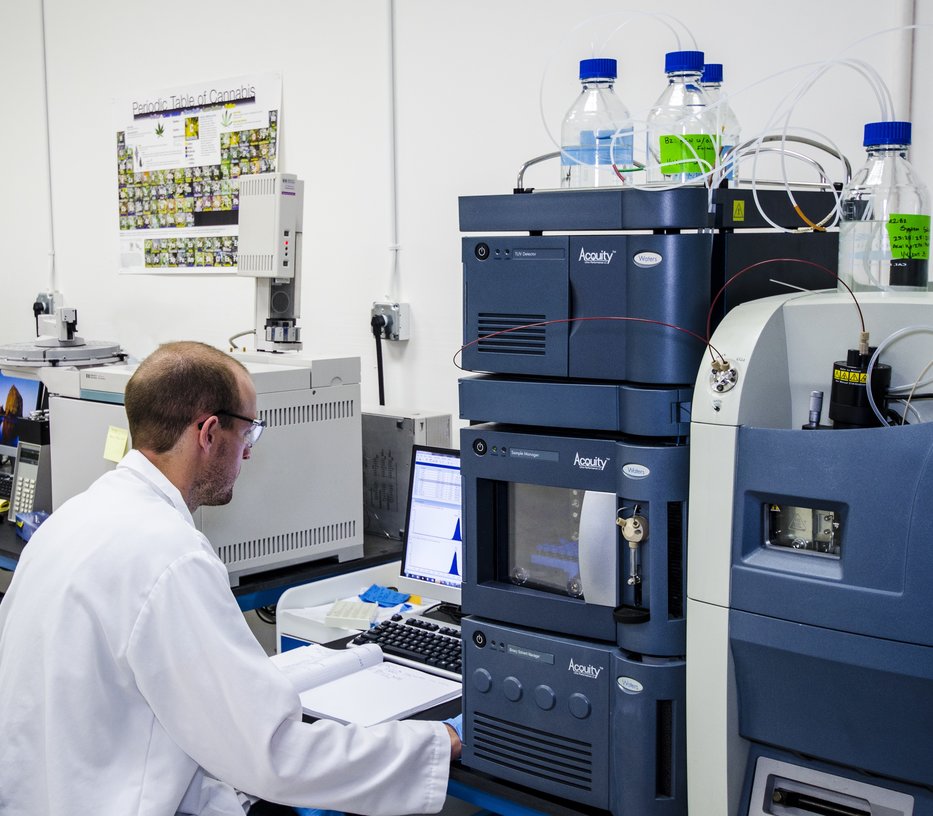
Beyond patient-level insights, Grünhorn is also investing heavily in analytical research. The company operates a gas chromatograph to precisely measure and map the cannabinoid and terpene composition of imported biomass, creating a detailed strain database. To date, Grünhorn has cataloged between 400 and 500 strains of interest, providing one of the most comprehensive genetic and chemical libraries in Germany’s cannabis sector.

“I think the future lies in predicting and knowing which cannabinoids will effectively address specific health indications,” says Fischer, underscoring the company’s long-term vision of turning raw data into targeted, science-driven therapies.


Germany is an Import Market

While Germany has licensed domestic cultivation, led by producers such as Tilray, Demecan, and Aurora, the country remains heavily dependent on imports. According to Fischer, the quality of German-grown cannabis has not yet reached the standards set by established cultivation markets in Canada, Portugal, Denmark, and Colombia. To maintain product consistency and meet patient expectations, Grünhorn partners with a Canadian grower, underscoring the ongoing importance of international supply in Germany’s cannabis ecosystem.

Economic factors also weigh heavily on domestic production. High energy costs make large-scale cultivation within Germany particularly challenging, pushing wholesale prices above those of imported flower. As a result, most of the market is supplied by international partners who can cultivate at scale more efficiently and deliver the product at a lower cost.

This reliance on global supply chains is not unique to Grünhorn.

Cantourage, one of Germany’s largest medical cannabis manufacturers, has built its strategy around imports, maintaining partnerships with 40 cultivators across 17 countries. Together, these dynamics reinforce Germany’s role as one of the world’s largest import-driven cannabis markets, even as it develops its own infrastructure.


Bottlenecks in the Pharmacy System

Germany’s pharmacy network, spanning both retail and online channels, remains the cornerstone of cannabis dispensing in the country. As patient demand surges, many traditional pharmacies have launched digital platforms to streamline order management. Grünhorn has leaned into this shift, expanding its online pharmacy delivery while forging partnerships with local pharmacists who see cannabis as a valuable revenue driver.

Yet the system is under strain. Because only licensed pharmacists can legally fulfill prescriptions, they often face capacity challenges. Compounding, bottling, labeling, and testing must still be performed manually, creating bottlenecks in day-to-day operations. To keep pace, some pharmacists pre-produce standardized products based on everyday patient needs, despite the model being designed for on-demand compounding. Recognizing these inefficiencies, Grünhorn is investing in custom machinery and software solutions to help pharmacists scale production without compromising compliance, while maintaining oversight of quality and safety.

Another hurdle is product consistency. With prescriptions filled at thousands of independent pharmacies, often by third-party providers, slight variations in formulation are inevitable. “It’s like having 6,000 different factories manufacturing your product,” Fischer explains. To address this, Grünhorn is working on standardized fulfillment models to align independent pharmacies with the quality benchmarks already set by its own online platform.

To further streamline the process, Grünhorn has integrated telemedicine into its supply chain. Patients can now connect directly with physicians, obtain prescriptions, and submit them seamlessly for fulfillment. This innovation helps address a recurring frustration: doctors inadvertently prescribing products that are out of stock, despite having access to inventory databases, ultimately reducing delays and ensuring patients remain on consistent treatment plans.


Partnerships and Opportunities                                                                                  Grünhorn’s pharmacy data reveals that 20-30 percent of products generate 80 percent of revenue, indicating a potential for future product consolidation, according to Fischer. For investors, this presents an opportunity to fund medical brands with proven track records that are poised for growth and expansion.

In addition to producing its wholesale product line, Grünhorn is well-positioned and equipped to assist other brands looking to enter the German marketplace and welcomes co-branded product partnerships. They forged a partnership with Somai Pharmaceuticals, based in Portugal, resulting in a two-year, €10 million manufacturing and distribution deal.

Fischer also believes AI will play a significant role in managing the industry in the future, suggesting an opportunity for those looking to enter the German market through technological innovation.

“The biggest challenge we must overcome in the next couple of years is to generate data and medical studies,” Fischer emphasizes. “We have many products with nice ideas, interested patients, and qualifying physicians, but we need more studies and proven evidence to present to new doctors and insurance companies, who are still challenging cannabinoid therapy and requesting data studies.”

For more insights into the German market, listen to an interview with Matthias Fischer on the Innovating Cannabis podcast.


Cannabusiness Sustainability

Taking Cannabis Global: Inside Somai Pharmaceuticals’ Multi-Country Strategy

By Pam Chmiel
No Comments


In an industry defined by local operators struggling to stay afloat and confined within their borders, Michael Sassano, founder and CEO of Somai Pharmaceuticals, has created a blueprint for scaling cannabis worldwide with pharmaceutical discipline and regulatory agility. With headquarters in Lisbon and operations in 12 countries today, Somai is preparing to reach 18 by year’s end.

The company has already secured distribution in Germany, the UK, Italy, Australia, and New Zealand, with France recently authorizing Somai’s products for its growing patient program. By the end of this year, six more markets, including parts of Eastern Europe, will be added to the roster.


“Every new country is like starting a company from scratch,” Sassano said in an interview. “You have to understand not only the national regulations but also how local medical communities perceive cannabis, how prescriptions are written, and what distributors are required to do. There’s no one-size-fits-all approach.”


Operating across borders has taught Somai how to adapt to widely different healthcare environments. In Germany, cannabis is covered by insurance in some instances, requiring negotiations with health funds. In the UK, the market is dominated by private clinics and cash-paying patients. Australia and New Zealand have highly structured import programs, while France is still moving cautiously through pilot projects.

This incremental, country-by-country buildout has given Somai real-world experience operating across multiple regulatory systems, positioning the company as one of the most credible voices on international cannabis harmonization.


High Standards Are Key

At the core of Somai’s global strategy is its pharmaceutical manufacturing facility in Lisbon, certified under EU-GMP (Good Manufacturing Practice). This certification is a mandatory requirement for selling medical-grade cannabis products in the EU and most international markets.


“EU-GMP is the gold standard,” Sassano says. “Without it, you simply can’t access the bulk of the world’s regulated medical markets.”


This distinction highlights one of the biggest differences between the US and international cannabis industries. In the United States, the market is fractured by a state-by-state model, with companies forced to duplicate infrastructure in every new state because products can’t cross state lines. By contrast, Somai can centralize manufacturing in Portugal and distribute to multiple countries. Products produced in Lisbon are eligible for export across Europe, Australia, New Zealand, South Africa, Brazil, and other compliant markets.

Unlike US operators who may quickly launch products like gummies with minimal oversight, a EU-GMP market-authorized medicine requires approximately two and a half years of validation, stability testing, and regulatory review before reaching patients. The payoff is consistency, safety, and the ability to meet the expectations of regulators, physicians, and patients alike.

By owning EU-GMP manufacturing and pairing it with distribution partnerships across 12 (soon 18) countries, Somai is among a select handful of cannabis companies capable of bringing pharmaceutical-grade products to the global market.


Strategic Partnerships, Cultivation, and Research

Somai’s global growth relies on a carefully balanced supply chain strategy that combines in-house cultivation with an extensive network of international partners. In addition to cultivating indoor flower at its own facilities, it also works with about 15 cultivation partners worldwide.

In most European markets, pharmaceutical cannabis must move through distributors before reaching pharmacies. Somai works with leading distribution companies, ensuring products reach doctors and patients in compliance with local laws.

Research partnerships are also part of Somai’s business strategy. The company collaborated with a university in Lisbon to conduct clinical research evaluating its manufacturing process, ensuring consistency from one product to another and from batch to batch. This validation of consistency is crucial for Somai to claim medical status and prove it.

“There are really only five global operator brands today in the market, and then a lot of localized brands, clinic brands, and white-label brands,” Sassano notes. “Our focus is on building a pharmaceutical brand with true international reach.”


Pharmaceutical Rigor from the Start

“In pharmaceuticals, quality is binary,” Sassano explains. “Either you meet the exacting standards or you don’t. There is no middle ground.”

This applies from raw material sourcing to batch release protocols. Unlike the US, which often requires independent third-party lab testing, the EU herbal medicine framework permits EU-GMP-certified facilities, such as Somai, to conduct all necessary testing in-house. Somai operates its own EU-GMP lab, a rarity in cannabis but standard in pharma.

The lab operates under strict oversight from a Qualified Person (QP), who leads the independent Quality Assurance (QA) department. The QA/QP team conducts regular onsite reviews of all procedures and documentation, ensuring that production, laboratory testing, and batch releases adhere to rigorous protocols. “Nobody can influence the lab or its reports,” Sassano emphasizes. Each product undergoes multiple checks: raw material testing, formulation verification, and random dosage confirmation.

Even packaging and labeling are treated with pharmaceutical precision. Labels must comply with each country’s language and dosage requirements, and patient information leaflets are tailored to the regulatory environment. “It might seem like a small thing, but one mistake on a label can stop a shipment at customs and delay patient access by months,” Sassano notes.

Sassano supports the rigorous framework. “Doctors will only prescribe, and patients will only trust cannabis if it meets the same standards as any other medicine on the shelf.”


Navigating a Patchwork of Regulations

Some nations allow doctors to prescribe freely, while others limit access to a narrow list of conditions. Even within the same country, patients may face dramatically different experiences.

Sassano points to Italy as a case in point. While prescriptions are permitted, the way pharmacists prepare medicines can vary region by region. “A patient in Milan might get a different preparation than a patient in Rome, even with the same prescription,” he explains. “That creates inconsistency for patients and makes it extremely challenging for producers to standardize.”

The difference between magisterial preparations and finished dosage form medicines illustrates the unevenness of the system. In newer markets, such as the UK and Australia, patients now receive finished dosage products that are fully packaged, labeled, and ready to use, just like any other pharmaceutical. But in older systems, pharmacists were often required to compound medicines themselves, a legacy from the early years when manufacturers didn’t exist and flower was the only product available.

Germany still clings to this model. Pharmacy compounding laws require pharmacists to fill vape cartridges or re-bottle oils instead of allowing manufacturers to deliver standardized, child-proof, finished dosage forms directly. “In some cases, they’re literally just swapping a cap, calling it magisterial prep, and charging patients double,”

Sassano notes. “It’s an archaic system that needs to go.”

Despite these hurdles, Sassano sees eventual harmonization as inevitable. “Europe cannot sustain a market where 27 countries have 27 different systems,” he argues. “Over time, patient demand and cross-border trade will push regulators toward standardization. Finished dosage forms are the future.”


Global Market Access

Somai’s EU-GMP certification positions it for international distribution. Unlike the US state-by-state system, where borders are closed and infrastructure must be duplicated in each market, EU-GMP allows a single production hub to supply multiple countries. As a recognized pharmaceutical standard, it enables Somai’s products to move across borders into any country that accepts EU-GMP medicines.

This flexibility is critical because cannabis is treated differently around the world. Europe and many international markets have strong herbal medicine traditions, so cannabis extracts fall under the herbal pharmacopoeia as true medicines and are subject to rigorous pharmaceutical rules. In contrast, the US market is closed off under FDA oversight, which historically favors synthetic cannabinoids over botanical extracts.

Still, Somai is positioning itself for future entry. “We’re working with the U.S. Department of Veterans Affairs because there is no federally approved cannabis extract made domestically,” Sassano says. “If cannabis is ever integrated into federal programs, it will need to be a registered medicine, not a dispensary product.”

Beyond the U.S., Somai has already secured FDA-style registrations in countries like Thailand, is pursuing approvals in Japan, and has entered France’s government-controlled medical program, where cannabis is subsidized for patients.

“These are true medicines that can travel cross-border,” Sassano says. “Wherever cannabis is accepted as a medicine, we want to be there.”


Conclusion

Michael Sassano’s insights offer a roadmap not just for his company but for the entire industry. “Cannabis is a medicine first,” he emphasizes. “Our responsibility is to show regulators, doctors, and patients that it can be produced, prescribed, and trusted like any other pharmaceutical. Once that trust is established, global acceptance will follow.”

Quick Q&A Recap

Q: Who is Michael Sassano?
A: Michael Sassano is the founder and CEO of Somai Pharmaceuticals, a company scaling cannabis globally with pharmaceutical-grade standards.

Q: What is Somai Pharmaceuticals’ global footprint?
A: Somai currently operates in 12 countries and plans to expand into 18 by the end of the year.

Q: Why is EU-GMP certification important in cannabis?
A: EU-GMP (Good Manufacturing Practice) is the gold standard for pharmaceutical products and a requirement to sell medical cannabis in most international markets.

Q: How does Somai’s model differ from U.S. cannabis companies?
A: Unlike U.S. operators confined by state borders, Somai can centralize manufacturing in Portugal and distribute across multiple countries under EU-GMP rules.

Q: What are the main challenges of international cannabis expansion?
A: Each country has unique regulations, healthcare systems, and distribution requirements, forcing companies to adapt market by market.

Q: How does Somai ensure pharmaceutical quality?
A: The company operates its own EU-GMP-certified lab with strict Quality Assurance oversight, ensuring consistency, safety, and regulatory compliance.

Q: What role do partnerships play in Somai’s strategy?
A: Somai balances in-house cultivation with about 15 global cultivation partners and works with leading distributors to reach doctors and patients.

Q: What is the future of cannabis regulation in Europe?
A: Sassano believes eventual harmonization is inevitable, with standardized finished dosage forms replacing outdated pharmacy compounding practices.

Q: Is Somai targeting the U.S. market?
A: Yes. Somai is collaborating with the U.S. Department of Veterans Affairs and preparing for potential federal approval of cannabis-based medicines.

Arizona Commands the Nation’s Highest Cannabis Business Valuations

By , Gordon K. Sattro
No Comments

Whether it’s a single retail license, a multi-site operation, or a vertically integrated enterprise, deals in Arizona are fetching top-tier premiums – often exceeding price points in larger, more mature markets like California.

So, what’s driving these sky-high valuations? More importantly, how can industry players take advantage? Let’s break it down.

Arizona: Where Cannabis Assets Command a Premium

Over the past 24 months, dozens of transactions have closed in Arizona by way of consolidation, ranging from single dispensary sales to multi-unit portfolio deals. The results have been record-setting: in some cases a standalone retail license has sold for over $10 million, a figure unheard of in many other states. Arizona’s cannabis assets are, in a word, premium and are routinely attracting bids that surpass those in traditionally dominant market.. Clearly, Arizona has become a market where cannabis assets command a serious premium.

Why is this desert market so hot? Below are five key factors fueling Arizona’s elevated valuations.

Five Key Factors Driving Arizona’s Sky-High Cannabis Valuations

  1. Limited License Structure: Arizona’s cannabis market operates under a tightly restrictive license cap, with only 169 dispensary licenses statewide. This built-in scarcity means any available license instantly becomes a coveted asset. With far fewer retail outlets than demand requires, sellers hold the leverage – and can command steep prices as a result.
  2. Dual Licensure (Medical + Recreational): Many Arizona licenses are dual-use, meaning one license allows both medical and adult-use sales. This doubles a dispensary’s potential customer base overnight. Dual licensure translates to higher revenue per store, as each licensed operator can serve all segments of the market. Buyers are willing to pay a premium for this versatility and expanded market share.
  3. Strategic Location and Growing Consumer Base: Arizona boasts one of the fastest-growing populations in the U.S., with major metros like Phoenix and Tucson expanding rapidly. The state also enjoys booming tourist traffic and steady streams of interstate shoppers (especially from nearby prohibition states such as Texas, Utah, and New Mexico). On top of that, Arizona offers a favorable business climate with relatively low taxes and fees, which further boosts profitability for operators. In short, demand is high and operating costs are relatively manageable which all results in a perfect recipe for rich valuations.
  4. Robust Sales and Profitability: Thanks to limited competition and dual-use sales, Arizona dispensaries tend to generate strong revenues and healthy profit margins. Each store services a large customer pool, often resulting in higher sales per dispensary than in states with more saturated markets. Buyers see that Arizona operations can yield a significant return on investment, which justifies paying top dollar for a foothold in the market.
  5. Strong Investor Demand: The buzz around Arizona has drawn in deep-pocketed buyers from across the country. Green Life has witnessed both institutional investors and high-net-worth individuals eagerly bidding for Arizona licenses and companies. This competitive buyer pool pushes valuations even higher – it’s not uncommon to see bidding wars drive a sale price well above the initial asking. When multiple buyers are vying to enter or expand in Arizona, sellers ultimately reap the reward in the form of lofty sale prices.

Navigating the Arizona Market: Buyers and Sellers

Buyers: How to Win in a Hot Market
For buyers, Arizona’s high valuations mean you must come prepared. To successfully acquire an asset in this competitive market, buyers should:

  • Be ready to move quickly. Attractive opportunities often trigger bidding wars, so speed and decisiveness are essential once a viable deal hits the market.
  • Expect to pay a premium. Understand that Arizona assets are expensive for good reason – low-ball offers won’t win deals here. Savvy buyers budget for top-tier prices and focus on the long-term upside.
  • Leverage local expertise. Partnering with experienced cannabis brokers or advisors (like Green Life Business) who know the Arizona landscape can help you identify opportunities early and navigate the complex regulatory environment with confidence.

Sellers: How to Maximize Your Sale
For sellers, Arizona’s moment in the spotlight presents a prime opportunity – but preparation is key to capturing maximum value. Green Life Business guides sellers through critical steps to capitalize on the market, including:

  • Packaging the business for maximum value. We help organize financials, compliance records, and growth stories into a compelling presentation that attracts top-tier buyers.
  • Securing pre-qualified buyers. Through an extensive network, we screen and line up buyers who have the interest and the funds, ensuring a smoother sale process.
  • Navigating regulatory hurdles. From state licensing rules to local regulations, our team helps sellers handle all compliance and license transfer requirements without derailment.
  • Closing quickly and transparently. We strive for deals that close on time, with no surprises, giving both parties confidence from offer to final handshake.

By taking these steps, sellers can tap into Arizona’s aggressive pricing environment and drive their deal to the finish line efficiently.

Bottom Line


Arizona isn’t just hot – it’s on fire. In a market where asset values elsewhere are cooling, Arizona continues to deliver record-setting valuations fueled by scarcity, strong demand, and proven profitability.

With experience selling High Times, Statehouse, and securing the largest all-cash cannabis transaction since 2022, Green Life Business has the expertise and track record to position your Arizona business for the strongest possible sale outcome. Whether you’re considering an exit, recapitalization, or expansion, our team brings the market knowledge and deal execution needed to maximize value.

Let’s talk. The next great Arizona transaction could be yours.

Greenlife Business Group Inc.

Wellness Watch

Why You Should Consider Medical-Grade Dry-Herb Vapes

By Pam Chmiel
No Comments

dry herb vaping    Switching from smoking to dry-herb vaping offers a safer way to consume while also preserving the delicate terpene and cannabinoid profiles that contribute to the entourage effect. Unlike combustion, which produces tar, carbon monoxide, and other toxic byproducts, vaporization heats cannabis at controlled temperatures to release active compounds with far fewer harmful emissions. While vaping is not risk-free, acute impairment, potential lung irritation, and the unknowns of long-term use remain, there is growing consensus that dry-herb vaporization represents a safer and more consistent method of consumption when paired with high-quality flower and rigorously tested devices.

Why Hardware Matters                                                                                                  Whether vaporizing concentrates or flower, the quality of the hardware is critical. Cheaply manufactured devices can pose significant health risks, ranging from heavy metal contamination to inconsistent heating elements that fail to maintain optimal temperatures. Recognizing the importance of safety, ASTM International (American Society for Testing and Materials) launched the D37 Vape Device Safety & Testing Initiative in 2024. The initiative is developing global standards around material safety, emissions testing, power regulation, and device disassembly, creating benchmarks to reduce consumer risk and ensure more reliable performance across devices that manufacturers should adhere to.

Compound Preservation and Temperature Control are Key                                            One of the biggest advantages of dry-herb vaping is compound preservation. Analytical studies have demonstrated that medical-grade vaporizers achieve exceptionally high decarboxylation efficiency for cannabinoids with vapor recovery rates ranging from 51–83% depending on the device and study conditions. This means that patients and consumers are not just avoiding harmful byproducts; they’re also gaining access to the therapeutic compounds they expect.

Temperature plays a central role in this. Research and industry guidelines suggest that the optimal vaporization range is between 180–230°C, just below the combustion threshold of 235°C. Within this window, active cannabinoids and terpenes are efficiently released without producing smoke. Different terpenes vaporize at different temperatures: myrcene around 166°C, limonene around 176°C, and linalool closer to 198°C, so patients and consumers can tailor both flavor and therapeutic effects by adjusting heat settings.

Devices with precision temperature controls, capable of maintaining a stable hot-air stream with minimal fluctuation, enable reproducible results, better flavor, and a reliable vapor cloud. For patients, this translates into a more predictable therapeutic experience; for recreational consumers, it enhances taste and enjoyment.

Reduction of Harmful Toxins                                                                                              The contrast between smoking and vaporization is stark. Analytical data show that the vapor produced by a medical-grade dry-herb device can be composed of up to 95% cannabinoids with minimal toxic byproducts. In comparison, combustion produces more than 100 additional chemicals, many of them carcinogenic or otherwise harmful to respiratory health.

For operators and healthcare providers, this distinction highlights the potential of vaporization as a harm-reduction tool. The reduction in carbon monoxide, tar, and irritants makes dry-herb vaping a cleaner alternative that aligns with both patient safety and public health objectives.

Reproducibility and Dosage Control                                                                       Consistency is essential in medical and clinical contexts. Temperature-controlled vaporizers can deliver stable, reproducible doses of cannabinoids, which is a critical advantage for patients who require predictable symptom relief. Clinical researchers also prefer vaporizers over smoking in trials because they ensure consistent cannabinoid delivery, making study outcomes more reliable.

In addition to dosage stability, these devices reduce airway irritation by cooling the vapor before inhalation. This combination of precision and patient comfort has positioned dry-herb vaporizers as valuable tools in both research and treatment settings, offering a reliable way to study cannabis pharmacology while ensuring consistent exposure levels.

Limitations and Safety Concerns                                                                                  Despite the advantages, it’s important to recognize limitations and potential risks.

  • Microbial Bioburden: Research indicates that vaporizing cannabis flower at standard temperatures (around 190°C) does not significantly reduce microbial contamination present on the plant material. For immunocompromised patients, this underscores the importance of sourcing flower that have undergone rigorous quality testing and meet pharmaceutical-grade standards.
  • Elemental Impurities: Cannabis naturally absorbs trace amounts of heavy metals from soil, but recent FDA-funded research found that using a dry-herb vaporizer does not significantly transfer those impurities into inhaled vapor. Even concerning elements such as lead, arsenic, cadmium, and mercury were detected at levels far below safety thresholds, reinforcing that vaporization is a much cleaner option than smoking.
  • Pesticide Residues: Many pesticides are heat-stable, meaning they can survive vaporization temperatures. This makes proper cultivation and third-party testing essential to ensuring that inhaled vapor is free from harmful residues.

In short, while device technology greatly mitigates risks associated with inhalation, the quality and purity of the raw cannabis remain equally critical to consumer safety.

Device Reputation and Regulatory Acceptance                                                        Medical-grade dry-herb vaporizers are required to meet GMP (Good Manufacturing Practice) certification. These devices have been widely adopted in clinical trials and medical cannabis programs across the globe, offering regulators and researchers a trusted platform for studying cannabis vaporization.

Among them, the Storz & Bickel Volcano has become one of the most widely recognized models, frequently used in laboratory settings to deliver reproducible cannabinoid vapor while minimizing harmful byproducts. First launched in 2000, the Volcano remains a gold standard and was among the first devices approved for distribution in regulated medical markets, such as Germany and Israel. More recreational and portable-friendly devices, such as the Mighty, Venty, and most recently the Veazy, have since followed, further expanding medical-grade options for consumers, patients, and researchers.

Key Criteria for Medical-Grade Dry-Herb Vaportizers                                                  Not all vaporizers are created equal. Medical-grade devices are manufactured to stricter standards than consumer-grade products, with regulations that ensure safety, consistency, and compliance with relevant laws and regulations.

  • Certified Quality Systems: Medical-grade vaporizers are manufactured to ISO 13485 certification, a quality management system specifically designed for medical devices. This ensures every stage, from design and materials to production and final testing, meets rigorous standards.
  • Regulatory Compliance: In Europe, these devices must comply with the EU’s Medical Device Directive and related safety standards, placing them under the same category of oversight as other medical devices.
  • Precision Heating: Controlled heating technology keeps temperatures in the ideal vaporization range. This allows cannabinoids and terpenes to be released effectively without crossing into combustion, ensuring consistent dosing and minimizing the formation of harmful byproducts.
  • Material Safety: Only medical-grade, inert materials, such as stainless steel, ceramics, or specialized plastics, are used in components that come into contact with cannabis or vapor. This reduces the risk of contamination from metals or chemical leachates.
  • Controlled Production Environments: Devices are typically assembled in cleanrooms or under Good Manufacturing Practice (GMP) protocols to prevent contamination and ensure product purity.
  • Battery and Electrical Safety: Portable models must meet strict safety standards for lithium-ion batteries, with safeguards against overheating, short circuits, and malfunctions.

These manufacturing criteria set medical-grade vaporizers, like the Storz and Bickel brand, apart in both clinical and commercial contexts. For patients, they provide peace of mind. For regulators, they demonstrate compliance. For operators, this highlights the level of quality assurance that may become the benchmark as cannabis markets continue to professionalize.

The Takeaway For Industry Stakeholders                                                                            As consumers become more educated about the value of preserving cannabinoids and terpenes, vaporizers are well-positioned to become the preferred method of inhalation when smoking remains the chosen form of consumption.

As regulatory standards evolve and clinical research expands, medical-grade dry-herb vaporizers will continue to demonstrate their value, not just as consumer products, but as essential tools for harm reduction, patient care, and scientific study. For brands, aligning with this higher standard of creating medical-grade products is not only beneficial for patients and consumers but also crucial for setting safe industry standards.

Cannabis in Texas: A Look Ahead to Legalization and Beyond

By Abraham Finberg, Rachel Wright, Simon Menkes
1 Comment

A Uniquely Texas Approach to Cannabis

The last few decades have seen the United States move forward state-by-state with the legalization of cannabis. Every state is charting its own unique path, and nowhere is this truer than with the state of Texas.

The Lone Star State has made its way from being staunchly anti-cannabis to expressing its own blend of temperance and careful action, combined with a medical cannabis program that’s expanding.

Any predictions regarding the future of cannabis in Texas must take into consideration both the state’s past and its values. In the end, it’s clear that Texas will embrace cannabis in its own individual way and at its own pace, but with a timeframe that appears to be arriving sooner rather than later.

The Debate Continues

108 years after Texas first banned cannabis and the debate continues. Even though Texas has a medical cannabis program, cannabis is still illegal in the state, with possession of less than two ounces a misdemeanor. Possession of more than four ounces is a felony punishable by a $10,000 fine and from 2-99 years in jail.

Texas’s 2015 Compassionate Use Act created the state’s medicinal cannabis program, which now makes treatment available only in the form of low-THC oil of a maximum strength of 1%, and only to a small list of serious conditions: epilepsy, terminal cancer, autism, multiple sclerosis, amyotrophic lateral sclerosis (ALS), seizure disorders, incurable neurological disorders such as Alzheimer’s, Parkinson’s, Huntington’s Disease and PTSD.

Support for a Stronger Medicinal Cannabis Program Comes from Prominent Politicians

Texas Department of Agriculture Commissioner Sid Miller, a leader in Texas politics and one of the architects of Texas’s burgeoning hemp industry, has encouraged Texas legislators to create a more complete medical cannabis program.

Texas Department of Agriculture Commissioner Sid Miller

“I am for medical use,” Miller said in an August 2023 interview. “We have so much good science now. And we know what diseases it can treat, yet our legislature picks winners [and] losers. If you’ve got this disease, you can get treated, but if you’ve got this disease and cannabis will help you, you can’t get treated. We need to let the doctor-patient relationship make those medical decisions and not some bureaucrat or some politician … I’m not a supporter of recreational marijuana, but if someone has a condition that this chemical will help, they should be able to use it.”

Texas Representative Joe Moody from El Paso has worked for many years to promote adult-use cannabis. He recently co-authored two pro-cannabis bills, HB 1805, which would have expanded covered medical conditions and defined a per-doze THC limit instead of a percentage limit on cannabis products, and HB 218, which would have decriminalized cannabis.

Although both bills passed the House of Representatives, they were stopped in the Senate. The next session of the state legislature, which happens every two years, won’t begin until January 2025, so that is the earliest any change in cannabis statutes could take place.

The Future of Medicinal Cannabis

There are currently only three dispensaries in Texas. They appear to be servicing the state’s 268,000 square miles through a series of weekly drop-offs to satellite “partner locations,” which are open an average of only two days per week. This is not exactly a corner-CVS type of arrangement, and the need for new dispensaries for the state’s 61,000 registered patients is high.

The Texas Department of Public Safety took applications for new medical dispensary licenses between January and April 2023. Tony Gallo, managing partner of Sapphire Risk Advisory Group, which helped twelve licensees prepare their applications during this round, anticipates around ten new dispensaries being approved.

All licensees must be vertically integrated – product must go from seed-to-sale under one license – and each applicant paid $7,356 to apply. If approved, the applicants will owe another $488,520.00 for a two-year period.

Many knowledgeable Texans, including Agriculture Commissioner Sid Miller, predict a fully-functioning medicinal cannabis market is just a few years away. “If you can get it to the floor, probably 70% or 80% of the legislative body will vote in favor of it because we have such good science on it. [Originally] we thought, ‘Well, that’ll lead to recreational use or more drug use,’ but it’s not. It’s a plant derivative. Medical marijuana is not nearly as addictive as some of the prescription drugs we use now.”

The Push is On for Adult-Use

Representative Joe Moody believes that adult-use is not too far away in Texas’s future either, and that the way to speed its arrival is through education. He recently sponsored HB 3652, the Texas Regulation & Taxation of Cannabis Act, in order to start a dialogue on what a retail cannabis market will look like in Texas.

Texas Representative Joe Moody

On April 26, 2023, Moody and his bill received a public hearing in the House Committee for Licensing and Administrative Procedures in which many points about setting up a retail market in Texas were discussed. A 10% cannabis tax was proposed by Moody, to be split evenly between the state and local government. Licenses would be required for those growing, selling, transporting or testing cannabis, although individuals would be allowed to grow or possess it in small amounts for personal use. Legal sale and consumption would be limited to adults 21 years of age and older, like alcohol. And of course, cannabis possession would be decriminalized.

How Strong is the Market Potential for Cannabis?

One indication of how strong even a fully-open medical cannabis market might be in Texas came during Moody’s hearing from the testimony of Estella Castro. Castro owns two medical dispensaries in Oklahoma just across the state line from Texas and suspects most her buyers are from Texas. “They have a Texas plate and they come in and buy $500 to $600 worth of product,” she said. Her two shops generated $158,000 in taxes to Oklahoma, most of which she believes should have gone to Texas.

New Mexico recently legalized adult-use cannabis, and the small towns along the Texas-New Mexico border are seeing a lot of traffic from Texas. In the first week of adult-use sales, the New Mexico did adult-use sales totaling $6 million. Of those sales, $1.5 million came from dispensaries in 5 small border towns.

Florida and California Suggest the Scope of a Mature Cannabis Market in Texas

The potential for a fully developed medical cannabis market can be gleaned by studying the next smaller state, Florida, which has an open, mature, medical cannabis market. Florida, with 20 million people, is about two-thirds the size of Texas, which has 30 million inhabitants. Right now, Florida boasts 700,000 cannabis patients whereas Texas only has 61,000. Simple math suggests a fully open, mature, medical cannabis market in Texas could see over a million patients gain relief.

California is the nation’s most populous state with 39 million inhabitants, and its cannabis revenue gives some perspective as to the size of a Texas adult-use market. 2024 estimates of California’s cannabis revenue suggest the Golden State will see $7.2 billion legal cannabis sales while the illegal market will generate another $6.4 billion for a total of $13.6 billion. With a reduction for Texas’s smaller size, these numbers suggest a fully-mature Texas adult-use cannabis market could generate close to $10 billion in annual revenue.

Large adult-use states like California and New York are notorious for having an illicit market that threatens to derail their legal, tax-paying cannabis license holders. Texas’s strong business-friendly focus should help deter such an illicit marketplace from gaining too significant a foothold.

The Back-Door Cannabis Industry

Meanwhile, an extensive “back door” cannabis industry is in full swing in Texas. CBD shops now sell delta-9 (fully psychoactive) THC/CBD gummies and tinctures made from the hemp plant, which is the low THC-version of the cannabis plant. These THC/CBD products adhere to the 0.3% definition of hemp as required by the federal 2018 Farm Bill and are legal and available for over-the-counter or online purchase in Texas’s CBD stores.
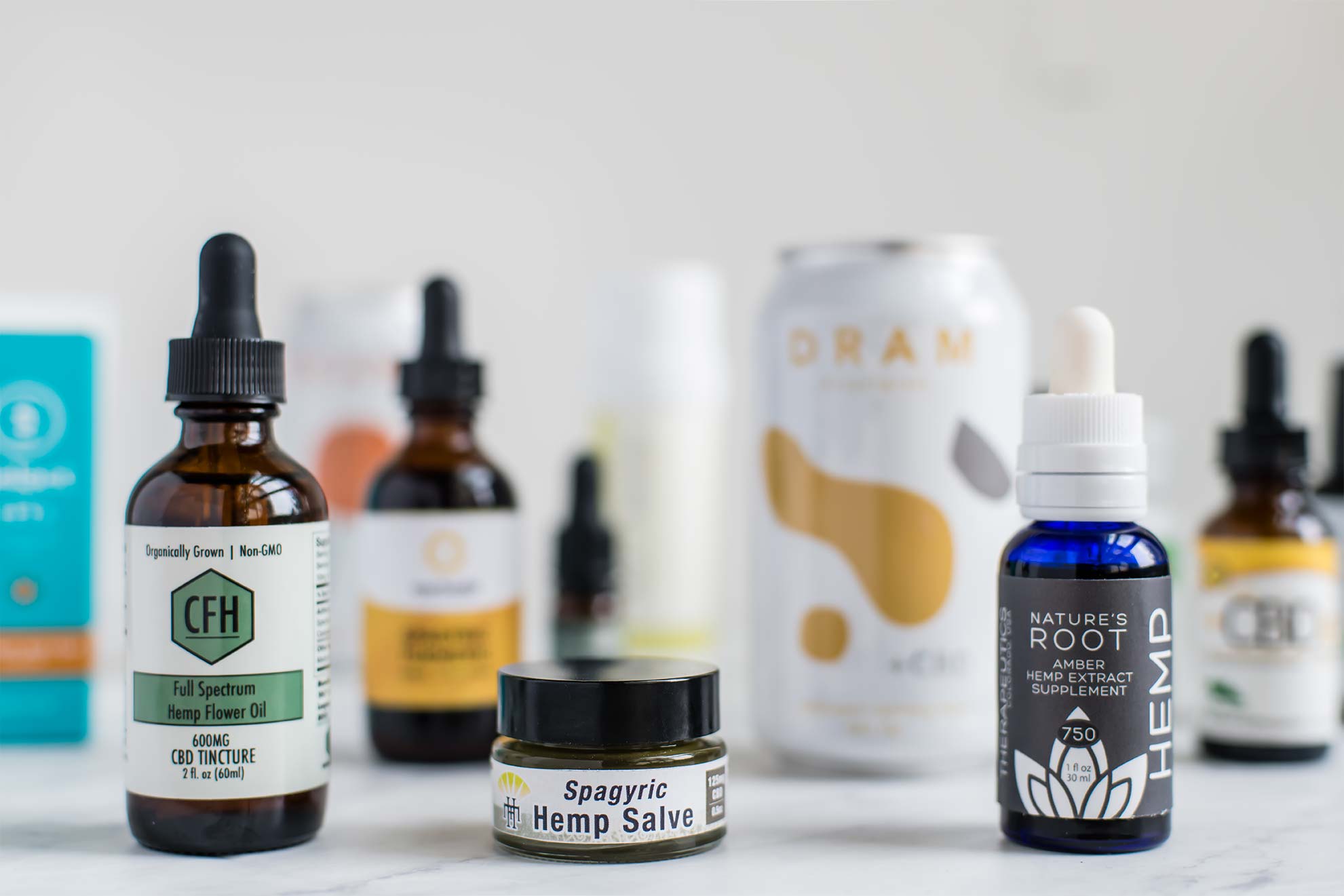
Gummies, tinctures and other products made form them hemp plant

Current estimates are that there are over 5,000 hemp, CBD and cannabinoid retailers, manufacturers and distributors in Texas that employ more than 50,000 workers and generate more than $8 billion in annual revenue. With these numbers, the 1,100+ licensed Texas hemp growers are sitting well where they are and are poised to take advantage of a legal adult-use market if and when Texas decides it is ready to go down that path.

Next Steps for Texas’s Cannabis Market

People familiar with Texas’s cannabis market believe that adult-use is a ways down the road for the Lone Star State, and that the near-term focus needs to be on decriminalization and achieving an unincumbered medical cannabis system. Tony Gallo of Sapphire Risk Advisory Group advises the Texas cannabis community to concentrate on “increasing what conditions are allowed for medicinal use” and “increasing what areas of the state it’s allowed to be sold.”

There is a groundswell of public support for decriminalizing cannabis as well as for allowing adult-use. A December 2022 poll showed 55% of Texans support legalizing at least small amounts of cannabis for recreational purposes, and another 28% said it should be legal for medicinal purposes.

A February 2023 poll by the University of Houston found that 82% of Texans support the Legislature passing a bill that would allow people to use marijuana for a wide range of medical purposes with a prescription. The belief that cannabis is a “gateway drug” that would make people more likely to use other illegal drugs is losing traction as well – 70% said it would make people less likely to do so or would have no impact.

Final Thoughts

The demand for cannabis in the Lone Star State is strong. With the likelihood of a fully-functioning medical cannabis market coming soon, and the possibility of decriminalization not too far behind, it’s clear that the future of cannabis is bright in Texas.

While the legalities around adult-use will take longer to work out, and the place of hallucinogenic hemp in the mix needs to be examined and clarified, one fact is certain. The path forward that Texas cannabis takes will certainly be a unique one, as unique and as individual as the Texan people themselves.

Employee Management & Human Resources: An Often-Overlooked Part of Building a Business

By Cannabis Industry Journal Staff
No Comments

Well before cannabis businesses win a license application, they need to have traditional business plans outlining how they’ll run the company. While this obviously includes things like the property, the building, products and inventory, it also includes a lot of things that are often overlooked: things like payroll, human resources and employee management.

Before a cannabis company should even hire their first employee, they need to have a few thing squared away. The timeframe and order of operations will differ for every business and every state, but there are a number of things to consider like workers comp, employee training, handbooks and of course, everyone’s favorite topic: insurance. There’s crop insurance, general liability insurance, unemployment insurance, workers comp insurance and more. Working with the right brokers, not breaking the bank and understanding what you need and when can be crucial to keeping the doors open.

Ahead of the Cannabis Quality Conference, we sit down with Nick Murer, the founder of WECO, to ask him some questions about what businesses need to know and when. Nick will be available at the event in New Jersey this October 17 and 18 during our “Ask the Expert Roundtables” to answer these questions and much more.

Cannabis Industry Journal: Does a company need to have workers comp and unemployment insurance before they’re licensed?

Nick Murer: They don’t need to have it figured out before they’re licensed, but they should want to have a strategy in place as they’re going through the process, knowing what they need to accomplish. There are some cases where states may require insurance upfront in the licensing process, but not always. It is however required before a business opens their doors, and absolutely necessary to have insurance before staffing and their first employees comes on board.

CIJ: What types of insurance should companies look into as they’re submitting our license application?

Nick: As you’re submitting your license application, you should have it figured out or at least speak with a broker about your options. You probably don’t have it yet, since you’re not an entity, but you’ll need general liability insurance, and if you’re a grower, you should have crop insurance too. Prior to opening, you should have your workers comp insurance, unemployment insurance, FICA, SUTA and FUTA figured out with the state. Prior to licensing, you need to make sure you are working with the right insurance broker and managing the cost aspect. We can help with that; we work with a couple of great brokers that are industry-specific. As folks go through the licensing process, it’s important to work with people like us that have the right resources and the right tools to provide that necessary support.

Nick Murer will be available at the CQC in New Jersey, October 16-18 to answer questions and provide a resource for new and existing businessesDuring the application process, you need to be aware of insurance and the options that are available, as well as what’s required, but you might not need to have all of those in place. It’s different for every state.

CIJ: What important parts of human resources and employee management should companies have figured out before they get licensed?

Nick: I think the first area they need to start with is making sure they have their workers comp set up, their GL [general liability insurance] set up, I think they should have their employee handbook figured out, their onboarding procedures, their strategies for discontinuing employment figured out prior to bringing them on. Where we come in and assist with that is making sure that these businesses are properly set up with the state to handle workers comp, unemployment insurance, their FICA, FUTA and SUTA, social security taxes, healthcare benefits and being able to deploy all of that within thirty days properly. We work with a lot of clients making sure they have their onboarding programs fully figured out before they take that leap.

CIJ: As cannabis companies get licensed and begin operating, what are some often overlooked HR functions?

Nick: I think the number one area they need to understand in their hiring process prior to bringing people on is really having a thorough, compliant handbook that they’ve also participated in, and have worked towards creating a better document so when these employees come on they know the expectations and the standards that need to be met in order to be a successful member of the team. I think their employment onboarding practices need to be dialed in where they understand what is going on between the onboarding, timing, the documentation needed all before effective start date to stay in compliance. Understanding labor compliance and being able to understand how you properly onboard and offboard an employee is a really critical part. Where we like to come in and assist our clients is helping train managers and being their resource. Everyone works with humans and there are always unforeseen problems that arise We’re in the people business and there will be people problems and mitigating those should be everyone’s number one priority. The more we can help protect cannabis businesses, the less risk they bring to their own company, people and the industry.