Tag Archives: medical

Cannabis Banking: The Ins, the Outs & the Unknowns

By Tamara L. Kolb, Amy Bean, Caitlin Strelioff
No Comments

As the legal cannabis market expands, banks and nonbank financial institutions (NBFIs) across the United States continue to explore how to safely provide banking and other financial services to cannabis-related businesses (CRBs) and other CRB ecosystem players. At the same time, these organizations are taking into account changes they might need to consider relative to their Bank Secrecy Act ( BSA), anti-money laundering (AML) and related compliance programs. 

Regulatory conundrum

The Controlled Substances Act (CSA) identifies the cannabis plant and all its derivatives as a Schedule 1 controlled substance. Schedule 1 controlled substances have a “high abuse potential with no accepted medical use,” and they cannot be “prescribed, dispensed, or administered.” Because cannabis remains classified as a Schedule 1 controlled substance, the CSA “imposes strict controls on possession, manufacturing, distribution, and dispensing” of cannabis.

Under the Money Laundering Control Act of 1986 (MLCA) and the BSA as amended, covered banks and NBFIs are prohibited from providing financial services to businesses that are engaged in illicit activities. Because federal law prohibits the distribution and sale of cannabis, financial transactions involving CRBs are therefore deemed to be transactions that involve funds derived from illegal activities.

As of Feb. 3, 2022, 18 states, two territories, and the District of Columbia have enacted legislation to regulate cannabis for adult use. Thirty-seven states, the District of Columbia and four territories have approved comprehensive, publicly available medical and cannabis programs. Eleven states allow for the use of low-THC, high-CBD substances for medical reasons in limited situations or as a legal defense.

The growing divide between federal prohibition and state legalization of the cannabis industry creates a precarious position for federally regulated banks and NBFIs with the main concern involving exposure to legal, operational and regulatory risk. The situation begs the question: How might the federal government and regulators pursue and prosecute players in the legal cannabis industry?

The current economic trajectory predicts that retail sales of legal cannabis products in the U.S. will surpass an estimated $41.5 billion annually by 2025, and many banks and NBFIs are eagerly awaiting the federal green light to do business with CRBs without fear of prosecution or legal ramifications.

From 2018 forward, Congress has made several attempts to pass legislation that would protect CRBs when cultivating, distributing, marketing, and selling cannabis products in their state-legalized form. These efforts to declassify cannabis-related activity as a specified unlawful activity have thus far been unsuccessful.
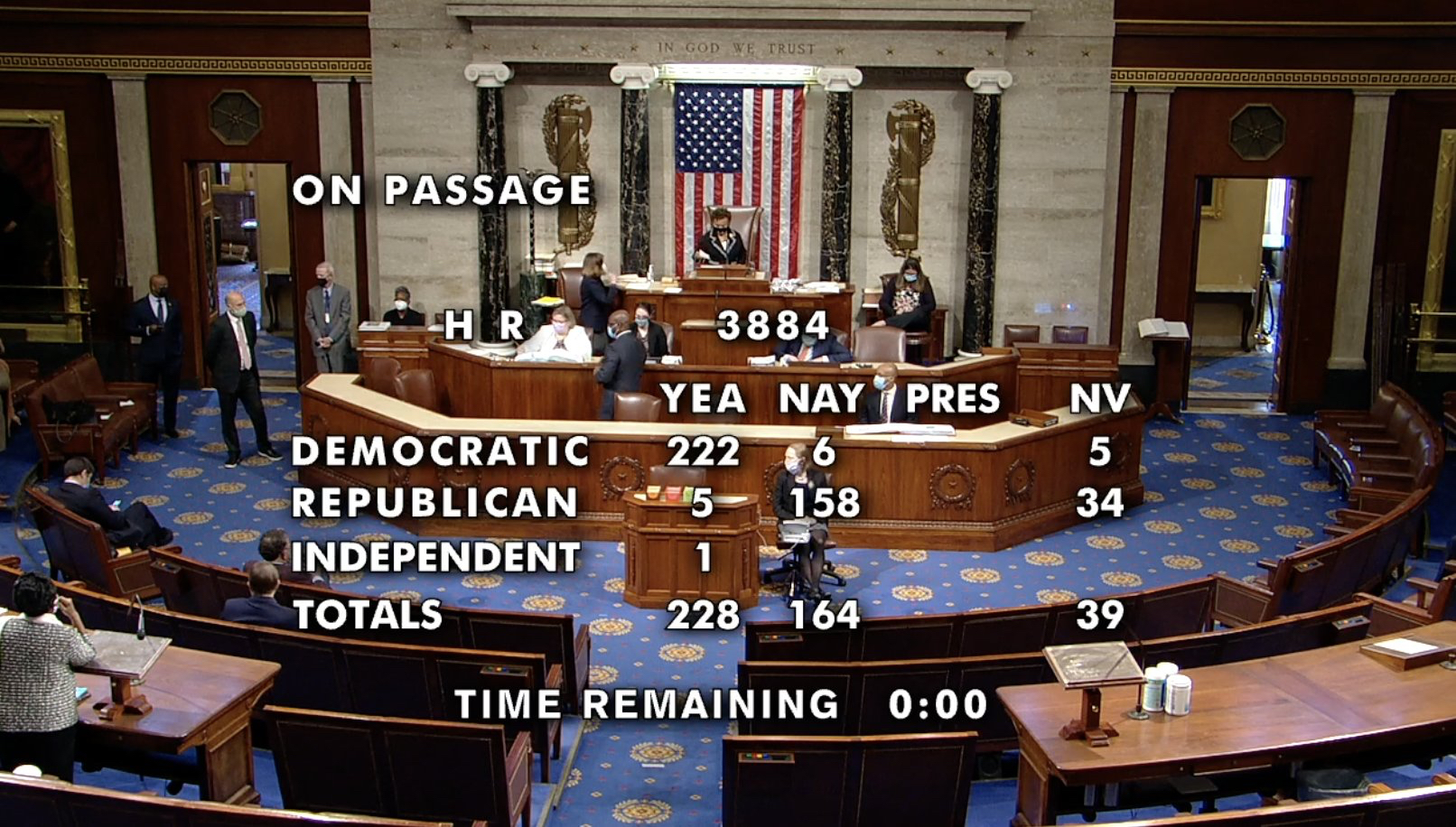
The House passing the MORE Act back in 2020

Passage of the Secure and Fair Enforcement Banking Act of 2021 (SAFE Banking Act) and the Marijuana Opportunity Reinvestment and Expungement Act of 2021 (MORE Act) would enable banks and NBFIs to provide financial services to CRBs. The SAFE Banking Act would provide a safe harbor for banks and NBFIs that provide financial services to CRBs. The MORE Act would deschedule cannabis from the CSA entirely.

Questions to ask

Banks and NBFIs interested in providing financial services to CRBs should ask these questions:

  • Do we adequately understand our risk, and what are the implications for our organization? How should we augment our risk assessment process and our controls?
  • To what extent are we willing to accept the risk of banking CRBs? Do we have the ability to identify CRB customers, and if so, do we have any?
  • How should we advise the board of directors about setting risk appetite?
  • What customer due diligence (CDD) and enhanced due diligence (EDD) will we need to safely continue with existing customers and onboard new ones?
  • How will we monitor for unusual and suspicious activity? What will be the alerting and judgmental criteria?
  • How will our resource needs change so that we stay abreast of new processes and controls?

Risk appetite considerations

In order to determine whether to accept or prohibit CRBs, banks and NBFIs should identify the level of acceptable risk they are willing to take on. Several key components need to be considered, such as:

  • The board of directors’ stance on legal cannabis, given that good governance recommends and regulators expect that the board sets risk appetite
  • Cannabis laws in states within the customer footprint and the impact on customers’ communities
  • Risk profile, customer base, geographic location, products, and services
  • Relationship with regulators and any recent deficiencies or weaknesses in the BSA and associated compliance programs
  • Ability to implement appropriate controls and staffing

 Developing a strategic road map

If the decision is made to bank CRBs, banks and NBFIs should perform an assessment of compliance maturity for existing BSA/AML program processes and controls to identify potential gaps and develop a strategic road map that helps the organization achieve its vision for future state compliance and sustainable operations. 

A well-developed and well-articulated strategic road map visualizes what actions or key outcomes are needed to help organizations achieve their long-term goals. When creating the road map, banks and NBFIs need to demonstrate a keen understanding of their desired strategy, outcomes, markets, and products for onboarding and banking CRB customers. Specifically, banks and NBFIs need to define and explain how desired outcomes and business strategies create risk and exposure.

In addition to a road map, banks and NBFIs should develop and document a detailed risk-based approach that is aligned to the organization’s risk tolerance to determine necessary compliance steps when banking CRB customers.

Specifically, the following activities should be considered when developing a CRB banking program that meets regulatory expectations:

  • Identifying BSA/AML control gaps related to CRB risk identification and mitigation and formulating a plan to address them
  • Updating a board-approved policy framework
  • Updating detailed operating policies and procedures
  • Planning for capacity, developing job descriptions, and onboarding new personnel
  • Training for all three lines of defense, senior management, and the board
  • Developing and documenting a phased or full approach to acceptance of CRB customers
  • Developing and documenting a CRB program oversight policy

CRB risk framework

A three-tiered CRB risk framework first proposed in 2016 has quickly become the cannabis industry standard. The framework has evolved and expanded comprehensively to consider many types of CRBs, and evolving legal systems continue to refine the framework.

This framework is intended to help banks and NBFIs differentiate types of CRBs and their corresponding risks, and it separates CRBs into three tiers and details risks for each tier. The following exhibit summarizes the approach:

Risk framework by tier

Level Risk
Tier 1 Direct
Tier 2 Indirect with substantial revenue from Tier 1
Tier 3 Indirect with incidental revenue from Tier 1

Source: CRB Monitor

Even the most conservative of risk appetites equivalent to outright prohibition is not devoid of significant risk considerations. Residual risk frequently encompasses a large number of indirect connections in the total CRB ecosystem. Common examples are printers, lawyers, accountants, landlords, and even utilities and taxing authorities, and all of these are subject to regulatory scrutiny and, importantly, visibility to law enforcement. Also, policies to prohibit or restrict will be audited and examined for compliance, and exceptions will require explanations.

This panorama necessitates expertise and prudence in identifying and evaluating risks within the many layers of CRBs. For example, consider a bank or NBFI that banks a CRB’s employee or vendor. If a bank fails to properly implement controls that would allow it to identify and mitigate risk associated with banking CRBs, it will be susceptible to severe violations of the BSA, including civil money penalties, criminal penalties, and regulatory enforcement actions. 

Implementing necessary precautions

A well-developed road map should consider and implement the following activities:

  • Understanding the most current state and federal cannabis laws and regulations to ensure the bank or NBFI’s compliance
  • Understanding the local, state, or tribal program to ensure CRB customers are compliant with the program
  • Implementing a CRB risk assessment
  • Implementing executive approval practices for direct CRBs
  • Developing adequate risk ratings (possibly through a risk-based, tiered approach) and corresponding monitoring for CRB customers that includes:
    • Integrating various customer onboarding and AML solutions at both onboarding and periodic levels
    • Scheduling regular reviews to include recurring enhanced due diligence, site visits, and transaction monitoring
    • Monitoring for suspicious activity, including red flags, via open sources for adverse information about the CRB customers and related parties such as beneficial owners
  • Performing adequate CDD and EDD that will validate that the CRB-offered products, services, and programs are compliant with most current state laws and regulations by:
    • Collecting appropriate documentation as evidence of compliance, perhaps including a comprehensive onboarding questionnaire, beneficial ownership information, and contracts for the growing, harvesting, transporting and processing of the product
    • Reviewing applications and supporting documentation used to obtain a legal cannabis state license
    • Understanding the normal and expected activity of the organization’s CRB customers and their product usage
  • Developing adequate training programs and governance and oversight programs to address this customer type by:
    • Updating existing policies and procedures to review inherent risk presented by banking CRB customers
    • Updating annual training for employees
  • Auditing initial program design and periodic operational effectiveness

Moving forward cautiously

The ins, outs, and unknowns of cannabis banking are complex, and they require banks and NBFIs to be extremely vigilant with current policy and aware of new developments. Overall, the idea of creating a cannabis program might seem like a daunting task, but with appropriate guidance and care, organizations can provide services in compliance with laws and regulations.

Crowe disclaimer: Qualified organizations only. Independence and regulatory restrictions may apply. Some firm services may not be available to all clients. Given the continued evolution and inconsistency of various state and federal cannabis-related laws, any company should seek competent legal advice relating to its involvement in the cannabis industry, including when considering a potential public offering as a cannabis-related company.


FDAlogo

FDA Issues First Warning Letters for Delta-8 THC

By Cannabis Industry Journal Staff
No Comments
FDAlogo

In an unprecedented move, the U.S. Food & Drug Administration (FDA) has issued warning letters today to companies selling products containing delta-8 THC. In total, the FDA sent out five warning letters to companies for violating the Federal Food, Drug, and Cosmetic Act (FD&C Act).

Image from the FDA’s consumer update on Delta-8 THC

The violations include illegal marketing of unapproved delta-8 THC products as treatment for medical conditions, misbranding and adding delta-8 THC to food products. Back in September of last year, the FDA published a consumer update on their website, seeking to educate the public and offer a public health warning on delta-8 tetrahydrocannabinol, otherwise known as delta-8 THC.

Delta-8 THC is a cannabinoid that can be synthesized from cannabidiol (CBD) derived from hemp. It is an isomer of delta-9 THC, the more commonly known psychoactive cannabinoid found in cannabis. Delta-8 THC does produce psychoactive effects, though not quite as much as its better-known cousin, delta-9 THC. Many regulators and industry stakeholders are increasingly concerned about the rise in popularity of delta-8 products, namely because of the processing involved to produce it. Delta-8 THC is often synthesized using potentially harmful chemicals.

The FDA has a history of sending a lot of warning letters to companies marketing CBD products inaccurately and making drug claims. Earlier this year, they sent a number of letters to companies claiming that CBD can cure or prevent Covid-19.

FDAlogoAccording to Janet Woodcock, M.D., principal deputy commissioner at the FDA, they are getting more and more concerned about the popularity of delta-8 THC products sold online. “These products often include claims that they treat or alleviate the side effects related to a wide variety of diseases or medical disorders, such as cancer, multiple sclerosis, chronic pain, nausea and anxiety,” says Woodcock. “It is extremely troubling that some of the food products are packaged and labeled in ways that may appeal to children. We will continue to safeguard Americans’ health and safety by monitoring the marketplace and taking action when companies illegally sell products that pose a risk to public health.”

The FDA sent warning letters to the following companies selling delta-8 THC products:

  • ATLRx Inc.
  • BioMD Plus LLC
  • Delta 8 Hemp
  • Kingdom Harvest LLC
  • M Six Labs Inc.

Quality in the Retail Ecosystem: A Q&A with LucidaClub Founder Jack Roosevelt

By Cannabis Industry Journal Staff
No Comments

The cannabis retail market is very unique. What began as compassion clubs and wellness centers in the early days of legal cannabis, eventually morphed into dispensaries, quickly becoming the retail model that regulators around the country adopted and businesses implemented.

For most states with legal cannabis markets, the dispensary has been the only way for consumers to buy cannabis and cannabis products. Before the pandemic began, we started seeing a handful of states warm up to allowing delivery services. During the height of the pandemic, more states adopted curbside pickup, e-commerce in some shape or form and delivery services that finally expanded cannabis retail beyond the dispensary. Still though, regulations hamper commercial growth in the retail space and the dispensary remains, by far, the place where most people buy their cannabis.

When Jack Roosevelt, co-founder of LucidaClub

When Jack Roosevelt, co-founder of LucidaClub, entered a dispensary back in 2019 in Massachusetts, he shared an experience all too common in the cannabis industry: An overwhelming number of options, jargon like sativa, indica and strain names that make no sense to the uninitiated, confusing product types and an all-around unpleasant shopping experience. Jack saw all those barriers to entry for the canna-curious or novice consumer and thought that there must be a better way to shop for cannabis.

So he started LucidaClub, a membership-based platform that is designed to guide and educate consumers with the advice of experts who can help people understand cannabis products and make the right purchase decision without all of the frustration and trial and error that is so common.

The name, Lucida, comes from a Latin phrase meaning the brightest star in a constellation. Jack and his co-founder, Lucinda, want their company to be the guiding star on your cannabis journey. LucidaClub isn’t just for the cannabis newbie; their in-house curator and team of experts can help any cannabis consumer find products to better fit their needs for sleep, wellness, relaxation, stress or just to have a good time. We sat down with Jack to chat about the cannabis retail market, what his company is all about and what the future of cannabis retail might look like.Jack Roosevelt will be speaking on the cannabis retail experience at the Cannabis Quality Conference & Expo. Click here to learn more. 

Cannabis Industry Journal: Tell us about your background and how you came to the cannabis space.

Jack Roosevelt: I began my career in finance, working for JP Morgan and Barclays. I left Barclays and joined a renewable energy start up before eventually joining the cannabis space.

My move into the cannabis space was due to an event in the summer of 2019. Adult use cannabis had been legal in Massachusetts since November of 2018. Now, I smoked some weed in high school and college, but hadn’t touched it in at least 20 years. However, cannabis was now legal, so I said maybe there’s an opportunity to find something that would help me unwind at the end of the day, help with sleep and manage some of my stress.

Knowing that I smoked in high school and college, I figured that buying weed was buying weed. How difficult could this be? That took me to going to a dispensary for the first time. Walking through those doors made me realize that buying cannabis today is nothing like buying weed back when I was in college. It’s a fundamentally different experience.

I stood there looking at the menu of strains, with names that meant nothing to me, jargon like terpenes, and even the idea of sativa versus indica at that time was foreign to me. Twenty years ago, we didn’t pay attention to the strain name or anything like that. We’d walk into someone’s dorm room and your option would be ‘this is twenty bucks an eighth, forty bucks an eighth and sixty bucks an eighth.’ You weren’t paying attention to the strain or the name of anything like that.

Coming into the dispensary that day, I thought I’d walk out of there with an eighth of flower and something to help me unwind at the end of the day. I walked out of there with a tincture and it really wasn’t because they upsold me to a better product, it was because it was the least worst option I could see on the menu. It was something I felt that I could understand from a dosing standpoint and it was something that didn’t require knowing the strains or names that mean nothing to me. I was quite frankly looking for the easiest way to purchase something and get out of there as quickly as possible

Sitting in the car afterwards, I was mulling over that experience, the feeling of intimidation, how awkward it was, how frustrating it was. I am 6’8” and 300 pounds I am not a small guy, and I’m not a wallflower. I don’t intimidate easily, so if this was my experience, what was this going to be like for everyone else?

That made me reexamine and take a stronger look at the retail market and the potential growth. How do you engage the consumer like me, for whom there are lots of barriers to entry, most of which are perception-driven. Some of the barriers are regulatory and geographic, but most are perception based. Here in Massachusetts, a lot of the dispensaries are in inconvenient locations. Not all towns allow for rec sales, and not all of those towns that do will allow a dispensary to open on the High Street, so consumers often times have to drive out of their way to get to a dispensary.

So, for me understanding what this new consumer base would look like and how they would come into the market was key. Obviously there would be a natural growth progression for the cannabis market. However, if we could build something to help guide people, answer their questions and make them feel comfortable with what they were buying and how to consume, really hold their hand in the initial stage of a consumer coming back into the market or coming in for the first time, then we could help grow the market quicker and put that natural progression of growth on a faster track.

That experience made me start to do some market research, look at the market size, and what that potential market could look like. Our research shows that, depending on the maturity of the market in question, there are between 1.5 and 4 times the number of Cannacurious sitting on the sidelines than there are active consumers in a market. Here in MA, conservatively there are at least 1.5MM Cannacurious sitting on the sidelines, waiting to come into the market. Because our research showed such a large opportunity he in MA and the Northeast, where we live, we decided to focus our efforts here.. Because we are Cannacurious consumers ourselves, we have a natural understanding and empathy for the consumer. I was definitely not and still am not an expert on cannabis. But if we can find the right experts that can answer the questions that we have then we can do the same for the Cannacurious. For 70+ years, we’ve been told that cannabis is bad, smoking weed is bad and everything associated with it is bad. So, we want to break that negative perception, that stigma that is still lingering and open it up to a more mainstream consumer.

CIJ: What gave you the idea to start Lucida Club?

Jack: What I just told you sums it up pretty well. It was basically built out of personal frustration. I thought that if I had this problem, those feelings of intimidation, awkwardness and frustration, then undoubtedly a lot of other people would too. Therefore, we’re looking at how we can create a platform that would make the buying process as simple and convenient as possible, while educating the consumers at the same time.

CIJ: How does Lucida Club work?

Jack: It’s a concept of simplicity and convenience. There are two sides to this: The E-commerce side, when you sign up and become a member and you want to make a purchase, all you have to do is answer three questions: What experience do you want? Do you want to smoke something or not? And how much money what do you want to spend? We put together three experience packages with three key price points, around $100, around $150 and around $250.

It is based on available inventory, which products and price points match up with different packages. We have fully integrated with Flowhub and are doing the same thing with some other POS systems as well. We see the inventory for our retail partners on a live basis. When one of our members makes a purchase, if they choose the sleep, nonsmoking, $100 package and put that option in their cart, by the time it populates in their cart, our platform has already gone to the dispensary inventory, we’ve allocated their inventory by experience and by order preference. So it will put those top two or three or four items in the cart automatically. The consumer doesn’t have to worry about what brands are available.

We’ve done all the work for them. They just need to pay attention to what experience and price point they want and we take care of the rest.

The other side of our business involves our head curator who combs through all the inventories and manages the product selection. But he also works with with our members as a concierge. When you sign up for our service, you automatically get a free consultation with our head curator, which we encourage all of our members to do before they make their first purchase. That way, we can answer all your questions and make sure the package is really tailored towards you individually. You also get a follow up consultation, which helps to guide additional advice and make sure you get the experience you’re looking for. On top of that, we’re also trying to advance consumer education through a lot of content, answering common questions and help to guide consumers on their journey with cannabis and the role it can play in their lives.

CIJ: How do you think you are innovating the cannabis retail experience?

Jack: When I was sitting in the car that fateful day back in 2019, I looked at retail the same way everyone else does: you build a store, an e-commerce platform, you have a product you’re trying to sell and focus on the product itself. What opened my eyes being the consumer that day was that cannabis unique.

We’ve been told for decades about how bad cannabis is for us and for society and these negative connotations have been drilled in to us. We need to look at the retail space from the consumer’s perspective and the barriers to entry that they feel. It’s not something that a regular retailer can do easily.

By definition, a brick-and-mortar retailer, needs to be everything to everybody, for all of their customers. They have to work with the connoisseurs, the regulars that have been consuming for a long time, who really understand what they’re looking for. At the same time, they need to engage with the canna-curious, the newbie that’s walking in the door for the first time. It’s difficult to focus on one market segment for them. If they were to focus all of their efforts on just the canna-curious, they would be missing out and losing traction and not engaging properly with their other customer bases.

We have the ability to engage with a very specific market segment, the Cannacurious, which is a very large group of people by the numbers but still niche. Our research shows that there are at least 1.5 million Cannacurious in Massachusetts alone that are either sitting on the sidelines or engaging in the market in a very small way. We’ve spoken to a lot of people that have other people make purchases for them, their sister or brother going to a dispensary that feels comfortable picking up a single package of edibles for them. That’s a form of hand holding that we want to provide. We want to make consumers feel comfortable and educate them on how they can choose products for the experience they want.

In my mind when we look at the cannabis space, it’s about how we can help people come into the marketplace, how we can help open their eyes to a litany of other opportunities for them and also how to approach things from a consumer perspective.

CIJ: What do you think the future of retail in cannabis looks like?

Jack: That’s a tough question because so much of that is driven form a regulatory standpoint. I know where I think it would go if regulators were just there to make it easy for consumers and for everyone to do business. It changes so much state to state and market to market. In retail in general, so much is moving online and on to e-commerce. Where you have a situation where people actually understand what they want and they tend to buy the same products on a regular basis, e-commerce is great and easy for them to make a purchase. Delivery opens a lot of doors as well with that. But again, it’s really difficult to look at what is going to happen because the market is so fragmented from a regulatory standpoint.

It won’t develop in one direction easily. Delivery is an option but we don’t have it on a mass scale in Massachusetts. It’s the same with e-commerce. Technically in Massachusetts, purchasing online is not an easy thing to facilitate. It still has to be done at the point of sale in-person with pickup and it hampers e-commerce. This potentially slows down how the market could develop. I definitely know where it could go, but looking into that magic eight ball will still be very cloudy if you ask it for an answer. Sorry, I have to obfuscate things a little there because it’s just so hard to figure out what the regulators will greenlight next and where they want the market to go.

We really just don’t know. There are so many ways to look at that question. If you’re a brick-and-mortar dispensary right now and you’re looking at how the market itself is growing in the state of Massachusetts, it’s tough to say. We went from about sixty licensed retailers during the height of the pandemic to well over 200 now. There’s going to be some consolidation. Whether that means that the growth of MSOs will proliferate and everything will be homogenized going forward, I don’t know what that could mean because at the moment it’s very difficult to have that full homogenization when you’re only allowed to have a handful of retail licenses. How do any of the MSOs gain real traction with three locations? If that changes, if you go somewhere like Florida where the rules are different, you see the true growth of the MSO with dozens of retail locations. Here, we still have a lot of mom-and-pop retailers along with a lot of much smaller MSOs who might have locations in one or two other states.

E-commerce will bring a lot to the market and help brands grow significantly. How we grow depends almost entirely on what the regulatory environment looks like. There are so many different things we could do with our platform, but we are so hampered by the regulations in just this one market alone. We built our platform and business model the way we did because it allows us to be flexible and adapt. As we move into a new market, we can build relationships and new markets open up. It’s all about being flexible if you can be.

2022 Cannabis Extraction Virtual Conference

By Cannabis Industry Journal Staff
No Comments

2022 Cannabis Extraction Virtual Conference

Sponsored by Hardy Diagnostics

View On-Demand Now

Click here to see all available CIJ events and webinars

Agenda

The Future of Cannabis Concentrates: in Hydrocarbon Extraction & Manufacturing

  • Michelle Sprawls, Director of Science, CULTA

This presentation delves into closed loop hydrocarbon extraction, what products can you make with this type of extraction method, advancements for manufacturing and new techniques.

Hardy Diagnostics Sponsored TechTalk

  • Jessa Youngblood, Food and Beverage Market Coordinator, Hardy Diagnostics

Extraction Optimization Through Artificial Intelligence

  • Dr. Markus Roggen, President & Chief Science Officer, Delic Labs

Attendees can expect to learn about:

  • Data is the basis for optimization, but which data is important and how to collect it.
  • What system exist for extraction optimization?
  • What is Bayesian Optimization, and how does it work?
  • What are the best parameters for extracting average cannabis?

How the Notorious CO2 Became a Superhero: SFC for Green Cannabinoid and Terpene Purification

  • Jason Lupoi, Ph.D., Director of Laboratory Operations, Thar Process

Attendees can expect to learn:

  • Assessment of the ways in which SFC can be used to purify cannabinoids as well as remediate THC from hemp products such that they are compliant with the Farm Bill.
  • The use of SFC for removing unwanted contaminants from product batches or chemical conversion processes such as those used in making delta-8-THC
  • The application of CO2 extraction and SFC for terpene refinement.

View On-Demand Now

New Jersey Launches Adult Use Sales

By Cannabis Industry Journal Staff
No Comments

On Thursday, April 21, a handful of dispensaries in New Jersey begin selling cannabis to adults over the age of 21. The state has so far issued licenses for adult use sales to seven alternative treatment centers (ATCs), otherwise known as medical cannabis businesses already established in the state. In total, thirteen dispensaries in the state can sell cannabis to adults over 21.

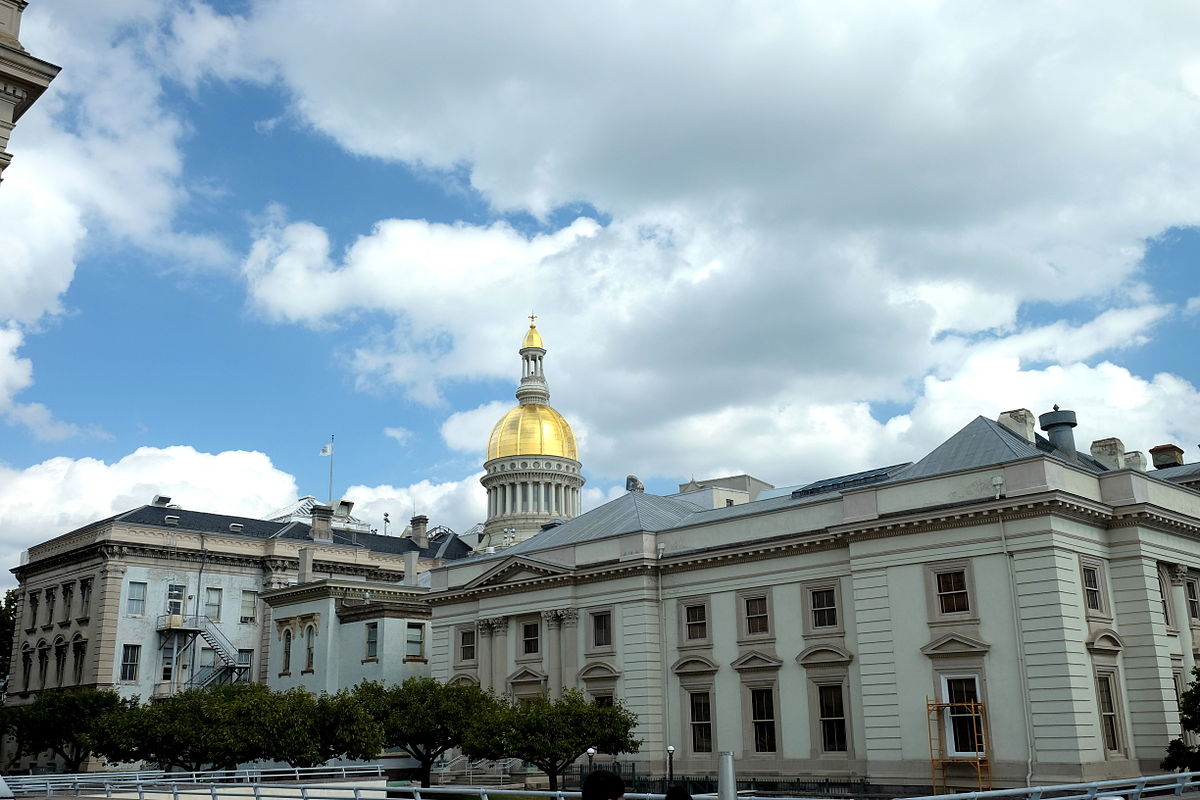
The Capitol in Trenton, New Jersey

The reason why adult use sales could not start on April 20 is because of “unmanageable logistical challenges for patients and other buyers, surrounding communities, and for municipalities,” Toni-Anne Blake, communications director for the New Jersey (CRC) told The Philadelphia Inquirer. “Regulators and industry representatives agreed it was not feasible.”

The seven ATCs awarded adult use licenses are Ascend, Curaleaf, GTI, Acreage, Verano, Columbia Care and TerrAscend. The state’s roll out created a lot of controversy over allowing already established, larger medical cannabis businesses and multi state operators to begin adult use sales before smaller businesses and social equity applicants get licensed.

According to The New York Times, the CRC gave condition approval to 102 companies for cultivation and manufacturing, but they need local approval and real estate before commencing operations. Another 320 organizations have applied for licenses for the New Jersey adult use cannabis market, but could wait up to a year or more before they begin operating.

Regulators in New Jersey say the seven companies commencing sales will need to follow social equity rules, including providing technical knowledge to social equity applicants. “We remain committed to social equity,” says CRC Chair Dianna Houenou. “We promised to build this market on the pillars of social equity and safety. Ultimately, we hope to see businesses and a workforce that reflect the diversity of the state, and local communities that are positively impacted by this new and growing industry.”

Jeff Brown, executive director of the CRC, says they anticipate long lines and crowds. “We expect 13 locations for the entire state will make for extremely busy stores,” said Jeff Brown, executive director of the New Jersey Cannabis Regulatory Commission. “The dispensaries have assured us that they are ready to meet the demand without disrupting patient access, and with minimal impact on the surrounding communities, but patience will be key to a good opening day.”

Adults in New Jersey can purchase up to one ounce of flower, up to five grams of concentrates or up to ten 100mg packages of edibles. Click here for a list of the locations opening their doors for business.

Biros' Blog

Happy 4/20, Blaze On!

By Aaron G. Biros
No Comments

Happy 4/20! The cannabis holiday with unclear origins is today and with it comes hundreds and hundreds of marketing and story pitches landing in every journalist’s inbox. Some of those pitches are impactful, some lack substance, some celebrate anniversaries, most offer discounts and sales and some are truly bizarre.

Every year, April 20th marks the cannabis holiday that people around the world celebrate with copious amounts of cannabis, concerts, festivals, deals, sales and marketing gimmicks. This year, here are some noteworthy (and weird) happenings going on as we celebrate the wonderful plant that brings us all together:

Leafly rings in the holiday on the NASDAQ: Leafly CEO Yoko Miyashita, surrounded by her colleagues, rang the opening bell for the NASDAQ Stock Exchange. The company began publicly trading on the NASDAQ as ‘LFLY’ back in February.

Smoke em if ya got em: Leafly CEO Yoko Miyashita, surrounded by her colleagues, rang the opening bell for the NASDAQ Stock Exchange

Americans for Safe Access (ASA) turned twenty on April 19: The policy, action and advocacy organization has been influential in passing medical cannabis laws throughout the country for twenty years now. The organization has trained thousands of public defenders, worked with thousands of incarcerated medical cannabis prisoners, organized protests all over the country, worked with regulators in dozens of states to pass safety rules, published reports, launched their Patient Focused Certification program and much more. Happy birthday ASA!

Emerald Cup and SC Labs celebrate thirteenth anniversary: The couple has been together now for thirteen years, with the Emerald Cup heading into their eighteenth annual competition next month. For the past thirteen years, Santa Cruz-based SC labs has worked with the Emerald Cup as their official testing partner, verifying COAs for potency and purity, gathering data on terpenes and classifying products and strains. Happy anniversary you two!

Smoking’ sandwiches: The cannabis-inspired, Arizona-based sandwich shop chain Cheba Hut celebrates the holiday with $4.20 “nugs” (pretzel nuggets) served on a frisbee and two PBRs for $4.20.

NORML stays busy: Executive Director Erik Altieri called for reforms in a press release: “While we have undoubtedly made immense progress in recent years, hundreds of thousands of our fellow citizens are still arrested each year for simple possession of a plant. That is why we are calling on all Americans to take time out of their day on 4/20 to help us finish the fight, both at the federal level and in those states that still are living under the dark ages of prohibition. We have an overwhelming mandate from the people and we intend to make sure that elected officials abide by it.”

New Jersey, a day late and a dollar short: The Garden State will begin adult use sales on April 21st at thirteen dispensaries. The delays, licensing process and regulatory hurdles have created confusion and frustration for the industry, but the state is moving forward with their plan and dispensaries will serve adults over 21 tomorrow, a day after the holiday.

Cannabis-infused Mac and cheese, a dangerously cheesy combination.

Sluggish Senate: The SAFE Banking Act has passed the House six (six!) times so far, most recently in February of this year. Sen. Cory Booker has long said he opposes the cannabis banking bill without wider legalization legislation (say that six times fast). Sen. Chuck Schumer also announced last week that his cannabis bill introduction is delayed. The CAOA won’t come until August now he says.

Cannabis Cuisine: Celebrity chef Todd English curates a “cannabis-curious cuisine” with infused Mac & Cheese via LastLeaf.

Erotic infusions: This CBD company offers 20% off their infused lubes, massage oils and products with code oOYes20. OoYes! CBD Lube is a female-founded formulations company focusing on the sex positive, “cannagasmic” hemp-derived CBD products space.

Backwards down the number line: Phish plays their first night back at Madison Square Garden in New York for a four-night run. Correctly guess the opener for tonight in the comments below and win a free beer and a burger with me at this year’s Cannabis Quality Conference & Expo.

That’s all folks! Thanks for reading and blaze on!

Blast from the past: Here’s a little treat if you’ve made it this far. This is me ten years ago today (back in college), smoking a joint on April 20, 2012. Time flies.
FDAlogo

FDA Warning Letters: Stop Claiming CBD Prevents COVID

By Cannabis Industry Journal Staff
No Comments
FDAlogo

Once again, the U.S. Food and Drug Administration (FDA) has issued a number of warning letters to companies selling hemp-derived cannabidiol (CBD) products. This time around, the FDA sent these warning letters to companies that had statements on their website claiming CBD is an effective treatment or prevention of Covid-19.

In this latest round, the FDA sent a total of seven warning letters to:

Just some of the many hemp-derived CBD products on the market today
  • Greenway Herbal Products LLC
  • UPSY LLC
  • Functional Remedies, LLC dba Synchronicity Hemp Oil
  • Nature’s Highway
  • Heaven’s Organic LLC
  • Cureganics
  • CBD Social

Earlier this year, a slew of preliminary research studies went viral for shedding light on promising signs that certain cannabis compounds could help treat or prevent Covid-19. The conclusions from most of that research is: It is still too early to tell if any of these studies will show evidence of cannabis treating Covid-19, let alone if they mean cannabis products can be used as a treatment or preventative for Covid-19. However, the research is significant and we should keep an eye on any developments that come from those studies.

The hemp-derived CBD market has a history of clashes with the FDA over health claims. Since the Farm Bill legalized cannabis with less than 0.3% THC back in 2018, the hemp-derived CBD market has proliferated, with all sorts of companies seizing the opportunity. Jumping on the health and wellness trend, companies incorporated this messaging into their marketing campaigns. Over the past four years, the FDA has issued dozens and dozens of warning letters and threatened enforcement actions to companies making unsubstantiated health claims about CBD.

While CBD definitely does have medical benefits, such as being used as an anti-inflammatory or anticonvulsant, preliminary research alone is not enough to say it does. Products need to be approved by the FDA with a new drug application (NDA) in order to make those claims. Therefore when companies make unsubstantiated health claims about their CBD products, like claiming it can prevent Covid-19, they are violating the FD&C Act by marketing “unapproved new drugs” or “misbranded drugs.”

The bottom line is companies that are marketing CBD products need to ensure that their marketing materials and labeling comply with FDA requirements and avoid making unapproved drug claims.

How to Navigate Section 280E: Lessons Businesses Can Learn from Recent Court Outcomes

By Jay Jerose
No Comments

The cannabis business landscape is complex and is under constant review and control. Further, rules and regulations from both federal and state governments can pose additional challenges and barriers to business owners. For those unfamiliar, there is a section of Internal Revenue Code, Section 280E, that prohibits taxpayers who are engaged in the business of buying and selling certain controlled substances from deducting many typical business expenses that other businesses are able to freely deduct.

What is Section 280E and What Challenges Does it Pose?

A dispensary could deduct the cost of the product it sells, but due to Section 280E it would be unable to deduct necessary and ordinary business expenses such as building rent, insurance or employee wages. This can create a significant tax burden, as taxable income is calculated at the gross profit level instead of starting with net income. As a result, Section 280E has become increasingly relevant for cannabis businesses, which have grown substantially in recent years due to more states opting to legalize marijuana. But despite this trend towards legalization at the state level, cannabis with more than 0.3% THC remains illegal under federal law, which raises questions surrounding Section 280E.

In this article, we take a closer look at recent court cases that highlight challenges with Section 280E, the related outcomes and what it means for businesses in the cannabis space.

Challenging its Constitutionality

Patients Mutual Assistance Collective Corp. v. Commissioner, also known as the Harborside Case, partially involved legal arguments against the constitutionality of Section 280E under the 16th amendment. Harborside argued that income must be present for the IRS to levy an income tax, however Section 280E can frequently cause taxpayers to experience real losses along with taxable income. They argued that they were forced to pay taxes while losing money.

Two circuit courts before this case upheld that Section 280E did not violate either the 8th or 16th amendments to the constitution, leading to the court declining to even address the constitutionality claim. The court addressing a constitutionality issue could lead to unintended consequences for unrelated code provisions, leading this strategy to likely fail due to the mess it could unravel.

Attracting Customers with Freebies

Olive v. Commissioner involved a medical cannabis dispensary that also operated a consumption lounge. While the consumption lounge revenue entirely consisted of sales of medical cannabis, the business also provided services such as health counseling, movies, yoga, massage therapy and beverages at no additional cost. The business attempted to deduct the expenses of these free services as well as the cost of the cannabis itself.

The IRS denied the deductions for the additional services due to the sole source of revenue coming from cannabis sales. The court held that the expenses related to free services were designed to benefit and promote the sales of cannabis and induce further business from its customers.

The court did acknowledge that expenses can be allocated between two separate trades or businesses while still complying with 280E. However, distinct revenue streams need to be established to show the clear separability of the activities and care must be taken to document and support the expense allocations.

Co-mingling Cannabis and Non-Cannabis Enterprises

In the case of Alternative Healthcare Advocates v. Commissioner, the owner of a retail dispensary established a separate management corporation to provide management functions to the dispensary business. The two businesses shared identical ownership, and the management company solely provided services to the joint owner’s dispensary. The management company hired employees, advertised, and handled rent and other regular business expenses on behalf of the dispensary.

Despite the argument from the taxpayer that the businesses were separate entities, and that the management company did not own or “touch” cannabis in any way, the Tax Court ruled that both companies were in the business of trafficking illegal substances. This disallowed expenses on both entities. The IRS argued successfully that the operations of both companies were intertwined. The fact that the management company broke even on expenses and provided no services to any other unrelated entities meant that while legally separate, they were considered part and parcel to each other.

The Solution: Clear Documentation, Allocation and Separation

Californians Helping to Alleviate Med. Problems, Inc. v. Commissioner (CHAMP) involved a public benefit corporation that provided caregiving services along with cannabis to customers suffering from diseases. In this case, the taxpayer argued that they had two separate and distinct lines of service, being the sale of cannabis, and the sale of caregiving services.

While the IRS disagreed with this position and attempted to apply Section 280E to the entire entity, the Tax Court disagreed. It held that the taxpayer was operating with a dual purpose, the primary being the caregiving services, and the secondary being the sale of medical cannabis. The taxpayer’s customers were required to pay a membership fee and received extensive caregiving services, including support groups, one-on-one counseling, addiction counseling services, hygiene supplies and even food for low-income members. While the membership fee did include a set amount of medical cannabis, it was not unlimited. The Court held that the taxpayer’s extensive records and documentation clearly demonstrated two separate and distinct lines of business, with the caregiving being a primary service and the medical cannabis being secondary.

From these court cases and outcomes, it is clear that Section 280E can be confusing. The cannabis industry is a high-risk area, and the IRS has successful court cases to stand behind to back their legislation and agenda. These cases demonstrate two very simple concepts: first, businesses have attempted many creative ways of sidestepping Section 280E and failed; and second, clear documentation and detailed financial records are key, and will be paramount to support any tax positions related to Section 280E.

With the risks associated with conducting business in the cannabis industry, there is a strong likelihood that it will be high on the IRS’ radar over the next few years. Cannabis businesses should carefully consider their interpretation and application of Section 280E as it relates to the costs within their business. It will be important for businesses to utilize and consult with experienced attorneys and cannabis accountants to ensure they not only maintain compliance with federal laws, but also keep up with the changing regulations and court test opinions.


Disclaimer: The summary information presented in this article should not be considered legal advice or counsel and does not create an attorney-client relationship between the author and the reader. If the reader of this has legal questions, it is recommended they consult with their attorney.

Milan Patel, PathogenDx
Soapbox

The Need for More Stringent Testing in Cannabis

By Milan Patel
No Comments
Milan Patel, PathogenDx

As the demand for legal cannabis continues to rise and more states come online, it is imperative to enact more rigorous and comprehensive testing solutions to protect the health of consumers. People use cannabis products for wellness and to find relief; they should not be susceptible to consuming pathogens and falling ill. Especially for immunocompromised consumers, the consequences of consuming contaminated cannabis or hemp are dire. Of course, there should be federal standards for pathogen testing requirements like we have for the food industry. But right now, as cannabis is not yet federally legal, testing regulations vary between states and in many states, testing requirements are too loose and enforcement is minimal. It is up to state legislators, regulators and cannabis operators to protect the health of consumers through implementing more stringent testing.

From the outset, the environmental elements needed to grow cannabis – heat, light, humidity, soil – make cannabis ripe for pathogens to proliferate. Even when growers follow strict sanitation procedures through the supply chain from seed to sale, contaminations can still occur. Cannabis companies need to be hypervigilant and proactive about testing, not just reactive. The lack of regulations in some states is alarming, and as the cannabis industry is highly competitive and so many companies have emerged in a short time, there are unfortunately unscrupulous actors that have skated by in a loose regulatory landscape, just in the game to make a quick buck, even at the expense of consumer health. And there are notable instances where states do not have enforcement in place to deter harmful manufacturing practices. For instance, there are some states that don’t mandate moisture control and there have been incidents of companies watering down flower so it has more weight and thus can be sold at a higher cost – all the while that added moisture leads to mold, harming the consumer. This vicious circle driven by selfish human behavior needs to be broken by stricter regulations and enforcement.

While in the short term, looser testing regulations may save companies some money, in the long run these regulatory environments carry significant economic repercussions and damage the industry at large, most importantly injury or death to customers and patients. Recalls can tarnish a company’s brand and reputation and cause sales and stock prices to tank, and since cannabis legalization is such a hotly contested issue, the media gloms onto these recalls, which opponents to legalization then leverage to justify their stance. In order to win the hearts and minds of opponents and bring about federal legalization sooner, we need safer products so cannabis won’t be cast in such a dangerous, risky light.

Certainly, there’s a bit of irony at play here – the lack of federal regulations heightens the risk of contaminated cannabis reaching consumers, and on the flip side recalls are used by opponents to justify stigmatizing the plant and keeping it illegal. Nevertheless, someday in the not-too-distant future, cannabis will be legalized at the federal level. And when that day happens, federal agents will aggressively test and regulate cannabis; they’ll swab every area in facilities and demand thorough records of testing up and down the supply chain; current good manufacturing practices (cGMP) will be mandated. No longer will violations result just in a slap on the wrist – businesses will be shut down. To avoid a massive shock to the system, it makes sense for cannabis companies to pivot and adopt rigorous and wide-sweeping testing procedures today. Wait for federal legalization, and you’ll sink.

Frankly, the current landscape of cannabis regulation is scary and the consequences are largely yet to be seen. Just a few months ago, a Michigan state judge reversed part of a recall issued by the state’s Marijuana Regulatory Agency (MRA) on cannabis that exceeded legal limits of yeast, mold and aspergillus, bringing contaminated cannabis back to shelves without even slapping a warning label on the packaging to inform consumers of the potential contamination. This is a classic case of the power of the dollar prevailing over consumer safety and health. Even in well-established markets, the lack of regulations is jarring. For example, before this year in Colorado, testing for aspergillus wasn’t even required. (Aspergillus inhalation, which can cause Aspergillosis, can be deadly, especially for people who are immunocompromised). Many states still allow trace amounts of aspergillus and other pathogens to be present in cannabis samples. While traces may seem inconsequential in the short term, what will happen to frequent consumers who have been pinging their lungs with traces of pathogens for 30 years? Consistently inhaling trace amounts of pathogens can lead to lung issues and pulmonary disease down the road. Look what happened to people with breathing and lung issues during the last two years with COVID. What’s going to happen to these people when the next pandemic hits?

We need state regulators and MSOs to step up and implement more aggressive testing procedures. These regulators and companies can create a sea of change in the industry to better protect the health and well-being of consumers. Just complying with loose regulations isn’t good enough. We need to bring shortcomings around testing into the limelight and demand better and more efficient regulatory frameworks. And we should adopt the same standards for medical and adult use markets. Right now, several states follow cGMP for medical but not adult use – that’s ridiculous. Potentially harming consumers goes against what activists seeking legalization have been fighting for. Cannabis, untainted, provides therapeutic and clinical value not just to medical patients but to all consumers; cannabis companies should promote consumer health through their products, not jeopardize it.

For best practices, companies should conduct tests at every step in the supply chain, not just test end products. And testing solutions should be comprehensive. Most of the common tests used today are based on petri dishes, an archaic and inefficient technology dating back over a century, which require a separate dish to test for each pathogen of interest. If you’re waiting three to five days to see testing results against fifteen pathogens and a pathogen happens to be present, by the time you see results, the pathogen could have spread and destroyed half of your crops. So, not only do petri dishes overburden state-run labs, but due to their inherent inefficiencies, relying on these tests can significantly eat into cannabis companies’ revenues. At PathogenDx, we’ve created multiplexing solutions that can identify and detect up to 50 pathogens in a single test and yield accurate results in six hours. To save cannabis companies money in the long run and to make sure pathogens don’t slip through the cracks, more multiplexing tests like the ones we’ve created should be implemented in state labs.

Right now, while the regulatory landscape is falling short in terms of protecting consumer health, better solutions already exist. I urge state regulators and cannabis companies to take testing very seriously, be proactive and invest in creating better testing infrastructure today. Together, we can protect the health of consumers and create a stronger, more trustworthy and prosperous cannabis industry.

Sports Sponsorships in Cannabis: The Long Legal Road Ahead

By Airina Rodrigues
1 Comment

If legal cannabis isn’t already a key facet of American culture, it is well on its way. The multibillion-dollar industry is already ubiquitous in politics, and consumers are increasingly seeing various types of marketing from cannabis brands, from billboards to magazine ads to organic content on social media. It may not be long before sports fans see more of their favorite athletes talking up CBD products for pain management or even see a dispensary chain claim naming rights for a stadium.

The next big marketing frontier for cannabis brands is professional sports sponsorships. And in some respects, it makes sense that athletes might be natural brand ambassadors for an industry focused on pain management and mental health relief. But there are obstacles unique to the highly regulated cannabis market that, paired with the already legality-heavy proposition of sponsorship deals, mean a long road ahead. Here are some key considerations for cannabis and CBD brands looking to a future of sports sponsorships.

The Current Climate

Many leagues have already embraced sponsorship deals with CBD brands, from NASCAR to the United Soccer League. The four pillar sports in the U.S.—the National Football League, the National Basketball Association, the National Hockey League and Major League Baseball—have already relaxed their rules and testing protocols related to athletes and cannabis. In 2019, the NFL reached an agreement with the players’ union to study the pain management benefits of cannabis and in 2020, the NFL announced players will no longer be suspended for positive tests and increased the threshold of allowable THC for positive tests. And stars like powerhouse tight-end Rob Gronkowski and former Denver Nuggets Al Harrington in retirement have attached their names to cannabis and CBD brands.

After dismal profits through the COVID-19 pandemic, the “Big Four” sports leagues may want to consider opening an entirely new sponsorship category via cannabis and CBD. Additional pressure might come from athletes themselves, who want alternative treatments for pain and anxiety. As the public looked in from the outside as the MLB negotiated a new collective bargaining agreement and as leagues renegotiate CBAs generally, player pressure could continue to move the needle on league acceptance of cannabis products.

If sports leagues are expecting to allow cannabis sponsorships in the future, they are likely waiting for federal approval for cannabis

As much as this means less stigma for cannabis, it also illustrates the constant fragmentation that makes it difficult for cannabis businesses to operate like other companies. While the NFL, NBA, NHL and MLB have all eased up on players’ use of the substance, they haven’t embraced CBD sponsorships the same way other leagues have and currently won’t allow their athletes to seek CBD or cannabis sponsorship deals as individuals. Piecemeal state legalization, strict advertising rules, enduring federal prohibitions and a lack of FDA approval are the biggest barriers specific to the cannabis industry. And, while the “Big Four” leagues are not signatories to the World Anti-Doping Agency (WADA) Code, applying their own anti-doping policies, don’t look for cannabis sponsorships or endorsements of Olympic sports or athletes any time soon—WADA prohibits in-competition use of cannabis, although it is conducting a scientific review of the status of cannabis in 2022, indicating a softening may be forthcoming.

Paired with the issues typical to sport sponsorships generally, cannabis companies have much more to consider when seeking sponsorship deals.

Threshold Sports Sponsorships Considerations Relating to Cannabis and CBD 

As a threshold matter, if sports leagues are expecting to allow cannabis sponsorships in the future, they are likely waiting for federal approval for cannabis and specifically, FDA approval for CBD products. The agency decided not to allow companies to market full-spectrum CBD as a dietary supplement in August, and formal guidelines may be years away as medical and scientific data materialize either supporting or negating the health claims. In the meantime, companies and their spokespeople cannot claim certain health benefits in advertising without FDA approval.

Cannabis itself is also still a schedule 1 drug under the federal Controlled Substances Act and has historically been listed among most leagues’ anti-doping bans, although as discussed above, it appears attitudes might be beginning to shift. Even in states where adult use and medical cannabis are legal, taxes are high and advertising rules are incredibly strict. They also vary from market to market. When Connecticut legalized cannabis in 2021, state Attorney General William Tong moved to have all billboards advertising Massachusetts dispensaries removed for violating the state’s cannabis marketing restrictions. With a web of intersecting, and at times conflicting, state regulations at play, national marketing campaigns are highly challenging. The crisscrossing markets on game days and the national exposure of most athletes in the Big Four leagues will likely implicate multiple jurisdictions, and multiple sets of advertising regulations that don’t always mesh. And, even if a policy decision were made to allow some territory-restricted sponsorship deals in the cannabis space, it’s unclear if and how cannabis sponsors could exercise even local broadcasting rights—a key value driver for any sponsorship deal.

Specific Sponsorship Considerations Relating to Cannabis and CBD

In addition to the above, the host of legal and business issues generally applicable to sports sponsorships deals will likely take on a different flavor with respect to cannabis and CBD.

From a commercial perspective, one of the key issues in any sponsorship deal is whether a sponsor will receive exclusive rights in a category. It’s important that sponsors take a critical eye to how a league may have “sliced and diced” that category. For example, a would-be cannabis sponsor may not be expecting a competitor to take up rights in the CBD space. But without close attention to how the sponsorship category is defined, any oversight here could lead to sharing branding space with unwelcome neighbors.

One of the key issues in any sponsorship deal is whether a sponsor will receive exclusive rights in a category.

In highly regulated industry categories such as gambling/casino and sports betting, league policies mandate strict compliance obligations on the part of the sponsor. We should expect to see a similar approach if leagues approve cannabis sponsorships. For example, in gaming and sports betting, league requirements often demand that sponsors notify the team or league of any compliance issues—no matter how nonmaterial, and no matter if they affect any rights or activities in the sponsorship territory. If there are compliance violations, leagues and teams typically demand immediate termination rights. The compliance and disclosure obligations for a highly regulated sponsor can be onerous, and sponsors risk losing their sponsorship investment even for trivial issues that do not bear on the sponsorship. For example, should a minor casino compliance violation in Las Vegas result in termination of a sponsorship deal in New York? Similarly, if a dispensary in Seattle operating under an interstate brand receives a de minimus fine for an inadvertent sale to a minor, should that result in termination of that brand’s sponsorship deal in Colorado? While these types of compliance and termination provisions are typically negotiable to something approximating fairness, look for leagues to take a hard-line stance on compliance issues, and expect that some teams may mandate deal terms that are take it or leave it.

Similarly, leagues and teams often demand strict morals provisions allowing them to terminate if they determine, in their sole discretion, that the sponsor or its activities might cause reputational harm to the team. Although cannabis is rapidly destigmatizing, one might argue that the industry is at least historically aligned with illegality and perhaps inherently aligned with other “sin” industries like gambling, alcohol and tobacco. Teams and leagues know what they are getting into when they accept sponsorship money from these industries, and cannabis sponsors should demand that any such “morals” provisions be exercised by teams only reasonably, in good faith, and with an opportunity for the sponsor to cure any alleged issues.

Further, just like gaming and sports betting operators, cannabis businesses are restricted from marketing to minors. While state laws are a hodge-podge, sales to individuals under the age of 21 are generally prohibited, and cannabis businesses are also generally restricted from marketing to individuals under the age of 21, or even from publishing marketing materials that appeal to children—a subjective standard. These rules, of course, are likely to restrict the type of signage and activation that can occur in stadia. It also poses issues from a digital marketing and data-sharing perspective. Sponsors and teams often negotiate specific activations via social media, websites and email marketing lists. But the parties must keep in mind compliance issues regarding these activations, including taking care to scrub relevant marketing databases of users under the age of 21 and, possibly, “self-excluded” individuals. The gaming industry is familiar with self-exclusion sign-ups, which permit individuals to opt out of relevant marketing and be disallowed from entering gaming establishments. The cannabis industry may not be far behind. In 2020, the Illinois General Assembly introduced HB4134, which if passed would have permitted self-exclusion from targeting mailings, advertising and promotions and from entry into dispensaries. While this bill died, it’s conceivable that we will see efforts to pass similar bills.

Finally, in 2020-21, sponsors, teams and leagues collectively, and regardless of industry, combed through the thorny issues of the COVID-19 pandemic. We can expect to observe a continuing trend of extra scrutiny paid to force majeure and so-called “make good” provisions for missed games or unavailable benefits.