To say 2020 was a historic year is an understatement.
Arizona landed in a solid eighth place among the top ten most successful cannabis states thanks to its expansive medical cannabis program. To close out the year, voters approved Proposition 207, also known as the Smart and Safe Arizona Act (SSAA), making Arizona one of 15 states, plus Washington D.C., to legalize the adult use of cannabis, which is expected to rocket the state’s overall cannabis sales to new heights.
It’s essential to this conversation that we clarify the two sides of this rapidly growing industry. Medical cannabis is a form of treatment, the adult use and consumption of cannabis is a choice. During the pandemic, in many medical cannabis states, the medical cannabis industry was deemed an essential service and allowed to continue providing valuable medicine to patients and caregivers. As medical cannabis programs continue to provide safer therapeutic options which are complementary to or serve as an alternative to many traditional treatments and narcotics, especially opioids, patients can be confident the need for medical programs will continue. Arizona’s adult use cannabis program imposes greater limitations on quantity and potency, while also requiring higher standards for packaging. We saw a trend during the pandemic as again, many states prioritized and allowed their medical programs to continue, while limiting adult use facilities, in the same manner as other non-essential businesses.
It’s also worth noting that we have seen many inevitable changes in patient behaviors during the pandemic, including an increased need for medical cannabis. There was a patient demand for convenience, safety and no-contact services, increased online ordering, scheduling and curbside pick-up or delivery. Many of these services were already on the rise in popularity throughout the various legal states. While Arizona’s recreational program prohibits delivery until at least 2023, retail adult use consumers will expect some of these services to extend to the new market. As life after the COVID-19 pandemic continues on and the need for some of these safer more convenient options also continues, we hope to see them more permanently implemented from a legal and regulatory perspective. For now, here are the highlights we’ll see come into play in the first few months of 2021 as Arizona adopts its new adult use cannabis program.
Smart and Safe Arizona Act (Prop 207):
Legalizes the sale, possession (one ounce) and consumption of adult use cannabis for adults at least 21 years old.
Adds a 16 percent excise tax on adult use cannabis sales, in addition to the state’s 5.6 percent, totaling a 21.6 percent tax.
Allocates an estimated $300 million in Arizona revenue to be divided between community college districts, municipal police, sheriff and fire departments, fire districts, highway funds, public health programs, infrastructure, and a new Justice Reinvestment Fund.
Allocates more than $30 million annually for addiction prevention, substance treatment, teen suicide prevention, mental health programs, and justice reinvestment projects.
Provides opportunities for expungement of certain lesser cannabis-related crimes such as possession, consumption, cultivation or transportation.
But of course, state law is just one part of the equation. Adult use cannabis facilities must be licensed separately from state to local levels, including counties to cities to local municipalities, all of which may also adopt rules and requirements through zoning and land use ordinances. Swift and certain timelines established by the Smart & Safe Act dictate the speedy launch of this new program, first utilizing the existing medical cannabis infrastructure.
Many Arizona consumers are under the impression that they’ll be able to walk into a dispensary on January 1, 2021 and buy cannabis. But that is not the case. They’ll have to wait until the Arizona Department of Health Services (AZDHS) completes the early applicant licensing process, which begins in January 2021. Currently, local and multistate operators are waiting for AZDHS to complete the rules and regulations for the adult use cannabis program. Here are two of the most significant steps to be navigated in the upcoming weeks:
Smart and Safe Arizona Act (Prop 207) – Step 1: The Rulemaking Process
AZDHS has been tasked with developing the rulemaking process for the Smart & Safe Act. The first draft of the adult use cannabis program rules has already been released, primarily consisting of the application requirements for the early applicant process. AZDHS collected its first round of public comments for consideration on Thursday, December 17, 2020. The exact details and parameters of the adult use cannabis program will not be finalized or known for certain until AZDHS completes the rulemaking process. We anticipate the next draft of adult use cannabis rules to be released sometime in early January.
Smart and Safe Arizona Act (Prop 207) – Step 2: The Application Process
AZDHS will begin accepting early applicants under the Smart & Safe Act on January 19, 2021, closing the process on March 9, 2021. Current medical cannabis license holders who apply for and acquire an adult use license in the early applicant process will be authorized to a dual-licensed dispensary (both medical and adult use license), as well as one offsite manufacturing facility (which may later be amended to include both medical and adult use manufacturing license), and offsite cultivation.
Early adult use license applicants are reserved for those that currently hold in good standing at least one Medical Marijuana Registration Certificate (“Medical Marijuana License”) and applicants applying to counties with no current operating dispensaries. Any county with a single operating dispensary (a medical cannabis dispensary) will be allocated an adult use license (dual license) as long as the medical license holder is in good standing for the application. All adult use licenses allocated to those counties without a current operating dispensary must keep that dispensary within that county.
AZDHS will have 60 days to process each application. Adult use licenses for counties without a current operating dispensary will be allocated through a random selection process, if more than two applications are received for that county. Additionally, upon the conclusion of the early applicant process, any adult use license that has not yet been awarded through that process, will be available to the general public and allocated through a random selection process.
This brings us to later phases of implementation of the Smart & Safe Act: within approximately six months of the adoption of the initial recreational program rules, AZDHS must develop and adopt the rules and regulations for the Social Equity Ownership Program (SEOP). The primary goal of the SEOP is to allocate 26 adult use licenses to “communities disproportionately impacted by the enforcement of previous cannabis laws.” In other words, communities disproportionately and negatively impacted by cannabis criminalization. Smart & Safe is light on the exact manner and process at this point, so Arizona voters and cannabis companies will look to AZDHS for the development and implementation of this important part of the adult use program. Stay tuned.
Plant genetics are an important consideration for cultivators planning to grow cannabis crops. Genetics can affect how well a plant grows in a particular environment under various conditions and have a major impact on the production of cannabinoids, terpenes as well as other molecules and traits expressed by the plant.
Front Range Biosciences is a hemp and cannabis genetics platform company, leveraging proprietary next generation breeding and Clean Stock® tissue culture nursery technologies to develop new varieties for a broad range of product applications in the hemp and cannabis industries. FRB has global reach through facilities in Colorado, California and Wisconsin, and a partnership with the Center for Research in Agricultural Genomics in Barcelona, Spain. FRB is headquartered in Lafayette, Colorado.
We spoke with Jonathan Vaught, Ph.D., CEO and co-founder of Front Range Biosciences. Jonathan co-founded Front Range in 2015 after a successful career in the diagnostics and food testing industries.
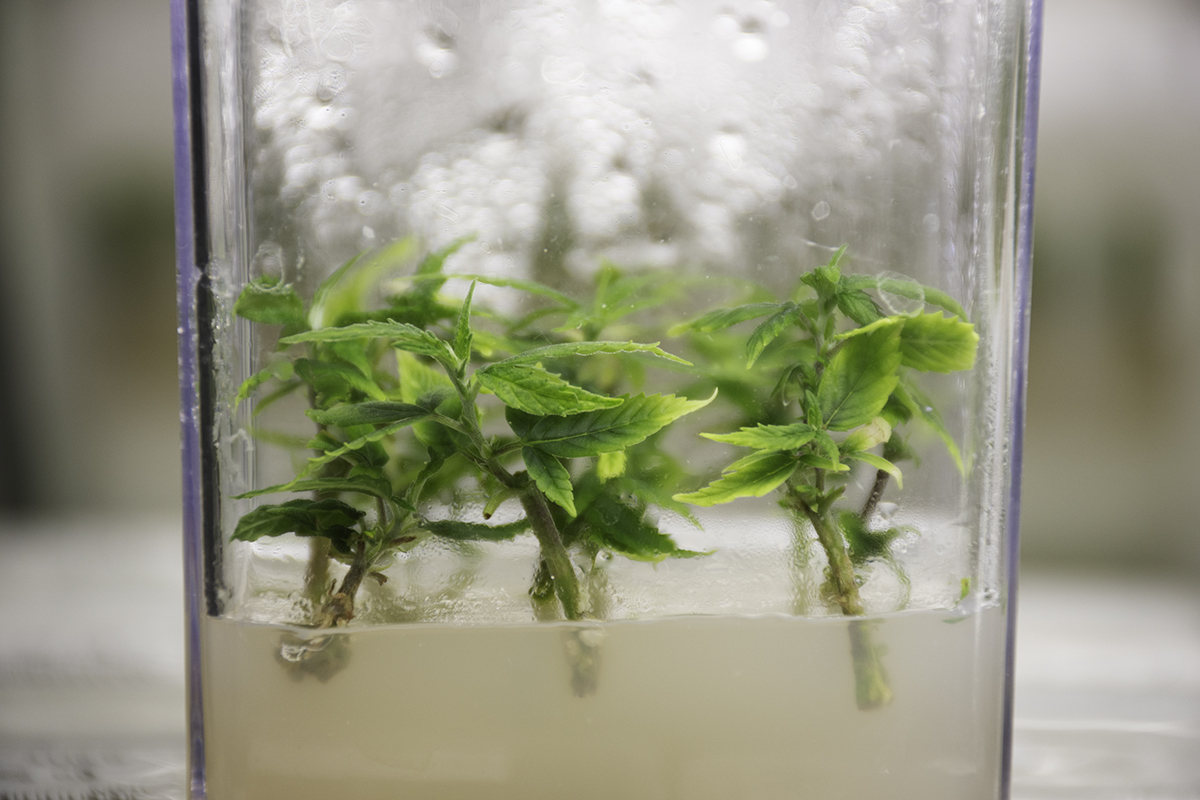
Hemp tissue culture samples like these sat in an incubator aboard the ISS
Jonathan Vaught: This was a collaborative project between the BioServe group at the University of Colorado Boulder, which is a part of their aerospace engineering program. They do research on the International Space Station, and they have for quite some time. We partnered with them and another company, Space Technology Holdings, a group that’s working on applications of space travel and space research. We teamed up to send tissue culture samples to the space station and let them sit in zero gravity at the space station for about a month, and then go through the reentry process and come back to Earth. We brought them back in the lab to perform some genomic analyses and try to understand if there’s any underlying genetic changes in terms of the plants being in that environment. We wanted to know if there was anything interesting that we could learn by putting these plant stem cells and tissue cultures in an extreme environment to look for stress response, and some other possible changes that might occur to the plants by going through those conditions.
Aaron: That’s an interesting project! Are there any trends that you’re following in the industry?
Jon: We’re excited to see ongoing legalization efforts around the world. We’ve seen continued progress here in the United States. We still have a long way to go, but we’re excited to see the additional markets coming onboard and regulations moving in the right direction. Also, we’re excited to see some of the restorative justice programs that have come out.
Aaron: How did you get involved at Front Range Biosciences?
Jon: It really starts with my background and what I was doing before Front Range Biosciences. I’ve spent more than 15 years developing commercializing technologies in human diagnostics, food safety and now agriculture.
Jonathan Vaught, Ph.D., CEO and co-founder of Front Range Biosciences
I started my career during graduate school in biotech at the University of Colorado at Boulder, where I helped develop some of the core technology for a human diagnostic startup company called Somalogic here in Colorado. I went to work for them after finishing my dissertation work and spent about six years there helping them grow that company. We ended up building the world’s largest protein biomarker discovery platform primarily serving pharmaceutical companies, hospitals and doctors, with personalized medicine and lab tests for things like early detection of chronic illness, cancer, heart disease and inflammation.
I then went to another startup company called Beacon Biotech, that was interested in food safety. There I helped develop some similar technologies for detecting food-borne illness — things like salmonella, listeria and E. coli. That was my introduction to big food and big agriculture. From there, I went to help start another company called Velocity Science that was also in the human diagnostic space.
Along the way, I started a 501(c)3 nonprofit called Mountain Flower Goat Dairy, a dairy and educational non-profit that had a community milk-share, which included summer camps and workshops for people to learn about local and sustainable agriculture. I became more and more interested in agriculture and decided to take my career in that path and that’s really what set me up to start Front Range Biosciences.
Aaron: Do you have any co-founders?
Jon: I have two other co-founders. They both played various roles over the last four years. One was another scientist, Chris Zalewski, PhD. He currently works in the R&D department and helps oversee several different parts of the company including pathology and product development. My other co-founder, Nick Hofmeister served as chief strategic officer for the last few years, and has helped raise the majority of our funding. We’ve raised over $45 million dollars, and he played a big role in that.
Aaron: What makes you different from other cannabis seed companies?
John: We’ve built the first true cannabis genetics platform. What I mean by that is we built a platform that allows us to develop and produce new plant varieties that support both the hemp and the cannabis markets. To us, it’s all cannabis. Hemp and cannabis are scientifically the same plant. They just have different regulatory environments, different products and different markets, but we stay focused on the plant. Our platform is built on several different pillars. Genetics are one of the core pieces, and by genetics I mean, everything from molecular based breeding to marker assisted breeding to large germplasm collections. We collect different varieties of germplasm, or seed, from all over the world and use those to mix and match and breed for specific traits. We also have large nursery programs. Another one of our pillars of the platform includes greenhouse nursery production — everything from flowering cannabis plants to producing cannabis seeds to cloning and producing mother plants and rooted cuttings or clones.
Then tissue culture is another part of the platform, it’s basically the laboratory version of a greenhouse nursery. It’s housed in a sterile environment and allows us to produce plants that are clean and healthy. It’s a much more effective, modern way to manage the nursery. It’s part of our clean stock program, where we start clean, stay clean, and you can finish clean. It’s really built on all of those different pieces.
We also have capabilities in analytical chemistry and pathology, that allow us to better understand what drives performance and the plants, and both different regions as well as different cannabinoid products or terpene products. All of the science and capabilities of the platform are what allow us to create new varieties faster, better, stronger.
Aaron: It sounds like you’re vertically integrated on the front-end of cannabis cultivation.
Jon: Absolutely, that’s a great way to think about it.
The last piece I’d say is that we have areas of research and development that cover the full span of multiple product lines. We think about it from an ingredient perspective. Cannabinoids and terpenes are certainly what drive a large part of the cannabis market in terms of edibles, smokable flower, vapes and extracts and the different effects and flavors that you get. We also are looking at other ingredients, like plant-based protein and hemp as a viable protein source and the ability for hemp to produce valuable fiber for textiles, as well as industrial building materials and applications.
Lastly, there are additional small molecules that we’re working on as well from a food ingredients perspective. There are all kinds of interesting compounds. Everybody talks about the cannabinoids and terpenes, but there are also things like flavonoids, and some other very interesting chemistries that we’re working on as well.
Aaron: What geographies are you currently in?
Jon: Colorado and California primarily and we have a small R&D partnership in Barcelona.
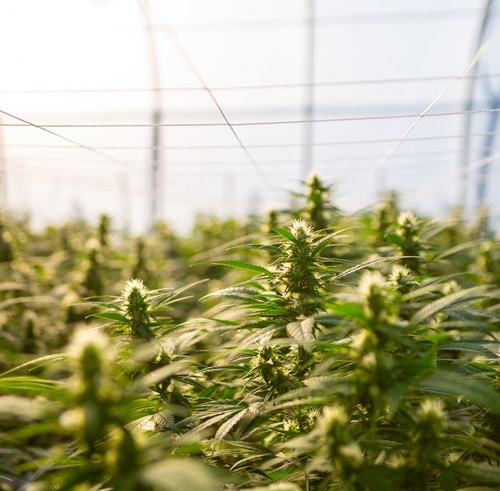
Hemp clones and seeds is a big part of the Front Range Biosciences business
Aaron: Do you have plans for expansion beyond that?
Jon: Our current headquarters are out of Colorado, and most of our Colorado operations right now are all hemp. Our hemp business is national and international.
We work with a licensed cannabis nursery partner in California which is our primary focus for that market, but we will be expanding the cannabis genetics and nursery program into Colorado next year. From a regulated cannabis perspective, that’s the first move. Beyond that, we’re in conversations with some of the multi-state operators and cannabis brands that are emerging to talk about how to leverage our technology and our genetics platform across some of the other markets.
Aaron: How do you think about genetics in your products?
Jon: Genetics means a lot of things to different folks depending on your vantage point and where you sit in the supply chain. Our business model is based on selling plants and seeds. At the end of the day, we don’t develop oils, extracts and products specifically, but we develop the genetics behind those products.
For us, it’s not only about developing genetics that have the unique qualities or ingredients that a product company might want like CBD, or other minor cannabinoids like THCV for example, but also about making sure that those plants can be produced efficiently and effectively. The first step is to introduce the ingredient to the product. Then the second step is to make sure that growers can grow and produce the plant. That way they can stabilize their supply chain for their product line. Whether it’s for a smokable flower product, or a vape product, or an edible product, it’s really important to make sure that they can reproduce it. That’s really how we think about genetics.
Aaron: What is a smart plant? That’s something I saw on your website.
Jon: It’s really about plants that perform under specific growing regions, or growing conditions. For example, in hemp, it’s one thing to produce CBD or CBG. It’s another thing to be able to produce it efficiently in five different microclimates around the U.S. Growing hemp in Florida or Alabama down on the Gulf Coast versus growing on the Pacific Northwest coast of Washington, or Oregon are two very different growing conditions that require smart plants. Meaning they can grow and thrive in each of those conditions and still produce the intended product. Generally, the different regions don’t overlap. The genetics that you would grow in Pacific Northwest are not going to do as well as some better selected varieties for the South East.
It’s not only different outdoor growing regions, but it’s different production styles too. When you think about regulated cannabis the difference between outdoor and indoor greenhouse is mixed light production. Even with hydroponic type growing methods, there are lots of different ways to grow and produce this plant and it’s not a one size fits all. It’s really about plants that perform well, whether it’s different regions in the United States in outdoor production or different indoor greenhouses with mixed lights and production methods.
Aaron: You market CBG hemp as a product line. What made you start with CBG? Is that a pull from the market or something you guys see trending?
Jon: So I think it’s a little bit of both. We offer CBD dominant varieties and CBG dominant varieties of hemp. We also now have other cannabinoids in the pipeline that we’ll be putting out in different varieties next year. Things like CBC as well as varins, or propyl cannabinoids. Also things like CBDV, CBCV, or CBGV, which are the propylcannabinoid versions of the more familiar compounds.
Their nursery services include breeding, propagation and production of cannabis
There was a lot of market demand for CBG. It was a fairly easy cannabinoid to produce as a single dominant cannabinoid similar to CBD or THC. There’s a lot of up-and-coming demand for some of the other minor cannabinoids. Up until a few years ago, CBD was considered a minor cannabinoid. It wasn’t until Charlotte’s Web in the Sanjay Gupta story that it became a major cannabinoid. So I think we see some level of market pull across the category.
On the flip side of that, we have one of the world’s largest R&D teams and consolidated expertise in terms of cannabis. We see the potential for minor cannabinoids, and even terpenes and other compounds like flavonoids to have wide ranging implications in human health. Everything from wellness products, to active pharmaceutical ingredients, to recreational products. From our perspective, that’s the reason why we’re pushing these ingredients. We believe that there are a lot of good products that come out of this work and the genetics that produce these minor cannabinoids.
Aaron: Okay, great. And then last question, is there anything you’re interested in learning more about?
Jon: I think the most exciting thing for me, given my background in clinical diagnostics and human health, is to see more data around how all of these different compounds of the plant can support improved wellness, health and nutrition. I think we’ve only scratched the tip of the iceberg. This type of research and data collection takes years, even decades, especially to see outcomes over time of people using these products. I’m really excited to see more of that and also hopefully be able to make stronger conclusions about some of the benefits that can be had from this plant.
Aaron: That’s the end of the interview, thanks Jon!
The cannabis industry is growing so quickly that even COVID-19 can’t slow it down. Before the pandemic, the industry amassed $13.6 billion in U.S. legal cannabis sales in 2019 – a figure that is expected to more than double to $30 billion in the next five years, according to New Frontier Data. In states where cannabis is legal for medical or recreational use, dispensaries have been deemed necessary, essential businesses – especially when it comes to calming stress and anxiety in our ever-changing times.
Cannabis legalization and newly budding dispensaries have expanded across the U.S., which may come with an unfortunate counterpart – a higher incidence of crime. Despite lower prices in states that have legalized cannabis, as compared to states where it is still illegal, theft has run rampant across grow operations, warehouses and, most often, dispensaries.
Heavy-duty security doors at the front of the dispensary block sight access and provide a visual deterrent.
Dispensaries can be targeted more frequently. Robbers may perceive them as an easy target, because they are businesses that have larger amounts of cash on hand. Many dispensaries only accept cash because payment processors and financial institutions aren’t willing to work with them. This is primarily because cannabis is still deemed an illegal substance under federal law, and the actions of financial institutions are governed by federal, not state, laws. Once the Secure And Fair Enforcement (SAFE) Banking Act is approved, cannabis businesses will be able to work more easily with banks, in turn reducing the amount of cash on site and erasing the dollar signs in opportunistic thieves’ eyes.
However, cash isn’t the only high thieves seek when they break into dispensaries. There’s also the product itself. Protecting it – and providing peace of mind to the facilities’ owners and occupants – is a concern for dispensaries, grow operations and warehouses. Robbers are motivated by the opportunity to make even more fast cash through reselling the product found onsite.
To eliminate such easy targets, security requirements for the cannabis industry are a necessity. They are also involved, complicated, and vary from state to state. A number of security specifications apply between state laws and local ordinances. Inventory must be properly surveilled and managed at all stages of transportation and storage. Any discrepancies in inventory can result in large fines and other penalties. To aid in understanding security compliances, the National Cannabis Industry Association (NCIA), a national trade association, recommends that start-ups obtain attorneys to guide businesses through their state’s laws and regulations.
This is why, especially for new business owners, it is critical to consider the best, most advanced security solutions – especially when it comes to doors and points of egress – that are easily integrated into buildings during the design phase. These solutions protect the products, properties, and people throughout the cannabis supply chain.
Understanding State Security Regulations While there are no federally recognized security requirements for the cannabis industry, there are similar requirements across all states that have legalized cannabis, including:
Maintaining strict access control throughout the facility – this is especially important for grow operations and warehouses
Functional alarm systems
Documented standard operating procedures
Video surveillance systems – many states mandate very precise requirements, such as length of storage time and even video resolution specifications
Notifying appropriate regulatory agencies immediately or within a strict timeframe after a security incident or theft
Securing all records and record storage
While these are common, state-mandated security requirements, it is critically important to know and understand all rules, regulations, and laws concerning the industry within the business’s specific state. Making sure the business is compliant with all aspects of state laws for security and preventing violations, including the hefty financial penalties that can accompany them, is key.
States require cannabis facilities to implement sophisticated security features for several reasons. One of the most obvious is the fact that the industry supplies a high-value product and is a cash-intensive business. Integrating security features into the building can be a challenging task for architects and designers. To help tackle these challenges, manufacturers have introduced products to the cannabis industry, creating easier, more effective and aesthetically pleasing security solutions.
Integrated Designs For High Level Security Security shouldn’t be a constraint when considering design aesthetics. Certain elements can be discretely tucked away, including cameras and security doors by way of specifying a concealed rolling door, conveniently disguised in the ceiling during operating hours. These doors can even close under alarm eliminating the need for manual intervention. Other security measures, such as bullet resistant glass, are hidden in plain sight.
Rolling doors like this one can be conveniently disguised in the ceiling during operating hours.
Untrustworthy employees, smash-and-grab thefts or meticulously planned heists mean secure building design is of the utmost importance. In order to have the most effective security, there needs to be design vision – a clear intent for incorporating advanced security into the facility, whether visible or not.
Suggested security measures include video surveillance around the outdoor perimeter of the property as well as inside the facility. Physical barriers, such as specialized entrance locking systems – including fingerprint-scanning biometric technology – and security doors that may also include intrusion detection and automatic closure systems are recommended. All systems may be paired with 24/7 visual monitoring by security personnel.
Many state regulations also require restricted access to specific areas within dispensaries, grow operations and warehouses, with employee names and activities logged for reference. These necessary measures aid in inventory monitoring and control, further reducing the likelihood of internal theft.
When specifying building security, it’s important for architects to consider what type of building they are designing. There are differences in providing security for dispensaries versus warehouses and grow operations. Dispensaries and storefronts are frequently out in the open and in locations that are well-known to consumers. Warehouses and grow operations are usually tucked out of the way, rarely publicized, and less noticeable.
Rolling Grilles And Doors Deter Dispensary Theft With a high-value product and cash on hand, dispensaries in particular have unique security challenges. And because they are retail businesses, egress and fire codes must be strictly adhered to, in addition to special security regulations.
Rolling grilles can be an effective deterrent against dispensary theft
In light of this, security doors require special consideration. They are necessary to provide secure protection against theft but shouldn’t distract from the architectural vision of the building or interior design.
Rolling security grilles are the ideal solution to protect the counter inside the dispensary and may also be ideal for the front of the store. They fit in small headspaces where there is limited ceiling room and can be easily concealed when not in use.
Even heavy-duty rolling doors used to protect the glass storefront of the dispensary and prevent intruders from entering the building’s dock area can be hidden when not in use. If building code allows, architects may specify a rolling door that coils up into the door’s header, residing behind an exterior soffit. These robust security doors’ lift-resistant bottom bars also can be obscured from sight.
Heavy-duty security doors at the front of the dispensary block sight access and provide a visual deterrent. They give the building a secured look when in use, but heavy-duty rolling doors don’t need to be imposing to customers during the dispensary’s operating hours.
Robust Visible Protection For Grow Operations And Warehouses
Grow operations and warehouses usually opt for more visible security doors to deter criminal activity. They also have different design considerations because of building layout and production needs. For instance, larger grow operations house plants and supplies which require heavy equipment to move throughout the facilities.
A heavy duty steel rolling grille
Heavy duty rolling security doors can be made with up to 12-gauge steel with interlocking slats and tamper resistant fasteners – making them stronger than standard garage doors. They provide high-end security at loading docks and limit access to restricted areas inside.
Rolling doors can also be used to block employee access to off-limits areas common in grow operations and warehouses. Because they are heavily reliant on utilities and infrastructure, such as water mains and humidity and temperature controls, warehouses and grow operations are ideal applications for rolling doors. If unauthorized personnel with ill intentions access these utility areas, it could spell disaster with ruined crops and damaged or unsafe products – turning into substantial financial losses. From a design standpoint, these doors do not need to be concealed. In fact, their visibility signals restricted access areas and hints at the security measures taken to protect these facilities.
Enhanced Security Features
Whether designing a dispensary, a grow operation facility, or a warehouse, rolling doors may be paired with automatic protection features to enhance the building’s security and help workers feel safe. These automatic closing systems allow the security doors to be immediately activated by a building alarm or the push of a panic button in emergency situations. The doors also feature advanced locking systems – some of which are hidden in non-traditional locations – providing further tamper resistance.
Some rolling door manufacturers offer in-house architectural design groups to guide architects and designers in choosing the ideal security doors. These groups can address and solve any design dilemmas that arise during the project. Every rolling door is built to a specific opening, making each product unique to that area of the project. Because of this customization, manufacturers can meet virtually any specification.
Meeting Insurance Requirements
Selecting the correct rolling door along with other advanced security features aids in meeting insurance requirements. Each insurance company has individual minimum-security conditions in its policy. Many insurance companies will not provide theft insurance if cannabis businesses do not have adequate security or cannot demonstrate they have it.
Planning Leads To Integrated Protection The technical and legal aspects of securing dispensaries, grow operations, and warehouses can be overwhelming and, at times, confusing. Legal counsel, state agencies, industry associations, and manufacturers encourage new cannabis businesses to use them as resources as they unravel the nuances of the industry’s security regulations.
By combining robust security features such as video surveillance, proper access controls, rolling doors or grilles and automatic closure systems, cannabis facilities can meet state and insurance requirements and deter theft. With thoughtful design consideration and planning, these security features also have the capabilities to seamlessly blend with interior and exterior design aesthetics.
Worth an estimated $54 to $67 billion, the bourgeoning U.S cannabis industry continues to grow at record pace despite conflicting state and federal laws that cause obstacles at every turn.
This conflict remains a source of uncertainty for retailers, cultivators and the general public. And, unfortunately, the palpable tug of war between the states and the federal government will only increase when legalization is introduced at the federal level, putting tax dollars up for grabs.
A tug-of-war between the states and the federal government makes it difficult for cannabis businesses to obtain bank accounts, insurance and investors. It also means additional security and compliance challenges. It is the reason that the cannabis industry is an unsupportive environment for start-ups and employees who face primitive or even dangerous R&D conditions in order to advance the extraction process.
As cannabis companies fight to grow their market share, many lag behind when instituting a proper risk management structure from R&D to daily operations. Cannabis businesses that haven’t incorporated risk management will need to in 2021, especially when seeking to secure funding from PE firms.
As the 8th fastest growing industry in the U.S., maturing at more than 25% annually, adult use and medical cannabis sales are unlikely to decrease anytime soon. Rather, experts predict continued growing pains – and gains – to shape the U.S. cannabis industry in 2021.
The COVID-19 pandemic will continue to increase the growth of the cannabis industry— with a few roadblocks
Deemed “essential businesses,” many retail outlets and dispensaries stayed open throughout the pandemic and adopted new ways of serving customers, from curbside pick-up to drive-through windows and deliveries. At the same time, the pandemic hindered growth for some cannabis operations on the cusp of obtaining a license, as many applications were put on hold when state offices closed their doors for months. In some cases that meant raised capital was pulled and funding ceased. For start-ups who are seeking to apply again in 2021, it’ll be an uphill climb.
As a result of routine COVID-19 inspections in 2020, state officials uncovered a host of other issues at cannabis operations, including improper labeling, poor health and safety practices, lack of PPE compliance by staff and customers, incorrect counting of cash and more. In extreme cases, these visits resulted in regulatory fines and shutdowns. This led to the need to use seed money for something other than the organization’s original mission. In 2021, these scenarios are likely to turn into lawsuits from shareholders and activate directors & officers (D&O) and employment practices liability (EPL) claims from laid-off workers. These accusations dovetail with another major charge often levied against cannabis businesses —lightning speed growth without the business operations and risk management protocols necessary to support it.
Many cannabis businesses have not procured the necessary liability insurance coverage for the great risk that come with rapid growth. Whether it’s D&O and EPL policies as in the case above, or cyber, property or general liability (GL) policies, it’s critical to think more holistically about insurance coverage. Cannabis operations need to work with an insurance broker who specializes in the cannabis industry and understands different operations and business location, as exposures vary greatly.
R&D extraction dangers lead to unique risks
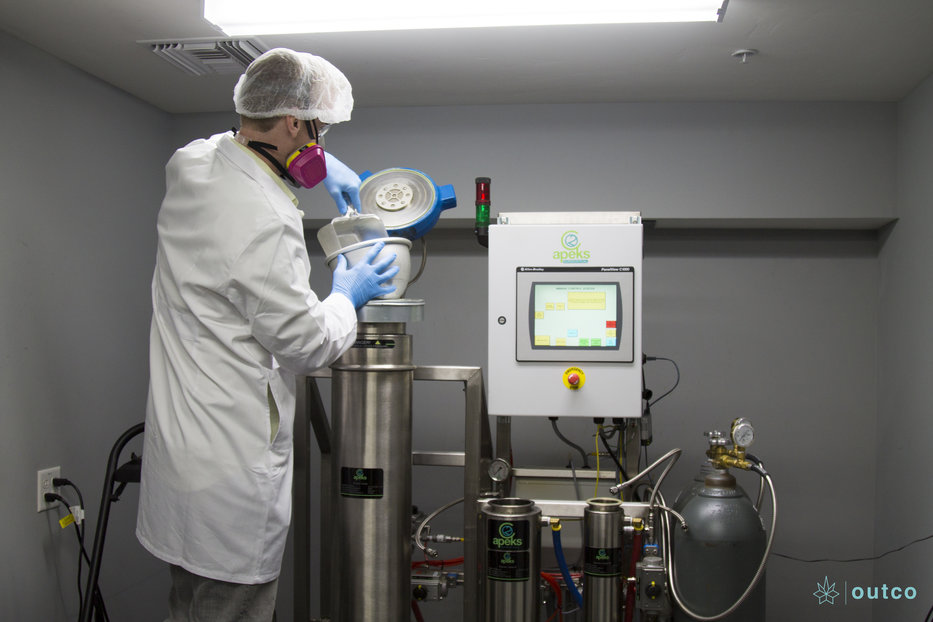
In 2021, extraction will be a major focus for cannabis organizations. Operations will continue searching for a competitive advantage to increase yield and develop superior products. Cannabis extractors will experiment with new ways to apply existing laboratory methods utilizing ethanol and CO2 as well as innovative cultivation methods adopted from the agriculture industry, using water and light exposure and different nutrients. R&D becomes a potential liability when cannabis extractors modify the use of existing equipment for a different type of extraction. Flammable products are often required, and explosions can occur.
If you are considering experimenting with R&D, engage your insurance broker to ensure the risk is covered within your existing policies and to explore best practices for experimentation and varying equipment use.
Desire for more security both inside and outside the operation
A cannabis operation’s security risk is two-fold. In light of the looting and civil unrest across the U.S. this year, heightened security measures were necessary for cannabis businesses to secure their goods. Additionally, a common risk— employee theft —increased as well.
Cannabis retail operations maintain a large supply of cash and product. As looting occurred, it was impossible to relocate cannabis product away from retail storefronts as a majority of state regulations prohibit cannabis to be removed from retail facilities. Owners and operators who did so risked being fined for non-compliance or losing their license.
The majority of cannabis theft — as high as 90% by some estimates — is employee related. In many cases, employees in cannabis grow facilities and retail storefronts scheme to cheat employers. Part of the challenge is that state regulations require plant and production facility blueprints to be publicly available. Thieves are using these layouts to plot their infiltration. In other scenarios, cannabis operators are recording walk-throughs of their facilities and publishing online documentaries. These also leave operators vulnerable.
Employers can increase security by restricting access exclusively to employee areas, while also investing in better internal access controls. Conduct an audit of your work areas with your cannabis insurance broker who can provide you with a list of best practices and do’s and don’ts for reducing theft.
Complications continue in compliance, banking and financial services
Even though cannabis is legal for medicinal or recreational use in 43 states, businesses still struggle to secure bank accounts, business loans and insurance coverage. Small local banks and savings and loan businesses may be more willing to engage with cannabis businesses in 2021, while large institutions will keep shying away.
At every stop of the supply chain, cannabis business operators need to be proactive when developing strategies to manage risk. That means implementing risk management protocols to protect their business, their workforce as well as securing the proper insurance coverage.
This also includes growing the cannabis business’ safety net by engaging necessary insurance policies, appropriate to the business’ size and exposure, including cyber, environmental liability and crime policies, or applying for emerging loan programs in an effort to secure additional capital.
Evolution of the industry into 2021 and beyond
While the cannabis industry is evolving and changing, much will ultimately remain the same in 2021. Even if the U.S. government takes steps to federally legalize cannabis, a bill would not go into effect until later in the year at best, more likely in 2022 or beyond. Until a bill is passed, cannabis businesses will look to remain viable beyond the state level. For all cannabis businesses, 2021 will be about building on what they’re already doing and preparing for what will hopefully come next.
In a press release sent out earlier this month, the Washington State Liquor and Cannabis Board (WSLCB) announced they have shut down Praxis Laboratory for falsifying test results. The WSLCB, the state regulatory agency overseeing Washington’s cannabis industry, said that Praxis inflated data for potency test results on more than 1200 samples, giving samples higher THC levels than the state actually found.
A google search revealed the laboratory has since shut down their website. A message appears when you go to their website: “This site is currently undergoing maintenance. Please check back later.”
Praxis Laboratory, located in Centralia, Washington, is also accused of interfering with the investigation. “During the investigation the lab owner attempted to destroy evidence of falsified data in an effort to obstruct LCB’s ability to conduct a complete investigation,” reads the press release. “Labeling cannabis with falsely high THC potency levels is a form of consumer deception and is prohibited under Washington law.”
The WSLCB has state authority to take actions like license suspensions when licensees operate illegally. The suspension lasts for six months, during which time the WSLCB will “seek permanent revocation” of the lab’s license to operate, due to fraud and obstruction during the investigation.
As a strange year heads to a final, painful finish, there have been some major (and some less so) changes afoot in the global world of cannabis regulation. These developments have also undoubtedly been influenced by recent events, such as the recent elections in the United States, state votes for adult use reform in the U.S. and the overall global temperature towards reform. And while all are broadly positive, they have not actually accomplished very much altogether.
Here is a brief overview of the same.
The UN Vote On Cannabis Despite a wide celebration in the cannabis press, along with proclamations of an unprecedented victory by large Canadian companies who are more interested in keeping their stock prices high than anything else, the December 2 vote on cannabis was actually fairly indecisive.
Following the WHO recommendations to reschedule cannabis, the UN voted in favor of the symbolic move. Despite removing cannabinoids from Schedule IV globally, a regulatory label designed for highly addictive, prescription drugs (like Valium), the actual results on the ground for the average company and patient will be inconclusive.
The first issue is that the UN did not remove cannabinoids themselves, or the plant, from Schedule I designation. This essentially means that countries and regions will be on the front lines to create more local, sovereign policies. This is not likely to change for at least the next several years (more likely decade) as the globe comes to terms with not just a reality post-COVID-19, but one which is very much pro-cannabis.
In the meantime, however, the ruling will make it easier for research to be conducted, for patient access (for the long term), and more difficult for insurers to turn down in jurisdictions where the supposed “danger” of cannabis has been used as an excuse to deny coverage. See Germany as a perfect example of the same.
It is also a boon for the CBD business, no matter where it is. Between this decision and the recent victory in Europe about whether CBD is a narcotic or not (see below), this is another nail in the coffin for those who want to use semantic excuses to restrain the obvious global desire for cannabinoids, with or without THC.
That said, the vote is significant in that it is a test of the current trends and views towards big issues within the overall discussion, beginning with decriminalization and a reform of current criminal and social justice issues inherent in the same. The Biden Administration, while plagued with a multitude of issues, beginning with the pandemic and its immediate aftershocks, will not be able to push both off the radar. Given the intersection of minority rights’ issues, the growing legality of the drug and acceptance thereof, as well as the growing non-partisan position on cannabis use of both the medical and adult use kind, and the economy, expect issues like banking to also have a hope of reform in the next several years.
Cannabis may be taking a back seat to COVID, in other words, but as the legalization of the industry is bound up, inextricably, in economic issues now front and center for every economy, it will be in the headlines a great deal. This makes it an unavoidable issue for the majority of the next four years and on a federal level.
Prognosis in other words? It’s a good next federal step that is safe, but far from enough.
The European Commission (EC) Has Finally Seen The Light On CBD
This combined with the UN rescheduling, will actually be the huge boost the CBD industry has been waiting for here, with one big and still major overhanging caveat – namely whether the plant is a “novel” one or not. It is unlikely as the situation continues to cook, that Cannabis Sativa L, when it hits a court of law, will ever be actually found as such. It has inhabited the region and been used by its residents for thousands of years.
However, beyond this, important regulatory guidance will need to fall somewhere on the matter of processing and extraction. It is in fact in the processing and extraction part of the debate that this discussion about Novel Food actually means something, beyond the political jockeying and hay made so far.
Beyond this of course, the marketing of CBD now allowed by this decision, will absolutely move the topic of cannabinoids front and center in the overall public sphere. That linked with sovereign experiments on adult use markets of the THC kind (see Holland, Luxembourg and Denmark as well as Portugal and Spain right after that), is far from a null sum game.
Legal Challenges Of Note
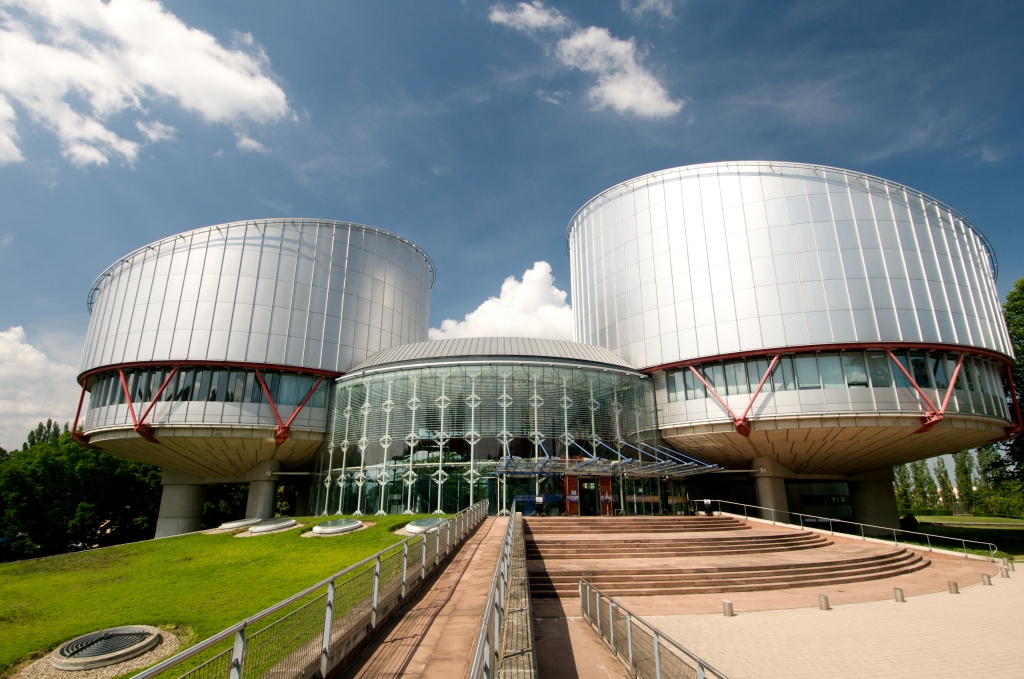
The European Court of Human Rights
Against this changing regulatory schemata, court cases and legal decisions remain very important as they also add flavor to how regulations are interpreted and followed. The most important court case in Europe right now is the one now waiting to be decided in the Court of Human Rights at Strasbourg regarding the human rights implications of accessing the plant.
Beyond that, in Germany, recent case law at a regional social benefits court (LSG) has begun to establish that the cannabis discussion is ultimately between doctors and their patients. While this still does not solve the problem of doctor reluctance to prescribe the drug, barriers are indeed coming down thanks to legal challenges.
Bottom line, the industry has been handed a nice whiff of confidence, but there is a still high and thorny bramble remaining to get through – and it will not happen overnight, or indeed even over the next several years.
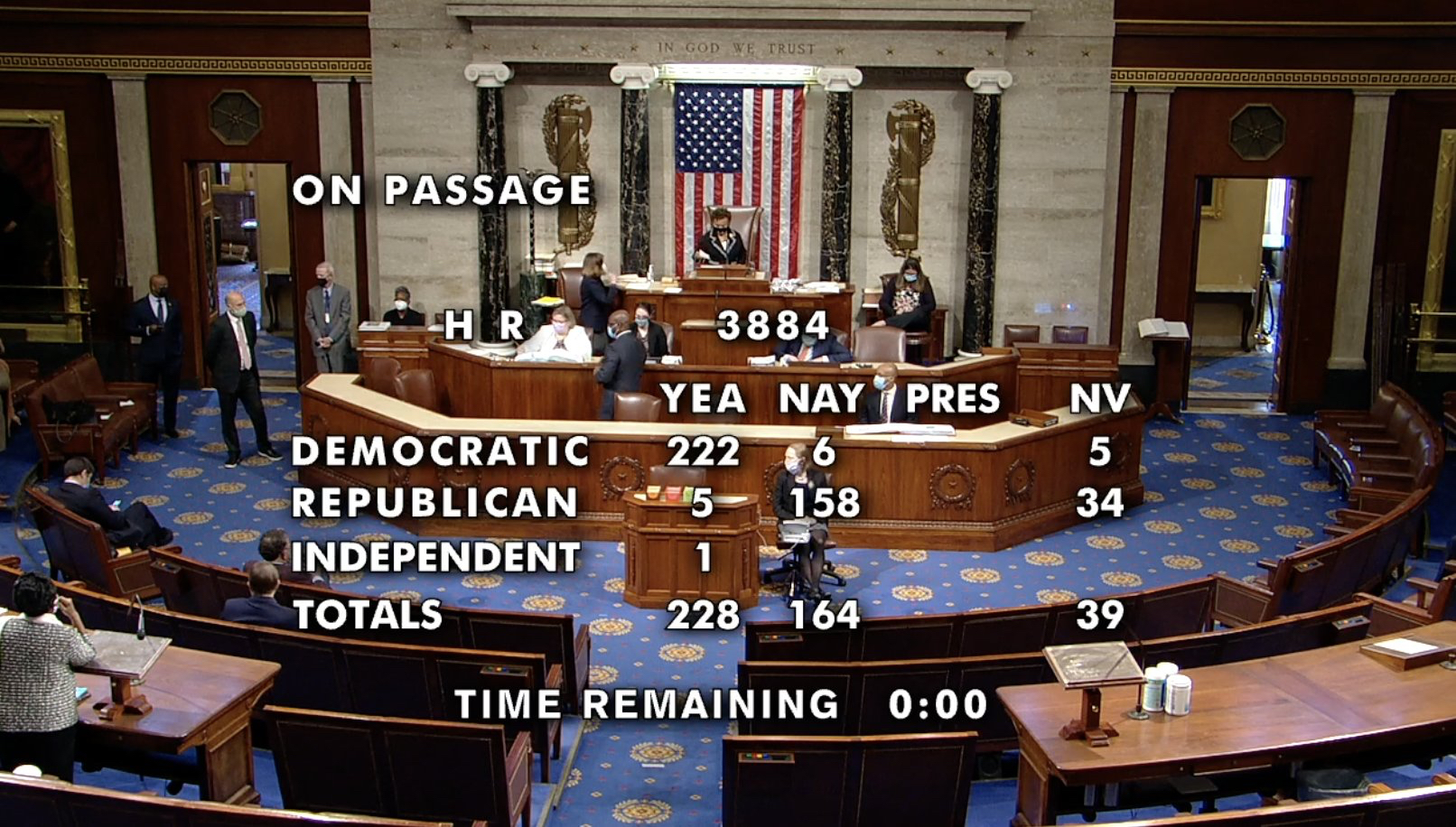
On Friday, December 4, 2020, the US House of Representatives passed the Marijuana Opportunity Reinvestment and Expungement Act of 2019 (the MORE Act), which would effectively legalize cannabis by removing it from the Controlled Substances Act. The bill (H.R. 3884) has several key components:
Most importantly, the bill would remove cannabis from the list of controlled substances in the Controlled Substances Act, as well as other federal legislation such as the National Forest System Drug Control Act of 1986. This would effectively end many of the obstacles created by the federal illegality of cannabis such as the lack of access to banking, tax consequences such as 280E, adverse immigration impacts and threats of federal criminal enforcement.
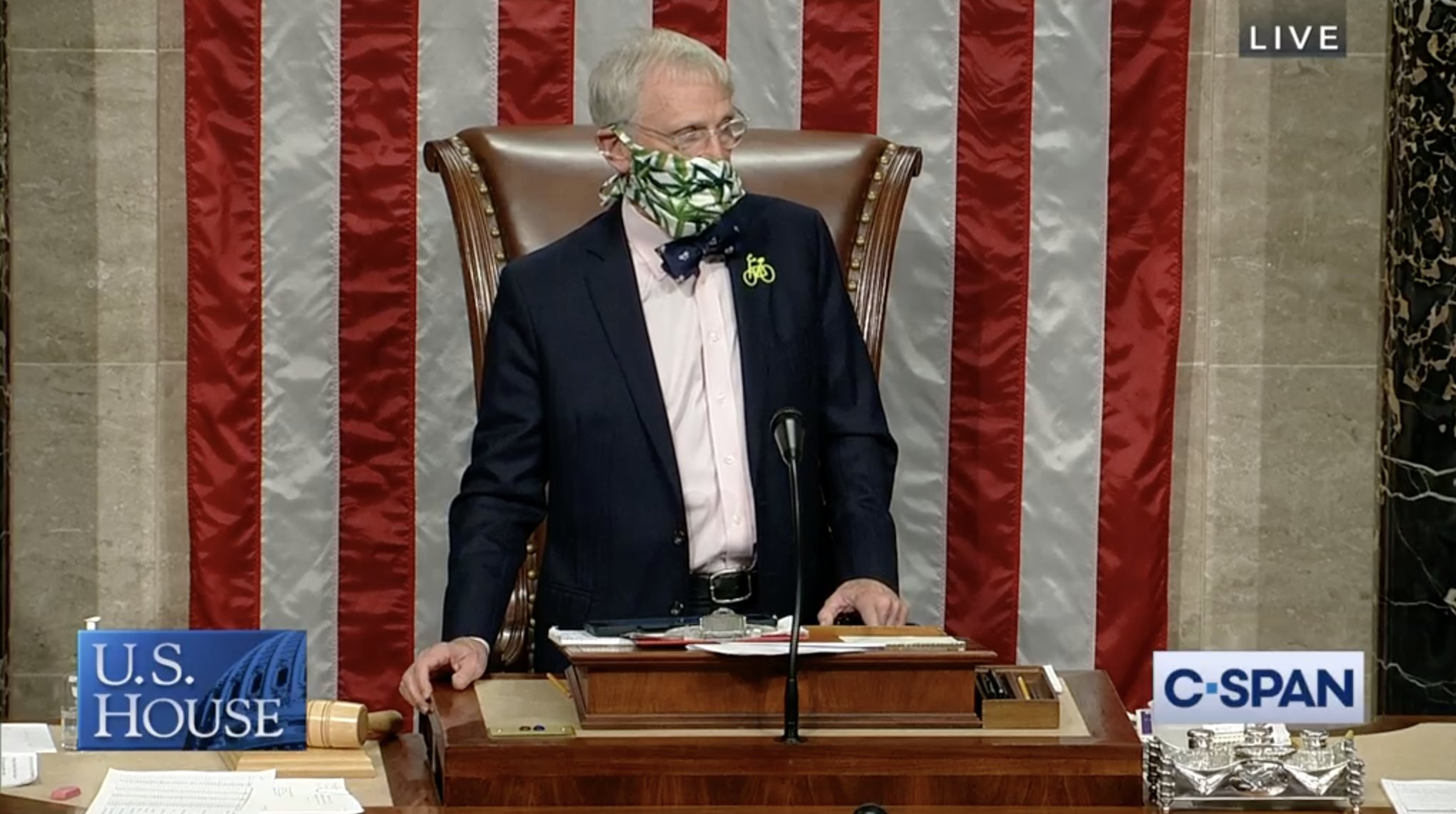
Rep. Earl Blumenauer (D-OR) donning his cannabis mask as he presides over the Congress
Second, not only does the bill preclude future prosecution for cannabis-related crimes, the bill is designed to be retroactive and would provide for the expungement of past non-violent cannabis offenses.
The bill creates a prescribed excise tax on cannabis and cannabis products. The funds collected from the taxes would be channeled into opportunity and reinvestment programs.
A Community Reinvestment Grant Program would be established aimed at the provision of services for “individuals most adversely impacted by the War on Drugs,” such as job training, education, literacy programs, mentoring, and substance use treatment programs;
A Cannabis Opportunity Program would be established providing state funds for small business loans in the cannabis industry targeted at social equity candidates; and
An Equitable Licensing Grant Program providing funds for states to implement equitable cannabis licensing programs aimed at minimizing “barriers to cannabis licensing and employment for individuals most adversely impacted by the War on Drugs.”
The bill would require all cannabis producers to obtain a federal permit. Cannabis businesses would need to be licensed at the state, local, and federal levels to operate.
This MORE Act is a substantial step in cannabis legislation. Reactions to the proposed legislation have been mixed. While the bill does include some measures aimed at social equity, critics of the bill claim it does not go far enough. Similarly, while the bill includes a federal permitting provision, this would be the beginning of a nascent federal regulatory scheme.
What does this mean for your business?
While this bill passed in the US House of Representatives, it would still need to pass in the U.S. Senate this term, which by most accounts does not seem likely. However, the passage of this bill signifies the progress that has been made and provides insight on what further legislation may look like.
According to a press release sent out last week, Kennebec Analytical Services (KAS) announced that they have acquired Cannabis Testing Laboratories (CTL), which was previously owned by Doane University. KAS is based in Lincoln, Nebraska and provides testing services for hemp and CBD producers in Nebraska.
CTL operates independently of the university, but the lab is a resource for faculty and students. There are internship and experiential learning opportunities available at the lab for students. In addition to that, the lab also helps faculty that teach cannabis-related courses.
Concetta DiRusso, Ph.D. is the CEO of KAS and says CTL has done provided testing for over 50% of Nebraska’s hemp market and provides hemp farmers with educational resources as the market gets off the ground. “Drs. Andrea Holmes, CTL founder, and Arin Sutlief, Laboratory Director, have done an outstanding job for Nebraska hemp farmers,” says Dr. DiRusso. “KAS is committed to continuing these valuable relationships and services for the hemp and CBD industries.”
The drug war has harmed communities of color since its inception. For decades and decades, BIPOC (Black, Indigenous, and other People of Color) have been nearly six times more likely to be arrested for drug use than White Americans, despite similar rates of use.
Over the years that legalized cannabis has proliferated across the country, the same trends of market consolidation have emerged in every state that has legalized the plant. BIPOC communities already impacted by the drug war have less access to capital and therefore less access to the cannabis industry. Cannabis market consolidation has always led to white people taking a greater market share while BIPOC communities are left behind.
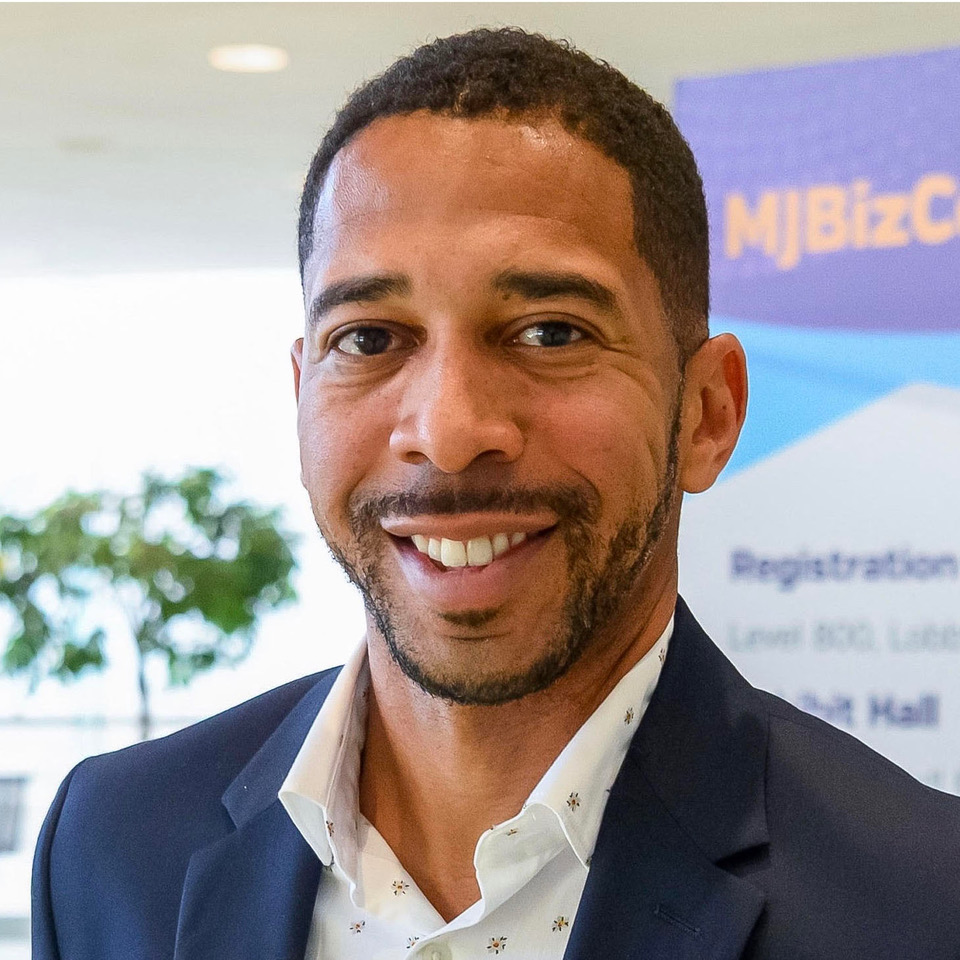
The legal cannabis industry currently lacks representation of BIPOC executives, business owners, and professionals. Ernest Toney, former global marketing and partnerships manager at Marijuana Business Daily, wants to change that. He founded the BIPOC Cannabis Business Network – a membership community that is working to make the cannabis industry more accessible and profitable for BIPOC professionals and business owners.
BIPOCANN is a place to meet cannabis industry leaders, a place to exchange goods, services and ideas that promote BIPOC economic growth in cannabis, an innovation hub for unique voices and perspectives, and it’s all BIPOC-owned and managed.
In this interview, we sit down with Ernest Toney to hear about BIPOCANN and ask him some questions about what the future of the cannabis industry could look like.
Cannabis Industry Journal: Tell me about your background- how did you get involved in the cannabis industry?
Ernest Toney: I grew up in Virginia and went to James Madison University where I studied kinesiology, and sports management in graduate school. That led me to pursue a career in sports administration, beginning as a sales and marketing director for a large YMCA in the southwest, followed by a stint as a sales consultant for the Arizona Diamondbacks in Major League Baseball. Immediately prior to joining the cannabis industry, I worked at USA Ultimate – the national governing body for the niche sport of ultimate (frisbee) in the United States. During that time, I managed and scaled adult programs and events across the country. A big part of my job required collaborating with national stakeholders and creating and enforcing policies to grow the sport by making it more accessible to diverse demographics. We also worked hard to increase the commercial visibility of the sport through mainstream media, including ESPN, with gender equity being a major focus area. It was cool because looking back, I learned a lot of things during that five-year period that is directly applicable to the work I’m doing to support the cannabis industry.
Ernest Toney, founder of BIPOCANN
But my interest in the cannabis industry became strong when I moved to Denver in 2011, a year before Amendment 64 passed. When Colorado became the first adult use cannabis market in the USA, it was an exciting time. I have always been curious about economics and how policies can impact people’s lives. I was interested in what was going to happen when the new market opened.
Early on, I followed the industry trends very closely. Living in downtown Denver, I saw firsthand the effects the cannabis industry was having on day-to-day life, like increased tourism, a housing market boom, a lot of new start-ups, dispensaries opening everywhere. It was just something I knew I wanted to learn more about.
Around 2016, I started making industry connections, but didn’t pursue opportunities until a few years later. Eventually, I was hired in 2018 by MJBizDaily to focus on new business initiatives. Some of my past successes with scaling programs, national and international event management, and community-building aligned with what they were looking for.
I started as the company’s first international marketing manager. In that role, I was responsible for driving marketing campaigns to increase the company’s global readership, event registrations, and business conference presence in foreign markets. After the first year, I transitioned to identify and manage marketing partnerships for the company – which included international and domestic media, event, and affiliate partnerships within and outside of cannabis.
I felt compelled to make a change amidst the social unrest this summer. I was doing my own protesting and volunteer advocacy in Denver, but started to see more broadly, in the cannabis industry, that cannabis executives and companies were bringing attention to the fact that the War On Drugs has been problematic for minorities and communities of color. There was greater talk about social equity programs and how they are not as effective as they should be. There was greater attention to the fact that over 40,000 people are still incarcerated for the plant that others are profiting from – and that the people behind bars are predominantly coming from communities of color. I was in a position that afforded me the opportunity to see what the composition of the global cannabis industry looked like, and I could see minority representation was lacking in business ownership, leadership positions, and more.
I thought – what is the best way for me to use my talents, insights, and knowledge to affect and change this narrative? Ultimately, I decided to start my own business. Not only was this an opportunity for me to “walk the walk,” being a black man starting a business in this industry where there is a lack of black ownership, but more importantly I was uniquely positioned to be able to educate and let people know about the opportunities to be a part of the booming industry. So, I did some brainstorming and came up with a company, which is called BIPOCANN and it stands for connecting BIPOC communities to the cannabis industry.
The work I have been doing for the last quarter includes directly recruiting people into the industry. If you are curious and want to learn more about the industry, then BIPOCANN can be the entry point. We figure out what your goals are and use the network and our resources to get you connected and figure out where you want to go. Likewise, if you are a service provider, like a graphic designer, accountant, marketer or business owner for example, that sees opportunities for your business to play a role and support it from an ancillary standpoint, BIPOCANN can be an entry point for you too.
The other component to it is working with existing businesses who are trying to make the industry more accessible. I work with existing companies and brands to create platforms that amplify voices and make BIPOC folks more visible, seen and heard within the cannabis industry. We are also helping businesses increase their profitability through diversification tactics and marketing tactics that contribute to their bottom line.
CIJ: Tell me about BIPOCANN- what is it, what are your goals with this project and how has it been received so far?
Ernest: The prohibition of cannabis has disproportionately impacted communities of color in the Americas. I alluded to this earlier, but there are more than 40,000 people behind bars in the U.S. for cannabis possession and use. There’s evidence suggesting that Black Americans are up to six times more likely to get arrested for cannabis use than White Americans despite use rates being the same. And when you look at the makeup of the professional industry, there is poor representation of business ownership by people of color. The Cannabis Impact Fund references that only 4.3% of dispensaries are Black or Latinx-owned. These problems intersect in a lot of ways.
BIPOCANN is a small business working to make the cannabis industry more accessible and profitable for BIPOC professionals and business owners. Now, I know that one company cannot change 100 years of cannabis prohibition and how policy works. But if you want to make this industry more accessible, inclusive, and profitable for those who do not have the access then there are a lot of levers to pull. Policy is one. But BIPOCANN is using more direct strategies. We actively recruit people to come in and be a part of this industry, through employment, entrepreneurship, consulting, and collaborations.
We have also created the BIPOC Cannabis Business Network, a community where members can exchange services, network, and collaborate. It’s all about creating more opportunities for BIPOC professionals and business owners, and it’s a safe space to share your experiences and to ideate. Similar to your Cannabis Quality Virtual Conference, where there was a dedicated space for BIPOC folks to be seen and heard and tell their story through your virtual panels, we use our resources and network to help advocates for equity and access be seen, heard, and find opportunities to thrive as a business owner or professional.
CIJ: How do you hope BIPOCANN will be embraced by the cannabis community?
Ernest: I think it has been received well in its first quarter of business. We have had opportunities to share our story across a lot of platforms, including multiple cannabis industry conferences, podcasts, and interviews with varied media outlets. We are in startup mode, so currently we are about building a brand, being seen, and helping people understand what we are trying to achieve. We are working towards that right now. We have had some success and folks are supporting our vision and goals.
I am hoping the cannabis industry will look at BIPOCANN as another important resource within the social equity, business development, and networking landscape. I don’t want to be seen as a competitor to the organizations and individuals who have been doing similar work in this space, for much longer, but as an ally. Some of our approaches to bring new people into the industry will include strategically aligning communities and markets where we have strong ties – such as state governments, national nonprofits, and global cannabis networks.
CIJ: Where do you see the cannabis industry making progress with respect to diversity and including people of color?
Ernest: When I look at the types of conversations and coverage the industry is having, even compared to last year, it seems like more conferences, media entities, brands, and individual leaders are tuned in and trying to figure out how they can contribute to making this industry better, more equitable and more accessible. I am seeing a lot of more attention, attempts to understand where the gaps are and what to do about it.
When I take a step back to think of all the virtual conferences that have made dedicated conference tracks or even entire programs – like the National Association of Cannabis Business’ Social Equity Conference, the Emerge Canna Conference, the Cannabis Sustainability Symposium, and the Cannabis Industry Journal’s post-election social justice panel – or weekly segments from Black leaders like Dasheeda Dawson (She Blaze) and Tahir Johnson (The Cannabis Diversity Report) — those are good signs. They are creating opportunities for voices representing underserved communities in cannabis to share their perspectives and be advocates for change.
But there is still much to do and that includes greater education about the realities, histories, and challenges BIPOC and other minority communities are facing. Going back to the NACB, they recently drafted a social equity standard for state legislatures to use as a baseline for crafting policies and provisions for social equity programs. That and resources from organizations like the Minority Cannabis Business Association, Supernova Women, Cannaclusive, Minorities for Medical Marijuana, and the Massachusetts Recreational Consumer Council, for example are some useful resources for the industry.
Wana Brands is also continuing to do good work, and it was exciting to see them become the first sponsor of the inaugural Black CannaConference by the Black CannaBusiness Magazine. That was a great example of an industry leader using their dollars, marketing resources, and company values to support an event specifically dedicated to creating, developing, and enhancing Black entrepreneurs and businesses in the cannabis industry.
“It is hard to know what even a year from now will look like.”On the policy front, we just saw on election day cannabis having a ton of success at the polls, passing in every single state where there was a ballot measure.
Arizona did a good job with having social equity provisions directly included in the language on their ballot measure. I think for the states that have yet to draft a social equity program, they can look at what has worked well in some other states and also look at what has not worked well, like loopholes that invite predatory behaviors.
I’m excited to see that Governor Ralph Northam and the Virginia Marijuana Legalization Working Group are already identifying the best ways to make a recreational market a beneficial and sustainable one, and tackling how to incorporate social equity, racial equity, and economic equity into a future legalization bill. I am looking forward to learning more after an upcoming meeting with a Working Group member. Eventually, I hope to contribute towards any social equity efforts that will benefit my home state and hometown (a high poverty community that has been at the crossroads of America’s major civil rights movements, with a correctional facility that houses an inmate population equivalent to nearly 10% of the town population).
CIJ: Where do you see the industry moving in the next five years?
Ernest: Ha-ha! It is hard to know what even a year from now will look like.
Just this week the United Nations rescheduled cannabis, which is a big deal! We also saw the U.S. House of Representatives pass the MORE Act. We are inching closer towards federal legalization in the US and I think it will happen within that five-year timeframe, and it will be contentious. There will be compromises on things some folks don’t want compromises on, there will be more big money influencing the outcomes of the industry, and there will be unforeseen or unintended consequences to whatever the federal legislation looks like. I recently moderated a panel of social equity license holders, who felt that federal legalization would harm the disproportionately impacted areas (by the War on Drugs) even more! Their preference was to see cannabis de-scheduled and remain under state control.
I think federal legalization will bring another wave of major mergers and acquisitions, similar to what the Canadian market experienced in 2019, benefiting big business over small business.“We need folks who are educated and informed about these matters to be at the policymaking level to have a fighting chance.”
CIJ: Do you think we can change that?
Ernest: There are so many things at play. The legislators need to have diverse perspectives and representation from the folks in the industry, especially people of color who can speak to the impact that a century of prohibition policies have had on their communities. Those voices and stories need to be heard, but that type of representation is grossly lacking on Capitol Hill…which is all the more reason we need leaders from the aforementioned communities to have a seat at the table when decisions are made.
I say that because a lot of time there are unforeseen consequences when policies are created, so decision makers at the federal level can learn from those of us already doing the work on the local level. I recently had a conversation with a former journalist and colleague who is currently in a cannabis regulatory role. We were talking about how policy and operations intersect with social equity. He made the points that “many markets implement license caps, which are intended to prevent oversaturation of cannabis business (the idea being that density of outlets impacts use rates, and particularly youth use rates); in theory, that’s a good policy – but it comes with very real consequences for social equity applicants (because those licenses often go to the wealthiest applicants). License caps also artificially inflate the cost of those licenses (for a transfer of ownership), which also harms social equity applicants. Lotteries are also generally the result of policy and usually have disastrous results for the social equity applicant.”
So yeah – the rare opportunity to define a new industry that doesn’t just do business as usual, that can right its historical wrongs, and that will reward the communities that have been most harmed by cannabis enforcement, is now. And we need folks who are educated and informed about these matters to be at the policymaking level to have a fighting chance. The optimist in me says “we can do it!” The pessimist in me reminds me that it is 2020 and people still believe the Earth is flat. I’ll keep pushing for change, but I also won’t be surprised if this perfect opportunity to get it right goes wrong.
CIJ: How can people get involved in BIPOCANN?
Ernest: The best way to get involved is to visit www.bipocann.com and support our efforts by becoming an individual member or business member. Not only does that give you the opportunity to connect directly with other members in our business network, but it gives you the chance to be the first to be notified about the latest projects, events, and opportunities we’re working on to change the industry, how we can. By joining, you also directly support BIPOCANN’s goals, contribute to the operating budget of a black-owned business in cannabis, and support the nonprofit partners who we allocate a percentage of monthly sales towards.
You can also get involved by subscribing to our monthly newsletter through the website or by following our social media accounts @bipocann. We are also available for speaking, media, or consulting projects that support social equity, diversity, and inclusion in cannabis. For those types of inquiries, please contact ernest@bipocann.com.
Rep. Earl Blumenauer (D-OR) donning his cannabis mask as he presides over the Congress
Rep. Earl Blumenauer (D-OR), a co-sponsor for the bill and co-chair of the Congressional Cannabis Caucus, donned a cannabis leaf mask as he presided over the floor debate in the House of Representatives on the morning of December 4. After the debate on the floor, the House of Representatives voted 228 to 164 to pass the MORE Act.
While this vote is historic and should certainly be celebrated, it is unfortunately a mostly symbolic win. During the Post-Election Analysis episode of the Cannabis Quality Virtual Conference, Andrew Kline, director of public policy at the National Cannabis Industry Association (NCIA), told attendees that this bill always had strong support in the House, but not enough support in the Senate. “You know I think there is pretty much a 100% chance of it passing the House,” Kline said back in early November. “I don’t think they would’ve scheduled the vote if they didn’t have the votes.”
The House voted 228 to 164 to pass the MORE Act.
Kline told attendees that Republican priorities are most likely to blame when the MORE Act fails to get enough support in the Senate. “The bigger question is what happens when it reaches the Senate and I think it is all but dead when it gets there,” says Kline. “Mitch McConnell has been reluctant to move any legislation over the past four years. He’s really ignored most legislation and particularly any legislation he doesn’t like. He doesn’t like cannabis and it appears to me he barely even likes hemp. He’s really not even fighting for the hemp industry.”
While the MORE Act likely doesn’t have a chance in the Senate, it passing the House is still a monumental moment in cannabis legalization history. This marks the first time in 50 years that Congress has revisited cannabis prohibition, according to Justin Strekal, political director of NORML. “This is a historic day for marijuana policy in the United States,” says Strekal. “By establishing this new trajectory for federal policy, we expect that more states will revisit and amend the archaic criminalization of cannabis, establish regulated consumer marketplaces, and direct law enforcement to cease the practice of arresting over half a million Americans annually for marijuana-related violations – arrests which disproportionately fall upon those on people of color and those on the lower end of the economic spectrum.”
Along with all of the success that cannabis had on Election Day, including five states legalizing it, the House passing this legislation is a symbol of shifting attitudes toward cannabis and serious progress on the federal legalization front.
The real question that should be asked is what will the 117th Congress do? If Democrats gain control in the Senate following the runoff elections in Georgia, it could reinvigorate the momentum behind this bill and offer a renewed breath of life.
This website uses cookies so that we can provide you with the best user experience possible. Cookie information is stored in your browser and performs functions such as recognising you when you return to our website and helping our team to understand which sections of the website you find most interesting and useful.
Strictly Necessary Cookies
Strictly Necessary Cookie should be enabled at all times so that we can save your preferences for cookie settings.
We use tracking pixels that set your arrival time at our website, this is used as part of our anti-spam and security measures. Disabling this tracking pixel would disable some of our security measures, and is therefore considered necessary for the safe operation of the website. This tracking pixel is cleared from your system when you delete files in your history.
We also use cookies to store your preferences regarding the setting of 3rd Party Cookies.
If you disable this cookie, we will not be able to save your preferences. This means that every time you visit this website you will need to enable or disable cookies again.


 It’s also worth noting that we have seen many inevitable changes in patient behaviors during the pandemic, including an increased need for medical cannabis. There was a patient demand for convenience, safety and no-contact services, increased online ordering, scheduling and curbside pick-up or delivery. Many of these services were already on the rise in popularity throughout the various legal states. While Arizona’s recreational program prohibits delivery until at least 2023, retail adult use consumers will expect some of these services to extend to the new market. As life after the COVID-19 pandemic continues on and the need for some of these safer more convenient options also continues, we hope to see them more permanently implemented from a legal and regulatory perspective. For now, here are the highlights we’ll see come into play in the first few months of 2021 as Arizona adopts its new adult use cannabis program.
 But of course, state law is just one part of the equation. Adult use cannabis facilities must be licensed separately from state to local levels, including counties to cities to local municipalities, all of which may also adopt rules and requirements through zoning and land use ordinances. Swift and certain timelines established by the Smart & Safe Act dictate the speedy launch of this new program, first utilizing the existing medical cannabis infrastructure.
 Early adult use license applicants are reserved for those that currently hold in good standing at least one Medical Marijuana Registration Certificate (“Medical Marijuana License”) and applicants applying to counties with no current operating dispensaries. Any county with a single operating dispensary (a medical cannabis dispensary) will be allocated an adult use license (dual license) as long as the medical license holder is in good standing for the application. All adult use licenses allocated to those counties without a current operating dispensary must keep that dispensary within that county.