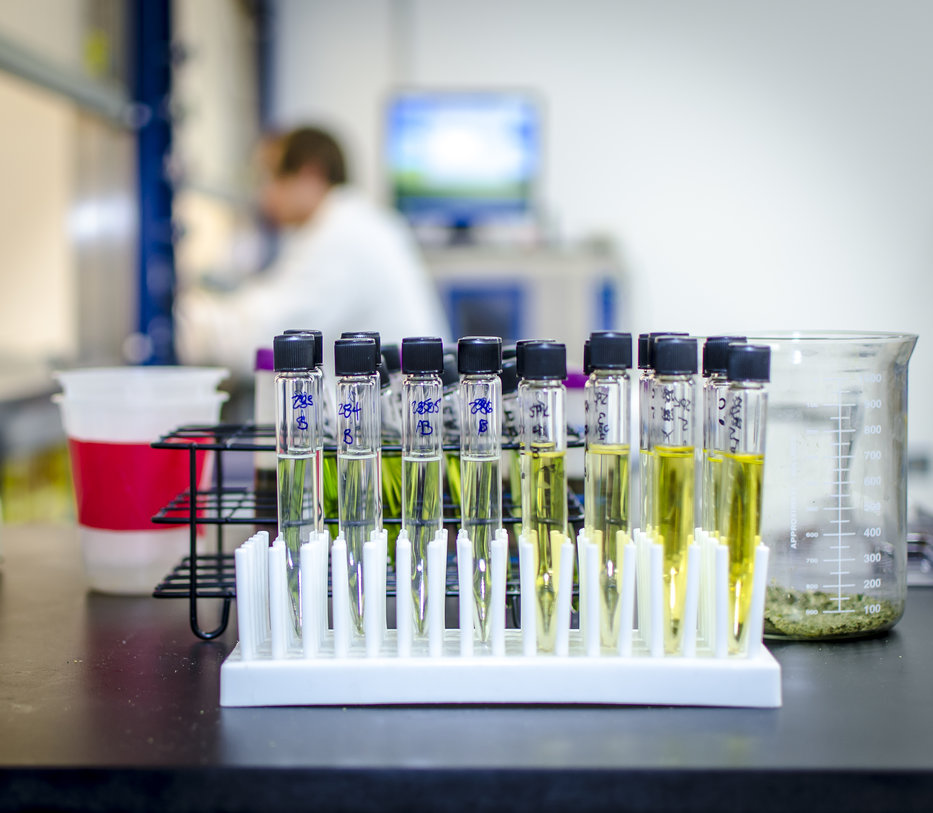
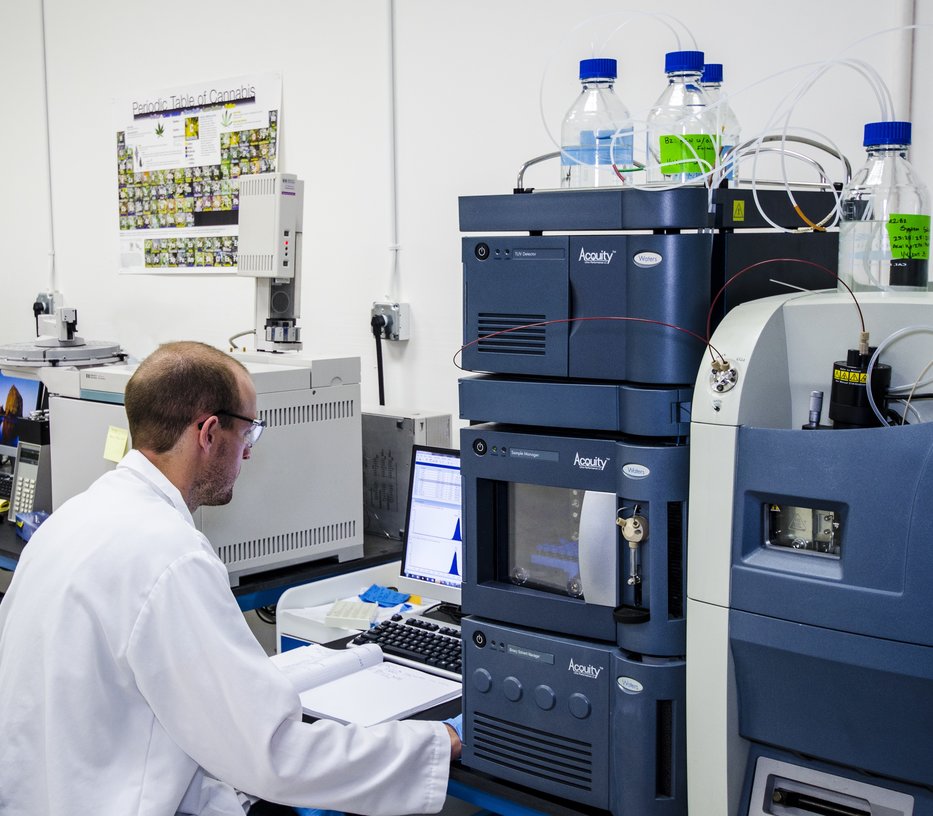
In Maine, a laboratory released a study they conducted, finding a 17% failure rate of dangerous pesticides in cannabis samples tested. The state requires testing for adult use cannabis, but not for medical cannabis. Just under 4% of adult use samples failed a pesticide screening, while over 20% of all medical samples they tested failed the same screening. Nova Analytic Labs conducted the study and found piperonyl butoxide, bifenthrin, spinosad, imidacloprid and pyrethrins in both adult use and medical cannabis samples.
Also in the Northeast, a NY Cannabis Insider investigation found labs breaking rules for reporting pesticides and other contaminants as well as companies misreporting numbers and selling cannabis that has failed tests. New York only allows outdoor cultivation to encourage environmental sustainability, but some say that rule is what is behind high microbial test failure rates. To ease the burden, New York simply removed mandatory microbial testing.
Now, Oregon is doing the same: removing microbial testing burdens because too many businesses are failing them. Back in March of this year, Oregon started to require tests for aspergillus contamination, but a legal challenge halted that rule in late August and state regulators complied, doing away with the testing requirement for now. Stakeholders in many cannabis markets, including New York and Oregon, still debate just how much of a public health risk microbial contamination in cannabis truly is.
Meanwhile in California, regulators have sent warning letters to labs threatening stiff penalties if inaccurate test results are found. While these warning letters highlight THC potency inflation and laboratory shopping, a rising concern in markets across the country, they also mention falsifying scientific data, which has been known to occur in pesticide testing results as well.
The common theme across these markets is lab testing policy at the state level and an inability of an entire industry to come to any agreement. In lieu of any federal guidelines on a national level, disjointed state policies and preventable lab testing problems like these continue.
A review of these various jurisdictions, the EU, the UK, and the USA, makes it clear that testing of CBD to ensure public safety is paramount to staying in business, and indeed to the survival of the industry. In the UK it is imperative to be active in the Novel Food licensing regime to remain on the market. In the EU, it is imperative for a legitimate market at all.
In the USA, it may very well become an imperative, if not because of the FDA or even Congress, but rather because as the U.S. market matures, lawsuits over product liability are almost inevitable, pointing to the lack of toxicology reporting or to the way a product was manufactured or marketed. Until the FDA plays a more robust role in establishing standards for the safety of CBD in food products, the best means for companies to protect themselves is with a Novel Food inspired testing regime to confirm product safety.
What this means for the CBD industry
Companies want a clear path forward for investments in the CBD sector. Litigation is predictable, especially in a litigious society like the U.S., as companies prepare themselves with toxicology reporting that satisfies the FDA. There will be clear winners and losers in the CBD market place, most likely based on a toxicology report.
The EFSA, FSA, FDA, the various state level hemp associations dotted across America and more intriguingly, businesses who see testing requirements as a legal means of ousting the less-well-financed competition, are all advocating for testing. This makes sense: There is no future in betting on the unknown. Anything short of a clear safety standard is just guessing with people’s health and thus the company’s future.
So, what are we left with?
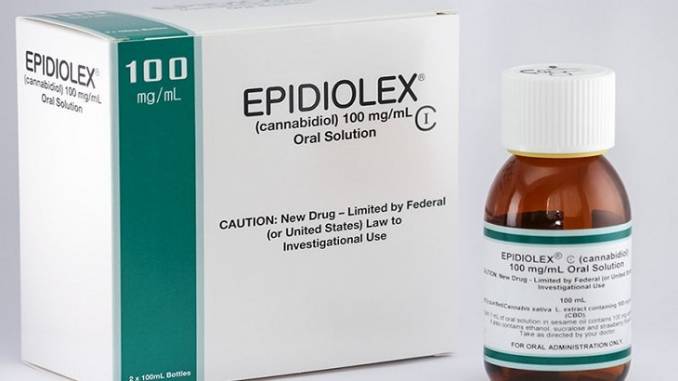
Clearly, there is a need for a toxicology report prepared on behalf of the CBD sector. And one about CBD as a food supplement, not as a medicine. It is worth noting that Miller also remarked on how Epidiolex contained high doses of CBD. It needs to be made clear that the medical study of Epidiolex is not consistent with a study of non-medical levels of CBD when used as a supplement.
At present, the biggest challenge facing CBD product manufactures, whether in the USA, EU or UK, is the lack of controlled studies and thus the inability to illustrate the necessary toxicology reporting in their portfolio. Even in the US, the FDA has said it can’t conclude that CBD meets the standard of “generally recognized as safe” (GRAS) for use in human or animal food. Thus, the future of CBD lies in a company’s ability to illustrate by means of a study and accompanying toxicology reports that their brand is firmly in line with the required safety and data standards.
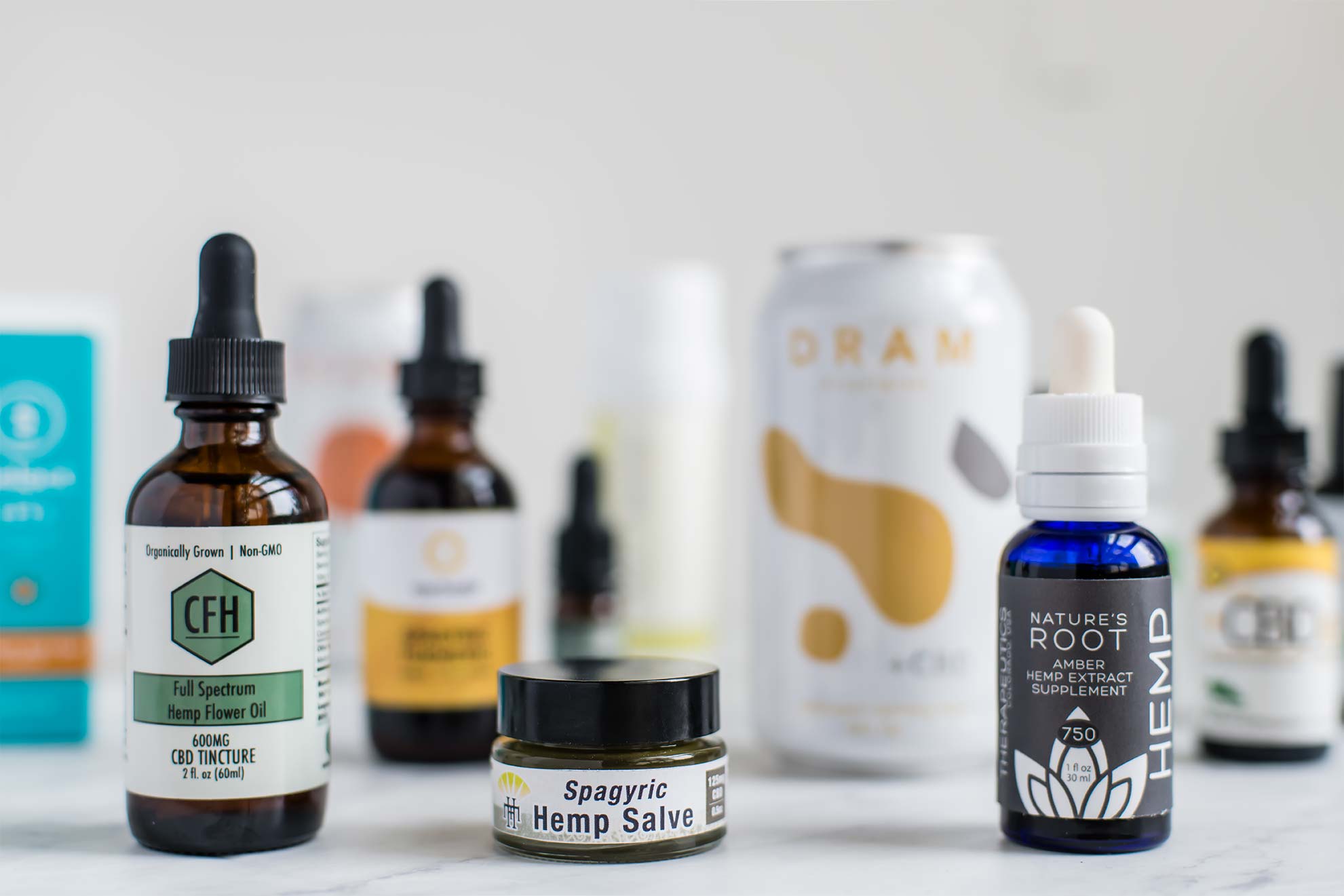
Just some fo the many CBD products in the U.S. market out there
Here is where the EU and the UK may have an advantage, through involvement in the Novel Food application and licensing procedures. The needed legal security for the marketing of CBD products can only be achieved by their approval as Novel Foods. Projected costs for an individual company registering CBD isolate and full spectrum distillate under the Novel Food guidelines requires an investment of €3.5 million. As this is prohibitively high for most companies, at the June 2019 General Assembly, the EIHA proposed the creation of a consortium, with the aim of submitting a joint Novel Food application and sharing these costs among the members.
How the “EIHA projects GmbH” Partnership Works
The founding members of the EIHA projects GmbH have a preferential partnership rate. As a partner, I am able to sub-license products or brands in the EU and this license will be valid in the UK when the application is validated and on the Union list, and is equally valid in the USA.
The Atlantic Ocean is getting smaller and it appears that the FDA might very well decide that the US needs the same European safety standards applied to products at home. Sub-licensing is clearly an inexpensive pathway for an American brand to claim toxicology and safety testing PLUS get access to the EU market. It is imperative for businesses going forward to take a serious look at their future business goals and align themselves with an advancing regulatory environment confirming their commitment to approved quality products.
This is Part Three of a four-part series discussing European cannabis regulations. Click here for Part One and here for Part Two. Part Three dives into dosage, approvals and more. Stay tuned for the final Part Four, coming next week.
But does CBD harm the liver?
Here, it is important that we compare apples to apples. Supplements are intended in addition to one’s usual diet. Medicines, on the other hand, are meant to alter a condition to solve a problem. Epidiolex is a medicine, not a supplement. According to Epidiolex the recommend dosage of Epidiolex, a highly purified form of CBD, is between 5mg and 25mg per kilo body weight per day. That means that an average 70 kilo adult would need to take between 350mg and 1750mg per day!
At this moment, even the FSA states that a recommended dosage should not exceed 70mg per day and most recommendations are much lower. This is because supplements are not medicines.
The point is that Epidiolex is an FDA-recognized medicine and should not be compared to a supplement. Supplements may range from vitamins, minerals, herbal products and botanicals, and are offered without a prescription to people who wish to maintain or improve their health. Purchasers of supplements, as the word suggests, are supplementing their diet or lifestyle, they are not seeking a doctor prescribed medicine.
The supplement or additive industry has no desire to confuse the objective of a supplement with one of a medicine. The objective of testing CBD is to confirm its usage as a supplement, so a firm line can be drawn between what is a medicine, formed to make conditional changes to the body, and what is a supplement to a normal diet.
Despite the FDA’s website warning that CBD is not a legal additive to food or drinks, at this point, the Agency seems to limit actions to claims, and not the safety of the product itself.
This position may be about to change.
The FDA has made inquiries with the European authority, EFSA, concerning testing and safety requirements. It is quite possible the FDA prefers the ‘EU approach’ over the current ‘wild west approach’ driving the American CBD industry.
In response to interview questions directed to FDA spokesperson, Courtney Rhodes says:
“CBD cannot lawfully be sold as a dietary supplement or as an ingredient in food under the FD&C Act. (Bold italics by the FDA) Food ingredients must be shown to be safe to be lawfully added to food. That means, there must be a reasonable certainty that an ingredient’s intended use won’t cause harm”.
If this is the case, one may well wonder why the FDA is not enforcing the FD&C Act. The answer might lay in great part to the specifics of the 2018 Farm Bill (formally, the Agriculture Improvement Act), where the only statutory metric for cannabis as a controlled substance is the reference to the 0.3% delta 9 THC level. Many see this poorly written bill as an open door for cannabinoids to hit the markets legally, much to the chagrin of many state lawmakers.
FDA spokeswoman Rhodes says that the 2018 Farm Bill effectively “removed hemp from [DEA] regulation.” By defining hemp as Cannabis sativa L. with a delta-9 concentration of 0.3% or less, “hemp derivatives, [like] CBD, …meet that definition of hemp and [are] not prohibited under the Controlled Substances Act.”
Thus, any enforcement on the part of the FDA is legally hamstrung due to the way the 2018 Farm Bill was written.
But is change in the air?
Research has yet to settle on “how much CBD can be consumed, and for how long, before causing harm,” says FDA Principal Deputy Commissioner Janet Woodcock. The existing regulatory framework for food and supplements are inappropriate for CBD, she says, and the FDA does not, in fact, intend to pursue rulemaking that would allow for the inclusion of CBD in dietary supplements.
So, what does the FDA intend to pursue?
While the FDA has generally focused on unsubstantiated health claims for food and beverage products, it is also on record stating that available data did not show CBD products as meeting the safety standard for a human or animal food supplement. “A new regulatory pathway for CBD is needed,” the Agency says, “that balances individuals’ desire for access to CBD products with the regulatory oversight needed to manage risks.”
What would such “a new regulatory pathway” look like? Most likely, that new testing requirements for CBD could come into effect. This could eventually mean testing requirements much like those in the EU.
Have the studies of Epidiolex, with findings based on extremely high dosage levels tainted the CBD discussion?
The structure of cannabidiol (CBD), one of 400 active compounds found in cannabis.
“The FDA is relying on pharmaceutical studies that show risks at larger doses,” says Jonathan Miller, general counsel for the U.S. Hemp Roundtable, adding that there is a decade of clear and established evidence of the safety of CBD products sold at retail. This is hard to deny: The industry has been selling CBD products for the last 10 years without any significant health issues arising. Thus, says Miller, creating a new regulatory pathway would not be necessary as the dietary supplement and food pathways are already provided for under the FD&C Act.
Authorities and industry leaders alike want regulations that promote business while at the same time protecting consumers. “The FDA’s inaction for the past year has facilitated an unregulated marketplace — which is bad for consumers and bad for business. It’s time for FDA to announce a legal pathway to market for these CBD-containing supplements and to commence meaningful enforcement against products that flout category-wide requirements for dietary supplements,” says Steve Mister, president and CEO of the Council for Responsible Nutrition (CRN), quoted on the crnusa.org website.
It is clear that the FDA does not want CBD in food and beverages and likewise claims there is no clear regulatory pathway, citing scientific data on CBD based on the Epidiolx study, which has little room for claiming CBD could be safely used as a supplement because the study is based on medicine, not a supplement.
Parallel to this, the US Hemp Roundtable and other industry stakeholders are urging the U.S. House Committee on Oversight and Accountability to move forward with an investigation into the lack of regulatory action on CBD products by the U.S. Food and Drug Administration (FDA). Does this mean that hemp lobbyist Jonathan Miller for Hemp Roundtable wants toxicology testing? “Yes,” he definitively answered.
Serious business requires the security that only toxicology reporting can give. Most of the large industry stakeholders have been engaged in toxicology testing for years, as time, not just funds, is a crucial factor. The EIHA projects GmbH began testing in 2020 and is not yet finished.
If congress and the FDA were to require toxicology reporting tomorrow, would your company be ready?
Recently, Congress requested detailed information regarding the regulation of CBD and other cannabinoids. This comes on the heels of frustration around federal inaction with regards to cannabinoid-containing products produced from Cannabis sativa L. plant extracts that can be classified as “hemp” products amidst the clear need for safety standards that goes above and beyond state minimum compliance requirements.
A Historical Deja Vu?
The author will be joined by his colleagues leading the Seed to Sale Safety Workshop on October 16 at the Cannabis Quality Conference. Click here to learn more. Product safety standards predate the birth of our nation (and many others). From the days of the first pharmacopeias which rival the oldest documented use of the cannabis plant, to modern regulations, the quest for safety has been a constant theme. But as the saying goes “Old habits die hard,” but so do safety issues. From peanuts to thalidomide and tobacco, we’ve seen this movie before – and it is time for a new ending.
A Universal Desire for Safety
Whether you are an investor, executive, technician or anywhere in between – nobody in the cannabis industry (and all its end uses, including industrial hemp) wants to knowingly produce unsafe products. The risks of ignoring safety are real and tangible. Whether it is 20+ years in jail for being an executive of a company that knowingly sold adulterated products and was linked to seven deaths or 10,000+ deformed children, many of whom died at birth because of a drug approved for morning sickness – there is no shortage of case studies we can learn from. Even cannabis has been known to cause injury and death in consumers – not because of the d9-THC, but the impurities. As the industry continues to innovate and develop new product form factors – whether it is new delivery methods of d9-THC in soluble beverage forms, or the rise of manufactured cannabinoids in unregulated marketplaces – it’s critical to understand the risks of your entire production process and to mitigate them. No cannabis company is immune from making costly and dangerous mistakes. It’s not just about compliance – it’s aboutpublic health and safety.
Safety Can Be a Sticky Subject
Safety is indeed a complex subject, especially when it comes to cannabis products. For instance, acceptable limits for microbial contaminants for the inflorescence of a Cannabis sativa L. plant are quite literally all over the map. What about the route of administration? Take an inhaled product (like a vape pen) vs. an ingested product (e.g. an edible). Many outdoorsy people like myself may enjoy the smell of cooking s’mores over a campfire, but the particles and VOCs can irritate our lungs, especially when exposed over long periods of time. We aren’t inhaling those s’mores – so the production of the marshmallow, chocolate and graham crackers come with different risks we need to evaluate. It’s not just about the product – it’s how it’s consumed.
Safety Standards – the Fabric of Our Society
Standards are unsung heroes of our daily lives. Whether it’s to keep planes from falling out of the sky, cribs and dressers from crushing young children, preventing train derailments or ensuring the safety of our food and medical products – standards keep us protected – just like grandma’s quilt. The absence of standards can be expensive, and anyone familiar with the accusations of d9-THC lab-shopping and inflated label claims knows that the cannabis industry is the poster child for this.
Congress has long recognized the importance of standards in protecting everyday consumers, as demonstrated by numerous legislative acts. A few notable and relevant ones to cannabis are below:
1848 Drug Importation Act: First major act that combated the importation of substandard – adulterated drugs imported from overseas into the nation which was having a major impact on soldiers of the Mexican-American War. This Act included legal requirements for drugs to meet the US Pharmacopeia’s standards for strength, quality, and purity.
1906 Food and Drugs Act: After an increase in adulterated and misbranded foods and drugs – made famous by Upton Sinclair’s The Jungle, the relentless work of Dr. Harvey Wiley, a Chief Chemist with the then US Department of Agriculture and his “poison squad” – led to significant oversight of adulterated food and drugs including legal adherence to the US Pharmacopeia and paved the way for the current FDA.
1938 Food Drug, Cosmetic Act: Shortcomings in the 1906 Food and Drugs Act were catalyzed by over 100 deaths after a wonder drug that was analogous to antifreeze led to an outcry that led to the passage of the FDC&A. From factory inspections, to strict marketing and label requirements, to legally enforceable food standards and tolerances for certain poisonous substances – the FDA was given substantial more oversight to protect the growing United States. It also expressly recognized USP quality standards for medicines with USP standards also binding for any dietary supplement manufacturer that labels their products as being compliant with USP specifications.
1994 Dietary Supplement Health Education Act (DSHEA) defined and regulated dietary supplements which carved out significant exemptions for the dietary and herbal supplement industry from most FDA drug regulations. This act has been met with significant controversy as it greatly limited the FDA’s capacity to ban or restrict supplements until evidence of a major safety or adverse event is tied to the product of concern.
1995 National Technology Transfer Advancement Act (NTTAA) – A lesser known act that is focused on standards and technology that requires participation of federal agencies in voluntary consensus standards bodies. Extending beyond foods and medicines – this act covers a broad array of infrastructure and technology regulations that ensure the fabric of our society operates (largely) without issue.
Over 1,000 ASTM standards are incorporated by reference in the US Code of Federal Regulations across nearly 30 federal agencies (searchable here), a demonstration of the value and impact public voluntary standards have in our society.
At the FDA, ASTM standards are used every day to keep us safe. Whether it is to measure the absorbency of tampons (21 CFR 801.430), enforce safety specifications of synthetic and natural wax coatings that are used to coat much of our produce, gummies and more (21 CFR 178.3770), quantifying the impurities in our bottled water (21 CFR 165.110) and many more.They have long been recognized as the de facto minimum standards that balance the need to protect consumers without imposing undue burdens on innovation by industry.
The process of developing an ASTM standard, which was developed and used to keep our trains from derailing 125 years ago, is now the home of 510+ cannabis industry specific standards. Whether it’s acceptable water activity levels in cannabis flower, a truly universal symbol to alert consumers of intoxicating cannabinoids, medical cannabis flower specifications developed in close guidance of the US Pharmacopeia, or how to apply the principles of HACCP to cannabis products, a lot of the hard work has already been done for the industry. It’s simply a matter of knowing where to look and how to use them!
The path to safe and sustainable cannabis products is clear, and the tools are available. It’s time that we learn from the past, apply the standards of the present and mitigate the risks of the future. Now more than ever before, it’s easy to make safe cannabis products and a credible marketplace not just a goal, but a reality.
In any industry that is labeled as the “Wild West,” the ability to discern your target market, collect accurate data and strategically drive success has become paramount. With factors such as invisible shoppers, anyone who is a customer of a brand or dispensary and does not personally purchase what they consume, it’s critical to understand how and where the data an organization is using to make decisions is sourced. Effective market research is the cornerstone upon which cannabis brands can build their trajectory to growth, armed with a diverse array of methodologies designed to provide insightful data-driven insights. Through leveraging the power of dependable data, organizations can navigate the intricacies of the cannabis industry across a wide variety of markets, develop solutions that address actual pain points and position themselves as leaders in their niche.
Not to mention, in an industry where competition is fierce and resources have become increasingly scarce, market research emerges as the North Star guiding businesses along their decision-making path. The era of relying on intuition and gut feelings alone is behind us. As this industry matures, making decisions based on inadequate syndicated data has proven detrimental. This is where robust market research steps in, instilling confidence in decision-makers by offering comprehensive and intelligent data for well-informed and defensible choices. Market research naturally falls into two overarching categories: qualitative and quantitative methodologies. Within these categories, various research approaches can be employed to collect actionable insights across the industry.
Your research can hone in on consumers’ preferences, perceptions, motivations and pain points.
Qualitative research delves deep into the intricacies of human behavior, motivations and preferences. Techniques like in-depth interviews and focus groups—whether conducted virtually or in person—unearth nuanced insights that transcend mere numerical data. This type of research is particularly invaluable for discerning the human side of B2B interactions within the cannabis industry.
On the other hand, quantitative research focuses on the collection and analysis of numerical data. Through surveys, questionnaires and statistical analysis, companies can glean valuable insights into demographics, preferences and market trends. This data can be powerfully visualized through charts, tables and infographics, providing a clear picture of the market landscape.
A wide spectrum of methodologies can be put in place to garner actionable insights across various aspects:
Precision Product Testing: This methodology empowers businesses to amass authentic feedback regarding product quality, user experience and overall satisfaction. By employing a hybrid approach of qualitative and quantitative methods, companies can refine and develop their offerings, ensuring alignment with the expectations of customers. This approach ensures not only a product’s efficacy, but also its appeal in the context of the consumer’s interaction with the product.
In-Home Usage Tests (IHUTs): IHUTs involve providing cannabis products to customers for testing within their operational or natural environments. Often conducted as “diary studies” over a designated time frame, IHUTs provide invaluable insights into aspects like usability, practicality and long-term effects. For instance, conducting an IHUT study on cannabis-infused products designed to aid sleep can assess factors like taste, texture and efficacy, thereby tailoring products to meet specific needs.
Hands-On Collaboration Sessions: Site-based, central location or mobile product testing enables real-time observation of product trials, enabling an immediate evaluation of sensory attributes and practical effects. These collaborative sessions can involve consumers directly engaging with the products, such as the scenario where consumers grind, roll and smoke their joints. This hands-on approach fosters deeper understanding and involvement, leading to more actionable insights for product enhancement.
Strategic Online Surveys: While online surveys are a well-established approach for capturing quantitative data from a broad consumer base, by designing targeted questionnaires tailored for specific market segments, companies can assess preferences, satisfaction levels, brand perceptions, and even purchasing intentions. These insights are invaluable in engineering products and services to specific consumer needs.
Focus groups can provide unique insights from many different perspectives.
Nuanced Focus Groups (FGs): Focus groups bring together a small group of individuals for facilitated discussions. These discussions can be conducted in a central location or even virtually, allowing geographically diverse participants to contribute insights. This approach is perfect for delving into perceptions, motivations and pain points. For instance, a focus group centered on testing prototypes for cannabis-related accessories can provide valuable input for refining products catering to specific needs.
Tailored In-Depth Interviews (IDIs): In-depth interviews, conducted either in person or virtually, provide an opportunity for one-on-one engagements. These interviews are particularly useful for exploring sensitive or controversial topics. For example, assessing the suitability of a prototype product for budtenders through in-depth interviews ensures candid feedback without the influence of group dynamics.
When embarking on cannabis market research, it’s imperative to navigate the intricate landscape of state regulations, especially when dealing with THC-based products. The cannabis industry operates within a patchwork of regulations, which vary from state to state, impacting the feasibility and logistics of product testing. Adhering to and understanding these regulations ensures compliant product testing, upholds participant safety and generates indispensable insights for product development.
At the end of the day, market research is actively emerging as the linchpin for the short- and long-term prosperity of our industry. Leveraging a blend of qualitative and quantitative approaches, such as surveys, focus groups and product testing, equips businesses with a profound understanding of preferences, motivations, and feedback. By embracing data-driven decision-making, cannabis companies position themselves at the vanguard of data-driven achievement, fortified with confidence and assurance.
Between 2020 and 2021, cannabis vape cartridges saw 25% year-over-year growth and all-in-one vapes grew a whopping 64% as a category during the same time period. Two years later, the vape space shows no signs of slowing down. There are more strain and extraction style options than ever, not to mention advances in consumption device technology.
That huge growth and diversification means consumers have a lot of choices and decisions to make. Cutting through that noise takes a little know-how, however. For a shopper who’s hesitant or overwhelmed when comparing multiple vape options, brands and budtenders can start with some informative, friendly education on how terpenes deserve their consideration.
Why are terpene profiles so important? Imagine going into a wine store and only getting a recommendation for red or white at different price points. You might end up with something delicious that fits your budget, but you’re missing out on deeper nuances that could enrich the experience. Consumers don’t know what they don’t know. But brands can do better.
Terpenes and the Entourage Effect for Vape Products
Instead of the indica-sativa-hybrid trichotomy, focus on the kind of experience you want to have. Understanding terpenes can go a long way to helping consumers find the strains that produce their favorite flavors, scents and sensations. Also key is understanding how terpenes work together in different strains—a phenomenon known as the entourage effect.
The chemical structure of cannabidiol (CBD)
The entourage effect is often simplified to a collaboration between major and minor cannabinoids like CBD, CBG, CBN and THCV. But a true entourage effect isn’t just the combination of different cannabinoids. It’s the combination of terpenes, cannabinoids, flavonoids and other chemicals such as esters.
Why does this matter? The best cannabis represents the best of each of these elements, not simply terpenes and cannabinoids. As a result, the best cannabis vapes are the ones that can preserve all of these elements and produce an entourage effect.
This is where it’s worth pointing out the pros and cons of low-end cannabis vape products. Cheaper strain profiles typically feature fewer ingredients, including the terpenes, flavonoids and esters that contribute to a distinctive entourage effect. It’s not a matter of upselling: Sure, the price point might be attractive, but one-size-fits-all weed isn’t the experience most consumers are ultimately looking for.
How Extraction Methods Impact Cannabinoids, Terpenes and Other Chemical Compounds
The loss of crucial members of a cannabis cultivar’s entourage is one reason extraction methods make such a big difference. It can be hard for many consumers to cut through the jargon of resin vs. rosin, CO2 vs. butane, ice vs. heat and so forth. But one simple way to break it down is this: botanical, aka distillate, terpene profiles typically have 30-60 ingredients. Meanwhile, cannabis-derived terpene profiles will have over 100.
A live rosin vape by Bloom
On the high end of that spectrum is rosin. Rosin products typically will have the largest number and range of flavor components. That’s one reason this category is so popular with cannabis connoisseurs who are particularly dialed into the flavors and effects of the products they consume, vape carts included.
Why Hardware Matters
There are two primary types of vape consumption hardware—510 thread batteries combined with various brands of vape carts, or all-in-one vape devices that come pre-loaded with proprietary concentrates. 510 thread systems were carried over from the nicotine vape space, and quickly became the industry standard because they allow consumers to try vape carts from many different brands with the same rechargeable battery. There is a caveat: Temperature variance can affect the consumer’s experience for the worse, particularly with sensitive terpene boiling points.
All-in-one devices have been gaining popularity because they’re so easy to use. They come pre-loaded with concentrates and don’t require any charging cables or changing device settings. All-in-ones are typically pre-set to a tight temperature range well-suited to their unique concentrate formula—all a consumer has to do is put the device to their lips and pull.
A quality piece of vape hardware won’t produce a burnt flavor or irritate the nose. The flavor will come through cleanly and the draw should be smooth and consistent. Indeed, the latter is another sign of quality vape hardware consumers should know to look for—the resistance of that pull can vary widely between brands. The concentrate should draw easily from the chamber. If it feels like sucking a hefty milkshake through a straw, both the hardware and the concentrates inside are probably not the highest quality.
Whichever terpene profile, strain, extraction technique or device category is on a customer’s mind, it’s critical for brands and budtenders to help guide consumers to their individual best-fit cannabis vape experience.
The vaping technology market is a constantly evolving landscape, driven by the changing needs and preferences of consumers. Staying relevant in this competitive market requires companies to deliver exceptional vape experiences. Airo Brands has risen to the challenge since its inception, offering a diverse product portfolio that includes multiple vaporizers, pod blends and flavor combinations, all crafted with the latest technology, natural ingredients and intuitive features. Airo Brand’s commitment to delivering state-of-the-art products has resulted in impressive year-over-year growth and expansion into new markets.
Maintaining Consistency Across a Diverse Product Portfolio is Challenging
With three types of vaporizers and an array of cartridge oil formulations, Airo Brands needed a machine that could accommodate various products, streamline operations and produce consistent, high-quality devices to grow the business. But given Airo’s complex product offering, there were potential challenges with oil viscosity, temperature and dispense control, making it essential to find a reliable machine that could switch between products easily and streamline operations without compromising quality.
Finding an Easy-to-use Machine that Evolves with Time is Critical
Airo Brands recognized the significance of investing in a machine that could handle product variations, was simple to use and could accommodate their growing footprint. Airo Brands turned to Thompson Duke Industrial, an original equipment manufacturer that creates automated solutions for filling and capping vaporizer cartridges. Early on, our teams worked together to test and revise a custom septum-fill adapter to fit their needs. Airo was impressed with our availability to troubleshoot issues and come up with solutions in real-time. As the industry evolved, Airo Brands updated to a new cartridge design and switched to automated machines, a transition that our machinery and team handled with ease.
With Thompson Duke Industrial’s IZR machine, Airo Brands’ partners can fill a variety of different products, up to 30 variations. The machine’s straightforward design allows its operators to turn over and switch between various products in only a few minutes. The IZR’s simplicity and efficiency with setup, clean-up and maintenance make a huge difference in output. Airo now has the ability to train partners on how to fill their products with one machine versus several, which has also been a huge advantage.
Strong Partnerships Go a Long Way
As a result of our partnership, Airo Brands was able to implement automatic solutions that evolve with the industry to accommodate its diverse product portfolio and growing footprint. Erik Stewart, COO of Airo Brands said, “Thompson Duke Industrial’s machinery handles viscosity, temperature, and processing challenges with ease – and this is exactly what we need to create consistency and quality across our growing business.”
How to Choose the Right Equipment to Set Up Your Business for Success
When choosing cannabis equipment, it is important to work with a partner who is capable of developing innovative solutions that align with evolving industry needs. In the world of machinery, simplicity is key. Streamlined setup, uncomplicated maintenance processes and quick product turnover enhance operational agility. For companies managing multiple partners, the ability to train teams on a single machine is also an advantage.
As your business expands into new markets, consider your equipment’s adaptability, scalability, and capacity to deliver high-quality consistent products. Airo Brands is an example of how automation can drive unprecedented growth. Due in part to the introduction of efficiencies and speed through automation, they were able to expand their footprint across 17 states and increase their SKUs, rising from 38 to 180.
Universities across the country are working in all areas of research and development to advance cannabis cultivation, medicine, drug delivery and technology. But these innovations are collecting dust because the universities are not in the business of commercializing products in the marketplace.
In 1980, the federal government passed a law that said universities that receive federal funding, which most of them do, will have the option to own whatever intellectual property or invention they develop from that federal funding. Initially, universities resisted the idea feeling they were selling their souls to the private sector and corporate America. But opinions have changed, and the marriage between universities and industries is a common and rewarding business strategy for both sides.
I interviewed Lance Anderson, a partner at the law firm Dickinson Wright who is uniquely positioned to play matchmaker to research universities, entrepreneurs and VCs to help them uncover cannabis innovations and create partnerships. Lance is also educated in life sciences, including proprietary plants, genetics and plant-derived products, and served as in-house counsel and lead IP attorney for a large public research university system and an early-stage venture capital company.
Pam Chmiel: What led you to play matchmaker to universities and cannabis businesses?
Lance Anderson: I learned that universities are interested in commercially benefiting from some of their innovations when I worked in the technology commercialization office at Texas Tech University right out of law school.
The concept of “technology transfer for commercialization” already exists in universities and presents a vast opportunity for cannabis businesses to commercialize their innovations.
Lance Anderson, an attorney at Dickinson Wright
“Technology Transfer” agreements refer to moving technology, knowledge or innovations from one organization, such as a research university, to another entity, such as a cannabis company, through licensing agreements that grant permission to use intellectual property (IP), patents or proprietary technology for commercial purposes.
Even though legalization is sweeping the country, I’m finding that academic institutions and their administrators are concerned they will lose all federal funding and are hesitant to take the chance on a cannabis research project. They are still getting comfortable with the opportunities to work with the industry, and the farm bill act of 2018 gave them the push to do so.
And why not tap into these universities, which receive millions and millions of dollars in funding? You’re not out a lot if you properly structure your relationship with them. You do not have to pay them millions and millions of dollars to get this technology. Knowing what the university wants and how to structure that relationship is key.
Pam: What are some of the benefits a business can gain by forging a partnership with a university?
Lance:
Cannabis companies benefit by gaining access to cutting-edge research, expertise and resources that can accelerate and elevate their product development and market entry.
The association with academic institutions can help build trust among consumers, investors, and lawmakers.
Working with university research students may create a pipeline of qualified employees who may want to work for the company.
Submitting a joint proposal with a university seeking government grants may lead to additional funding for the research project.
Pam: What types of partnerships do you currently see in development?
Lance: Pharmaceutical companies have collaborated with research universities for years on drug development and undoubtedly have their eye on the cannabis industry. Federal agencies like the USDA lean on academic partnerships to develop unique plant traits to improve crop production. You’ve got institutions developing new mind-blowing genetics, like polyploid species, that allow you to fine-tune the plant traits you’re interested in. There are always advances going on.
Clemson and Cornell Universities are leading the charge in cultivation by partnering with farms to develop techniques to grow better crops and increase profitability. And interestingly, many of the land grant institutions that receive federal grants, like Mississippi State, Michigan State and Texas A&M, are now diving into plant trait development. And it’s not unrealistic to think they will transition into plant-touching technologies ripe for the cannabis industry to come in and run with it from there.
“Researchers are now getting more access to cannabis strains that are more like what we’re seeing on the market, but it’s still not where we need to be”
But the research desperately needed to move the industry forward is medical research because lawmakers want proof that cannabis has medicinal benefits before they are confident in pushing for legalization. Unfortunately, the US government has been part of the problem in making it hard to conduct research, whether clinical trials, clinical research or simple preclinical studies on cannabis. Until recently, the University of Mississippi was the only university allowed to cultivate for research. So the researchers are now getting more access to cannabis strains that are more like what we’re seeing on the market, but it’s still not where we need to be. Not even close.
Academic partnerships are not a new concept, but the cannabis industry has yet to embrace it fully. Opportunities are beginning to develop where government agencies will participate and or fund the work in cannabis from the university standpoint. The National Institute of Health has a program that’s getting kicked off for cannabis research. And they all understand and recognize that the fact we don’t have enough clinical data available is a major hindrance to the advancement of this industry.
Pam: What is legally involved in a technology transfer partnership?
Lance: Collaboration between cannabis companies and research universities can take various forms, such as research partnerships, sponsored research agreements, joint ventures, or licensing arrangements. The specific model depends on the goals, resources, and intellectual property involved in the collaboration. An attorney can structure an agreement in a manner that lets everyone slowly advance into the relationship and get satisfied with the milestones they want and at which point this thing begins to take shape.
“Opportunities are beginning to develop where government agencies will participate and or fund the work in cannabis from the university standpoint.”
Cannabis businesses are no strangers to utilizing multiple entities in their corporate structuring. They may have a holding company that owns the real estate, a staffing company that manages the HR for the flower-touching operations, and another that holds the intellectual property. You’re seeing an entire industry familiar with IP licensing for the first time in a long time, and universities want in by licensing their intellectual property.
The university may require a licensee to have a product in the marketplace and a first sale within two years. So that introduces the concept of perishable intellectual property rights where you can default or don’t meet the licensing requirements. That perishable concept sometimes makes it hard to raise money because the investors prefer a guarantee that you have the license and will not default.
The takeaway is universities are thirsty for partnering and looking for strategic initiatives. Universities have access to patient populations, and the cannabis industry has the business know-how to take their innovations to market. It will take some culturing of both sides to understand the opportunities. But once everyone’s on the same page, the deals will look like the licenses and joint venture deals we see now with multi-state operators.
Pam: Lance, do you have any closing thoughts for our audience?
Lance: I’ve thought about this potential synergy for years as I’ve watched these two areas I practice in often. Academic partnerships are the catalyst to move the cannabis industry forward and are right in front of us. The time is now, and I’d love to be there.
As the legal landscape surrounding cannabis continues to evolve, the creation of robust, sensible and consistent safety regulations remains stalled. A patchwork of broadly inconsistent state rules and regulations, along with years of federal inaction and policy stagnation have the potential to create significant risks for consumers. Given the industry’s explosive, multi-billion-dollar growth, consumers have access to an ever-increasing number of products produced by an increasing number of actors, pursuant to widely divergent standards and rules. Given this, the industry would be well-served to take on the responsibility of promulgating a coherent regulatory framework with robust (but sensible) safety regulations. The importance of collaboration among cannabis industry stakeholders cannot be overstated if we are to develop and adopt consistent standards that guarantee product safety at every step of the supply chain.
To mitigate these risks, it is vitally important for the cannabis industry to collaborate in the ongoing development of safety standards. This means understanding and implementing safety measures starting with the cultivation process. Careful consideration should be given to factors such as the use of pesticides and herbicides, soil quality and irrigation methods. Standardized safety testing to ensure uniformity between products for potency, contaminants, heavy metals and microbial organisms is crucial to consumer safety. Accurate and comprehensive labeling is likewise necessary for consumers to be adequately informed.
For as long as consistent state and federal guidelines governing cannabis safety remain elusive, the need for industry self-regulation will be paramount. Cannabis companies must work together to share best practices, establish standard operating procedures and adopt stringent safety measures. By promoting transparency and collaboration, stakeholders can build credibility and consumer trust while fostering a safer and more reputable industry.
As the industry continues to grow, it is incumbent upon all stakeholders to continue prioritizing consumer safety through, among other things, a focus on education and inter-industry collaboration, if we are to continue cultivating a trustworthy and sustainable cannabis market for the future. The path forward will require stakeholders to pursue continuous education, improvement, and collaboration in the development of a holistic safety framework capable of ensuring consumer safety.
Hop latent viroid (HLVd) has gained attention as the molecular cause of “dudding disease” and is causing significant economic losses in the cannabis industry.1,2 Estimates indicate that upwards of 4 billion dollars of market value are lost each year to this pathogen alone.3 The impact of HLVd on cannabis plants necessitates the development and implementation of effective pathogen diagnostics to mitigate its spread and minimize crop damage. With collaborative research efforts, we can gain valuable insights into the characteristics, spread, symptoms and preventive measures associated with HLVd in the cannabis industry.
Viroids: A Brief Overview
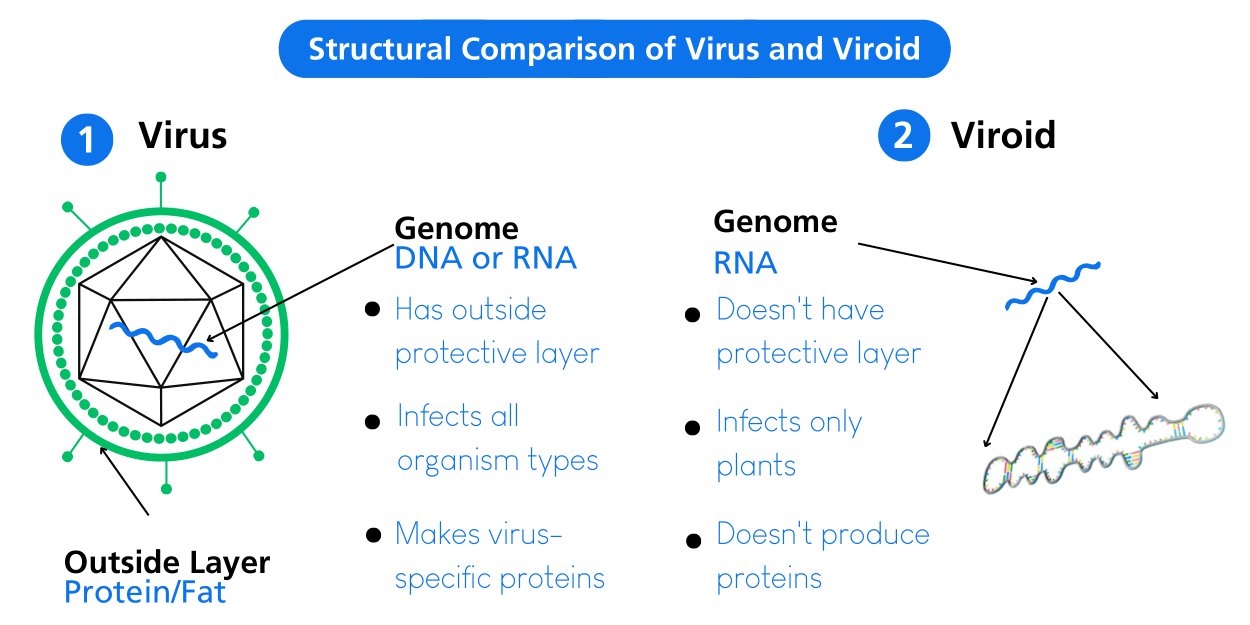
Figure 1: Virus vs Viroid
Viroids are unique infectious agents composed solely of genetic material, distinct from viruses. Unlike viruses, viroids lack a protective protein layer and solely rely on the host plant for replication and spread. Their stability and ability to persist in various environments make viroids a formidable threat to plant health.
Hop Latent Viroid: Origin and Global Spread
Hop latent viroid was initially identified in hop plants in 19884 and was found to be largely asymptomatic in this crop. Consequently, HLVd has spread worldwide, mostly unchecked by the hops industry. This pathogen has been identified on most continents and in some fields more than 90% of hops plants are infected.5 Hop latent viroid very likely jumped from hops into cannabis, due to similar genetics. The timing and mechanism of cross-species transmission to cannabis remains unknown, but the prevalence of HLVd suggests this viroid has been circulating within cannabis for an extended period. Data collected at TUMI Genomics indicates that HLVd is present in all states in the United States where cannabis is legal as well internationally including; Canada, the United Kingdom, France, the Netherlands, Thailand, Austria and Switzerland.
Symptoms and Impacts on Cannabis Plants
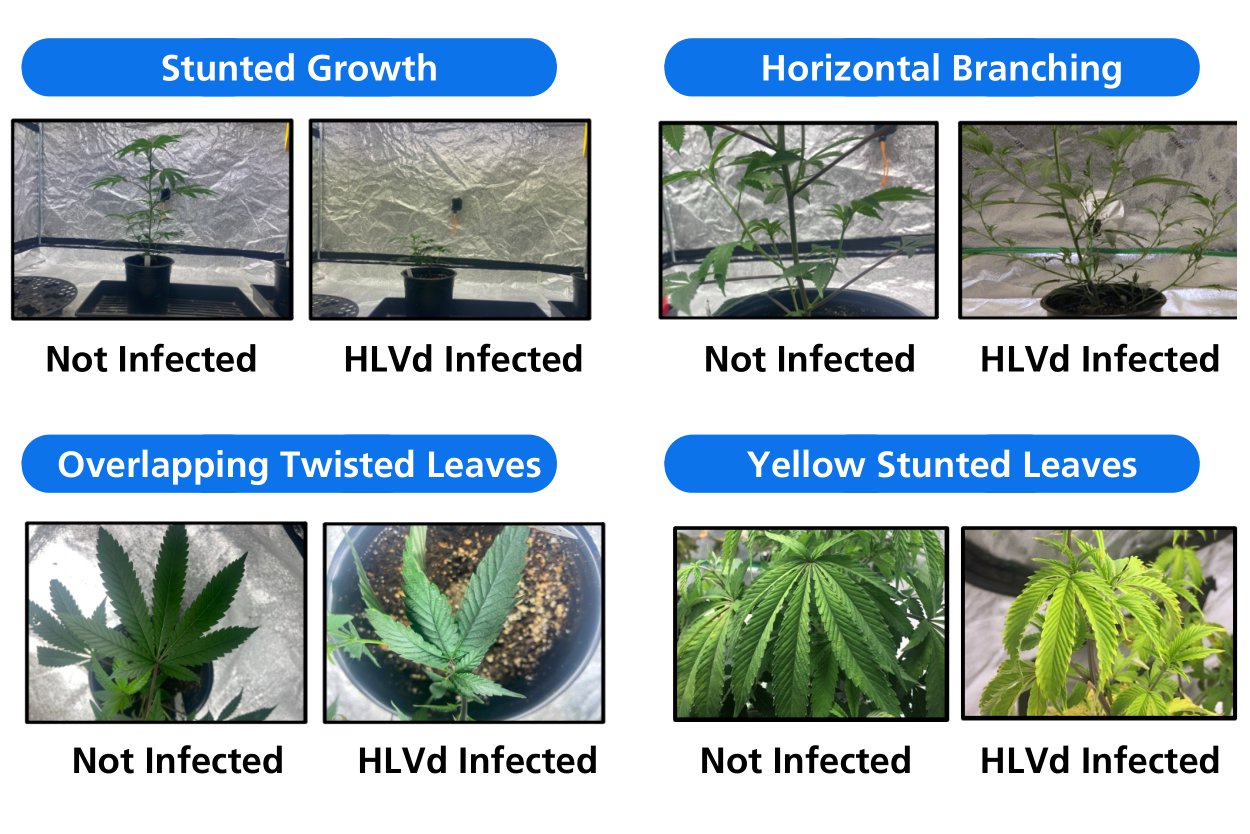
Figure 2: HLVd Symptoms
HLVd exhibits a wide range of symptoms, which can vary from severe to subtle, affecting the growth, leaf development, flower quality and overall vitality of cannabis plants. Understanding these symptoms is crucial for timely diagnosis and appropriate disease management strategies. However, HLVd can also present asymptomatically, especially in vegetative plants. The only way to determine if your plants are infected is by routine molecular testing.
Modes of Transmission
Mechanical Transmission: HLVd primarily spreads mechanically through contact with infected sap during activities like trimming and handling. Additionally, transmission through contaminated water and the potential role of insects, fungal pathogens and seeds in spreading HLVd have also been observed.
Seed Transmission: Although no published studies exist in cannabis describing the frequency of seed transmission, HLVd does transmit through seeds in hop plants at a rate of around 8%.7 Preliminary studies performed by TUMI Genomics in collaboration with EZ-genetics suggest cannabis seed transmission does occur at variable rates depending on strain and level of infection of the parent plants.
Water Transmission: It has also been observed that viroids are in high concentration in the roots8 and can move from the root into runoff water.9 Plants sharing a common water source with infected plants, such as recirculating water systems or flood and drain procedures, are at risk for transmission of the viroid.
Insect and Other Vector Transmission: The jury is still out as to whether or not insects can transmit HLVd. However, multiple viroids are transmitted via insects, so it is likely that HLVd insect transmission occurs. Recent studies also indicate that fungal pathogens, like Fusarium, can transmit viroid infections.6 While pathogenic fungus is a major concern for cannabis growers in its own right, limiting the prevalence and spread of fungal pathogens in your facility could help limit hop latent viroid transmission as well.
Therefore, implementing proper sanitation practices and limiting pest access can help minimize transmission risks.
Preventive Measures
Prevention plays a vital role in safeguarding cannabis crops against HLVd. The STOP program, developed by TUMI Genomics, offers a comprehensive approach that includes maintaining a Sterile environment, Testing mother plants regularly, Organizing the facility to minimize pathogen spread, and Protecting the facility’s borders from introduction of infected plant material, insects and contaminated water. More details on these preventative measures can be found here.
Pathogen Diagnostics
Protecting your plants from hop latent viroid requires accurate identification and removal of infected plants before the infection spreads to other plants. To accomplish this, several critical factors should be considered:
Type of test: HLVd and all viroids can only be detected by a molecular test (a test that detects the presence of DNA/RNA). Among common molecular tests, PCR is generally the most sensitive and accurate method. PCR can provide both a diagnosis and an approximate viroid level, allowing informed management decisions. Other types of molecular tests, such as LAMP and RPA, can formally be as sensitive as PCR, but the classic versions of these assays often suffer from false positive/negative results, reducing accuracy.
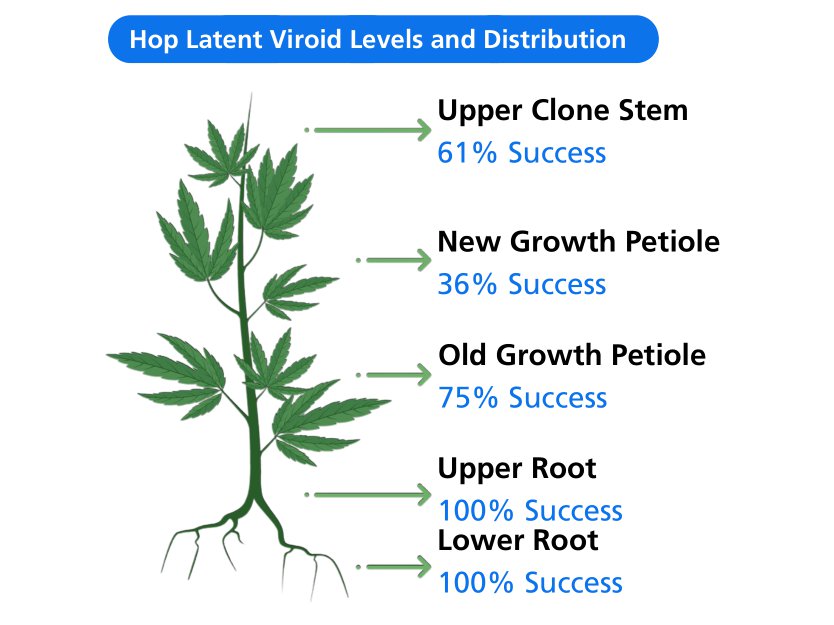
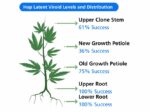
Figure 3: HLVd Levels and Distribution
Tissue type: An important consideration for HLVd detection is the plant tissue selected for testing, especially when identifying low-level or early infections when HLVd is not yet systemic. Studies completed by TUMI Genomics and others show root tissue contains the highest levels of HLVd and is the most reliable tissue for detection of viroid infection. While upper root tissue appears to contain the highest levels of viroid, roots from anywhere in the root ball are predictive of infection. Samples taken from the leaves/foliage tend to have lower levels of viroid and may produce false negative results.
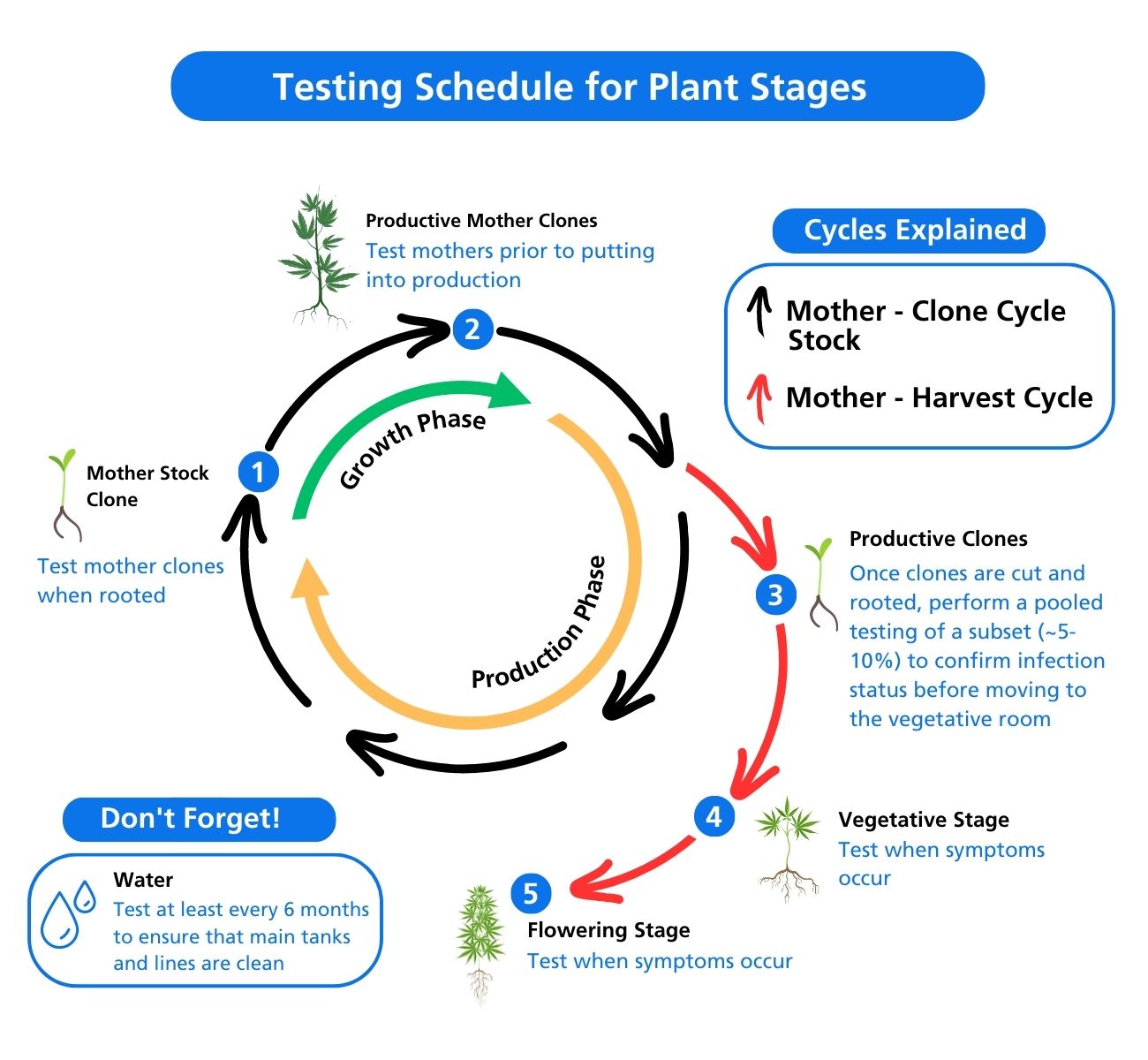
Figure 4: Testing Schedule
Testing frequency: Routine pathogen testing is standard practice in general agriculture and is critical to maintain a healthy cannabis crop. Testing of mother plants every 4-6 weeks for economically critical pathogens (such as HLVd) will help ensure a successful run and a high-quality product.
Disinfection Methods
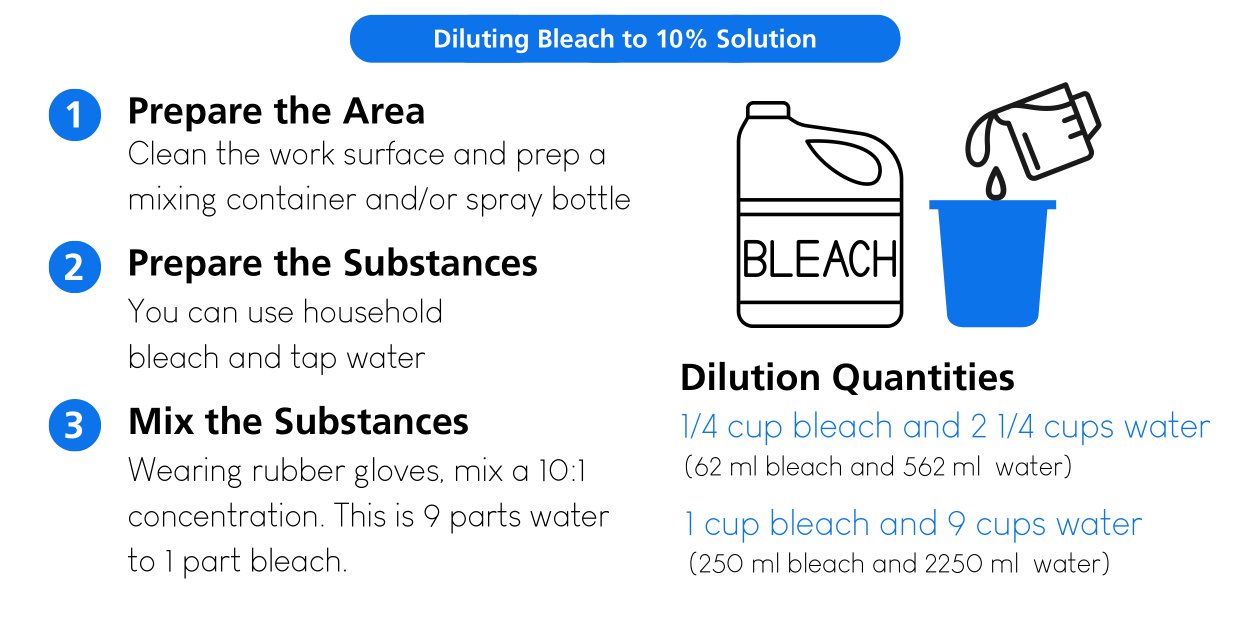
Studies have shown that viroids can remain infectious for longer than 24 hours on most common surfaces11 and 7 weeks in water.10 Making effective disinfection methods essential to limit the spread of HLVd. While common disinfectants like alcohol and hydrogen peroxide are ineffective against viroids, a 10% bleach solution has shown efficacy in destroying HLVd. Proper tool sterilization practices, such as soaking tools in bleach for 60 seconds, are crucial to prevent transmission during plant handling.
Figure 5: Bleach Dilution
Hop latent viroid poses a significant threat to the cannabis industry, leading to substantial economic losses. Timely and accurate pathogen diagnostics, along with stringent preventive measures, are essential for minimizing the impact of HLVd. Regular testing, proper disinfection protocols and adherence to pathogen prevention programs can help ensure the health and vitality of cannabis crops in the face of this global pandemic.
References
Bektas, A., et al. “Occurrence of Hop Latent Viroid in Cannabis Sativa with Symptoms of Cannabis Stunting Disease in California.” APS Journals, 21 Aug. 2019, doi.org/10.1094/PDIS-03-19-0459-PDN.
Warren, J.G., et al. “Occurrence of Hop Latent Viroid Causing Disease in Cannabis Sativa in California.” APS Journals, 21 Aug. 2019, doi.org/10.1094/PDIS-03-19-0530-PDN.
Cooper, Benjie. “Hop Latent Viroid Causes $4 Billion Cannabis Industry Loss – Candid Chronicle.” Candid Chronicle – Truthful, Straightforward, Blunt Cannabis News, 16 Aug. 2021, candidchronicle.com/hop-latent-viroid-causes-4-billion-cannabis-industry-loss/.
Puchta H, Ramm K, Sänger HL. The molecular structure of hop latent viroid (HLV), a new viroid occurring worldwide in hops. Nucleic Acids Res. 1988 May 25;16(10):4197-216. doi: 10.1093/nar/16.10.4197. PMID: 2454454; PMCID: PMC336624.
Faggioli, Franceso, et al. “Geographical Distribution of Viroids in Europe.” Viroids and Satellites, 31 July 2017, www.sciencedirect.com/science/article/abs/pii/B9780128014981000449#bib47.
Wei S, Bian R, Andika IB, Niu E, Liu Q, Kondo H, Yang L, Zhou H, Pang T, Lian Z, Liu X, Wu Y, Sun L. Symptomatic plant viroid infections in phytopathogenic fungi. Proc Natl Acad Sci U S A. 2019 Jun 25;116(26):13042-13050. doi: 10.1073/pnas.1900762116. Epub 2019 Jun 10. PMID: 31182602; PMCID: PMC6600922.
Singh RP. The discovery and eradication of potato spindle tuber viroid in Canada. Virus disease. 2014 Dec;25(4):415-24. doi: 10.1007/s13337-014-0225-9. Epub 2014 Dec 2. PMID: 25674616; PMCID: PMC4262315.
Jama, Aisha, et al. TUMI Genomics, Fort Collins, CO, 2022, Hop Latent Viroid Levels and Distribution in Cannabis Plant Tissue.
Mackie AE, Coutts BA, Barbetti MJ, Rodoni BC, McKirdy SJ, Jones RAC. Potato spindle tuber viroid: Stability on Common Surfaces and Inactivation With Disinfectants. Plant Dis. 2015 Jun;99(6):770-775. doi: 10.1094/PDIS-09-14-0929-RE. Epub 2015 May 15. PMID: 30699527.
Mackie AE, Coutts BA, Barbetti MJ, Rodoni BC, McKirdy SJ, Jones RAC. Potato spindle tuber viroid: Stability on Common Surfaces and Inactivation With Disinfectants. Plant Dis. 2015 Jun;99(6):770-775. doi: 10.1094/PDIS-09-14-0929-RE. Epub 2015 May 15. PMID: 30699527.
Mackie AE, Coutts BA, Barbetti MJ, Rodoni BC, McKirdy SJ, Jones RAC. Potato spindle tuber viroid: Stability on Common Surfaces and Inactivation With Disinfectants. Plant Dis. 2015 Jun;99(6):770-775. doi: 10.1094/PDIS-09-14-0929-RE. Epub 2015 May 15. PMID: 30699527.
This website uses cookies so that we can provide you with the best user experience possible. Cookie information is stored in your browser and performs functions such as recognising you when you return to our website and helping our team to understand which sections of the website you find most interesting and useful.
Strictly Necessary Cookies
Strictly Necessary Cookie should be enabled at all times so that we can save your preferences for cookie settings.
We use tracking pixels that set your arrival time at our website, this is used as part of our anti-spam and security measures. Disabling this tracking pixel would disable some of our security measures, and is therefore considered necessary for the safe operation of the website. This tracking pixel is cleared from your system when you delete files in your history.
We also use cookies to store your preferences regarding the setting of 3rd Party Cookies.
If you disable this cookie, we will not be able to save your preferences. This means that every time you visit this website you will need to enable or disable cookies again.

 Also in the Northeast, a NY Cannabis Insider investigation found labs breaking rules for reporting pesticides and other contaminants as well as companies misreporting numbers and selling cannabis that has failed tests. New York only allows outdoor cultivation to encourage environmental sustainability, but some say that rule is what is behind high microbial test failure rates. To ease the burden, New York simply removed mandatory microbial testing.