Tag Archives: lab

Quality From Canada

Inside Red Light Holland’s Plan to Bring Psilocybin Products to the Global Market

By Pam Chmiel
2 Comments

Red Light Holland (CSE: TRIP) has established its foundation in the Netherlands, where psilocybin truffles, the underground sclerotia of psilocybin mushrooms, are legally permitted for cultivation and sale. The above-ground mushroom is prohibited, but the truffle is treated differently under Dutch law, despite delivering the same psychoactive effects.

“It’s really the same thing, with the same effects,” says CEO Todd Shapiro, “but because it forms underground, it can be sold in compliance with Dutch law.”

From its cultivation facility, RLH distributes truffles through a wholesale partnership to over 150 wellness shops under its brands iMicrodose and Maka. “We like to think of them as wellness shops rather than smart shops, like they are referred to in Holland,” Shapiro explains, underscoring the company’s emphasis on education, QR-code-based information, and community engagement. While regulations prevent RLH from turning truffles into edibles such as gummies or chocolates, its vacuum-sealed, raw truffles have become a steady revenue stream. “They’re a bit walnut-y,” Shapiro notes, “but they sell well and people rarely complain.”


Canada: Positioning for a Regulated Future                                                           In Canada, RLH is preparing for the potential regulatory shift that could pave the way for the legalization of psilocybin products. The company has already developed psilocybin gummy formulations, but for now, it only sells them as functional mushroom products that don’t contain psilocybin. This approach not only helps build brand recognition, but it also keeps the company R&D-ready, allowing it to move quickly if Health Canada establishes a legal framework for psilocybin.


United States: Research Partnerships for Validation                                        South of the border, RLH has partnered with Irvine Labs, a DEA-registered laboratory in California. The lab is testing RLH’s truffles, imported from the Netherlands, to confirm potency, safety, and pharmacological value. The partnership is central to RLH’s long-term vision of formulating psilocybin capsules tailored to various needs, including microdosing, therapeutic use, and wellness.

Shapiro frames the multi-pronged approach as deliberate groundwork for the future. “The Netherlands gives us a legal, revenue-generating business today. Canada positions us for tomorrow. And in the U.S., we’re laying the foundation with science so that when the regulatory environment changes, we’ll be ready.”


Research & Consumer Insights                                                                                In addition to building commercial distribution, Red Light Holland is investing in research that could help shape future regulations. Through its iMicrodose app, the company collects voluntary, anonymized data from consumers in the Netherlands on how they are using psilocybin truffles, whether for trauma, pain management, recreation, or general wellness. Shapiro points to a substantial interest in using psilocybin to tame menopause symptoms from their data.


“We ask our consumers if they’d like to participate in the app and give us data on how they’re using it,” explains Shapiro.


The data was analyzed in collaboration with Drug Science UK under the leadership of renowned neuroscientist Professor David Nutt, one of the most respected voices in psychedelic research and policy. The published study confirmed that RLH’s data provided meaningful evidence of consumer benefit. “A lot of it is anecdotal research, which is key research,” says Shapiro. “It’s almost like its own Phase 1.”

The findings also carried a regulatory impact. RLH presented its consumer data to lawmakers in Oregon as they developed the state’s psilocybin program, contributing to the inclusion of microdosing language in the final bill. “This was a huge win for the company,” Shapiro says. “It adds credibility, validation, and shows how we can responsibly influence policy through science-backed data.”

For RLH, consumer research serves a dual purpose: it provides a self-regulatory framework for the safe distribution of products today, and it informs the company’s plans for future formulations as regulations evolve.


Standardization & Medical Pathways                                                                   Red Light Holland is also working behind the scenes to prepare psilocybin for the medical market. The company has partnered with labs in both Canada and the U.S. to analyze and standardize its products, laying the groundwork for future pharmaceutical-style formulations.

In Canada, RLH has collaborated with Seacrest Laboratories in Montreal, securing multiple permits for the import of psilocybin from Health Canada. These projects have produced certificates of analysis (COAs) to understand psilocybin content better and explore standardized dosing formats. “We’re learning about the standardization of our product,” says Shapiro, “whether that eventually becomes ground into powder form or an extract. The end goal is to move toward a consistent, pill-like product for microdosing.”

In the U.S., RLH works with Irvine Labs in California, a rare FDA-approved, DEA-compliant facility, to advance similar objectives. The partnership underscores RLH’s long-term ambition: validating its Dutch truffles as a source for medical-grade psilocybin products that could one day be distributed under compassionate care or special access programs.

“It’s a slow path,” Shapiro admits. “No one would normally start a business that they could only sell in about one percent of the world. But if you want to be an outlier versus an outlaw, you take the careful approach by generating sustainable revenue in Holland while advancing science and regulations in North America.”


Slow and Steady                                                                                                    While regulatory doors are starting to crack open in places like Germany, Australia, New Zealand, and the Czech Republic, RLH isn’t rushing in. Shapiro is careful to point out that the company has no interest in repeating the mistakes of many cannabis operators who built massive facilities before the market was ready, only to burn through cash and collapse in oversaturated conditions. Instead, RLH is pacing itself, positioning products, standardizing formulations, and preparing for the moment commercialization becomes viable.

“It’s frustrating for some investors who want instant results,” Shapiro admits, “but the reality is we can only sell in one percent of the world right now. We’d run out of money if we tried to scale too fast. Every move has to be deliberate.”

For RLH, the mission remains steady: take psilocybin from the underground to the mainstream. Until regulations evolve, the company is committed to cautious progress, ensuring it will be ready to deliver once legalization expands.


Market Readiness                                                                                                       To help normalize psilocybin, RLH has leveraged functional mushrooms with its Happy Caps grow kits and mushroom gummies to establish brand awareness. Happy Caps started as homegrow kits for lion’s mane, shiitake, and oyster mushrooms, products that ended up on the shelves of Costco and other major Canadian retailers. The idea is simple: just as Canada allowed adults to grow cannabis at home after legalization, psilocybin might one day follow a similar path. If that happens, RLH will already be positioned with both the distribution channels and consumer familiarity to shift from lion’s mane to psilocybin.

More recently, RLH launched mushroom gummies in Canada made with a lion’s mane and shiitake blend. These gummies carry a Health Canada–approved NPN number, which allows the company to make validated health claims, such as immune-boosting and antioxidant properties that most competitors cannot legally advertise. Shapiro says this not only sets RLH apart in the crowded functional mushroom category, but also provides a ready-made blueprint for psilocybin gummies once regulations allow. “It’s a much easier way to consume than chewing on a raw truffle,” he explains. In other words, today’s Happy Caps gummies are tomorrow’s psilocybin edibles.

In parallel, RLH is deepening its scientific foundation through a partnership with Irvine Labs. The company has already imported truffle samples for testing, focusing on potency, shelf-life stability, and consistency—critical steps in moving psilocybin from a naturally variable product to a standardized medicine. “If you’re microdosing for medical reasons, you want to be sure each dose delivers the same effect,” Shapiro explains.

That requires rigorous testing under pharmaceutical standards, much like cannabis research has revealed the complexities of the entourage effect.

Shelf stability has emerged as one of the biggest challenges. Like fresh produce, truffles degrade quickly if not kept under controlled conditions. For RLH, understanding how to preserve potency over time is key to developing future formulations, whether in pill or extraction form. “Consistency is always the goal when it comes to drug discovery,” Shapiro notes.


Strategic Growth Through M&A                                                                    Beyond consumer products and R&D, RLH is also exploring mergers and acquisitions as a path to scale. Shapiro says the focus is on acquiring brands with strong recognition and the potential to be cash flow positive, rather than companies burning capital. “A great Instagram account and loyal customers can be half the battle,” he notes. The idea is to consolidate products, share resources, and expand distribution while maintaining financial discipline.

Still, opportunities are scarce. After reviewing more than 40 companies over the past two years, Shapiro says nearly all were losing money. The demands of major retailers compound the challenge—fulfilling large orders requires significant upfront inventory and the ability to survive long payment cycles, which can stretch 90 days or more.

While RLH has heard of pioneering efforts, such as Oregon’s first psilocybin edibles, local ownership laws, and public company reporting requirements make direct entry into that market difficult. For now, the company continues to evaluate partnerships and acquisitions that align with its strategy, while supporting others that advance the industry. As Shapiro puts it, “Rising tides lift all boats.”


Looking Ahead                                                                                                        Red Light Holland is narrowing its focus on CPG products, leveraging its experience in the Netherlands while preparing for a global market. While the company continues some cultivation, its strategy centers on creating standardized, science-backed psilocybin products that can reach more people and address the growing mental health crisis. “We’re a psilocybin company at the end of the day,” says Shapiro, “focused on products that can help people, responsibly and sustainably, while navigating complex regulations and building a foundation for future growth.” By combining research, consumer insights, careful regulatory planning, and selective M&A, RLH is positioning itself to take psilocybin from niche wellness shops to mainstream markets worldwide.

The State Of New York’s Cannabis Industry 2025

By Pam Chmiel
No Comments

Jason Ambrosino, a disabled Army veteran and founder of Veterans Holdings, entered the New York market in 2019 under the state’s hemp program with the goal of cultivating and manufacturing cannabis. But despite holding a 5,000-square-foot indoor cultivation license, he decided not to build out his facility. The reason, he says, is simple: “The registered organizations (ROs) in New York State own the flower industry. They own it. You’re not going to break in.”

Ambrosino explained that the state’s vertically integrated ROs, many of which started as medical operators, dominate the adult-use flower market with massive 100,000-square-foot indoor canopies and the ability to negotiate favorable energy rates. “The number one driver of indoor flower price anywhere is electricity cost,” he said. “Where I am in New York State, it’s 23 cents a kilowatt hour. The ROs can negotiate directly for 7, 8, or 9 cents per kilowatt-hour because of their size. There will never be a day when I can operate in the market alongside them, because it costs me twice as much to grow as it does them.” He said that disparity makes small-scale cultivation unviable for most new entrants.

Ambrosino estimates that it could cost him roughly $600 per pound to grow cannabis, while the ROs can do it for about half that. “You don’t really think about it until you end up paying for a license, only to find out the utility prices are so high that you can’t make it work,” he said.

He believes the state’s adult-use rollout created an illusion of opportunity for small hemp farmers and microbusinesses. “They used the illusion of inclusion to gain public support,” he said. “They built protections that were meant to keep ROs out for three years to create a level playing field, but these protections were stripped away after enough lobbying dollars were spent.”

According to Ambrosino, large operators pressured lawmakers by withholding financial commitments to social equity programs until they received favorable terms. “They held them hostage,” he said. “They told lawmakers, ‘We’re not going to pay you any of that money until you give us a more favorable law.’ So, they changed it.”

The result, he says, is a market where ROs hold most of the canopy, while smaller cultivators face high costs, limited access, and few realistic paths to profitability. “Right now, microbusinesses are structured for failure,” Ambrosino said. “They’re trying to sell flower at $60 when dispensaries can get indoor-grown product from ROs for $30 or $35. You can’t compete with that.”

Mismatched Policy, Manipulated Data, and a Market Set to Run Dry

Ambrosino says the Office of Cannabis Management (OCM) has failed to recognize the growing imbalance between large registered organizations and small cultivators. “The data OCM puts out is very manipulated and questionable,” he said. “They conflict with what they report from one day to the next. One day, there’s not enough canopy, the next day, there’s too much. It’s all over the place. They’ll show you all the potential canopy of adult-use license holders, but the reality is 80% of them aren’t growing, or they’re only using part of their allotted space. Meanwhile, the ROs are operating at a massive scale.”

He believes this disconnect has led policymakers to think there’s an oversupply problem when in reality there’s a shortage of affordable biomass. “OCM looks at flower canopy, not biomass canopy,” Ambrosino said. “We don’t have enough biomass to produce distillate, and distillate is what sets the price for everything.”

Ambrosino, who sits on the board of the Association of New York Cannabis Processors, says the solution starts with expanding outdoor cultivation. “We’ve been lobbying the state to raise the outdoor cap from one acre to five,” he explained. “They keep saying there’s enough canopy, but that’s not true if you want a functioning processing and manufacturing sector.”

He also believes OCM steered small farmers in the wrong direction. “They convinced these guys to grow indoors when they had no capital to begin with,” he said. “Outdoor grows are cheaper, more sustainable, and can produce terpene-rich material that’s perfect for extraction. Giving up those outdoor licenses was the worst thing they could have done.”

Ambrosino sees the industry’s structural problems fueling a deeper issue: product inversion. “Inversion is like a cancer tumor,” he said. “Everyone — dispensaries, processors, cultivators — is supporting it. If OCM just cuts it out overnight, the market will bleed to death. We have to shrink the tumor first. The only way to do that is to expand cultivation enough that it doesn’t make sense to invert.”

Licensing Gridlock and Market Whiplash

Dispensary operators say New York’s market isn’t just constrained by bureaucracy, it’s tangled in its own rules. Jon Paul Pezzo, owner of NYC Bud dispensary, believes the state’s proximity restrictions have unintentionally frozen the licensing process. “You have a lot of people that are holding proximities because they’re in the December queue or they just have a proximity,” he explained. “Some may have abandoned their license or run out of money, but those spots are still locked up. That means someone with an actual license can’t move forward.” Pezzo said that while rolling out the market slowly may have helped at first, the process has caused problems on all sides.

Now that the agency is considering waiving its 1,000-foot proximity rule to allow more dispensaries to open, Pezzo worries it’s too soon for such sweeping changes. “The industry isn’t even five years old,” he said. “Let it play out before you start rewriting the rules. If we had known these laws would change this quickly, maybe we would have invested differently.”

He added that while OCM claims to solicit feedback from operators, the process feels one-sided. “I’ve been to many OCM meetings where everyone’s frustrated, and the regulators just sit there getting yelled at,” he said. “At some point, they just shut down. I don’t think they’re really listening to logic.”

The Data Gap: METRC, Testing, and a Lack of Standards

Ambrosino believes New York’s lack of standardized testing and tracking has left the industry vulnerable to chaos. “If you want a juicy nugget, I’ll tell you where to look,” he said. “It’s in the testing, and it’s in the labs. If you dig deep enough, you’ll find that all of our labs are invalid because they were supposed to be updated by Wadsworth Labs, the state police lab that never got the equipment. Because of that, every lab is operating under its own standard. There’s no standardization between labs, and nobody knows.”

That lack of consistency, he warns, could have far-reaching financial consequences. When potency-based taxes were imposed, each lab’s different results meant the state effectively collected taxes on unverified data. “Don’t be surprised if people start demanding money back for what they overpaid in potency taxes,” Ambrosino said.

A long-promised track-and-trace system could have helped prevent some of this disarray, but the rollout has been repeatedly delayed. After three years, the agency now says METRC will finally be implemented in January.

Jon Paul Pezzo says the delay has left retailers struggling with manual systems that are prone to human error. “In a perfect world, this should work like a supermarket—product comes in, product goes out, and it’s all scanned into one universal system,” he explained. “Instead, we’re manually entering everything, and that leads to mislabeled products and bad data. For something that’s a controlled substance, that’s unacceptable.”

He believes a fully integrated METRC system could finally bring order to the process. “You’d have cultivators logging shipments, dispensaries scanning them in, and all the details automatically syncing,” Pezzo said. “It would make everyone’s life easier and protect the business as a whole. I just don’t understand why it’s taken this long.”

The Hemp Loophole is Undermining New York’s Legal Market

“The entire industry is using the hemp loophole,” Ambrosino said, describing a troubling double standard: OCM forced him to remove hemp-derived products from his website even though the regulations permitted out-of-state sales for products under the .3% threshold, while companies like Sluggers continue to sell high-potency “THCA hemp” products directly to New Yorkers online.

“This stuff they’re calling hemp, it’s not hemp, it’s marijuana,” he said. “We have to be smarter. It’s deceptive, and it’s hurting the legal operators who are trying to play by the rules.”

Ambrosino says that without proper lab oversight and product tracking, hemp-derived cannabinoids like THCA are slipping through regulatory cracks, further undermining the licensed market.

From The Lab

An Inside Look at Germany’s Cannabis Supply Chain With The Grünhorn Group

On April 1, 2024, Germany launched Pillar 1 of its adult-use legalization framework, building on its established medical cannabis program that has been in place since 2017. Since then, the number of medical patients has surged, as prescriptions remain the only fully legal access point for cannabis aside from home cultivation or membership in non-commercial private clubs, both still limited by incomplete regulations. Unlike the United States, where dispensaries are the backbone of cannabis sales, Germany maintains a more tightly regulated model: patients must secure a doctor’s prescription and fulfill it through a pharmacy.

The next stage, Pillar 2, is expected to introduce licensed retail outlets for adult-use sales, eliminating the requirement for prescriptions. However, with the Christian Democratic Party now in office and maintaining a strong stance against cannabis legalization, these plans face significant uncertainty. While advocates remain hopeful for progress, the CDU’s opposition could delay, restrict, or even reverse parts of the rollout, leaving the future of Germany’s adult-use market in question.

In the meantime, Germany is laying the groundwork for a national infrastructure rooted in its medical system, a stark contrast to the fragmented, state-by-state patchwork in the U.S. This centralized approach not only offers greater oversight and consistency but also positions Germany as a potential model for other European nations exploring reform.

At the center of this rapidly evolving landscape is the Grünhorn Group, one of the country’s most influential players. With an estimated 20 percent market share serving between 5–7 million patients in a nation of 84 million, Grünhorn has established a vertically integrated supply chain that spans importing biomass from global producers, EU-GMP-certified manufacturing, and robust distribution networks. Beyond production, the company operates Germany’s largest online pharmacy platform, giving patients access to products from multiple manufacturers. According to Matthias Fischer, Managing Director of Canymed, Grünhorn’s distribution partner, the group generated €33 million in revenue in 2024, provided medicine to approximately 60,000 patients, and engaged with nearly 6,000 prescribing physicians.
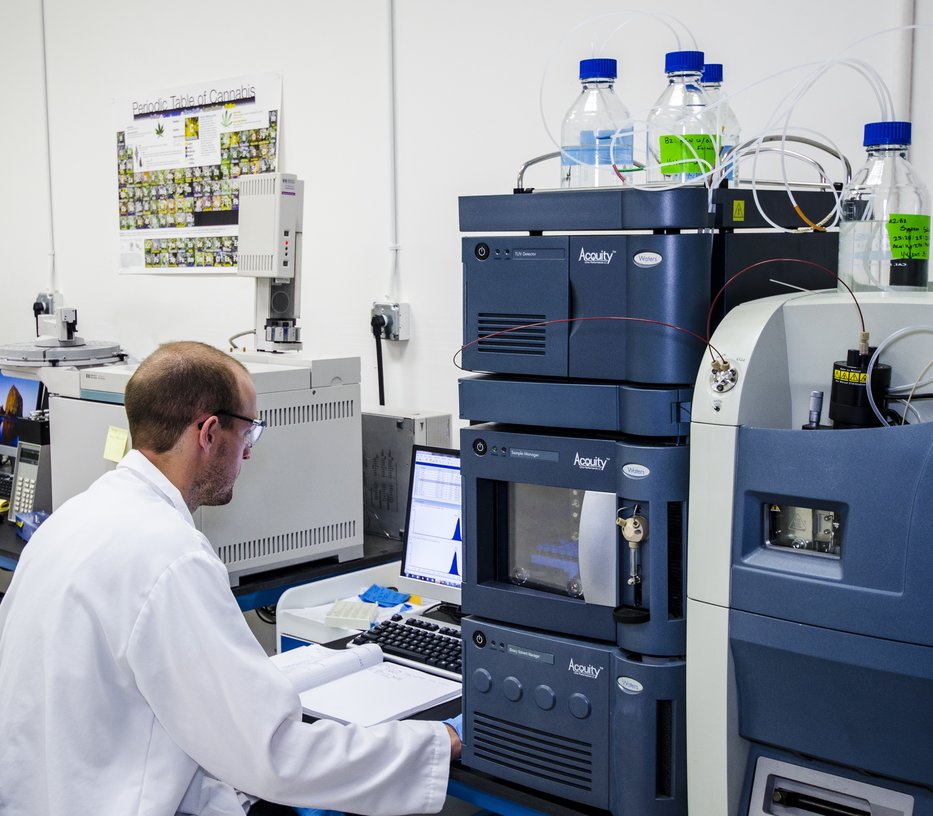
 

Prioritizing Data Collection for Medical Research                                                              For Grünhorn, data is at the core of both its medical mission and its business strategy. The company systematically collects patient feedback on the effects of its products—whether for sleep, anxiety, focus, or other conditions—to inform evidence-based product development. This feedback loop allows Grünhorn to collaborate closely with cultivation partners in designing strains that balance cannabinoids and terpenes to address specific therapeutic needs.

Beyond patient-level insights, Grünhorn is also investing heavily in analytical research. The company operates a gas chromatograph to precisely measure and map the cannabinoid and terpene composition of imported biomass, creating a detailed strain database. To date, Grünhorn has cataloged between 400 and 500 strains of interest, providing one of the most comprehensive genetic and chemical libraries in Germany’s cannabis sector.

“I think the future lies in predicting and knowing which cannabinoids will effectively address specific health indications,” says Fischer, underscoring the company’s long-term vision of turning raw data into targeted, science-driven therapies.


Germany is an Import Market

While Germany has licensed domestic cultivation, led by producers such as Tilray, Demecan, and Aurora, the country remains heavily dependent on imports. According to Fischer, the quality of German-grown cannabis has not yet reached the standards set by established cultivation markets in Canada, Portugal, Denmark, and Colombia. To maintain product consistency and meet patient expectations, Grünhorn partners with a Canadian grower, underscoring the ongoing importance of international supply in Germany’s cannabis ecosystem.

Economic factors also weigh heavily on domestic production. High energy costs make large-scale cultivation within Germany particularly challenging, pushing wholesale prices above those of imported flower. As a result, most of the market is supplied by international partners who can cultivate at scale more efficiently and deliver the product at a lower cost.

This reliance on global supply chains is not unique to Grünhorn.

Cantourage, one of Germany’s largest medical cannabis manufacturers, has built its strategy around imports, maintaining partnerships with 40 cultivators across 17 countries. Together, these dynamics reinforce Germany’s role as one of the world’s largest import-driven cannabis markets, even as it develops its own infrastructure.


Bottlenecks in the Pharmacy System

Germany’s pharmacy network, spanning both retail and online channels, remains the cornerstone of cannabis dispensing in the country. As patient demand surges, many traditional pharmacies have launched digital platforms to streamline order management. Grünhorn has leaned into this shift, expanding its online pharmacy delivery while forging partnerships with local pharmacists who see cannabis as a valuable revenue driver.

Yet the system is under strain. Because only licensed pharmacists can legally fulfill prescriptions, they often face capacity challenges. Compounding, bottling, labeling, and testing must still be performed manually, creating bottlenecks in day-to-day operations. To keep pace, some pharmacists pre-produce standardized products based on everyday patient needs, despite the model being designed for on-demand compounding. Recognizing these inefficiencies, Grünhorn is investing in custom machinery and software solutions to help pharmacists scale production without compromising compliance, while maintaining oversight of quality and safety.

Another hurdle is product consistency. With prescriptions filled at thousands of independent pharmacies, often by third-party providers, slight variations in formulation are inevitable. “It’s like having 6,000 different factories manufacturing your product,” Fischer explains. To address this, Grünhorn is working on standardized fulfillment models to align independent pharmacies with the quality benchmarks already set by its own online platform.

To further streamline the process, Grünhorn has integrated telemedicine into its supply chain. Patients can now connect directly with physicians, obtain prescriptions, and submit them seamlessly for fulfillment. This innovation helps address a recurring frustration: doctors inadvertently prescribing products that are out of stock, despite having access to inventory databases, ultimately reducing delays and ensuring patients remain on consistent treatment plans.


Partnerships and Opportunities                                                                                  Grünhorn’s pharmacy data reveals that 20-30 percent of products generate 80 percent of revenue, indicating a potential for future product consolidation, according to Fischer. For investors, this presents an opportunity to fund medical brands with proven track records that are poised for growth and expansion.

In addition to producing its wholesale product line, Grünhorn is well-positioned and equipped to assist other brands looking to enter the German marketplace and welcomes co-branded product partnerships. They forged a partnership with Somai Pharmaceuticals, based in Portugal, resulting in a two-year, €10 million manufacturing and distribution deal.

Fischer also believes AI will play a significant role in managing the industry in the future, suggesting an opportunity for those looking to enter the German market through technological innovation.

“The biggest challenge we must overcome in the next couple of years is to generate data and medical studies,” Fischer emphasizes. “We have many products with nice ideas, interested patients, and qualifying physicians, but we need more studies and proven evidence to present to new doctors and insurance companies, who are still challenging cannabinoid therapy and requesting data studies.”

For more insights into the German market, listen to an interview with Matthias Fischer on the Innovating Cannabis podcast.


Cannabis Lab Testing Problems Continue Nationwide

By Cannabis Industry Journal Staff
No Comments

In Maine, a laboratory released a study they conducted, finding a 17% failure rate of dangerous pesticides in cannabis samples tested. The state requires testing for adult use cannabis, but not for medical cannabis. Just under 4% of adult use samples failed a pesticide screening, while over 20% of all medical samples they tested failed the same screening. Nova Analytic Labs conducted the study and found piperonyl butoxide, bifenthrin, spinosad, imidacloprid and pyrethrins in both adult use and medical cannabis samples.

labsphotoAlso in the Northeast, a NY Cannabis Insider investigation found labs breaking rules for reporting pesticides and other contaminants as well as companies misreporting numbers and selling cannabis that has failed tests. New York only allows outdoor cultivation to encourage environmental sustainability, but some say that rule is what is behind high microbial test failure rates. To ease the burden, New York simply removed mandatory microbial testing.

Now, Oregon is doing the same: removing microbial testing burdens because too many businesses are failing them. Back in March of this year, Oregon started to require tests for aspergillus contamination, but a legal challenge halted that rule in late August and state regulators complied, doing away with the testing requirement for now. Stakeholders in many cannabis markets, including New York and Oregon, still debate just how much of a public health risk microbial contamination in cannabis truly is.

Meanwhile in California, regulators have sent warning letters to labs threatening stiff penalties if inaccurate test results are found. While these warning letters highlight THC potency inflation and laboratory shopping, a rising concern in markets across the country, they also mention falsifying scientific data, which has been known to occur in pesticide testing results as well.

The common theme across these markets is lab testing policy at the state level and an inability of an entire industry to come to any agreement. In lieu of any federal guidelines on a national level, disjointed state policies and preventable lab testing problems like these continue.

The CBD Regulatory Environment in Europe: Part 4

By Shelley Stark
No Comments

This is the final piece of a four-part series discussing European cannabis regulations. Click here for Part One, here for Part Two and here for Part Three. Part Four wraps up the series below. 


Where is the future of CBD heading?

A review of these various jurisdictions, the EU, the UK, and the USA, makes it clear that testing of CBD to ensure public safety is paramount to staying in business, and indeed to the survival of the industry. In the UK it is imperative to be active in the Novel Food licensing regime to remain on the market. In the EU, it is imperative for a legitimate market at all.

In the USA, it may very well become an imperative, if not because of the FDA or even Congress, but rather because as the U.S. market matures, lawsuits over product liability are almost inevitable, pointing to the lack of toxicology reporting or to the way a product was manufactured or marketed. Until the FDA plays a more robust role in establishing standards for the safety of CBD in food products, the best means for companies to protect themselves is with a Novel Food inspired testing regime to confirm product safety.

What this means for the CBD industry

Companies want a clear path forward for investments in the CBD sector. Litigation is predictable, especially in a litigious society like the U.S., as companies prepare themselves with toxicology reporting that satisfies the FDA. There will be clear winners and losers in the CBD market place, most likely based on a toxicology report.

The EFSA, FSA, FDA, the various state level hemp associations dotted across America and more intriguingly, businesses who see testing requirements as a legal means of ousting the less-well-financed competition, are all advocating for testing. This makes sense: There is no future in betting on the unknown. Anything short of a clear safety standard is just guessing with people’s health and thus the company’s future.

So, what are we left with?

Clearly, there is a need for a toxicology report prepared on behalf of the CBD sector. And one about CBD as a food supplement, not as a medicine. It is worth noting that Miller also remarked on how Epidiolex contained high doses of CBD. It needs to be made clear that the medical study of Epidiolex is not consistent with a study of non-medical levels of CBD when used as a supplement.

At present, the biggest challenge facing CBD product manufactures, whether in the USA, EU or UK, is the lack of controlled studies and thus the inability to illustrate the necessary toxicology reporting in their portfolio. Even in the US, the FDA has said it can’t conclude that CBD meets the standard of “generally recognized as safe” (GRAS) for use in human or animal food. Thus, the future of CBD lies in a company’s ability to illustrate by means of a study and accompanying toxicology reports that their brand is firmly in line with the required safety and data standards.

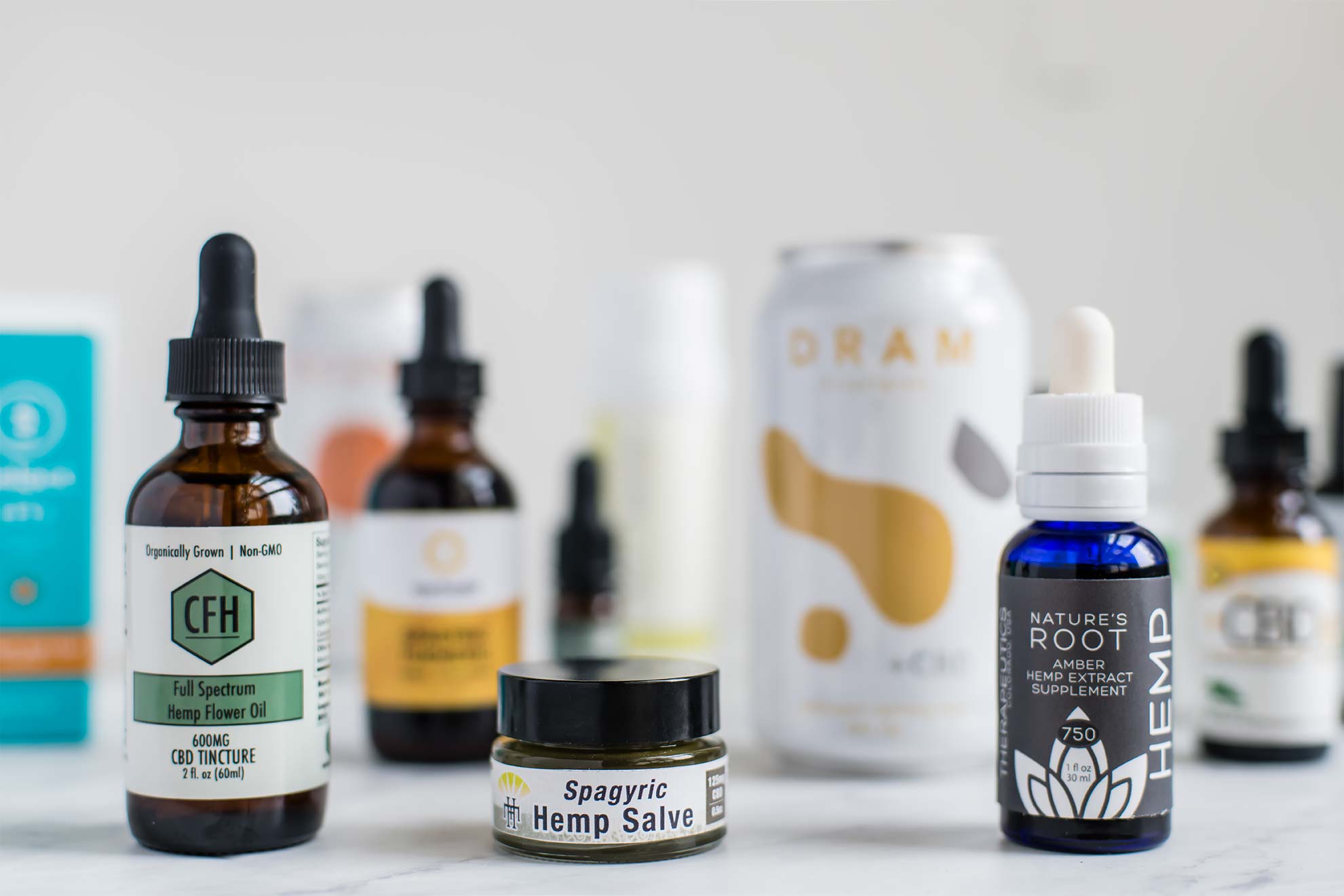
Just some fo the many CBD products in the U.S. market out there

Here is where the EU and the UK may have an advantage, through involvement in the Novel Food application and licensing procedures. The needed legal security for the marketing of CBD products can only be achieved by their approval as Novel Foods. Projected costs for an individual company registering CBD isolate and full spectrum distillate under the Novel Food guidelines requires an investment of €3.5 million. As this is prohibitively high for most companies, at the June 2019 General Assembly, the EIHA proposed the creation of a consortium, with the aim of submitting a joint Novel Food application and sharing these costs among the members.

How the “EIHA projects GmbH” Partnership Works

The founding members of the EIHA projects GmbH have a preferential partnership rate. As a partner, I am able to sub-license products or brands in the EU and this license will be valid in the UK when the application is validated and on the Union list, and is equally valid in the USA.

The Atlantic Ocean is getting smaller and it appears that the FDA might very well decide that the US needs the same European safety standards applied to products at home. Sub-licensing is clearly an inexpensive pathway for an American brand to claim toxicology and safety testing PLUS get access to the EU market. It is imperative for businesses going forward to take a serious look at their future business goals and align themselves with an advancing regulatory environment confirming their commitment to approved quality products.

Soapbox

Congress Wants YOU To Make Safe Products.

By David Vaillencourt
No Comments

Recently, Congress requested detailed information regarding the regulation of CBD and other cannabinoids. This comes on the heels of frustration around federal inaction with regards to cannabinoid-containing products produced from Cannabis sativa L. plant extracts that can be classified as “hemp” products amidst the clear need for safety standards that goes above and beyond state minimum compliance requirements.

A Historical Deja Vu?

The author will be joined by his colleagues leading the Seed to Sale Safety Workshop on October 16 at the Cannabis Quality Conference. Click here to learn more. Product safety standards predate the birth of our nation (and many others). From the days of the first pharmacopeias which rival the oldest documented use of the cannabis plant, to modern regulations, the quest for safety has been a constant theme. But as the saying goes “Old habits die hard,” but so do safety issues. From peanuts to thalidomide and tobacco, we’ve seen this movie before – and it is time for a new ending.

A Universal Desire for Safety

Whether you are an investor, executive, technician or anywhere in between – nobody in the cannabis industry (and all its end uses, including industrial hemp) wants to knowingly produce unsafe products. The risks of ignoring safety are real and tangible. Whether it is 20+ years in jail for being an executive of a company that knowingly sold adulterated products and was linked to seven deaths or 10,000+ deformed children, many of whom died at birth because of a drug approved for morning sickness – there is no shortage of case studies we can learn from. Even cannabis has been known to cause injury and death in consumers – not because of the d9-THC, but the impurities. As the industry continues to innovate and develop new product form factors – whether it is new delivery methods of d9-THC in soluble beverage forms, or the rise of manufactured cannabinoids in unregulated marketplaces – it’s critical to understand the risks of your entire production process and to mitigate them. No cannabis company is immune from making costly and dangerous mistakes. It’s not just about compliance – it’s about public health and safety.

Safety Can Be a Sticky Subject

Safety is indeed a complex subject, especially when it comes to cannabis products. For instance, acceptable limits for microbial contaminants for the inflorescence of a Cannabis sativa L. plant are quite literally all over the map. What about the route of administration? Take an inhaled product (like a vape pen) vs. an ingested product (e.g. an edible). Many outdoorsy people like myself may enjoy the smell of cooking s’mores over a campfire, but the particles and VOCs can irritate our lungs, especially when exposed over long periods of time. We aren’t inhaling those s’mores – so the production of the marshmallow, chocolate and graham crackers come with different risks we need to evaluate. It’s not just about the product – it’s how it’s consumed.

Safety Standards – the Fabric of Our Society

Standards are unsung heroes of our daily lives. Whether it’s to keep planes from falling out of the sky, cribs and dressers from crushing young children, preventing train derailments or ensuring the safety of our food and medical products – standards keep us protected – just like grandma’s quilt. The absence of standards can be expensive, and anyone familiar with the accusations of d9-THC lab-shopping and inflated label claims knows that the cannabis industry is the poster child for this.

Congress has long recognized the importance of standards in protecting everyday consumers, as demonstrated by numerous legislative acts. A few notable and relevant ones to cannabis are below:

  • 1848 Drug Importation Act: First major act that combated the importation of substandard – adulterated drugs imported from overseas into the nation which was having a major impact on soldiers of the Mexican-American War.  This Act included legal requirements for drugs to meet the US Pharmacopeia’s standards for strength, quality, and purity.
  • 1906 Food and Drugs Act: After an increase in adulterated and misbranded foods and drugs – made famous by Upton Sinclair’s The Jungle, the relentless work of Dr. Harvey Wiley, a Chief Chemist with the then US Department of Agriculture and his “poison squad” – led to significant oversight of adulterated food and drugs including legal adherence to the US Pharmacopeia and paved the way for the current FDA.
  • 1938 Food Drug, Cosmetic Act: Shortcomings in the 1906 Food and Drugs Act were catalyzed by over 100 deaths after a wonder drug that was analogous to antifreeze led to an outcry that led to the passage of the FDC&A. From factory inspections, to strict marketing and label requirements, to legally enforceable food standards and tolerances for certain poisonous substances – the FDA was given substantial more oversight to protect the growing United States. It also expressly recognized USP quality standards for medicines with USP standards also binding for any dietary supplement manufacturer that labels their products as being compliant with USP specifications.
  • 1994 Dietary Supplement Health Education Act (DSHEA) defined and regulated dietary supplements which carved out significant exemptions for the dietary and herbal supplement industry from most FDA drug regulations. This act has been met with significant controversy as it greatly limited the FDA’s capacity to ban or restrict supplements until evidence of a major safety or adverse event is tied to the product of concern.
  • 1995 National Technology Transfer Advancement Act (NTTAA) – A lesser known act that is focused on standards and technology that requires participation of federal agencies in voluntary consensus standards bodies. Extending beyond foods and medicines – this act covers a broad array of infrastructure and technology regulations that ensure the fabric of our society operates (largely) without issue.

Over 1,000 ASTM standards are incorporated by reference in the US Code of Federal Regulations across nearly 30 federal agencies (searchable here), a demonstration of the value and impact public voluntary standards have in our society.

At the FDA, ASTM standards are used every day to keep us safe. Whether it is to measure the absorbency of tampons (21 CFR 801.430), enforce safety specifications of synthetic and natural wax coatings that are used to coat much of our produce, gummies and more (21 CFR 178.3770), quantifying the impurities in our bottled water (21 CFR 165.110) and many more.They have long been recognized as the de facto minimum standards that balance the need to protect consumers without imposing undue burdens on innovation by industry.

The process of developing an ASTM standard, which was developed and used to keep our trains from derailing 125 years ago, is now the home of 510+ cannabis industry specific standards. Whether it’s acceptable water activity levels in cannabis flower, a truly universal symbol to alert consumers of intoxicating cannabinoids, medical cannabis flower specifications developed in close guidance of the US Pharmacopeia, or how to apply the principles of HACCP to cannabis products, a lot of the hard work has already been done for the industry. It’s simply a matter of knowing where to look and how to use them!

The path to safe and sustainable cannabis products is clear, and the tools are available. It’s time that we learn from the past, apply the standards of the present and mitigate the risks of the future. Now more than ever before, it’s easy to make safe cannabis products and a credible marketplace not just a goal, but a reality.

The CBD Regulatory Environment in Europe: Part 2

By Shelley Stark
No Comments

This is Part Two of a four-part series discussing European cannabis regulations. Click here for Part One. Part Two analyzes the differences between the UK, the EU and the US. Part Three, coming next week, dives into dosage, approvals and more. Stay tuned for more.


EU Regulatory Environment

We Europeans look with envy at the American market and wonder, why can’t we be more like that? The differences between the American market, the UK and the EU economic zone couldn’t be more different, but changes seem to be on the horizon. While both the UK and the EU apply the Novel Food law, implementation varies significantly.

In the EU, applications are submitted to the EU Commission, and approval can take up to nine months – just for approval of the application – not the testing that will follow. And while the application carries no fee, collecting the required data just to make the application can be expensive, and can run into six figures or higher. Once the application is approved, there may still be data gaps and uncertainties, with toxicology testing that can take years to complete, and ultimately must be approved and validated by EFSA (European Food Safety Authority). The required toxicology testing is where things get really expensive, with both the EIHA (European Industrial Hemp Association) and EFSA estimating costs around €3.5 million.

The EFSA’s Panel on Nutrition, Novel Foods and Food Allergens (NDA) has received 19 applications thus far for CBD as a novel food, with more in the pipeline. According to their website, NDA chair Prof. Dominique Turck reported that they “have identified several hazards related to CBD intake” and that many data gaps need filling before evaluations can go ahead. However, she concluded, “It is important to stress that we have not concluded that CBD is unsafe as food.”

As always, with food and drug reviews, it is up to the applicant to prove that a product is safe for human consumption. And for the EU Commission, EFSA is conclusive. And while initial testing is with animals, it also includes human testing, which helps explain the high cost.

At present, the EFSA has been unconvinced by the applications submitted so far, and seeks more data regarding the effect of CBD on the liver, gastrointestinal tract, endocrine system, nervous system and on people’s psychological well-being, as well as the impact on human reproduction.

Thus, in 2019, the EIHA formed a German corporation, the “EIHA projects GmbH”, formed for the purpose of pooling partners money to pay for the application and toxicity testing. The Novel Food applications (NFAs) for CBD isolate and synthetic CBD were submitted on November 4, 2022 and full spectrum will follow in April/May of 2023. It should be noted that the application for synthetic CBD has been completely dropped as no testing was ever preformed.

The applications must be reinforced by a series of tox studies under the auspices of the EFSA and for the UK, the FSA. The EFSA will start the risk assessment as soon as the suitability check is performed. The suitability check is a process performed by EFSA to make sure that they have enough data to perform the risk assessment. According to their webpage, the risk assessment can take nine months.

In the case of the application put forth by the EIHA projects GmbH, the CBD isolate dossier will be submitted to the EFSA in September and enter the risk assessment phase. In this phase, the EFSA will go over the data and can ask for more data, should they feel it necessary. They are allowed 9 months to complete this task and submit their recommendations to the EU commission for a 27-member vote, whereby the EIHA projects GmbH application will be valid and legally binding. The EIHA projects GmbH is expecting a validation during the course of 2024. This is a huge game changer!

The application for Full Spectrum distillate should be readied by the end of 2023, whereby the EFSA should be finished with the risk assessment near the end 2024. As Full Spectrum takes into account minor cannabinoid as well as limited THC, it is more complex. It should be noted, that testing full spectrum distillate with a 0.2% THC limit, tests the limit for how much THC can be ingested by humans without side effects. This study is unprecedented and might well have an enormous impact on the issue of THC and its possible future legalization. It is also costing a further one million euros to bring to fruition.

The UK Regulatory Approach

The UK Novel Food approach differs greatly from the EU’s, which has both strengths and weaknesses. What makes the UK CBD market so robust is that the FSA allows products to be sold as long as they were on the market prior to February 13, 2020 and are linked to applications submitted before March 31, 2021. As a result, the FSA was flooded with applications – many later denied on technical grounds, in great part because they didn’t meet these terms. Currently, some 11,000 products worth a projected 1 billion GBP in revenue remain on the FSA list, having passed pre-validation while the FSA awaits the final toxicology report. Only 400 CBD products have been culled from the list, but to date, not a single application has yet been approved. Pre-validation status is incumbent upon a toxicology report, and it remains to be seen how many companies are able to produce such a report.

Important to note is that due to Brexit, a UK validation when it does come, will not be valid in the EU, but products with an EU application accepted on the Union list will be valid in the UK.

UKflagStill with a projected 1 billion GBP at stake, it is easy to why UK CBD manufacturers work to appease the FSA despite the regulatory hurdles. By keeping the door open, the UK has managed to keep investors interested in the CBD market and the public safe from unmonitored products.

This is certainly not the case in the EU, where despite a smattering of products still ducking the authorities, the EU market remains thin by comparison. Their approach has stymied growth compared to the UK where robust Novel Food regulation is in place, but approached differently.

At present, a market comparison of the EU to the UK or North America seems bleak, at least for now, but following approval, future EU-wide distribution could be highly profitable. As we inch closer to a Novel Food listing, the European market may yet prove to be one of the largest markets for the safest CBD products in the world.

The American Market

Still, it is the American market that makes our mouth water; where oils, tinctures, candies, cakes, and drinks with every cannabinoid from CBD to Delta 9, Delta 8, and HHC are available and producers are on their way to becoming millionaires. With a market currently estimated at $6 billion, forecasts reach upwards of $16 billion by 2026.

FDAlogoAnd the health-related concerns, the testing requirements? Are these limited to the UK and the EU? Let’s take a closer look! A mood of caution is emerging in the American cannabis market, that includes producers and lawmakers alike, who are pushing for stricter laws and enforcement.

In America, the FDA (Food and Drug Administration) has alerted the public to CBD’s potential harmful side effects on their website and hope to force congress to deal with the issue.

Many of their concerns validate those of the FSA and the EFSA. For example: on their website the FDA makes a reference to only one CBD product that has been approved: a medicine called Epidiolex. The FDA cites the review of the Epidiolex’s application in 2018 when they identified certain safety risks, including potential for liver damage. The EFSA requires testing on the same issue.

extraction equipment
Soapbox

How Automation Drives Performance Advantage in Vaping

By Jacob Haugen
No Comments
extraction equipment

The vaping technology market is a constantly evolving landscape, driven by the changing needs and preferences of consumers. Staying relevant in this competitive market requires companies to deliver exceptional vape experiences. Airo Brands has risen to the challenge since its inception, offering a diverse product portfolio that includes multiple vaporizers, pod blends and flavor combinations, all crafted with the latest technology, natural ingredients and intuitive features. Airo Brand’s commitment to delivering state-of-the-art products has resulted in impressive year-over-year growth and expansion into new markets.

Maintaining Consistency Across a Diverse Product Portfolio is Challenging 

With three types of vaporizers and an array of cartridge oil formulations, Airo Brands needed a machine that could accommodate various products, streamline operations and produce consistent, high-quality devices to grow the business. But given Airo’s complex product offering, there were potential challenges with oil viscosity, temperature and dispense control, making it essential to find a reliable machine that could switch between products easily and streamline operations without compromising quality.

Finding an Easy-to-use Machine that Evolves with Time is Critical 

Airo Brands recognized the significance of investing in a machine that could handle product variations, was simple to use and could accommodate their growing footprint. Airo Brands turned to Thompson Duke Industrial, an original equipment manufacturer that creates automated solutions for filling and capping vaporizer cartridges. Early on, our teams worked together to test and revise a custom septum-fill adapter to fit their needs. Airo was impressed with our availability to troubleshoot issues and come up with solutions in real-time. As the industry evolved, Airo Brands updated to a new cartridge design and switched to automated machines, a transition that our machinery and team handled with ease.

With Thompson Duke Industrial’s IZR machine, Airo Brands’ partners can fill a variety of different products, up to 30 variations. The machine’s straightforward design allows its operators to turn over and switch between various products in only a few minutes. The IZR’s simplicity and efficiency with setup, clean-up and maintenance make a huge difference in output. Airo now has the ability to train partners on how to fill their products with one machine versus several, which has also been a huge advantage.

Strong Partnerships Go a Long Way 

As a result of our partnership, Airo Brands was able to implement automatic solutions that evolve with the industry to accommodate its diverse product portfolio and growing footprint. Erik Stewart, COO of Airo Brands said, “Thompson Duke Industrial’s machinery handles viscosity, temperature, and processing challenges with ease – and this is exactly what we need to create consistency and quality across our growing business.”

How to Choose the Right Equipment to Set Up Your Business for Success

When choosing cannabis equipment, it is important to work with a partner who is capable of developing innovative solutions that align with evolving industry needs. In the world of machinery, simplicity is key. Streamlined setup, uncomplicated maintenance processes and quick product turnover enhance operational agility. For companies managing multiple partners, the ability to train teams on a single machine is also an advantage.

As your business expands into new markets, consider your equipment’s adaptability, scalability, and capacity to deliver high-quality consistent products. Airo Brands is an example of how automation can drive unprecedented growth. Due in part to the introduction of efficiencies and speed through automation, they were able to expand their footprint across 17 states and increase their SKUs, rising from 38 to 180.

Is the Cannabis Industry Sitting On An Untouched Gold Mine Of Innovation?

By Pam Chmiel
No Comments

Universities across the country are working in all areas of research and development to advance cannabis cultivation, medicine, drug delivery and technology. But these innovations are collecting dust because the universities are not in the business of commercializing products in the marketplace.

In 1980, the federal government passed a law that said universities that receive federal funding, which most of them do, will have the option to own whatever intellectual property or invention they develop from that federal funding. Initially, universities resisted the idea feeling they were selling their souls to the private sector and corporate America. But opinions have changed, and the marriage between universities and industries is a common and rewarding business strategy for both sides.

I interviewed Lance Anderson, a partner at the law firm Dickinson Wright who is uniquely positioned to play matchmaker to research universities, entrepreneurs and VCs to help them uncover cannabis innovations and create partnerships. Lance is also educated in life sciences, including proprietary plants, genetics and plant-derived products, and served as in-house counsel and lead IP attorney for a large public research university system and an early-stage venture capital company.

Pam Chmiel: What led you to play matchmaker to universities and cannabis businesses?

Lance Anderson: I learned that universities are interested in commercially benefiting from some of their innovations when I worked in the technology commercialization office at Texas Tech University right out of law school.

The concept of “technology transfer for commercialization” already exists in universities and presents a vast opportunity for cannabis businesses to commercialize their innovations.

Lance Anderson, an attorney at Dickinson Wright

“Technology Transfer” agreements refer to moving technology, knowledge or innovations from one organization, such as a research university, to another entity, such as a cannabis company, through licensing agreements that grant permission to use intellectual property (IP), patents or proprietary technology for commercial purposes.

Even though legalization is sweeping the country, I’m finding that academic institutions and their administrators are concerned they will lose all federal funding and are hesitant to take the chance on a cannabis research project. They are still getting comfortable with the opportunities to work with the industry, and the farm bill act of 2018 gave them the push to do so.

And why not tap into these universities, which receive millions and millions of dollars in funding? You’re not out a lot if you properly structure your relationship with them. You do not have to pay them millions and millions of dollars to get this technology. Knowing what the university wants and how to structure that relationship is key.

Pam: What are some of the benefits a business can gain by forging a partnership with a university?

Lance:

  1. Cannabis companies benefit by gaining access to cutting-edge research, expertise and resources that can accelerate and elevate their product development and market entry.
  2. The association with academic institutions can help build trust among consumers, investors, and lawmakers.
  3. Working with university research students may create a pipeline of qualified employees who may want to work for the company.
  4. Submitting a joint proposal with a university seeking government grants may lead to additional funding for the research project.

Pam: What types of partnerships do you currently see in development?

Lance: Pharmaceutical companies have collaborated with research universities for years on drug development and undoubtedly have their eye on the cannabis industry. Federal agencies like the USDA lean on academic partnerships to develop unique plant traits to improve crop production. You’ve got institutions developing new mind-blowing genetics, like polyploid species, that allow you to fine-tune the plant traits you’re interested in. There are always advances going on.

Clemson and Cornell Universities are leading the charge in cultivation by partnering with farms to develop techniques to grow better crops and increase profitability. And interestingly, many of the land grant institutions that receive federal grants, like Mississippi State, Michigan State and Texas A&M, are now diving into plant trait development. And it’s not unrealistic to think they will transition into plant-touching technologies ripe for the cannabis industry to come in and run with it from there.

“Researchers are now getting more access to cannabis strains that are more like what we’re seeing on the market, but it’s still not where we need to be”

But the research desperately needed to move the industry forward is medical research because lawmakers want proof that cannabis has medicinal benefits before they are confident in pushing for legalization. Unfortunately, the US government has been part of the problem in making it hard to conduct research, whether clinical trials, clinical research or simple preclinical studies on cannabis. Until recently, the University of Mississippi was the only university allowed to cultivate for research. So the researchers are now getting more access to cannabis strains that are more like what we’re seeing on the market, but it’s still not where we need to be. Not even close.

Academic partnerships are not a new concept, but the cannabis industry has yet to embrace it fully. Opportunities are beginning to develop where government agencies will participate and or fund the work in cannabis from the university standpoint. The National Institute of Health has a program that’s getting kicked off for cannabis research. And they all understand and recognize that the fact we don’t have enough clinical data available is a major hindrance to the advancement of this industry.

Pam: What is legally involved in a technology transfer partnership?

Lance: Collaboration between cannabis companies and research universities can take various forms, such as research partnerships, sponsored research agreements, joint ventures, or licensing arrangements. The specific model depends on the goals, resources, and intellectual property involved in the collaboration. An attorney can structure an agreement in a manner that lets everyone slowly advance into the relationship and get satisfied with the milestones they want and at which point this thing begins to take shape.

“Opportunities are beginning to develop where government agencies will participate and or fund the work in cannabis from the university standpoint.”

Cannabis businesses are no strangers to utilizing multiple entities in their corporate structuring. They may have a holding company that owns the real estate, a staffing company that manages the HR for the flower-touching operations, and another that holds the intellectual property. You’re seeing an entire industry familiar with IP licensing for the first time in a long time, and universities want in by licensing their intellectual property.

The university may require a licensee to have a product in the marketplace and a first sale within two years. So that introduces the concept of perishable intellectual property rights where you can default or don’t meet the licensing requirements. That perishable concept sometimes makes it hard to raise money because the investors prefer a guarantee that you have the license and will not default.

The takeaway is universities are thirsty for partnering and looking for strategic initiatives. Universities have access to patient populations, and the cannabis industry has the business know-how to take their innovations to market. It will take some culturing of both sides to understand the opportunities. But once everyone’s on the same page, the deals will look like the licenses and joint venture deals we see now with multi-state operators.

Pam: Lance, do you have any closing thoughts for our audience?

Lance: I’ve thought about this potential synergy for years as I’ve watched these two areas I practice in often. Academic partnerships are the catalyst to move the cannabis industry forward and are right in front of us. The time is now, and I’d love to be there.

2023 Cannabis Supply Chain Virtual Conference

By Cannabis Industry Journal Staff
No Comments

2023 Cannabis Supply Chain Virtual Conference

Click here to watch the recording

Agenda

Cannabis Packaging Solutions: Navigating Regulations, Quality & Environmental Impact
Jack Grover, Founder & CEO, Grove Bags

In the cannabis industry, packaging regulations and quality standards play a pivotal role in ensuring consumer safety, product integrity, and environmental sustainability. Join Jack Grover, CEO of Grove Bags, as he delves into the multifaceted landscape of cannabis packaging. The presentation will explore the diverse aspects of packaging regulations, highlighting childproofing requirements and the varying standards across different states. With a focus on transparency, Jack will discuss the merits of a variety of packaging options and their impact on product quality, shelf life, and health. Additionally, he will provide valuable insights into maintaining regulatory compliance, and how all of the above impacts a cultivator’s and end-user’s experience throughout the supply chain. Through this thought-provoking presentation, attendees will gain a comprehensive understanding of the intricate relationship between packaging, regulations, product quality, and environmental impact throughout the global cannabis supply chain.

TechTalk Sponsored by BIPOCann
Ernest Toney, Founder, BIPOCann

Automation Unleashed: Revolutionizing the Cannabis Industry Value Chain
Nohtal Partansky, CEO, Sorting Robotics

Join Nohtal Partansky, CEO of Sorting Robotics, as he explores the transformative potential of automation throughout the cannabis industry value chain. In this thought-provoking session, Nohtal will delve into various use cases of automation, highlighting its significant impact on efficiency, productivity, quality, and safety. This presentation makes a compelling argument for embracing automation as a strategic advantage. Nohtal will unveil the financial benefits, demonstrating how automation reduces overhead costs and drives higher profitability for businesses. He will also address the remote argument, emphasizing how automation minimizes the risk of human error and enhances operational safety. Nohtal will go on to debunk common misconceptions surrounding automation, assuring attendees that it can augment human capabilities rather than replace jobs. The performance argument will shine a light on how automation guarantees consistent product quality, providing consumers with reliable experiences every time. In addition, Nohtal will delve into the contamination argument, showcasing how automation significantly reduces the risk of human error and contamination, thereby improving product safety. Attendees will gain insights into how automation eliminates tedious and overhead-heavy tasks, freeing up resources for more strategic initiatives.

Optimizing Your Cash Handling through Automation, Analytics & Reporting
Shawn Kruger, SVP, Product & Strategy, Avivatech

Shawn Kruger will share how developing a cash automation strategy saves time and costs, ensuring the security and visibility of cash inventory in/across dispensaries, delivery operations and/or cultivation centers. As an industry with limited access to traditional banking accounts, a cash automation strategy supports the business’ goals in ensuring all cash is secure and accounted for, provides the insights needed for all back-office operations to reduce risk and losses due to human error or theft, and verifies procedural compliance at every location. Kruger will explain how you can acquire banking relationships, prepare for taxes and audits with data exports, and maintain compliance with state regulations through automation.

Click here to watch the recording