
Tag Archives: lab

A Conversation with the Founders of Veda Scientific: Part One

By Aaron G. Biros
No Comments

Leo Welder, CEO of Veda Scientific, founded the business with Aldwin M. Anterola, PhD in July of 2019. A serial entrepreneur with experience in a variety of markets, he came to the industry with an intrigue for cannabis testing and analysis. After teaming up with Dr. Anterola, co-founder and chief science officer at Veda Scientific, they came together with the purpose of unlocking possibilities in cannabis. From the beginning, they set out with a heavy scientific interest in furthering the industry from a perspective of innovation and research.

Through discussing their clients’ needs and understanding their complex problems, the two realized they wanted to start a lab that goes well beyond the normal regulatory compliance testing. Innovation in cannabis looks like a lot of things: new formulations for infused products, better designs for vaping technology or new blends of genetics creating unique strains, to name a few. For the folks at Veda Scientific, innovation is about rigorous and concentrated research and development testing.

With the help of some very sophisticated analytical chemistry instruments, their team is working on better understanding how volatile compounds play a part in the chemometrics of cannabis. From varietals and appellations to skunky smells, their research in the chemistry of cannabis is astounding – and they’ve only begun to scratch the surface.

In this two-part series, we discuss their approach to cannabis testing, their role in the greater industry as a whole and we go down a few cannabis chemistry rabbit holes and find out that what we don’t know is a lot more than what we do know. In part one, we get into their backgrounds, how they came into the cannabis industry and how they are carving out their niche. Stay tuned for part two next week where we delve deep into the world of volatile compounds, winemaking, the tastes and smells of cannabis and chicken adobo.

Aaron G. Biros: Tell me about how you and your team came to launch Veda, how you entered the cannabis space and what Veda’s approach is to the role of testing labs in the broader cannabis industry. 

Leo Welder, CEO of Veda Scientific

Leo Welder: I’m an entrepreneur. This is my third significant venture in the last fifteen years or so. So, I was intrigued by cannabis legalization broadly, because it is such a unique time in our history. I was always interested in participating in the industry in some way, but I didn’t see where would be a good fit for me. I used to meet monthly with a group of friends and fellow entrepreneurs for dinner and discussions and one member started working on the software side of the industry. He mentioned the testing element of cannabis in one of our meetings. I latched on to that and was intrigued by the concept of testing cannabis. I began to research it and found the role that testing plays in the cannabis industry is really significant. I found out that regulators rely pretty heavily on labs to make sure that products are safe, labels are accurate and that consumers have some protections. So, I thought that this is a space that I thought I could really find a calling in.

So, from that point I knew I needed to find a subject matter expert, because I am not one. I have business skills and experience in some technical fields but I am not a cannabis testing expert by any means. So, with that I started to look at a few different markets that I thought may have opportunity for a new lab, and I came across Aldwin’s business; he had a cannabis testing lab in Illinois at that time. I reached out to him, talked to him about my vision for the space and his thoughts and his vision and we really started to come together. From there, we researched various markets and ultimately chose to approach Santa Barbara County as our first foray together into the cannabis testing market.

Aldwin M. Anterola: As Leo mentioned, he was looking for a subject matter expert and I am very much interested in plant biochemistry. Which means I like to study how plants make these compounds that are very useful to us. For my PhD [in plant physiology], I was studying how cell cultures of loblolly pine produce lignin. Our lab was interested in how pine trees produce lignin, which is what makes up wood. Wood comes from phenolic compounds. You’ve probably heard of antioxidants and flavonoids – those are phenolic compounds. After my PhD, I wanted to do something different so I decided to work with terpenes.

I picked a very important terpene in our field, an anti-cancer compound called Taxol, produced from the bark of the yew tree. You have to cut trees to harvest it. We have ways of synthesizing it now. But at that time, we were trying to figure out how the tree produces that terpene. Of course, I’m interested in any compound that plants make. My interest in terpenes led me to cannabinoids which turn out to be terpenophenolics, thus combining the two interests in my professional field.

Aldwin M. Anterola, PhD, Co-Founder and Chief Science Officer at Veda Scientific,

So that’s the scientific and intellectual side of why I became interested in cannabis, but practically speaking I got into cannabis because of a consulting offer. A company was applying for a cultivation license, wanted to have a laboratory component of their business in their application, and hired me to write that part of their application. I was very familiar with HPLC, and had a GC/MS in the lab. I also have a background in microbiology and molecular biology so I can cover every test required at that time, and I knew I could research the other analytical techniques if necessary.

So, they did not get the license, but I figured I’d take what I wrote, once I received permission, and set up an independent laboratory together. But it’s hard to run a lab and be a professor at the same time. Also, the busines side of running a lab is something that I am not an expert in. Fortunately, Leo found me. Before that, I really got excited about this new industry. The concept of cannabis being now accessible to more people is so interesting to me because of how new everything is. I wanted to be involved in an industry like this and help in making it safe while satisfying my curiosity in this new field of research. As a scientist, those are the things that excite us: the things we didn’t have access to, we can now do. It opens up a whole new room that we want to unlock. It was my intellectual curiosity that really drove me. This opened up new research avenues for me as well as other ventures if you will. How can I be more involved? I thought to myself.
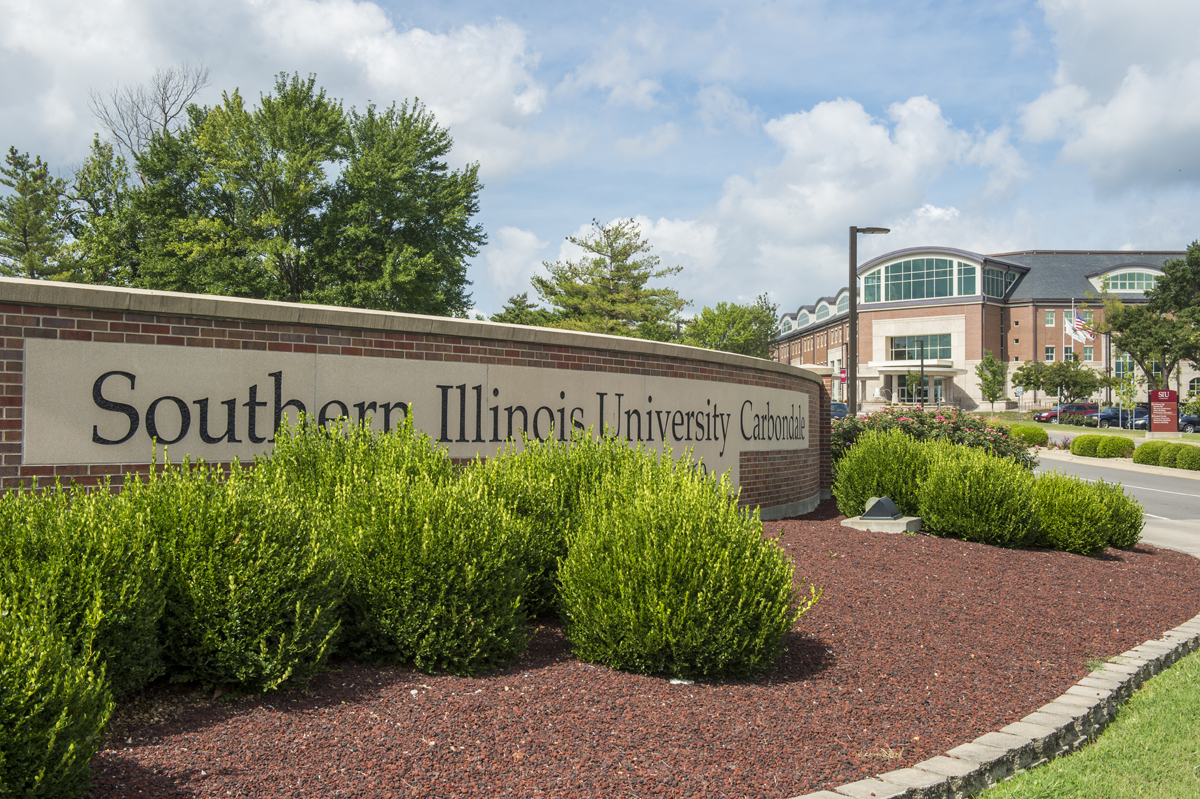
SIU boasts an impressive cannabis program, thanks largely to Dr. Anterola’s work there.

Back in 2014, I introduced cannabis research to our university [Southern Illinois University] and set up an industrial hemp program, which was DEA-licensed I gathered faculty that would be interested in studying hemp and cannabis and we now have a whole cannabis science center at the university. I teach a course in cannabis biology and because I also teach medical botany to undergraduate students, I was able to introduce [premed] students to the endocannabinoid system. Anyway, I can go on and on.

Outside of that I became involved with the AOAC and ASTM, and became a qualified assessor for ISO 17025:2017. I have been a member of the American Chemical Society since 2000 but there were no cannabis related activities there yet until relatively recently. But when they had the new cannabis chemistry subdivision, I am happy to participate in there as well . There are many avenues that I took to begin dabbling with cannabis, be it research, nonprofits, teaching, testing and more. Cannabis has basically infiltrated all areas of what I do as an academic.

Leo: I read his resume and I was like this is the guy! So back to your question, what’s Veda’s role as a testing lab in this space? What are we trying to build? We spent a lot of time trying to figure out what we wanted to be in this space. We came to understand that labs are not the tip of the spear for the market; that would be the growers, the retailers and the processors. We are a support, a service. We see ourselves as a humble, but competent guide. We provide the data for the tip of the spear, the people pushing the industry forward with support, data and the services to make sure they have the tools they need to build these great companies and great products with good cultivation practices and more, leading everyone to the next level of the cannabis industry. Our job is to support innovation, to provide quality compliance testing, to of course ensure safety, while also providing great R&D to these innovative companies.

Aldwin: I’d like to add a bit to that thought. Okay so that’s who we are, but what are we not? Because as Leo said I had a testing lab before we met [Advanced Herbal Analytics]. From there, I approach it as safety testing, making sure that before it gets to the end consumer, we are sort of like gate keepers keeping consumers safe. That’s one side to it, but we are not the people who are trying to make sure that none of the products get to the market. For some, that’s how we’re treated as.

People often look at testing labs like the police. We are not the people trying to limit products to market. Our approach is not to find faults. There is another way of being a testing lab that is less about finding faults in products and more about finding uniqueness. What makes your product different? With this new approach, we are much more focused on helping the best products make it to the shelves.

Aaron: Given that all state licensed labs have to provide the same tests as the other labs in that state, how does Veda differentiate itself?

Leo: Location was the first thing. We picked Santa Barbara County intentionally. We knew that some of the biggest operators, some of the most forward-thinking innovators were setting up shop here. Looking down the road, not just this year or next year but very long term, we wanted to start building a great, sustainable company. We wanted to build a brand that those kinds of companies would be receptive to. Building better and greater products. There’s one other lab in the county and that’s it. Whereas there are clusters of labs in other parts of the state. Part of the draw to Santa Barbara for us was that it is such a small, tight-knit community. We have worked very hard to build relationships in our community and to understand their challenges, helping them however we can.

Location and relationships. Getting to know the challenges that different size customers face, be it our greenhouse customers versus outdoor customers, or large-scale operations versus smaller manufacturing operations, the challenges are all different. Some people care about turnaround times, some more about R&D. If we understand our client’s problems, then we can provide better service. We see ourselves as problem solvers. We lean heavily on our technical team members like Aldwin, who not only have tremendous amounts of experience and education, but also great networks to utilize when a customer needs help, even when it falls outside of our local expertise.
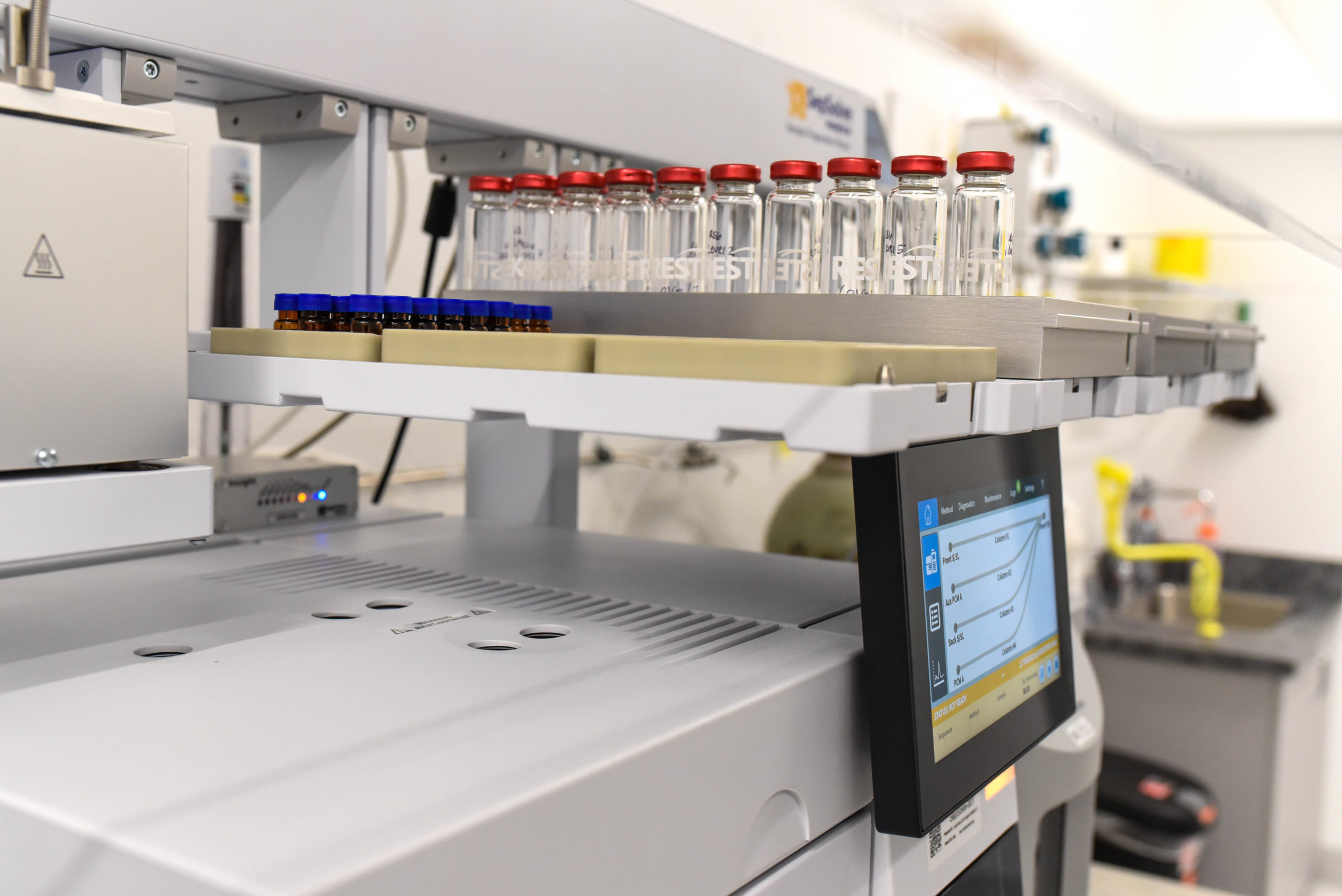
The GCxGC/MS instrument, used for Veda’s advanced R&D testing

Last but certainly not least is the advanced R&D testing that we do. When we first started, we started talking to farmers and manufacturers trying to understand their challenges. What data were they not getting? How would a testing lab better serve them? So, we started investing strategically in certain instruments that would allow us to better serve them. We’ll get into this later as well, but we invested in a GCxGC/MS, which allows us to get more visibility into things beyond the typical panels, like more terpenes and other volatile compounds including thiols and esters. We did that because we knew there is value in that. The data our customers were getting prior just wasn’t enough to put together really great breeding programs or to manufacture really consistent products, you know, to move toward that next level of innovation in the industry.

Aldwin: Leo mentioned advanced R&D and it’s basically the same approach that I mentioned before. It’s not just telling you what you can and cannot do. It’s about asking them what do you want to do and what do you want from a lab? If we have a problem, let’s see if we can solve it. That’s how the GCxGC/MS came into play because we knew there was a need to test for many terpenes and other volatile compounds. The common complaint we received was why two terpene profiles differ so much from each other, even from the same genetics.

This is something that would actually give the customer, the cultivator or the manufacturer: data about their product that they can actually use. For consistency, for better marketing and other reasons. We are trying to help them answer the questions of ‘how can I make my product better?’

You know, for example, clients would tell us they want something that has a specific taste or smells a certain way. Nobody is telling them what makes the flavor or smell. There is a need there that we can fill. We are trying to provide data that they, the customers, need so that they can improve their breeding programs or their formulations. Data they can use, not just data they need in order to comply with regulations. They would ask us what we can do. We listen to our customers and we try and help as best we can. We don’t know every answer. We are discovering there is a lot more to terpenes than what you can find on a traditional one dimensional gas chromatogram. Some of the terpene data that our clients had previously is not really actionable data, which is where the GCxGC/MS is helping us.


In part two, we delve deep into the world of volatile compounds, winemaking, the tastes and smells of cannabis and chicken adobo. Click here to read part two. 
Detecting Microbial Contamination in Cannabis

By Mike Clark
1 Comment

Increasing cannabis use across the US has come with increased scrutiny of its health effects. Regulators and healthcare providers are not just concerned about the direct effects of inhaling or consuming cannabinoids, however, but also about another health risk: microbial contamination in cannabis products. Like any other crop, cannabis is susceptible to contamination by harmful pathogens at several points throughout the supply chain, from cultivation and harvesting to distribution. Many state regulators have set limits for microbial populations in cannabis products. Consequently, testing labs must adopt efficient screening protocols to help companies remain compliant and keep their customers safe.

Some of the pathogens common to cannabis flower include Aspergillus fungus species such as A. flavus, A. fumigatus, A. niger and A. terreus. Cannabis might also harbor harmful E. coli and Salmonella species, including Shiga toxin-producing E. coli (STEC). Regulations vary by state, but most have set specific thresholds for how many colony forming units (CFUs) of particular species can be present in a sellable product.

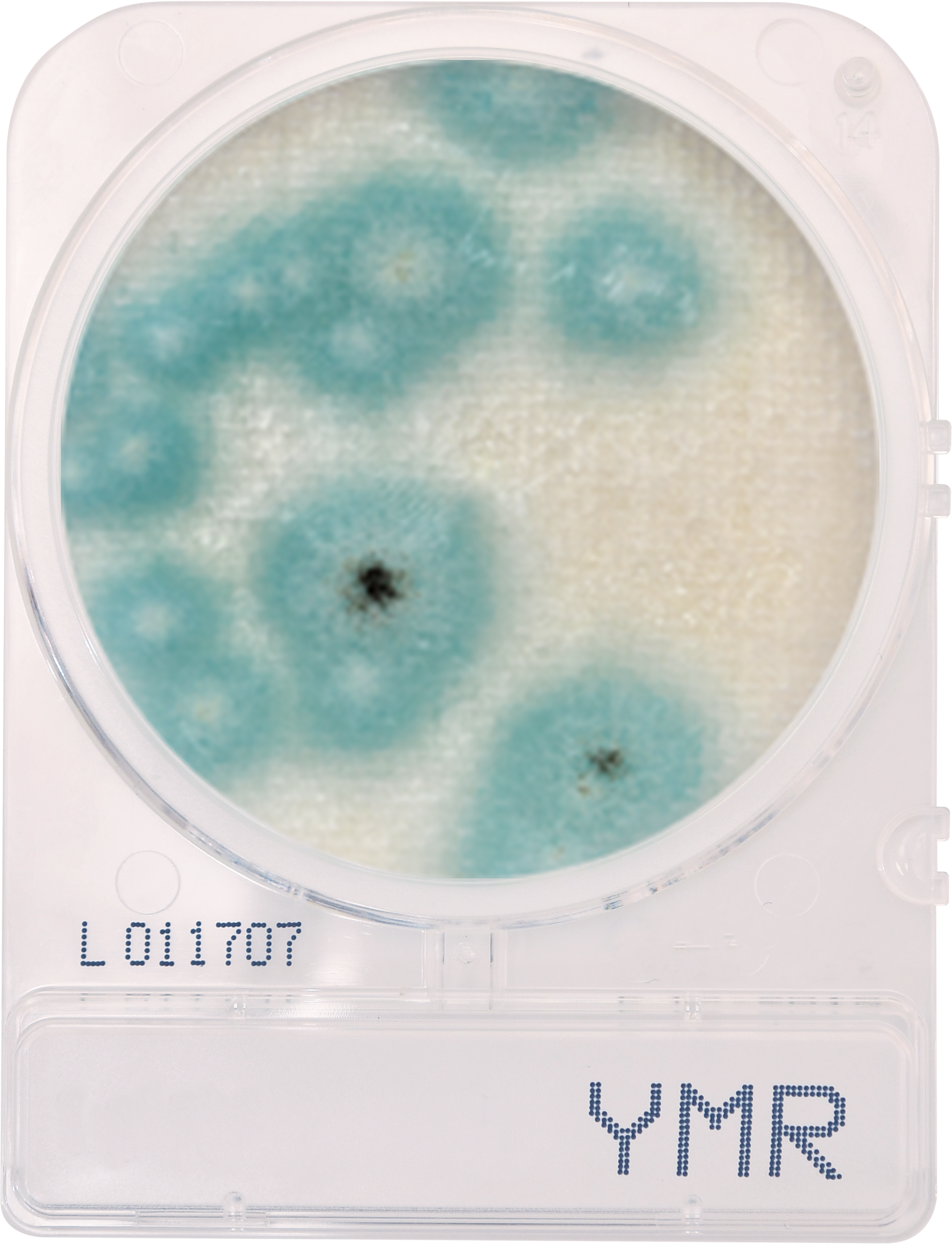
The gold standard method for detecting microbes is running cultures.

Growers and testing labs need to develop a streamlined approach to remain viable. Current methods, including running cultures on every sample, can be expensive and time-consuming, but by introducing a PCR-based screening step first, which identifies the presence of microbial DNA – and therefore the potential for contamination – laboratories can reduce the number of cultures they need to run, saving money and time.

The Risk of Aspergillus Contamination

Contamination from Aspergillus species can bring harm to cannabis growers and their customers. The state of Michigan is currently undergoing the largest cannabis recall in its history from Aspergillus contamination.

If contamination grows out of control, the pathogen can damage the cannabis plant itself and lead to financial losses. Aspergillus can also cause serious illness in consumers, especially those that are immunocompromised. If an immunocompromised person inhales Aspergillus, they can develop aspergillosis, a lung condition with a poor prognosis.

A Two-Step Screening Process

The gold standard method for detecting microbes is running cultures. This technique takes weeks to deliver results and can yield inaccurate CFU counts, making it difficult for growers to satisfy regulators and create a safe product in a timely manner. The use of polymerase chain reaction (PCR) can greatly shorten the time to results and increase sensitivity by determining whether the sample has target DNA.

Using PCR can be expensive, particularly to screen for multiple species at the same time, but a qPCR-based Aspergillus detection assay could lead to significant cost savings. Since the average presumptive positive rate for Aspergillus contamination is low (between 5-10%), this assay can be used to negatively screen large volumes of cannabis samples. It serves as an optional tool to further speciate only those samples that screened positive to comply with state regulations.

Conclusion

Overall, screening protocols have become a necessary part of cannabis production, and to reduce costs, testing labs must optimize methods to become as efficient as possible. With tools such as PCR technology and a method that allows for initial mass screening followed by speciation only when necessary, laboratories can release more samples faster with fewer unnecessary analyses and more success for cannabis producers in the marketplace.

2021 Cannabis Labs Virtual Conference: December Program

By Cannabis Industry Journal Staff
No Comments

2021 Cannabis Labs Virtual Conference: December Program

Sponsored by ANAB, Hardy Diagnostics and MilliporeSigma.

Click here to watch the recording

Agenda

Cannabis Laboratory Accreditation Panel

  • Tracy Szerszen, President & Operations Manager, PJLA
  • Mohan Sabaratnam, Vice President, IAS
  • Kathy Nucifora, COO, COLA
  • Chris Gunning, General Manager for Accreditation Services, A2LA
  • Aaron Biros, Editor, CannabisIndustryJournal.com

In this session, the panel answers attendee questions related to ISO 17025:2017 accreditation for cannabis testing labs. Learn some of the common challenges labs face when seeking accreditation and learn about sampling protocols, security issues, statements of conformance, calibration and much more.

TechTalk: ANAB

  • Melanie Ross, Technical Products Developer, ANSI National Accreditation Board

R & D Lab Testing: Ensuring Success with Results

  • Mark Carter, president of MC Squared Enterprises

Learn how R&D lab testing can help you, prepare for compliance batches, successfully launch new products and amp up your quality control.

TechTalk: MilliporeSigma


USDA’s Hemp Testing Rules Have Changed: Accelerate Your Lab’s Preparedness

  • Arun Apte, CEO, CloudLIMS

This presentation takes a deep dive into understanding the requirements for USDA hemp testing, the operational changes hemp testing laboratories need to make to comply with the new hemp testing rules and the regulatory compliance framework and quality standards the testing labs need to meet.

TechTalk: Hardy Diagnostics

  • Jessa Youngblood, Food & Beverage Market Coordinator, Hardy Diagnostics

Bringing a National Hemp Testing Panel to Market

  • Josh Wurzer, Co-Founder & President, SC Laboratories

Without clear direction from the FDA, states are filling the void by developing their own quality standards and testing requirements for hemp derived CBD products. Unlike their THC based counterparts, hemp derived CBD products are being sold across state lines raising the demand for a single testing panel that will be compliant in every state. Attendees will learn:

  • The current state of regulations nationally
  • The issues that hemp product manufacturers need to be educated on to ensure compliance,
  • The challenges labs face in offering customers a truly comprehensive panel.

Click here to watch the recording

Nonprofits Focus Lens on Delta-8-THC

By Cannabis Industry Journal Staff
No Comments

On December 2, ASTM International, released a whitepaper called “Delta-8-Tetrahydrocannabinol and the Need to Develop Standards to Protect Safety of Consumers.” On the same day, the U.S. Pharmacopeia (USP) launched an expert panel, drafting commentary and providing recommendations to protect public health. The two organizations are working in tandem to better educate the public as well as regulators on the science behind the risks that delta-8-THC products pose to the public.

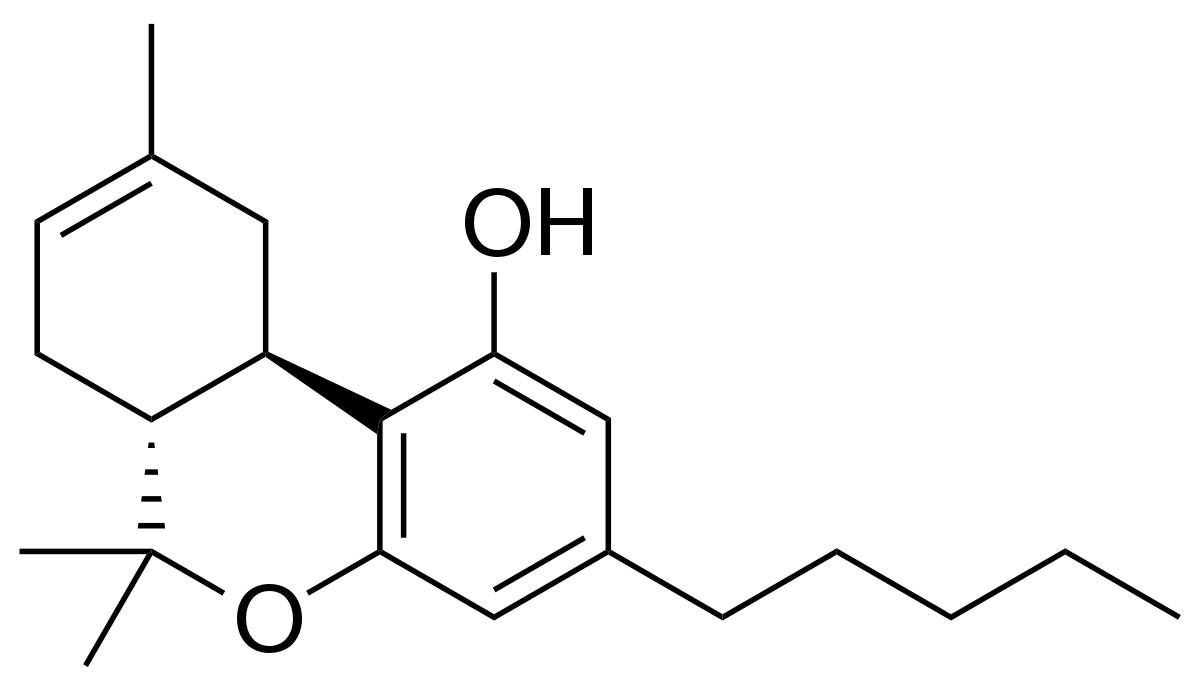
The chemical structure of Delta 8 THC.

ASTM has been working in the cannabis industry through their D37 committee since March of 2017. Soon after the D37 committee launched, they began crafting cannabis standards and have grown their membership and subcommittees considerably over the past few years. USP has also been involved in the cannabis space for quite some time, developing reference standards and offering guidance for the cannabis testing market.

The ASTM whitepaper details the current landscape for hemp-based products that contain delta-8-thc derived from CBD. It includes information on what the cannabinoid is, how it’s produced, the emergence of delta-8-thc in hemp markets and the need for better safety and performance standards.

David Vaillencourt, frequent CIJ contributor and ASTM International member, says they want to identify how we can maintain public safety when it comes to delta-8-THC. “Products containing delta-8-THC are widely available to consumers despite the known and unknown risks to consumer health and safety,” says Vaillencourt. “The topic is much deeper than simply the presence of delta-8-THC. Rather it is about defining how to label products containing potentially intoxicating cannabinoids and identifying what safeguards need to be in place to minimize the risk of impurities that can further impact consumer health.”

In addition to the technical information provided, ASTM’s whitepaper also discusses the risks of synthetic cannabinoids to public health and the regulatory landscape surrounding delta-8-THC. USP’s whitepaper discusses the chemical process that creates delta-8-THC, the unregulated market and offers guidance on how to regulate the cannabinoid with labeling and testing rules.

Dr. Ikhlas Khan, chairman of USP’s expert panel on cannabis, says we need a lot more research.  “The fact of the matter is that little is known about the products labeled as containing delta-8, so much so that the FDA and CDC have both released advisories about the products,” says Khan. “Depending on how the products are produced, unknown impurities may be introduced, including minor and synthetic cannabinoid compounds that are not naturally occurring in cannabis.”

Delta-8-THC is not inherently unsafe, says Dr. Nandakumara Sarma, Director of Dietary Supplements and Herbal Medicines for USP. But as we’ve covered this before, the methods that manufacturers use to produce delta-8-THC could have harmful byproducts present in final products. “Synthetically derived cannabinoids are not necessarily inherently unsafe if they are quality controlled and shown to be safe,” says Dr. Sarma. “By using public quality standards, we can help in controlling the quality of the products and set appropriate limits for impurities.”

The folks at USP and ASTM will host a presentation on the two papers during ASTM’s 2nd Global Workshop on Advancing the Field of Cannabis through Standardization, to be held virtually Dec. 14, 2021. Click here to register.

steep-hill-labs-logo

Steep Hill Expands to Illinois with New Lab

By Cannabis Industry Journal Staff
No Comments
steep-hill-labs-logo

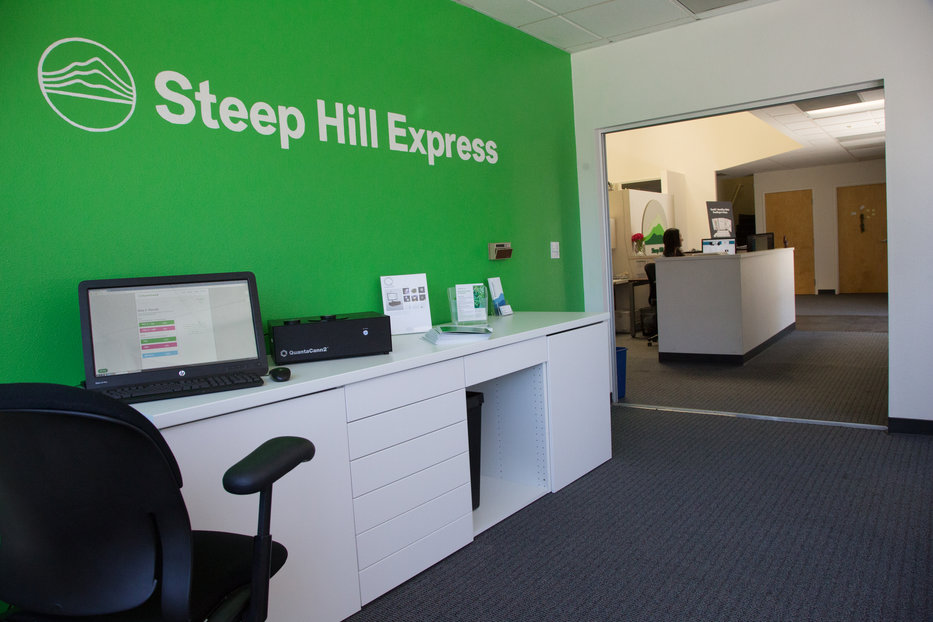
Last week, Steep Hill announced their expansion into Illinois with a new cannabis testing lab partner licensed in Ottawa, IL. Illinois became the eleventh state to legalize adult use cannabis back in 2019. It’s also the eleventh market that Steep Hill has opened a laboratory in.

Co-founders Nick Etten, John Tinsley and Matt Grabowski will lead the new Steep Hill venture. Etten will lead the team as SVP of external affairs, who comes from Acreage holdings and the Veterans Cannabis Project. Tinsley comes from a consulting background at EY-Parthenon and Grabowski comes from a background in finance.

According to the press release, the new Steep Hill location in Ottawa is “within a 90-minute drive of the largest MSOs in Illinois.” The lab will provide full regulatory compliance testing panels in addition to R&D testing, according to Tinsley. “We are currently building out the lab,” says Tinsley. “We will also provide research and development testing services for cultivators and processors; supporting our partners in the development of new products and supporting their growth.”

Steep Hill is often touted as the first cannabis testing lab in the United States, with its headquarters in Berkeley, California. The company has been testing cannabis for thirteen years now.

Leaders in Cannabis Formulations: Part 4

By Aaron Green
No Comments

Natural cannabinoid distillates and isolates are hydrophobic oils and solids, meaning that they do not mix well with water and are poorly absorbed in the human body after consumption. Cannabinoid oils can be formulated into emulsions to form a fine suspension in water to improve bioavailability, stability and flavor. Vertosa is a cannabis infused ingredients company specializing in emulsion technologies. Their technology can be found in a range of CBD and THC containing beverages found on shelves today.

We spoke with Austin Stevenson, chief innovation officer at Vertosa, to learn more about emulsification technology and some of the challenges in testing cannabis infused beverages. Stevenson joined Vertosa in 2019 after spending time as a cannabis advisor at CanopyBoulder as an entrepreneur in residence. Prior to Vertosa, Stevenson ran the hemp and CBD analytical testing laboratory business unit for Eurofins.

Aaron Green: How did you get involved in the cannabis industry?

Austin Stevenson: I got involved in the cannabis industry nearly seven years ago, when I was an advisor to an accelerator in agriculture technology in Africa. I went to the MIT Innovation Laboratory, and I saw a whole bunch of farmers cultivating green leafy vegetables in the middle of the Kalahari Desert, which piqued my curiosity. I learned that it was all done via hydroponic indoor cultivation and freight containers. I got back to the US and put my detective hat on, and learned that it was really the cannabis industry that was driving innovation in terms of indoor and sustainable agriculture. At that point, I took it as an opportunity to dive in and started, again, as an advisor at an accelerator in Colorado. From there, I’ve been on the amazing cannabis journey.

Green: And how did you get involved with Vertosa?

Austin Stevenson, Chief Innovation Officer at Vertosa

Stevenson: I became an advisor at CanopyBoulder to a few software companies and got on the founding team there as well as at a few cultivation companies and other license types across the supply chain. Immediately before Vertosa, I ran the business unit for hemp and CBD testing at Eurofins, one of the world’s largest analytical chemistry laboratories, specializing in Ag Pharma. My clients were your traditional retailers: CVS, Kroger. Our team analyzed thousands, maybe hundreds of thousands of SKUs of infused products.

At one point I had to tell one of my clients at Eurofins, that all of their beverage SKUs were failing potency tests. Their supplements, OTC products, some of the confections, cosmetics, were all passing, but the beverages were failing potency testing. Cannabinoid ingredients were floating to the top, sinking to the bottom, even leaching into the can liners. It just wasn’t working, so we had to tell them that those beverages could not go to market. On this same day, I happened to run into my longtime friend and business partner in the industry (now Vertosa CEO) Ben Larson at a conference in Oakland, who was running the Gateway Incubator at the time, but had met our other partner and founder, Dr. Harold Han. Ben told me, “I have this PhD chemist, a surface chemist from BioRad. He’s been experimenting with techniques, taking cannabis oils and turning them into fast acting emulsions for beverages. I’d like for you to check it out because I’m considering building a business around this.” I said, “Alright, show me the technology. Let me take it back to the lab, analyze it, verify it, and then try it. See if it works.” Lo and behold, it did. I fell in love with the product. I saw the problem firsthand at my lab and now I saw a solution, so I knew that the next part of my cannabis journey would be to join Ben and Harold in building a business together focused on being the number one technology solving the problem of stability and potency for the infused beverage market.

Green: What is the core technology of Vertosa?

Stevenson: Our focus at Vertosa is being the best delivery mechanism for cannabinoids. That means that we have a portfolio of different technologies that we’re using to take cannabis oils and turn them into fast-acting liquid emulsions, as well as powder-based APIs. When we began, we were using nano-emulsification. We are using nanotechnology in the food space, with a few different methods for creating those nano-emulsions, to infuse a diverse range of different products – everything from seltzer waters to dealcoholized wines and teas.

Green: So, it’s a portfolio of products with the basic idea of encapsulating the oil into smaller components. Can you highlight some of the challenges when you were first developing the product with testing? My assumption is that it was relatively new for testing labs. How did you support method development with them so that you are accurately reporting cannabinoid content?

Stevenson: The biggest problem that we faced at Vertosa is that there’s no one size that fits all. The chemistry of an infused seltzer water is different than the chemistry of a dealcoholized wine. The reason is because, quite literally, the ingredients are different. They’re different products. When we’re making the emulsions for these beverages, all the ingredients have to be compatible – the ingredients in the emulsion as well as the ingredients in the beverage. We’ve had to design a portfolio of different emulsions for different beverage types to ensure compatibility in any scenario, otherwise there could be instability, causing separation between the emulsion and the ingredients.

Additionally, we’ve seen challenges in the packaging type as well as the manufacturing techniques, specifically sterilization, thermal processing, chemical treatment, or the lack thereof. These three core variables (ingredients, packaging, and manufacturing technique) are where all the challenges in potency testing arise. For example, you have an infused beverage that is going to be packaged in an aluminum can. There is a polarity between cannabinoids and the can aligners that ultimately could create leaching, or an absorption type of effect.

At Eurofins, we would see beverages that were supposed to contain CBD in the can but were testing at 0 milligrams, despite manufacturers confirming that they had added the CBD. All the CBD had been absorbed into the can liner. Our teams of method development chemists and management had learned to acid rinse the can liner so that we would be able to capture the cannabinoids and identify them. That was a step that we had to learn through trial and error, and we were able to bring this over and build upon this at Vertosa.

Here at Vertosa, the biggest challenge in the lab currently is that there aren’t consistent methods for analyzing beverages. Every lab has different standards, and the instrumentation hasn’t always been calibrated. To ensure that these low dose beverages are measured properly, you have an accurate LOQ to identify the cannabinoid content. Part of the challenge is that the analytical chemistry community has only started to collaborate here recently, literally in the last few months as the AOAC made a call to action for methods for beverage.

At Vertosa, we’ve had to work together with the labs and ask if they have a method for developing beverages. It’s a three-step approach: we send a lab the oil, the emulsion, and the finished product, and ensure that the accurate cannabinoid profile is being diluted across the entire chain to make sure that each step the instrumentation has been calibrated the correct way. We want to make sure that they calibrate it into the HPLC and that the correct cannabinoid profile is always consistent in the finished product. It’s a lot of intimate hand-holding with the labs.

Green: So, you took it upon yourself to go out and get the methods validated, anticipating the need for finished goods testing with your customers and partners?

Stevenson: That’s right. From the beginning, we understood that the problems we are setting out to solve are consistent potency testing and accurate dosing. We wanted to be able to say confidently that when you work with us, you’re going to pass potency tests every time. And if you don’t, we’re going to uncover the reasons why.

For us, we have been able to provide that consistent and reliable ingredient. And yes, there’s been stumbles along the way, but those stumbles are the learnings that make us better. In the beginning, we had just one formula but the chemistries of different beverages vary too much for that to work. We also know that packaging type and manufacturing processes play a role. So, we now have a portfolio of different emulsions, such as conventional, natural, and organic, that can work with any given varibale and that have verifiable potency.

We anchor ourselves to the promise that our clients will pass potency, because that’s the biggest problem most brands have.We know the ingredients inside and out – knowing how heat plays a role, how polyphenols play a role, how oxygen plays a role, and helping the labs and our brand partners succeed while minimizing all the risk and pain that they go through with failed potency. You’d be surprised how many people are using the wrong product in formulation. A new client will come to us frustrated after adding CBD isolate powder to their beverage and seeing it fail potency tests. That’s where we’re able to come in and correct the course.

Green: Someone comes in with a magic wand. What do they solve for you?

“Efficacy research is the most interesting aspect of industry research to me.”Stevenson: If I had a magic wand, I would use it to accelerate efficacy research to validate and verify specific cannabinoids/terpene formulas for targeted effects. In other words, I’d love to have a peer-reviewed, scientifically validated cannabis formula for any desired effect, like anxiety or pain relief, aid in sleep, or increased energy, for example. At Vertosa, we’re currently investing in third party academic research to empower our clients with validated information; however, it takes a lot of time, money, and effort conducting research and clinical trials. It’s a long but essential and beneficial process!

Green: What trends are you following in the industry?

Stevenson: In the world of edibles and ingestibles, I’m extremely interested in exploring onset times and bioavailability technologies, as well as trends in ingredients. More of our clients are interested in rapid onset times so that consumers feel the effects within minutes of consumption, removing some of the stereotypical hesitation around edibles and wondering when “it’ll hit.” It’s also fascinating to explore and integrate minor cannabinoids as well as active and functional ingredients and how they interact together in an ingestible.

I’m also extremely interested in keeping up with changing regulatory policy around consumption lounges and access in recently recreational states. Open consumption lounges are a fantastic solution to further normalizing cannabis usage and decentralizing alcohol in our culture, as consumer behavior is increasingly reflecting a move away from alcohol towards more health-conscious choices.

Green: What are you most interested in learning about?

Stevenson: Efficacy research is the most interesting aspect of industry research to me. Most of us cannabis professionals are passionate about the plant, and anecdotally know how cannabis can be used to improve quality of life. However, the scientific and academic community needs to see hard evidence. As we build the industry in a post-prohibition era, there is more access to research grants to evaluate the efficacy and safety of cannabis. The National Institute of Health (NIH) has identified four (4) key areas of cannabis research eligible for grant funding: (1) cannabinoid research (2) cannabidiol research (3) endocannabinoid system, ECS research, and (4) therapeutic effects of cannabinoids. It’s the latter two, ECS and therapeutic effects, that really spark my curiosity. At VERTOSA, we’re spending a lot of time and resources with our Scientific Advisory board to help accelerate this research, and I’m personally excited about the forthcoming discoveries we make, which will help our entire industry grow and thrive!

2021 Infused Products Virtual Conference

By Cannabis Industry Journal Staff
No Comments

2021 Infused Products Virtual Conference

Click here to watch the recording


Agenda

Where to Begin: Leveraging Quality Systems to Improve Operations & Growth

  • David Vaillencourt, CEO & Founder, The GMP Collective
  • Kathleen May, Founders & Owner, Triskele Quality Solutions

In this session, Vaillencourt and May define what a quality system is, how to apply it in your operation and how to create an SOP that actually works for your employees and operation, and provide key metrics to senior management. Understand the key elements of a Quality System including utilizing a Corrective Action Preventive Action (CAPA) Program to identify and prevent recurring issues that hold your operation back.

TechTalk: MilliporeSigma

  • Dr. Stephan Altmaier, Principal Scientist, MilliporeSigma

3 Steps to Create a Compliance Culture with Operational Excellence

  • Dede Perkins, CEO & Co-Founder, ProCanna

This presentation discusses how to create a set of approved and easily accessible policies and SOPs that comply with both external and internal standards, how to create an initial training system with clearly assigned roles, responsibilities, and goals and how to create an ongoing training system with clearly assigned roles, responsibilities, and goals to maintain what you’ve created.

Innovation from an Outside Perspective – For the Purpose of Building Infused & CBD Product Success

  • Jerod Martin, Chief Research & Development Officer, CannGoods

For the cannabis industry to be successful we must start with quality research enabling us to utilize quality ingredients resulting in quality products. We should look to other industries to gain knowledge for a better cannabis industry. This presentation delves into why research matters, why ingredients matter and why quality matters.

Implementing Food Safety Management Systems in Infused Products Production Facilities

  • Dr. Laurie Post, Director of Food Safety and Regulatory Affairs, Deibel Labs

Participants will be introduced to Food Safety Management Programs such as HACCP and FDA mandated Preventive Controls systems, Food Safety Hazard Assessments and how to conduct them and Preventive controls and how to use them to craft a Food Safety system

Click here to watch the recording

From CBD to THCV: Clinical Trials & ECS Brands

By Aaron Green
No Comments

The cannabinoid industry has faced an uphill battle from the beginning due to a lack of reliable scientific awareness about cannabinoids, fueled by decades of the hemp plant’s status as an illegal Schedule 1 drug. Today, scientists finally are free to explore the hemp plant’s 115+ cannabinoids and their relationships with the body’s endocannabinoid system. One cannabinoid, THCV, is currently undergoing scrupulous research.

ECS Brands is an established provider of whole-plant extracts. In the first-ever clinical trial for an organic THCV-rich extract, ECS received support from the National Institutes of Health and guidance from the Mayo Clinic to assess its potential for weight loss, anxiety treatment and other therapies using Nitro-V Hemp Extract, an ECS Brands product containing high concentrations of THCV, CBDV and other cannabinoids. Early outcomes of the 90-day, randomized, double-blind placebo-controlled human study were recently released. 100 out of 100 people lost weight, making no changes to exercise while taking the product for 90 days.

We interviewed Arthur Jaffee, Founder & CEO of ECS Brands. Prior to founding ECS, Arthur was co-founder of Elixinol, a company manufacturing and distributing industrial hemp-based products. Arthur took Elixinol public on the Australian stock exchange in 2018.

Aaron Green: How did you get involved in the cannabis industry?

Arthur Jaffee, Founder & CEO of ECS Brands

Arthur Jaffee: I originally was planning on starting a fitness equipment company. I got introduced to my partner at Elixinol, Gabriel, who my old physical therapist at University of Colorado said I had to meet. By the end of our lunch meeting, we shook hands in agreement to partner up on the fitness equipment concept. The timing happened where he got this opportunity to distribute CBD just following our handshake partnership. I didn’t know what it was at the time. He asked me if I wanted to join and get involved. I did my research into the benefits and discovered CBD’s anti-inflammatory and neuro-protective benefits, which for me was relevant given my football experience. I quickly realized what the vast potential CBD could offer with inflammation, neuroprotection and so many of the health and safety concerns arising from contact sports at the time. So, ultimately the opportunity presented itself through a friend of a friend in Australia who had a supply chain in Europe. This was right when CBD first appeared in the media in 2014. It was almost like it just fell into my lap.

I’ve been fortunate to really see that transition, and the evolution of the industry. Back then was probably the most valuable time because growth was so slow. Nobody knew what CBD was back in 2014. The primary demographic was cancer patients and epilepsy patients which presented a significant challenge to develop sales and marketing materials and communicate compliantly. Our first hire was a Medical Doctor to communicate in a more compliant fashion. I had to learn everything there was about the science and the medical research that existed at that time. For me, that was very valuable.

The valuable learning experiences from the early days of the industry is what laid the foundation today with ECS brands where we are focused on education promoting awareness of the endocannabinoid system to take it a step beyond just CBD because in order to understand what constitutes a quality product, or why CBD can have all these various benefits for people, you must first understand how the body is naturally configured to receive and respond to these amazing phytochemicals such as CBD. CBD is just one of hundreds of phytonutrients that the human body is designed to use. The endocannabinoid system is so significant in the grand scheme of things, because once you start accepting that the system is your overarching regulatory system in the body, we can start to look at the endless therapeutic potential.

Green: Being an early player in the CBD space, how would you say you’ve evolved over time to where you’re at today?

Jaffee: Innovation. That’s what really drove me to start ECS brands. Back in 2014, I originally co-founded Elixinol. After we took Elixinol public on the Australian exchange in the very beginning of 2018, there was a shift in direction away from innovation. Nearly all emphasis was placed on just doing what we’re doing better – meaning improving margins. In such a new and young industry and being a pioneer, you don’t get many opportunities to discover and create something for the first time. So, the past three years with ECS brands is with a heavy focus on innovation and technology.

Green: How do you think about innovation for the endocannabinoid system?

Jaffee: One of the early discoveries for me that was most inspiring, was research that evaluated endocannabinoid receptor sites, basically little keyholes for cannabinoids to perfectly fit in – that are made for cannabinoids. When evaluating the number of receptor sites in different individuals experiencing stress and illness it showed there was a higher concentration of receptor sites in those that were sick and experiencing systemic stress. To me, that was that was powerful because if that doesn’t communicate the body’s need for cannabinoid nourishment to heal and restore back to homeostasis as a natural and involuntary response really motivated me to play a part in getting quality cannabinoid products out to the masses and specifically those in most critical need. Our first interaction with cannabinoids is in mother’s breast milk, the cannabinoids that our bodies naturally produce. After breastfeeding, our diets are completely stripped of virtually all cannabinoids, leaving the endocannabinoid system starving, and likely leading to many of the most common and chronic health deficiencies that causes detriment to so many. Rather than cannabinoids, we then get introduced to pharmaceuticals. The writing is on the wall – this must get accepted and integrated into our society.

The Nitro-V Hemp Extract, an ECS Brands product

When it comes to innovation surrounding the public system it requires research and requires scientific evidence. It requires functional products because you can have all these great benefits, but if you don’t have efficient and effective ways of delivering these chemicals to the body, it can almost be meaningless. It’s a delicate balance between consumer appeal, functionality and efficiency when it comes to the delivery into the body. We’re focusing on delivery systems, making things more bioavailable and integrating other natural botanicals that react and influence the system in similar ways as there are more than just cannabis-derived cannabinoids that can create positive impact and ultimately alter the way that the endocannabinoid system can regulate.

Green: An important aspect of innovation is clinical validation. How do you think about clinical trials and designing clinical trials for products?

Jaffee: Clinical trials are instrumental and required to validate claims because otherwise, it’s just speculation. Directional application without the clinical evidence to support in the appropriate way is setting yourself up for failure. Designing a clinical trial is just as important as performing the trial. If it’s not set up right, it can be a waste of time and money. Trials really need to be held to the gold standard of double-blind placebo controlled and thoughtfully organized.

We did organize a clinical trial at the beginning of this year, and it was incredible. We learned so much about a unique extract of ours that’s naturally rich in THCV and CBDV. We intentionally set it up to be a very broad and encompassing study. I personally wanted to see the different mechanisms and how the endocannabinoid system responded and worked together with other systems in the body. We evaluated a broad range of measurements, with complete safety tox study – blood panels to test every organ – measuring kidney enzymes, liver enzymes, ALT, AST, ALP, bilirubin, albumin, creatinine as well as cholesterol – with HDL, LDL and triglycerides, GFR and Complete Blood Count. We also measured blood sugar hemoglobin A1C and five major inflammatory markers of IL-1, IL-6, C-Reactive protein, Homocysteine and TNF. In addition to performing a full safety run-up of the product, we also measured weight, BMI, girth, questionnaires for anxiety, appetite, pain, mood and finally – we bought brand new Fitbit Versa 3’s for all 125 study participants which gave us objective measurements for REM sleep, deep sleep, awake time, systolic/diastolic BP, SpO2 blood oxygen levels and daily caloric output values – which was really cool because it provided tangible objective evidence that participants weren’t going out and secretly exercising. So, we had 100 people taking the product and then 25 on placebo.

Green: Was this a safety trial?

Jaffee: Yes. The primary endpoint study was safety. That’s how we enrolled participants – as a general product safety study for a natural product. I decided to include a lot of additional efficacy measurements, including weight loss, measuring body mass index as well as heart rate for all the blood markers that we looked at. In addition to that we purchased brand new Fitbit Versa 3’s for the entire study group, which was great because they gave us objective measurements for three different sleep readings, deep sleep, REM sleep and rest asleep as well as lower output and blood oxygen levels.

We saw everything kind of working together. We saw deep sleep improve 300% within two weeks. We saw blood sugars come down significantly from those that are considered high, pre-diabetic ranges of hemoglobin A1C. You saw inflammatory markers reduce to normal levels, with 92% efficacy, which basically just means that those who were experiencing inflammation by means of these major inflammatory markers, after 90 days, 92% of subjects were reduced to nominal ranges. So, it was really fascinating to see how, with all the different measurements. that we can correlate different objective measurements. Then, we did subjective measurements too. We had standardized questionnaires for anxiety and pain, as well as an internally developed appetite and cravings questionnaire.

Green: Based on the results of that safety study, are there particular disease states you want to target going forward?

Jaffee: Moving forward, we are interested to look at each blood sugar and Hb A1C. I think one of the most exciting and popular successes of the study was the fact that we had 100 out of 100 participants lose weight without diet and exercise. Because we incorporated the Fitbit, we were able to obtain objective evidence that participants weren’t going and secretly working out. The Fitbit provided a caloric output value. It is basically an algorithm taking the number of steps taken, stairs climbed, heart rate, movement, etc. to populate a caloric expenditure value, which remained completely stable in our study population. Subjects were specifically instructed NOT to change any lifestyle behavior – specifically diet, exercise, and sleep, and that if any changes were to occur naturally that was acceptable. What this ultimately told us is that diets changed, and metabolisms increased, and we were able to support that notion with the appetite and cravings questionnaire that we had participants fill out where cravings did reduce and desire for sugary foods reduced 63%. These were questions that we internally developed for the appetite and cravings questionnaire, which were based on feedback that we received prior to the study.

Green: What are in your personal life or in cannabis are you most interested in learning about?

Jaffee: It’s changed a little bit over the years. My biggest passion I would say is performance. I think the hemp plant has so much to offer when it comes to superior nutrition and healing. Once I learned about the benefits and the potential of hemp with its food applications and specific protein composition – the powerful oxygenating properties of Hemp Seed Oil, the brain health properties it encompasses, and of course the cannabinoid potential… It got me very motivated to commit myself to this plant. It wasn’t long before learning all the incredible industrial applications and solution the plant also offers – such as plastics, textiles, biofuel, building materials – and as an environmental science major – learning about these amazing applications got me that much more excited, but knowing and trusting that CBD would be the first stepping stone in an industry that needs to evolve into all the amazing sustainable applications because it’s all it’s all very real. It will get there, but it won’t be easy.

Green: Thanks Arthur, that concludes the interview.

Jaffee: Thanks Aaron

Cannabis Recalls: Lessons Learned After Three Years of Canadian Legalization

By Steven Burton
1 Comment

Three years ago, Canada became one of the first countries in the world to legalize and regulate cannabis. We’ve covered various aspects of cannabis regulation since, but now with a few years of data readily available, it’s time to step back and assess: what can we learn from three years of cannabis recalls in the world’s largest legal market?

Labelling Errors are the Leading Cause of Canadian Cannabis Recalls

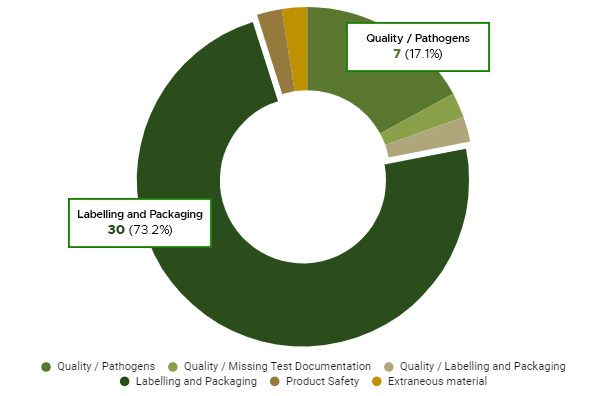
Our analysis of Health Canada’s data revealed a clear leader: most cannabis recalls since legalization in October 2018 have been due to labelling and packaging errors. In fact, over three quarters of total cannabis recalls were issued for this reason, covering more than 140,000 units of recalled product.

The most common source of labelling and packaging recalls in the cannabis industry (more than half) is inaccurate cannabinoid information. Peace Naturals Project’s recall of Spinach Blue Dream dried cannabis pre-rolls this year is a good example. Not only did the packaging incorrectly read that the product contained CBD, but the THC quantity listed was lower than the actual amount of THC in the product. The recall covered over 13,000 units from a single lot sold over 10 weeks.

In another example, a minor error made a huge impact. British Columbia-based We Grow BC Ltd. experienced this firsthand when it misplaced the decimal points in its cannabinoid content. The recalled products displayed the total THC and CBD values as 20.50 mg/g and 0.06 mg/g, respectively, when the products contained 205.0 mg/g and 0.6 mg/g.

Accurate potency details are not just crucial for compliance. For many customers, potency is a deciding factor when selecting a cannabis product, and this is especially important for medicinal users (including children), people who are sensitive to certain cannabinoids and consumers looking for non-psychoactive effects. In this case, at least six consumer complaints were submitted to Peace Naturals Project, the highest number for any cannabis recall in Canada.

Frequent, integrated lab testing, an effective and robust traceability system, smaller lot sizes during production and consistent quality checks could have helped Peace Naturals Project and We Grow BC limit the scope of their recall or avoid them altogether.

Pathogens are the #2 Cause of Cannabis Recalls in Canada

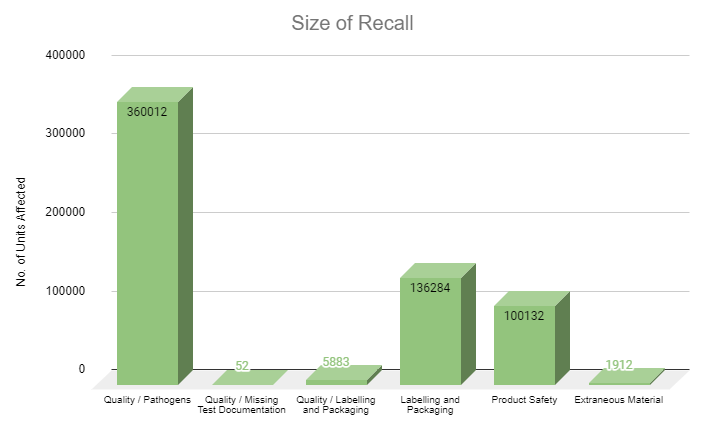
Pathogens are the second most common cause of recalls in Canada, claiming 18% of total cannabis recall incidents. And while that doesn’t sound like much compared to the recalls caused by labelling errors, it affects the highest volume of product recalled with over 360,000 units affected.

Canadian Cannabis Recalls – Total number of affected units and noted causes

A primary cause of allergens and microbiological contamination of cannabis products is yeast, mold and bacteria found on cannabis flower (chemical contaminants like pesticides can also be a major concern). Companies like Atlas Growers, Natural MedCo and Agro-Greens Natural Products have all learned this lesson through costly recalls.

These allergenic contaminants pose an obvious health risk, often leading to reactions such as wheezing, sneezing and itchy eyes. For people using cannabis for medical conditions and may be more susceptible to illness, pathogens can cause more serious health complications. Moreover, this type of cannabis recall not only drives significant cost since microbiological contamination of flower could easily affect several product batches processed in the same facility and/or trigger downstream recalls, but also affect consumer confidence for established cannabis brands.

Preventive control plan requirements for cannabis manufacturers mandate that holders of a license for processing that produce edible cannabis or cannabis extracts in Canada must identify and analyze the biological, chemical and physical hazards that present a risk of contamination to the cannabis or anything that would be used as an ingredient in the production of the edible cannabis or cannabis extract. Biological hazards can come from a number of sources, including:

  • Incoming ingredients, including raw materials
  • Cross-contamination in the processing or storage environment
  • Employees
  • Cannabis extract, edible cannabis and ingredient contact surfaces
  • Air
  • Water
  • Insects and rodents

To mitigate risks, addressing root causes with preventative measures and controls is essential. For instance, high humidity levels and honeydew secreted by insects are common causes of mold on cannabis flowers. Measures such as leaving a reasonable distance between plants, using climate-controlled areas to dry flowers, applying antifungal agents and conducting regular tests are necessary to combat such incidents.

control the room environment
Preventative measures and controls can save a business from extremely costly recalls.

Of course, placing all the necessary controls into action is not as simple as it may sound. Multiple facilities and a wide range of products in production mean more complexity for cannabis producers and processors. Any gaps in processing flower, extracts or edibles can result in an uncontrolled safety hazard that may lead to a costly cannabis recall.

These challenges are not just limited to cannabis growers. The food industry has been effectively mitigating the risk of biological hazards for decades with the help of food ERP solutions.

Avoid Recalls Altogether with Advanced ERP Technology

An effective preventative control plan with regular quality checks, internal audits and standardized testing is important to minimize the threats evident from Canada’s recall data. If these measures ever fail, real-time traceability systems play a pivotal role in the event of a cannabis recall by enabling manufacturers to trace back incidents to the exact point of contamination and identify affected products with surgical precision.

Instead of starting from zero, savvy cannabis industry leaders turn to the proven solutions from the food industry and take advantage of data-driven, automated systems that deliver the reliability and safety that the growing industry needs. From automated label generation to integrated lab testing to quality checks to precision traceability and advanced reporting, production and quality control systems are keys to success for the years ahead.

bioMérieux Gets AOAC Approval for PCR Detection of STEC and Salmonella in Cannabis

By Cannabis Industry Journal Staff
No Comments

bioMérieux, a leader in the in vitro diagnostics space and a supporter of the cannabis testing market, announced last month that they have achieved the first ever AOAC International approval for PCR Multiplex Detection of STEC and Salmonella in cannabis flower for their GENE-UP® PRO STEC/Salmonella Assay. The performance tested method approval for their new assay accomodates simultaneous enrichment and detection of STEC (Shiga Toxigenic Escherichia coli) and Salmonella spp. in cannabis samples.

The method is aimed at increasing efficiency in cannabis testing labs by reducing sample preparation time for microbiological testing. With the single enrichment and real-time multiplex PCR detection, bioMérieux says their new assay can provide reliable detection of STEC and Salmonella in 24 hours using just a single test.

PCR technology is one of the most widely utilized testing methods for detecting pathogens in a variety of matrices. bioMérieux claims it is easy to use, scientifically robust and reduces costs, time spent testing and errors.

Maria McIntyre, cannabis strategic operations business manager at bioMérieux, says that AOAC performance tested method approval is setting the bar for cannabis testing laboratories and furthering cannabis science. “AOAC International impacts cannabis science by setting analytical method standards that act as the benchmark for method validation,” says McIntyre. “This simplifies the validations needed by cannabis laboratories and assures the utmost confidence in product safety and human health.”