Last month, Health Canada published a Voluntary Recall Guide to help producers not only stay in compliance but run their operations better. While it will certainly prove to be a critically useful guide for Canadian LPs who are now subject to domestic regulations, it is also a highly useful document for others. Namely, newly legalizing U.S. states and even European countries now looking for guidance on how to shape, structure and regulate their own burgeoning domestic cultivation markets either underway now or about to start.
It could be considered, on one level, a critical start-up business guide for those still looking for guidance in Canada (as well as elsewhere). Domestically, the document is clearly a handy template, if not something to create checklists from, in setting up a vital and at this point, mandatory part of a compliant cultivation facility in Canada.
The guide also covers not only domestically distributed product but that bound for export.
One of the more intriguing aspects of the guide is also how low tech it is. For example, the guide suggests that a license holder responsible for recall notices, plan on quick response methods that include everything from a self-addressed postcard to an email acknowledgement link.
That said, recalls must be reported to the government exclusively via an email address (no mail drop is listed). And suggestions about media outlets to which to submit recall notices are noticeably digitally heavy. Websites and social media platforms are suggested as the first two options of posting a recall. Posters at retailers is listed dead last.
What is also notable, not to mention commendable, is the inclusion of how to include supply chain partners in recall notices, as well as the mandate to do it in the first place.
Also Of Note
Also excellent is the attempt to begin to set a checklist and process about evaluating both the process of the recall itself and further identification of future best practices.Health Canada also expects companies to show proof of follow up efforts to reach non-responders all along the supply chain.
For example, the report suggests that LPs obtain not only feedback from both their supply chain and consumers involved, but elicit information on how such entities and individuals received the information in the first place. Further, the volume of responses (especially from end consumers) or lack thereof should be examined specifically to understand how effective the outreach effort actually was in reaching its target audience.
This is especially important because Health Canada also expects companies to show proof of follow up efforts to reach non-responders all along the supply chain.
Regulatory Reporting Guidelines
One of the reasons that this guide is so useful is that Health Canada also expects to receive full written reports touching upon all of the issues it lays out within 30 days of the recall announcement itself.
In turn, this is also a clear attempt to begin to start to document quality controls and attempts to correct the same quickly in an industry still plagued by product quality issues, particularly at home, but with an eye to overseas markets.
As such, it will also prove invaluable to other entities, far beyond Canadian LPs involved in the process this document lays out. Namely, it is a good comprehensive, but easy to follow and generally applicable guide for new states (in the case of the US) if not national governments in Europe and beyond who are now starting to look at regulating their own burgeoning industries from the ground up.
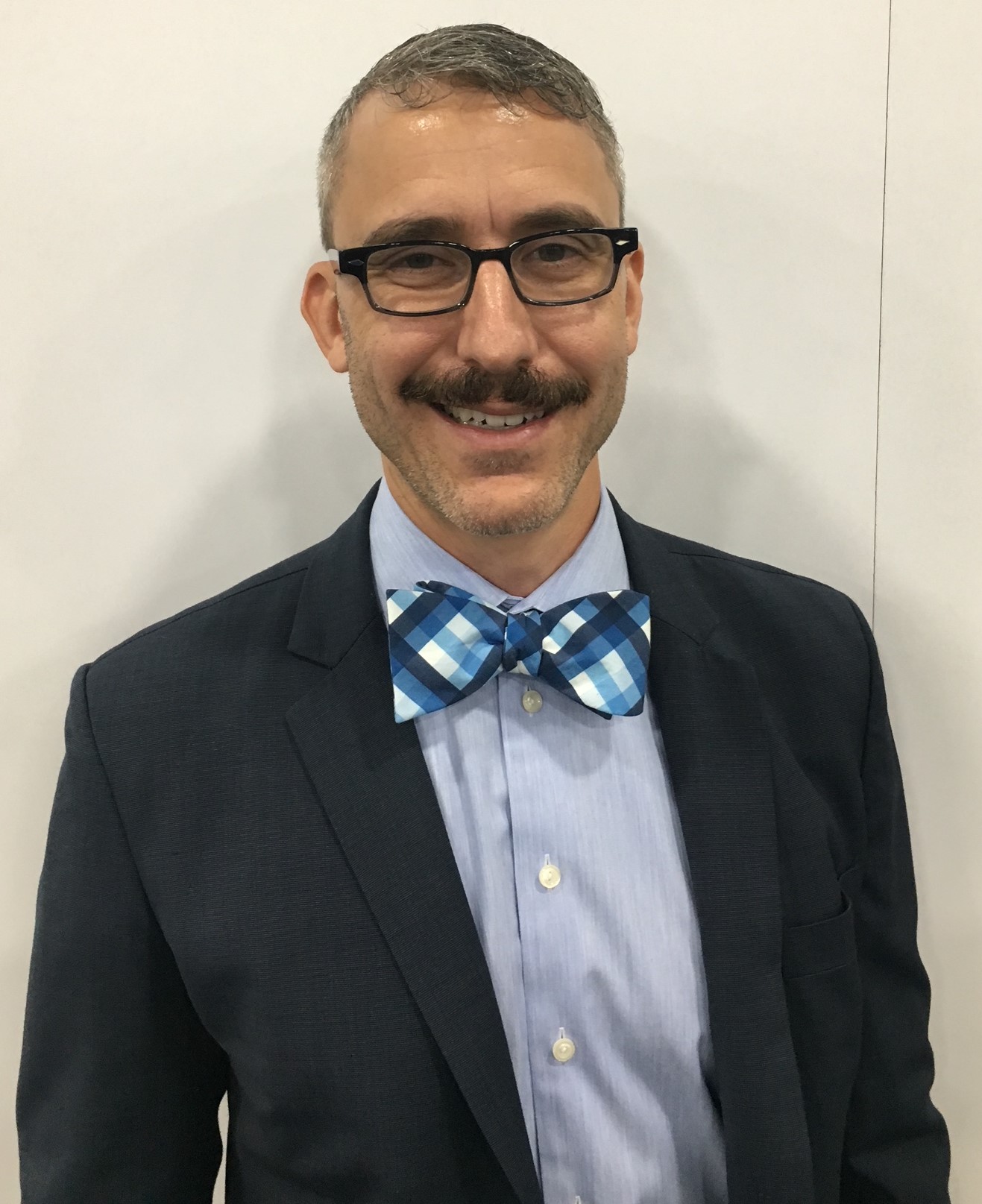
According to a press release published today, Steep Hill has signed a licensing agreement with Green Analytics East to open a new laboratory, Steep Hill New Jersey. “We are pleased to announce a licensee partnership with Green Analytics East to bring Steep Hill to New Jersey,” says Jeffrey Monat, chairman of the Steep Hill board of directors. “Since 2008, Steep Hill has developed and now employs cutting edge cannabis testing practices, providing analysis to ensure safe medicine and products. With Green Analytics East as our trusted partner, New Jersey patients and consumers can be confident that all Steep Hill-tested products will fully comply with public safety and regulatory standards.”
They haven’t obtained the local permits yet, but the press release states they expect to be open for business in the third quarter of 2019. Steep Hill began their cannabis laboratory testing business in California. Since their start in 2008, the company has grown rapidly, developing programs for regulatory compliance testing in medical and recreational cannabis markets. They have also ventured into research and development testing, licensing, genetics and remote testing.
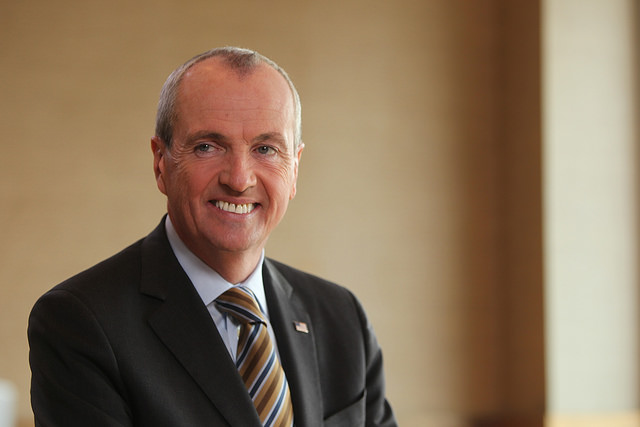
The news of Steep Hill moving into the New Jersey market comes at a time when Governor Phil Murphy and lawmakers in the state are in the midst of planning adult use legalization. According to Shannon Hoffman, director of operations of Steep Hill New Jersey, they are hoping lawmakers reach a decision soon. “We are excited to bring our focus of service, accuracy, and scientific knowledge and expertise to the New Jersey market,” says Hoffman. “We look forward to serving the licensed producers, the patient community, and hopefully soon, the adult use consumer.”
The cannabis industry is growing fast as more states implement legislation to legalize cannabis in different ways. If you’re trying to break in or keep your place in this new market, it can be difficult to understand and comply with ever-changing government regulations as you try and scale your business.
Cannabis businesses need to comply with a range of new local, state and federal regulations related to cannabis specifically, in addition to regulations already in place for the pharmaceutical and food industries to ensure their products are safe for public consumption. On top of that, there are the complexities of managing a supply chain, including growing, warehousing, transportation, food safety requirements, product labeling, business plans, marketing, selling and any other necessities that come with running a businesses.
This is a lot of new information when you’re vying for your place in the cannabis industry. That’s why some businesses are turning to consultants to help. Consultancy is a great and time-tested way to grow your businesses and keep a competitive edge. But just like every other industry, when you choose a consultant, there are specific things to look for and avoid.each party will have work to do in order to communicate clearly, define responsibilities and execute on a plan.
Understand the Role of Consultants
The expertise of cannabis consultants can vary widely. Usually there’s no “one stop shop” for everything you need to run your business, meaning consultants often specialize in a specific area. Consultant expertise includes specialties such as cultivation, manufacturing, food safety, dispensary, transportation, legal, accountants, human resources and more, all within different regulatory compliance wrappers.
It’s important to remember that consultants are usually not responsible for setting goals for you, but the right consultant can help you refine, meet and even exceed your goals. However, each party will have work to do in order to communicate clearly, define responsibilities and execute on a plan.
Focus on Your Specific Needs
Identifying your specific needs and understanding what success looks like for you is a critical step to take before contacting any consultant. This prep work helps you identify what kind of consulting you actually need and what you’re willing to spend to get it. Some consultants can help you tackle more than one area, but most will specialize. In fact, choosing several specialized consultants (if you have many needs), may feel like it costs more up front, but it will likely save you frustration, headaches and money in the long run. Additionally, if a consultant claims they can do everything in several areas of expertise, they may be overpromising on what they can actually deliver to you as a customer.
Ask the Right Questions
When vetting a consultant, it’s your job to ask probing questions. Don’t hold back and don’t be put off by vague answers. If a consultancy avoids questions or can’t give clear answers, they may be overpromising or being less than honest about their skillset. Here are some general areas of discussion to help you get started when interviewing consultants:
Consultants can help you get through unfamiliar territory or help you to manage your team’s workload.
The consultant’s relevant experience.
Past or current client references.
Detailed discussion of your specific needs as a business.
How much time can the consultant dedicate to you as a client.
Detailed outline of the consultation plan, including a clear timeline.
Responsibilities of each party, deliverables and what success looks like for customer sign off.
Certifications and credentials if relevant to your consultation needs (e.g. legal, accounting, regulatory).
What is and is not included with their quoted fee, and what you may be charged for as an “add on” to your contract.
Any possible conflicts of interest, including how consultants separate work for clients who are competitors.
Avoid Red Flags
As with any burgeoning market, there will be consultants who get into the cannabis space that are more interested in making money than helping you as an individual client as businesses work to legitimize the industry as a whole. Doing your research and asking for referrals helps, but there are also red flags to look for. Some of these red flags may pop up due to inexperience and some may be a sign of bad actors in the consultant market.
Asking for equity as payment.
Refusing to provide references.
Avoiding questions or giving unclear answers.
Unwilling to track time and itemize costs on bills.
Overpromising AKA “this sounds too good to be true.”
Dominating the process instead of treating you like a partner.
Build a Strong Relationship
To get the most out of a consultancy experience, it’s important for both parties to work at building a strong business relationship. You know you’re hitting the sweet spot in business relationships when you have well-oiled communication and feedback loops, including honesty around expectations and frustrations from both parties. A great consultant wants feedback so they can improve their process, therefore they will actively listen to and address your concerns. Additionally, it’s important for you as a client to also be open to feedback and ready to make changes to your process to get the best return on your investment.
Across the country, a handful of states are expected to move forward with a number of bills making their way each state’s legislature. Here is a quick recap on some of the more newsworthy bills from this week.
Arizona
When Arizona legalized medical cannabis use, there was no provision in the legislation that required laboratory testing to insure the safety of cannabis products. To this day, Arizona is one of the few states left that has legalized medical cannabis, but does not require lab testing. A bill, SB 1494, that just passed through the state’s Senate could very well change that. According to azmarijuana.com, the bill passed unanimously through the Arizona Senate and would require the Arizona Department of Health Services (ADHS) to implement regulations for laboratories to test for contaminates like pesticides.
They need at least 75% of the House to vote in favor in order for it to pass. If that happens, testing could be required as soon as June 1, 2020.
The House Criminal Justice and Public Safety Committee voted 10-9 to recommend HB 481, which would legalize recreational cannabis, including growing up to 12 plants, imposing a tax of $30 per ounce on cannabis sold through retail. It would also set up a regulatory agency in charge of licensing and regulating the industry.
New Jersey Governor Phil Murphy
New Jersey
Governor Phil Murphy met with lawmakers earlier this week to discuss the legalization of recreational cannabis. According to CBS New York, the Governor reached a deal with Senate President Steve Sweeney, Assembly Speaker Craig Coughlin, Sen. Nicholas Scutari and Assemblywoman Annette Quijano to introduce a bill that he would sign into law.
The deal would legalize and regulate recreational cannabis, expunge previous cannabis-related convictions, levy a $42 tax per ounce of cannabis sold, along with setting up a commission to issue licenses and regulate the market. When Governor Murphy ran for office, his campaign included a pledge to legalize recreational cannabis, A previous attempt to get a bill through the legislature failed to get enough votes last year.
Vermont
Back in February, the Vermont Senate passed a bill to regulate and tax recreational cannabis with a veto-proof majority. SB 54 is now in committee review in the House, where it is expected to see more hurdles, according to Burlington Free Press.
Another bill was introduced in the Vermont Senate, SB 117,which would reportedly open up more access to the medical cannabis program, including increasing possession limits, allowing patients to grow more plants at a time and set up a lab testing program as well.
The 2ndAnnual Cannabis Labs Virtual Conference is set to take place on Tuesday, April 2, 2019, starting at 12:00 Noon and concluding at 4:00 PM EDT. This complimentary series of webinars will take a deep dive into a variety of subjects related to cannabis testing and the laboratory industry.
The virtual event will help attendees better understand some of the more technical aspects of starting and operating a laboratory. Topics discussed will include pesticide testing, cannabinoid and terpene testing, the new ISO 17025:2017 accreditation and a lesson in starting a laboratory in a new market.
Attendees registering for this complimentary series of webinars will get access to four veterans of the cannabis lab testing industry, who are available for Q&A after each presentation. In addition to getting the opportunity to chat with these subject matter experts on April 2, a recording of the presentations will be made available to all who register.
Charles Deibel, President & CEO – Deibel Labs, Inc.
Here is a snapshot of the agenda:
Pesticide Testing: Methods, Strategies & Sampling Charles Deibel, President & CEO – Deibel Labs, Inc.
Pesticides represent the number one area for batch failures in the US cannabis market. These are concerns not only for consumers, but are a very big concern for cultivators and manufacturers of cannabis products. remediation of the pesticides, once they are in the product are not always feasible From the lab level, they are also the hardest test to run in the laboratory, even one equipped with state-of-the-art equipment. The best instruments on the market are very expensive and there are no standardized methods, meaning lab to lab variability has happened.
What are the pesticides in cannabis and are there any that are the “main concerns” or ones that stand out as particularly damaging?
What is a basic breakdown of the testing and methods used for pesticide testing?
What are the best strategies for the sampling of cannabis products?
Chris Martinez, Co-Founder & President, EVIO Labs FL
Building a Lab in an Emerging Market Chris Martinez, Co-Founder & President, EVIO Labs FL
Will present a discussion of the genesis of EVIO Labs Florida, how to start a lab in a new market
Challenges in how we navigated changing regulations in a state with newly legalized cannabis
Expanding a lab to a second location – logistics, hiring, training, consistency.
Dr. Cindy Orser, Chief Science Officer, Digipath Labs
Appreciation of “measurement uncertainty” in cannabis testing
Dr. Cindy Orser, Chief Science Officer, Digipath Labs
Standardization of testing methods is a high priority
Terpenes are the distinguishing chemicals in cannabis sensory perception and chemotaxonomy
Benefits of Accreditation to the ISO 17025:2017 Standard Jane Weitzel, Independent Consultant
The ISO/IEC 17025:2017 standard is now being used to accredit cannabis testing laboratories. From this presentation you will learn the key new aspects of the standard. This includes risk-based thinking. Many aspects of this risk approach require the use of measurement uncertainty. This means the measurement uncertainty must be adequately evaluated. You will be introduced to evaluating and using measurement uncertainty.
The 2017 standard emphasizes conflict of interest and impartiality. Procedures and practices to achieve impartiality will be shown. This reduces the risk of potentially damaging leaks of information or the risk of people not working to the best interests of the laboratory and its clients.
Jane Weitzel, Independent Consultant
The 2017 standard is a valuable and useful business tool that can save the laboratory resources, effort and money. Are you doing too much testing? Are you doing too little testing? When you evaluate the measurement uncertainty you can use it to learn the steps in your test method that need enhancement to reduce the risk of making mistakes. You can also use the measurement uncertainty to focus on the significant steps and stop wasting time on steps and activities that are insignificant.
These benefits of laboratory accreditation will be demonstrated with examples from the cannabis industry.
According to a press release published earlier this week, PathogenDx, Inc., is expanding their product portfolio and doing some rebranding. The DNA-based pathogen detection testing provider, headquartered in Scottsdale, Arizona, produces microarray testing platforms for the cannabis, agriculture and food and beverage industries. Their rapid testing technology can reportedly identify and detect 50+ pathogens all in a single test, including common pathogens such as E. Coli, Salmonella and Aspergillus.
DetectX – Tests for the presence of pathogenic microbial organisms down to a single organism, at less than 0.1 CFU/gram for state regulated compliance. Test 96 or more samples a day for multiple state mandated microbial pathogens, with product safety certainty delivered in 6 hours, far more rapid than current industry standards of 72 hours or more.
QuantX – The world’s first quantification microarray test for Cannabis. This test measures the microbial load in a sample, while also providing discrimination of the organism content relative to testing standards. Regulatory agencies will now have the opportunity to improve microbial testing standards to ensure safety.
EnviroX – With a single swab, one can identify 50+ species and classes of microbes, with quick-turn results, by simply swabbing a grower/cultivation facility surfaces and vents. Submit, identify, and remediate. It’s that simple to mitigate risk to high-value crops.
PhytoX – Coming in Summer of 2019,PathogenDx will introduce the ultra-rapid, easy plant pathogen test to detect powdery mildew, gray mold, mites and other microbial bugs that can become destructive threats to one’s crop. Acquire results in 6 hours to intercept and redress infestation that can destroy one’s yield.
According to CEO and Co-Founder Milan Patel, they want their technology to set the standard for product safety testing. “We’re making the accurate testing of cannabis, food and agriculture faster, more definitive and less expensive with trackable results benefitting growers, producers, regulators and consumers worldwide,” says Patel. “Our new brand is inspired by our unique microplex array and is bright, fresh, memorable and expansive, enabling us to move from cannabis only to much larger global consumable markets where we can continue to offer new products and applications for the technology.”
AOAC INTERNATIONAL is an independent, third party, not-for-profit association and voluntary consensus standards developing organization. Founded in 1884, AOAC INTERNATIONAL was originally coined the Association of Official Agricultural Chemists. Later on, they changed their name to the Association of Official Analytical Chemists. Now that their members include microbiologists, food scientists as well as chemists, the organization officially changed its name to just AOAC INTERNATIONAL.
Much of AOAC’s work surrounds promoting food safety, food security and public health. Their work generally encompasses setting scientific standards for testing methodology, evaluating and adopting test methods and evaluating laboratory proficiency of test methods. The organization provides a forum for scientists to develop microbiological and chemical standards.
In December of 2018, they appointed Dr. Palmer Orlandi as deputy executive director and chief science officer. Dr. Orlandi has an extensive background at the U.S. Food and Drug Administration (FDA), serving the regulatory agency for more than 20 years. Most recently, he was the CSO and research director in the Office of Food and Veterinary Medicine at the FDA. He earned the rank of Rear Admiral and Assistant Surgeon General in 2017.
Dr. Palmer Orlandi is the new Deputy Executive Director and Chief Science Officer at AOAC.
Where It All Began With Cannabis
As recently as three years ago, AOAC began getting involved in the cannabis laboratory testing community, with a working group dedicated to developing standard method performance requirements for AOAC Official MethodsSM for cannabis testing. We sat down with Dr. Palmer Orlandi and a number of AOAC’s leaders to get an update on their progress working with cannabis testing as well as food security and food fraud.
According to Scott Coates, senior director of the AOAC Research Institute, they were approached three years ago to set up a working group for cannabis testing. “We created standards that we call the standard method performance requirements (SMPR®), which are detailed descriptions of what analytical methods should be able to do,” says Coates. “Using SMPRs, we issued a series of calls for methods and looked for methods that meet our standards. So far, we’ve completed four SMPRs- cannabinoids in plant material, cannabinoids in plant extracts, cannabinoids in chocolate (edibles), and one for pesticides in cannabis plant material.” AOAC doesn’t develop methods themselves, but they perform a comprehensive review of the methods and if they deem them acceptable, then the methods can be adopted and published in the AOAC compendium of methods, the Official Methods of Analysis of AOAC INTERNATIONAL.
Deborah McKenzie, senior director of Standards and Official Methods at AOAC
Deborah McKenzie, senior director of Standards and Official MethodsSM at AOAC, says the initial working group set the stage for really sinking their teeth into cannabis testing. “It started with methods for testing cannabinoids in plant dried material and plant extract,” says McKenzie. “That’s where our previous work has started to mold into the current effort we are launching.” McKenzie says they are looking forward to getting more involved with methods regarding chemical contaminants in cannabis, cannabinoids in various foods and consumables, as well as microbial organisms in cannabis. “We are pretty focused on testing labs having reliable and validated analytical solutions as our broad goal right now.”
Moving Forward, Expanding Their Programs
Coates says the work they’ve done over the past few years was more of a singular project, developed strictly for creating standards and to review methods. Now they are currently developing their Cannabis Analytical Science Program (CASP), which is expected to be an ongoing program. “We are looking to fully support the cannabis analytical community as best we can, which will potentially include working on reference materials, proficiency testing, education, training and ISO 17025 accreditation, all particularly as it applies to lab testing in the cannabis industry,” says Coates. “So, this CASP work is a much bigger and broader effort to cover more and to provide more support for labs doing the analysis of cannabis and its constituents, as well as hemp.”
According to Dr. Orlandi, they want this program to have a broad reach in the cannabis testing community. “As Scott pointed out, it’s not just strictly developing standards and methods,” says Dr. Orlandi. “It is going to be as all-encompassing as possible and will lead to training programs, a proficiency testing program and other areas.” Arlene Fox, senior director of AOAC’s Laboratory Proficiency Testing Program, says they are actively engaging in proficiency testing. “We are in the process of evaluating what is out there, what is possible and what’s needed as far as expanding proficiency testing for cannabis labs,” says Fox.
Regulatory Challenges & Obstacles
The obvious roadblock to much of AOAC’s work is that cannabis is still considered a controlled substance. “That creates some challenges for the work that we do in certain areas,” says Dr. Orlandi. “That is why this isn’t just a one-year project. We will work with these challenges and our stakeholders to address them.” AOAC had to put some limits on participation- for example, they had to decide that they cannot look for contributions or collaborations with producers and distributors, so long as cannabis is still a Schedule I controlled substance in the US.
Arlene Fox, senior director of AOAC’s Laboratory Proficiency Testing Program
Muddying the waters even further, the recent signing of the Farm Bill puts a clear distinction between most types of cannabis and industrial hemp. David Schmidt, executive director of AOAC realizes they need to be realistic with their stakeholders and in the eye of federal law.
While scientifically speaking, it’s pretty much the same plant just with slightly different chemical constituents, AOAC INTERNATIONAL has to draw a line in the sand somewhere. “As Palmer suggests, because of the Farm Bill being implemented and hemp being defined now as a legal substance from a controlled substance standpoint, industrial hemp has been given this exclusion,” says Schmidt. “So, we are trying to be realistic now, working with our stakeholders that work with hemp, trying to understand the reality of the federal law. We want to make clear that we can meet stakeholder needs and we want to distinguish hemp from cannabis to remain confident in the legality of it.” Schmidt says this is one of a number of topics they plan on addressing in detail at their upcoming 9thannual 2019 Midyear Meeting, held March 11-14 in Gaithersburg, Maryland.
Uniformity in Methodology: The Future of Cannabis Testing
Dr. Orlandi says his experience at the FDA has prepared him well for the work being done at AOAC. “The role that I served at the FDA prior to joining my colleagues here at AOAC was very similar: And that is to bring together stakeholders to accomplish or to solve a common problem.” Some of their stakeholders in the CASP program include BC Testing, Inc., the Association of Food and Drug Officials (AFDO), Bia Diagnostics, Bio-Rad, Industrial Laboratories, Materia Medica Labs, PerkinElmer, R-Biopharm AG, Supra R & D, TEQ Analytical Laboratories, Titan Analytical and Trilogy Analytical, among others.
David Schmidt, executive director of AOAC
“The underlying reason behind this effort is to create some level of harmonization for standards and methods,” says Dr. Orlandi. “They can be used in the near future to stay ahead of the curve for when regulatory agencies become involved. The idea is that these standards for analytical methods will already be established and as uniform as possible.”
When comparing cannabis to other industries in the US, Scott Coates mentions that most standards are signed off by the federal government. “When we started looking at pesticides in cannabis, it became really clear that we have a number of states doing things differently with different limits of quantification,” says Coates. “Each state, generally speaking, is setting their own standards. As Palmer was saying, one thing we are trying to do with this CASP program eventually will be to have some harmonization, instead of 30 different states having 30 different standards and methods.” So, on a much broader level, their goal for the CASP program is to develop a common set of standard methods, including hemp testing and even the Canadian market. “Hopefully this will be an international collaboration for standards for the methodology,” says Coates. They want to create a common set of standards, setting limits of quantification that will be accepted internationally, that will be accurate and repeatable and for the entire cannabis industry, not just state by state.
Food Authenticity & Fraud
One of the other activities that AOAC just launched recently is the food authenticity and fraud program. As the name implies, the goal is to start developing standards and methods and materials to look at economically adulterated foods, says Dr. Orlandi. That includes non-targeted analyses looking at matrices of food products that may be adulterated with an unknown target, as well as targeted analytes, identifying common adulterants in a variety of food products. “One example in the food industry is fraudulent olive oil,” says Dr. Orlandi. “Honey is another commodity that has experienced adulteration.” He says that in most cases these are economically motivated instances of fraud.
To say that there has been explosive growth in the cannabis edibles market is an understatement. In the next 5 years, edibles are expected to become a $5.3 billion industry according to the Brightfield Group, a cannabis market research firm. Skyrocketing demand for cannabis infusion in food and beverage products, both recreational and medical, has prompted concern for the health and safety of consumers due to the lack of federal legality and regulatory guidelines for these products. Edibles consumers assume the same level of safety and quality present in other food and beverage products in the market. Progressive cannabis operations are opting to follow current food safety guidelines to mitigate hazards despite not being legally required to do so. Utilizing these guidelines, as well as incorporating an industry-specific ERP solutionto automate processes, enables cannabis businesses to provide quality, consistent products and establish standards to support the eventuality of federal cannabis legalization.
Edibles consumption has grown not only in a recreational capacity but also for medicinal use to treat chronic pain, relieve epilepsy symptoms, decrease nausea, combat anxiety and other health issues. Cannabidiol (CBD) infused products take many forms including candies, baked goods, chocolate, oils, sprays, beer, soda, tea and coffee. Their popularity is partly due to their more socially acceptable use, creating an appeal to a wider audience. While the Food and Drug Administration (FDA) is responsible for overseeing food and beverage safety for products sold in the United States, their regulations are not enforced in the cannabis-infused marketplace. Without federal regulatory standards, there exist inherent food safety concerns that create risks to consumers. The average cannabis edibles customer is likely unaware of the “consume at your own risk” nature of the products.
The structure of cannabidiol (CBD), one of 400 active compounds found in cannabis.
There are many consequences of not addressing food safety hazards, as the possibility of food-borne illnesses resulting from unsafe and unsanitary manufacturing facilitieshave become increasingly likely in an unregulated market. In addition to these concerns, problems particular to cannabisgrowing and harvesting practices are also possible. Aflatoxins (mold carcinogens) on the cannabis bud, pesticide residue on plants, pest contamination, improper employee handling and training and inaccurate levels of CBD all contribute to the risk of outbreaks, hefty fines, recalls or business closure. To mitigate the risk of exposure, it is recommended that edible manufacturers employ a proactive approach of observing proper food safety standards that encompass the growing, manufacturing, packaging, handling, storing and selling of products. With a focus on safety, cannabis edible manufacturers utilizing an ERP solution and vendor with experience in food safety management will reap the benefits that food and beverage businesses have experienced for decades.
Following established food safety protocols and guidelines of the food and beverage and dietary supplement industry, allows manufacturers of cannabis-infused edibles to implement a proactive approach by focusing on safety and reducing the risk to their operations. Food and beverage manufacturing best practices include: maintaining supplier list, quality control testing, sanitary handling of consumables, maintaining clean facilities and mitigating cross-contamination. Successful food and beverage manufacturers also incorporate a food safety team, preventative controls, and a food safety plan (FSP) including a detailed recall plan into their safety initiatives.
Establishing and maintaining a supplier list with approved quality ingredients is an essential building block for reducing food safety hazards and can be easily maintained within an ERP. Documentation of vendor information and recording of stringent testing results ensures that specific quality standards are met. Conducting extensive research regarding the source of the ingredients for use in cannabis edibles allows companies to confirm that raw ingredients were processed in a safe environment. The importance of supply chain visibility cannot be understated, as suppliers are in control of potential hazards. Quality processes and regularly performed testing is automated through the workflow of an ERP solution in the manufacturing facility – enabling noncompliant raw materials to be quarantined and removed from production. The ERP solution allows for management of critical control points to catch non-compliance issues and set-up of alternate suppliers in case of supplier-related issues. Maintaining approved supplier lists is an industry best practice that provides current and accurate information in the event of possible consumer adverse reactions.
Following current Good Manufacturing Practices (cGMPs) should underlie efforts to address food safety concerns in the cannabis edibles industry. An ERP solution assists with documenting these quality initiatives to ensure the safe and sanitary manufacturing, storage and packaging of food for human consumption. This includes evaluating equipment status, establishing cleaning and sanitation procedures and eliminating allergen cross-contamination. Employee training is conducted and documentation maintained in the ERP solution to ensure hygienic procedures, allergen awareness, illness reporting and required food or cannabis handling certifications.
Cannabis businesses can benefit from establishing a food safety team tasked with developing a Hazard Analysis Critical Control Points (HACCP) plan to provide effective procedures and protect consumers from the hazards inherent in edible cannabis products – including biological, chemical and physical dangers. Automating processes within an ERP solution prevents and controls hazards before food safety is compromised. Since HACCP plans have historically been used by food and beverage manufacturers to ensure a safe product for the consumer, cannabis edibles manufacturers can apply the lessons from these food safety protocols and procedures in their initiatives.By utilizing food safety best practices partnered with an ERP solution, cannabis businesses can avoid the negative consequences resulting from failure to address food safety hazards in manufacturing, storage and packaging.
A comprehensive FSP, as required by the FDA’s Food Safety Modernization Act (FSMA), identifies food safety hazards and guides the development of a company-specific, validated plan. This plan documents processes throughout the manufacturing, processing, packaging and storage stages of the operation. ERP software provides real-time, forward and backward lot traceability from seed-to-sale with the ability to track materials, document recipes and accurately label products. This detailed level of traceability provides an automated system that implements and documents food safety policies throughout the manufacturing process. With a trained Preventative Control Qualified Individual (PCQI) implementing the FSP, preventative controls, recall plans and employee training records are maintained in an integrated system.
The cannabis market’s tremendous growth has driven edibles manufacturers to follow the same guidelines as mainstream food and beverage companies to ensure safety is afforded equally to consumers of cannabis edibles. By utilizing food safety best practices partnered with an ERP solution, cannabis businesses can avoid the negative consequences resulting from failure to address food safety hazards in manufacturing, storage and packaging. At the end of the day, it’s up to cannabis manufacturers to be proactive in ensuring cannabis edibles are safe to consume until regulations are mandated.
According to a press release published today, Emerald Scientific awarded PerkinElmer five badges for The Emerald Test, a bi-annual Inter-Laboratory Comparison and Proficiency Test (ILC/PT) program. Awarding the badges for Perkin Elmer’s instruments and testing methods affirms their ability to accurately detect pesticides, heavy metals, residual solvents, terpenes and potency in cannabis.
According to Greg Sears, vice president and general manager of Food, Chromatography & Mass Spectrometry, Discovery & Analytical Solutions at PerkinElmer, they are the only instrument manufacturer to receive all five accolades. “To date, PerkinElmer is the only solutions provider to successfully complete these five Emerald Scientific proficiency tests,” says Sears. “The badges underscore our instruments’ ability to help cannabis labs meet the highest standards available in the industry and effectively address their biggest pain point: Navigating diverse regulations without compromising turnaround time.”
The instruments used were PerkinElmer’s QSight 220 and 420 Triple Quad systems, which are originally designed for accurate and fast detection/identification of “pesticides, mycotoxins and emerging contaminants in complex food, cannabis and environmental samples,” reads the press release. They also used their ICP-MS, GC/MS and HPLC systems for the badges.
PerkinElmer says they developed a single LC/MS/MS method using their QSight Triple Quad systems, which helps labs test for pesticides and mycotoxins under strict regulations in states like California and Oregon. They performed studies that also confirm their instruments can help meet Canada’s testing requirements, which set action limits nearly 10 times lower than California, according to the press release.
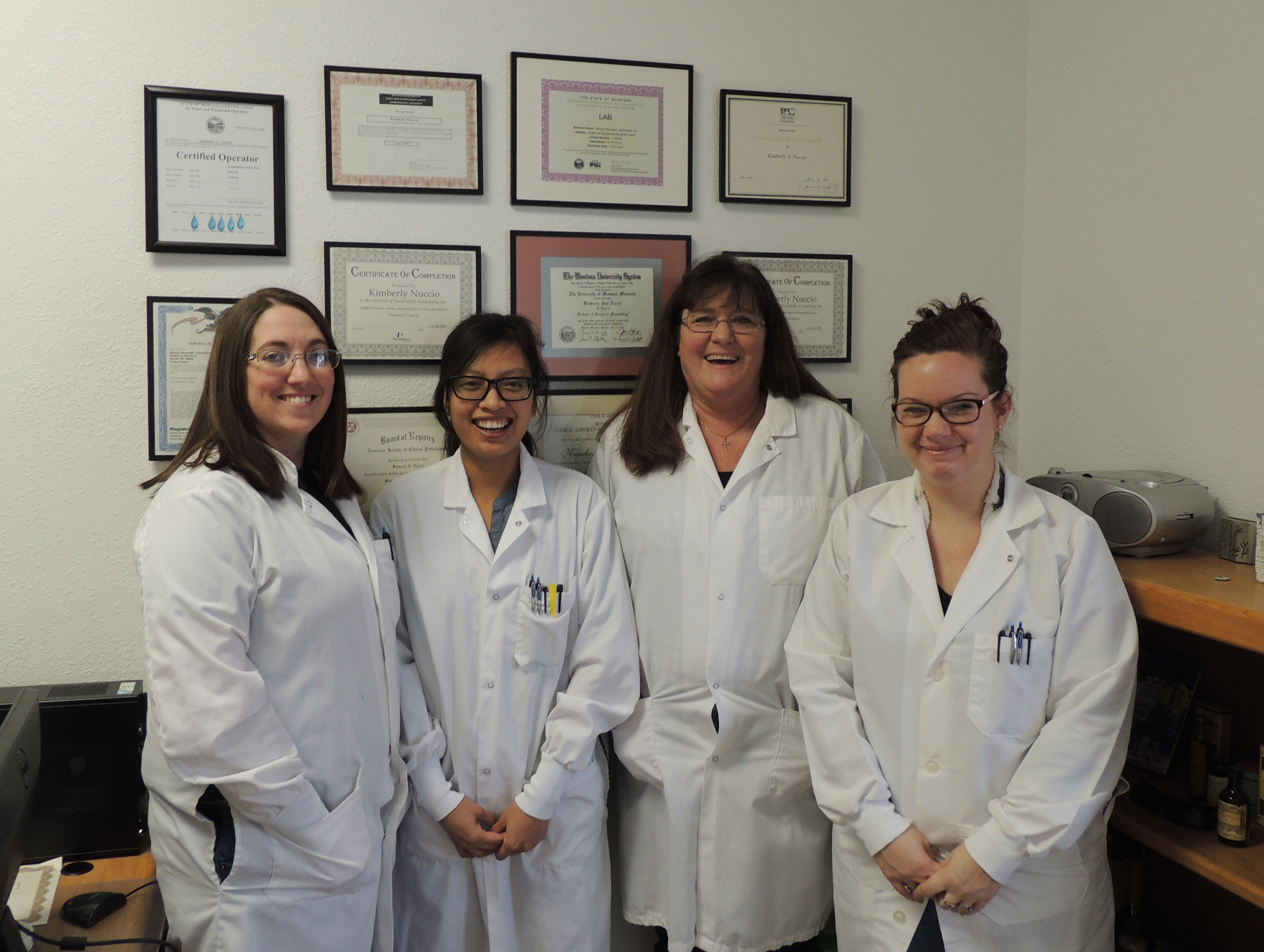
According to a PJLA client spotlight, MML is a female-owned business with two generations of family-run business experience. Before they took the plunge into medical cannabis testing, MML started out testing in public water systems in Montana. They have since expanded their regimen of testing services to offer a host of other services, but most recently adding compliance testing for medical cannabis and cannabis related products.
The Mission Mountain Labs team
According to Kimberly Nuccio, president of MML, this accreditation allows them to grow their business considerably. “Accreditation has opened greater opportunities for business growth by attracting larger companies that are looking for reassurance that a laboratory follows the highest testing standards,” says Nuccio. “Being an accredited lab gives them that added confidence necessary when deciding which lab to partner with for their testing needs. Mission Mountain Laboratories is the first Medical Marijuana Lab to achieve ISO accreditation in the state of Montana, and PJLA accreditation helped expand us into the new arena of Medical Marijuana compliance testing.”
MML has plans to expand their operations greatly, including opening a location in Florida by 2020. “We are aware of the increased and urgent demand for quality Cannabis compliance testing nationwide and are currently working on a 3-year plan to expand into Florida and several other states to fill this void,” says Nuccio. “These new locations will also be equipped to provide full service testing for Nutraceuticals, Food manufacturing, and Environmental businesses.”
This website uses cookies so that we can provide you with the best user experience possible. Cookie information is stored in your browser and performs functions such as recognising you when you return to our website and helping our team to understand which sections of the website you find most interesting and useful.
Strictly Necessary Cookies
Strictly Necessary Cookie should be enabled at all times so that we can save your preferences for cookie settings.
We use tracking pixels that set your arrival time at our website, this is used as part of our anti-spam and security measures. Disabling this tracking pixel would disable some of our security measures, and is therefore considered necessary for the safe operation of the website. This tracking pixel is cleared from your system when you delete files in your history.
We also use cookies to store your preferences regarding the setting of 3rd Party Cookies.
If you disable this cookie, we will not be able to save your preferences. This means that every time you visit this website you will need to enable or disable cookies again.