
Tag Archives: medicine

New York Expands Medical Access, Prepares for Adult Use

By Cannabis Industry Journal Staff
No Comments

Now entering its sixth year of medical cannabis legalization, the Empire State is well on its way to expanding the market considerably. When New York first legalized medical cannabis, it had some of the strictest rules in the country. Dispensaries needed to have pharmacists and doctors with special training on staff, they couldn’t sell flower and there was a very small list of qualifying conditions for getting a cannabis prescription.

While New York legalized adult use cannabis back in March of 2021, the actual market is still probably about a year away from launching. The bill immediately decriminalized possession up to certain amounts and set up the Office of Cannabis Management (OCM), New York’s regulatory body now overseeing the medical, adult use and hemp markets.
Over the past six years since the state legalized medical cannabis, the rules have eased incrementally, with more licenses awarded, more doctors participating, more qualifying conditions approved and a larger variety of products on dispensary shelves. Back in 2017, they added chronic pain to the list of qualifying conditions, which was seen as a big effort at the time for expanding patient access.

Just a few weeks ago on January 24, 2022, the Office of Cannabis Management, dropped all qualifying conditions. That means patients with more common ailments and really any type of condition, like anxiety or sleep disorders, can get a prescription for cannabis.

“Launching the new patient certification and registration system and expanding eligibility for the Medical Cannabis Program are significant steps forward for our program,” says Chris Alexander, executive director of the OCM. “We will continue to implement the MRTA and ensure that all New Yorkers who can benefit from medical cannabis have the access they need to do so. It’s important for New Yorkers to know that even as we shift the medical program to the OCM, your access will not be disrupted and the program will continue to expand.”

New York City
Image: Rodrigo Paredes, Flickr

In addition to dropping qualifying conditions, the state took a number of other measures to increase access and allow the market to expand further. For example, dispensaries can now sell flower, more physicians like dentists, podiatrists and midwives can participate, the OCM removed the patient registration fee and they increased the amount of cannabis patients can purchase at a time.

Beyond the medical market, New York is making strides in launching their hemp program as well as preparing for the eventual launch of the adult use market. Back in November, the state’s Cannabis Control Board approved new regulations for the hemp program, establishing standards for manufacturing, lab testing, packaging and labeling.

On the adult use front, delays are the name of the game. According to a publication called The City, delays to launch the new market have been made worse by former Governor Andrew Cuomo’s resignation following sexual harassment allegations. They say the state might not see the launch of the adult use market until early 2023 at best. Decisions on licensing, standards and rules are to be made by the Cannabis Control Board, a five-member commission tasked with overseeing the OCM. So far, the Board has not addressed a timeframe for when they will begin adult use sales.

2022 Infused Products Virtual Conference: February Program

By Cannabis Industry Journal Staff
No Comments

2022 Infused Products Virtual Conference: February Program

Sponsored by Columbia Laboratories

Click here to watch the recording

Agenda

cGMP Certification: What it is, Can you get it, and What does it take

  • Kim Stuck, Founder & CEO, Allay Consulting

Kim Stuck, a former cannabis regulator for Denver Department of Public Health and Environment now turned compliance consultant for the cannabis industry will be sharing her experiences and discussing quality assurance in cannabis when it comes to cGMP Certification. She will be explaining what cGMP is and:

  • How it fits in the cannabis industry
  • What the steps are to gaining cGMP Certification
  • Tips on how to be successful in the certification process.

TechTalk: Columbia Laboratories

  • Jessa Youngblood, Food & Beverage Market Coordinator II, Hardy Diagnostics

From Idea to Product: How to Launch an Edible 

  • Katherine Knowlton, Founder, Happy Chance
  • Kalon Baird, Founder & COO, Splash Nano

Learn everything you need to know about launching an edible product from two experts currently doing just that. Attendees learn about finding a niche, quality, the supply chain and the retail ecosystem.

Food Safety for Infused Edibles

  • Steven Gendel, Ph.D., Gendel Food Safety

This presentation takes a deep dive into current regulatory programs, why standardization is crucial, the importance of food safety in edibles, the importance of the ingredient supply chain and some shortcomings in current regulations.

Why Are Infuser Licenses Tricky?

  • Sumer Thomas, Director of Regulatory Operations, Canna Advisors
  • Brian Harris, Project Manager, Canna Advisors

Attendees of this session will learn:

  • Learn how being in the middle of the supply chain complicates everything
  • What is different about capital requirements
  • How team member requirements are make-or-break for your success

Click here to watch the recording

Pennsylvania Recalls Vape Products

By Cannabis Industry Journal Staff
No Comments

The Pennsylvania Department of Health sent emails back in December to registered medical cannabis patients, notifying them of a safety review being conducted on ingredients found in cannabis vape products. According to the Pittsburgh City Paper, the emails the state agency sent out were kind of cryptic; They did not include any information on why they were conducting this review or what exactly patients should be worried about in their vape products.

Then on February 4, the state’s health agency sent a third email. This one notified patients they were recalling more than 650 products and ingredients. “As you know, the Department recently conducted a statewide review of all vaporized medical marijuana products containing added ingredients,” reads the email to patients. “After finishing this review, the Department has determined that certain vaporized medical marijuana products containing some added ingredients have not been approved for inhalation by the United States Food and Drug Administration (FDA).”

While the FDA does approve added ingredients in other products, they don’t really deal with vaping, let alone cannabis. In October of 2021, the FDA did start regulating the space, making their first-ever approval for vaping products with nicotine e-cigarettes. Still though, the FDA has not conducted broad studies on specific vaping ingredients and their effects, so it’s not exactly an authority on what makes a safe cannabis vape product.

Pittsburgh City Paper says they have not received a response from the Pennsylvania Department of Health for requests to comment. The recalls and the state agency’s seemingly impulsive decision and subsequent radio silence leave more questions than answers.

Mississippi Legalizes Medical Cannabis

By Cannabis Industry Journal Staff
No Comments

Update: Gov. Reeves signed the bill into law today. Mississippi is the 37th state to legalize medical cannabis in the country. 

On January 26, 2022, both the Mississippi House of Representatives and the state’s Senate voted overwhelmingly to approve SB 2095, the bill that will legalize medical cannabis in the state. The House voted 104-13 and the Senate voted 46-4 to approve the bill, sending it to Governor Tate Reeves’ desk.

Back in 2020, voters in Mississippi approved Initiative 65, a ballot measure to legalize medical cannabis. Last year, the state’s supreme court overturned it and invalidated the ballot initiative method.

Mississippi Governor Tate Reeves

Gov. Reeves has been historically against cannabis legalization, but has changed his tune recently. On February 1, 2022, Gov. Reeves told reporters that he has not decided if he’ll sign the bill or not. The Governor’s office is still reviewing the bill.

Once both chambers of the state’s legislature approved the final language in the bill on January 26, it gave the Governor five business days to act on it. That deadline is today and he was left with three options: sign it, veto it or let it become law without his signature. If he did decide to veto it, the legislature had more than enough votes to override that.

The legislation adds a 5% tax on top of the state’s 7% sales tax on all cannabis sales. New amendments to the bill tasks the Mississippi State Department of Health with regulating the market. Patients can buy up to 3.5 grams per day, six days a week, with a limit of three ounces per month.

New Jersey Adult Use Program Likely Delayed

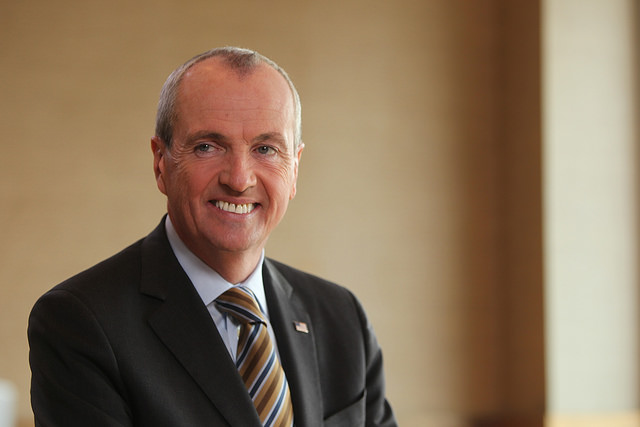
Back in November of 2020, voters in New Jersey overwhelmingly approved Question 1, the ballot measure to legalize cannabis. On February 22, 2021, New Jersey Governor Phil Murphy signed three bills into law, laying out the framework for how the state would move forward with legalized adult use cannabis.

New Jersey Governor Phil Murphy

The legislation became law once the Governor signed the bills, tasking a five-member Cannabis Regulatory Commission (CRC) with developing regulations for the market by June of 2021. The CRC set a deadline of February 22, 2022, six months after the regulations have been established, for when they wanted to officially launch the adult use cannabis program and commence sales.

It looks as though the Garden State is not quite ready to meet that deadline. According to NJ.com, the setback is due to a couple issues, namely municipalities dragging their feet and worries about a weak supply chain. Before a CRC meeting kicks off today, Jeff Brown, executive director of the CRC, told NJ Cannabis Insider that they still have work to do before they can give the green light. “Feb. 22 is not a concrete date to open,” says Brown. “There is no firm commitment on timing of when recreational sales will begin.”

Among the issues that are causing these delays is local approval. Municipalities need to first approve and adopt the cannabis rules before allowing businesses to open. “One of the biggest deficiencies we’re seeing is a lack of municipal approval,” Brown told NJ Cannabis Insider. “That’s an issue, and supply continues to be issue. It’s the priority of the CRC to get recreational sales started as soon as we can, but we have to do it in a way that’s compliant with the law. We need the industry to get there.”

As Brown noted, the CRC also thinks they need to make sure there is adequate supply before the state opens the market. However, businesses appear to be ready and chomping at the bit to get started with the adult use program. Patrik Jonsson, regional president of the northeast for Curaleaf says they have been ready. “Give us 48 hours, and we can pretty much do whatever the state wants, and we’ll open,” says Jonsson. “We have product, the people and the facilities. There are a few minor things we need clarified around the product. But we are very much ready for turning it on as soon as the state lets us.” Curaleaf is the biggest cannabis company in New Jersey and has two cultivation facilities and three retail locations across the state.

While the February 22 deadline is still in place, questions still linger about when exactly the state will be ready to launch its adult use cannabis program and commence sales.

Louisiana Senate Candidate Smokes Blunt in Campaign Ad

By Cannabis Industry Journal Staff
No Comments

Last week, Gary Chambers Jr., a Baton Rouge native, launched his political campaign to run for a U.S. Senate seat in Louisiana. He took the internet by storm with his first political advertisement, a 37-second-long video where he advocates for cannabis legalization, discussing the disproportionate effects that cannabis prohibition has on communities of color.

But that’s not why he made such a splash on social media; the campaign ad made headlines as possibly the first major party candidate to smoke a cannabis blunt in an advertisement.

The timing of the video is also very intentional, lasting 37 seconds. “Every 37 seconds, someone is arrested for possession of marijuana,” Chambers says in the video. “Since 2010, state and local police have arrested an estimated 7.3 million Americans for violating marijuana laws, over half of all drug arrests. Black people are 4 times more likely to be arrested for marijuana laws than white people.”

Chambers is running against Sen. John Kennedy, the Republican incumbent with support from Trump and very deep pockets.

“Most of the people police are arresting aren’t dealers, but rather people with small amounts of pot just like me,” says Chambers. “I’m Gary Chambers, and I’m running for the U.S. Senate.” Click here to see his campaign website and make a donation.

Research Suggests Cannabis Could Help Treat Covid-19

By Cannabis Industry Journal Staff
No Comments

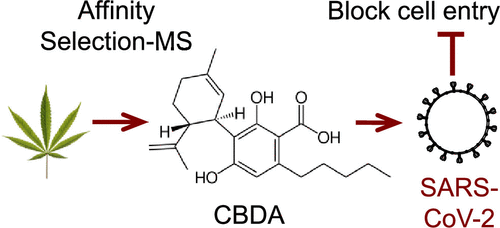
One study published in the Journal of Natural Products two weeks ago proposes using the cannabinoid CBDA in conjunction with vaccines to prevent SARS-CoV-2 (Covid-19) infection. The study was conducted in a lab and says that cannabinoid acids (CBGA, THCA-A, CBDA, etc.) can bind to the SARS-CoV-2 spike protein, blocking cell entry and effectively prevent infection.

Another study published in Science Advances claims cannabidiol (CBD) inhibits SARS-CoV-2 replication and helps prevent infection by inducing endoplasmic reticulum stress response and innate immune responses. The study was conducted in cells and mice, but also had groups of human patients that tested positive for Covid-19 less after taking CBD. “In matched groups of human patients from the National COVID Cohort Collaborative, CBD (100 mg/ml oral solution per medical records) had a significant negative association with positive SARS-CoV-2 tests,” reads the abstract.

Two studies in Israel, one proof-of-concept study and one early-stage clinical trial, have just launched examining the effects of CBD on patients already infected with Covid-19.

The structure of cannabidiol (CBD), one of 400 active compounds found in cannabis.

All of this research already underway does not mean that cannabis prevents Covid-19. In fact, one clinical trial in Brazil that has finished, found no evidence that CBD helped patients with mild Covid-19. Published in the Cannabis and Cannabinoid Research Journal, patients with mild Covid-19 received 300 mg of CBD for 14 days or a placebo. The study suggests that clinical trials should be conducted for the effects of CBD on patients with severe Covid-19, not just mild symptoms.

The clinical trial in Israel that is trying to study the effects of CBD on patients with severe Covid-19 is having trouble finding participants because the newer Omicron variant mainly produces only mild to moderate symptoms.

It is far too early to tell if any of these studies will show evidence of cannabis treating Covid-19, let alone if they mean cannabis products can be used as a treatment or preventative for Covid-19. However, the research is significant and we should keep an eye on any developments that come from those studies.

Statnews.com said it best:

“The latest hubbub is an example of both the promise of cannabinoids — components of cannabis — as potential therapies, but also the hype around them, which can far outpace the evidence that they work. It’s left researchers and consumer advocates scrambling to warn people that patients shouldn’t be turning to over-the-counter products or recreational marijuana in hopes that it might protect them from Covid-19.”

Cannin Commentary

Is Tilray Stock a Buy Post Fiscal Q2 Results?

By Cannabis Industry Journal Staff
No Comments

Canadian cannabis giant Tilray (NASDAQ:TLRY) announced its fiscal second quarter of 2022 results last week. The company reported net revenue of $155 million in Q2 which was an increase of 20% year over year. Tilray attributed these gains to its expansion in verticals that include alcohol as well as hemp-based wellness.

Despite an uptick in sales, Tilray’s gross margin reduced by 7% to $32.8 million as the Canadian cannabis market continues to wrestle with oversupply issues resulting in lower-priced products. Alternatively, Tilray claimed its cost-reduction program is running ahead of schedule and it expects to save $100 million by 2023, up from its earlier forecast of savings of $80 million.

Tilray reported a net income of $6 million in Q2, compared to a year-ago loss of $89 million. The fiscal second quarter was also the 11th consecutive quarter where Tilray reported an adjusted EBITDA. This figure stood at $13.8 million in Q2.

Tilray stock rose by 15% in the two trading days following its Q2 results.

What impacted Tilray in Q2 of fiscal 2022?

Tilray explained its Q2 results were solid as it has successfully built a cannabis and lifestyle brand. Further, the company continues to benefit from its scale, global distribution capabilities as well as operational excellence allowing it to increase sales and maintain profitability despite macro-economic headwinds.

Last year, Tilray completed its merger with Aphria making the combined entity the largest cannabis producer in Canada in terms of market share and sales. Tilray maintained its leadership position in the country despite market saturation and rising competitive challenges.

The company enjoys strong brand recognition and is focused on ensuring an adept pricing environment. It also believes marketing adjustments will allow Tilray to aggressively capture market share going forward.

Germany is the largest medical cannabis market in Europe where Tilray has a 20% share. It’s well-positioned to capture the adult use cannabis market as well in Europe, if and when cannabis is legalized in this region.

Tilray, similar to most other producers aggressively acquired companies in the past. Its acquisition of the U.S.-based SweetWater Brewing and Manitoba Harvest provides it a foothold in the world’s largest cannabis market. These two companies have invested in product innovation to enhance awareness and distribution.

Further, SweetWater and Manitoba Harvest are profitable and provide Tilray an opportunity to launch THC-based products in the U.S. when pot is legalized at the federal level.

What next for TLRY stock?

During its earnings call, Tilray disclosed its new parent name called Tilray Brands. It reflects the company’s evolutions from a Canadian licensed producer to a global consumer packaged goods company with a leading portfolio of cannabis and lifestyle CPG brands.

german flag

Tilray aims to post annual sales of $4 billion by 2024 which is quite optimistic given analysts expect revenue to grow to $980 million in fiscal 2022 and $1.2 billion in fiscal 2023. In order for Tilray to reach its lofty goals, it will have to acquire other licensed producers resulting in shareholder dilution.

Germany is expected to legalize marijuana at the federal level, making it the largest country to do so in terms of population. Tilray already has an EU GMP-certified facility operating in Germany which can increase production capacity to accommodate demand from the adult use segment.

Bottom Line: Is Tilray Stock a Buy Post Fiscal Q2 Results?

While Tilray’s stock gained pace, following its Q2 results, investors should understand that it was estimated to report revenue of $171 million in the quarter. Despite the cost synergies enjoyed by Tilray, the adult-use market in Canada is crowded as well as highly fragmented and should consolidate in the upcoming years which will allow companies to improve the bottom line.

Tilray stock is valued at a market cap of $3.2 billion which suggests its forward price to sales multiple is over 3x. Unlike most cannabis producers in the U.S. Tilray continues to post an adjusted loss making it a high-risk bet at current multiples.

What Can Cannabis Do For Montana?

By Abraham Finberg, Simon Menkes, Rachel Wright
1 Comment

When Montana became a territory in 1864, its legislators chose as its motto the Spanish words “Oro Y Plata” which means “Gold and Silver.” Gold and silver discoveries brought people to the new territory in droves, and everyone expected to get rich.

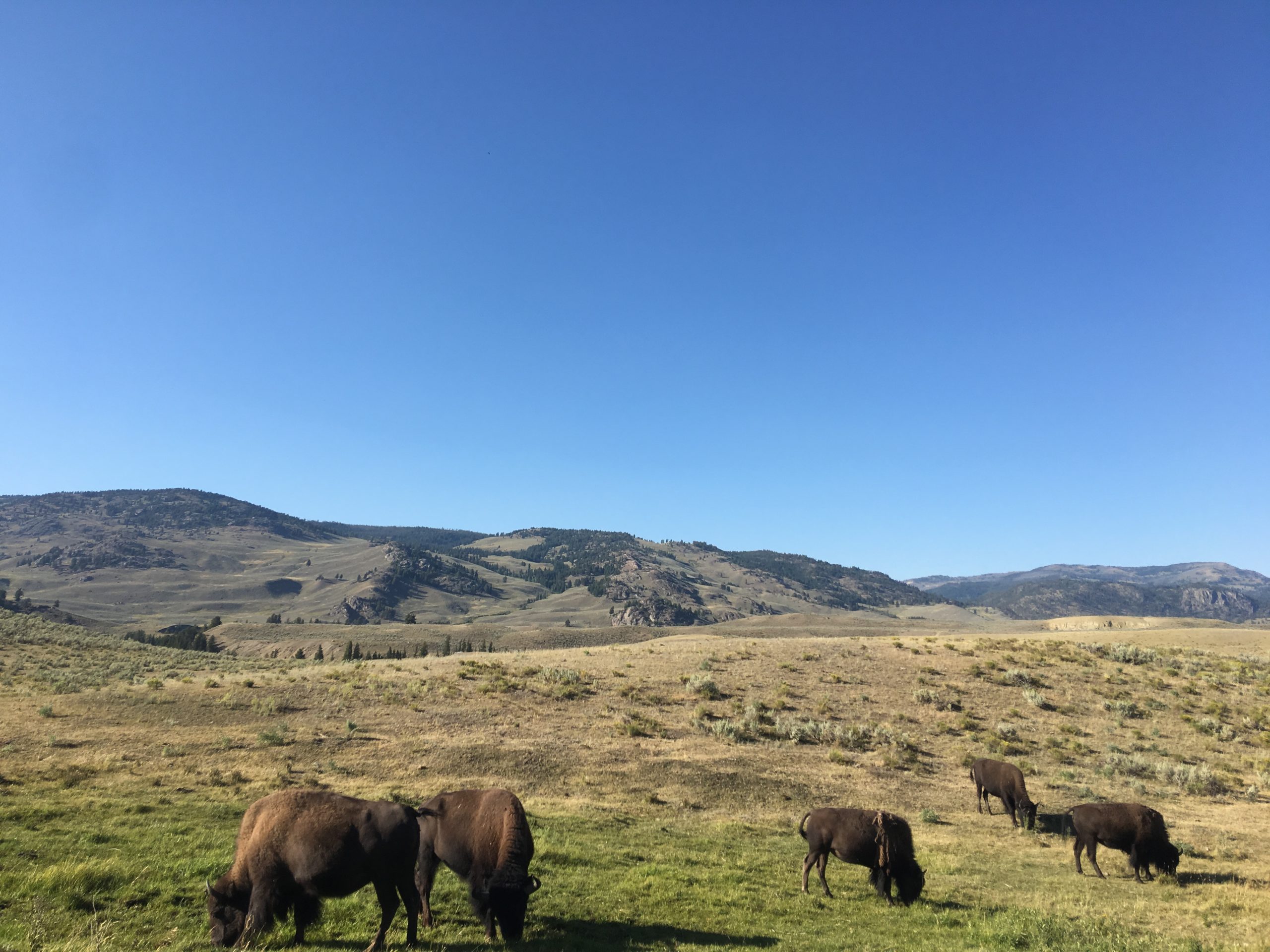
Near the North entrance of Yellowstone in Park County, Montana

Nowadays, the newest gold rush to open up in Montana is the state’s adult use cannabis market, which began operation this past January 1, 2022. The Cannabis Control Division (CCD) of the Montana Department of Revenue expects total adult sales in 2022 to top $130M. With a population just over a million residents, that works out to about $120 per person, which would be more than California’s benchmark $111 per person. Montana’s cannabis industry is expecting exciting and enriching times ahead!

We advise our Montana clients to be cautious, however, and to keep an eye on the “cannabis tax ball.” Why? You can be killing it in sales but still get dragged under by a heavy tax burden, especially in adult use sales, or worse, not keep up with your tax obligations and run afoul of the Department of Revenue or Big Brother IRS.

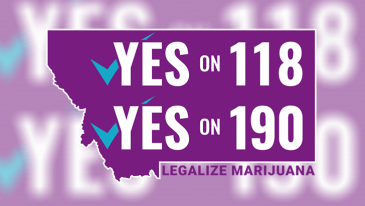
Montana’s initial foray into cannabis began in 2004, when the state passed Initiative I-148, allowing patient cultivation and use of marijuana but left the legality of commercial sales ambiguous.1 The government reactionaries jumped in and used legislative action to tighten and limit that law.2 Then, in 2016, Montana voters legalized the medicinal sale of cannabis with I-182,3 and in 2021, adult use was legalized with I-190, allowing existing dispensaries to sell recreationally beginning January 1, 2022 in counties which voted yes on the initiative.4,5

From a federal taxation standpoint, of course, Montana’s cannabis operators are only allowed to deduct Cost of Goods Sold under Internal Revenue Code (IRC) 280E, and in general, the state of Montana’s tax code conforms with the Internal Revenue Code.6,7 However, the Montana Department of Revenue departed from the IRC in 2017 and allowed normal business deductions for licensed (legal) cannabis corporations.8 The Montana Department of Revenue also interpreted the law for pass-through entities and individuals with licensed cannabis operations to allow deductions of ordinary and necessary business expenses.9 This is what makes it possible to do business in cannabis in the state of Montana.

But what about Montana’s cannabis taxes? How big are they, and how do they compare with other states?

Montana charges a regular sales tax as well as either a 4% cannabis tax on medical sales or a 20% cannabis tax on adult use (recreational) sales.10 Some good news: wholesale sales are exempt from this tax.11 More good news: Both the retail tax and the regular sales tax are exempt from the taxable price i.e., the state does not charge “tax on tax.”12,13 However, be warned: be careful of offering discounts as it is assessed on the regular retail price rather than the actual discounted price.

Pray, a town near Livingston, Montana

Montana assesses the Cannabis Tax on the retail price and excludes discounts or even product given away.14 As of this writing, Park, Yellowstone and Missoula (medical only for Missoula) Counties have an additional 3% Local Option Tax based on the same state retail price definition with an exclusion for discounts or gifted products.15

So, with all these different taxes, is Montana actually a low tax state for cannabis? To begin with, the state is at least “in the ball game” by allowing the deduction of regular operating expenses on state income taxes. In addition, Montana has a relatively low tax which only applies at the retail level for medical sales and a relatively high tax on adult use. Adult use tends to be the vast majority of sales for dispensaries, so this does not bode well for retail cannabis operators.16

But before you throw in the towel and start looking to move to California (or Oklahoma, another cannabis-friendly state), a look at the whole Montana cannabis picture provides a rosier outlook. Montana income tax is relatively low, and since cultivators and manufacturers do not have to pay any cannabis excise taxes (especially as compared to California, with its cultivation tax and a functional 27% excise tax charged to retailers – a tax theoretically assessed to the consumer but in reality charged by a distributor to a retailer) or cultivation taxes on weight that enters the commercial market. All-in-all, Montana is actually a low-tax state for cannabis operators!

Disclaimer: This article has been prepared and published for informational purposes only and is not offered, nor should be construed, as legal advice.

References

  1. https://ballotpedia.org/Montana_Medical_Marijuana_Allowance,_I-148_(2004)
  2. https://legiscan.com/MT/text/SB423/id/277384
  3. https://sosmt.gov/Portals/142/Elections/archives/2010s/2016/I-182.pdf
  4. https://sosmt.gov/wp-content/uploads/I-190.pdf
  5. https://leg.mt.gov/bills/2021/billpdf/HB0701.pdf
  6. Montana Code Title 15, Chap. 30 Part 21 10 (2021)
  7. Montana Code Title 15, Chap. 31 Part 1 13 (2021)
  8. Montana Code Title 15, Chap. 31 Part 1 14 (2021)
  9. Montana Department of Revenue, “Montana Tax News You Can Use,’ December 14th 2017.
  10. Montana Code Title 15, Chap. 64 Part 1 02 (2021)
  11. Montana Code Title 15, Chap. 64 Part 1 02 (2021)
  12. Montana Code Title 15, Chap. 68 Part 1 01 (2021)
  13. Montana Code Title 15, Chap. 64 Part 1 01 (2021)
  14. Montana Code Title 15, Chap. 64 Part 1 01 (2021)
  15. https://montana.servicenowservices.com/citizen/kb?sys_kb_id=37c9bc641bbcc150d707a82eac4bcb67&id=kb_article_view&sysparm_rank=1&sysparm_tsqueryId=a2d72fcd1b380950135cebdbac4bcbc8
  16. Author’s experience with clients from California Oregon, Washington State and Nevada; states with both adult use and medical sales as of this writing. Montana does not have a commercial adult use program as of this writing.

Cannabis in 2022 – Hurry Up and Wait

Here we are entering a new year. Finally, many states in the United States have agreed to legalize adult-use cannabis either through medical or adult-use programs. In 2021, we saw Connecticut, New Mexico, New Jersey, New York and Virginia all legalize adult-use, bringing the total to 18 states that now allow adult-use and 36 for medical use.

State-led initiatives have been the backbone for this emerging industry. Yet, it’s the advocates who are moving the ball forwards through education, research and real-world case studies showing the benefits cannabis can have across many medical ailments. These grassroots efforts must stay vigilant and persist considering the slow progress on the Federal government level.

The Capitol Building, Washington D.C.

It isn’t so much a matter of “if” Washington will legalize cannabis, but a matter of “when.” There has been some progress with the Marijuana Opportunity Reinvestment and Expungement (MORE) Act to end the federal criminalization of cannabis. Also, the Secure and Fair Enforcement (SAFE) Banking Act, allowing cannabis businesses to work with traditional financial institutions was established and introduced. In 2021, the number of cannabis-focused advocacy groups on the Hill multiplied and large public companies like Amazon even turned their attention, and lobbying dollars, towards cannabis issues too.

Unfortunately, these two significant bills mentioned above are moving slowly through the political process and will take a concerted effort to get them across the finish line any time soon. It’s a delicate balancing act that will continue for the foreseeable future as we navigate our way through regulation and compliance issues.

I live in New York, and over the last several months watching counties and municipalities opt-in or opt-out for dispensaries and consumption sites has been fascinating. The Rockefeller Institute of Government has created a Marijuana Opt-Out Tracker. The data shows – 730 out of 1,521 municipalities opt-out of dispensaries and 830 out of 1,521 opt-out for consumption sites. You can see the opt-out number is relatively high. The insights show local municipalities are taking a wait-and-see approach, seeing how the initial rollout goes, and then opt-in later.

New York City
Image: Rodrigo Paredes, Flickr

The data doesn’t correlate for me because if you look at a recent Gallup poll, 68% of adults in the United States approve of cannabis and 18% of Americans admit to using it, up from 10% in 2005.

There is still a disconnect that will require ongoing advocacy and education/research to present fact-based data that cannabis is safe to consume in moderation. Cannabis consumers should have the ability to purchase cannabis products from legal and regulated industry infrastructure in their town and not have to travel over an hour to get products from another location.

I have been in the cannabis industry since late 2017. Over the last four years, the industry has matured across many fronts, including new consumer products, processing technologies, dispensary formats and buying channels. However, I believe ongoing advancements from advocates, new manufacturing processes and technology platforms will lead the cannabis industry into a fully functional marketplace that is regulated and taxed relatively like any other industry.

As the adage goes, all good things are worth waiting for, and a high percentage of global adult individuals want to move forward with cannabis in their lives. Once we start categorizing cannabis as a wellness product and not a gateway drug, we will see both government and industry move quicker together.